


When you think about liposuction, you probably picture larger body areas such as the stomach, thighs or waist. However, some of the most noticeable cosmetic improvements can actually come from treating much smaller areas of your body. Even a subtle change beneath your chin, around your upper arms or near your knees can improve your overall proportions and help your body look more balanced and refined. In many cases, these smaller contouring changes can make a surprisingly noticeable difference to your overall appearance.
You may already exercise regularly, eat well and maintain a healthy weight, yet still feel frustrated by certain stubborn areas that never seem to change. This is extremely common and often has little to do with how healthy your lifestyle is. In many cases, these smaller pockets of fat are influenced more by genetics and your natural fat distribution than by diet or exercise alone. This is one of the reasons why small-area body contouring has become increasingly popular, as you are often refining specific areas rather than trying to lose weight overall.
VASER liposuction is often chosen for this type of treatment because it allows for more precise sculpting in delicate areas. Smaller treatment zones require accuracy, smooth contouring and careful fat removal in order to achieve natural-looking results. This is where VASER technology can offer advantages over more traditional liposuction approaches, particularly in areas such as the chin, arms and knees. If you have been considering treatment for these areas, understanding how VASER liposuction works can help you decide whether it may suit your goals and expectations.
What Is VASER Liposuction?
VASER stands for Vibration Amplification of Sound Energy at Resonance. Although the name may sound technical, the treatment itself is based on a relatively simple concept. VASER liposuction uses ultrasound energy to loosen and break down fat cells before they are removed from your body. This allows the fat to be treated in a more controlled and precise way compared with more traditional liposuction methods. Traditional liposuction relies more heavily on manually breaking apart fat during removal, whereas VASER first emulsifies the fat, meaning it is softened before extraction takes place. This can allow the fat to be removed more gently while giving the surgeon greater control during treatment, particularly in smaller and more delicate areas.
Because the fat is loosened before removal, the surgeon can often sculpt the treated area more accurately while helping to preserve surrounding tissues such as nerves, blood vessels and connective structures. Many patients also notice smoother contours and improved skin contraction once healing is complete. Small-area contouring is usually less about removing large amounts of fat and more about creating subtle refinements that improve balance and definition. Areas such as the chin, upper arms and knees often require careful sculpting in order to achieve smooth and natural-looking results. This is why precision plays such an important role in VASER liposuction treatment.
Why Small Areas Can Be So Frustrating
Smaller areas of stubborn fat can often feel far more frustrating than larger problem areas. You may notice that even after improving your diet, exercising regularly, and losing weight overall, certain parts of your body still refuse to change. Fat beneath the chin, around the knees, or on the upper arms can remain visible no matter how much effort you put in. This is because your body does not naturally remove fat evenly from every area.
1. Weight Loss Does Not Always Target Specific Areas: You may successfully lose weight across your body while still noticing fullness in smaller areas. These stubborn pockets of fat often remain unchanged, which can make your progress feel disappointing. Even healthy lifestyle changes may not fully improve these areas.
2. Exercise Cannot Specifically Remove Fat: While exercise helps strengthen and tone muscles, it cannot force your body to burn fat from one exact location. For example, arm workouts may improve muscle definition, but they may not completely reduce upper arm fullness. This is one reason why localised fat deposits can be difficult to manage naturally.
3. Genetics Play a Major Role: Your genetics strongly influence where your body stores and holds onto fat. Some people naturally carry more fat beneath the chin, around the knees, or on the arms regardless of their overall body shape. This means even slim individuals can struggle with certain stubborn areas.
4. Small Changes Can Create Noticeable Improvements: Many people considering small-area VASER liposuction are already relatively slim and are not looking for dramatic changes. Instead, they want smoother and more balanced body contours. Even a subtle improvement can sometimes make you feel significantly more confident in your appearance.
Although smaller fat deposits may seem minor, they can have a surprisingly large impact on how you feel about your body. When these areas do not respond to diet or exercise, it is understandable to feel frustrated. Procedures such as VASER liposuction are often chosen because they focus on refining contours rather than creating major transformation. For many people, achieving a smoother and more proportionate appearance can make a meaningful difference to their confidence.
Why Smaller Areas Require Greater Precision
You might assume smaller treatment areas are easier to treat than larger body zones, but the opposite is often true. When larger areas such as the abdomen are treated, the surgeon usually has more space to shape and blend the contours evenly. Smaller treatment areas leave far less margin for error because even tiny irregularities may become noticeable after healing. This means the procedure requires a much higher level of accuracy and control in order to achieve smooth and natural-looking results.
For example, the chin contains delicate structures and thinner skin, while the knees naturally have uneven contours and limited soft tissue coverage. The upper arms also require careful sculpting to avoid creating hollowness, unevenness or unnatural definition. This means the goal is not simply removing fat but creating smooth transitions, balanced proportions and refined contours that suit the rest of your body. VASER technology can help support this level of precision because it allows the fat to be removed more selectively and gently during treatment.
VASER Liposuction for the Chin

The chin is one of the most commonly treated areas with VASER liposuction. Even a small amount of fat beneath your chin can significantly affect the appearance of your face and neck. Fullness in this area may soften your jawline and reduce the natural definition between your chin and neck. In many cases, this can make your facial profile appear heavier or less sculpted than you would like.
You may also feel that a fuller chin area makes you look older or heavier than you actually are. This concern is extremely common and often affects people who are otherwise slim, healthy and physically active. In many cases, fat beneath the chin is influenced more by genetics and natural fat distribution than by body weight alone. Because the area is small and highly visible, precise contouring becomes especially important when creating natural-looking and balanced results.
Why Chin Fat Is So Common
Submental fat, often known as a double chin, is strongly influenced by genetics. You may notice fullness beneath your chin even if you maintain a healthy weight and stay physically active. This is because some people naturally store more fat in this area due to inherited facial structure and fat distribution patterns. As a result, it is not always linked to lifestyle or fitness levels.
Ageing can also play a role in how this area looks over time. As your skin gradually loses elasticity, fullness beneath the chin may become more noticeable and less defined. Weight fluctuations can sometimes make the appearance more pronounced as well, although genetics usually remain the main contributing factor. This combination of factors is why chin fat is so common, even among people who are otherwise slim and healthy.
How Chin VASER Liposuction Works
Chin VASER liposuction is a precise cosmetic procedure designed to reduce excess fat under the chin and refine the jawline. It focuses on improving the definition between your chin and neck without creating an overdone or artificial look. The treatment is often chosen by people who struggle with a double chin or lack of jawline structure despite being at a healthy weight. It is a targeted approach that works on contouring rather than major weight reduction.
1. Small, Carefully Placed Incisions: During the procedure, very small incisions are usually made beneath your chin or around the ear area. These entry points are chosen carefully to minimise visible scarring. Because they are discreet, they typically heal well and blend naturally with your skin over time.
2. Ultrasound Technology to Loosen Fat: Ultrasound energy is used to gently break down and loosen fat cells before removal. This technique helps make the fat easier to extract while also protecting surrounding tissues. It allows for a smoother and more controlled contouring process compared to traditional methods.
3. Precise Fat Removal for Natural Definition: A thin cannula is then used to carefully remove the loosened fat. Since the chin and jawline are highly visible areas, precision is essential throughout the procedure. The aim is to enhance your natural facial structure rather than create an exaggerated change.
4. Focus on Jawline and Neck Balance: The main goal is to improve the angle between your chin and neck for a more defined profile. Even a small reduction in fat can make your jawline look sharper and more structured. This subtle refinement often leads to a more youthful and balanced appearance.
Chin VASER liposuction is generally performed under local anaesthetic with sedation, although your specific plan may vary based on your needs. The approach is designed to keep you comfortable while allowing accurate contouring of the treatment area. Because the procedure is highly targeted, results tend to look natural rather than obvious. Over time, you typically notice a clearer and more defined lower face shape.
Recovery After Chin VASER Liposuction
Recovery is often easier than many people expect. Swelling and bruising are common during the first couple of weeks after treatment, but these symptoms gradually improve as your body heals. You will usually be advised to wear a compression garment around your chin and neck, which helps support the area, reduces swelling and encourages smoother healing. During this time, it is important to follow aftercare instructions carefully to support the best possible outcome.
You may notice tightness, tenderness or temporary numbness in the treated area during the early stages of recovery. These sensations are normal and usually improve as healing progresses. Your final results do not appear immediately, as the body needs time to adjust. Over several months, swelling continues to settle and the tissues gradually adapt to their new contours, revealing a more defined and refined chin profile.
Are You Suitable for Chin Contouring?
You may be a good candidate for chin contouring if you are close to your ideal body weight but still feel bothered by stubborn fullness beneath your jawline. This type of concern is common and often does not improve with diet or exercise alone. Many people seek treatment specifically to refine this small but noticeable area and improve facial balance and definition.
Good skin elasticity is also important because your skin needs to contract smoothly after the fat is removed. If your skin has enough natural firmness, it can adapt well to the new contour and create a more defined result. However, if you have significant loose skin, additional tightening treatments may sometimes be recommended alongside liposuction to achieve the best overall outcome.
VASER Liposuction for the Arms
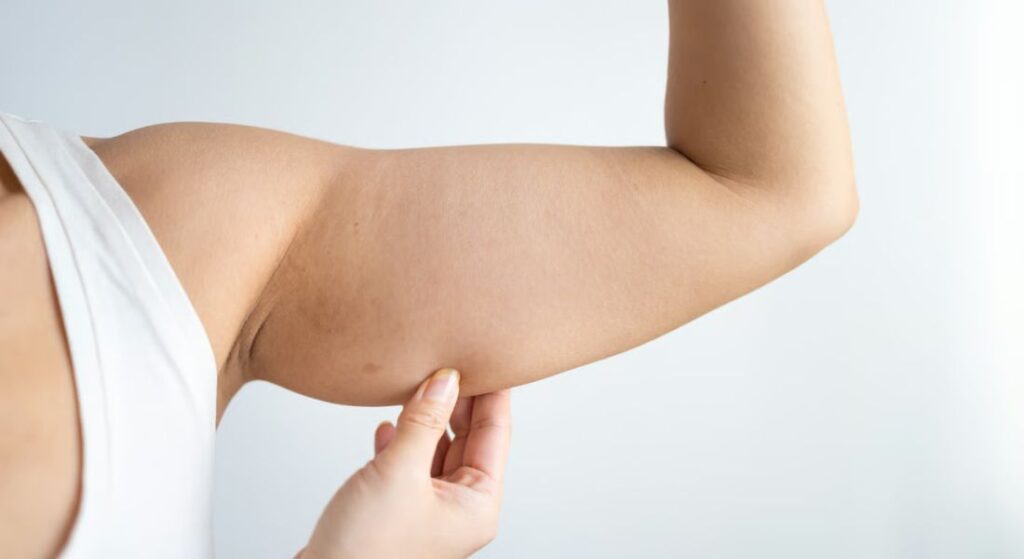
The upper arms are another area that many people find difficult to improve naturally. You may feel self-conscious about fullness in this region, especially when wearing fitted tops, short sleeves or sleeveless clothing. Even if the rest of your body feels well-proportioned, the upper arms can sometimes appear bulkier in comparison, which may affect how balanced and confident you feel about your overall figure. This can make certain outfits feel less comfortable than you would like.
This concern is extremely common and can affect both men and women of different ages and body types. In many cases, arm fat is resistant to diet and exercise, which means it does not always reduce even with regular workouts or weight management. As a result, you may notice stubborn fullness or lack of definition in the upper arms that does not seem to change over time. This is why targeted contouring treatments are often considered to refine the shape of this area and create a more toned and proportionate appearance.
Why Arm Fat Can Be Difficult to Shift
Upper arm fat is one of the most common concerns you may notice, and it can be surprisingly resistant to change. This area is influenced by a combination of genetics, hormones and natural ageing, which all affect how and where your body stores fat. Even when you maintain a healthy routine, the upper arms may still appear softer or less defined than you would like. This is because the body does not always respond evenly to weight loss efforts.
1. Genetics Influence Fat Distribution: Your genes play a key role in determining where your body stores fat. For some people, the upper arms are a natural storage area, making fat reduction here more difficult. Even with a stable weight, this pattern can remain consistent over time.
2. Hormonal and Age-Related Changes: Hormonal shifts and ageing can gradually change how your body holds fat and how firm your skin appears. As skin elasticity reduces, the upper arms may look heavier or less toned. This combination can make the area appear more prominent even without significant weight gain.
3. Exercise Builds Muscle but Doesn’t Target Fat Loss: Strength training can help improve muscle tone in the arms, making them feel stronger and more defined. However, it cannot specifically remove the layer of fat covering the muscles. This means visible fullness may still remain despite regular workouts.
4. Frustration Despite an Active Lifestyle: Many people feel discouraged when their efforts do not produce visible changes in this area. You may be exercising consistently and maintaining a healthy lifestyle, yet still notice stubborn upper arm fat. This is a common experience and is linked to how the body naturally prioritises fat loss.
Arm fat can therefore be one of the more persistent concerns, even when you are doing everything “right.” Understanding why it behaves this way helps set realistic expectations. In many cases, small targeted improvements can make a noticeable difference in overall arm shape. This is why some people explore additional contouring options when lifestyle changes alone are not enough.
How Arm VASER Liposuction Is Performed
Small incisions are usually made in discreet locations, often hidden near your armpit or around the elbow area. These entry points are kept minimal to help reduce visible scarring and support a more natural overall result. Once the area is prepared, the treatment begins with the use of ultrasound energy to target the fat cells.
The ultrasound energy breaks down and loosens the fat before it is removed, which allows the surgeon to sculpt your arms with greater precision. This step helps make the fat easier to extract while supporting smoother contouring in the process. Because the fat is already softened, the surrounding tissues can often be treated more carefully.
Balance is extremely important during arm contouring because the arms need to look natural from every angle. Removing too much fat can create an unnatural or overly hollow appearance, while removing too little may not give the desired improvement. The aim is to achieve slimmer, smoother arm contours while still maintaining a natural and proportionate look that suits the rest of your body.
Why Skin Quality Matters in the Arms
Skin elasticity plays a major role in the final outcome of arm VASER liposuction. If your skin has good elasticity, it can naturally contract and adjust after the fat has been removed. This helps the arms look smoother, tighter and more defined over time as healing progresses.
However, if there is already significant loose skin present, liposuction alone may not fully correct the concern. In these cases, removing fat without enough skin tightness can sometimes leave the area looking less firm than expected. This is why your surgeon will carefully assess your skin quality before recommending the most suitable treatment plan for you.
In some situations, an arm lift procedure may be more appropriate than liposuction alone. This is because an arm lift can remove excess skin directly while also improving overall contour and firmness. The aim is always to choose the approach that gives you the most natural, balanced and long-lasting result based on your individual skin condition.
Recovery After Arm VASER Liposuction
Compression garments are usually worn for several weeks after arm VASER liposuction to support healing and help reduce swelling. These garments also assist the skin in adapting to the new shape of your arms. Consistent use can play an important role in achieving a smoother and more refined final result.
You can expect temporary bruising, soreness and mild numbness in the treated area during the initial recovery phase. It is also common to feel some firmness beneath the skin, which gradually softens as healing progresses. Most people are able to return to light daily activities fairly quickly, although strenuous exercise is usually restricted for several weeks to allow proper recovery.
As the swelling slowly settles over time, your arm contours begin to look smoother and more defined. The final shape continues to improve gradually as your body adjusts and heals fully. This step-by-step healing process helps create a more natural-looking and balanced outcome.
VASER Liposuction for the Knees
VASER liposuction for the knees is a targeted contouring treatment that focuses on refining one of the most overlooked areas of the lower body. Although the knees are small, even a slight buildup of fat around them can affect the overall shape of your legs. This can make the lower body appear less streamlined, even if the rest of your legs are naturally slim. Because this area is quite delicate, precision is especially important to achieve a balanced and natural result.
1. Impact of Knee Fat on Leg Shape: Even a small amount of fat around the inner knees can interrupt the smooth line of your legs. This can create the impression of heaviness or lack of definition in an otherwise slim lower body. As a result, your legs may not look as elongated or balanced as you would like.
2. Knees Are Often Resistant to Change: You may notice that despite maintaining a healthy weight, the knee area does not respond as easily to diet or exercise. This is because fat distribution in this region is largely influenced by genetics. It can remain persistent even when other areas of your body become leaner.
3. Exercise Has Limited Effect on Local Fat: Strengthening your legs can improve tone and muscle definition, but it cannot specifically target fat around the knees. Even with regular workouts such as squats or lunges, the superficial fat layer may still remain visible. This is why the area can feel particularly frustrating to improve naturally.
4. Subtle Changes Can Improve Overall Proportion: Reducing fullness around the knees can help create a smoother transition between the thighs and calves. Even a small adjustment in this area can make your legs appear longer and more streamlined. These subtle improvements often enhance overall leg harmony rather than dramatically changing your shape.
VASER liposuction for the knees is therefore focused on fine contouring rather than major transformation. Because the area is small, even minimal fat removal can make a noticeable difference in how your legs look. The goal is always to maintain a natural shape while improving balance and definition. For many people, this leads to a more confident and proportionate overall appearance.
Why Knee Fat Is So Stubborn
Fat around the knees is commonly genetic and can be extremely resistant to both diet and exercise. You may notice that even when you lose weight from other parts of your body, the area around your knees shows very little change. This can make the lower legs appear less defined, even if you are otherwise lean and active.
In many cases, this stubborn fat is simply part of your natural fat distribution pattern, which is influenced by genetics. As a result, lifestyle changes alone may not always produce noticeable improvement in this area. This can feel frustrating when you are putting in consistent effort but not seeing balanced results across your body.
Because the skin around the knees is thinner and the underlying anatomy is more delicate, any treatment in this area requires a very careful and precise approach. Even small changes can have a visible impact on overall leg shape and proportion. This is why careful planning is essential to ensure smooth, natural-looking results without irregularities.
How VASER Liposuction Improves Knee Contours
VASER liposuction allows targeted fat removal around your inner knees and the surrounding areas. This level of precision helps the surgeon focus only on the stubborn fat while carefully shaping the natural curves of your lower legs. Because the treatment is more controlled, it can be especially useful in such a small and delicate area.
The main goal is usually to create smoother transitions between your thighs, knees and lower legs. This helps improve the overall flow and balance of your leg shape, rather than creating any harsh or unnatural lines. Even relatively small adjustments in this area can make a noticeable difference to how proportionate your legs appear overall.
Since the treatment area is fairly small, recovery may feel more manageable compared with larger liposuction procedures. You may still experience temporary swelling or tenderness, but this generally settles gradually as healing progresses. Over time, as the area refines, your knee contours can look smoother, more defined and better balanced with the rest of your legs.
Recovery Following Knee Liposuction
Swelling around your knees can initially make movement feel tight or slightly uncomfortable after the procedure. This is a normal part of the healing process, especially in an area that is used frequently for walking and bending. You may notice that your mobility feels slightly restricted at first, but this gradually improves as the tissues recover.
Compression garments are often recommended to help reduce swelling and support the tissues during healing. They also help the skin adjust smoothly to the new contour of the knees. Wearing them as advised can play an important role in achieving a more even and natural-looking result over time.
Most swelling improves gradually over the following weeks, although subtle contour refinement may continue for several months as the body fully heals. You may also experience temporary numbness or firmness beneath the skin, which slowly settles as recovery progresses. Over time, the knee area becomes smoother, more defined and better balanced with your overall leg shape.
How Your Skin Elasticity Affects Results
Skin elasticity plays a key role in determining how smooth and natural your final results will look after VASER liposuction. Once fat is removed, your skin needs to gently tighten and adjust to the new underlying shape. If your skin has good elasticity, it can contract more effectively and help create a smoother contour. This balance between fat removal and skin response is essential for achieving a refined outcome.
1. Skin Needs to Re-Shrink Over New Contours: After fat is removed, your skin must adapt and settle over the reduced volume underneath. When elasticity is strong, this process usually happens more evenly and smoothly. This helps the treated area look natural rather than loose or uneven.
2. Good Elasticity Supports Better Results: If your skin quality is healthy, it is more likely to retract well after treatment. Younger skin or well-maintained skin tends to have more flexibility and firmness. This can enhance the final contour and improve overall definition.
3. Multiple Factors Influence Elasticity: Skin elasticity is affected by several lifestyle and biological factors. Age, genetics, smoking, sun exposure, hydration levels and repeated weight changes can all impact how your skin behaves. Over time, these factors may reduce the skin’s ability to tighten effectively.
4. Loose Skin May Persist in Some Cases: If the skin has reduced elasticity, it may not fully contract after fat removal. This can lead to mild looseness in the treated area. In such cases, the surgeon takes this into account when planning the procedure.
Because of this, your surgeon carefully evaluates both fat distribution and skin quality during your consultation. This helps ensure the treatment plan is realistic and tailored to your body’s natural response. Understanding your skin condition is essential for achieving balanced, natural-looking results.
Is VASER Liposuction Painful?
Most people describe the discomfort from VASER liposuction as manageable rather than severe. During the procedure itself, anaesthetic is used to keep you comfortable and ensure you do not feel pain. This helps make the treatment experience much easier to tolerate from start to finish.
Afterwards, you can expect some soreness, tenderness and tightness in the treated areas. Many people compare this feeling to muscular discomfort after an intense workout rather than sharp pain. These sensations are temporary and gradually improve as your body begins to heal.
Smaller treatment areas generally involve less discomfort compared with larger body procedures. Because the treatment is more targeted, the recovery process can often feel more straightforward. Many patients are pleasantly surprised that the overall experience is easier than they originally expected.
How Long Does Recovery Take?
Recovery time after VASER liposuction varies depending on the treatment area, the amount of fat removed and how your body naturally heals. Everyone responds differently, so your personal healing journey may not be exactly the same as someone else’s. In general, smaller procedures tend to involve a quicker and more comfortable recovery compared with larger liposuction treatments.
During the first few days, swelling and bruising are usually at their most noticeable. Compression garments are typically worn continuously during this stage to help support healing and reduce swelling. Within the first two weeks, most of the bruising gradually improves and you will usually find that normal movement becomes easier and more comfortable.
Over the following months, swelling continues to settle slowly and your final contours start to become more visible. It is important to understand that results do not appear instantly, as the body needs time to fully adjust and heal. Patience plays an important role because your final outcome develops gradually, revealing a smoother and more refined shape over time.
Are the Results Permanent?
The fat cells removed during VASER liposuction are permanently taken out of your body. Once these cells are removed, they do not grow back, which means the treated areas are permanently reduced in terms of fat cell number. This is why the procedure can create long-lasting improvements in body contour and definition.
However, maintaining your results still depends on your lifestyle after treatment. If you experience significant weight gain, the remaining fat cells in your body can still expand, which may affect your overall shape. This means that while the treated areas are permanently refined, your overall body balance can still change with major weight fluctuations.
VASER liposuction should therefore be seen as a contouring procedure rather than a replacement for healthy habits. It is designed to refine specific areas and improve proportions, not to control future weight changes. Maintaining a stable weight through a balanced diet and regular activity can help you preserve your results for the long term.
Common Misunderstandings About Small-Area Liposuction
Small-area liposuction is often misunderstood, especially because people assume it is a simpler version of standard fat removal procedures. In reality, treating smaller regions like the chin, arms or knees requires a high level of precision and planning. These areas are more visible and delicate, so even slight irregularities can affect the overall result. Understanding the reality of the procedure helps you set more accurate expectations.
1. Smaller Areas Require Greater Precision
It is often assumed that treating a smaller area is easier, but the opposite is usually true. Because these regions are highly visible, even small unevenness can stand out more clearly. This means the procedure requires careful technique to ensure smooth, natural-looking contours.
2. Not Just a Treatment for Women
There is a common belief that liposuction is mainly chosen by women. However, many men also opt for VASER liposuction, particularly for areas like the chin and abdomen. The goal is the same for everyone: improved definition and balanced body contours.
3. Not Designed for Major Weight Loss
Liposuction is sometimes mistaken for a weight-loss solution, but this is not its purpose. Instead, it focuses on targeted fat removal to refine specific areas of the body. It is best suited for shaping and contouring rather than reducing overall body weight.
4. Results Develop Gradually Over Time
Many people expect immediate final results, but this is not the case. While early improvements may be visible, swelling is normal after the procedure and can temporarily mask the outcome. Final results typically become clearer over several weeks to months as the body fully heals.
Small-area liposuction is therefore a highly refined procedure rather than a simple or quick fix. It is designed to enhance natural proportions rather than dramatically change your appearance. Having realistic expectations helps you better understand the healing process and final outcome. Over time, the subtle improvements can create a more balanced and confident look.
Combining Small-Area VASER Liposuction With Other Treatments
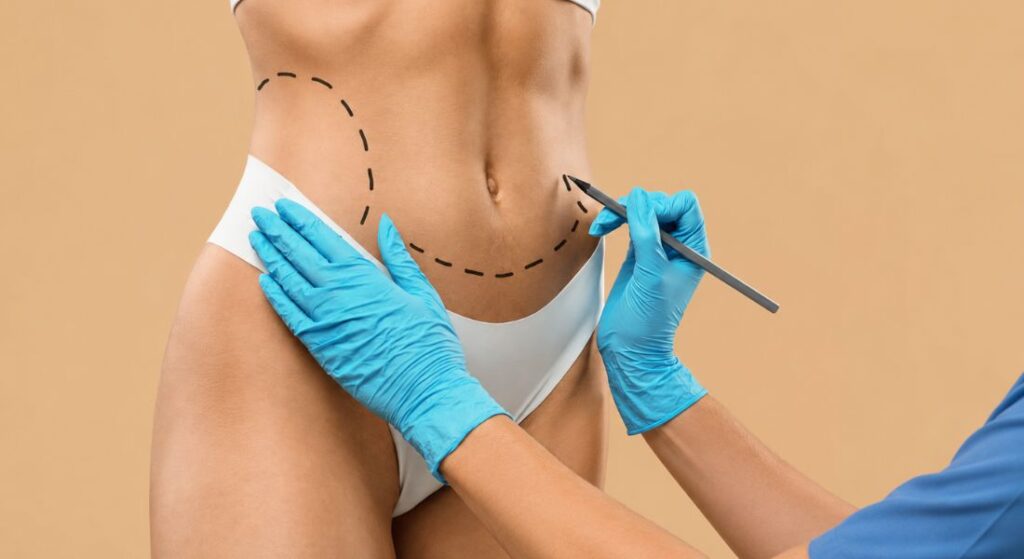
Some people choose to combine smaller contouring procedures with additional cosmetic treatments to achieve more balanced overall results. This approach can help you address more than one concern at the same time, especially if different areas of your body are affected. It is often planned in a way that ensures the final outcome looks natural and well-proportioned.
Chin liposuction may sometimes be combined with skin-tightening procedures to improve definition and support better skin contraction. Arm contouring can also be performed alongside broader body sculpting treatments if you want a more overall refined silhouette. In some cases, knee contouring may be combined with thigh liposuction to enhance the smoothness and shape of your entire leg line.
The most suitable approach always depends on your individual anatomy, skin quality and personal goals. Your surgeon will assess how each area interacts with the rest of your body to create a balanced treatment plan. This ensures that the results look cohesive rather than treating each area in isolation.
Why Choosing the Right Surgeon Matters
When delicate areas such as the chin, arms and knees are being treated, the experience and skill of your surgeon become extremely important. These are small, highly visible areas where precision is essential, and even minor differences in technique can affect the final result. A carefully planned and well-executed procedure can make the difference between smooth, natural-looking contours and uneven or noticeable irregularities.
During your consultation, you should feel comfortable discussing realistic expectations, recovery timelines and any limitations of the procedure. This is your opportunity to understand what can realistically be achieved based on your body and treatment goals. Reviewing before-and-after photographs and asking about the surgeon’s experience with small-area VASER procedures can also help you make a more informed and confident decision.
An experienced surgeon will always focus on creating balanced and natural-looking results rather than simply removing as much fat as possible. The goal is to enhance your overall proportions in a subtle and controlled way that suits your body shape. This thoughtful approach helps ensure that the outcome looks refined, harmonious and in line with your expectations.
Possible Risks and Complications
Although VASER liposuction is generally considered safe when performed by a qualified professional, it is still a surgical procedure and carries some potential risks. Understanding these risks beforehand helps you make a more informed decision and prepares you for the recovery process. Your surgeon will always aim to minimise complications through careful planning and technique.
Possible side effects may include swelling, bruising, infection, temporary numbness, contour irregularities and fluid retention. Most of these effects are mild and tend to improve gradually as your body heals over time. However, recovery can vary from person to person depending on your individual healing response and the treatment area.
Carefully following your aftercare instructions plays a major role in supporting a smooth recovery and reducing the chance of complications. Wearing compression garments, attending follow-up appointments and avoiding strenuous activity when advised can all help improve your healing process. With proper care, most side effects settle and your results continue to refine over the following weeks and months.
What Results Can You Realistically Expect?
When it comes to small-area VASER liposuction, the results are typically subtle rather than dramatic. The aim is not to completely change your appearance, but to refine and enhance your natural contours. You may find that areas like the chin, arms or knees look smoother and more defined, creating a better overall balance. This kind of improvement often feels natural because it works with your existing body shape rather than altering it completely.
1. Subtle but Noticeable Refinement: You can expect gentle improvements rather than extreme changes in body size or shape. For example, the jawline may appear more defined or the arms slightly more contoured. These changes are often enough to enhance your overall silhouette without looking obvious or artificial.
2. Improved Balance and Proportion: One of the main benefits is better harmony between different parts of your body. Even small reductions in stubborn fat can help your features look more aligned and proportionate. This can make your overall appearance feel more refined and structured.
3. Visible Changes in Specific Areas: Depending on the treatment area, you may notice a sharper jawline, slimmer arm shape or smoother leg contours. These changes tend to be most visible when comparing before-and-after results rather than day-to-day observations. The focus is always on enhancing natural definition.
4. Enhanced Confidence Through Subtle Change: Even modest improvements can have a meaningful impact on how you feel about your appearance. When small areas become more refined, your overall body shape can look more polished and balanced. This often leads to increased confidence in everyday clothing and posture.
VASER liposuction for small areas is therefore best understood as a refinement procedure rather than a transformation treatment. The changes are designed to look natural and blend seamlessly with your existing shape. While the results may not be dramatic, they are often enough to create a noticeable improvement in proportion and definition.
Confidence and Body Image
It is easy to underestimate how much a small physical concern can affect your confidence over time. When a specific area consistently bothers you, it can influence how you feel in everyday situations, even if the change seems minor to others. You may notice it more in photographs, social settings or when choosing certain clothing styles, which can gradually impact how comfortable you feel in your own skin.
At the same time, it is important to approach cosmetic procedures with realistic expectations. No treatment can create perfection, and it should never be seen as the only source of confidence or self-esteem. Your emotional wellbeing should not depend entirely on physical appearance, as confidence comes from many different parts of your life and identity.
The healthiest mindset is usually to view treatment as a refinement rather than a complete solution to confidence concerns. Small improvements can enhance your natural features and help you feel more comfortable, but they work best when combined with a balanced and realistic outlook. This approach allows you to appreciate the results without placing unrealistic pressure on yourself or the procedure.
Why Subtle Body Contouring Is Becoming More Popular
Modern cosmetic treatments have increasingly shifted towards natural-looking enhancement. Instead of dramatic changes, many people now prefer improvements that gently refine their existing features. The focus is often on creating a fresher, more balanced appearance that still looks like you, just slightly more defined and proportionate.
Many people now choose subtle contour improvements because they want to look better without appearing obviously altered. Small changes can help enhance confidence while still maintaining a natural look in everyday life. This approach is especially appealing if you want results that blend smoothly with your overall body shape rather than standing out.
Social media, video calls and high-definition photography have also made people more aware of smaller facial and body details. You may notice areas that previously went unnoticed, simply because you see yourself more often on screen. As a result, smaller targeted contouring procedures have become increasingly popular for those looking for subtle but noticeable refinements.
Maintaining Your Results Long-Term
Long-term results after VASER liposuction depend heavily on maintaining healthy habits once your treatment is complete. The procedure can create long-lasting improvements, but your lifestyle still plays an important role in preserving those results. Consistency in your daily routine helps support a stable and balanced body shape over time.
Regular exercise, a balanced diet, proper hydration and avoiding smoking can all help you maintain your outcome. These habits support overall weight stability, which is key to keeping your new contours looking smooth and defined. Looking after your general health also benefits your skin quality, which continues to be important even after liposuction.
Although the fat cells removed during treatment do not return, remaining fat cells in your body can still change in size if your weight fluctuates significantly. This is why maintaining a steady lifestyle helps keep your results refined and long-lasting. With the right habits, your improved contours can be preserved for many years.
FAQs:
1. Is VASER liposuction suitable for small areas like the chin, arms and knees?
Yes, VASER liposuction is often particularly well suited to smaller areas because it allows more precise fat removal and contouring. Areas such as the chin, upper arms and knees require careful sculpting, and VASER technology can help create smoother, more natural-looking contours.
2. Can you lose weight with VASER liposuction?
VASER liposuction is not designed as a weight-loss treatment. It is mainly used for body contouring and removing stubborn fat deposits that may not respond well to diet and exercise. The goal is refinement and improved proportions rather than significant weight reduction.
3. How long does it take to recover from small-area VASER liposuction?
Recovery varies depending on the area treated and how your body heals. Most swelling and bruising improve within the first couple of weeks, although your final results may continue developing over several months as swelling fully settles.
4. Is VASER liposuction painful?
Most people describe the discomfort as manageable rather than severe. You may feel soreness, tightness and tenderness after the procedure, similar to muscle soreness after intense exercise. Smaller treatment areas usually involve less discomfort than larger body contouring procedures.
5. Will you have visible scars after the procedure?
The incisions used for VASER liposuction are usually very small and placed discreetly whenever possible. Over time, these scars often fade significantly and become far less noticeable.
6. Are the results of VASER liposuction permanent?
The fat cells removed during treatment are permanently removed. However, maintaining a stable weight is still important because the remaining fat cells in your body can still enlarge if you gain weight after the procedure.
7. Can VASER liposuction tighten loose skin?
VASER liposuction may support some degree of skin contraction due to the ultrasound technology used during treatment. However, it does not replace surgical skin-tightening procedures if you already have significant loose or sagging skin.
8. Who is a good candidate for small-area VASER liposuction?
You may be a suitable candidate if you are close to your ideal weight, have localised stubborn fat deposits and maintain realistic expectations. Good skin elasticity is also important for achieving smoother final contours.
9. How soon will you see results after VASER liposuction?
You may notice some early improvement once the initial swelling starts reducing. However, your final contour usually develops gradually over several months as your tissues heal and settle into their new shape.
10. Can VASER liposuction be combined with other cosmetic treatments?
Yes, small-area VASER liposuction is often combined with other procedures depending on your goals. For example, chin contouring may be paired with skin-tightening treatments, while arm or knee contouring may complement wider body sculpting procedures.
Final Thoughts: VASER Lipo for Small Areas
Small-area body contouring is often about refinement rather than dramatic transformation. Even subtle changes beneath your chin, around your upper arms or near your knees can help create smoother proportions and a more balanced appearance overall. Because these areas are smaller and more delicate, precision and careful contouring become especially important.
VASER liposuction is commonly chosen for this reason, as it allows more targeted fat removal while helping maintain natural-looking results. If you are considering treatment, it is important to have realistic expectations and choose an experienced surgeon who understands how to sculpt smaller areas safely and proportionately. If you’re thinking about Vaser liposuction in London, you can get in touch with us at the London Medical & Aesthetic Clinic.
References:
1. Dhankher, S., Yadav, P., Sharma, S., Gupta, E., Yadav, R.G., Dash, P.K. and Parida, M. (2024) ‘Structural and genomic evolutionary dynamics of Omicron variant of SARS-CoV-2’, Frontiers in Medicine, 11, p. 1416006. Available at: https://pubmed.ncbi.nlm.nih.gov/39351309/
2. Wang, Y., Li, Z., Zhang, X., Liu, Y., Chen, J. and Li, H. (2024) ‘Advances in ultrasound-assisted liposuction for body contouring’, Aesthetic Plastic Surgery, 48(9), pp. 1678–1687. Available at: https://pubmed.ncbi.nlm.nih.gov/39185383/
3. Alqahtani, M., Mahabbat, N. and Fayi, K. (2023) ‘Rare complication of coupled VASER liposuction and Renuvion technologies: a case report’, Case Reports in Plastic Surgery and Hand Surgery, 10(1), 2181175. Available at: https://pmc.ncbi.nlm.nih.gov/articles/PMC10062231/
4. Di Giuseppe, A., et al. (2024) ‘Correlation between BMI, amount of aspirated fat and post-operative complications in VASER liposuction: A single centre experience’, Journal of Plastic Surgery and Hand Surgery. Available at: https://pmc.ncbi.nlm.nih.gov/articles/PMC11440265/
5. Khanna, A., Rehman, K.U. and Narang, R.S. (2013) ‘Unfavourable outcomes of liposuction and their management’, Indian Journal of Plastic Surgery, 46(2), pp. 377–392. Available at: https://pmc.ncbi.nlm.nih.gov/articles/PMC3901919/