

VASER liposuction is often chosen when you want a more defined and sculpted body shape. You may expect smoother contours, reduced stubborn fat, and better overall body proportion after treatment. It is natural to look forward to seeing a noticeable improvement, especially if you have been struggling with areas that do not respond well to diet and exercise.
However, your results may not look exactly how you imagined straight away. Swelling, bruising, healing, skin quality, weight changes, and personal expectations can all affect how your body appears after the procedure. This can sometimes make the treated area look uneven, fuller, firmer, or less refined than you expected during the early recovery stage.
In some cases, what feels disappointing at first may simply be part of the normal healing process. Your body needs time to settle, and swelling can hide the final shape for several weeks or even months. This is why you should avoid judging your result too early, especially while your tissues are still healing and your skin is still adapting.
This article will explain why VASER liposuction results may feel disappointing and when it may be too early to judge the outcome. It will also help you understand what can be done if your final result is not what you expected. With the right advice, you can make a calmer and clearer decision about whether you need more time, reassurance, aftercare, or further treatment.
Understanding What VASER Liposuction Can and Cannot Do
VASER liposuction is designed to remove localised fat and improve your body contour. It can help shape stubborn areas that do not respond well to diet and exercise, especially when you are already close to a stable weight. The goal is usually to create a smoother and more defined outline, not to work as a weight-loss treatment or complete body transformation.
This distinction matters because some disappointment comes from expecting more than the procedure can realistically achieve. If your main concern is loose skin, cellulite, weak muscle tone, or overall body weight, fat removal alone may not fully solve it. VASER liposuction may improve the shape of the treated area, but it cannot correct every concern that affects how your body looks.
A clear article should help you understand the difference between fat reduction, contouring, tightening, and total body reshaping. When you know what VASER liposuction can and cannot do, your expectations become more realistic before and after treatment. This helps you judge your results more fairly and make better decisions about whether you need more healing time, aftercare, or further advice.
Why Early Results Can Look Disappointing
Early results after liposuction can sometimes look uneven, swollen, firm, or less defined than you expected. This can feel disappointing, especially if you were hoping to see a smoother shape straight away. However, this does not always mean the procedure has failed or that your final result will look the same.
Swelling can hide your final contour for several weeks or even months while your body continues to heal. The treated area may also feel firm, tender, or slightly irregular during this stage, which can make the result harder to judge. This is why you should give your body enough time to settle before deciding whether the outcome is truly unsatisfactory.
At the same time, you should not ignore symptoms that feel unusual or concerning. If you notice severe pain, increasing swelling, redness, discharge, fever, worsening asymmetry, or sudden changes, you should contact your clinic for advice. Early disappointment can be normal, but proper review is important when your recovery does not feel right.
The Normal Healing Timeline After VASER Liposuction
VASER liposuction results usually develop gradually, so you should not expect the final shape to appear straight away. You may notice some early change, but your body still needs time to settle, drain fluid, reduce swelling, and soften. During this stage, the treated area may not look as smooth or defined as you hoped.
In the first few weeks, swelling and firmness can make the treated areas look larger, uneven, or less refined. This can be frustrating, but it is often part of the normal healing process rather than a sign that something has gone wrong. Over the following months, your shape usually becomes clearer as the tissues continue to heal and settle.
Judging your result too early can lead to unnecessary worry. Instead of guessing at home, you should attend your follow-up appointments so your surgeon or clinic can check your progress properly. This gives you reassurance, helps identify any concerns early, and allows you to understand what is normal for your stage of recovery.
Common Reasons Results May Not Meet Expectations
There are several reasons why your VASER liposuction results may not look as expected. Swelling, fluid retention, uneven healing, skin laxity, incomplete fat removal, weight gain, unrealistic expectations, or natural body asymmetry can all affect how the treated area appears. This is why it is important not to assume the cause too quickly.
Sometimes, the technical result may be good, but you may have expected a more dramatic change than the procedure could realistically provide. In other cases, there may be a genuine contour concern, such as unevenness, remaining fullness, or an area that needs medical assessment. These situations are different and should not be treated in the same way.
An “unsatisfactory result” does not always mean one single problem. Before any improvement plan is made, the reason for your concern needs to be properly identified. A careful review can help decide whether you need more healing time, aftercare support, lifestyle adjustments, or further treatment advice.
Swelling, Fluid Retention, and Temporary Unevenness
Swelling is one of the most common reasons your results may look disappointing during the early stage of recovery. Your body may appear puffy, uneven, or less sculpted than you expected, even if the procedure itself has gone well. Fluid retention can also shift during healing, which may make one side look slightly different from the other. In many cases, this improves gradually as swelling reduces and the tissues settle.
1. Swelling Can Hide the Final Shape: Early swelling can make treated areas look fuller or less defined than expected. This does not always mean the final result is poor, because the body needs time to heal before the true contour becomes clearer.
2. Fluid Retention May Cause Unevenness: Fluid can collect or move unevenly during recovery, making one side look different from the other. This type of temporary asymmetry often improves as your body continues to drain excess fluid and inflammation settles.
3. Healing Takes Time: Your results may change gradually over several weeks or months as swelling reduces. It is important not to judge the final outcome too early, especially during the initial recovery phase.
4. Warning Signs Should Be Checked Promptly: Although swelling is expected, worsening pain, redness, heat, fever, or sudden swelling should not be ignored. These symptoms may suggest a complication and should be checked by your clinic or doctor as soon as possible.
Temporary swelling and unevenness can feel worrying, especially when you are eager to see your final result. However, early puffiness and fluid retention are often part of the normal healing process. The key is to understand what is expected and what feels unusual. If swelling is sudden, painful, hot, red, or linked with fever, it is safer to seek prompt medical advice rather than waiting.
Skin Elasticity and Loose Skin After Fat Removal

Skin elasticity plays a major role in how your results look after VASER liposuction. If your skin has good natural firmness and retracts well, the treated area may appear smoother, tighter, and more defined as healing progresses. This is why your skin quality before treatment is just as important as the amount of fat removed.
If your skin has poor elasticity, you may notice looseness, creasing, or uneven texture after fat is removed. This can be more likely if you have had weight fluctuations, pregnancy, ageing, sun damage, or a larger amount of fat removed from the area. In these cases, the fat may be reduced, but the skin may not tighten enough to match your expected shape.
VASER liposuction may offer some tissue-sparing benefits and can sometimes support a better-looking contour compared with more aggressive techniques. However, it should not be seen as a guaranteed skin-tightening procedure. If loose skin is your main concern, you may need to discuss whether additional skin-tightening treatments or other procedures are more suitable for your goals.
Uneven Contours, Lumps, or Irregularities
Some patients worry when they notice lumps, bumps, dents, or uneven contours after liposuction. In the early healing period, this can happen because swelling does not always settle evenly across the treated area. Firmness, bruising, and temporary tissue tightness can also make your result look or feel irregular before the body has fully healed.
However, contour irregularities that do not improve over time may need professional review. Possible causes can include uneven fat removal, scar tissue, fluid pockets, skin laxity, or differences in how your tissues heal. This is why it is important to understand whether the unevenness is part of normal recovery or something that needs further assessment.
You should avoid aggressive massage or trying to treat the area yourself without guidance. Pressing too hard, using home devices, or following online advice may irritate the tissues or make discomfort worse. A surgeon or qualified clinic team should assess the area first and guide you on the safest next step.
When Too Little Fat Seems to Have Been Removed
Some people feel disappointed because the change after VASER liposuction does not look dramatic enough. This may happen if your surgeon used a conservative approach for safety, if swelling is still hiding the final shape, or if your original expectation was higher than what the procedure could realistically achieve. In the early stages, it can be difficult to judge how much fat has truly been removed.
Safe liposuction is not about removing the maximum possible amount of fat. It is about shaping your body carefully while protecting the surrounding tissues, blood supply, and overall safety. A surgeon may choose to remove less fat if taking more could increase the risk of unevenness, loose skin, or poor healing.
Removing too much fat can sometimes create dents, deformity, irregular contours, or a hollow appearance. It may also make loose skin more noticeable if your skin cannot retract well. In some cases, a subtle result is safer, more balanced, and more natural-looking than an overly aggressive change.
When Too Much Fat Seems to Have Been Removed
When too much fat seems to have been removed, the treated area may look hollow, dented, uneven, or less natural than expected. This can be more upsetting than under-removal because the problem may involve missing volume rather than remaining fat. In some cases, swelling and tissue firmness can make the area look worse early on, so it is important not to assume the final result too soon. However, if the contour still looks irregular after healing, a proper medical assessment is needed.
1. Signs of Possible Over-Removal: Over-removal may create visible hollowness, dents, sharp transitions, or an uneven body contour. The area may look less smooth or less balanced compared with the surrounding tissues.
2. Why It Can Be Difficult to Correct: Removing too much fat can be harder to correct than leaving some fat behind. This is because the issue may involve restoring volume, improving skin smoothness, and blending the treated area with the rest of the body.
3. Possible Revision Options: In selected cases, revision options may include fat grafting, contour correction, or staged treatment. Fat grafting may help restore some volume, while contour correction may improve uneven transitions between areas.
4. Not Every Issue Can Be Fully Reversed: Correction may be possible in some cases, but it depends on your skin quality, tissue condition, healing, and the amount of volume loss. It is important to understand that not every irregularity can be completely reversed, even with further treatment.
If you are worried that too much fat has been removed, it is best to wait until enough healing has taken place before judging the final result. Early swelling, firmness, and tissue changes can sometimes exaggerate dents or unevenness. A qualified clinician can assess whether the concern is temporary or whether a revision plan may be suitable. The goal should be realistic improvement, not a promise that every issue can be fully undone.
Weight Changes After VASER Liposuction
VASER liposuction removes fat cells from the treated areas, but it does not prevent future weight gain. If your weight increases after treatment, the remaining fat cells in your body can still enlarge. This can change how your results look over time, even if the treated area has fewer fat cells than before.
Weight gain may affect both treated and untreated areas. You may notice that your body shape changes differently from what you expected, especially if untreated areas gain more fullness. This is why maintaining a stable weight is important if you want to preserve your result for the long term.
Lifestyle still matters after surgery because liposuction is not a replacement for healthy habits. A balanced diet, regular activity, and general fitness can help support longer-lasting results. When your weight stays stable, you are more likely to maintain the contour and proportion achieved through VASER liposuction.
The Role of Expectations Before Surgery
Many disappointments can begin before surgery, especially when expectations are not fully aligned with what the procedure can realistically deliver. You may imagine a flat stomach, sharper waistline, or athletic definition, but your natural anatomy may place limits on the final result. Factors such as skin quality, fat distribution, muscle tone, body frame, previous surgery, and healing response all influence what is possible. This is why an honest consultation is just as important as the procedure itself.
1. Understanding What Your Body Can Realistically Achieve: Everybody responds differently to surgery, so the same procedure will not create the same result for everyone. Your surgeon should explain how your anatomy, skin elasticity, and fat pattern may affect the outcome.
2. Discussing Limitations Before Surgery: A good consultation should include a clear discussion about what the procedure can and cannot do. This helps reduce the risk of disappointment later, especially if your goals are more dramatic than what surgery can safely achieve.
3. Using Before-and-After Examples Carefully: Before-and-after photos can help you understand possible outcomes, but they should be viewed realistically. Your result may differ from another patient’s result because your body shape, skin condition, and healing process are unique.
4. Clear Communication Builds Better Confidence: Honest communication before surgery helps you make a more informed decision. You should feel able to ask questions, explain your goals, and understand what kind of improvement is realistic for your body.
Clear expectations can make the surgical journey feel more reassuring and less confusing. When you understand the likely outcome before treatment, you are less likely to judge your result against an unrealistic image. A good pre-operative discussion should help you feel prepared, informed, and aware of both possibilities and limitations. This does not remove every uncertainty, but it can help you approach surgery with a more balanced and realistic mindset.
Emotional Impact of Unsatisfactory Results
Feeling unhappy after cosmetic surgery can be emotionally difficult, especially when your result does not look the way you expected. You may feel disappointed, anxious, embarrassed, frustrated, or worried that you made the wrong decision. These feelings are valid, and you should not feel guilty for having them.
At the same time, it is important not to panic or judge your final outcome too early. After VASER liposuction, swelling, firmness, bruising, and uneven healing can affect how your body looks for several weeks or months. What feels disappointing at the beginning may improve as your body continues to settle.
If you are feeling worried, try to speak to your surgeon or clinic rather than managing those concerns alone. A proper follow-up can help you understand whether your recovery is normal or whether anything needs attention. You deserve reassurance, honest guidance, and time to make calm decisions about your result.
When to Contact Your Surgeon

If you are worried about your results, your first step should usually be to contact your original surgeon or clinic. They know what was done during your procedure, how much fat was removed, and what your recovery is expected to look like. This makes them best placed to explain whether your concerns are part of normal healing or need further review.
You should raise concerns early rather than waiting in silence or guessing at home. Follow-up appointments are important because they allow your surgeon to assess swelling, healing, contour changes, and any symptoms that may need attention. If your clinic asks for photos, you should provide clear images so they can review your progress more accurately.
You should also know who to contact if something does not go to plan, including out-of-hours support where available. This is especially important if you have increasing pain, redness, fever, discharge, sudden swelling, or any symptom that feels unusual. Getting advice early can help you feel reassured and ensure any problem is managed safely.
How Your Result May Be Assessed
A surgeon may assess your result by comparing your pre-operative photographs with your current appearance. They may look at swelling, symmetry, skin quality, scar tissue, and how far you are into the healing process. This helps them understand whether your result is still developing or whether there may be a contour concern.
They may also ask about pain, firmness, numbness, weight changes, garment use, massage, activity level, and how closely you followed your aftercare advice. These details matter because several factors can affect how your body heals after VASER liposuction. What looks like an unsatisfactory result may sometimes be linked to swelling, healing, or lifestyle changes rather than the procedure itself.
A proper assessment is essential before deciding on revision treatment. You should not rush into another procedure without understanding the cause of the problem first. Once your surgeon has reviewed everything carefully, they can explain whether you need more time, further aftercare, monitoring, or possible corrective treatment.
Non-Surgical Ways Results May Be Improved
Not every concern after VASER liposuction requires another surgery. Some issues may improve with more healing time, compression garments, lymphatic drainage massage, guided aftercare, skin tightening treatments, or scar management. This is especially true when the concern is linked to mild swelling, firmness, or early unevenness during recovery.
However, these options should only be recommended after a proper assessment by a qualified professional. What helps one patient may not be suitable for another, especially if the cause of the concern is different. For example, swelling may need a different approach from scar tissue, loose skin, or a true contour irregularity.
If your concern is mild and you are still healing, conservative management may be enough to improve the area gradually. Your clinic can guide you on what is safe, when to start, and what to avoid. This helps protect your results while giving your body the best chance to settle naturally.
Revision Surgery: When It May Be Considered
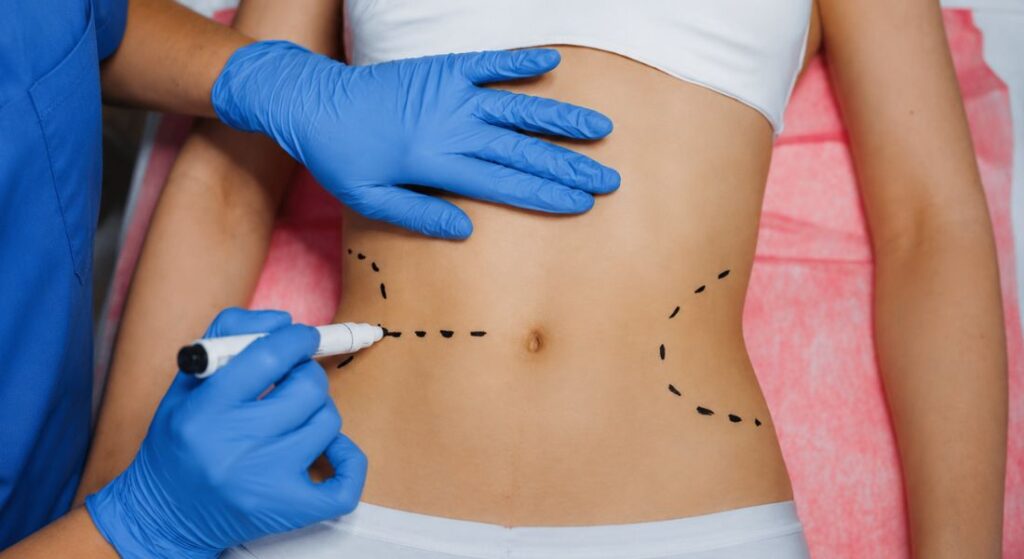
Revision surgery may be considered if a contour problem remains after full healing and cannot be improved with non-surgical care. This may include further fat removal, contour refinement, scar tissue correction, or fat grafting. However, you should only consider this once your body has had enough time to settle and the final result can be judged properly.
Revision surgery is usually more complex than first-time liposuction. The tissue planes may already be altered, scar tissue may be present, and the area may not respond in the same way as untreated tissue. Your surgeon must be careful not to remove too much fat or create further unevenness.
This is why a detailed consultation is essential before making any decision. Your surgeon should assess your healing, skin quality, symptoms, photographs, and expectations before recommending revision. For you, the safest approach is to understand the cause of the concern first and only consider surgery if it is genuinely likely to improve the result.
FAQs:
1. Why do my VASER liposuction results look uneven at first?
Early unevenness is often caused by swelling, fluid retention, firmness, bruising, and normal tissue healing. Your final contour may take several weeks or months to become clearer.
2. How long should I wait before judging my VASER liposuction results?
You should avoid judging your final result too early. VASER liposuction results usually develop gradually as swelling reduces, fluid drains, and the treated tissues soften over time.
3. Is swelling normal after VASER liposuction?
Yes, swelling is normal after VASER liposuction and can make the treated area look fuller, uneven, or less defined. However, sudden swelling, severe pain, redness, heat, fever, or discharge should be checked promptly.
4. What can cause unsatisfactory VASER liposuction results?
Results may not meet expectations because of swelling, fluid retention, uneven healing, skin laxity, natural asymmetry, incomplete fat removal, weight gain, poor skin elasticity, or unrealistic expectations.
5. Can loose skin affect VASER liposuction results?
Yes, loose skin can affect the final appearance. If your skin does not retract well after fat removal, you may notice sagging, creasing, or uneven texture, even if the fat reduction itself was successful.
6. What should I do if I think too little fat was removed?
You should wait until enough healing has taken place and then discuss your concern with your surgeon. Sometimes swelling hides the result, while in other cases a conservative approach may have been used for safety.
7. What happens if too much fat was removed?
If too much fat appears to have been removed, the area may look hollow, dented, or uneven. In selected cases, revision treatment such as fat grafting or contour correction may be considered after full healing.
8. Can weight gain change my VASER liposuction results?
Yes, weight gain can change your results. Although fat cells are removed from the treated area, remaining fat cells in the body can still enlarge if your weight increases.
9. When should I contact my surgeon after VASER liposuction?
You should contact your surgeon if you are worried about your result or if you notice severe pain, increasing swelling, redness, discharge, fever, sudden asymmetry, or symptoms that feel unusual during recovery.
10. Can unsatisfactory VASER liposuction results be improved?
In some cases, yes. Improvement may involve more healing time, aftercare, compression, lymphatic drainage, skin treatments, or revision surgery. The right option depends on the cause of the concern and should be assessed by a qualified clinician.
Final Thoughts: Unsatisfactory VASER Liposuction Results
Feeling disappointed after VASER liposuction can be upsetting, but it is important to remember that early swelling, firmness, fluid retention, and uneven healing can temporarily affect how your body looks. In many cases, the final result takes time to develop as the tissues settle and the skin adapts to the new contour. Understanding what VASER liposuction can realistically achieve, attending follow-up appointments, and speaking openly with your surgeon can help you make calmer and more informed decisions about your recovery. If concerns remain after proper healing, a professional assessment can help determine whether further aftercare, non-surgical support, or revision treatment may improve the outcome.
The most important thing is not to panic or judge your results too early. Every body heals differently, and realistic expectations play a major role in how satisfied you feel after treatment. Choosing an experienced clinic that focuses on careful assessment, honest advice, and safe treatment planning can make a significant difference to both your experience and your final result. If you’re thinking about Vaser liposuction in London, you can get in touch with us at the London Medical & Aesthetic Clinic.
References:
1. Sharma, A. et al. (2024) Ultrasound-assisted liposuction and body contouring outcomes: a clinical review, Journal of Cosmetic Dermatology, 23(2), pp. 145–153. Available at: https://pmc.ncbi.nlm.nih.gov/articles/PMC11440265/
2. Sciencedirect (2002) Clinical application of VASER-assisted lipoplasty: a pilot clinical study, Aesthetic Surgery Journal, 22(2), pp. 131–146. Available at: https://www.sciencedirect.com/science/article/pii/S1090820X02579954
3. Hoyos, A. and Millard, J.A. (2008) VASER-assisted high-definition liposculpture, Aesthetic Surgery Journal, 28(6), pp. 685–695. Available at: https://pubmed.ncbi.nlm.nih.gov/19331963/
4. Goldberg, D.J. (2024) Advances in energy-based body contouring and ultrasound-assisted lipoplasty, Plastic and Reconstructive Surgery, 153(4), pp. 1120–1132. Available at: https://pubmed.ncbi.nlm.nih.gov/39351309/
5. Jorgensen, M.G. et al. (2018) Imaging findings of liposuction with an emphasis on postsurgical complications, Insights into Imaging, 9(5), pp. 709–720. Available at: https://pmc.ncbi.nlm.nih.gov/articles/PMC5889454/