

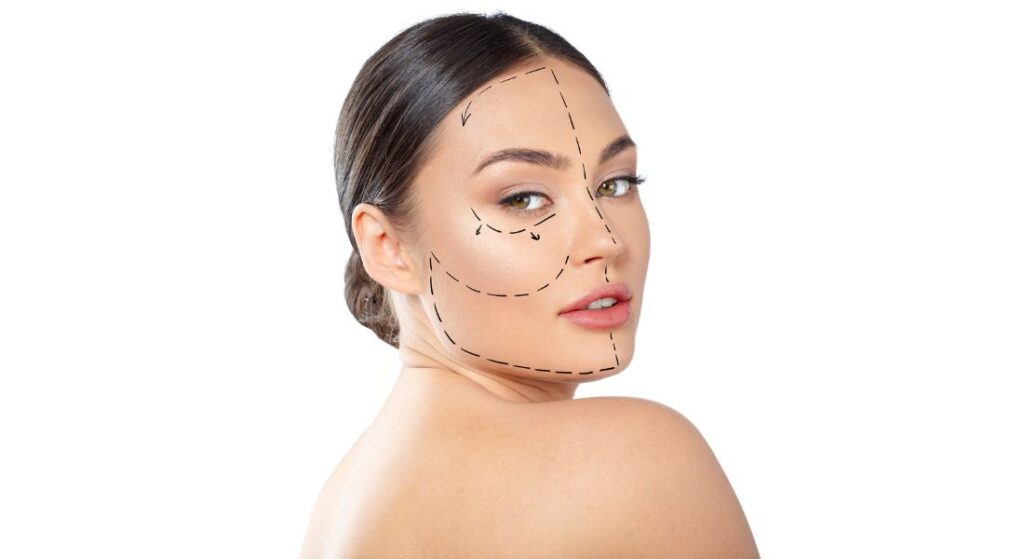
The term “non-surgical facelift” can be confusing because it is often used to describe many different cosmetic treatments rather than one specific procedure. Some treatments are designed to lift or reposition tissue, while others focus on restoring volume, tightening the skin, improving texture, or stimulating collagen production. As a result, treatments grouped under the same label may actually work in very different ways.
Silhouette Soft is one type of non-surgical facial rejuvenation treatment, but it works differently from dermal fillers, anti-wrinkle injections, radiofrequency, ultrasound-based treatments, laser procedures, skin boosters, and other aesthetic options. Silhouette Soft mainly aims to reposition and support soft tissue using absorbable threads, whereas other treatments may target muscle movement, hydration, skin texture, or facial volume instead.
Each treatment has different strengths and limitations. Some treatments may provide subtle lifting, while others are more focused on improving fine lines, pigmentation, skin firmness, or facial fullness. Certain procedures may involve minimal downtime, while others require more recovery or repeated maintenance sessions to maintain results.
When comparing non-surgical facelift treatments, it is important to consider factors such as lifting effect, skin-quality improvement, longevity, recovery time, suitability, risks, and realistic expectations. A proper consultation can help determine which treatment, or combination of treatments, is most appropriate for your facial structure, skin quality, and ageing concerns.
What Silhouette Soft Is
Silhouette Soft is a thread lift treatment that uses absorbable sutures with small cones to reposition soft tissue beneath the skin and create a subtle lifting effect. It is commonly used for mild to moderate facial laxity in areas such as the cheeks, jawline, lower face, and neck where early sagging or softening of facial contours may be developing.
The treatment is designed to provide an immediate mechanical lifting effect by supporting and repositioning the tissue after the threads are placed. In addition to this lifting action, the body may also produce collagen around the threads as they gradually dissolve and are absorbed over time. This collagen response may help support skin firmness and tissue structure during the healing process.
Cleveland Clinic explains that thread lift results are temporary and generally last from one to three years, although this varies between patients. As the threads dissolve and natural ageing continues, the lifting effect and tissue support gradually reduce over time.
What People Mean by a Non-Surgical Facelift
A non-surgical facelift is not one specific procedure. The term is commonly used to describe a range of treatments that aim to refresh, lift, tighten, smooth, or rebalance the face without traditional facelift surgery. Because different clinics may use the term differently, it can sometimes create confusion about what the treatment actually involves.
Non-surgical facelift approaches may include thread lifts such as Silhouette Soft, dermal fillers, anti-wrinkle injections, skin boosters, laser treatments, radiofrequency, ultrasound skin tightening, chemical peels, or collagen-stimulating injectables. Each treatment works in a different way and targets different aspects of facial ageing.
The most suitable treatment depends on the patient’s main concern and overall facial assessment. Sagging tissue, volume loss, wrinkles, poor skin texture, pigmentation, and skin laxity do not all respond to the same type of treatment. This is why a personalised consultation is important, as the best approach may involve one treatment or a carefully planned combination rather than a single “non-surgical facelift” solution.
How Silhouette Soft Creates Lift
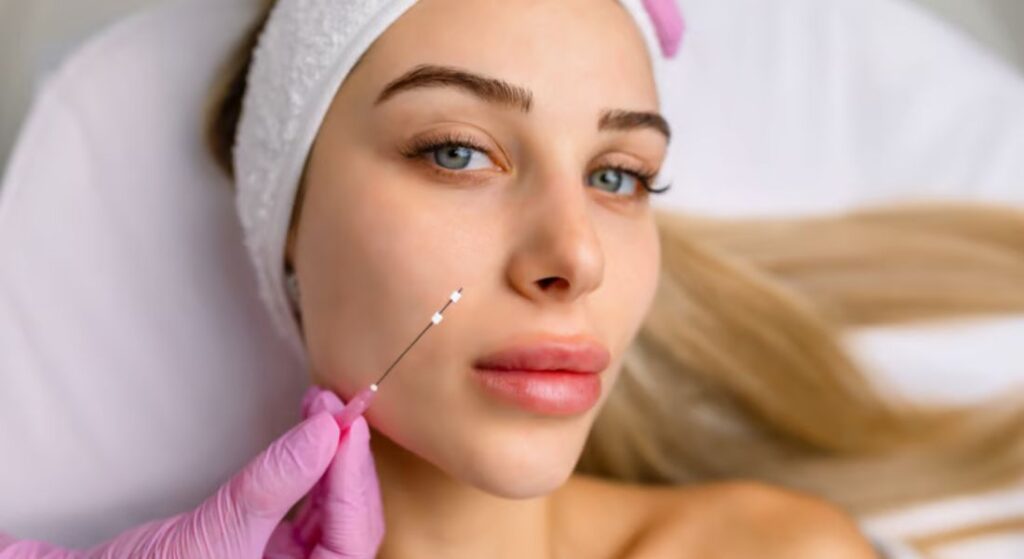
Silhouette Soft creates lift by physically repositioning soft tissue beneath the skin using absorbable threads. These threads contain small cones that help anchor and support the tissue in a lifted position once the threads are placed. This mechanical support is what creates the initial lifting effect seen after treatment.
The lifting effect is generally more direct than treatments that mainly focus on improving skin texture or gradually stimulating collagen production. Because the threads physically reposition tissue, some patients notice contour improvement relatively soon after the procedure, particularly in areas such as the cheeks, jawline, and lower face.
However, the lifting effect is still more subtle than the results achieved with a surgical facelift. Silhouette Soft does not remove excess skin or reposition deeper facial structures in the same way surgery can. For patients with more advanced sagging or heavy loose skin, the improvement from thread lifting may therefore be limited compared with surgical treatment.
How Dermal Fillers Differ From Silhouette Soft
Dermal fillers work differently from Silhouette Soft because they are mainly designed to restore volume, improve contour, soften folds, and enhance facial balance rather than mechanically lift tissue. Fillers are commonly used to replace volume that has been lost through ageing, particularly in areas such as the cheeks, temples, jawline, lips, or under-eye region.
Silhouette Soft, in contrast, is designed to reposition and support soft tissue using absorbable threads placed beneath the skin. This means it may be more suitable when the main concern is mild tissue descent or early sagging, while fillers may be more appropriate when the face has become flatter, hollow, or less supported because of volume loss.
In some patients, both treatments may be considered as part of a wider facial rejuvenation plan. However, the treatment order, placement, and amount of product used should be planned carefully to maintain natural facial balance and avoid an overfilled or unnatural appearance.Top of Form Bottom of Form
How Anti-Wrinkle Injections Differ From Silhouette Soft
Anti-wrinkle injections work differently from Silhouette Soft because they are mainly designed to relax selected facial muscles that create dynamic expression lines. They are commonly used for concerns such as forehead lines, frown lines, and crow’s feet, where repeated facial movement contributes to wrinkle formation over time.
These injections do not reposition sagging tissue or mechanically lift the face. Instead, they reduce muscle activity in targeted areas, which can soften the appearance of expression lines and help prevent them from becoming deeper. Silhouette Soft, in contrast, is designed to support and reposition soft tissue in patients with mild facial laxity or early tissue descent.
This means the two treatments are not interchangeable. Silhouette Soft may help when the main issue is mild sagging or contour softening, while anti-wrinkle injections may be more suitable for dynamic wrinkles caused by facial movement. If a patient has both laxity and expression lines, a combined treatment plan may sometimes provide a more balanced result than relying on one treatment alone.
How Radiofrequency Skin Tightening Differs
Radiofrequency skin tightening works differently from Silhouette Soft because it uses controlled heat energy rather than threads. The aim is to stimulate collagen and support gradual skin tightening over time. It is often used for mild skin laxity, firmness, and texture improvement. This makes it more suitable for patients whose main concern is skin quality rather than visible tissue descent.
1. Radiofrequency Works Gradually: Radiofrequency treatments do not usually create an immediate lifting or repositioning effect. Instead, they work over time by using controlled heating to encourage collagen remodelling within the skin.
2. It Focuses More on Skin Firmness: Radiofrequency may be better suited if your main concern is mild looseness, texture, or loss of firmness. It can help improve the feel and appearance of the skin gradually, but results are usually subtle and depend on your skin response.
3. Silhouette Soft Offers Direct Tissue Support: Silhouette Soft is different because the threads can provide a more direct lifting effect in suitable patients. This may make it more appropriate when the concern is mild to moderate tissue descent rather than skin texture alone.
4. Suitability Depends on the Main Concern: If your concern is skin firmness, radiofrequency may be considered. If your concern is visible sagging or loss of facial support, Silhouette Soft may be more suitable, provided your skin quality and facial structure are appropriate.
Radiofrequency and Silhouette Soft are not the same type of treatment, so they should not be compared as direct replacements for each other. Radiofrequency works gradually through collagen stimulation and skin tightening, while Silhouette Soft is designed to support and lift tissue more directly. In some cases, both approaches may be considered as part of a wider treatment plan. The right choice depends on your skin quality, degree of laxity, expectations, and what your practitioner feels is safest and most realistic.
How Ultrasound Skin Tightening Differs
Ultrasound-based skin tightening treatments work differently from Silhouette Soft because they use focused energy to target deeper tissue layers and stimulate collagen support beneath the skin. These treatments are often chosen for mild to moderate laxity by patients who want skin tightening without threads, fillers, or surgery.
Unlike thread lifting, ultrasound treatments usually work gradually rather than creating an immediate lifting effect. Results may continue to develop over several months as collagen remodelling takes place within the skin and supporting tissues. Silhouette Soft, in contrast, may produce a more visible early lift because the threads physically reposition and support soft tissue beneath the skin.
Both treatments depend heavily on careful patient selection, skin quality, tissue support, and realistic expectations. Some patients may prefer ultrasound treatments because they avoid threads and usually involve very little downtime, while others may be more suitable for Silhouette Soft if mild tissue descent and facial contour changes are the main concerns.
How Laser Treatments Differ
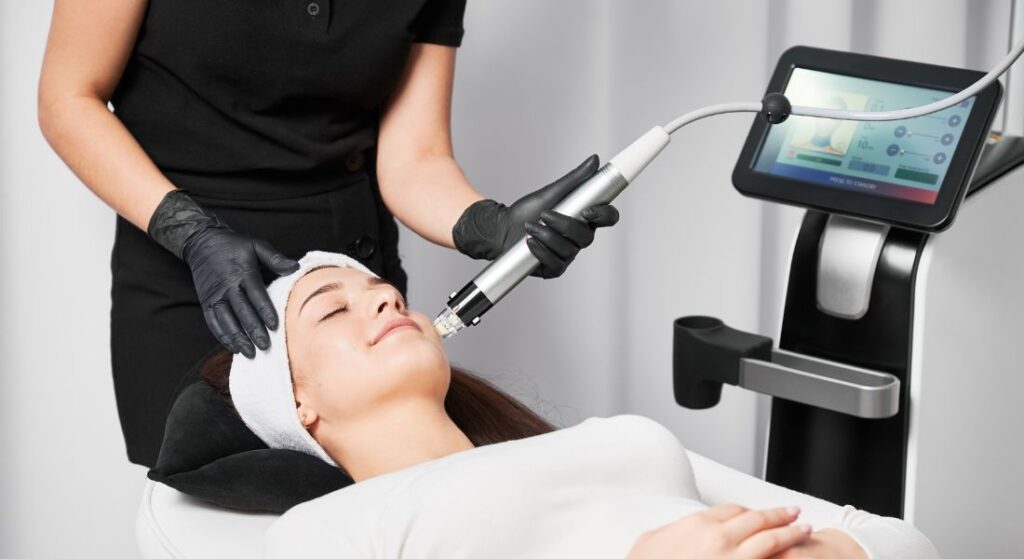
Laser treatments work differently from Silhouette Soft because they are mainly designed to improve skin texture, pigmentation, sun damage, fine lines, acne scars, and overall surface quality. Some laser procedures may also encourage collagen remodelling within the skin, which can help improve skin tone and smoothness over time.
However, laser treatment is not primarily a lifting procedure. Although it may improve the appearance of the skin surface, it does not physically reposition sagging cheeks, jowls, or loose tissue in the same way that a thread lift aims to do. Silhouette Soft is more focused on supporting and repositioning soft tissue to improve facial contour and mild laxity.
This means the two treatments often address different ageing concerns. Silhouette Soft may be considered when lift and tissue support are the main goals, while laser treatment may be more suitable for texture, tone, pigmentation, or resurfacing concerns. In some patients, a combined treatment plan may be useful if both facial laxity and skin-quality issues are present.
How Skin Boosters Differ
Skin boosters are injectable treatments used to improve hydration, glow, elasticity, and overall skin texture. They are not designed to lift sagging tissue or reposition facial structure. Instead, they work by supporting skin quality, especially when the skin looks dull, dry, thin, or crepey. This makes them different from Silhouette Soft, which is more focused on mild lifting and tissue support in suitable patients.
1. Skin Boosters Improve Skin Quality: Skin boosters may help the skin look fresher, smoother, and more hydrated. They are often considered when the main concern is dryness, dullness, fine texture changes, or a tired-looking complexion.
2. They Do Not Create a Lifting Effect: Skin boosters do not work like a thread lift. They may improve the condition of the skin, but they do not physically reposition tissue or create the same lifting effect as Silhouette Soft.
3. Silhouette Soft Supports Tissue Repositioning: Silhouette Soft may be considered when mild tissue descent or early sagging is the main concern. The threads can provide mechanical support and subtle repositioning, provided the patient is suitable.
4. The Best Choice Depends on the Concern: If your concern is dull, dry, thin, or crepey-looking skin, skin boosters may be more appropriate. If your concern is mild sagging or loss of facial support, Silhouette Soft may be considered instead.
Skin boosters and Silhouette Soft can both support a fresher appearance, but they work in different ways. Skin boosters focus on improving hydration, elasticity, and texture, while threads focus more on lifting and repositioning. One treatment is not automatically better than the other; it depends on what your skin actually needs. A proper consultation can help decide whether your concern is mainly skin quality, tissue laxity, or a combination of both.
How Collagen-Stimulating Injectables Differ
Collagen-stimulating injectables work differently from both traditional dermal fillers and Silhouette Soft threads. These treatments are designed to encourage gradual collagen production within the skin and supporting tissues, which may help improve skin firmness, structure, and subtle volume support over time.
Unlike Silhouette Soft, collagen-stimulating injectables do not mechanically reposition or lift sagging tissue beneath the skin. Their effects usually develop gradually as the body responds to the injectable material and produces collagen during the healing process. Because of this, they are generally more focused on improving skin quality and volume-related ageing rather than creating an immediate lifting effect.
Silhouette Soft may therefore provide a more direct and visible lift in patients with mild tissue descent, while biostimulatory treatments may be more suitable for gradual collagen support, skin thinning, or early volume loss. The most appropriate option depends on factors such as facial anatomy, skin quality, degree of laxity, age, and the patient’s overall treatment goals.
Lift Compared With Skin Quality Improvement
Silhouette Soft is generally more focused on lifting and tissue repositioning than many other non-surgical skin treatments. Treatments such as laser procedures, chemical peels, skin boosters, and microneedling are usually more focused on improving skin texture, tone, hydration, pigmentation, or surface quality rather than physically lifting facial tissue.
This means that a patient who wants a cleaner jawline, better cheek support, or improvement in mild sagging may need a different approach from someone whose main concern is rough texture, dullness, fine lines, acne scarring, or uneven pigmentation. Although both concerns relate to facial ageing, they often require different treatment strategies.
The term “non-surgical facelift” can therefore be misleading because many treatments described this way do not actually create a strong lifting effect. A proper consultation should identify whether the main concern is tissue laxity, volume loss, wrinkles, skin quality, or a combination of several ageing changes so that treatment can be planned more appropriately and realistically.
Longevity Compared With Other Treatments
Different non-surgical facial rejuvenation treatments last for different lengths of time. Silhouette Soft thread lift results are temporary because the threads gradually dissolve and are absorbed by the body over time. Cleveland Clinic notes that thread lift results may last from one to three years, although this varies between patients and procedures.
Other non-surgical treatments have different maintenance patterns. Anti-wrinkle injections usually require more regular repeat treatment because their effects reduce as muscle activity gradually returns. Dermal fillers, skin boosters, energy-based treatments, and collagen-stimulating injectables also vary in longevity depending on the product used, treatment area, and the body’s individual response.
It is important to avoid expecting fixed timelines because treatment longevity can be influenced by many factors, including practitioner technique, facial movement, metabolism, skin quality, lifestyle, sun exposure, smoking, and the natural ageing process. Patients should ask their practitioner how long results typically last, what level of maintenance may be needed, and whether repeat treatment is likely to be part of long-term planning.
Recovery Compared With Other Treatments
Recovery after Silhouette Soft can involve swelling, bruising, tenderness, tightness, dimpling, or mild unevenness during the early healing period. Patients are also usually advised to follow specific aftercare instructions, such as avoiding excessive facial movement, pressure on the treated areas, strenuous exercise, or certain sleeping positions for a short time after treatment.
Other non-surgical facial treatments can involve different types of recovery and downtime. Injectable treatments such as fillers or anti-wrinkle injections may cause temporary swelling, redness, tenderness, or bruising around the injection sites. Energy-based treatments such as radiofrequency or ultrasound may lead to redness, tenderness, or temporary swelling, while some laser resurfacing procedures can involve more noticeable downtime with peeling, crusting, or skin sensitivity depending on the intensity of the treatment.
It is important to understand that “non-surgical” does not automatically mean “no recovery.” Different treatments affect the skin and tissues in different ways, so aftercare requirements and downtime can vary significantly. Patients should ask about healing time, visible recovery, activity restrictions, and aftercare expectations before choosing any non-surgical facial rejuvenation procedure.
Risks Compared With Other Treatments
Every cosmetic procedure has potential risks, and Silhouette Soft is no exception. Possible side effects may include bruising, swelling, discomfort, infection, asymmetry, dimpling, puckering, thread visibility, or dissatisfaction with the result. Other treatments, such as fillers, anti-wrinkle injections, lasers, radiofrequency, ultrasound, and chemical peels, also carry their own risks. This is why treatment choice should be based on suitability, safety, and realistic expectations rather than simply choosing the option that sounds least invasive.
1. Silhouette Soft Has Its Own Risks: Silhouette Soft may cause temporary bruising, swelling, tenderness, or tightness after treatment. In some cases, patients may experience dimpling, puckering, unevenness, thread visibility, infection, or a result that does not meet their expectations.
2. Other Cosmetic Treatments Also Carry Risks: Fillers can involve swelling, lumps, vascular complications, or asymmetry, while anti-wrinkle injections may cause temporary weakness or unwanted effects in nearby muscles. Lasers, radiofrequency, ultrasound, and peels may also cause burns, pigmentation changes, irritation, scarring, or poor results if not used appropriately.
3. Qualified Practitioners Matter: Safety depends heavily on choosing a qualified practitioner with good anatomy knowledge, correct technique, hygiene standards, and complication management skills. A treatment may be lower risk in the right hands but more concerning when performed without proper training or assessment.
4. Good Consent and Aftercare Are Essential: The NHS advises patients to research cosmetic procedures carefully, speak to a practitioner about expectations, understand costs and aftercare, and choose a qualified practitioner. Clear consent, realistic discussion, and proper aftercare help patients understand what to expect and when to seek help.
The safest cosmetic treatment is not always the newest or least invasive option. It is the treatment that matches your anatomy, skin quality, concerns, medical history, and expectations. Silhouette Soft, fillers, lasers, radiofrequency, ultrasound, and peels can all be suitable in the right situation, but each comes with limits and possible complications. A careful consultation should explain the benefits, risks, alternatives, and what will happen if a complication occurs.
Suitability for Mild Sagging
Silhouette Soft may be suitable for patients with mild to moderate facial sagging who want a subtle and natural-looking lift without undergoing surgery. The treatment generally works best when the skin still has reasonable elasticity and the facial tissue is not excessively heavy or severely loose.
Patients with early jowls, mild cheek descent, softening of the jawline, or lower-face laxity may sometimes be considered good candidates for thread lifting. In these situations, repositioning and supporting the tissue with threads may help improve facial contour while maintaining a natural appearance.
However, if laxity is extremely mild, a thread lift may not be necessary and another treatment approach may be more appropriate. On the other hand, if sagging is advanced or the skin is very loose, threads may not provide enough correction to meet the patient’s goals. Suitability should always be assessed during a proper consultation, where the practitioner can evaluate skin quality, tissue support, facial structure, and treatment expectations.
Suitability for Volume Loss
Patients with noticeable facial volume loss may not achieve the best result from Silhouette Soft alone. If areas such as the cheeks, temples, or midface have become hollow or less supported with age, treatments such as dermal fillers or collagen-stimulating injectables may sometimes be more suitable for restoring structure and balance.
Lifting sagging tissue without addressing underlying volume loss may not always create the most natural or harmonious result. In some faces, tissue support and facial fullness work together, so improving only one aspect may leave the overall appearance looking incomplete or unbalanced.
Depending on the patient’s facial anatomy and ageing pattern, a practitioner may recommend restoring volume first, performing lifting treatment first, or combining treatments gradually over time. The goal should always be balanced and natural-looking rejuvenation rather than simply adding more volume, as overfilling can create an unnatural or heavy appearance.
Suitability for Skin Texture and Pigmentation
If your main concern is rough texture, pigmentation, sun damage, acne scarring, enlarged pores, or dullness, Silhouette Soft may not be the best primary treatment. Threads are mainly used to support and reposition mild tissue laxity in suitable patients. They may help improve overall facial support, but they do not resurface the skin or remove pigmentation. This is why the right treatment depends on the exact problem you want to improve.
1. Texture Concerns Need Skin-Focused Treatment: Rough texture, enlarged pores, and acne scarring usually need treatments that work directly on the skin surface or deeper skin layers. Options such as microneedling, laser, peels, or medical skincare may be more suitable depending on the severity and skin type.
2. Pigmentation Requires a Different Approach: Pigmentation, sun damage, and uneven skin tone are not corrected by thread lifting. These concerns may need targeted skincare, chemical peels, laser treatment, or other pigment-focused options after proper assessment.
3. Silhouette Soft Supports, but Does Not Resurface: Silhouette Soft may improve mild sagging or tissue support, but it does not remove damaged surface skin. It should not be expected to smooth acne scars, erase pigmentation, or significantly refine pores.
4. Treatment Should Match the Main Concern: If your concern is sagging, a lifting treatment may be considered. If your concern is texture, pigmentation, dullness, or scarring, a skin-quality treatment may be more appropriate.
Choosing the right treatment starts with identifying the main concern clearly. Silhouette Soft may be helpful when tissue repositioning is needed, but it is not designed to treat every sign of skin ageing. For texture and pigmentation concerns, treatments that target the skin surface or pigment pathway may give more relevant improvement. A proper consultation can help decide whether you need lifting, resurfacing, pigment treatment, or a combined plan.
When Combination Treatment May Be Best
Many patients develop several signs of facial ageing at the same time rather than just one isolated concern. Mild sagging, volume loss, wrinkles, skin dullness, pigmentation, and texture changes can all appear together as the face gradually changes with age.
Because of this, combination treatment may sometimes create a more balanced and natural-looking result than relying on a single procedure alone. For example, Silhouette Soft may be used to support lifting and contour, fillers may restore volume, anti-wrinkle injections may soften expression lines, and treatments such as laser procedures or skin boosters may improve skin texture and overall skin quality.
However, it is important not to do too much too quickly. Performing multiple procedures in a staged and carefully planned way can allow the face to heal and settle more naturally between treatments. A gradual approach may also reduce the risk of over-treatment and help maintain better facial balance and more realistic results over time.
When Surgery May Be More Appropriate
Non-surgical facial rejuvenation treatments have limits, particularly when facial ageing becomes more advanced. If a patient has significant loose skin, heavy jowls, deep neck laxity, or major tissue descent, non-surgical treatments may not provide enough lifting or correction to achieve the desired result.
A surgical facelift can reposition deeper facial tissues and remove excess skin in a way that non-surgical treatments cannot. This allows surgery to create more substantial and longer-lasting improvement in patients with advanced facial ageing or heavier laxity, especially around the jawline and neck.
Silhouette Soft may still be useful for selected patients before surgery becomes necessary, particularly when ageing changes are mild to moderate. However, it should not be presented as a replacement for facelift surgery in advanced cases, and a responsible practitioner should explain honestly when surgery may be a more suitable option for the patient’s goals.
Choosing the Right Treatment

Choosing the right facial rejuvenation treatment depends on understanding what is actually causing the ageing concern. Sagging tissue, volume loss, muscle movement, poor skin texture, pigmentation, and skin laxity are different problems and may require different treatment approaches. A treatment that works well for wrinkles may not improve sagging, while a lifting treatment may not correct skin texture or pigmentation concerns.
A proper consultation should include a detailed facial assessment, review of skin quality, medical history, previous cosmetic treatments, expectations, recovery tolerance, and budget. This helps the practitioner decide whether treatments such as Silhouette Soft, fillers, anti-wrinkle injections, laser procedures, skin tightening, or surgery are likely to be appropriate and realistic for the individual patient.
National Health Service recommends choosing a reputable, safe, and qualified practitioner who is properly trained and experienced in the procedure being offered and who has suitable insurance in place if complications occur. British Association of Aesthetic Plastic Surgeons also advises that no cosmetic procedure is completely risk-free and no practitioner can guarantee a specific result, which is why informed decision-making and realistic expectations are important.
FAQs:
1. What is the main difference between Silhouette Soft and other non-surgical facelift treatments?
Silhouette Soft mainly works by physically repositioning and supporting soft tissue beneath the skin using absorbable threads. Other non-surgical facelift treatments may focus more on volume restoration, wrinkle reduction, collagen stimulation, skin tightening, hydration, or skin resurfacing rather than creating a direct lifting effect.
2. Is Silhouette Soft better than dermal fillers for sagging skin?
Silhouette Soft may be more suitable when the main concern is mild tissue descent or early sagging because it is designed to support and reposition tissue. Dermal fillers are generally more suitable for restoring lost facial volume, contour, or structural support. Some patients may benefit from a combination of both treatments depending on their facial anatomy and ageing pattern.
3. Can anti-wrinkle injections create the same lifting effect as Silhouette Soft?
No. Anti-wrinkle injections mainly relax muscles that cause dynamic wrinkles such as forehead lines, frown lines, and crow’s feet. They do not physically lift or reposition sagging tissue in the same way that Silhouette Soft threads are designed to do.
4. How does radiofrequency skin tightening compare with Silhouette Soft?
Radiofrequency treatments use controlled heat energy to stimulate collagen and gradually improve skin firmness over time. Silhouette Soft differs because it provides more direct tissue support and repositioning through threads placed beneath the skin. Radiofrequency is generally more focused on skin tightening, while Silhouette Soft is more focused on lifting mild sagging.
5. Which treatment lasts longer: Silhouette Soft or fillers?
Longevity varies depending on the product used, treatment area, metabolism, lifestyle, and individual healing response. Silhouette Soft results may last between one and three years in some patients, while dermal fillers can vary widely depending on the filler type and placement area.
6. Is there more downtime with Silhouette Soft than other non-surgical treatments?
Silhouette Soft may involve swelling, bruising, tenderness, tightness, or dimpling during the early recovery period. Some injectable or skin treatments may involve less visible downtime, although recovery varies depending on the procedure performed. Laser resurfacing procedures can sometimes involve more noticeable healing than thread lifting.
7. Can Silhouette Soft improve skin texture and pigmentation?
Silhouette Soft is not primarily designed to improve pigmentation, acne scars, enlarged pores, rough texture, or sun damage. Treatments such as laser resurfacing, chemical peels, microneedling, or medical skincare are often more suitable for surface skin concerns.
8. Who is usually a good candidate for Silhouette Soft?
Silhouette Soft is generally most suitable for patients with mild to moderate facial laxity who still have reasonable skin elasticity and do not yet require surgery. It may work well for early jowls, mild cheek descent, or softening of the jawline in appropriately selected patients.
9. Can Silhouette Soft replace facelift surgery?
No. Silhouette Soft cannot remove excess skin or reposition deeper facial structures in the same way that surgical facelift procedures can. Patients with advanced sagging, heavy jowls, or significant loose skin may achieve more effective and longer-lasting improvement with surgery.
10. Can Silhouette Soft be combined with other non-surgical facelift treatments?
Yes. Silhouette Soft is sometimes combined with treatments such as fillers, anti-wrinkle injections, skin boosters, radiofrequency, ultrasound-based tightening, laser procedures, or collagen-stimulating injectables as part of a personalised facial rejuvenation plan. The combination depends on the patient’s skin quality, facial structure, ageing concerns, and treatment goals.
Final Thoughts: Choosing the Right Non-Surgical Facelift Approach
Silhouette Soft sits within a broader group of non-surgical facelift treatments, but it is important to understand that each option works in a different way. Some treatments focus on lifting and repositioning tissue, such as thread lifts, while others are designed to restore volume, soften wrinkles, stimulate collagen, improve skin texture, or enhance hydration. Because facial ageing involves multiple factors, there is rarely a single treatment that addresses every concern in the same way.
Silhouette Soft may be most appropriate for patients with mild to moderate facial laxity who want subtle lifting and improved contour. However, treatments such as dermal fillers, anti-wrinkle injections, radiofrequency, ultrasound skin tightening, lasers, and skin boosters each play different roles depending on whether the main concern is sagging, volume loss, lines, or skin quality. In many cases, the best outcome comes from a carefully planned combination rather than relying on one procedure alone.
A thorough consultation is essential to understand which approach is most suitable for your facial structure, skin condition, and expectations, as well as to ensure results remain natural and realistic over time. If you’re looking for silhouette soft thread lift in London, you can get in touch with us at the London Medical & Aesthetic Clinic.
Reference:
1. Gülbitti, H.A. et al. (2018) Thread-lift sutures: still in the lift? A systematic review of the literature, Plastic and Reconstructive Surgery, 141(3), pp. 341e–347e. Available at: https://pubmed.ncbi.nlm.nih.gov/29481392/
2. Khiabanloo, S.R. et al. (2019) Outcomes in thread lift for face and neck: a study performed with Silhouette Soft, Journal of Cosmetic Dermatology, 18(1), pp. 84–93. Available at: https://pubmed.ncbi.nlm.nih.gov/30105878/
3. Matarasso, A., et al. (2013) Suspension of the gluteal region with Silhouette sutures Aesthetic Surgery Journal, 33, 82S–89S. Available at: https://academic.oup.com/asj/article-abstract/33/3_Supplement/82S/2801471
4. Lycka, B., Bazan, C., Poletti, E. and Treen, B. (2015) The emerging technique of the antiptosis subdermal suspension thread, Dermatology Research and Practice, pp. 1–7. Available at: https://pmc.ncbi.nlm.nih.gov/articles/PMC4511012/
5. Chae, W.S., Lee, H.S. and Kim, J.H. (2025) Thread lifting: Classification, techniques, and current clinical applications, Archives of Plastic Surgery, 52(1), pp. 12–21. Available at: https://pmc.ncbi.nlm.nih.gov/articles/PMC12594578/