



Sculptra treatment protocols have changed significantly over the past several years. International aesthetic conferences are now focusing less on aggressive volume correction and more on gradual collagen stimulation, personalised treatment planning, and long-term skin quality improvement. This shows a clear shift towards results that look natural and develop over time.
As regenerative aesthetics continues to grow, specialists are refining how Sculptra is prepared, injected, and spaced across sessions. The aim is not only to improve your final result, but also to make the treatment journey safer and more predictable. This means the process is becoming more structured, careful, and patient-specific.
For you as a patient, this matters because the protocol directly affects how your results develop. The amount of product used, dilution method, injection depth, treatment spacing, and overall planning strategy can all influence your outcome. A small change in technique can make a noticeable difference to both safety and appearance.
Modern conference discussions also show that Sculptra is no longer approached like a standard filler treatment. It is increasingly treated as a collagen stimulation protocol that should be customised for each patient. This means your treatment should be planned around your skin quality, facial structure, goals, and realistic expectations.
Personalised Treatment Planning Became a Major Priority
Personalised treatment planning became one of the clearest trends in Sculptra discussions. Specialists increasingly agree that Sculptra protocols should not follow the same formula for every patient. Your treatment needs to be shaped around your face, your skin, and the result you want to achieve.
Your facial structure, skin quality, age, collagen loss pattern, and treatment goals all affect how Sculptra should be planned. A younger patient who wants subtle prevention may need a very different approach from someone with more advanced volume loss. This is why a careful consultation matters before any treatment begins.
This personalised strategy is becoming central to modern regenerative aesthetics. Instead of chasing identical results, practitioners are focusing on what is appropriate for your face and long-term goals. When the plan is tailored properly, your result is more likely to look natural, balanced, and suited to you.
Sculptra Is Being Viewed More as a Regenerative Treatment
Sculptra is increasingly being viewed as part of regenerative aesthetics rather than a traditional filler treatment. This changes the whole treatment approach. Instead of focusing only on instant volume, the discussion is now more about how your skin can rebuild support gradually.
The treatment is designed to stimulate collagen over time. This means the focus is more strongly linked with skin support, facial structure, and tissue quality. For you, this can make Sculptra feel more like a long-term skin strategy than a quick cosmetic correction.
Because of this, treatment protocols are evolving around collagen stimulation timelines. Your practitioner may talk to you about gradual improvement, session spacing, and future maintenance rather than immediate visible change. This helps you understand the process more clearly before treatment begins.
Dilution Protocols Became More Conservative and Flexible
Dilution protocols became one of the most discussed technical areas at conferences. The amount of sterile water used to prepare Sculptra can influence how the product spreads, how it integrates with your tissue, and how it behaves during injection. This is why preparation is now seen as an important part of creating safer and more predictable results.
Over time, many practitioners have moved towards more diluted preparation methods compared with older approaches. The aim is often to encourage smoother distribution and more gradual collagen stimulation. For you, this may help reduce the risk of unevenness and support a softer, more natural-looking result.
This does not mean there is one perfect dilution for every patient. Conference discussions increasingly support flexible dilution based on the treatment area, tissue thickness, and your treatment goals. A good practitioner should choose the preparation method carefully instead of using the same formula for everyone.
Longer Hydration Times Became More Common
Longer hydration times became more common as Sculptra protocols continued to evolve. Many specialists now allow the product to hydrate for longer before treatment. This helps improve preparation and can make the treatment process feel more controlled.
The aim is usually to create a smoother injectable consistency. Better hydration may also help with product handling and support more even distribution within your tissue. For you, this can contribute to a more consistent and carefully planned treatment experience.
These technical adjustments may not seem important at first. However, small protocol changes can influence comfort, product placement, and overall treatment consistency. This is why preparation time is now treated as an important part of modern Sculptra planning.
Full-Face Assessment Became More Important

Full-face assessment is becoming an important part of Sculptra treatment planning. You may come in with one concern, such as a hollow area, a fold, or a loss of firmness, but your practitioner should still look at your face as a whole. This is because ageing usually affects several areas at the same time. A wider assessment helps create a result that looks balanced rather than isolated.
1. Your face should be viewed as one connected structure: Ageing does not usually happen in one small area only. Changes in your temples, cheeks, jawline, and skin quality can all affect how your face looks overall. By looking at the full face, your practitioner can understand what is really contributing to your concern.
2. Treating one area alone may create imbalance: If only one hollow or line is treated without considering the surrounding structure, the result may not look natural. One area may appear improved, while the rest of the face still looks unsupported. A full-face plan helps avoid this kind of uneven result.
3. Sculptra often suits broader planning: Sculptra is usually discussed as a treatment for gradual collagen support rather than quick correction of one tiny line. It may be used across wider treatment zones where firmness, support, or soft tissue quality has changed. This makes full-face assessment especially important.
4. Your consultation may feel more detailed: Your practitioner may assess areas you did not expect, such as the temples, cheeks, jawline, and overall facial proportions. This does not always mean you need treatment everywhere. It simply helps them understand your ageing pattern before making a recommendation.
5. Skin quality should also be considered: A good assessment should not only focus on volume or hollowness. Your practitioner may also look at firmness, texture, elasticity, and overall skin condition. These details can influence whether Sculptra is suitable and how your treatment should be planned.
6. A personalised plan gives better balance: Your treatment plan should be based on your face, your concerns, and your goals. Some areas may need support, while others may not need treatment at all. A personalised approach helps keep the result natural, subtle, and in harmony with your features.
Overall, full-face assessment helps make Sculptra treatment more thoughtful and balanced. For you, it means your practitioner should look beyond the one area you first noticed and consider the wider pattern of ageing. This does not mean doing more treatment than necessary. It means creating a safer, more natural-looking plan that supports your face as a whole.
Session Spacing Became More Structured
Session spacing became more structured as conference discussions focused more on timing. Since Sculptra works by stimulating collagen gradually, treatments should not be rushed too closely together. For you, this means the process may feel slower, but it can also be more controlled.
Your practitioner may recommend waiting between sessions so your tissue response has time to develop. This allows them to assess how your skin is responding before deciding whether more treatment is needed. It also helps avoid adding too much product too early.
This staged approach can create a more balanced and natural-looking outcome. It may also reduce the risk of overcorrection, which is especially important with collagen-stimulating treatments. For patients, patience has become an important part of the Sculptra treatment journey.
Skin Quality Became as Important as Volume
Skin quality became as important as volume in newer Sculptra discussions. Older injectable treatments often focused mainly on replacing lost volume or softening deeper folds. Now, conference presentations place much more emphasis on how your skin looks, feels, and responds over time.
Patients are increasingly asking about firmness, texture, radiance, and support rather than only hollowing or visible lines. Sculptra protocols are evolving to reflect these wider goals. This means the treatment may be discussed as part of overall skin improvement, not just facial filling.
For you, this means your treatment may be planned around broader rejuvenation rather than one obvious correction. The aim is often to improve how your skin looks and behaves gradually. With the right plan, Sculptra may help support a fresher, firmer, and more natural-looking result.
Structural Ageing Became a Bigger Focus
Structural ageing became a bigger focus as modern aesthetic medicine moved beyond surface-level wrinkles. Conference presentations now often discuss collagen decline, fat changes, and loss of tissue support. For you, this means ageing is viewed as something that affects the deeper structure of the face, not only the skin’s surface.
Sculptra is often included in this conversation because it works beneath the surface through collagen stimulation. Protocols are therefore being designed around deeper support patterns rather than quick line correction. This can make the treatment more suitable when the goal is gradual support and natural-looking rejuvenation.
This changes how treatment areas are selected. Instead of treating one wrinkle directly, your practitioner may focus on restoring balance across key areas of the face. For many patients, this can create a more harmonious and refreshed result.
Body Applications Continued to Expand
Body applications for Sculptra are becoming a more common topic in aesthetic discussions. You may now hear it mentioned for concerns linked with firmness, contour, and overall skin quality on selected body areas. This does not mean it is suitable for every body concern or every patient. It means practitioners are exploring how gradual collagen support may help in carefully chosen cases.
1. Body rejuvenation needs a different approach: Treating the body is not the same as treating the face. Body areas can have thicker tissue, more movement, and different skin quality. This means your practitioner may need to adjust the technique, product preparation, and treatment plan depending on the area.
2. Firmness and skin quality are key discussion points: Sculptra may be considered when the goal is to support tissue firmness and improve the appearance of skin quality gradually. This can be useful in selected cases where collagen support is part of the concern. However, the improvement is usually gradual and should not be expected overnight.
3. Contour support must be planned realistically: Some patients may want better contour or smoother-looking skin in certain body areas. Sculptra may help support the tissue in a subtle way, but it is not designed to create dramatic reshaping. Your practitioner should explain what kind of contour improvement is realistic for your body.
4. Treatment spacing may differ for body areas: Body treatment may require different spacing between sessions compared with facial treatment. Larger areas and different tissue thickness can affect how treatment is planned. You should be told how many sessions may be needed and how long results may take to develop.
5. Sculptra does not replace surgery: Sculptra should not be presented as an alternative to surgical lifting, fat removal, or major body contouring procedures. It may support tissue quality and firmness, but it cannot remove excess skin or create surgical-level change. Honest advice is important so you know what the treatment can and cannot do.
6. Careful assessment is essential before treatment: Before recommending body Sculptra, your practitioner should assess the area, skin quality, tissue thickness, and your expectations. They should also explain whether you are a suitable candidate. A personalised assessment helps avoid unnecessary treatment and keeps the plan safer.
Overall, the expansion of body applications shows how Sculptra is being discussed beyond facial rejuvenation. For you, this may create more options if your concern is gradual firmness, tissue support, or skin quality improvement. However, body treatment still needs realistic expectations, careful planning, and the right technique. The best plan should be based on your individual anatomy, not just the fact that body treatments are becoming more popular.
Injection Technique Became More Refined
Injection technique became more refined as conference education continued to focus on safer and more predictable Sculptra outcomes. Small technical differences can affect both your safety and your final result. This is why the way the product is placed matters just as much as the product itself.
Injection depth, placement pattern, and product distribution all play an important role. Modern protocols increasingly aim for smoother and more even tissue integration. For you, this can help support a more natural-looking result and reduce the risk of unevenness.
This is why practitioner skill remains extremely important. The product alone does not determine your outcome, because your anatomy and goals need to guide the approach. A good practitioner should explain how your treatment will be tailored to your face, skin quality, and long-term expectations.
Combination Treatments Became More Strategic
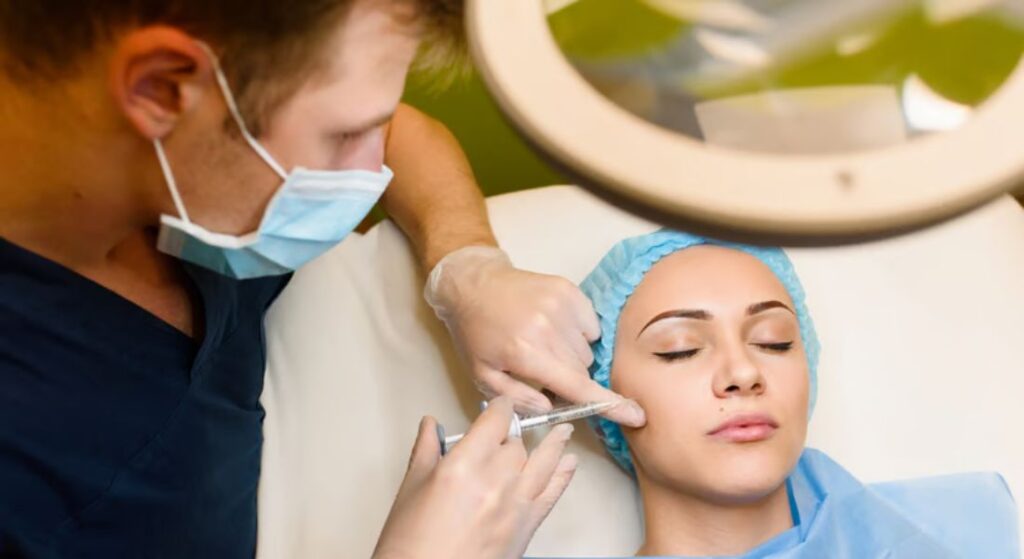
Combination treatment planning became more strategic as conferences encouraged careful sequencing rather than excessive treatment layering. Sculptra may be combined with other injectables or skin treatments depending on your concerns. However, every treatment should have a clear purpose before it is added to your plan.
This approach helps avoid overtreatment and keeps the result more balanced. For example, Sculptra may support collagen and structure, while another treatment may target hydration, movement, or skin surface concerns. The timing and order of these treatments can make a real difference to your final outcome.
For you, this means your practitioner may recommend a staged treatment journey instead of trying to do everything at once. This can make the process safer, more controlled, and easier to adjust as your skin responds. The goal is not to add more procedures, but to choose the right treatments at the right time.
Prevention and Maintenance Became More Visible
Prevention and maintenance became more visible as conference discussions placed more focus on long-term collagen support. Some patients are now considering treatments before more advanced ageing changes develop. For you, this means Sculptra may be discussed as part of a gradual plan rather than only a correction-based treatment.
Sculptra protocols are evolving to include maintenance planning because collagen loss happens slowly over time. The idea is not always to wait until changes become more noticeable before starting treatment. Instead, your practitioner may discuss how to support skin structure and firmness in a more measured way.
However, preventative treatment still needs to be approached responsibly. Younger patients do not automatically need injectable treatment just because prevention is becoming popular. Your suitability, skin quality, goals, and expectations should always guide the decision.
Male Treatment Protocols Continued to Develop
Male treatment protocols continued to develop as male aesthetics became a bigger part of regenerative treatment discussions. Conference presentations increasingly highlight that men often need a separate treatment approach. For you, this means the plan should be based on your facial structure, not copied from standard female treatment patterns.
Male faces often need different structural considerations and more careful contour preservation. Sculptra protocols for men should respect masculine proportions, including facial width, angles, and natural definition. The aim is usually to support structure without creating excessive softness or overcorrection.
Good male treatment should enhance your natural features rather than change your facial identity. The result should help you look fresher, firmer, and more supported while still looking like yourself. This is why careful assessment and personalised planning are especially important in male Sculptra treatment.
Patient Education Became Part of the Protocol
Patient education became part of modern Sculptra protocols because the treatment works gradually. You need to understand the process before treatment begins, especially if you are expecting visible change quickly. This helps you feel more prepared and gives you a clearer idea of what the treatment can realistically achieve.
You should know that collagen stimulation takes time and the final outcome may not appear immediately. This is why conferences increasingly stress communication as an important part of treatment success. When your practitioner explains the timeline clearly, it becomes easier for you to understand each stage of the process.
When you understand what to expect, you are less likely to feel anxious or disappointed during the early stages. Clear explanation also helps you make better decisions about sessions, spacing, and maintenance. This is why patient education is now seen as an essential part of good aesthetic care.
Safety Discussions Became More Detailed
Safety is becoming a bigger part of Sculptra treatment discussions, especially as regenerative aesthetics becomes more popular. You may think of Sculptra as a simple injectable treatment, but it still needs proper assessment and planning. Your practitioner should understand your skin, medical history, previous treatments, and overall suitability before going ahead. A careful approach helps reduce avoidable risks and supports more consistent results.
1. Medical history should be reviewed first: Your practitioner should ask about your health, medications, allergies, skin conditions, and any history of complications. This helps them understand whether Sculptra is suitable for you. It also allows them to adjust the plan if there are any risk factors.
2. Previous treatments matter: If you have had fillers, lasers, threads, surgery, or other injectable treatments before, your practitioner should know. Previous treatments can affect tissue behaviour and influence where Sculptra should or should not be placed. This information helps create a safer and more accurate plan.
3. Skin quality should be assessed carefully: Your skin thickness, firmness, laxity, and overall tissue quality can affect how treatment is planned. Sculptra is not suitable for every concern, so your practitioner should check whether it matches what your skin actually needs. This helps avoid using the treatment in the wrong way.
4. Placement strategy is important: Safer results depend on where and how the product is placed. Incorrect placement may increase the risk of unevenness, lumps, or unwanted results. A trained practitioner should use careful technique and choose treatment areas thoughtfully.
5. Patient selection helps reduce complications: Not everyone is an ideal candidate for Sculptra. Some patients may need a different treatment, a delayed plan, or no injectable treatment at all. Good patient selection helps protect your safety and improves the chance of a suitable result.
6. Speed should never come before safety: A responsible practitioner should not rush your consultation or treatment. You should have time to understand the process, risks, aftercare, and expected results. Careful planning is always more important than doing the treatment quickly.
Overall, detailed safety discussions are a positive shift in aesthetic medicine. For you, it means Sculptra should be planned with proper medical assessment, realistic goals, and careful technique. A good practitioner will prioritise your safety before treatment speed or trends. This gives you a more responsible and confident treatment experience.
Overcorrection Became a Bigger Concern
Overcorrection became a bigger concern in modern Sculptra discussions. Because collagen stimulation develops over time, treating too aggressively at the beginning can create imbalance later. For you, this means a cautious approach may often be safer and more natural-looking.
Modern protocols increasingly support gradual building rather than heavy initial correction. This allows your practitioner to assess how your tissue responds before deciding whether more treatment is needed. It also helps reduce the risk of adding more product than your face actually requires.
This slower approach often creates softer and more balanced outcomes. It can also help avoid results that look overdone or unnatural. Patience has become a major part of modern Sculptra planning because the best results usually develop gradually.
Recovery Discussions Became More Honest
Recovery discussions became more honest as Sculptra protocols continued to evolve. Although Sculptra usually involves relatively limited downtime, you may still experience swelling, bruising, tenderness, or temporary unevenness after treatment. Knowing this in advance can help you feel more prepared.
Patients should understand what is normal during recovery and what may need further advice. Your practitioner should explain how the treated area may feel, how long common side effects may last, and what signs you should watch for. This helps reduce unnecessary worry after the procedure.
Clear aftercare instructions are now seen as an important part of good treatment protocols. You should know how to manage the treated area and when to contact your practitioner if something does not feel right. Better communication usually leads to a smoother and more confident treatment experience.
Natural-Looking Results Became the Main Goal

Natural-looking rejuvenation became one of the strongest themes at aesthetic conferences. Many experts now actively discourage overfilled or exaggerated outcomes. For you, this means treatment is more focused on helping you look refreshed rather than obviously changed.
Sculptra fits this direction because results develop gradually through collagen stimulation. Instead of creating sudden volume expansion, it supports slower improvement over time. This gradual change may help your results appear softer, more balanced, and more believable.
However, natural-looking treatment still requires careful planning. Even regenerative treatments can look unnatural if too much product is used or if your facial proportions are ignored. The best result should enhance your features while still looking like you.
Long-Term Outcome Planning Continued to Grow
Long-term outcome planning continued to grow as regenerative treatments became more widely discussed. Instead of focusing only on one appointment, practitioners are increasingly thinking about how your face may change over several years. This makes treatment planning more realistic and better suited to gradual ageing.
Sculptra protocols are evolving around the idea of gradual structural support and maintenance. The aim is often to preserve balance, firmness, and skin quality over time. For you, this means the treatment may be discussed as part of a longer journey rather than a one-time correction.
This does not mean you need constant treatment. It simply means your practitioner may help you think about ageing in a more structured and realistic way. The best long-term outcomes often come from moderation, careful timing, and avoiding repeated aggressive correction.
Conferences Reinforced the Shift Towards Smarter Sculptra Use
Conferences reinforced the shift towards smarter Sculptra use. Treatment protocols are becoming more refined, more personalised, and more conservative in the best possible way. For you, this means the focus is no longer on simply adding volume quickly.
The conversation is now centred on collagen support, natural-looking rejuvenation, structured treatment planning, and safer patient selection. Sculptra is increasingly treated as a gradual collagen-stimulating treatment rather than a standard filler. This helps create results that develop more naturally over time.
This shift is important because better planning can lead to safer and more balanced outcomes. Your treatment should be based on your skin quality, facial structure, goals, and suitability. When Sculptra is used thoughtfully, it can support long-term rejuvenation without making the result look overdone.
FAQs:
1. What is Sculptra?
Sculptra is an injectable treatment that helps stimulate your skin’s natural collagen production over time. It is often discussed as a regenerative treatment rather than a traditional filler. Instead of creating instant volume, it supports gradual improvement in firmness, structure and skin quality.
2. Why are Sculptra protocols changing?
Sculptra protocols are changing because practitioners are focusing more on personalised planning, safety and natural-looking results. Conferences now highlight careful dilution, injection depth, session spacing and long-term treatment planning. This helps your results develop more gradually and predictably.
3. How does Sculptra work?
Sculptra works by encouraging collagen production beneath the skin. Collagen helps your skin look firmer, smoother and more supported. Because this process takes time, your results usually appear gradually over several weeks or months.
4. Why is personalised planning important for Sculptra?
Personalised planning matters because every face ages differently. Your skin quality, facial structure, collagen loss, age and goals all affect how treatment should be planned. A good practitioner should tailor the product placement, spacing and amount used to suit you.
5. Why are dilution protocols important?
Dilution affects how Sculptra spreads and integrates within the tissue. More flexible dilution methods may help create smoother distribution and more natural collagen stimulation. Your practitioner should choose the approach based on your treatment area, tissue thickness and goals.
6. How many Sculptra sessions will I need?
The number of sessions depends on your skin, facial structure, collagen loss and treatment goals. Some people may need a series of sessions spaced apart to allow collagen stimulation to develop. Your practitioner should review your response before deciding whether more treatment is needed.
7. When will I see results from Sculptra?
You should not expect immediate final results from Sculptra. The treatment works gradually as your skin produces new collagen. This slower development can help your results look more natural and less sudden.
8. Can Sculptra be used for subtle rejuvenation?
Yes, Sculptra is often used when you want subtle and progressive rejuvenation. It can help restore support and improve skin quality without creating an obvious treated look. The aim is usually to help you look fresher while still looking like yourself.
9. Can Sculptra be combined with other treatments?
Yes, Sculptra can sometimes be combined with other treatments. It may support collagen and structure, while other treatments may target movement, hydration or surface texture. The timing and order should be carefully planned so your results stay balanced.
10. Why is practitioner experience important for Sculptra?
Sculptra is technique-sensitive, so practitioner experience is very important. Your result depends on assessment, dilution, injection depth, placement, session spacing and aftercare advice. You should choose a qualified practitioner who understands collagen-stimulating treatments and can personalise the plan for you.
Final Thoughts: Why Personalised Sculptra Planning Matters More Than Ever
Sculptra is becoming increasingly popular because many people now want aesthetic treatments that look gradual, balanced and natural rather than obvious or overdone. Instead of creating instant volume, it works by encouraging your skin’s own collagen production over time, which can help improve support, firmness and overall skin quality in a more subtle way.
This also means your treatment should never feel rushed or generic. Your practitioner should assess your facial structure, skin quality, collagen loss and long-term goals before deciding how Sculptra should be placed and spaced. Careful planning is important because the best results usually come from a personalised approach rather than a one-size-fits-all treatment plan. If you’re thinking about sculptra treatment in London, you can get in touch with us at the London Medical & Aesthetic Clinic.
References:
1. Signori, R. et al. (2024) ‘Efficacy and safety of poly-L-lactic acid in facial aesthetics: A systematic review’, Polymers, 16(18), p. 2564. https://www.mdpi.com/2073-4360/16/18/2564
2. Fabi, S. et al. (2024) ‘Effectiveness and safety of Sculptra poly-L-lactic acid injectable implant in the correction of cheek wrinkles’, Journal of Drugs in Dermatology, 23(1), pp. 1297-1305. https://pubmed.ncbi.nlm.nih.gov/38206151/
3. Ray, S. and Ta, H.T. (2020) ‘Investigating the effect of poly-L-lactic acid particles on collagen synthesis’, Journal of Functional Biomaterials, 11(3), p. 51. https://pubmed.ncbi.nlm.nih.gov/32722074/
4. Fabi, S. et al. (2025) ‘Poly-L-lactic acid in facial rejuvenation: Volumetric data supporting regenerative outcomes’, Clinical, Cosmetic and Investigational Dermatology. https://pmc.ncbi.nlm.nih.gov/articles/PMC12764296/
5. Ray, S. and Ta, H.T. (2020) ‘Poly-L-lactic acid and collagen stimulation mechanisms’, Journal of Functional Biomaterials, 11(3), p. 51. https://pmc.ncbi.nlm.nih.gov/articles/PMC7564527/