

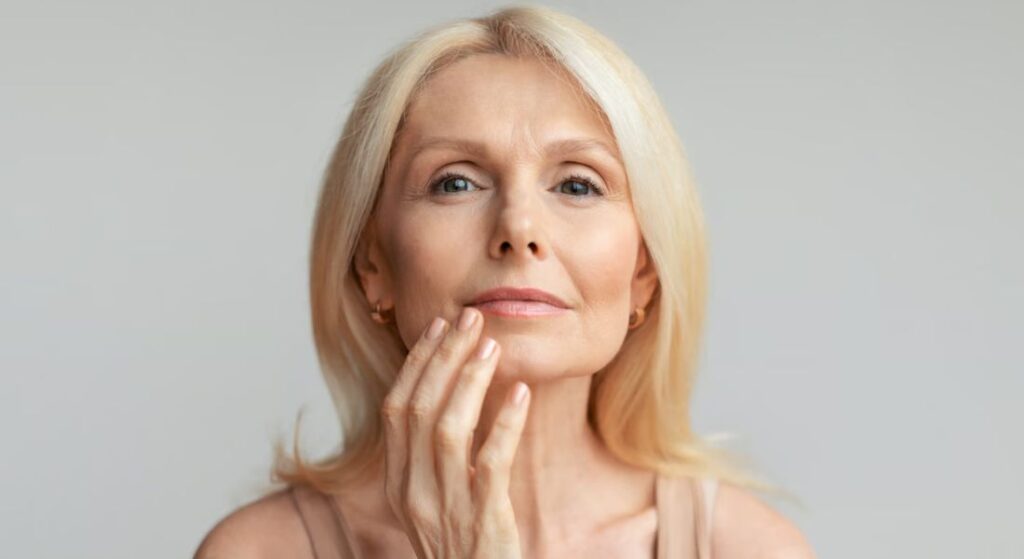
Facial ageing involves much more than wrinkles or loose skin. As you get older, different layers of your face change at different rates, affecting the way your features look and the overall structure of your face.
Research led by Dr Rod Rohrich helped explain these deeper changes, showing that ageing is a gradual process involving skin, fat, muscles, and underlying tissues. This gave practitioners a better understanding of what really happens beneath the surface.
These findings changed the way facial ageing is assessed and treated. Instead of focusing only on visible signs, you can now benefit from treatment approaches that consider the entire facial structure for more natural-looking results.
Who Is Dr Rod Rohrich?
Dr Rod Rohrich is one of the world’s leading plastic surgeons and researchers, widely recognised for his expertise in facial anatomy. His work has helped to expand the understanding of how the face changes as you age, beyond what is visible on the surface.
Through years of research, Dr Rohrich has shown that facial ageing affects multiple layers beneath the skin, including fat, muscles, and supporting tissues. These findings have influenced the way practitioners assess facial ageing and plan treatments for more natural-looking outcomes.
How Traditional Views of Facial Ageing Have Changed
Earlier theories suggested that gravity was almost entirely responsible for facial ageing. It was believed that facial tissues simply drooped over time, causing wrinkles and sagging.
Modern research has challenged this idea by showing that ageing involves much more than gravity alone. Changes occur in several facial structures at the same time, creating the visible signs of ageing you notice over the years.
As you age, the skin, fat, muscles, ligaments, and even the underlying bone all change together. Understanding these combined changes has helped practitioners develop more comprehensive approaches to facial assessment and treatment.
Evidence Note:
Anatomical studies published over the past two decades have shown that facial ageing results from combined changes in skin quality, fat compartments, retaining ligaments, facial muscles and underlying bone, rather than gravity alone. These findings have influenced both surgical and non-surgical facial rejuvenation planning.
Understanding the Layers of the Face
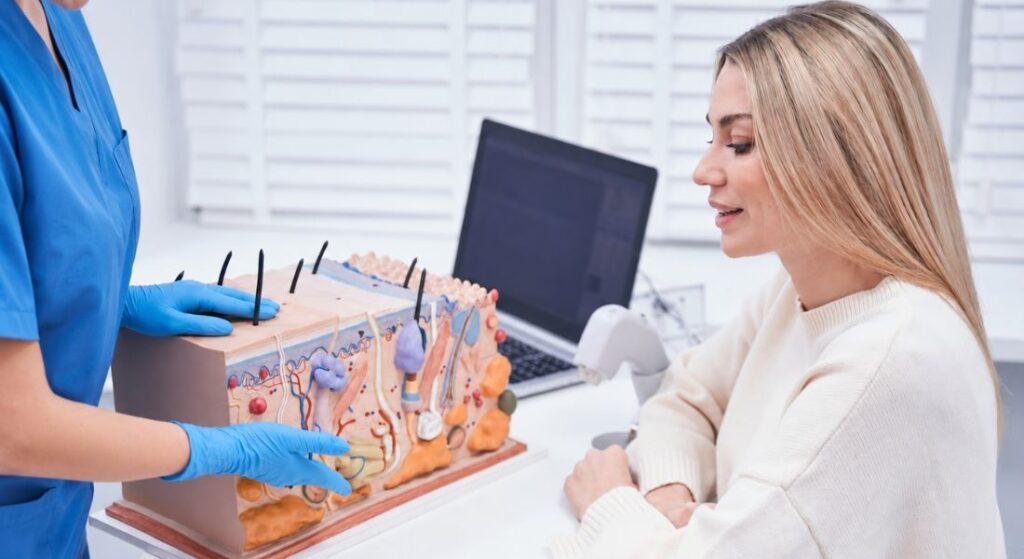
Your face is made up of several layers, including the skin, fat, muscles, ligaments, and bone. These structures work together to support your facial shape, movement, and overall appearance.
Each layer changes at its own pace as you age. Some areas lose volume, while others become weaker or shift over time, affecting the way your features look.
Because every layer contributes differently to facial ageing, looking beyond the skin provides a more complete understanding of the ageing process. This approach helps explain why modern facial assessments consider the entire facial structure rather than focusing on a single layer.
The Discovery of Facial Fat Compartments
One of the most important findings from the study was that facial fat is divided into separate compartments rather than forming one continuous layer. This discovery changed the way experts understand how your face ages over time.
As you get older, these fat compartments do not all change in the same way. Some lose volume, while others shift or shrink at different rates, creating changes in facial contours and balance.
Understanding these individual fat compartments has transformed modern facial assessment and treatment. Instead of treating the face as a single structure, practitioners can now address specific areas to achieve more natural-looking results.
Deep Fat vs Superficial Fat
| Feature | Deep Fat | Superficial Fat |
| Location | Located deeper beneath the facial muscles and tissues | Located closer to the skin surface |
| Main role | Provides structural support and helps maintain facial framework | Helps create facial contours, softness, and overall shape |
| Changes with ageing | Often loses volume over time, reducing support in certain facial areas | May shift, become unevenly distributed, or change in thickness |
| Effect on appearance | Can contribute to changes such as loss of facial support and reduced fullness | Can affect facial definition, contours, and the smoothness of facial features |
| Why it matters | Helps explain changes in facial structure as you age | Helps explain visible changes in facial shape and ageing patterns |
| Individual differences | The pattern and extent of volume loss can vary between people | Fat movement and redistribution can differ depending on genetics, lifestyle, and ageing process |
How Volume Loss Affects Facial Appearance
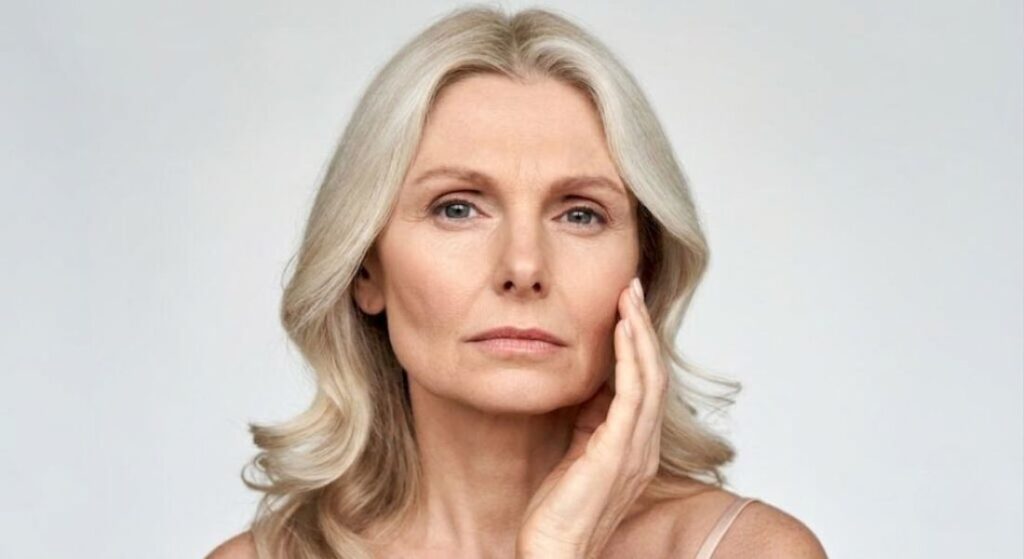
As you age, your face gradually loses volume, especially in areas that once appeared full and well-supported. This can make your cheeks look flatter and reduce the natural contours of your face.
Volume loss also makes under-eye hollows more noticeable, giving your face a more tired or sunken appearance. These subtle changes can alter your overall facial balance even before deeper lines begin to form.
In many cases, volume loss is one of the earliest signs of facial ageing. This is why changes in facial shape and definition often become noticeable before significant wrinkles develop.
Research Insight:
Multiple anatomical studies have demonstrated that deep and superficial facial fat compartments age differently. Understanding these patterns helps practitioners assess why some areas lose support while others appear heavier or descend with age.
The Role of Facial Ligaments
Facial ligaments are important supporting structures that help hold the soft tissues of your face in place. They play a key role in maintaining your natural facial shape and definition.
As you age, these ligaments can become less effective at supporting the surrounding tissues. This allows certain areas of the face to shift, contributing to changes in facial contours.
Over time, these structural changes can lead to sagging and a less defined appearance. Understanding the role of facial ligaments provides a clearer picture of how ageing affects the face beyond the surface of the skin.
Muscle Activity and Facial Ageing
Every time you smile, frown, or raise your eyebrows, your facial muscles create natural expressions. Over the years, these repeated movements can cause dynamic lines to appear on the skin.
As your skin becomes less elastic with age, these temporary lines may gradually become permanent wrinkles. This is why expression lines often become more noticeable over time.
Muscle activity also influences how different areas of your face age. Since some muscles are used more frequently than others, certain parts of the face may develop visible signs of ageing earlier than others.
Bone Remodelling During Ageing
Your facial bones continue to change throughout adulthood, even though these changes happen gradually. As the underlying bone remodels over time, it alters the foundation that supports the soft tissues of your face.
These structural changes can affect the shape and proportions of different facial features. As support decreases in certain areas, the overlying tissues may appear less defined or begin to shift.
Bone remodelling is an important part of the facial ageing process. Understanding these deeper changes helps explain why facial ageing involves much more than changes in the skin alone.
Why Everyone Ages Differently
No two people experience facial ageing in exactly the same way. Your genetics, lifestyle, and overall health all influence how your face changes over time.
Environmental factors, especially sun exposure, can also affect the speed and pattern of ageing. Daily habits such as skincare, diet, and smoking can further influence how your skin and facial structures change.
Because so many factors are involved, everyone’s ageing pattern is unique. This is why the visible signs of ageing can appear earlier, later, or differently from one person to another.
Lifestyle Factors That Accelerate Facial Ageing
Your daily habits can have a significant impact on how quickly your face shows signs of ageing. Factors such as smoking, excessive sun exposure, poor diet, and chronic stress can speed up the natural changes that occur in your skin and underlying facial structures.
Over time, these lifestyle factors can affect collagen production, skin quality, and overall facial support. As a result, you may notice wrinkles, volume loss, and reduced skin elasticity appearing sooner than expected.
Making healthier lifestyle choices may help slow these changes. Protecting your skin from the sun, eating a balanced diet, avoiding smoking, and managing stress can all support healthier ageing over time.
Clinical Tip:
Although ageing cannot be prevented, protecting your skin from ultraviolet exposure, avoiding smoking and maintaining overall health may help reduce premature skin ageing.
What the Study Means for Modern Aesthetic Medicine
The Rohrich Facial Ageing Study has changed the way practitioners approach facial assessment. Instead of focusing on individual wrinkles, modern aesthetic medicine looks at your entire face to understand how different structures have changed over time.
This broader approach considers the skin, fat, muscles, ligaments, and bone rather than treating a single concern in isolation. By assessing the face as a whole, practitioners can better understand the factors contributing to visible signs of ageing.
As a result, treatment plans are designed to restore overall facial balance instead of simply reducing wrinkles. This comprehensive approach often supports more natural-looking and harmonious results.
Key Facts:
1. Facial ageing affects multiple tissue layers.
2. Volume loss often appears before deep wrinkles.
3. Bone remodelling contributes to facial shape changes.
4. Every ageing pattern is unique.
5. Assessment should consider the whole face rather than isolated features.
Personalised Facial Assessment

Modern facial assessment recognises that every face is unique. Instead of using the same approach for everyone, practitioners evaluate your individual anatomy and the specific way your face has changed over time.
Factors such as facial structure, volume loss, skin quality, and overall ageing patterns are considered during the assessment. This provides a more complete understanding of your needs rather than focusing on a single concern.
By creating an individualised treatment plan, practitioners can address your unique facial features and ageing pattern. This personalised approach has become a key principle in modern aesthetic medicine, helping to achieve balanced and natural-looking results.
How Non-Surgical Treatments Have Evolved
Advances in facial anatomy have changed the way non-surgical treatments are planned and performed. A better understanding of how the face ages has refined the use of dermal fillers, anti-wrinkle injections, and skin treatments.
Rather than focusing on a single wrinkle or feature, modern approaches consider your overall facial structure. This allows treatments to address the underlying changes that contribute to visible signs of ageing.
The goal is to restore balance and harmony while maintaining your natural appearance. By taking a more comprehensive approach, practitioners can achieve results that complement your unique facial features.
UK Guidance Note:
If you are considering cosmetic treatments such as dermal fillers or anti-wrinkle injections, it is important to choose a suitably qualified healthcare professional with appropriate training in facial anatomy. The General Medical Council (GMC) advises that doctors providing cosmetic interventions should obtain informed consent, discuss the benefits and risks, and ensure that treatment is in the patient’s best interests. If you are attending a clinic that provides regulated services, you can also check whether it is registered with the Care Quality Commission (CQC) in England. A thorough consultation should assess your medical history, treatment goals and suitability before any procedure is recommended, helping to ensure that treatment is personalised, evidence-based and focused on patient safety.
Common Myths About Facial Ageing
Many people believe that facial ageing is caused only by gravity or that wrinkles are the very first sign of getting older. However, research has shown that facial ageing is much more complex than these common assumptions.
As you age, changes occur beneath the surface in the fat, muscles, ligaments, bone, and skin. These deeper structural changes often begin before wrinkles become obvious and can affect the overall shape and balance of your face.
Understanding the science behind facial ageing helps separate myths from facts. This broader perspective explains why modern assessments look beyond visible wrinkles to understand the full ageing process.
Why Choosing an Experienced Practitioner Matters
A thorough understanding of facial anatomy is essential for safe and effective aesthetic treatments. An experienced practitioner considers how different facial structures work together before recommending the most suitable approach.
Key factors they assess include:
1. Facial anatomy: Understanding the relationship between your skin, fat compartments, muscles, ligaments, and bone structure.
2. Individual ageing patterns: Recognising that facial ageing varies from person to person and requires a personalised approach.
3. Overall facial balance: Looking beyond a single concern to maintain harmony and proportion across your features.
4. Treatment suitability: Recommending approaches based on your unique facial structure, goals, and clinical needs.
5. Natural-looking outcomes: Focusing on enhancing your features while avoiding results that appear over-treated.
6. Patient safety: Prioritising evidence-based techniques and careful assessment to support safer treatment decisions.
If you are considering professional advice about facial ageing or aesthetic treatments, the London Medical and Aesthetic Clinic offers personalised consultations based on modern anatomical principles and evidence-based care. This approach helps ensure your treatment plan is tailored to your individual needs and aesthetic goals.
Myths vs Fact:
| Myth | Fact |
| Wrinkles are the first sign of ageing | Volume loss often occurs earlier |
| Gravity is the only cause of facial ageing | Multiple anatomical changes occur simultaneously |
| Everyone ages the same way | Genetics and lifestyle influence ageing differently |
FAQs:
1. What is the Rohrich Facial Ageing Study?
The Rohrich Facial Ageing Study refers to a collection of influential research by Dr Rod Rohrich and his colleagues that explores how the face changes as you age. Rather than focusing only on wrinkles or loose skin, the research explains how changes in fat, muscles, ligaments, bone and skin all contribute to facial ageing.
2. Why is the Rohrich Facial Ageing Study considered important?
The study changed the way many medical professionals assess facial ageing. Rohrich’s anatomical research demonstrated that restoring facial harmony often requires understanding the underlying anatomical changes rather than simply treating the visible signs on the skin’s surface.
3. Does facial ageing only happen because of gravity?
No. While gravity does have an effect, modern research shows that facial ageing is much more complex. As you get older, your skin loses collagen, facial fat shifts or reduces, ligaments change, muscles continue to move and facial bones gradually remodel, all of which influence your appearance.
4. At what age does facial ageing usually become noticeable?
Facial ageing begins long before you can see obvious changes. You may start to notice subtle differences in your late twenties or early thirties, although the timing varies depending on your genetics, lifestyle and environmental factors such as sun exposure and smoking.
5. Can lifestyle choices affect how your face ages?
Yes. Daily habits can have a significant impact on how your skin and facial structures age over time. Protecting your skin from the sun, avoiding smoking, eating a balanced diet, staying hydrated and maintaining a healthy lifestyle may all help support healthier-looking skin as you age.
6. Why does your face lose volume as you get older?
As you age, certain facial fat compartments gradually shrink or change position, while the underlying bone structure also changes. These natural processes can make your cheeks appear flatter, create under-eye hollows and reduce overall facial definition.
7. Does everyone age in the same way?
No. Every face ages differently because your genetics, skin quality, facial anatomy, lifestyle and overall health are unique. This is why two people of the same age can have very different signs of facial ageing.
8. How has the Rohrich research influenced modern aesthetic treatments?
The research has encouraged practitioners to take a more personalised approach to facial assessment. Instead of treating individual wrinkles in isolation, many clinicians now evaluate your whole face to understand which anatomical changes are contributing to your appearance.
9. Can understanding facial anatomy lead to more natural-looking results?
Yes. A detailed understanding of facial anatomy helps experienced practitioners develop treatment plans that complement your natural features. By addressing the underlying causes of facial ageing rather than simply adding volume, the aim is to achieve balanced and natural-looking outcomes.
10. Why is it important to choose an experienced medical practitioner?
Facial anatomy is highly complex, and aesthetic treatments require both medical knowledge and clinical experience. Choosing a qualified and experienced practitioner helps ensure your facial structure is assessed carefully and that any recommended treatment is tailored to your individual needs and goals.
Final Thoughts: Why Understanding Facial Ageing Matters
Facial ageing is far more complex than simply developing wrinkles or experiencing sagging skin. As you’ve seen throughout this article, the Rohrich Facial Ageing Study helped transform our understanding by showing that changes occur across multiple layers of your face, including the skin, fat compartments, muscles, ligaments and underlying bone.
Understanding these anatomical changes can help you make more informed decisions if you’re considering ways to maintain or enhance your appearance. It also highlights why a personalised assessment is so important, as no two people age in exactly the same way. You can book a consultation with one of our specialists by contacting us at the London Medical and Aesthetic Clinic.
References:
1. Cotofana, S., Schenck, T.L., Trevidic, P., Bertossi, D., Sykes, J.M., Mendelson, B. and DeLorenzi, C. (2015) Midface: Clinical anatomy and regional approaches with injectable fillers. Plastic and Reconstructive Surgery, 136(5S), pp. 219S–234S. Available at: https://pmc.ncbi.nlm.nih.gov/articles/PMC4341846/
2. Bertossi, D. et al. (2025) Facial ageing: Anatomy, mechanisms and modern aesthetic approaches. Journal of Clinical Medicine. Available at: https://pmc.ncbi.nlm.nih.gov/articles/PMC12509489/
3. Cotofana, S., Fratila, A.A., Schenck, T.L. et al. (2022) Facial anatomy and the implications for injectable treatments. Aesthetic Surgery Journal. Available at: https://pubmed.ncbi.nlm.nih.gov/35426152/
4. Surek, C.C., Mashkevich, G., Kane, M.A.C. et al. (2021) Facial anatomy and facial ageing: A review for aesthetic practitioners. Aesthetic Surgery Journal. Available at: https://pubmed.ncbi.nlm.nih.gov/33325497/
5. Cotofana, S., Lachman, N., Schenck, T.L. et al. (2019) The anatomy of facial ageing and implications for minimally invasive aesthetic procedures. Plastic and Reconstructive Surgery. Available at: https://pubmed.ncbi.nlm.nih.gov/30698919/