


Sculptra continues to be one of the most widely discussed collagen-stimulating treatments in aesthetic medicine. You’ll often see international conferences focusing not only on results, but also on safety, patient selection, and best-practice protocols. This reflects how important it is to balance effectiveness with responsible treatment planning.
Recent meetings have highlighted the importance of careful assessment, proper practitioner education, and setting realistic expectations before treatment. As Sculptra use continues to grow, experts are placing greater emphasis on ensuring that techniques remain consistent, safe, and evidence-based. You’ll notice that the goal is to support long-term, predictable outcomes rather than quick results.
For you as a patient, these discussions are reassuring because they show that safety is always a top priority. You’ll also see that good outcomes don’t start with the injection itself, but with the consultation, planning, and overall understanding of your needs. Ultimately, this careful approach helps reduce risk and improve your overall satisfaction with treatment.
Patient Selection Remains the Foundation of Safety
Patient selection remains one of the most important themes discussed at conferences. Successful Sculptra treatment often begins with choosing the right patient, because not everyone will be suitable for the same approach. For you, this means the consultation stage is just as important as the treatment itself.
Practitioners are encouraged to carefully review your medical history, treatment goals, skin quality, and expectations before proceeding. This helps them understand whether Sculptra is likely to be appropriate for you and whether any adjustments or alternatives should be considered. It ensures the treatment plan is based on your individual needs rather than a standard approach.
Conference speakers frequently stress that careful patient selection is one of the most effective ways to reduce complications. When suitability is properly assessed, outcomes tend to be safer and more predictable. This is why a thorough consultation remains one of the most important parts of responsible aesthetic treatment.
Realistic Expectations Are Being Emphasised
Managing expectations continues to be a major topic at aesthetic conferences. You’ll often hear that Sculptra works differently from traditional fillers because your results develop gradually through collagen stimulation. This slower process means the outcome builds over time rather than appearing immediately.
You’ll notice experts highlighting that patients who expect instant or dramatic changes can sometimes feel disappointed if the process isn’t properly explained. That’s why conference discussions place strong emphasis on patient education and clear communication. Understanding the timeline and what to realistically expect is a key part of treatment planning.
Practitioners are encouraged to openly discuss treatment timelines, likely outcomes, and any limitations before starting. You’ll see that this honest approach often leads to better safety and higher satisfaction. Ultimately, when you understand the process clearly, you’re more likely to feel confident and happy with your results.
Full Medical Histories Are Essential
Full medical histories are essential in Sculptra safety discussions at recent conferences. For you, this means your practitioner should take time to understand your overall health before recommending treatment, not just focus on the area being treated.
Information about previous aesthetic procedures, medications, autoimmune conditions, and skin disorders can all influence whether Sculptra is suitable for you. These details help your practitioner make safer and more informed decisions based on your individual situation.
Practitioners are encouraged to identify any potential contraindications before treatment begins. This careful screening helps reduce risks and ensures your treatment plan is appropriate for your needs. A comprehensive medical assessment remains a core safety principle in modern aesthetic practice.
Practitioner Training Continues to Be Prioritised
Conference speakers frequently emphasise that your treatment outcome depends heavily on the experience, training, and ongoing education of your practitioner. As aesthetic medicine continues to evolve, you’ll see more focus on structured learning, safety protocols, and continuous upskilling rather than just the products being used. This shift means you are more likely to be treated by someone who is actively refining their skills and staying updated with best practices.
1. Experience plays a major role in your results: Even if the same treatment is used, your results can vary depending on your practitioner’s skill. A well-trained clinician is more likely to assess your needs properly, plan treatment carefully, and deliver results that suit your natural features.
2. Anatomy knowledge is essential for your safety: Your practitioner needs a strong understanding of facial and body anatomy to treat you safely. This includes knowing where important structures like blood vessels, nerves, and fat layers are, so treatment can be delivered accurately and with reduced risk.
3. Technique and planning directly affect your outcome: You may not see what happens behind the scenes, but injection depth, placement, and product distribution all influence your final result. Good training helps your practitioner create balanced, natural-looking outcomes while avoiding unevenness or complications.
4. Ongoing education keeps your care up to date: Aesthetic medicine changes quickly, so your practitioner should be regularly attending workshops, conferences, and advanced training. This ensures you benefit from the latest techniques, improved safety standards, and more refined treatment approaches.
Overall, practitioner training is becoming one of the most important parts of aesthetic medicine. For you, this means your safety and results depend not just on the treatment itself, but on who is performing it. When you choose a well-trained and experienced practitioner, you’re more likely to get safer care, more predictable outcomes, and a treatment experience that feels more confident and reassuring.
Injection Technique Is Receiving Significant Attention
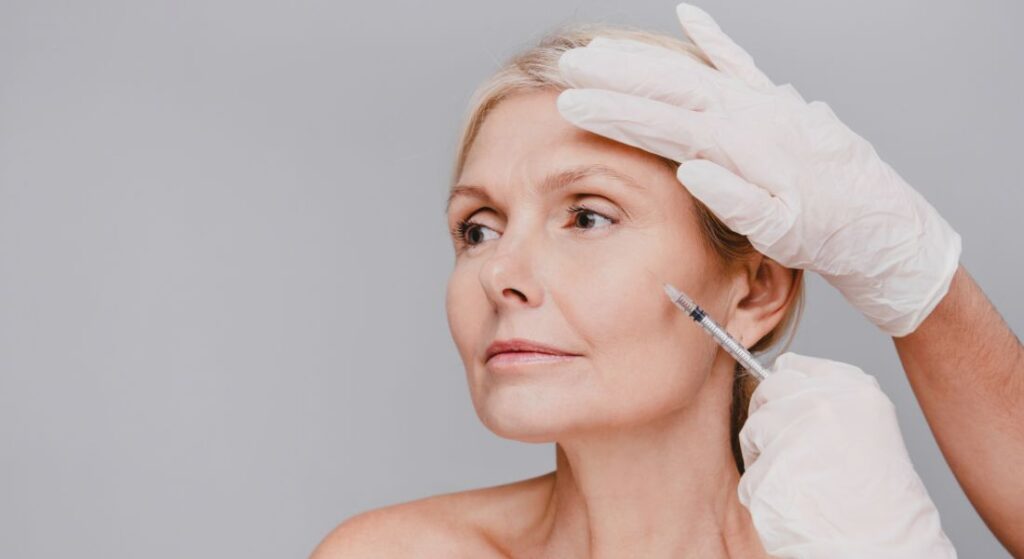
Injection technique remains one of the most discussed aspects of Sculptra treatment at recent conferences. For you, this means the way the product is placed in your skin is just as important as the product itself when it comes to safety and results.
Conference presentations frequently explore how injection depth, placement, and distribution can influence both outcomes and safety. Even small adjustments in technique can change how evenly the product integrates and how comfortable your experience feels during and after treatment.
This is why conferences dedicate significant time to practical training and procedural refinement. Practitioners are encouraged to continually improve their technique to maintain consistency and reduce risks. Overall, good technique continues to play a central role in preventing complications and achieving natural-looking results.
Dilution Protocols Continue to Evolve
Dilution protocols continue to evolve as conference experts regularly discuss how Sculptra is prepared before treatment. For you, this means even the preparation stage is carefully considered, not just the injection itself.
Appropriate dilution can influence how the product spreads, how it integrates into your tissues, and how predictable the overall treatment feels. Researchers and experienced practitioners continue to share clinical observations in this area to improve consistency and outcomes.
The main goal is to support smooth, even results while reducing avoidable complications. Although exact protocols may vary between practitioners, the emphasis always remains on evidence-based practice and patient safety. Ongoing discussion at conferences helps refine these approaches over time for better patient care.
Complication Prevention Is a Key Conference Theme
One of the main focuses of safety-driven conference sessions is complication prevention. You’ll often see experts reviewing real clinical experiences and sharing practical strategies to reduce risks. This creates an open environment where practitioners can learn from both positive outcomes and challenges.
You’ll notice a clear shift in emphasis towards preventing problems rather than correcting them later. Careful planning, proper technique, and thorough patient assessment are repeatedly highlighted as essential safety tools. This helps ensure that treatments are delivered in the safest possible way from the start.
Conference discussions continue to reinforce this message across multiple sessions. You’ll see that the overall goal is to improve consistency, reduce complications, and support better outcomes for you. Ultimately, prevention is seen as the most effective approach to maintaining high safety standards in aesthetic practice.
Understanding Facial Anatomy Remains Critical
Facial anatomy education remains a cornerstone of aesthetic medicine conferences. You’ll often see experts emphasising how important it is to understand the underlying structures of the face before carrying out any treatment. This knowledge forms the foundation of safe and effective aesthetic practice.
You’ll notice that a detailed understanding of anatomical structures helps practitioners place treatments more accurately and reduce unnecessary risk. Conference workshops frequently explore how nerves, blood vessels, and tissue layers vary from person to person. This helps you appreciate why a tailored approach is always needed rather than a standard technique.
As aesthetic procedures continue to evolve, this knowledge becomes even more important. You’ll see that strong anatomical understanding directly supports safer and more predictable patient care. Ultimately, it ensures that your treatment is performed with greater precision, confidence, and safety.
Conservative Treatment Approaches Are Encouraged
Conservative treatment approaches are increasingly encouraged in recent conference discussions. For you, this means practitioners are being guided to avoid making large or aggressive changes in a single session and instead focus on gradual, controlled improvement.
Rather than attempting dramatic correction immediately, practitioners are encouraged to build results step by step and assess how your tissue responds over time. This allows your treatment plan to be adjusted more safely and helps ensure the outcome develops in a balanced way.
This approach may help reduce the risk of overtreatment and improve overall patient satisfaction. Gradual planning also aligns well with Sculptra’s collagen-stimulating nature, since results develop slowly rather than instantly. For you, patience is increasingly seen as an important part of achieving safe, natural-looking outcomes.
Follow-Up Appointments Are Being Valued More Highly
Conference experts are increasingly highlighting how important follow-up care is in aesthetic medicine. You’ll often hear that treatment doesn’t really end after the procedure, but continues through proper monitoring and review. This helps ensure your results are progressing as expected.
You’ll notice that follow-up appointments allow practitioners to assess outcomes, answer your questions, and address any concerns early. This ongoing review process also helps guide any future adjustments if needed. It ensures that decisions are based on how your skin is actually responding, rather than assumptions made at the time of treatment.
This continued relationship between you and your practitioner plays a key role in both safety and satisfaction. You’ll see that treatment is now viewed more as a process rather than a single one-time appointment. Ultimately, this approach helps you achieve more consistent, predictable, and reassuring results.
Long-Term Outcome Data Is Improving
As Sculptra has been used for many years, you’ll see that more long-term data is now becoming available. Conference presentations increasingly focus on how results hold up over extended periods, including durability, patient satisfaction, and overall safety outcomes. This gives a clearer picture of how the treatment performs over time.
You’ll notice that this growing evidence base helps practitioners make more informed and confident recommendations for you. Instead of relying only on short-term results, clinicians can now better understand how Sculptra behaves in real-world use. This leads to more accurate expectations and improved treatment planning.
Long-term research is also helping refine treatment protocols and improve clinical techniques. You’ll see that future conference discussions will continue to build on this expanding knowledge. Ultimately, this ongoing research helps ensure more predictable, safe, and effective outcomes for you.
Combination Treatments Require Careful Planning
Many conference sessions explore how Sculptra can be included within broader aesthetic treatment plans. You may hear that combination treatments are becoming more common, but experts consistently emphasise that they need to be approached in a structured and thoughtful way. The focus is on improving results while maintaining safety and natural balance.
1. Combination treatments need clear purpose: You may be offered multiple treatments to address different concerns, but each one should have a clear reason. A good plan avoids adding procedures unnecessarily and focuses only on what your skin and facial structure actually need.
2. Timing and sequencing affect results: The order of treatments matters because your skin and tissues need time to respond. If procedures are done too closely together, it can make outcomes harder to assess and may increase the risk of irritation or imbalance.
3. Sculptra should be integrated carefully: Sculptra may be used alongside other treatments to support collagen and structure, but it should not be combined randomly. Your practitioner should explain why it is being added and how it fits into your overall plan.
4. Avoiding unnecessary combinations improves safety: More treatments do not always mean better results. A careful, step-by-step approach reduces the risk of overcorrection, swelling, or uneven outcomes and usually leads to more natural results.
Overall, combination treatments can work very well when they are planned properly. For you, this means your practitioner should take a measured approach, deciding what to do first, what to space out, and what may not be needed at all. When treatments are carefully sequenced and personalised to your needs, you are more likely to achieve safe, balanced, and natural-looking results.
Patient Education Is Becoming Part of Safety Protocols
Conference discussions increasingly recognise patient education as an important part of safety in aesthetic medicine. You’ll often hear that when you understand your treatment timeline, recovery process, and aftercare instructions, you’re much better prepared for what to expect. This helps create a smoother and more confident treatment journey.
You’ll notice that education also plays a role in helping you identify when to seek professional advice after treatment. Knowing what is normal and what is not can reduce anxiety and ensure any concerns are addressed early. This improves both safety and overall treatment experience.
Clear communication between you and your practitioner is now seen as essential for good outcomes. You’ll see that patient education is becoming a core part of best-practice recommendations. Ultimately, when you are well informed, you are more likely to feel satisfied, safe, and supported throughout your treatment process.
Recovery Discussions Are Becoming More Transparent

Modern conference presentations are encouraging much more honest conversations about recovery. You’ll often hear experts emphasising that it’s important for you to clearly understand what to expect after treatment. This includes being open about temporary swelling, bruising, or tenderness that may occur.
You’ll notice that setting realistic expectations around recovery helps reduce uncertainty and improves your overall experience. When you know what is normal during the healing process, you’re less likely to feel worried unnecessarily. This transparency also helps you feel more prepared and in control.
Experts believe that clear recovery information builds trust and strengthens the relationship between you and your practitioner. You’ll see that this openness reflects a wider shift towards better communication in aesthetic medicine. Ultimately, when you’re well informed, you tend to feel more comfortable and confident throughout your treatment journey.
Safety Standards Are Being Shared Internationally
One of the key advantages of international conferences is the opportunity to share safety experiences across different countries and healthcare systems. You’ll often see practitioners learning from global colleagues who bring a wide range of clinical experience and real-world insights. This helps create a more unified understanding of best practices.
You’ll notice that clinicians benefit from hearing how others manage large patient volumes and different treatment scenarios. This kind of knowledge exchange helps highlight practical approaches that may not always be visible in clinical trials alone. It also allows you to benefit indirectly from a broader base of global experience.
This sharing of information contributes to ongoing improvements in treatment standards across aesthetic medicine. You’ll see that conference collaboration helps spread best practices more quickly and effectively. Ultimately, this global exchange of expertise helps ensure safer and more consistent outcomes for you as a patient.
Body Applications Are Generating New Safety Discussions
As Sculptra use expands into body contouring and body rejuvenation, you’ll often hear conference speakers focusing more on related safety considerations. This is because treating body areas is not the same as treating the face, and it comes with its own set of challenges. You’ll notice that safety remains a key priority in these evolving applications.
You’ll see that different body regions require different anatomical understanding and treatment approaches. Practitioners must adjust their techniques carefully depending on the area being treated. This helps ensure that outcomes are both effective and safe for you.
Researchers and clinicians continue to discuss how to balance improved results with responsible treatment practices. You’ll find that these conversations are helping guide the careful and structured expansion of Sculptra’s uses. Ultimately, safety remains central as new applications continue to develop and evolve.
Individualised Treatment Plans Reduce Risk
One recurring message across conferences is that personalised treatment planning plays a key role in improving both safety and results. You may notice that modern aesthetic medicine is moving away from one-size-fits-all approaches and focusing more on how treatments can be adapted to your specific needs. This shift is especially important with treatments like Sculptra, where planning and technique have a direct impact on outcomes.
1. Every patient needs a different approach: You are not the same as the next patient, even if your concerns sound similar. Your facial structure, skin quality, age, and treatment goals all influence how Sculptra should be planned and used. A good practitioner will always adjust the approach based on your individual features.
2. Assessment guides safer decision-making: Careful evaluation helps your practitioner understand what your skin actually needs. This reduces the chance of over-treatment or using Sculptra in areas where it may not be necessary. A proper assessment helps keep the treatment focused and appropriate.
3. Unnecessary treatment can be avoided: When your plan is personalised, you are less likely to receive treatments you do not need. This helps maintain natural-looking results and reduces avoidable risks. The focus stays on improving what is relevant rather than treating everything at once.
4. Sculptra must be tailored to your goals: Sculptra is not a fixed protocol; it should be adapted based on your concerns and desired outcome. Some patients may need subtle collagen support, while others may require a more structured approach. Your practitioner should clearly explain why a particular plan is being recommended.
Overall, individualised treatment planning is becoming a defining feature of modern aesthetic medicine. For you, this means your consultation should feel tailored, not generic, with decisions based on your unique anatomy and goals. When treatment is properly personalised, it not only improves safety but also helps achieve more balanced, natural, and satisfying long-term results.
Overtreatment Continues to Be Discouraged
Conference experts are increasingly cautioning against overtreatment and unnecessary intervention. You’ll often hear that modern aesthetic medicine is moving away from overly dramatic changes and towards more natural-looking results. This shift is strongly reflected in safety-focused discussions.
You’ll notice that practitioners are encouraged to prioritise balance, facial proportion, and gradual improvement rather than making sudden or excessive changes. This more measured approach helps ensure that your results remain subtle and in harmony with your natural features. It also supports better long-term treatment planning.
This conservative philosophy is often linked with a lower risk of complications and more predictable outcomes. You’ll see that less aggressive treatment approaches tend to improve both safety and patient satisfaction. Ultimately, the goal is to help you achieve enhancement that looks natural, consistent, and well-balanced.
Future Safety Research Continues to Develop
Conference presentations regularly highlight areas where further safety research is still needed. You’ll often see experts discussing how new findings can help refine treatment techniques and improve overall patient outcomes. This ensures that safety remains an evolving priority in aesthetic medicine.
You’ll notice that researchers continue studying treatment methods, real-world outcomes, and long-term patient experiences. This ongoing work helps improve best-practice guidelines and supports more consistent decision-making. As more data becomes available, recommendations are likely to evolve further over time.
This commitment to continuous research reflects the profession’s focus on ongoing improvement. You’ll see that future conferences will continue to provide valuable insights into safer and more effective treatment strategies. Ultimately, this helps ensure that your care keeps benefiting from the latest scientific understanding.
Conferences Continue to Shape Best-Practice Recommendations

International aesthetic conferences play an important role in shaping how Sculptra is used safely and effectively. You’ll often see practitioners using these events to stay updated through education, research presentations, and expert discussions. This ongoing exchange helps refine treatment protocols and improve patient care strategies over time.
You’ll notice that the key message from recent meetings is that safety depends on several factors working together. These include patient selection, practitioner expertise, treatment planning, and clear communication. Successful outcomes rarely come from a single step, but instead from careful preparation and continuous assessment throughout your journey.
If you are considering Sculptra treatment, choosing a qualified practitioner who follows current best-practice recommendations is one of the most important decisions you can make. You’ll see that modern conference discussions strongly emphasise personalised care, conservative planning, and high safety standards. Ultimately, this approach helps ensure your treatment is both safe and tailored to your individual needs.
FAQs:
1. Is Sculptra considered a safe treatment?
Sculptra is widely regarded as a safe treatment when it is carried out by a qualified and experienced practitioner. Your safety depends on factors such as proper assessment, careful treatment planning, and correct injection techniques. This is why choosing a practitioner with specific experience in Sculptra treatments is so important.
2. Why is the consultation so important before Sculptra treatment?
Your consultation helps your practitioner understand your medical history, aesthetic goals, and overall suitability for treatment. It is also an opportunity for you to ask questions and discuss any concerns. A thorough consultation helps ensure your treatment plan is tailored to your individual needs.
3. How soon will I notice results from Sculptra?
Unlike traditional fillers, Sculptra works by stimulating your body’s natural collagen production. This means your results develop gradually rather than appearing straight away. You can usually expect improvements to become more noticeable over the weeks and months following treatment.
4. Why do practitioners talk so much about realistic expectations?
Having realistic expectations helps you understand what Sculptra can and cannot achieve. Because results appear gradually, it is important to know that the treatment process takes time. When you understand the expected timeline and outcomes, you are more likely to feel satisfied with your results.
5. Does my practitioner’s training affect my results?
Yes, your practitioner’s training and experience can have a significant impact on both safety and outcomes. An experienced practitioner understands facial anatomy, treatment planning, and injection techniques, helping to deliver results that look natural while minimising potential risks.
6. Why is injection technique so important with Sculptra?
The way Sculptra is injected can influence how evenly the product integrates into your tissues and how your results develop over time. Proper technique helps support smoother, more natural-looking outcomes and plays an important role in reducing the risk of complications.
7. Can Sculptra be used alongside other aesthetic treatments?
Yes, Sculptra can often be incorporated into a wider treatment plan. However, your practitioner should carefully assess the timing and purpose of any additional treatments. A personalised approach helps ensure that each treatment works together safely and effectively.
8. Why are follow-up appointments recommended?
Follow-up appointments allow your practitioner to monitor your progress and evaluate how your body is responding to treatment. They also give you the chance to discuss any questions or concerns. These reviews help ensure your treatment journey remains safe and well-managed.
9. How does patient education improve treatment safety?
When you understand how Sculptra works, what recovery may involve, and what results to expect, you are better prepared for the treatment process. Good communication helps you make informed decisions and gives you a clearer understanding of your treatment journey.
10. How are international conferences helping improve Sculptra treatments?
International conferences allow experts to share research, clinical experience, and evolving best-practice recommendations. This helps practitioners stay updated on the latest safety standards and treatment techniques. For you, that means benefiting from an approach that is continually being refined to improve both safety and results.
Final Thoughts: Safety Continues to Shape the Future of Sculptra
Recent conference discussions make it clear that safety remains at the heart of modern Sculptra treatment. Rather than focusing solely on results, experts are placing increasing emphasis on patient selection, practitioner training, personalised treatment planning, and ongoing follow-up care. This reflects a broader shift towards safer, more predictable outcomes that support your individual needs and long-term satisfaction.
Looking ahead, Sculptra safety protocols are expected to become even more refined as new research, long-term data, and international clinical experience continue to emerge. The growing focus on education, conservative treatment approaches, and evidence-based practice will help ensure that patients continue to benefit from natural-looking results delivered with high safety standards. If you’re looking for sculptra treatment in London, you can get in touch with us at the London Medical & Aesthetic Clinic.
References:
1. Signori, R., Barbosa, A.P., Cezar-Dos-Santos, F., Carbone, A.C., Ventura, S., Nobre, B.B.S., Neves, M.L.B.B., Câmara-Souza, M.B., Poluha, R.L. and De la Torre Canales, G. (2024) ‘Efficacy and safety of poly-L-lactic acid in facial aesthetics: A systematic review’, Polymers, 16(18), 2564. https://pmc.ncbi.nlm.nih.gov/articles/PMC11435306/
2. Haddad, A., Avelar, L., Fabi, S.G., Sarubi, J., Somenek, M., Coimbra, D.D.A., Palm, M., Durairaj, K.K., Somji, M. and Vasconcelos-Berg, R. et al. (2025) ‘Injectable poly-L-lactic acid for body aesthetic treatments: An international consensus on evidence assessment. https://pmc.ncbi.nlm.nih.gov/articles/PMC11965205/
3. Signori, R., Barbosa, A.P., Cezar-Dos-Santos, F., Carbone, A.C., Ventura, S., Nobre, B.B.S., Neves, M.L.B.B., Câmara-Souza, M.B., Poluha, R.L. and De la Torre Canales, G. (2024) ‘Efficacy and safety of poly-L-lactic acid in facial aesthetics: A systematic review’, Polymers, 16(18), 2564. https://www.mdpi.com/2073-4360/16/18/2564
4. Fabi, S.G., Haddad, A., Avelar, L., Somenek, M., Beleznay, K., Dayan, S., Taylor-Barnes, K., Huang, J. and Widgerow, A.D. (2026) ‘Poly-L-Lactic Acid (Sculptra®): A regenerative aesthetic treatment’, Cosmetics, 13(3), 103. https://www.mdpi.com/2079-9284/13/3/103
5. Haddad, A., Avelar, L., Fabi, S.G., Sarubi, J., Somenek, M., Coimbra, D.D.A., Palm, M., Durairaj, K.K., Somji, M. and Vasconcelos-Berg, R. et al. (2025) ‘Injectable poly-L-lactic acid for body aesthetic treatments: An international consensus on evidence assessment and practical recommendations’, Aesthetic Plastic Surgery, 49(5), pp. 1507–1517. https://pubmed.ncbi.nlm.nih.gov/39592491/