



Cellulite is one of the most commonly treated body concerns in aesthetic medicine, and you will often hear it discussed at international conferences. It continues to attract a lot of attention because many people look for effective ways to improve skin smoothness and reduce the dimpled appearance of cellulite. Experts regularly compare different treatment options to understand which approaches deliver the most consistent and meaningful results for you.
Among the available treatments, Cellulaze is often presented as a minimally invasive option that targets both the structural causes of cellulite and the quality of your skin. At conferences, you will frequently see it discussed alongside other technologies, such as non-invasive energy devices, injectable treatments, and surgical approaches. Each option works in a different way, and experts often compare their effectiveness, downtime, and long-term outcomes to better understand where each treatment fits.
In this article, you will explore how specialists at global dermatology and aesthetic meetings compare Cellulaze with other cellulite treatments. You will also learn what these expert discussions mean for real-world practice and how they may influence the treatment options available to you.
Why Cellulite Treatments Are Frequently Compared at Conferences
Cellulite affects a large proportion of adults, particularly women, which is why you will often see it as a major focus at aesthetic medicine conferences. Because there are so many different treatment options available, experts regularly dedicate sessions to comparing how well each one works. The aim is to understand which approaches offer the best balance of results, safety, and recovery time for you.
These comparisons help clinicians decide which treatment may be most suitable for different patients. At conferences, you will often hear experts discussing how some treatments may be better for mild cellulite, while others may be more appropriate for more advanced cases. Factors such as skin quality, body area, and treatment goals are all taken into account when evaluating the options.
Conference discussions also consistently highlight that no single treatment works for everyone. You may find that results can vary significantly depending on your individual characteristics and how your body responds. This is why personalised assessment is considered so important in clinical practice. Ultimately, these comparisons help guide more informed and effective treatment decisions for you.
Understanding Cellulaze in Clinical Context
Cellulaze is a laser-based, minimally invasive treatment designed to target cellulite beneath your skin. You will often hear it described at conferences as working on the deeper structural causes of cellulite rather than just improving the surface appearance. It aims to target fibrous bands and stimulate collagen production, which may help improve your skin’s texture and firmness over time.
Conference experts often refer to Cellulaze as a structural treatment rather than a surface-level solution. This is an important distinction, and it is one of the reasons it is frequently included in comparative discussions alongside other cellulite treatments. You may notice that this deeper approach is what sets it apart from many non-invasive options, which tend to focus more on surface smoothing.
However, experts consistently emphasise that your results can depend on several key factors. These include patient selection, treatment technique, and the overall condition of your skin. At conferences, you will often hear that these variables play a major role in determining outcomes, which is why careful assessment is always considered essential before recommending treatment.
Cellulaze vs Non-Invasive Energy Devices
Non-invasive energy-based devices, such as radiofrequency or ultrasound treatments, are frequently compared with Cellulaze at international conferences. You will often hear experts discussing these options side by side because both are widely used in clinical practice for improving the appearance of cellulite and skin laxity. One of the main advantages of non-invasive treatments is that they usually require no downtime, making them a more convenient option for many patients like you.
However, conference experts often point out that non-invasive treatments may require multiple sessions before you see noticeable results. The improvements tend to be gradual, and in some cases, the overall effect may be more subtle compared with other approaches. While they are generally well tolerated, the trade-off is often a slower and less dramatic outcome, depending on your individual response.
In contrast, Cellulaze is typically performed in a single session and is designed to address deeper structural changes beneath your skin. You may find that it offers more noticeable improvement in skin texture and firmness compared with non-invasive options. However, this comes with a longer recovery period. This difference in downtime versus intensity is one of the key points that experts consistently highlight when comparing these treatments at conferences.
Skin Tightening Differences Highlighted at Conferences
When you attend aesthetic conferences, you will notice that one of the key topics of discussion is how different treatments compare when it comes to skin tightening. For treatments like Cellulaze, experts often focus on how effectively each option stimulates collagen and improves skin firmness over time. This comparison helps you understand what kind of results you might realistically expect from different approaches.
1. Comparing levels of skin tightening: You will often hear that not all treatments deliver the same degree of tightening. Some are designed for subtle improvements, while others aim for more noticeable structural changes in the skin and underlying tissue.
2. Results from non-invasive treatments: Non-invasive options are frequently discussed as providing mild to moderate tightening. These changes usually develop gradually and are best suited if you are looking for subtle improvement without downtime or more intensive procedures.
3. How Cellulaze differs in approach: Cellulaze is often described as targeting deeper layers beneath the skin. Because of this deeper action, it may lead to more noticeable improvements in firmness and texture for some patients, depending on your individual response.
4. Why outcomes are not the same for everyone: A consistent message at conferences is that results can vary significantly from person to person. Factors such as skin quality, age, and the severity of cellulite all influence how your body responds to treatment.
5. No guaranteed uniform results: Experts also stress that no skin tightening treatment can guarantee identical outcomes for everyone. Even with similar procedures, your results may differ from someone else’s, which is why individual assessment is so important.
Overall, skin tightening comparisons highlight that different treatments work at different depths and intensities. Understanding these differences helps you set realistic expectations and choose an approach that best matches your goals.
Cellulaze vs Injectable Treatments

Injectable treatments for cellulite, such as collagen-stimulating or fat-dissolving agents, are often discussed alongside Cellulaze at international aesthetic conferences. You will commonly hear experts explain that these injectables are designed to improve skin texture and reduce the dimpled appearance of cellulite. They are considered minimally invasive, which makes them an appealing option if you are looking for a treatment with little to no downtime.
However, conference discussions often highlight that injectable treatments may require multiple sessions to achieve optimal results. You may notice that improvements tend to build gradually over time rather than appearing after a single procedure. While they are generally well tolerated, the overall outcome can depend on how consistently the treatment is repeated and how your body responds.
Compared with injectables, Cellulaze is more invasive but is designed to target deeper structural causes of cellulite in a more direct way. You may find that this can lead to more noticeable correction in suitable candidates, particularly in terms of skin tightening and texture improvement. This balance between invasiveness, results, and recovery time is a key point that experts frequently debate at conferences when comparing these treatment options.
Surgical Approaches vs Cellulaze
Traditional surgical methods for cellulite reduction are less commonly used today, but you will still hear them discussed at international aesthetic conferences. These procedures often involve more extensive tissue modification and a higher level of intervention beneath your skin. Because of this, they are typically reserved for more specific or severe cases.
Experts generally agree that surgical approaches can produce significant improvement in selected patients. However, conference discussions also highlight that this comes with higher risks, greater invasiveness, and a longer recovery period. If you are considering more intensive treatments, these factors are always carefully weighed against the potential benefits.
Cellulaze is often positioned as a middle-ground option in these comparisons. You may find that it offers a balance between effectiveness and invasiveness, as it is less aggressive than surgery but potentially more impactful than non-invasive treatments alone. This balance is a key reason it continues to be discussed at conferences when experts evaluate the full range of cellulite treatment options available to you.
The Importance of Treatment Depth
Conference presentations frequently highlight how important treatment depth is when comparing cellulite therapies. You will often hear experts explain that Cellulaze works beneath the surface of your skin, targeting the fibrous bands that contribute to the dimpled appearance of cellulite. This deeper approach is designed to address the underlying structure rather than just the surface texture.
In contrast, some other treatments tend to focus more on the superficial layers of your skin. You may notice that these approaches can still improve skin appearance, but the type of change is often different. Superficial treatments may help with smoothing and mild tightening, while deeper treatments aim to create more structural improvements beneath the skin.
Experts at conferences often emphasise that deeper treatments like Cellulaze may offer more noticeable structural change, but they also require greater precision and careful technique. You will also hear that patient selection becomes even more important in these cases to ensure safe and effective results. This balance between depth, effectiveness, and safety is a key theme in conference discussions.
Recovery Time Comparisons
Recovery time is a major factor in choosing the right cellulite treatment, and you will often hear this discussed at international aesthetic conferences. Non-invasive treatments are generally associated with little to no downtime, which makes them appealing if you want to return to your normal routine quickly. Because of this convenience, they are often preferred for milder concerns or when minimal disruption is a priority for you.
Cellulaze, on the other hand, is minimally invasive and usually involves a short recovery period. You may experience temporary swelling, bruising, or tenderness in the treated area as your body begins to heal. Conference experts often stress that this recovery phase should be clearly explained to you during consultation so that you know what to expect beforehand.
Understanding these differences in recovery time is an important part of making an informed decision. When you have a clear idea of what downtime involves, it becomes easier to choose a treatment that fits your lifestyle and expectations. Experts consistently highlight that realistic expectations play a key role in overall satisfaction with results.
Variability in Clinical Outcomes
When you attend aesthetic medicine conferences, you will quickly notice a recurring point: outcomes in cellulite treatments can vary quite a bit from one person to another. This is true for all procedures, including treatments like Cellulaze. Rather than expecting identical results, experts emphasise that your individual characteristics play a major role in how well you respond to treatment.
1. Why results differ between individuals: You will hear that factors such as your skin quality, age, genetics, and even lifestyle habits can all influence your results. For example, healthier, more elastic skin may respond more noticeably than skin with reduced elasticity.
2. The role of skin and tissue condition: The condition of your underlying tissue also matters. If your cellulite is more advanced or your skin has reduced firmness, the outcome may differ compared to someone with milder concerns, even if the same treatment is used.
3. Why comparing treatments is not always straightforward: Because people respond differently, it can be difficult to make direct comparisons between treatments. You may see studies showing similar outcomes across different procedures, but these often depend heavily on how patients are selected.
4. Importance of patient selection: This is why conferences place so much emphasis on choosing the right treatment for the right person. It is not just about the procedure itself, but about whether it matches your specific needs and anatomy.
5. Focus on individualised results rather than averages: Instead of relying only on general statistics, experts increasingly focus on tailoring treatment plans to you as an individual. This helps improve the chances of achieving a result that aligns with your expectations.
Overall, variability in outcomes is a key consideration in cellulite treatments. Understanding that your results may differ from others helps you approach treatment with more realistic expectations and supports better decision-making.
Patient Selection as a Key Factor
Patient selection is one of the most important topics you will hear discussed at international aesthetic conferences. Experts consistently agree that choosing the right treatment for the right patient matters more than the technology itself. Even the most advanced procedure will not deliver good results if it is not suited to your individual needs.
When it comes to Cellulaze, ideal candidates are often those with moderate cellulite and relatively good skin elasticity. You may find that this type of treatment works best when the underlying skin still has some natural firmness to support improvement. However, if you have more severe skin laxity, experts often suggest that other or additional approaches may be more appropriate for you.
In comparison, non-invasive treatments are frequently considered more suitable for early or mild cases of cellulite. You will often hear these distinctions discussed in expert panels, where clinicians compare which options work best for different stages of concern. This focus on personalised treatment selection helps ensure that you receive the most appropriate and effective care for your situation.
Combination Treatment Strategies
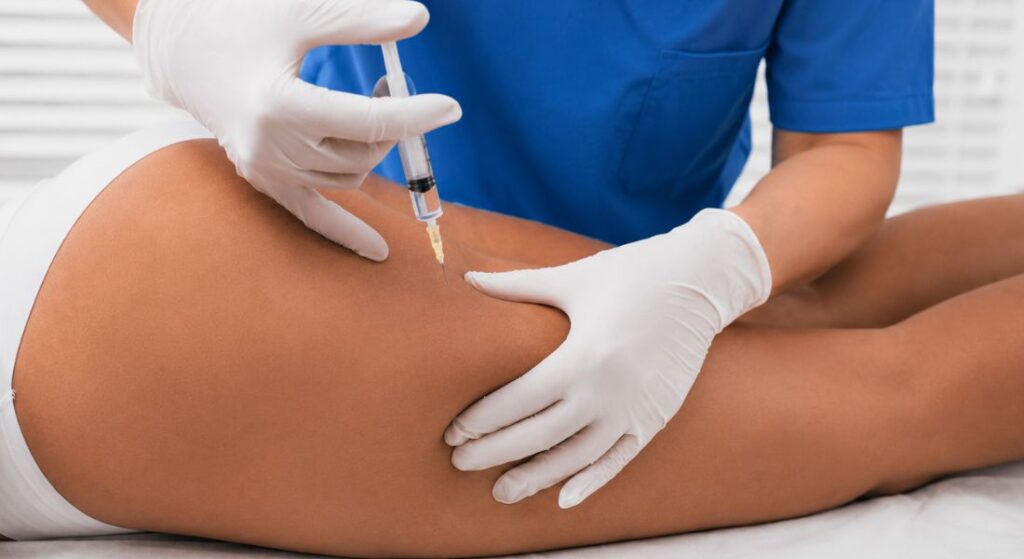
Combination treatments are becoming increasingly popular in aesthetic medicine, and you will often hear this discussed at international conferences. Experts regularly explore how using more than one treatment approach can help improve cellulite outcomes by targeting different underlying factors at the same time. This allows clinicians to take a more comprehensive approach rather than relying on a single method.
For example, you may find that non-invasive energy-based treatments are sometimes combined with injectables or other minimally invasive procedures. Each modality can work in a slightly different way, with one focusing on skin tightening, another on improving texture, or another on supporting deeper structural changes. This layered strategy is often presented as a way to enhance overall results for you by addressing cellulite from multiple angles.
However, conference experts also emphasise that combination treatments require careful planning. You will often hear that timing, treatment depth, and technique must all be considered to ensure both safety and effectiveness. When done properly, these strategies can offer improved outcomes, but they need to be tailored specifically to your skin condition and treatment goals.
Advances in Energy-Based Technology
Technological innovation is a recurring theme at international aesthetic conferences, and you will often hear experts discussing the latest developments in energy-based treatments for cellulite. Newer devices are being designed to improve precision, safety, and consistency, with the aim of delivering better and more predictable results for you.
Cellulaze is frequently discussed in this context, especially when compared with newer and evolving laser technologies. Researchers continue to refine how energy interacts with your tissue beneath the skin, focusing on ways to improve outcomes while minimising side effects. These ongoing developments help experts better understand how different technologies perform in real clinical settings.
As these advancements continue, they may influence how treatments are compared in the future and could expand the range of options available to you. You will often hear at conferences that innovation in energy-based technology is helping to push the field forward. Ultimately, this progress aims to support more effective, precise, and personalised cellulite treatments over time.
Evidence from Clinical Studies
Clinical evidence plays a central role in discussions at international aesthetic conferences. You will often hear experts carefully reviewing published studies alongside real-world clinical experience when comparing treatments for cellulite. This balanced approach helps ensure that decisions are based on both scientific data and practical outcomes seen in everyday practice.
Cellulaze has been studied in a range of clinical settings, and these findings are frequently presented and discussed at conferences. However, experts also point out that long-term comparative data is still an area of ongoing interest. You may notice that this is a recurring theme in presentations, as researchers continue working to better understand how Cellulaze performs over extended periods compared with other treatments.
Across all treatment types, evidence-based decision-making is strongly encouraged. You will often hear clinicians emphasising the importance of relying on well-conducted studies and reliable data rather than assumptions. This approach helps ensure that the recommendations you receive are grounded in the best available evidence, supporting safer and more effective treatment choices.
Managing Patient Expectations
When you follow discussions at aesthetic conferences, one message comes up again and again: managing expectations is just as important as the treatment itself. This is especially true for cellulite procedures, including treatments like Cellulaze. Experts are very clear that these treatments are designed to improve appearance rather than completely remove cellulite.
1. Focusing on improvement, not elimination: You need to understand that cellulite treatments aim to reduce the visible dimpling and improve skin texture, but they do not guarantee complete removal. This distinction helps you set a more realistic goal from the beginning.
2. Results can be gradual: You will often hear that improvements do not happen overnight. Changes tend to develop gradually as your skin responds and collagen remodelling takes place over time. Patience is an important part of the process.
3. Why results vary between individuals: Your outcome may not look exactly like someone else’s, even if they have had the same treatment. Factors such as your skin quality, age, and the severity of cellulite all influence how noticeable your results will be.
4. Importance of clear communication before treatment: A big focus at conferences is ensuring that you are properly informed before going ahead. When your clinician clearly explains what is realistically achievable, it helps you make a more confident and informed decision.
5. Realistic expectations improve satisfaction: When you understand both the benefits and limitations of treatment, you are more likely to feel satisfied with the outcome. Setting realistic expectations is consistently linked with better overall patient experience.
Overall, managing expectations is a key part of aesthetic care. When you know what cellulite treatments can and cannot do, you are in a much better position to judge your results fairly and feel confident in your treatment choice.
Safety Considerations Across Treatments
Safety is always a key topic at international aesthetic conferences, especially when comparing different cellulite treatments. You will often hear experts explain that non-invasive treatments generally have lower risk profiles, which is why they are often considered more suitable if you prefer a gentler approach with minimal disruption to your routine.
Minimally invasive options like Cellulaze, however, require more precise technique and careful execution. You may find that while these treatments work beneath the skin to achieve more structural change, they also involve a slightly higher level of complexity. Even so, conference experts consistently highlight that complication rates remain low when procedures are performed correctly by trained professionals.
Across all treatment types, you will often hear that proper training and experience are essential for ensuring safe outcomes. Experts emphasise that technology alone is not enough, and the skill of the practitioner plays a major role in your safety and results. Ultimately, this focus on expertise helps maintain high standards across aesthetic treatments and supports better outcomes for you.
Long-Term Results and Maintenance

At international aesthetic conferences, you will often hear experts discussing how long results last after different cellulite treatments. This is an important topic because you may not only be interested in immediate improvement, but also in how stable those results are over time.
Non-invasive treatments often require maintenance sessions to help sustain results. You may find that while they can improve the appearance of cellulite, their effects gradually reduce if follow-up treatments are not continued. Because of this, ongoing maintenance is commonly built into treatment plans for these options.
Cellulaze, on the other hand, may offer longer-lasting improvement in suitable patients, particularly because it targets deeper structural causes of cellulite. However, you should remember that natural ageing continues to affect your skin over time, which can still influence long-term results. For this reason, no treatment provides permanent prevention of future changes.
Maintenance strategies vary depending on the treatment used and how your body responds. You will often hear experts emphasise that follow-up care should always be personalised to your individual needs. This helps ensure that your results are supported and maintained in the most effective way possible.
Psychological Impact of Treatment Choice
The psychological impact of cellulite treatments is increasingly recognised at international aesthetic conferences. You will often hear experts discuss how improving the appearance of your skin can have a positive effect on confidence and overall body image. For many people, this emotional benefit is an important part of why they consider treatment in the first place.
However, conference speakers also highlight the importance of managing expectations carefully. You may find that experts strongly caution against unrealistic expectations or pursuing excessive treatments in the hope of achieving perfection. Emotional wellbeing is always considered an important part of treatment planning, not just the physical outcome.
Because of this, a balanced approach is consistently encouraged across all treatment options. You will often hear clinicians emphasise that the goal should be improvement rather than perfection, and that decisions should support both your physical results and your mental wellbeing. This helps ensure that your treatment experience remains healthy, realistic, and positive overall.
Why No Single Treatment Is Considered Best
When you follow discussions at aesthetic conferences, one of the clearest messages you will hear is that there is no single “best” treatment for cellulite. This is particularly true for procedures like Cellulaze and other non-invasive options. Instead of one superior solution, experts emphasise that each treatment has its own strengths and limitations, and the right choice depends on you as an individual.
1. Different treatments achieve different things: You will often hear that some treatments focus more on structural change, while others focus on surface-level improvement. Because cellulite involves multiple layers of skin and tissue, no single approach can address every aspect equally well.
2. Cellulaze and deeper tissue changes: Cellulaze is sometimes discussed as offering more structural improvement in selected cases because it targets deeper layers beneath the skin. This may lead to more noticeable changes in firmness and texture for certain patients.
3. Benefits of non-invasive treatments: Non-invasive options are often valued for their convenience. You typically get minimal downtime and a more gradual improvement, which can suit your lifestyle if you prefer less intensive procedures.
4. Why personal factors matter most: The best treatment for you depends on several factors, including your body structure, the severity of cellulite, your skin quality, and even how much downtime you are comfortable with. These individual differences play a major role in decision-making.
5. Focus on personalised treatment planning: Instead of searching for a universal “best” option, clinicians increasingly focus on matching the right treatment to the right person. This personalised approach helps improve satisfaction and leads to more realistic outcomes.
Overall, conference discussions make it clear that cellulite treatment is not one-size-fits-all. Understanding the strengths of each option helps you make a more informed choice that aligns with your goals, lifestyle, and expectations.
The Role of Practitioner Experience
Expert experience plays a major role in determining your treatment outcomes, and you will often hear this emphasised at international aesthetic conferences. Specialists frequently highlight that technique and clinical judgement are just as important as the device or method being used. In other words, the success of your treatment depends not only on the technology, but also on the skill of the person performing it.
Proper training helps improve both safety and consistency. When a practitioner is experienced, they are better able to assess your individual anatomy and adjust the treatment accordingly. You may find that this personalised approach can make a noticeable difference in both the quality of your results and your overall experience.
Because of this, practitioner experience remains a key factor across all cellulite treatments. You will often hear experts stress that even the most advanced procedures require careful application to achieve the best outcomes. Ultimately, choosing a well-trained and experienced provider is considered essential for safe, effective, and reliable results for you.
FAQs:
1. How does Cellulaze compare with non-invasive cellulite treatments?
Non-invasive treatments such as radiofrequency or ultrasound are popular because they require no downtime and are generally more comfortable. However, conference experts note that they often need multiple sessions and produce more gradual, subtle results. Cellulaze is minimally invasive and typically performed in a single session, which may lead to more noticeable structural improvement in suitable patients. The trade-off is a longer recovery period compared to non-invasive options.
2. Is Cellulaze more effective than other cellulite treatments?
Effectiveness depends on the individual, the severity of cellulite, and treatment goals. Experts at conferences emphasise that Cellulaze can deliver strong results for carefully selected patients, particularly those with moderate cellulite. However, no single treatment is considered universally superior across all cases. The “best” option always depends on personal anatomy and expectations.
3. What makes Cellulaze different from injeactable cellulite treatments?
Injectable treatments are minimally invasive and often focus on improving skin texture or reducing fat through small targeted injections. They usually require multiple sessions but involve little downtime. Cellulaze works deeper under the skin, targeting fibrous bands and stimulating collagen in a more structural way. This difference often makes Cellulaze more invasive but potentially more impactful in the right candidates.
4. How does Cellulaze compare to surgical cellulite procedures?
Surgical cellulite treatments can sometimes deliver more dramatic results, but they come with higher risks and longer recovery times. Cellulaze is often positioned between surgery and non-invasive treatments in terms of intensity and outcome. Conference experts highlight it as a compromise option for patients who want visible improvement without full surgery. Suitability depends on individual goals and clinical assessment.
5. Do all cellulite treatments work in the same way?
No, cellulite treatments work through different mechanisms depending on the technology used. Some focus on surface tightening, while others target deeper fibrous bands or fat deposits. Cellulaze, for example, works beneath the skin to improve structure and stimulate collagen. These differences explain why results and recovery times vary widely between treatments.
6. How important is patient selection when comparing cellulite treatments?
Patient selection is considered one of the most important factors at conferences. The same treatment can produce very different results depending on skin quality, cellulite severity, and lifestyle factors. Cellulaze is generally best suited for mild to moderate cases with reasonable skin elasticity. Careful assessment helps ensure safer procedures and more predictable outcomes.
7. Do cellulite treatments require maintenance sessions?
Many non-invasive treatments require ongoing maintenance sessions to sustain results over time. Cellulaze may offer longer-lasting improvement after a single treatment, although natural ageing will still affect the skin. Conference experts note that maintenance needs vary from person to person. Lifestyle factors can also influence how long results last.
8. What do experts say about combining cellulite treatments?
Conference discussions often highlight that combination treatments can improve overall outcomes by addressing different layers of cellulite. For example, energy-based devices may be paired with injectables or other technologies. However, experts also stress that treatments must be carefully planned and spaced. The right combination depends on individual needs and safety considerations.
9. Are results from Cellulaze and other treatments permanent?
Results are often long-lasting but not truly permanent because the ageing process continues to affect skin structure. Cellulaze may provide more durable improvement compared to some non-invasive treatments, especially in suitable candidates. However, factors like lifestyle, weight changes, and ageing can influence results over time. Maintenance treatments may sometimes be recommended.
10. Why do results vary between different cellulite treatments?
Results vary due to differences in skin thickness, fat distribution, age, and overall health. Individual biology plays a major role in how the body responds to each treatment type. Conference experts also emphasise that technique and practitioner experience significantly influence outcomes. This is why personalised treatment planning is essential for the best results.
Final Thoughts: Choosing the Right Cellulite Treatment Based on Expert Insights
Conference discussions consistently show that there is no one “best” cellulite treatment for everyone. Cellulaze often stands out as a minimally invasive option that can target deeper structural causes of cellulite, while non-invasive devices and injectables offer more convenience and minimal downtime. The key takeaway from expert comparisons is that treatment choice should always be guided by your individual skin condition, goals, and tolerance for recovery time.
Ultimately, the most successful outcomes come from personalised planning and realistic expectations. This is why consultation with an experienced practitioner remains essential when deciding between different options. If you’re thinking about cellulaze treatment in London, you can get in touch with us at the London Medical & Aesthetic Clinic.
References:
1. Allen, G. et al. (2023) ‘Cellulite: Current understanding and treatment’, Aesthetic Surgery Journal Open Forum, 5, ojad050. https://pmc.ncbi.nlm.nih.gov/articles/PMC10324940/
2. DiBernardo, B.E., Sasaki, G.H., Katz, B.E., Hunstad, J.P., Petti, C. and Burns, A.J. (2016) ‘A multicenter study for cellulite treatment using a 1440-nm Nd:YAG wavelength laser with side-firing fiber’, Aesthetic Surgery Journal, 36(3), pp. 335-343. https://pmc.ncbi.nlm.nih.gov/articles/PMC5127477/
3. Friedmann, D.P., Vick, G.L. and Mishra, V. (2017) ‘Cellulite: a review with a focus on subcision’, Clinical, Cosmetic and Investigational Dermatology, 10, pp. 17-23. https://pmc.ncbi.nlm.nih.gov/articles/PMC5234561/
4. Bernstein, E.F. et al. (2018) ‘Cellulite treatment technologies: review of energy-based and minimally invasive procedures’, Journal of Clinical, Cosmetic and Investigational Dermatology, 11, pp. 1-10. https://www.sciencedirect.com/science/article/pii/S2352647518300418
5. Sadick, N.S. (2019) ‘Collagenase Clostridium histolyticum for the treatment of edematous fibrosclerotic panniculopathy (cellulite): a randomized trial’, Dermatologic Surgery, 45(8), pp. 1047-1056. https://pubmed.ncbi.nlm.nih.gov/30809581/