


Cellulite treatment continues to evolve as you look for options that offer more noticeable and longer-lasting improvement. One of the more advanced approaches, Cellulaze, is frequently discussed at international aesthetic medicine conferences, where experts share updates on safety, technique, and patient selection. These discussions play an important role in shaping how the treatment is used in modern clinical practice for you.
Recent conferences have placed strong emphasis on improving safety standards and refining treatment protocols. You will often hear experts highlight that while Cellulaze can offer structural improvements in suitable patients, careful planning is essential to achieve safe and predictable outcomes. This includes assessing your skin quality, understanding your treatment goals, and ensuring the procedure is performed with the correct technique and experience. Because of this, conference insights are considered highly valuable for practitioners.
In this article, you will learn what recent conferences have revealed about Cellulaze safety, patient suitability, and evolving best practices. You will also gain a clearer understanding of how these expert discussions influence real-world treatment decisions and help guide more effective, evidence-based care for you.
Why Cellulaze Remains a Conference Topic
Cellulaze continues to attract attention at aesthetic conferences because it is a more invasive cellulite treatment compared with many non-surgical options. You will often hear experts explain that it works beneath your skin to target fibrous bands and stimulate collagen production. This deeper action means that both technique and safety are especially important when the treatment is performed.
At conference sessions, experts regularly review clinical outcomes and share real-world experiences from practice. These discussions help refine understanding of which patients are most likely to benefit from Cellulaze and which cases may require alternative approaches. You may also notice that caution is often highlighted, particularly when it comes to patient selection and managing expectations.
Because cellulite is a complex condition, no single treatment works for everyone. You will often hear conference speakers emphasise that decisions should be based on clinical evidence rather than assumptions. This ensures that your treatment plan is guided by research, expert insight, and individual assessment, rather than a one-size-fits-all approach.
Understanding How Cellulaze Works
Cellulaze is a minimally invasive laser-based treatment designed to target the structural causes of cellulite. You will often hear experts explain that it works beneath your skin by releasing fibrous bands and stimulating collagen production. This combination aims to improve your skin texture and create a smoother, more even appearance over time.
The procedure also focuses on improving skin thickness and elasticity. By strengthening the underlying support structure, it may help reduce the dimpled effect commonly associated with cellulite. However, you should be aware that results can vary depending on your individual skin quality, age, and how your body responds to the treatment.
At conferences, experts frequently emphasise that understanding how Cellulaze works is essential for its safe and effective use. You will often hear that proper technique plays a major role in both outcomes and risk levels. This is why training, experience, and careful application are consistently highlighted as key factors in achieving good results for you.
Importance of Pre-Treatment Assessment

Comprehensive assessment before treatment is strongly recommended in conference guidelines, and you will often hear experts emphasising just how important this step is for Cellulaze. Before moving forward, your practitioner should carefully evaluate your skin quality, the severity of your cellulite, and your overall medical history. This helps ensure the treatment is appropriate and safe for you.
A detailed consultation also plays a key role in identifying any potential risks and confirming whether you are a suitable candidate. You will often find that this is also the stage where you gain a clearer understanding of what the procedure involves, including possible results, recovery, and limitations. This shared understanding is essential for setting realistic expectations.
Experts consistently highlight that poor or rushed assessment is one of the main reasons for unsatisfactory outcomes. When proper evaluation is carried out, it significantly improves both safety and predictability of results. Ultimately, thorough pre-treatment planning helps ensure that your treatment is carefully tailored to your individual needs.
The Importance of Patient Selection
One of the strongest messages from recent conferences is that patient selection is critical for both safety and success with Cellulaze. You will often hear experts emphasise that not everyone with cellulite is automatically a suitable candidate for this treatment. Choosing the right patient is just as important as the procedure itself.
At conferences, specialists highlight that factors such as your skin quality, the severity of cellulite, and your overall health all play an important role in determining suitability. You may find that individuals with mild to moderate cellulite and good skin elasticity tend to achieve more predictable and satisfying results. This is because their skin is better able to respond to the structural changes created by the treatment.
Careful assessment helps reduce the risk of complications and disappointment with outcomes. You will often hear experts stress that a detailed consultation is one of the most important steps before moving forward. This allows your practitioner to properly evaluate whether Cellulaze is appropriate for you and to ensure your treatment plan is safe, realistic, and tailored to your needs.
Managing Expectations Before Treatment
When you attend aesthetic conferences, you will notice that one message comes up again and again: setting realistic expectations is essential. With treatments like Cellulaze, experts are very clear that the aim is improvement in the appearance of cellulite, not complete removal. Understanding this before you start treatment helps you make a more informed decision.
1. Focusing on realistic outcomes from the start: You should expect improvement rather than perfection. Cellulite is a complex structural issue in the skin, so while treatment can make it less noticeable, it cannot guarantee total elimination.
2. Avoiding assumptions about dramatic results: One common issue discussed at conferences is that some patients expect very dramatic or permanent changes after just one session. In reality, results are usually more gradual and subtle, depending on how your body responds.
3. Individual response plays a major role: Your results are influenced by factors such as your skin structure, the severity of cellulite, and how your body heals after treatment. This means outcomes can vary quite a bit from person to person.
4. Why clear communication matters before treatment: You will often hear experts stress that honest, clear discussion before treatment is essential. When you understand what is realistically achievable, you are less likely to feel disappointed later.
5. Better alignment leads to better satisfaction: When your expectations match what the treatment can actually deliver, you are more likely to feel satisfied with the outcome. This is why managing expectations is considered a key part of safe and effective aesthetic practice.
Overall, managing expectations before treatment is just as important as the procedure itself. When you go into Cellulaze with a clear and realistic understanding, you are better prepared for the gradual and variable nature of the results.
Refining Surgical Technique
Technique is one of the most frequently discussed topics in Cellulaze-related sessions at international conferences. You will often hear experts emphasise that even small variations in how the procedure is performed can significantly affect both safety and results. Because of this, precision is considered absolutely essential when treating you.
Conference speakers regularly share updates on optimal laser settings, incision placement, and the most effective ways of delivering energy beneath the skin. These refinements are aimed at improving consistency while reducing the risk of complications. You may also notice that experience is repeatedly highlighted, as a skilled practitioner is better able to adjust the technique to suit your individual anatomy.
Another important point raised in conference discussions is that over-treatment can increase the likelihood of unwanted effects. You will often hear experts recommend a balanced, controlled approach rather than aggressive application. This careful technique helps ensure safer outcomes and more natural-looking improvements for you.
Reducing Risk of Bruising and Swelling
Post-treatment bruising and swelling are expected with Cellulaze, but you will often hear recent conference discussions focusing on how to minimise these effects. Experts explain that improvements in technique, along with better patient preparation, can help reduce how intense these side effects are and may also shorten your recovery time.
At conferences, specialists frequently recommend tailoring the treatment based on how sensitive your skin is. This may involve adjusting laser energy levels, refining how deeply the treatment is performed, or modifying the specific areas being treated. You may find that this individualised approach is key to achieving a smoother recovery experience while still maintaining effective results.
Better aftercare protocols are also a growing focus in conference discussions. These guidelines are designed to support your healing process and improve comfort during recovery. You will often hear experts emphasise that following proper aftercare advice can make a noticeable difference in how quickly swelling and bruising settle, helping you return to normal activities with greater ease.
Importance of Anatomical Knowledge
A strong understanding of anatomy is repeatedly emphasised in conference presentations on Cellulaze. You will often hear experts explain that the structure of your fat layers, fibrous bands, and skin thickness all play a major role in determining how effective and safe the treatment will be. This detailed knowledge helps practitioners plan the procedure more precisely for you.
Incorrect placement or working at the wrong depth can increase the risk of complications or less satisfactory results. Because of this, anatomical training is considered essential for anyone performing Cellulaze. You may find that experts consistently stress how important it is to understand not just the skin surface, but also the deeper structures beneath it.
Improved anatomical mapping and imaging techniques have significantly contributed to making procedures safer and more predictable. You will often hear at conferences that this understanding continues to evolve through ongoing research and clinical experience. As knowledge improves, practitioners are better able to tailor treatment more accurately to your individual anatomy.
Role of Collagen Stimulation
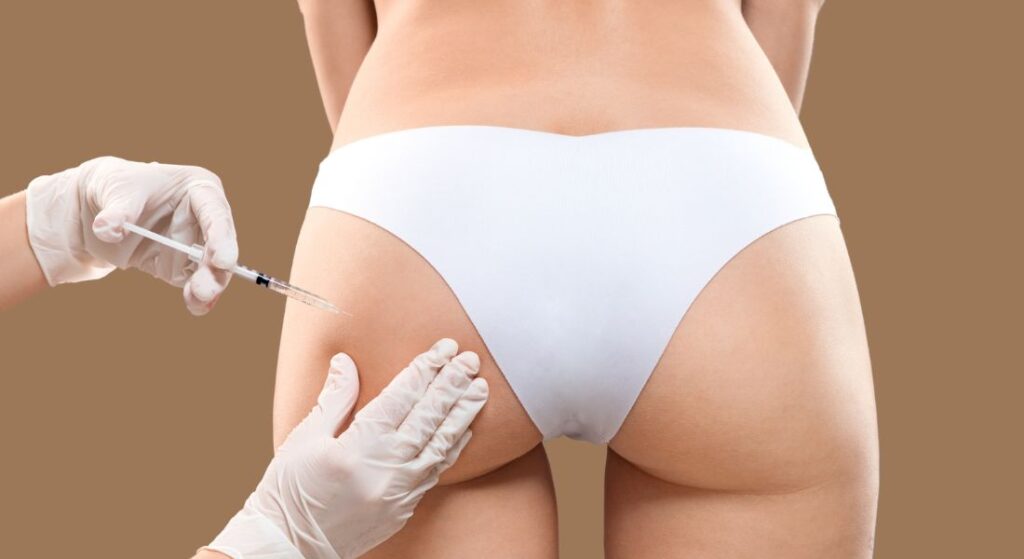
When you look at discussions around Cellulaze at conferences, collagen stimulation is consistently highlighted as one of the key mechanisms behind skin improvement. You will often hear experts explain that collagen plays an important role in supporting skin firmness and structure over time, which is why it is central to many skin-tightening outcomes.
1. How collagen supports skin firmness: You will find that as collagen production is stimulated, your skin gradually becomes firmer and better supported from within. This structural support is what contributes to the long-term improvement often discussed in conference presentations.
2. Gradual improvement in texture and smoothness: As new collagen develops, you may notice that skin texture becomes smoother and more even over time. These changes don’t happen immediately but develop progressively during the healing and remodelling phase.
3. Benefits beyond the initial healing period: One of the key points experts emphasise is that collagen remodelling continues even after the early recovery stage. This means improvements can extend beyond the initial weeks following treatment, contributing to longer-lasting results.
4. Why results vary between individuals: You should also be aware that not everyone responds to collagen stimulation in the same way. Your age, skin quality, and individual healing response all play a role in how much improvement you may see.
5. Impact on overall treatment outcomes: Because of this variation, results are not identical for every patient. Some people may experience more noticeable changes in firmness and texture, while others may see more subtle improvements.
Overall, collagen stimulation remains a key concept in Cellulaze discussions. While it plays an important role in improving skin quality over time, your individual response is what ultimately shapes the final outcome.
Preventing Irregularities in Skin Texture
One concern that is frequently discussed at conferences is the possibility of uneven skin texture after Cellulaze treatment. You will often hear experts explain that this can happen if the laser energy is not distributed evenly or if the treatment is not ideally matched to your skin type. Careful planning is therefore essential to reduce this risk.
To help prevent irregularities, conference speakers often recommend precise mapping of treatment zones. You may find that ensuring an even and controlled delivery of laser energy plays a major role in achieving smoother and more natural-looking results. Consistency in technique is also repeatedly highlighted, as small variations can have a noticeable impact on your final outcome.
Recent updates from conferences also remind practitioners that gradual improvement should be expected rather than immediate perfection. You will often hear experts stress that your skin continues to remodel over time as collagen develops and healing progresses. This helps set realistic expectations and supports a better overall treatment experience for you.
Advances in Laser Technology
Technological improvements have been a key focus at recent aesthetic conferences, and you will often hear experts discussing how newer laser systems are improving control and precision in treatments like Cellulaze. These advancements are designed to enhance both safety and outcomes by allowing practitioners to work more accurately beneath your skin.
One of the main developments highlighted is better energy modulation. You may find that this gives practitioners more flexibility to tailor the treatment specifically to your needs, rather than using a one-size-fits-all approach. This improved control can help reduce unnecessary tissue damage, which in turn may support a smoother and more comfortable recovery process for you.
Experts generally believe that ongoing technological development will continue to refine how Cellulaze procedures are performed in the future. You will often hear that as laser technology becomes more advanced, treatments are likely to become even more precise, predictable, and better adapted to individual patients like you.
Post-Treatment Care Recommendations
Aftercare plays a very important role in your recovery and in the final results after Cellulaze. You will often hear at conferences that structured aftercare protocols are essential to support proper healing. This helps your body respond in the best possible way following treatment.
After the procedure, you are usually given clear guidance on activity levels, skincare routines, and how to monitor your recovery. You may be advised to avoid certain activities for a short period to allow your skin to settle properly. Following these instructions carefully is important, as it can help reduce the risk of complications and support a smoother healing process.
Good aftercare not only improves comfort but also supports optimal tissue healing beneath your skin. You will often hear experts explain that when aftercare is followed correctly, it can contribute to better and more predictable outcomes. Ultimately, taking care of your skin after treatment is just as important as the procedure itself.
Combining Cellulaze with Other Treatments
Some conference presentations explore the idea of combining Cellulaze with other cellulite or skin treatments to potentially enhance overall results. You will often hear experts discuss this approach in selected cases where a single treatment alone may not fully address all aspects of your concerns. The goal is to create a more comprehensive improvement by targeting different layers or causes of cellulite.
However, combination approaches must be planned very carefully. Timing, treatment compatibility, and how your skin is likely to respond all need to be considered. You may find that not all patients actually require multiple procedures, and in many cases, a single well-performed treatment may be sufficient for you.
Experts consistently stress that combination treatments should never be used as a routine approach. Instead, they should be fully individualised based on your specific needs and skin condition. This focus on personalisation remains central to maintaining both safety and effective outcomes in aesthetic practice.
Understanding Limitations of Treatment
One of the key messages you will often hear at conferences is the importance of recognising the limitations of Cellulaze. While it can improve the appearance of cellulite, you should understand that it cannot completely transform skin structure in every case. Experts consistently emphasise that results depend on your individual skin condition and how your body responds.
In cases of more severe cellulite or reduced skin elasticity, you may find that the treatment does not produce the same level of improvement as it would in milder cases. This is why conference speakers stress that these factors must always be discussed clearly with you during consultation before any treatment decisions are made.
Having a realistic understanding of what Cellulaze can and cannot achieve is essential for making an informed choice. You will often hear experts say that setting appropriate expectations plays a major role in overall satisfaction. When you fully understand the limitations, you are more likely to feel confident and satisfied with your treatment outcome.
Long-Term Results and Maintenance

When you look at conference discussions around Cellulaze, long-term results and maintenance are always an important topic. You will often hear experts explain that results can be long-lasting for suitable candidates, but they are still influenced by natural ageing and lifestyle factors over time.
1. How long-term results are viewed in practice: You may find that improvements in skin texture and appearance can remain stable for a significant period after treatment. However, this depends on how your body responds and how well the underlying skin structure continues to support the results.
2. Impact of ageing and lifestyle factors: Even after successful treatment, natural ageing continues, and factors such as weight fluctuations or skin quality changes can influence how your results hold up over time. This is why outcomes are not considered completely permanent.
3. Importance of maintaining healthy habits: You will often hear experts emphasise that maintaining a stable weight and looking after your skin can help preserve results for longer. Good lifestyle habits play a supportive role in maintaining the improvement achieved through treatment.
4. Role of follow-up care: In some cases, follow-up assessments may be recommended so your clinician can monitor how your results are progressing. This helps ensure that any changes over time are understood and managed appropriately.
5. Focus on long-term consistency rather than one-time treatment: A key message from conferences is that long-term success is not just about the procedure itself, but also about how well results are maintained afterwards. Ongoing care and realistic expectations both play a part in this.
Overall, long-term results with Cellulaze can be encouraging, but they are best maintained through healthy habits, realistic expectations, and appropriate follow-up when needed.
Complication Awareness and Prevention
Although Cellulaze is generally considered safe when performed correctly, you will often hear conferences highlighting the importance of being aware of potential complications. These can include temporary discomfort, swelling, bruising, or in some cases uneven results as your skin heals and adjusts after treatment.
A strong theme in recent conference discussions is the shift towards prevention rather than correction. Experts emphasise that careful technique, accurate treatment planning, and appropriate patient selection all play a major role in reducing risks for you. When these factors are managed properly, the likelihood of complications is significantly lowered.
You may also find that case studies are frequently shared at conferences to help practitioners learn from real clinical experiences. This allows doctors to better understand what can influence outcomes and how to avoid similar issues in future cases. Ultimately, this ongoing learning process helps improve safety standards and supports more consistent results for you.
Training and Practitioner Experience
Training is a major topic at international conferences, especially when discussing procedures like Cellulaze. You will often hear experts emphasising that experienced practitioners are more likely to achieve safer and more predictable outcomes. This is because skill and judgement play a crucial role in how the treatment is planned and performed for you.
Hands-on workshops and detailed case reviews are commonly used in conference settings to help improve technical ability. These learning opportunities allow practitioners to refine their technique, stay updated with new developments, and better understand how to manage different patient types. Continuous education is strongly encouraged so that standards of care continue to improve over time.
Experts consistently agree that practitioner experience is one of the most important factors influencing success. You may find that even small differences in technique or decision-making can have a significant impact on your results. This is why conferences place such strong emphasis on ongoing training and professional development to support better outcomes for you.
Evidence-Based Practice in Cellulaze
When you follow discussions around Cellulaze at modern conferences, you will notice a strong emphasis on evidence-based practice. This simply means that treatment decisions should be guided by clinical research and scientific data, rather than personal experience or anecdotal reports alone.
1. Why research matters in treatment decisions: You will often hear experts stress that clinical choices should be supported by published studies. This helps ensure that what is offered in practice is based on measurable outcomes rather than assumptions.
2. How conference studies improve protocols: Research presented at conferences plays an important role in refining how Cellulaze is performed. As more data becomes available, treatment techniques can be adjusted to improve consistency and predictability in results.
3. Greater consistency in patient outcomes: When clinicians follow evidence-based guidelines, you are more likely to experience results that are aligned with what research has shown. This reduces variation between practices and helps improve overall reliability.
4. Balancing innovation with proven results: While new ideas and techniques are always being explored, experts also focus on making sure they are backed by solid evidence before becoming widely adopted. This helps maintain safety and effectiveness.
5. Ongoing role of evidence in clinical practice: Evidence-based medicine is not static. As new studies emerge, recommendations continue to evolve, shaping how Cellulaze is used in real-world clinical settings.
Overall, evidence-based practice ensures that your treatment is guided by the best available scientific knowledge, helping to improve safety, consistency, and long-term outcomes.
Evolving Best-Practice Guidelines
Best-practice guidelines for Cellulaze are continuously evolving, and you will often hear conferences described as a key driver of these updates. Experts regularly come together to review new evidence and refine recommendations, ensuring that treatment approaches reflect the most current understanding in aesthetic medicine.
As new research and clinical experience accumulate, protocols are frequently revised to improve both safety and effectiveness for you. This may include updates to technique, patient selection, or aftercare recommendations. You will often hear that these changes are designed to make outcomes more consistent and reduce variability between practitioners.
These ongoing updates also help standardise care across different clinics and treatment settings. By aligning practice with the latest evidence, conferences play an important role in ensuring that you receive care that is both up to date and based on shared professional standards.
FAQs:
1. Is Cellulaze considered a safe cellulite treatment?
Cellulaze is generally considered safe when performed by an experienced practitioner using correct technique. However, like any minimally invasive procedure, it still carries risks such as bruising, swelling, or temporary discomfort. Recent conference discussions emphasise that safety depends heavily on patient selection and procedural precision. When these factors are managed properly, complication rates remain low.
2. Who is the best candidate for Cellulaze treatment?
Experts at conferences highlight that ideal candidates are usually individuals with mild to moderate cellulite and good skin elasticity. Patients with severe skin laxity or very advanced cellulite may not achieve optimal results. A detailed consultation is essential to assess suitability and reduce risks. Proper selection significantly improves safety and outcome predictability.
3. What are the most common side effects of Cellulaze?
The most common side effects include swelling, bruising, tenderness, and temporary skin irregularities. These effects are expected during the healing phase and usually resolve within days to a few weeks. Conference updates also note that improved techniques are helping reduce the intensity and duration of these side effects. Serious complications are rare when the procedure is performed correctly.
4. How do conferences help improve Cellulaze safety?
Conferences allow experts to share clinical experiences, review outcomes, and refine treatment techniques. This helps identify safer approaches and improve patient selection criteria. Over time, these insights contribute to updated best-practice guidelines. As a result, patient safety and treatment consistency continue to improve.
5. How important is practitioner experience in Cellulaze results?
Practitioner experience is considered one of the most important factors influencing outcomes. Skilled practitioners understand anatomy better and can adjust technique based on individual patient needs. Conference discussions consistently show that experience reduces complications and improves consistency. Proper training is essential for safe and effective results.
6. How long does recovery usually take after Cellulaze?
Recovery typically involves swelling and bruising for several days, sometimes extending to a couple of weeks depending on the treatment area. Most patients can resume light activities relatively quickly, but full healing takes time. Conference experts stress that recovery varies from person to person. Following aftercare instructions helps support smoother healing.
7. Can Cellulaze results be uneven?
Yes, uneven results are a potential risk if treatment is not evenly distributed or if patient factors are not ideal. Conference insights highlight that careful technique and proper planning significantly reduce this risk. In most cases, results improve gradually as collagen develops. Proper assessment before treatment also helps prevent irregular outcomes.
8. How long do Cellulaze results last?
Results can be long-lasting, especially when patients maintain a stable weight and healthy lifestyle. However, natural ageing continues to affect skin over time, which may gradually influence results. Conference findings suggest that some patients maintain improvements for several years. Maintenance treatments are not always required but may be considered in some cases.
9. Can Cellulaze be combined with other treatments?
Yes, combination treatments are sometimes used to enhance overall results. Experts at conferences emphasise that combining procedures can improve outcomes in selected patients. However, treatments must be carefully planned to ensure safety and avoid over-treatment. Not every patient requires combination therapy.
10. Why is patient assessment so important before Cellulaze?
Proper assessment ensures the treatment is suitable and safe for each individual. Factors such as skin quality, cellulite severity, and medical history all influence results. Conference experts consistently highlight that poor assessment is one of the main reasons for unsatisfactory outcomes. A thorough consultation helps set realistic expectations and improve overall success.
Final Thoughts: Key Safety Lessons from Cellulaze Conference Updates
Recent conference insights make it clear that Cellulaze safety is shaped far more by planning and technique than by the device itself. Strong patient selection, detailed anatomical understanding, and realistic expectations consistently stand out as the most important factors in achieving safe and predictable outcomes. When these elements are prioritised, complication risks remain low and results tend to be more consistent.
Another clear theme is that Cellulaze continues to evolve, with refinements in laser technology, technique, and aftercare protocols improving overall safety standards. However, expert consensus also reinforces that this is not a one-size-fits-all treatment, and careful assessment is essential before proceeding. If you’re looking for cellulaze treatment in London, you can get in touch with us at the London Medical & Aesthetic Clinic.
References:
1. Bertossi, D. et al. (2018) ‘Cellulite treatment using novel injectable and device-based approaches’, Journal of Cosmetic Dermatology. https://www.sciencedirect.com/science/article/abs/pii/S2542432718300067
2. Goldman, M.P. et al. (2013) ‘Cellulite: review of current treatment options and outcomes’, Dermatologic Surgery. https://www.sciencedirect.com/science/article/abs/pii/S0733863513000910
3. Hexsel, D. et al. (2023) ‘Insights into cellulite pathophysiology and management strategies’, International Journal of Women’s Dermatology. https://pmc.ncbi.nlm.nih.gov/articles/PMC10108883/
4. Avram, M.M. (2022) ‘Cellulite: advances in understanding and treatment approaches’, Dermatologic Surgery. https://pubmed.ncbi.nlm.nih.gov/35077963/
5. Rosenbaum, M.M. et al. (2016) ‘Cellulite: review of anatomy, pathophysiology and treatment’, Plastic and Reconstructive Surgery. https://pubmed.ncbi.nlm.nih.gov/27099940/