



Cellulite remains one of the most common cosmetic concerns affecting women worldwide, and you may be looking for treatments that offer noticeable and long-lasting improvement. Although many treatment options are now available, experts continue searching for ways to achieve better results with greater precision and safety. This is one reason why Cellulaze continues to attract attention within the field of aesthetic medicine.
At international conferences, you will often find dermatologists, plastic surgeons, aesthetic physicians, and researchers discussing the latest developments in cellulite treatment. These meetings provide a platform for sharing new research, reviewing clinical experiences, and exploring technologies that may shape future treatment approaches. The insights gained from these discussions often influence how treatments are refined and used in practice.
In this article, you will learn about the key predictions and trends experts are highlighting regarding the future of Cellulaze. You will also discover how advances in technology, treatment planning, patient selection, and clinical research may help improve cellulite management for you in the years ahead.
Why Conferences Matter for Cellulaze Development
International conferences provide an important platform where experts can share clinical experiences, research findings, and treatment outcomes. You will often find that these events help practitioners understand how treatments like Cellulaze are performing in real-world settings rather than only in controlled studies. They also create opportunities for new ideas and innovations to emerge through professional discussion.
Because Cellulaze has been used for many years, specialists are now able to evaluate its long-term outcomes more thoroughly. At conferences, you will often hear presentations focusing on refining techniques, improving safety, and enhancing patient satisfaction. This ongoing exchange of knowledge helps practitioners learn from both successes and challenges, leading to continuous improvements in treatment approaches.
Many future innovations begin as discussions at conferences before they become part of everyday practice. You may notice that when experts share their experiences and research, new methods can be explored, tested, and refined. This collaborative process plays a major role in shaping the future of Cellulaze and the next generation of cellulite treatments for you.
Continued Focus on Long-Term Results

One of the most important topics discussed at recent conferences is how long cellulite treatment results actually last. You may be looking for a treatment that provides lasting improvement rather than a temporary change, and experts recognise that this is a growing priority for patients. As a result, there is increasing interest in long-term studies that track outcomes over several years.
Researchers continue collecting data on the durability of Cellulaze results and how they change over time. You will often hear conference speakers explain that understanding these long-term outcomes helps practitioners provide more accurate advice during consultations. When clinicians have better evidence, they can give you a clearer picture of what results you may realistically expect.
Looking ahead, future research is expected to place an even greater emphasis on treatment longevity. You will likely see more studies examining how factors such as ageing, lifestyle, and skin quality influence long-term outcomes. This continued focus on durability remains a key priority in the future of cellulite management and Cellulaze development.
Improved Understanding of Cellulite Biology
Researchers are continuing to learn more about the biological processes that contribute to cellulite, and this is a major focus at international conferences. You will often hear experts discussing how connective tissue structure, fat distribution, collagen levels, and skin quality all play a role in the development of cellulite. This growing knowledge is helping to shape the future of cellulite treatments.
Experts now understand that cellulite is a complex condition influenced by several different factors rather than a single cause. This means that what works well for one person may not produce the same results for another. As a result, conference discussions increasingly focus on creating treatment plans that take your individual characteristics into account.
As scientific understanding continues to improve, future Cellulaze protocols may become more precise and targeted. You may benefit from treatments that are better tailored to your specific skin structure and cellulite pattern. Experts believe that a deeper understanding of cellulite biology will lead to more effective treatments and better outcomes for you in the future.
Greater Emphasis on Personalised Treatment
When you follow discussions at aesthetic medicine conferences, you will notice that personalisation has become one of the most important themes in modern treatment planning. Experts increasingly recognise that no two patients are exactly alike, particularly when it comes to cellulite and body contouring concerns. Because of this, treatments such as Cellulaze are moving towards a more individualised approach rather than relying on standard protocols.
1. Every patient presents differently: You are unique, and your cellulite may differ significantly from someone else’s. Factors such as skin quality, age, genetics, and body composition can all influence how cellulite develops and how it responds to treatment.
2. Treatment plans are becoming more tailored: Conference speakers often emphasise the importance of creating treatment plans based on your specific concerns and goals. Rather than using the same approach for everyone, clinicians are increasingly adapting treatments to suit individual needs.
3. Cellulite severity influences decision-making: The extent and appearance of cellulite can vary greatly from person to person. By carefully assessing the severity and pattern of your cellulite, practitioners can choose the most appropriate treatment strategy and set realistic expectations.
4. Individual anatomy plays an important role: Your body shape, skin thickness, and underlying tissue structure can all affect treatment outcomes. Taking these factors into account allows clinicians to develop a more precise and personalised approach for you.
5. Personalisation may improve treatment outcomes: When treatment is tailored to your unique characteristics, it may lead to more effective and natural-looking results. This individualised approach also helps ensure that your treatment goals are aligned with what is realistically achievable.
Overall, personalisation is becoming a defining feature of modern aesthetic medicine. As knowledge and technology continue to advance, you can expect Cellulaze treatment planning to become even more customised, helping to deliver results that are better suited to your individual needs and expectations.
Advances in Patient Assessment Tools
Accurate assessment is an essential part of planning cellulite treatment, and you will often hear this highlighted at international conferences. Experts increasingly discuss new technologies that may improve how practitioners evaluate your skin and underlying tissue before treatment begins. The more information available at this stage, the easier it becomes to make informed and precise treatment decisions.
Imaging technologies continue to evolve, giving practitioners a clearer view of the structures beneath your skin. You may find that these tools can help identify factors such as tissue thickness, fat distribution, and connective tissue patterns in greater detail. This improved visualisation can support more accurate treatment planning and help practitioners tailor their approach to your individual needs.
Experts believe that future assessment methods could allow an even higher level of personalisation. You may benefit from treatment plans that are based on detailed information about your unique anatomy rather than general assumptions. As conference discussions often emphasise, better assessment usually leads to better outcomes, making this an important area of ongoing development.
Refinement of Treatment Techniques
Many conference discussions focus on refining treatment techniques, even for well-established procedures like Cellulaze. You will often hear experts explain that ongoing improvements in methodology can make a meaningful difference to both safety and results. In some cases, even small adjustments to technique may help improve consistency and reduce the risk of unwanted effects.
Experienced practitioners frequently share practical insights gained from years of treating patients. You may find that these real-world lessons are just as valuable as formal research, as they help clinicians understand how to optimise treatment approaches in everyday practice. This exchange of knowledge allows specialists to learn from one another and continually improve patient care.
Looking ahead, future refinements may help make treatments more comfortable and recovery periods easier to manage. You will often hear experts emphasise that continuous improvement is a key objective in aesthetic medicine. As techniques continue to evolve, the goal is to provide safer, more predictable, and more satisfying outcomes for you.
Enhanced Safety Protocols
Safety remains a major priority at international conferences, and you will often hear experts discussing ways to further reduce risks associated with Cellulaze treatment. As procedures continue to evolve, there is a strong focus on maintaining high standards of care while improving patient outcomes. These discussions help ensure that safety remains at the centre of treatment planning.
Conference presentations frequently examine topics such as patient selection, procedural planning, and post-treatment care. You may find that experts place particular importance on identifying suitable candidates and following structured treatment protocols. By focusing on these areas, practitioners can help reduce the likelihood of complications and improve the overall treatment experience for you.
Looking ahead, future recommendations are expected to place even greater emphasis on safety and risk prevention. You will likely see continued development of best-practice guidelines, supported by ongoing research and clinical experience. Experts consistently highlight that prevention is always preferable to correction, making education and continuous learning essential parts of future progress.
Combination Treatments Are Gaining Attention

One of the strongest trends emerging from international conferences is the growing interest in combination treatments. You will often hear experts explain that cellulite is influenced by several different factors, including skin quality, connective tissue structure, and fat distribution. Because of this complexity, many specialists believe that addressing multiple concerns at the same time may lead to better overall results.
Cellulaze may be combined with treatments that focus on improving skin quality, enhancing body contour, or supporting skin tightening. You may find that each treatment targets a different aspect of the condition, allowing for a more comprehensive approach. Rather than relying on a single procedure, clinicians are increasingly exploring how different therapies can work together to improve outcomes.
Looking ahead, experts expect cellulite management to become increasingly multi-dimensional. You will likely see more personalised treatment plans that combine different techniques based on your specific needs and goals. Conference discussions suggest that combination strategies will play an important role in the future, helping to deliver more tailored and potentially more effective results for you.
Focus on Skin Quality Improvement
When you look at the latest discussions from aesthetic medicine conferences, you will notice that experts are placing much greater emphasis on skin quality alongside cellulite treatment. While reducing the appearance of cellulite is important, the overall condition of your skin also plays a major role in how smooth and firm the treated area looks. This has encouraged a more comprehensive approach that focuses on both cellulite reduction and skin health.
1. Why skin quality matters: Even if cellulite improves, loose, thin, or damaged skin can still affect the overall appearance of the area. This is why specialists increasingly assess your skin quality as part of the treatment planning process rather than focusing solely on cellulite itself.
2. Growing interest in collagen stimulation: Researchers continue to investigate treatments that encourage collagen production. Since collagen helps support skin structure and firmness, stimulating its production may help improve the appearance and texture of your skin over time.
3. Combining skin-enhancing treatments with cellulite procedures: Conference experts often discuss how skin-tightening and collagen-stimulating treatments may complement cellulite procedures. By addressing multiple concerns at once, you may achieve more balanced and natural-looking results.
4. Supporting firmer and healthier-looking skin: Improving skin quality can enhance overall body contour and help create a smoother appearance. This is one reason why skin health is becoming an increasingly important part of modern cellulite management strategies.
5. Moving towards more holistic treatment plans: Future treatment approaches are expected to focus more routinely on both cellulite and skin quality. Rather than treating a single concern in isolation, practitioners are increasingly adopting holistic plans that consider all aspects of your skin and body contour.
Overall, the focus is shifting beyond cellulite alone and towards improving the overall quality of your skin. By combining cellulite treatments with strategies that support collagen production and skin firmness, you may benefit from more comprehensive and aesthetically pleasing results.
Technological Innovation in Energy Delivery
Energy-based technologies continue to evolve across aesthetic medicine, and you will often see these developments highlighted at international conferences. Experts regularly showcase advancements in device design, energy delivery systems, and treatment precision. These innovations may influence how cellulite treatments, including Cellulaze, are performed in the future.
Researchers are exploring ways to deliver energy more accurately and consistently beneath the skin. You may benefit from technologies that allow practitioners to target specific tissues with greater control while minimising unnecessary effects on surrounding areas. Improved precision has the potential to enhance treatment outcomes while maintaining a strong focus on safety.
Looking ahead, future devices may offer additional treatment options or further refinements to existing techniques. You will often hear experts emphasise that technology remains one of the main drivers of progress in aesthetic medicine. As research continues, these innovations may help make cellulite treatments more effective, predictable, and personalised for you.
The Growing Importance of Evidence-Based Practice
Evidence-based medicine is becoming increasingly important at international conferences, and you will often hear experts emphasise that treatment decisions should be guided by scientific research rather than anecdotal experience alone. This approach helps ensure that the recommendations you receive are based on reliable evidence rather than assumptions or individual opinions.
Clinical studies play a vital role in identifying which treatments are most effective for different types of patients. You may find that factors such as your skin quality, cellulite severity, and treatment goals can all influence which approach is most suitable for you. By analysing research data, experts can better understand which techniques deliver the safest and most consistent outcomes.
Looking to the future, Cellulaze is likely to continue evolving through increasingly robust clinical research. You will often hear conference speakers highlight the importance of using high-quality evidence to refine treatment protocols and improve patient care. Ultimately, an evidence-based approach helps ensure that you benefit from treatments that are supported by the latest scientific knowledge and clinical experience.
Better Understanding of Patient Satisfaction
Patient satisfaction has become an increasingly important focus at international conferences, and you will often hear experts discussing how patients perceive their treatment results. While clinical improvements remain important, specialists now recognise that success is not measured solely by what can be seen or measured. Your personal experience and satisfaction with the outcome are equally important considerations.
Researchers are studying the factors that influence how satisfied you feel after treatment. These include your expectations before the procedure, the quality of communication during consultation, and the impact that treatment has on your confidence and quality of life. Conference presentations suggest that understanding these factors can help practitioners provide more personalised care and improve the overall treatment experience.
Looking ahead, future treatment planning is expected to place even greater emphasis on patient-centred care. You will likely see more focus on understanding your goals, concerns, and expectations before treatment begins. Experts consistently highlight that clear communication and realistic expectations are essential for achieving high levels of satisfaction and helping you feel positive about your results.
Advances in Recovery Management
Recovery experiences are frequently discussed at international conferences, and you will often hear experts exploring ways to make the healing process smoother and more comfortable. While treatment results are important, specialists also recognise that your recovery experience plays a major role in overall satisfaction. This is why improving recovery protocols continues to attract significant attention.
Much of the research presented at conferences focuses on aftercare recommendations and patient education. You may find that even small changes in post-treatment guidance can have a meaningful impact on comfort, healing, and confidence during recovery. Experts increasingly emphasise the importance of helping you understand what to expect and how to support the healing process effectively.
Looking ahead, future developments may help streamline recovery even further. You will likely see continued research into strategies that reduce downtime while supporting optimal results. Conference discussions suggest that enhanced recovery management will remain an important area of focus as Cellulaze and other aesthetic treatments continue to evolve.
Improved Candidate Selection
When you consider treatments such as Cellulaze, one of the most important factors influencing success is whether you are a suitable candidate in the first place. This is why conference experts consistently emphasise the value of careful consultation and assessment before treatment. The better the candidate selection process, the more predictable and satisfactory the results are likely to be.
1. Why candidate selection matters: Not every patient will benefit from treatment in the same way. Factors such as the severity of cellulite, skin quality, overall health, and treatment goals can all influence outcomes. Assessing these factors carefully helps determine whether the procedure is appropriate for you.
2. The importance of thorough consultation: A detailed consultation allows your practitioner to evaluate your concerns, expectations, and suitability for treatment. This process helps ensure that you understand the potential benefits and limitations before making a decision.
3. Reducing the risk of complications: Careful patient selection can help minimise unnecessary risks and improve overall treatment safety. By identifying factors that may affect outcomes, clinicians can make more informed recommendations and avoid treatments that may not be suitable.
4. Research is improving understanding of ideal candidates: Researchers continue to investigate which patient characteristics are associated with the most favourable results. These findings help practitioners refine their assessment process and improve treatment planning.
5. Future assessments may become even more precise: As knowledge continues to grow, future assessment methods may provide an even clearer understanding of who is most likely to benefit from treatment. This reflects the broader trend towards personalised aesthetic care.
Overall, improved candidate selection is becoming an increasingly important part of modern cellulite treatment. When your suitability is assessed carefully, it helps create more predictable outcomes, supports safer treatment, and ensures that expectations remain realistic from the beginning.
Increasing Interest in Preventative Approaches
One of the emerging topics at international conferences is whether earlier intervention could help influence the development of cellulite over time. While research is still ongoing, you will increasingly hear experts discussing preventative strategies rather than focusing only on treating existing cellulite. This represents a gradual shift in how cellulite management is being viewed.
Researchers are exploring the factors that contribute to cellulite formation, including changes in connective tissue, skin quality, collagen levels, and fat distribution. By understanding these processes more clearly, experts hope to identify opportunities for earlier management. You may find that future approaches focus not only on correcting visible cellulite but also on supporting skin health before more noticeable changes occur.
Looking ahead, future recommendations may include more proactive strategies aimed at maintaining skin quality and reducing the progression of cellulite-related changes. However, you should keep in mind that much of this research is still developing, and further studies are needed to confirm the effectiveness of preventative approaches. Even so, conference discussions suggest that prevention is becoming an increasingly important area of interest in the future of cellulite management.
Artificial Intelligence and Treatment Planning
Artificial intelligence is beginning to influence many areas of healthcare, and you will increasingly hear it discussed at international aesthetic conferences. Experts are exploring how AI could support assessment and treatment planning by helping practitioners analyse information more efficiently and consistently. Interest in this area continues to grow as technology becomes more advanced.
Researchers are evaluating whether digital analysis tools can improve the way patients are assessed before treatment. You may find that AI could help identify patterns in skin quality, cellulite severity, and tissue characteristics that are not always obvious during a standard examination. By providing more detailed information, these technologies may support more personalised treatment decisions for you.
Although AI is still in the early stages of application within cellulite management, conference discussions suggest that its future potential is promising. You will often hear experts emphasise that technology should be viewed as a tool to support clinical decision-making rather than replace it. Human expertise, experience, and professional judgement will remain essential for ensuring safe, effective, and individualised care for you.
Global Collaboration Driving Innovation
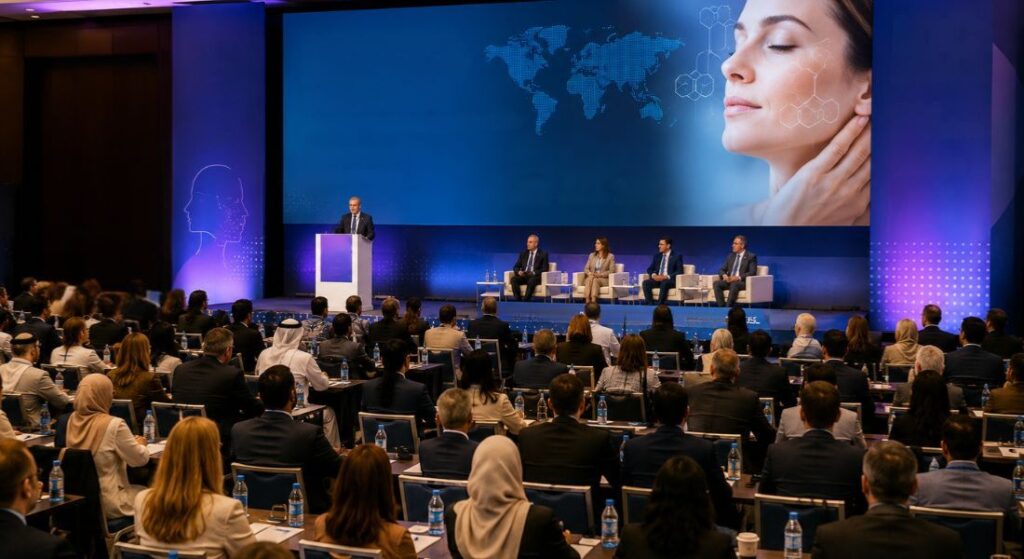
When you look at the progress being made in aesthetic medicine, you will often find that collaboration plays a major role. International conferences bring together specialists from different countries, allowing them to share experiences, discuss research, and learn from one another. For treatments such as Cellulaze, this global exchange of knowledge helps drive innovation and improve patient care.
1. Sharing expertise from around the world: When experts from different regions come together, they can compare treatment approaches and outcomes. This gives you the benefit of knowledge gained from a wide variety of patient populations, clinical settings, and healthcare systems.
2. Helping research move forward more quickly: Collaboration allows researchers to build on each other’s work and explore new ideas more efficiently. Instead of working independently, specialists can combine their expertise to improve understanding and develop more effective treatment strategies.
3. Supporting large-scale studies: Many important research projects begin through professional relationships formed at conferences. By working together internationally, researchers can carry out larger studies involving more patients, which often produces stronger and more reliable evidence.
4. Improving clinical decision-making: Better research leads to better information for clinicians. When practitioners have access to high-quality evidence from collaborative studies, they are better equipped to make informed decisions about treatment planning and patient care.
5. Driving future innovation: Conference discussions often highlight that future progress will depend on continued cooperation between specialists worldwide. By sharing ideas, experiences, and research findings, experts can continue refining treatments and exploring new possibilities.
Overall, global collaboration is one of the key forces behind innovation in aesthetic medicine. When specialists work together across borders, you benefit from stronger research, improved treatment approaches, and ongoing advances that help shape the future of Cellulaze and other aesthetic procedures.
Expanding Research Into Connective Tissue
The connective tissue structures involved in cellulite continue to attract significant attention at international conferences. You will often hear researchers discussing how the fibrous bands beneath your skin contribute to the dimpled appearance associated with cellulite. As scientists learn more about these structures, they are gaining a clearer understanding of why cellulite develops and why it can vary so much from one person to another.
Current studies are exploring ways to target connective tissue more effectively and precisely. You may find that a better understanding of how these tissues behave could help improve existing treatments and support the development of new techniques. Researchers are particularly interested in how connective tissue interacts with surrounding fat, skin, and collagen, as these relationships play an important role in overall treatment outcomes.
Experts believe that ongoing connective tissue research could have a significant impact on the future of cellulite management. As new discoveries continue to emerge, you may benefit from treatments that are more targeted, personalised, and effective. Conference discussions suggest that this area of research will remain a major focus as scientists continue searching for better ways to address the underlying causes of cellulite.
A More Holistic Approach to Cellulite Management
One of the strongest themes emerging from recent international conferences is the move towards a more holistic approach to cellulite management. You will often hear experts explain that cellulite is not caused by a single factor. Instead, it is influenced by a combination of skin quality, connective tissue structure, fat distribution, genetics, hormonal influences, and lifestyle factors. This broader understanding is helping to shape the future of treatment planning.
As a result, future treatment plans may increasingly consider multiple aspects of your overall presentation rather than focusing solely on visible dimpling. You may find that factors such as skin elasticity, connective tissue changes, body contour, and lifestyle habits are assessed together when determining the most appropriate approach. Experts believe that this more comprehensive perspective can help create more balanced and personalised outcomes.
Looking ahead, cellulite management is likely to involve a combination of technologies, lifestyle guidance, and procedural treatments rather than relying on a single solution. You will often hear conference speakers emphasise that integration is becoming the direction of travel within aesthetic medicine. By addressing multiple contributing factors at the same time, future approaches may provide more tailored, effective, and sustainable results for you.
FAQs:
1. What is the future of Cellulaze according to conference experts?
Experts believe Cellulaze will continue evolving through improved technology, better treatment planning, and enhanced patient selection. Conferences suggest that future developments will focus on increasing precision while maintaining safety. Researchers are also exploring ways to achieve more consistent and long-lasting outcomes. Ongoing clinical studies will help guide these advancements.
2. Will Cellulaze become more personalised in the future?
Yes, personalisation is one of the strongest trends discussed at international conferences. Experts expect treatments to be tailored more closely to an individual’s anatomy, skin quality, and cellulite severity. Improved assessment tools may support more customised treatment plans. This could help optimise both safety and results.
3. How might new technologies improve Cellulaze treatments?
Future technologies may offer more precise energy delivery and better control during treatment. Experts believe these advancements could improve consistency while reducing recovery time and unwanted side effects. Enhanced imaging and assessment systems may also help practitioners plan treatments more accurately. Innovation remains a major focus in aesthetic medicine.
4. Are combination treatments likely to become more common?
Conference discussions suggest that combination approaches will play an increasingly important role in cellulite management. Combining Cellulaze with treatments that improve skin quality or body contouring may provide more comprehensive outcomes. However, these approaches must be carefully planned for each patient. Personalisation remains essential.
5. What role could artificial intelligence play in cellulite treatment?
Artificial intelligence is being explored as a tool for assessment and treatment planning. Experts believe AI may help analyse skin and tissue characteristics more consistently. This could support more personalised recommendations and improve treatment accuracy. However, clinical judgement and practitioner expertise will remain crucial.
6. Will future Cellulaze treatments have shorter recovery times?
Researchers continue investigating ways to improve recovery experiences after treatment. Advances in technology and technique refinement may help reduce downtime and improve comfort. Conference speakers often discuss enhanced aftercare protocols as part of this effort. While recovery improvements are expected, individual healing responses will still vary.
7. Why is research into cellulite biology important for the future of Cellulaze?
A better understanding of cellulite biology helps researchers develop more targeted treatment strategies. Conferences increasingly focus on connective tissue, fat distribution, and skin quality to understand how cellulite forms. These insights may lead to more effective treatment protocols. Improved scientific knowledge often drives clinical innovation.
8. Will Cellulaze results become longer-lasting in the future?
Long-term outcome research is a major topic at international conferences. Experts are studying factors that influence treatment durability and patient satisfaction over time. Future refinements may help improve the longevity of results in suitable candidates. However, ageing and lifestyle factors will always influence long-term outcomes.
9. How are conferences helping improve Cellulaze treatments?
Conferences provide opportunities for specialists to share research findings, clinical experiences, and treatment innovations. These discussions help refine best practices and improve safety standards. New ideas often emerge through collaboration between experts from different countries. This ongoing exchange of knowledge supports continual progress.
10. What is the biggest trend shaping the future of cellulite treatment?
The biggest trend is the move towards a more holistic and personalised approach. Experts increasingly view cellulite as a condition influenced by multiple factors, including skin quality, connective tissue, body contour, and lifestyle. Future treatment plans are likely to address these factors together rather than focusing on a single issue. This integrated strategy may help achieve more balanced and natural-looking results.
Final Thoughts: The Future of Cellulaze
The future of Cellulaze looks increasingly focused on providing more personalised, precise, and evidence-based treatment experiences. As experts continue to share research and clinical insights at international conferences, you can expect ongoing improvements in treatment planning, safety protocols, and patient assessment. These developments are helping practitioners deliver more tailored care and potentially more predictable outcomes.
Conference discussions also suggest that cellulite management is moving towards a more holistic approach. Rather than focusing on a single concern, future treatment plans may take into account your skin quality, connective tissue structure, body contour, and lifestyle factors. Advances in technology, recovery management, and combination treatments are likely to play an important role in this evolution. If you’re considering a cellulaze treatment in London, you can contact us at the London Medical & Aesthetic Clinic.
References:
1. Gabriel, A. and Kaminer, M.S., 2023. Cellulite: current understanding and treatment. Aesthetic Surgery Journal Open Forum. https://pmc.ncbi.nlm.nih.gov/articles/PMC10324940/
2. DiBernardo, B.E., 2013. Single treatment of grades II and III cellulite using a minimally invasive 1440-nm Nd:YAG laser and side-firing fiber: institutional review board-approved study with 24-month follow-up. https://pmc.ncbi.nlm.nih.gov/articles/PMC5234561/
3.Sasaki, G.H., Katz, B.E., Hunstad, J.P., DiBernardo, Petti, C. and Burns, A.J., 2016. A multicenter study for cellulite treatment using a 1440-nm Nd:YAG wavelength laser with side-firing fiber. Aesthetic Surgery Journal, 36(3), pp.335-343. https://pmc.ncbi.nlm.nih.gov/articles/PMC5127477/
4. Treatment for cellulite: evidence and therapeutic options (Cellulite review including 1440-nm laser studies). https://pubmed.ncbi.nlm.nih.gov/30809581/
5. Sadick, N.S., 2019. Treatment for cellulite: review of evidence and laser-based approaches. Lasers in Surgery and Medicine. https://www.sciencedirect.com/science/article/pii/S2352647518300418