

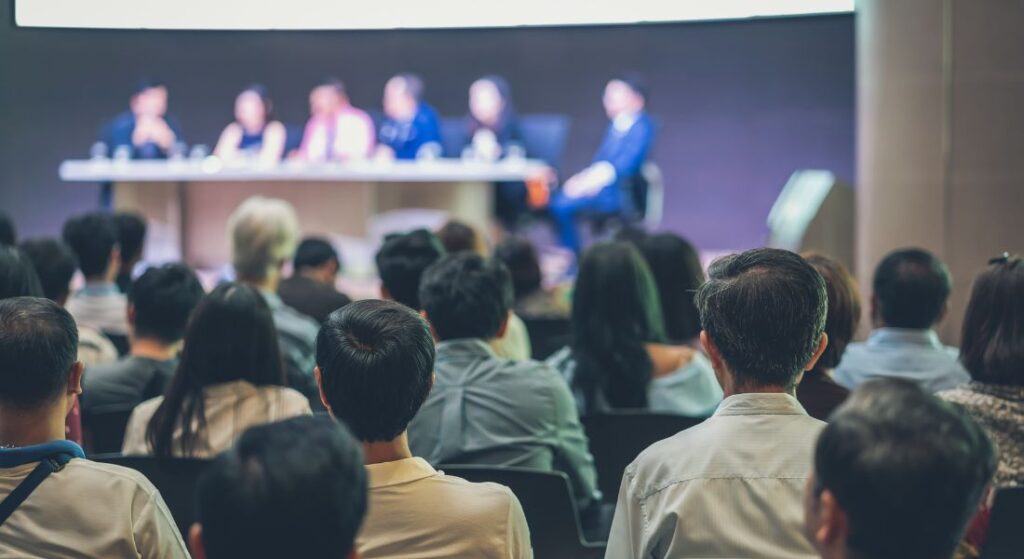
IMCAS 2026 brought together leading aesthetic practitioners, researchers, and industry experts from around the world. If you follow developments in aesthetic medicine, you would have noticed that regenerative aesthetics remained one of the conference’s most prominent themes. Lanluma was featured in numerous presentations and discussions, with experts exploring its clinical applications, treatment planning approaches, and future potential.
You may have noticed that aesthetic medicine is increasingly moving away from treatments that simply create instant changes. Instead, there is growing interest in procedures that encourage your body’s natural regenerative processes to produce gradual and natural-looking improvements. This shift reflects a broader focus on enhancing tissue quality, supporting skin health, and achieving results that develop over time.
Lanluma fits directly into this trend because it works by stimulating your body’s collagen production. Throughout IMCAS 2026, experts discussed how they are using the treatment in clinical practice, how patient expectations are evolving, and where they believe future opportunities may lie. These conversations highlighted the growing interest in collagen-stimulating treatments as part of modern aesthetic strategies.
The discussions at IMCAS 2026 provided valuable insights that may help you better understand how practitioners are approaching Lanluma today. You could see a strong emphasis on evidence-based treatment planning, patient selection, and long-term outcomes. Below are some of the most important themes and clinical discussions that emerged from the conference and attracted significant attention from specialists.
Lanluma Remains Central to Regenerative Aesthetics
One of the strongest themes at IMCAS 2026 was the continued growth of regenerative aesthetics. You would have seen experts highlighting treatments that support your body’s natural repair processes rather than simply creating temporary changes. Lanluma was frequently included in these discussions because of its collagen-stimulating properties. This reflects the increasing interest in treatments that aim to enhance tissue quality over time.
Many practitioners explained that patients are increasingly interested in treatments that work with their natural biology. You may have noticed a growing preference for gradual, natural-looking improvements rather than dramatic transformations. As a result, collagen-stimulating treatments are receiving more attention from both patients and clinicians. This trend continues to influence treatment choices across aesthetic medicine.
Conference speakers suggested that regenerative treatments may become even more important in the future. As patient expectations continue to evolve, you are likely to see greater focus on collagen stimulation and tissue quality. Experts believe this approach aligns well with the growing demand for long-term, natural-looking results. For this reason, Lanluma is expected to remain a key topic within aesthetic medicine.
Understanding How Lanluma Works
Several presentations at IMCAS 2026 revisited the science behind Lanluma and why it differs from traditional volumising treatments. You would have heard experts discussing how Lanluma contains poly-L-lactic acid, which stimulates your body’s natural collagen production. This process helps improve volume, contour, and tissue quality over time.
Unlike treatments that create immediate volume, Lanluma works gradually. You may notice that results develop over several months as new collagen forms within the treated area. This often leads to improvements that look subtle and natural rather than dramatic.
Experts also emphasised the importance of patient education. You are more likely to be satisfied with your results when you understand how the treatment works and how long improvements can take to appear. Setting realistic expectations was highlighted as an important part of the treatment process.
Collagen Stimulation Continues to Drive Interest
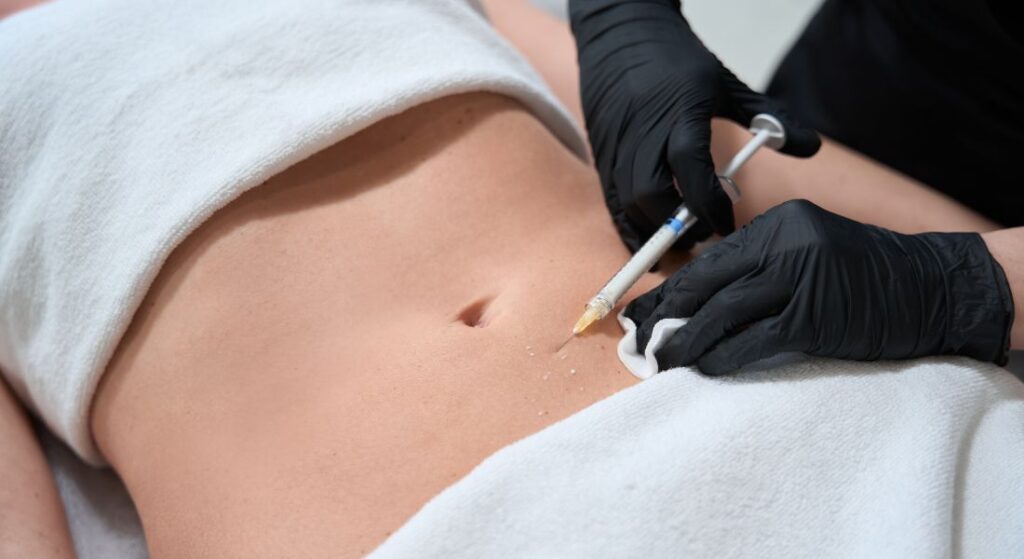
One of the most talked-about topics at IMCAS 2026 was collagen stimulation and its growing role in aesthetic medicine. You will increasingly hear specialists discussing treatments that focus on improving tissue quality rather than simply adding volume. This reflects a wider shift towards supporting the skin’s natural structure and function over time. Lanluma fits well within this approach, which is one reason it continues to attract attention at major industry meetings.
1. The focus is moving beyond volume alone: In the past, many aesthetic treatments concentrated primarily on restoring lost volume. Today, you will often hear experts talk about the importance of improving skin quality, firmness, and overall tissue health as well. This broader approach aims to create more natural and balanced results.
2. Collagen loss is a natural part of ageing: As you get older, your body gradually produces less collagen. This can lead to reduced skin support, changes in texture, and a loss of firmness over time. Treatments that encourage collagen production are attracting interest because they address some of these underlying age-related changes.
3. Lanluma works with your body’s natural processes: Rather than providing an immediate filling effect, Lanluma encourages your body to produce its own collagen over time. This gradual process can help improve tissue quality and support in a more natural way. For many patients, this regenerative approach is particularly appealing.
4. Long-term improvement is becoming more important: Conference speakers frequently highlighted the growing demand for treatments that offer gradual and lasting improvements. You may find that many patients now prefer subtle changes that develop over time rather than dramatic, immediate transformations. Collagen-stimulating treatments align closely with these expectations.
5. Tissue quality is becoming a major theme in aesthetics: Many experts suggested that the future of aesthetic medicine will place even greater emphasis on tissue quality and structural support. As research continues to evolve, you are likely to see more treatments designed to improve the condition of the skin and underlying tissues, not just their appearance.
Overall, the discussions at IMCAS 2026 showed that collagen stimulation remains a major area of interest. As aesthetic medicine continues to evolve, you can expect to see an increasing focus on treatments that support tissue quality, encourage natural regeneration, and deliver gradual, natural-looking results.
Patient Selection Remains Essential
Patient selection was one of the most important clinical discussions at IMCAS 2026. You would have heard experts repeatedly emphasising that not every patient is automatically suitable for every treatment. Careful assessment remains an essential part of achieving safe and effective results.
Presenters explained that factors such as your anatomy, skin quality, treatment goals, and expectations can all influence suitability. Taking these factors into account helps practitioners create a treatment plan tailored to your individual needs. It can also help improve outcomes and reduce potential complications.
Conference speakers agreed that proper patient selection remains one of the most effective ways to achieve consistent results. You are more likely to have a positive treatment experience when the right procedure is matched to the right patient. For this reason, the consultation process continues to play a vital role in treatment planning.
Treatment Planning Was Widely Discussed
Many presentations at IMCAS 2026 focused on treatment planning strategies for Lanluma. You would have heard experts explaining that successful outcomes depend on more than the product itself. Careful planning remains just as important as the treatment being used.
Practitioners discussed the importance of tailoring treatments to your individual anatomy and aesthetic goals. By taking a personalised approach, they can often achieve more predictable and balanced results. This helps ensure that treatment plans are aligned with your specific needs and expectations.
Conference discussions also highlighted the importance of flexibility in treatment planning. You may have different requirements from someone else, even if your concerns appear similar. For this reason, experts agreed that customised planning remains an essential part of achieving successful outcomes.
Patient Demand for Natural Results
Natural-looking outcomes were discussed extensively across multiple sessions at IMCAS 2026. You would have heard experts explaining that many patients now prefer subtle enhancement rather than dramatic cosmetic changes. This shift continues to influence how aesthetic treatments are planned and delivered.
Lanluma was often highlighted as a treatment that supports gradual improvement. Because your body produces collagen progressively after treatment, changes tend to develop naturally over time. This can create results that blend smoothly with your existing features.
Many practitioners view this as a significant advantage. You may appreciate looking refreshed and improved without appearing noticeably treated. For this reason, natural-looking outcomes remain a major focus within modern aesthetic medicine.
Body Contouring Applications Remain Popular
Body contouring continues to be one of the most recognised applications for Lanluma. You would have seen several IMCAS 2026 presentations reviewing clinical experiences and treatment approaches in this area. Interest remains strong among both practitioners and patients as demand for non-surgical body treatments continues to grow.
Experts discussed how treatment goals can vary considerably from one patient to another. You may be looking for subtle enhancement, while someone else may prefer more noticeable contour improvement. This is why treatment planning needs to remain highly personalised and tailored to your individual objectives.
Speakers also emphasised the importance of maintaining natural proportions throughout the treatment process. You are more likely to achieve satisfying results when improvements complement your existing shape rather than dramatically alter it. For this reason, balanced and natural-looking outcomes continue to be a major treatment objective.
Hip Dip Correction Generated Interest
Hip dip correction was another area that generated interest during IMCAS 2026 sessions. You would have seen practitioners discussing how collagen-stimulating treatments can be incorporated into broader body contouring strategies. Experts noted that individual anatomy remains an important factor when planning treatment.
Presenters explained that treatment goals can vary depending on your body shape, proportions, and personal preferences. You may be looking for subtle contour refinement, while others may have different aesthetic objectives. This is why a personalised approach remains essential for achieving balanced and harmonious outcomes.
Conference speakers also repeatedly stressed the importance of detailed consultations before treatment planning begins. You are more likely to achieve appropriate results when your concerns, goals, and anatomy are carefully assessed beforehand. For this reason, thorough assessment continues to be a critical step in the treatment process.
Skin Quality Improvements Were Highlighted
Another major theme discussed at IMCAS 2026 was the growing importance of skin and tissue quality. You will often hear specialists explain that successful aesthetic treatments are no longer measured solely by how much volume they add. Instead, there is increasing interest in how treatments can improve firmness, texture, and the overall condition of your skin over time. This is one reason why Lanluma continues to attract attention at international conferences.
1. Greater focus on improving tissue quality: Several presentations highlighted the importance of enhancing the quality of the skin and underlying tissues. Rather than concentrating only on volume restoration, experts are increasingly interested in treatments that support healthier, stronger-looking tissue. This reflects a broader approach to aesthetic improvement.
2. Potential improvements in firmness and appearance: Because Lanluma works by stimulating collagen production, it is often discussed in relation to improvements in firmness and overall skin appearance. These changes tend to develop gradually as your body produces new collagen. For many patients, this progressive improvement is an appealing aspect of treatment.
3. Changing expectations among patients: You may find that many patients today are looking for more than simple volume enhancement. Increasingly, people want treatments that help improve skin quality, texture, and overall appearance. This shift in expectations is influencing how practitioners approach treatment planning.
4. A more comprehensive view of aesthetic results: Modern aesthetic medicine is moving towards a broader understanding of ageing and rejuvenation. Rather than focusing on a single concern, practitioners are looking at ways to improve multiple aspects of tissue health and appearance. This can help create more balanced and natural-looking outcomes.
5. An evolving trend for the future: Conference discussions suggested that tissue quality will continue to play an increasingly important role in future treatment strategies. As research develops, you are likely to see even greater emphasis on treatments that support long-term skin health and structural support.
Overall, the discussions at IMCAS 2026 showed that skin quality is becoming a key priority in aesthetic medicine. As patient preferences continue to evolve, treatments that support collagen production and improve overall tissue condition are expected to remain an important area of interest.
The Importance of Anatomical Assessment
Anatomical assessment received considerable attention throughout IMCAS 2026. You would have heard experts explaining that understanding your individual anatomy is essential for effective treatment planning. A standardised approach is rarely appropriate because every patient presents unique characteristics.
Different patients have different structural features, body proportions, and aesthetic goals. You may have concerns and expectations that differ significantly from someone else seeking the same treatment. These factors can influence both the treatment approach and the results that may be achieved.
Many speakers described anatomy as the foundation of successful treatment. You are more likely to achieve predictable and balanced outcomes when a thorough assessment is carried out beforehand. For this reason, detailed anatomical evaluation remains a key part of modern aesthetic practice.
Injection Technique Refinements
Injection technique continues to evolve as clinical experience with Lanluma grows. You would have seen several IMCAS 2026 presentations exploring refinements that may help improve treatment consistency and patient outcomes. Experts noted that even small adjustments in technique can make a meaningful difference.
Presenters discussed how precise product placement contributes to balanced and natural-looking results. You are more likely to achieve a satisfactory outcome when treatments are performed with careful planning and technical accuracy. This highlights the importance of practitioner skill and experience.
Conference attendees were also encouraged to continue developing their knowledge through ongoing education and training. You may notice that aesthetic medicine is constantly evolving as new evidence and clinical experience emerge. For this reason, continuous learning remains an essential part of maintaining high treatment standards.
Discussions Around Gluteal Enhancement
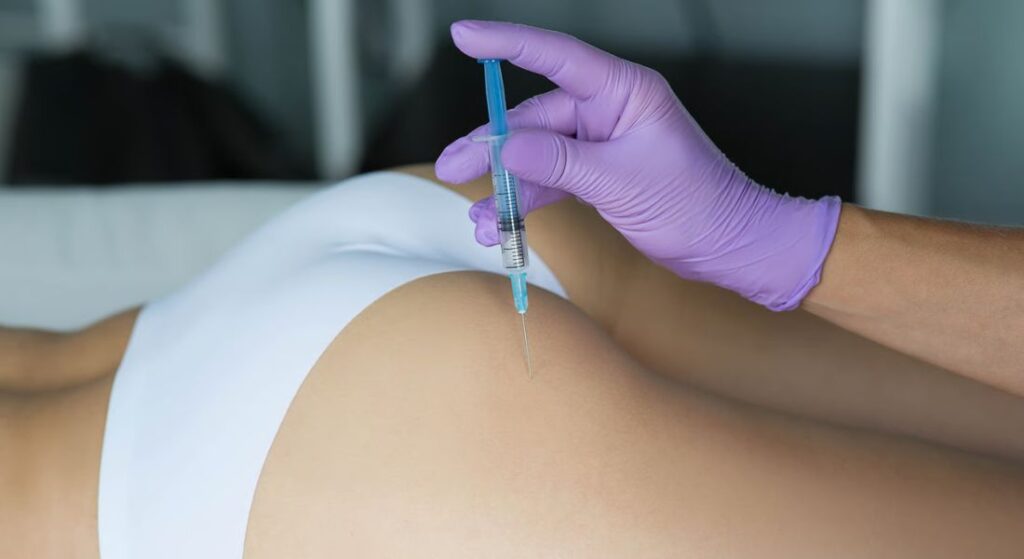
Gluteal enhancement remained a major topic during Lanluma-related presentations at IMCAS 2026. You would have heard experts discussing how collagen stimulation may contribute to gradual volume enhancement and improved contour in this area. Clinical experience continues to grow as more practitioners incorporate these treatments into their practice.
Presenters highlighted the importance of setting realistic expectations before treatment. You should understand that collagen develops gradually, which means improvements are likely to appear over time rather than immediately. Having a clear understanding of this process can help you better appreciate the treatment journey and expected outcomes.
Many practitioners reported strong patient interest in non-surgical body enhancement options. You may have noticed a growing demand for treatments that offer subtle and natural-looking improvements without surgery. This continuing interest is helping to drive further innovation, research, and discussion within the field of aesthetic medicine.
Safety Remains a Key Priority
Safety was a major theme throughout IMCAS 2026. You would have heard experts reviewing complication prevention strategies and discussing ways to reduce treatment risks. Patient safety continues to play a central role in the development and delivery of aesthetic treatments.
Presenters stressed the importance of following established protocols and maintaining high clinical standards. You are more likely to achieve a positive treatment experience when procedures are performed with careful planning and attention to best practices. This helps support safer and more predictable outcomes.
Many conference sessions also reinforced the idea that safety begins long before treatment takes place. You should expect thorough assessment, clear communication, and detailed treatment planning before any procedure is carried out. These steps remain fundamental to achieving safe and effective results.
Managing Patient Expectations
Managing patient expectations was a frequent topic during Lanluma presentations at IMCAS 2026. You would have heard experts explaining that, because results develop gradually, it is important to understand that improvement takes time. Clear communication helps ensure that expectations remain realistic from the start.
Presenters encouraged practitioners to explain treatment timelines thoroughly during consultations. You are more likely to feel confident about your treatment when you understand how the process works and when results may begin to appear. This can help reduce uncertainty and improve overall satisfaction.
Conference speakers agreed that patient education plays a major role in treatment success. You are more likely to have a positive experience when you have a clear understanding of what the treatment can realistically achieve. For this reason, realistic expectations remain an important part of the treatment journey.
Combination Treatments Continue to Grow
One of the ongoing trends highlighted at IMCAS 2026 was the growing popularity of combination treatment strategies. Rather than relying on a single procedure to address every concern, practitioners are increasingly looking at how different treatments can work together to achieve more balanced and natural-looking results. You will often hear discussions about how Lanluma may fit into a wider treatment plan when you have multiple aesthetic goals. This approach reflects the growing move towards more personalised care.
1. Growing interest in combination treatments: Many conference presentations focused on the idea that one treatment may not always address every aspect of ageing or body contouring. As a result, practitioners are increasingly combining different procedures to create a more comprehensive treatment strategy. This approach continues to gain popularity throughout aesthetic medicine.
2. Different treatments can complement each other: Experts explained that various treatments often target different concerns. For example, one procedure may focus on collagen stimulation and tissue support, while another may improve skin tightening or texture. When planned carefully, these treatments can work together to enhance your overall results.
3. Your individual needs should guide treatment choices: Although combination treatments are becoming more common, your treatment plan should always be based on your specific needs and goals. What works well for someone else may not be the right approach for you. This is why a personalised assessment remains so important.
4. Careful planning and sequencing matter: Conference discussions frequently highlighted the importance of deciding when and how different treatments should be performed. The timing and order of procedures can influence both safety and results. A well-planned approach helps ensure each treatment supports the overall outcome.
5. Personalisation remains essential: Even as combination strategies become more sophisticated, personalisation continues to be a key priority. Your skin quality, anatomy, lifestyle, and aesthetic goals all need to be considered when designing a treatment plan. This helps create results that look natural and suit you as an individual.
Overall, the discussions at IMCAS 2026 showed that combination treatments are becoming an increasingly important part of aesthetic medicine. However, the focus remains on creating a treatment plan that is tailored to you, with careful planning and realistic goals at the centre of every decision.
Long-Term Outcomes Were Discussed
Long-term outcomes remain an important area of interest for practitioners using Lanluma. You would have seen several IMCAS 2026 presentations reviewing treatment longevity and patient satisfaction over time. Understanding how results perform in the long term helps practitioners refine their treatment approaches.
Because Lanluma works by stimulating your body’s collagen production, improvements may continue to develop beyond the initial treatment period. You may notice gradual changes as collagen builds within the treated area over time. This progressive development is one of the features that distinguishes it from some other aesthetic treatments.
Experts suggested that ongoing research will continue to improve understanding of long-term outcomes. You can expect clinical knowledge to expand as more data and real-world experience become available. For this reason, both research and practitioner experience remain valuable in guiding future treatment strategies.
Practitioner Education Was Strongly Emphasised
Practitioner education remained a major focus throughout IMCAS 2026. You would have seen specialists sharing clinical experiences, discussing challenges, and exploring ways to refine their techniques. These educational opportunities help practitioners stay informed about the latest developments in aesthetic medicine.
Conference speakers repeatedly stressed that learning should not stop after qualification. You may notice that treatment approaches continue to evolve as new research and clinical evidence emerge. Ongoing professional development helps practitioners keep their knowledge and skills up to date.
Many experts described education as one of the strongest contributors to improved safety and treatment consistency. You are more likely to benefit when practitioners continue expanding their expertise throughout their careers. For this reason, continuous learning remains an essential part of modern aesthetic practice.
Future Research Continues to Expand
One of the key themes discussed at IMCAS 2026 was the continued growth of research into collagen stimulation and regenerative aesthetics. You will often hear specialists talk about the importance of building stronger scientific evidence to support treatment decisions and improve patient outcomes. As interest in this field continues to increase, researchers are exploring new ways to optimise treatments and better understand how different patients respond. This ongoing work is helping to shape the future of aesthetic medicine.
1. Research into collagen stimulation continues to grow: Many presentations highlighted ongoing studies investigating collagen-stimulating treatments and their long-term effects. Researchers are working to gain a deeper understanding of how these treatments influence tissue quality and support over time. This helps strengthen the evidence behind current treatment approaches.
2. Improving treatment planning and optimisation: You will often see research focused on refining treatment protocols to achieve more consistent results. Factors such as treatment timing, technique, and patient characteristics are being studied in greater detail. The aim is to improve predictability and overall treatment outcomes.
3. Greater insight into patient selection: Future research may help practitioners identify which patients are most likely to benefit from particular treatments. By understanding individual differences more clearly, treatment recommendations can become more precise and personalised. This may help improve both outcomes and patient satisfaction.
4. Supporting more predictable results: As evidence continues to grow, clinicians can use this information to set clearer expectations and design more tailored treatment plans. Better understanding of treatment response may lead to more reliable and consistent results for you over time.
5. Innovation continues to drive progress: Aesthetic medicine is constantly evolving, and new research plays an important role in that process. Conference speakers emphasised that ongoing innovation helps refine best-practice recommendations and improve standards of care. This ensures that treatment approaches continue to develop alongside emerging scientific evidence.
Overall, the discussions at IMCAS 2026 showed that research into collagen stimulation and regenerative aesthetics remains a rapidly expanding field. As new evidence becomes available, you can expect treatment planning, patient selection, and clinical protocols to become increasingly refined, helping to support safer, more personalised, and more predictable outcomes.
Emerging Trends for the Future
Many conference discussions at IMCAS 2026 focused on the future of regenerative aesthetics. You would have heard experts predicting continued growth in treatments that support your body’s natural tissue regeneration processes. Interest in subtle, natural-looking enhancement is expected to remain strong in the years ahead.
Patients are increasingly prioritising long-term skin and tissue quality rather than short-term cosmetic changes. You may have noticed a growing preference for treatments that work gradually and support natural improvements over time. This trend aligns closely with the principles behind collagen-stimulating treatments such as Lanluma.
Conference speakers also suggested that regenerative approaches may continue expanding into new treatment areas. You can expect ongoing research and clinical experience to shape how these treatments are used in the future. As a result, regenerative aesthetics remains a dynamic and rapidly evolving field.
FAQs:
1. What is Lanluma and why was it discussed at IMCAS 2026?
Lanluma is a collagen-stimulating injectable treatment that contains poly-L-lactic acid (PLLA). It received significant attention at IMCAS 2026 because of the growing interest in regenerative aesthetics and treatments that encourage your body’s natural collagen production. Experts discussed its clinical applications, treatment planning, and future potential.
2. How does Lanluma work?
Lanluma works by stimulating your body to produce new collagen in the treated area. Rather than creating instant volume, it gradually improves contour, tissue quality, and support over time. This process can lead to natural-looking results that develop progressively over several months.
3. Why is collagen stimulation such an important topic in aesthetics?
Collagen provides structure, firmness, and support to your skin and underlying tissues. As collagen levels naturally decline with age, changes in skin quality and volume become more noticeable. Treatments that stimulate collagen production are increasingly popular because they focus on long-term tissue improvement rather than temporary correction.
4. What were experts saying about natural-looking results at IMCAS 2026?
Many conference speakers highlighted the growing demand for subtle and natural-looking outcomes. Patients are increasingly seeking treatments that enhance their appearance without creating obvious signs of cosmetic intervention. Lanluma’s gradual collagen-stimulating effect was frequently discussed as supporting this trend.
5. Is Lanluma mainly used for body contouring?
Body contouring remains one of the most recognised applications for Lanluma. Conference presentations discussed its use for improving contour and volume in areas such as the buttocks and hips. However, treatment plans are always tailored to your individual anatomy and goals.
6. Why is patient selection important for Lanluma treatment?
Not every treatment is suitable for every patient. Experts at IMCAS 2026 repeatedly emphasised that factors such as anatomy, skin quality, treatment objectives, and expectations should all be carefully assessed before treatment. Appropriate patient selection helps improve outcomes and patient satisfaction.
7. How long does it take to see results from Lanluma?
Lanluma works gradually because collagen production takes time. Improvements typically develop over several weeks and months rather than appearing immediately after treatment. This slower progression is often one reason results can look more natural.
8. Were combination treatments discussed at IMCAS 2026?
Yes, combination treatment strategies were a major topic at the conference. Experts explored how Lanluma may be incorporated into broader treatment plans alongside other aesthetic procedures. The focus remained on personalised planning rather than following a standardised approach.
9. What role does safety play in Lanluma treatment discussions?
Safety remains a top priority within aesthetic medicine. Conference presentations reviewed patient assessment, treatment planning, injection techniques, and complication prevention strategies. Experts agreed that careful preparation and practitioner training are essential for safe outcomes.
10. What is the future of Lanluma according to IMCAS 2026 discussions?
Experts believe that regenerative aesthetics will continue to grow in importance. As more patients seek treatments that support natural collagen production and tissue quality, Lanluma is expected to remain a significant part of these conversations. Ongoing research and clinical experience will continue to shape future treatment approaches.
Final Thoughts: What the IMCAS 2026 Discussions Mean for the Future of Lanluma
The discussions at IMCAS 2026 highlighted how regenerative aesthetics continues to reshape modern treatment approaches. Lanluma remained a major focus throughout the conference because of its ability to stimulate collagen production and support gradual, natural-looking improvements. Experts repeatedly emphasised the growing importance of tissue quality, personalised treatment planning, patient education, and long-term outcomes.
Another key takeaway was the increasing demand for treatments that work with the body’s natural regenerative processes rather than simply creating immediate cosmetic changes. As research into collagen stimulation continues to expand, practitioners are gaining a deeper understanding of how treatments such as Lanluma can be incorporated into comprehensive aesthetic strategies. These developments are helping to refine patient selection, improve treatment planning, and support more predictable outcomes. If you’re considering a lanluma treatment in London, you can contact us at the London Medical & Aesthetic Clinic.
References:
1. Mawardi, M., Alghamdi, A., Alharbi, M., Alzahrani, A. and Alotaibi, N. (2024) ‘Current perspectives on acne scar management: an updated review’, Clinical, Cosmetic and Investigational Dermatology, 17, pp. 2281-2294. https://pubmed.ncbi.nlm.nih.gov/39228358/
2. Wu, L. and Salti, G. (2025) ‘Combined forehead and temporal lifting: An innovative approach to Lanluma V treatment’, Journal of Cosmetic Dermatology, 24(1), e16583. https://pubmed.ncbi.nlm.nih.gov/39319782/
3. Christen, M.-O. (2022) ‘Collagen Stimulators in Body Applications: A Review Focused on Poly-L-Lactic Acid (PLLA)’, Clinical, Cosmetic and Investigational Dermatology, 15, pp. 997-1019. https://pmc.ncbi.nlm.nih.gov/articles/PMC9233565/
4. Bourgin, P., Darrigade, A.-S., Le Pillouer-Prost, A. and Niforos, F.R. (2025) ‘Lanluma V in facial rejuvenation: current perspectives and clinical applications’, Annales de Chirurgie Plastique Esthétique. https://www.sciencedirect.com/science/article/abs/pii/S1773224725003831
5. Farage, M.A., Miller, K.W., Elsner, P. and Maibach, H.I. (2008) ‘Intrinsic and extrinsic factors in skin ageing: A review’, International Journal of Cosmetic Science, 30(2), pp. 87-95. https://www.sciencedirect.com/science/article/pii/S0928493108001641