

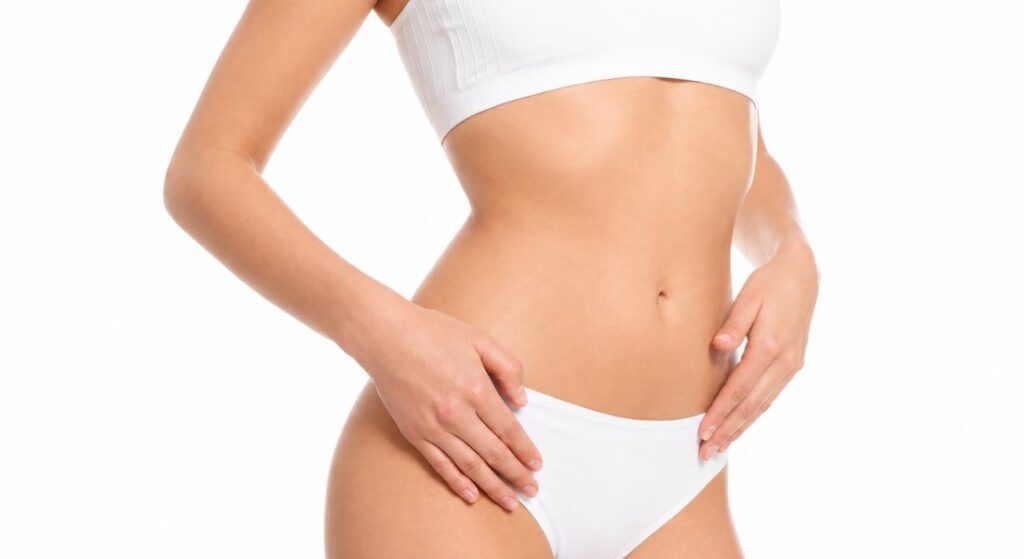
If stretch marks across your stomach are bothering you, you may be wondering whether fractional CO₂ laser can make them less noticeable, particularly if they have already faded to white or silvery lines. Treatment may help improve their texture and overall appearance by encouraging collagen remodelling within the affected skin.
You should expect improvement rather than complete removal. Whether CO₂ laser is suitable for you will depend on factors such as the age and depth of your stretch marks, your skin tone, your tendency to develop pigmentation and how much recovery time you are comfortable with.
Why Are Stretch Marks Common on the Stomach?
Stretch marks can develop on your stomach when your skin and deeper supporting tissues change relatively quickly. Pregnancy and changes in body size are common triggers, although hormones and your individual skin characteristics can also influence whether you develop them.
1. Pregnancy: Your abdominal skin stretches considerably during pregnancy, which can contribute to the development of stretch marks.
2. Weight Changes: Rapid increases or changes in body size can place additional strain on collagen and elastic fibres within your skin.
3. Hormonal Factors: Hormonal changes can affect the structure and flexibility of your skin and influence how easily stretch marks develop.
4. Genetic Tendency: Your genetics can affect how likely your skin is to develop stretch marks when your abdomen changes.
Your stomach stretch marks may initially appear red, purple or reddish-brown before gradually becoming paler or silvery. Moisturisers can help keep your skin comfortable, but they cannot reliably remove established stretch marks. If you want to make older marks less noticeable, you may consider treatments that target deeper collagen remodelling.
What Do Stomach Stretch Marks Look Like as They Mature?
Your new stomach stretch marks may look red, pink, purple or reddish-brown before gradually becoming white or silvery. You may also notice your older marks look slightly depressed, wrinkled or different in texture from the surrounding skin.
You may find newer marks respond differently from older white ones because their structure changes as they mature. Your white stretch marks are not necessarily too old to treat, and treatments such as microneedling or fractional laser may improve their appearance.
How Does Fractional CO₂ Laser Treat Abdominal Stretch Marks?
Fractional CO₂ laser creates controlled microscopic injuries in your skin to stimulate healing and collagen remodelling. You may gradually see your abdominal stretch marks become smoother, flatter and less noticeable as your skin repairs itself.
You should know that the laser does not simply erase your stretch marks from the surface. Instead, it helps remodel the deeper affected tissue so your marks become less different from the surrounding skin.
How Effective Is CO₂ Laser for White Stomach Stretch Marks?
CO₂ laser can improve your white stomach stretch marks by stimulating collagen remodelling. You may see your marks become smoother, flatter and less noticeable, although your results can vary.
You should not expect your stretch marks to disappear completely after treatment. Your skin type, the depth of your marks and how your skin responds will all affect the improvement you achieve.
Evidence Note
A 2025 randomised, assessor-blinded split-abdomen study involving 32 women with Fitzpatrick skin types III–V and mature abdominal striae alba compared four sessions of fractional CO₂ laser with picosecond fractional 1064-nm Nd:YAG laser at four-week intervals. Both treatments significantly improved texture, atrophy and overall clinical appearance, with no significant difference between them at final follow-up. Stretch-mark length and width did not change significantly, showing that visible improvement can occur without every physical measurement becoming smaller.
Can CO₂ Laser Treat Pregnancy Stretch Marks on the Abdomen?
Yes, you can treat pregnancy stretch marks on your abdomen with fractional CO₂ laser once your body has recovered and treatment is suitable for you. You may see your marks become smoother, flatter and less noticeable through collagen remodelling.
You should remember that CO₂ laser treats the stretch marks themselves, not significant loose skin or abdominal muscle separation. If your main concern is stretch marks, it may be suitable for you, but other postpartum changes may need a separate assessment.
Can CO₂ Laser Treat Stretch Marks Caused by Weight Changes?

Yes, you can treat stretch marks caused by weight changes with fractional CO₂ laser. You may benefit from waiting until your weight is relatively stable, especially if your body is still changing.
You should know that CO₂ laser treats your existing stretch marks but cannot prevent new ones from developing. Your results will depend on the age, depth and appearance of your marks, rather than simply what caused them.
Can CO₂ Laser Completely Remove Stomach Stretch Marks?
No, you should not expect fractional CO₂ laser to completely remove your stomach stretch marks. You may see them become smoother, flatter and less noticeable, but some faint marks can remain.
Your stretch marks involve permanent changes in the deeper skin, so treatment focuses on reducing their appearance rather than erasing them. You should therefore aim for visible improvement rather than complete removal.
Is CO₂ Laser Better Than Microneedling for the Stomach?
Not necessarily. Comparative research across striae distensae overall has found similar clinical improvement with fractional CO₂ laser and conventional microneedling, with no significant overall difference in patient satisfaction. Post-inflammatory hyperpigmentation was significantly more frequent after CO₂ laser. However, these pooled findings are not specific only to stomach stretch marks, so your individual skin, treatment area and pigmentation risk still need to be considered.
Your skin tone, recovery time and risk of dark marks can help you choose between them. You should discuss both options with your clinician to find the treatment that is most suitable for you.
Research Insight
A 2025 systematic review and meta-analysis of six randomised controlled trials involving 166 patients found meaningful improvement with both fractional CO₂ laser and microneedling. There was no significant difference in overall clinical improvement or patient satisfaction between the treatments, while post-inflammatory hyperpigmentation was significantly more frequent after CO₂ laser. The trials assessed striae distensae across different treatment settings rather than abdominal stretch marks alone, so these findings should guide treatment discussions rather than predict your individual stomach result.
Does Skin Tone Affect CO₂ Laser Treatment on the Abdomen?
Yes, your skin tone and history of pigmentation can affect how safely you respond to CO₂ laser. You may have a higher risk of post-inflammatory hyperpigmentation, particularly if your skin tends to develop dark marks after inflammation.
CO₂ laser may still be an option for some people with darker skin, but your individual pigmentation risk and treatment settings need careful assessment. If you often develop dark marks after spots, cuts or procedures, you should tell your clinician before treatment so they can consider safer options for you.
UK Guidance Note
If you are considering cosmetic laser treatment in the UK, you should check your practitioner’s training, experience with fractional CO₂ laser and approach to assessing your skin type and pigmentation risk. Appropriate patient selection, treatment settings and aftercare are important for reducing complications and helping you achieve a safer treatment outcome.
What Will Your Stomach Look Like Immediately After CO₂ Laser?
Your stomach will not show the final result immediately after CO₂ laser treatment. You may experience redness, swelling, warmth, tenderness and sensitivity because the laser creates controlled inflammation to stimulate your skin’s healing process.
You may also notice crusting, scaling or itching during recovery, depending on your treatment settings. Your stretch marks may temporarily look smoother because of swelling, but you should wait until your skin has healed and collagen remodelling has developed before judging your results.
Clinical Tip
Do not judge your final stretch-mark result while your abdomen is still red, swollen, crusted or peeling. Temporary swelling can make depressed stretch marks look smoother than they really are, so wait until the treatment reaction has settled and compare photographs taken in similar lighting, camera distance and body position.
How Many CO₂ Laser Sessions Might Stomach Stretch Marks Need?
You may need several CO₂ laser sessions to improve your stomach stretch marks, as collagen remodelling happens gradually. The number of sessions you need can vary depending on your stretch marks, skin tone, treatment settings and how well your skin responds.
You should not assume that you need exactly three or four treatments. Your clinician can review your progress after each session and adjust your treatment plan, especially if your marks cover a larger area or need a gentler approach.
When Will You See the Final Result?

Any improvement after CO₂ laser usually develops gradually because collagen remodelling takes time. You may notice some early changes after your skin heals, but the more meaningful improvement in your stomach stretch marks usually becomes clearer over the following weeks or months.
You may gradually see your marks look smoother, flatter and less noticeable as your skin remodels. You should compare your progress using photographs taken in similar lighting, camera distance and body position, as shadows can make your stretch marks appear deeper than they really are.
Can CO₂ Laser Tighten Loose Stomach Skin at the Same Time?
Fractional CO₂ laser may stimulate some collagen remodelling in your skin, but treating stretch marks is not the same as tightening significant loose abdominal skin. You may see some improvement in skin texture, but CO₂ laser will not correct major skin laxity or abdominal muscle changes.
If you have loose skin, stretch marks and abdominal bulging, you should tell your clinician which concern bothers you most. Your stretch marks may improve with laser, but you may need a different approach if your main concern is significant loose skin or muscle separation.
What Other Treatments Can Improve Stomach Stretch Marks?
Fractional CO₂ laser is not your only option for stomach stretch marks. You may also consider microneedling, radiofrequency microneedling or non-ablative fractional laser, which can stimulate collagen remodelling without the same type of surface injury as CO₂ laser.
Your choice should depend on your skin tone, pigmentation risk, treatment goals and recovery time. You may achieve similar improvement with different treatments, so you should consider discomfort, cost and downtime rather than choosing a treatment simply because it uses a stronger device.
How Do Stomach Stretch-Mark Treatments Compare?
| Treatment | Main aim | Potential advantage | Main consideration |
| Fractional CO₂ laser | Ablative resurfacing and collagen remodelling | Can improve texture and atrophy of mature white marks | More downtime and a greater risk of post-inflammatory pigmentation |
| Conventional microneedling | Mechanical collagen induction | Similar overall improvement to CO₂ in pooled research | Several sessions may be required |
| RF microneedling | Needling plus controlled thermal energy | Pooled striae-distensae evidence suggests comparable improvement with a lower risk of post-inflammatory pigmentation than CO₂ | Results vary between devices and settings |
| Non-ablative fractional laser | Dermal remodelling without surface ablation | Less surface injury than CO₂ | May require repeated sessions |
| Vascular/light-based treatment | Reduce redness in newer striae rubrae | Targets the vascular component of newer marks | Less relevant for mature white striae |
When Should CO₂ Laser Treatment Be Postponed?
Your clinician may recommend postponing fractional CO₂ laser if the skin on your stomach has an active infection, open wound, significant irritation or recent sunburn, because the treatment relies on controlled healing of the treated skin. You should also tell your clinician about previous abnormal scarring, pigmentation problems and any medicines or recent procedures that could affect healing.
If you are pregnant, elective cosmetic CO₂ laser treatment is generally deferred because pregnancy-specific safety data are limited. If you are breastfeeding, laser treatment may sometimes be considered with caution, but you should discuss the timing of treatment and any topical anaesthetic or aftercare products with your clinician before proceeding.
What Are the Main Risks of Treating Abdominal Stretch Marks with CO₂ Laser?
Fractional CO₂ laser is an ablative treatment, so you may experience redness, swelling, tenderness, scaling, crusting or itching during recovery. You may also have a higher risk of post-inflammatory hyperpigmentation, particularly if your skin is prone to dark marks.
You should also be aware of less common risks such as infection, prolonged redness, changes in skin colour and scarring. Your treatment settings, skin type and aftercare can affect your risk, so you should follow your clinician’s instructions and avoid tight clothing that may rub against your treated stomach.
How Can You Decide Whether CO₂ Laser Is Right for Your Stomach Stretch Marks?
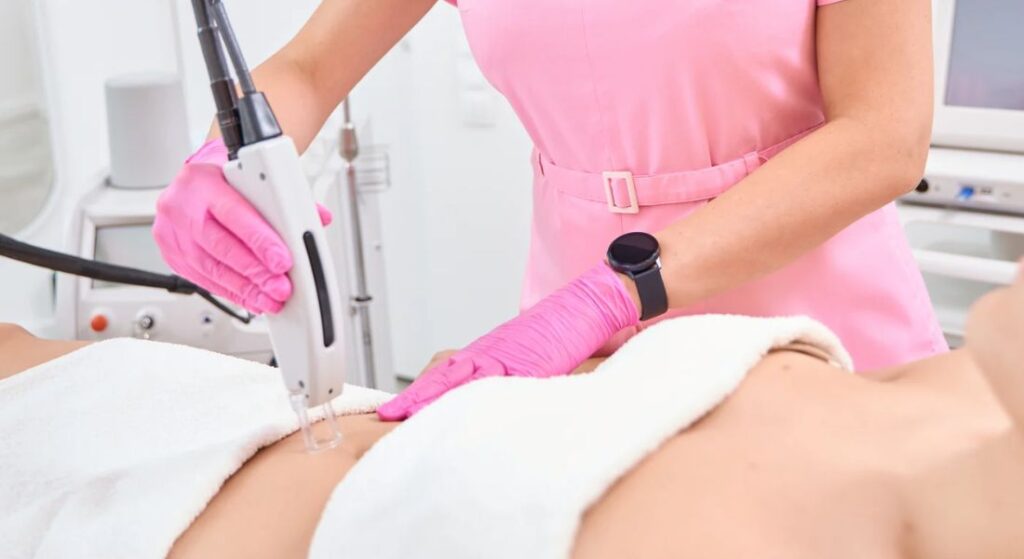
You should first consider what you want to improve, whether your marks are white, silvery, red or purple. If your main concern is established white stretch marks, you may consider fractional CO₂ laser, but you should also discuss options such as microneedling, particularly if pigmentation is a concern for you.
You should ask what level of improvement is realistic for your marks and how much downtime you can accept. If you also have loose skin, abdominal bulging or other concerns, you may need a separate assessment, as CO₂ laser is designed to improve your skin rather than restructure your entire abdomen.
Myth vs Fact
| Myth | Fact |
| CO₂ laser completely removes stomach stretch marks. | It may reduce their visibility and improve texture, but complete removal cannot be guaranteed. |
| CO₂ laser is always better than microneedling. | Comparative evidence has not shown a clear overall efficacy advantage. |
| Old white stomach stretch marks are too old to treat. | Mature abdominal striae can still show improvement with collagen-remodelling treatments. |
| One CO₂ laser session should be enough. | Several sessions may be required, and there is no universal treatment number. |
| Stronger laser settings always produce better results. | More aggressive treatment can also increase inflammation, downtime and pigmentation risk. |
| Darker skin cannot be treated with CO₂ laser. | CO₂ may be suitable for selected patients, but individual pigmentation risk and treatment settings require careful assessment. |
| CO₂ laser will tighten significant loose stomach skin. | Treating striae and correcting substantial skin laxity are different treatment goals. |
| Pregnancy and weight-related stretch marks require completely different lasers. | Treatment depends more on the stage, texture and skin characteristics than on the original cause alone. |
| Early swelling proves the treatment has worked. | Swelling can temporarily make depressed marks look smoother and should not be mistaken for the final result. |
Key Takeaways
1. Fractional CO₂ laser can improve abdominal stretch marks but cannot guarantee complete removal.
2. Mature white stomach stretch marks can still respond to treatment.
3. Improvement may involve texture, atrophy and overall visibility rather than every mark becoming measurably shorter or narrower.
4. Pregnancy-related and weight-related stretch marks can both be treated once treatment is appropriate.
5. CO₂ laser treats the stretch marks themselves and should not be expected to correct major skin laxity or abdominal-muscle separation.
6. Comparative evidence has not shown CO₂ laser to be universally more effective than conventional microneedling.
7. Post-inflammatory hyperpigmentation is an important consideration, particularly in pigment-prone skin.
8. RF microneedling may offer comparable improvement with a lower risk of post-inflammatory pigmentation than fractional CO₂ laser in pooled comparative evidence.
9. Several treatment sessions may be needed, but there is no fixed number for everyone.
10. Final results should be judged after healing and collagen remodelling rather than immediately after treatment.
Frequently Asked Questions
1. Can CO₂ laser treat stretch marks on your stomach?
Yes. Fractional CO₂ laser can improve the appearance and texture of stomach stretch marks by stimulating collagen remodelling within the affected skin. It may make the marks smoother, narrower and less noticeable, but it cannot guarantee complete removal.
2. Is CO₂ laser effective for old white stomach stretch marks?
Yes. Fractional CO₂ laser has been studied specifically for mature white abdominal stretch marks and can produce meaningful clinical improvement. However, the response varies depending on the depth, width and age of your stretch marks.
3. Can CO₂ laser treat pregnancy stretch marks on the stomach?
Yes. Pregnancy-related abdominal stretch marks can be treated with fractional CO₂ laser once treatment is appropriate for you. The procedure targets the stretch marks themselves and should not be expected to correct loose abdominal skin or muscle separation.
4. Is CO₂ laser better than microneedling for stomach stretch marks?
Not necessarily. Comparative research across striae distensae overall has found meaningful improvement with both fractional CO₂ laser and microneedling, without a significant overall difference in clinical improvement or patient satisfaction. Post-inflammatory hyperpigmentation was more frequent after CO₂ laser, although these pooled findings are not specific only to stomach stretch marks.
5. How many CO₂ laser sessions will you need for stomach stretch marks?
You may need several sessions rather than one treatment, but there is no universal number for everyone. In the 2025 split-abdomen study of mature abdominal striae alba, participants received four sessions at four-week intervals, but your own treatment plan should depend on your stretch marks, skin type, treatment settings and how your skin responds.
6. Does CO₂ laser hurt on the stomach?
You may experience discomfort, warmth, tenderness or a burning sensation during and after treatment. Your practitioner can discuss appropriate pain control or topical anaesthesia, while the intensity of discomfort will depend on the treatment settings and your individual sensitivity.
7. What will your stomach look like after CO₂ laser treatment?
Your stomach may initially look red and swollen, and you may experience warmth, tenderness, itching, crusting or scaling during recovery. These effects are temporary and should not be mistaken for the final result, which develops gradually as your skin remodels collagen.
8. Can CO₂ laser cause pigmentation on the stomach?
Yes. Post-inflammatory hyperpigmentation is an important potential risk, particularly if you have darker or pigment-prone skin. Your practitioner should consider your skin tone and previous history of pigmentation before selecting the laser settings.
9. When will you see results from CO₂ laser for stomach stretch marks?
You will not see the final improvement immediately because collagen remodelling takes time. Your stretch marks may gradually look smoother, narrower and less depressed over the following weeks and months, with results best assessed using consistent before-and-after photographs.
10. Can CO₂ laser completely remove stomach stretch marks?
No. Fractional CO₂ laser can significantly reduce the visibility of stretch marks, but no treatment can reliably guarantee that they will disappear completely. A realistic goal is to make the marks less noticeable and improve their texture so they blend more closely with the surrounding skin.
Final Thoughts: CO₂ Laser for Stomach Stretch Marks
Fractional CO₂ laser may improve stomach stretch marks, including mature white or silvery marks that affect your skin’s texture and appearance. Any improvement is usually gradual rather than complete, and your results will depend on the age and depth of your stretch marks, your skin tone and how your skin responds to treatment.
If you are considering CO2 laser treatment for stretch marks in London, you can contact our team at the London Medical & Aesthetic Clinic to discuss whether the treatment may be suitable for you and explore your treatment options.
References:
- Lozano, S.H., Gulmatico-Flores, Z. and Abad-Casintahan, M.F. (2025) ‘A comparative study of picosecond fractional 1064-nm Nd:YAG laser versus fractional 10,600-nm carbon dioxide laser in the treatment of abdominal striae alba: A randomized, prospective, assessor-blinded, split-abdomen trial’, Journal of Cosmetic and Laser Therapy, 27(4–5), pp. 113–120. Available at: https://pubmed.ncbi.nlm.nih.gov/40272374/
- Mustafa, A. et al. (2025) ‘Evaluating CO₂ laser and micro-needling therapies for striae distensae: A comprehensive meta-analysis and systematic review’, Lasers in Medical Science, 40(1), article 161. Available at: https://pubmed.ncbi.nlm.nih.gov/40131559/
- Aktoz, F. and Yilmaz, N. (2024) ‘Comparing fractional microneedle radiofrequency and fractional CO₂ laser for striae distensae treatment: A systematic review and meta-analysis’, Lasers in Medical Science, 39(1), article 271. Available at: https://pubmed.ncbi.nlm.nih.gov/39516426/
- Trivedi, M.K., Kroumpouzos, G. and Murase, J.E. (2017) ‘A review of the safety of cosmetic procedures during pregnancy and lactation’, International Journal of Women’s Dermatology, 3(1), pp. 6–10. Available at: https://pmc.ncbi.nlm.nih.gov/articles/PMC5418954/
- Algarra Sahuquillo, J. and Martín-Gorgojo, A. (2026) ‘Stretch marks: Systematic review of its therapeutic approach’, Actas Dermo-Sifiliográficas, 117(4), article 104553. Available at: https://www.sciencedirect.com/science/article/pii/S0001731025008294