

If you’ve had VASER liposuction, you might be wondering whether gaining a few kilograms could undo your results. Will fat return to the treated areas, or will you gain it somewhere else?
The reassuring news is that fat cells removed during VASER do not simply return. However, the remaining fat cells can still enlarge if you gain weight. You don’t need to maintain an identical weight every day, but keeping it relatively stable can help preserve your new contours.
Does Fat Come Back After VASER Liposuction?
The fat cells removed during your VASER liposuction do not simply grow back. During the procedure, ultrasound energy helps loosen the unwanted fat, which is then removed through a small tube called a cannula. This reduces the number of fat cells in your treated areas, helping you achieve a more defined body shape. Your results can be long-lasting, provided you maintain a relatively stable weight.
However, you can still gain weight after your procedure because the remaining fat cells in your body can enlarge. Even in the treated areas, some fat cells remain and can increase in size if you gain weight. Significant weight gain may change your body proportions and affect the contours you achieved with VASER. This is why maintaining a stable weight is important for preserving your results over time.
Evidence Note
Liposuction physically removes adipose tissue from the treated area, but this does not make your body unable to store fat there again. Remaining fat cells can enlarge when you gain weight, and human adipose tissue continues to remodel throughout adult life.
A 2026 multicentre study of 1,248 liposuction patients found better long-term contour preservation among those whose weight remained within 5% of their postoperative weight. However, this was the study’s definition of weight stability, not a recommended limit for every patient. The findings apply to modern liposuction generally, not VASER alone.
What Happens to the Fat Cells That Remain?
Think of your fat cells as storage units that hold energy. When you consistently consume more energy than your body uses, your remaining fat cells can expand to store more fat. Although your VASER liposuction reduces the number of fat cells in the treated areas, it does not remove all the fat cells from your body. This means your body can still store additional fat after treatment.
If you gain weight after your procedure, you may notice more fullness in areas that were not treated, as well as changes in your treated areas if the weight gain is significant. Where you gain fat depends on several factors, including your genetics, hormones, age and natural fat distribution. Maintaining a stable weight can help you preserve the body shape you achieved with VASER.
Can Your Treated Area Become Fuller Again?
Yes. Your treated area still contains some fat cells, which can enlarge if you gain weight. This means your contour may become less defined, even though the fat cells removed during surgery have not returned.
However, new fullness isn’t always caused by fat gain. During recovery, swelling and tissue firmness can also affect your shape. If you notice an unusual lump, sudden swelling or persistent asymmetry, ask your surgeon to assess it rather than assuming fat has returned.
Does VASER Prevent Future Weight Gain?
No. Your VASER liposuction removes localised fat to improve your body shape, but it does not stop you from gaining weight in the future. Your remaining fat cells can still enlarge if your weight increases.
You should view VASER as a body-contouring procedure rather than a weight-loss solution. By maintaining a relatively stable weight and healthy habits, you can help preserve the results you have achieved after treatment.
UK Guidance Note
NHS guidance describes liposuction as a cosmetic procedure for removing unwanted fat from selected areas, with results generally lasting longer when you maintain a healthy weight. It is not a treatment for obesity.
There is no universal amount of weight gain that determines whether your VASER result will change. Your surgeon should consider your weight stability, fat distribution, skin quality and treatment goals individually rather than relying on a single number on the scales.
What If You Only Gain a Small Amount of Weight?
If you gain a small amount of weight after VASER liposuction, your results may still remain visible. Your remaining fat cells can enlarge slightly, but your treated areas still contain fewer fat cells than before the procedure.
A small change on the scales does not necessarily mean your VASER result is fading. Your weight naturally fluctuates, so focus on longer-term trends rather than daily changes. Sustained weight gain is more likely to affect your body shape.
What Happens With Significant Weight Gain?
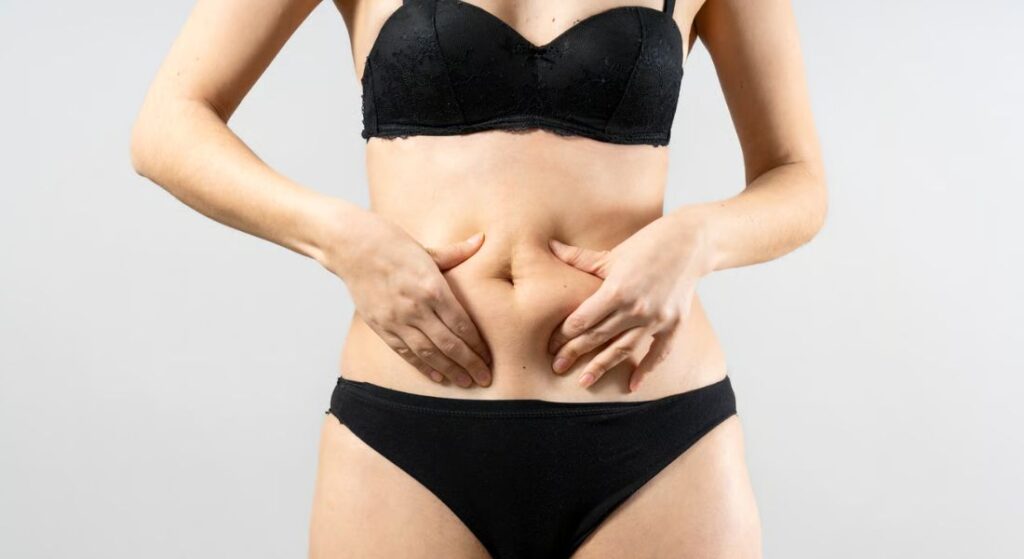
If you gain significant weight after VASER liposuction, you may notice changes in your body shape. Your remaining fat cells can enlarge, and substantial weight gain may also increase fat storage in areas that were previously treated.
Although your VASER procedure removes fat cells from the treated areas, it cannot prevent future changes in your body. You may lose some of the definition you achieved, such as a more sculpted waist, if you gain considerable weight.
How Different Body Changes Can Affect VASER Results
| Change | What may happen to your VASER contour |
| Short-term weight fluctuation | May have little visible effect and can reflect hydration or normal day-to-day variation |
| Sustained modest weight gain | Remaining fat tissue can enlarge and gradually soften some of the contour |
| Substantial weight gain | Treated and untreated areas can become fuller and the original definition may become less noticeable |
| Weight loss after recovery | Remaining fat cells can become smaller, although loose skin may become more noticeable |
| Pregnancy | Weight, abdominal muscles, skin and fat distribution can all change |
| Menopause and ageing | Body composition, skin quality and fat distribution may change over time |
Can Weight Gain Affect Untreated Areas More Noticeably?
Yes. If you gain weight after VASER liposuction, you may notice more fullness in areas that were not treated. For example, if your abdomen and flanks were treated, you might notice changes in your back, arms, thighs or hips, depending on where your body naturally stores fat.
However, this does not mean your fat will automatically move to your stomach or another specific area. Your body’s response varies, so maintaining a stable weight can help you preserve your overall shape and the results you achieved with VASER.
Can Weight Gain Increase Belly Fat After VASER?
Yes. If you have had VASER on your abdomen, you should know that your procedure removes subcutaneous fat beneath your skin, not visceral fat stored deeper inside your abdominal cavity. You can still develop more abdominal fullness if you gain weight after treatment.
Your flatter stomach after VASER does not protect you from future changes in body fat. Although research has explored changes in visceral fat after liposuction, the findings do not mean that everyone will experience the same effects. Maintaining a stable weight and healthy habits can help you preserve your results.
Research Insight
Research suggests that fat distribution can change after liposuction, although findings from small studies should be interpreted cautiously.
In a 2011 randomised study of 32 women, 14 underwent liposuction and 18 were controls. After one year, body fat tended to recover, with some redistribution towards the abdomen. A separate 2012 trial involving 36 women found a 10% increase in visceral fat after six months in participants assigned to the non-exercise group.
These findings do not mean fat will automatically return to your abdomen. Neither trial investigated modern VASER specifically, so the results cannot predict where you personally might gain fat.
Can Weight Gain Completely Reverse Your VASER Results?
Weight gain can make your VASER contours less noticeable, but it does not mean that the fat cells removed during surgery have returned. Your treated areas still contain fewer fat cells than before.
How much your shape changes depends on the amount of weight gained, where your body stores fat and your skin quality. Your surgeon can help distinguish between weight-related changes and concerns that may need further assessment.
Does Weight Gain Mean You Will Need VASER Again?
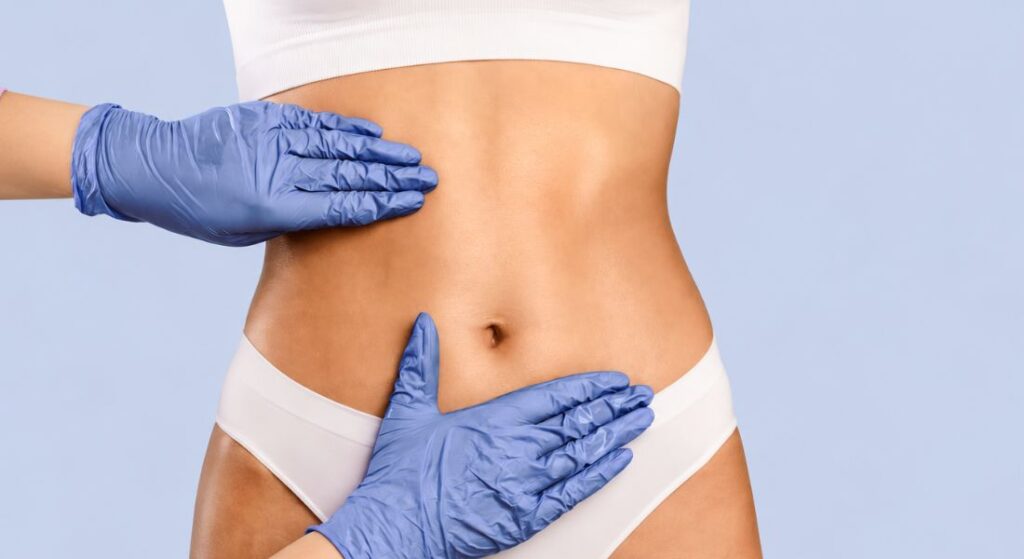
No. If you gain a small amount of weight after VASER liposuction, you may not need further treatment, especially if you are still happy with your body shape. Returning to healthy habits can help you manage your weight and maintain your results.
If you gain significant weight and your body shape changes, you should speak to your surgeon before considering another procedure. Your surgeon can assess your current weight, fat distribution and skin quality to determine whether further treatment would be suitable.
Can Pregnancy or Menopause Change Your VASER Results?
Yes. Your body shape can change after VASER liposuction due to pregnancy, menopause, ageing or hormonal changes. Pregnancy can affect your abdominal skin, muscles and fat distribution, while menopause may lead to more fat accumulating around your abdomen.
These changes do not mean your VASER treatment has failed. If you are planning a pregnancy or experiencing significant changes in your weight, you should discuss the timing of treatment with your surgeon. Having a more stable body shape can help you maintain your results for longer.
How Important Is Weight Stability Before VASER?
A relatively stable weight can help your surgeon assess your natural body shape and plan your VASER treatment more accurately. You do not need to reach a perfect weight, but your weight should ideally be realistic and sustainable for you.
1. Treatment planning: Stable weight makes it easier to identify the areas you want to contour.
2. More consistent results: Significant weight changes after surgery can alter your body shape.
3. Realistic goals: You should aim for a weight you feel able to maintain long term.
4. Individual assessment: Your surgeon can decide whether VASER or weight management should be considered first.
Maintaining a relatively stable weight before and after treatment can help support longer-lasting body-contouring results.
Can Diet and Exercise Help Maintain Your VASER Results?
You can help maintain your VASER results through sustainable eating habits and regular activity. Aim for balanced meals, including vegetables, protein and fibre-rich foods, rather than following restrictive diets to protect your contour.
Once your surgeon confirms it is safe, gradually return to walking and other activities you enjoy. You can build towards regular cardiovascular and strength-based exercise at a pace that suits your recovery. Consistency matters more than an extreme fitness routine.
Should You Watch the Scales After VASER?
You can monitor your weight after VASER liposuction, but you should not rely on the scales alone to judge your results. Your body composition can change even when your weight stays relatively stable, so it can also help to notice how your clothes fit, whether your waist measurement changes and how your overall body shape looks over time.
You should focus on your long-term weight pattern rather than worrying about small daily fluctuations caused by hydration or other factors. Your body will also continue to change naturally as you age, which may affect skin firmness over time. If you notice steady weight gain or changes in your contours that concern you, speak to your doctor or surgeon for advice.
What If You Gain Weight Soon After VASER?
If you notice an increase on the scales soon after your VASER liposuction, you should not assume that you have gained body fat. Your body can retain fluid and develop swelling during recovery, which may temporarily increase your weight. Swelling and bruising are common after liposuction and can take several months to settle, so your early weight changes may not reflect your final results.
You should give your body time to heal and follow your surgeon’s advice about nutrition and returning to normal activities. Avoid severely restricting your food intake or exercising before you are ready just to reduce your weight. Once your recovery progresses and your surgeon clears you for normal activity, you can focus on maintaining a stable weight to help preserve your VASER results.
Clinical Tip
During early recovery, swelling can make both your weight and measurements misleading. Avoid trying to lose weight rapidly while your tissues are healing.
Once your surgeon confirms that recovery is progressing normally, you can track changes using occasional photographs taken under similar lighting and posture, alongside your longer-term weight pattern. These comparisons may help you recognise gradual changes without focusing on daily fluctuations. Contact your surgeon if you notice unexpected swelling or a new lump.
What Should You Do If Your Shape Changes After Weight Gain?

If you notice changes in your body shape after gaining weight, you should not immediately assume that your VASER treatment has failed. Consider how much weight you have gained, which areas have changed and whether your weight has been stable for several months. Your body may simply be storing more fat in the remaining fat cells.
If your weight has increased significantly, you may benefit from allowing it to stabilise before considering further cosmetic treatment. However, if you notice persistent asymmetry, unusual swelling or a new lump in a treated area, contact your surgeon for an assessment rather than assuming it is caused by weight gain.
Myth vs Fact
| Myth | Fact |
| Fat can never return to a VASER-treated area. | Remaining fat tissue can enlarge if you gain weight, so the treated area can become fuller again. |
| Weight gained after VASER always goes to untreated areas. | Fat distribution cannot be predicted so simply; treated and untreated areas can both change. |
| VASER prevents visceral belly fat. | VASER removes subcutaneous fat and does not remove visceral fat around your internal organs. |
| A few kilograms of weight gain automatically destroys the result. | There is no universal weight threshold; the effect depends on the amount and pattern of weight change and your individual body composition. |
| Having VASER means you will never need to manage your weight again. | Liposuction contours localised fat and does not replace long-term nutrition, physical activity or general weight management. |
Key Takeaways
1. VASER removes fat cells from selected subcutaneous treatment areas but does not prevent future weight gain.
2. Remaining fat tissue can expand if your weight increases.
3. There is no fixed amount of weight gain that guarantees your contour will or will not change.
4. Fat does not automatically relocate to one specific untreated area after VASER.
5. Abdominal VASER does not remove visceral fat around your internal organs.
6. Maintaining a relatively stable weight can help preserve your body-contouring result over time.
Frequently Asked Questions
1. Do fat cells grow back after VASER liposuction?
The fat cells physically removed during VASER liposuction do not simply return in the same way. However, the remaining fat cells can enlarge with weight gain, and adipose tissue continues to remodel over time.
2. Can your treated areas become fuller after VASER?
Yes, your treated areas can become fuller if you gain weight. Significant weight gain may make your original contours less noticeable.
3. Does VASER liposuction prevent future weight gain?
No, VASER removes localised fat but does not prevent future weight gain. Maintaining a stable weight can help preserve your results.
4. What happens if you gain a small amount of weight after VASER?
Your results may remain visible after a small weight gain. Focus on your long-term weight pattern rather than minor daily fluctuations.
5. Can significant weight gain affect your VASER results?
Yes, significant weight gain can enlarge remaining fat cells and change your body shape. You may lose some of the definition achieved through treatment.
6. Can weight gain affect areas that were not treated with VASER?
Yes, you may notice more fullness in untreated areas, depending on your natural fat distribution. Genetics, hormones and age can influence where your body stores fat.
7. Can you develop belly fat after abdominal VASER?
Yes, VASER removes subcutaneous fat beneath the skin, not visceral fat deeper inside the abdomen. You can still develop more abdominal fullness if you gain weight.
8. Can pregnancy or menopause change your VASER results?
Yes, pregnancy, menopause, ageing and hormonal changes can affect your body shape and fat distribution. These changes do not necessarily mean your treatment has failed.
9. How can you maintain your VASER liposuction results?
You can help maintain your results by eating a balanced diet, staying physically active once cleared by your surgeon and keeping your weight relatively stable.
10. Should you consider another VASER treatment if your shape changes after weight gain?
Not necessarily. Your surgeon can assess your weight, fat distribution and skin quality before advising whether further treatment would be suitable.
Final Thoughts: Maintaining Your VASER Results Over Time
Seeing your body shape change after VASER can be disappointing, especially if you’ve been pleased with your initial results. However, a small change on the scales does not automatically mean your contour has been lost. Focusing on sustainable habits and discussing concerns with your surgeon can help you make informed decisions about your results.
If you are considering Vaser lipo in London, you can get in touch with us at London Medical & Aesthetic Clinic to discuss your suitability and treatment options.
References:
1. Hernandez, T.L., Kittelson, J.M., Law, C.K., Ketch, L.L., Stob, N.R., Lindstrom, R.C., Scherzinger, A., Stamm, E.R. and Eckel, R.H. (2011) ‘Fat redistribution following suction lipectomy: defense of body fat and patterns of restoration’, Obesity, 19(7), pp. 1388–1395. Available at: https://pubmed.ncbi.nlm.nih.gov/21475140/
2. Benatti, F. et al. (2012) ‘Liposuction induces a compensatory increase of visceral fat which is effectively counteracted by physical activity: a randomized trial’, The Journal of Clinical Endocrinology & Metabolism, 97(7), pp. 2388–2395. Available at: https://pubmed.ncbi.nlm.nih.gov/22539589/
3. Palacios-Marin, I., Serra, D., Jimenez-Chillarón, J., Herrero, L. and Todorčević, M. (2023) ‘Adipose Tissue Dynamics: Cellular and Lipid Turnover in Health and Disease’, Nutrients, 15(18), 3968. Available at: https://www.mdpi.com/2072-6643/15/18/3968
4. Yang, C. (2026) ‘Safety and clinical outcomes of contemporary liposuction techniques: evidence from a systematic review’, Frontiers in Surgery, 13, 1892614. Available at: https://pmc.ncbi.nlm.nih.gov/articles/PMC13591073/
5. Gentile, P. and Sterodimas, A. (2026) ‘Long-Term Outcomes and Complication Profile After Modern Liposuction: A Multicenter Prospective Cohort Study With 5-Year Follow-Up’, Aesthetic Surgery Journal, sjag193. Available at: https://academic.oup.com/asj/advance-article/doi/10.1093/asj/sjag193/8790549