

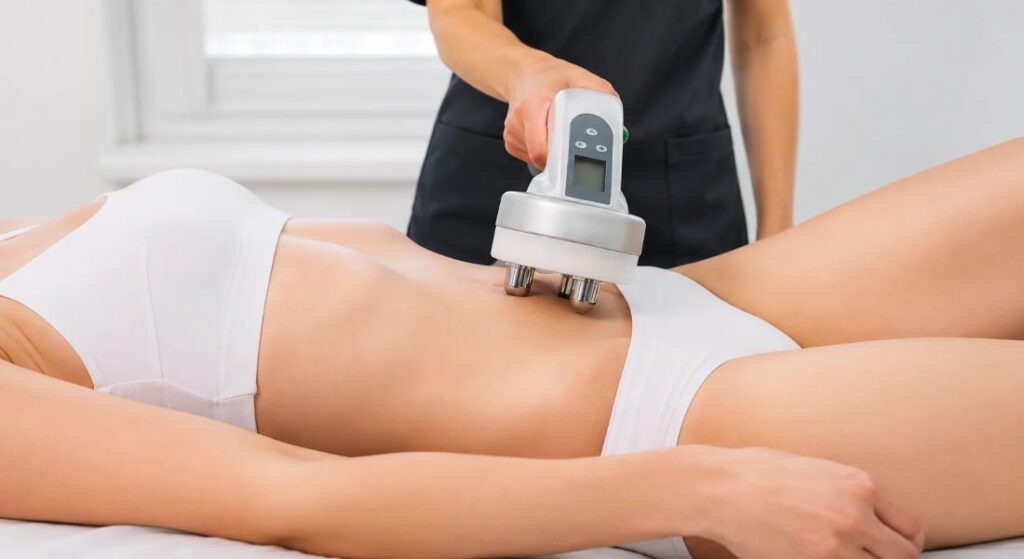
If you’re considering Exilis Ultra 360 for skin tightening or body contouring, you may be wondering how many sessions you’ll need. Whether you want to firm your jawline, improve loose skin around your abdomen or achieve smoother-looking skin, your treatment plan will depend on your goals.
Some treatment plans involve two to four sessions, while others may require four to six or more. The number depends on your treatment area, skin laxity and response to the procedure. As results develop gradually, understanding the recommended session frequency and possible maintenance treatments can help you plan your course with realistic expectations.
How Many Exilis Ultra 360 Sessions Do You Typically Need?
Exilis Ultra 360 usually involves several appointments rather than a single treatment. Manufacturer information describes courses of two to four sessions, while LMA Clinic’s treatment guidance discusses at least four sessions for certain body concerns and up to six to eight sessions for skin tightening. These are examples of treatment plans rather than fixed requirements, and your practitioner should recommend a course based on your individual needs.
You may need fewer sessions if you have mild skin laxity, while more noticeable looseness or larger treatment areas may require a longer course. Your practitioner should assess your skin, discuss your goals and recommend a suitable number of appointments without assuming that more sessions will always produce better results.
Why Does Exilis Ultra 360 Usually Require Multiple Sessions?
Exilis Ultra 360 combines radiofrequency energy and ultrasound to heat selected tissues in a controlled way. This aims to support collagen remodelling, which may gradually improve your skin’s firmness and reduce the appearance of mild sagging.
These changes take time, so one appointment may not produce the improvement you’re hoping for. Multiple sessions allow your practitioner to monitor your skin’s response, although the ideal number and frequency vary depending on your treatment area and individual concerns.
What Does Clinical Research Say About the Number of Sessions?
Clinical research can help you understand how many Exilis-related sessions you may need, but it does not establish one ideal number for everyone. A 2017 study published in the Journal of Cosmetic Dermatology assessed 34 participants who received four radiofrequency and ultrasound treatments at weekly intervals to improve facial skin laxity or selected body-contouring concerns.
Although the study reported encouraging results, its small sample and limited follow-up mean you should view the findings cautiously. Four sessions may be suitable for some concerns, but your practitioner should consider your skin, treatment area and goals before recommending how many appointments you may need.
Does the Treatment Area Affect How Many Sessions You Need?
The area you want to treat can influence how many Exilis Ultra 360 sessions you need. Your jawline, neck, upper arms, abdomen and thighs all have different skin thicknesses and tissue structures, so your response may vary depending on where you have treatment.
If you want to treat several areas, your practitioner should assess each one separately rather than recommend the same schedule for all of them. You may notice better improvements in some areas than others, so reviewing your progress can help you decide whether you need further sessions or can stop once you’re satisfied with the results.
How Many Exilis Ultra 360 Sessions Might You Need for Your Face?
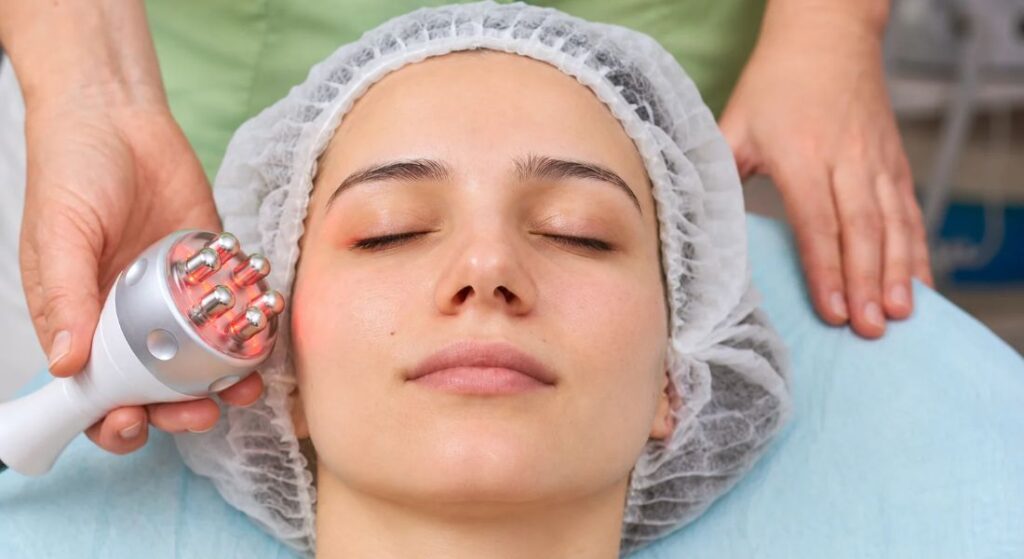
If you want to treat fine lines, mild sagging or reduced skin firmness, you may need around two to four Exilis Ultra 360 sessions for your face. Your practitioner may recommend a longer course depending on your skin condition, the areas you want to improve and your treatment goals.
If you have mild skin laxity, you may notice a modest improvement with fewer appointments, while more noticeable sagging can be harder to address. Your practitioner should also assess whether your concern relates to loose skin or facial volume loss, as Exilis Ultra 360 may tighten your skin but won’t restore lost cheek volume.
Evidence Note
A 2022 study published in the Journal of Cosmetic Dermatology evaluated 158 patients receiving four weekly radiofrequency and ultrasound treatments for facial and neck rejuvenation. Researchers reported improvements in assessed wrinkles and sagging, with an average patient satisfaction score of 4.61 out of 5.
However, this retrospective study used the related Exilis Elite system rather than Exilis Ultra 360, and outcomes were assessed only two weeks after the final session. Although the findings are encouraging, they do not establish an ideal treatment schedule specifically for Exilis Ultra 360 or predict how your skin will respond.
How Many Sessions Might You Need for Your Neck and Jawline?
If you’re concerned about mild sagging beneath your chin or a less defined jawline, you may benefit from several Exilis Ultra 360 sessions. The number you need depends on how much skin laxity you have and whether your concern is mainly related to reduced skin firmness.
Your practitioner should assess your neck and jawline before recommending a treatment course, as factors such as excess fat, muscle position and significant loose skin can affect your results. If you have substantial sagging, additional sessions may not deliver the improvement you’re hoping for, so it’s important to discuss realistic expectations before booking.
How Many Exilis Ultra 360 Sessions Are Needed for Your Abdomen?
If you’ve noticed mild loose skin around your abdomen after pregnancy, weight changes or ageing, you may benefit from around four Exilis Ultra 360 sessions. Some clinics recommend four to six or more appointments, depending on your skin laxity, starting condition and goals.
You may notice a more worthwhile improvement if you have mild looseness, but significant excess skin is unlikely to respond in the same way. Your practitioner should also assess whether your concern relates to loose skin or localised fat, as Exilis Ultra 360 won’t provide substantial weight loss or remove excess skin like a tummy tuck.
Do Your Arms, Thighs and Other Body Areas Need Different Treatment Plans?
Ageing and weight fluctuations can affect the firmness of your upper arms and thighs, leaving you with mildly loose skin or an uneven appearance. Exilis Ultra 360 may be suitable for modest skin tightening in these areas, although your results will depend on your tissue characteristics and the degree of laxity.
Clinical research has examined four weekly treatments for areas such as the arms and thighs, but this doesn’t guarantee that you’ll need exactly four sessions. Your practitioner should assess each area separately, as more pronounced skin laxity may not respond well to non-invasive treatment. Cellulite is also different from loose skin, and evidence for consistent improvement with Exilis Ultra 360 remains limited.
Research Insight
A 2021 study published in the Journal of Cosmetic Dermatology assessed 64 patients who received four weekly sessions of combined radiofrequency and ultrasound treatment. Researchers reported measurable reductions in body circumference one month after treatment, with an average satisfaction score of 4.48 out of 5.
Although encouraging, the study was retrospective and did not include an untreated comparison group. It also focused on body circumference rather than proving long-term skin tightening. Your treatment plan should therefore reflect your individual concerns rather than assume that four sessions will produce the same results for everyone.
How Does the Degree of Skin Laxity Affect Your Session Numbers?

The amount of loose skin you have can influence how many Exilis Ultra 360 sessions your practitioner recommends. Mild laxity may respond with a modest improvement, while more advanced sagging caused by ageing or significant weight loss can be harder to address.
Your practitioner should assess whether you’re dealing with reduced elasticity, fine wrinkles or folds of excess skin, as these concerns may need different approaches. Additional sessions won’t necessarily provide greater tightening, and surgery may be more appropriate if you want significant excess skin removed.
Exilis Ultra 360: Treatment Sessions by Area
| Treatment Area | Schedule Studied or Commonly Discussed | What You Should Know |
| Face | Four weekly sessions assessed in clinical studies | Results depend on skin laxity, wrinkles and underlying volume loss |
| Neck and jawline | Four weekly sessions assessed in research | Significant sagging may respond less well |
| Abdomen | Four weekly sessions assessed in body-contouring research | Circumference improvements do not necessarily mean substantial loose-skin tightening |
| Upper arms | Four weekly sessions assessed in small studies | Results vary with tissue characteristics and skin laxity |
| Thighs | Four weekly sessions assessed in small studies | Changes in contour do not necessarily indicate weight loss |
| Multiple areas | Individualised treatment schedules | Each area may require a separate assessment and treatment plan |
Can Your Age, Skin Condition and Lifestyle Affect Your Results?
Several personal factors can influence how your skin responds to Exilis Ultra 360. Your practitioner should consider more than your age when planning treatment.
1. Age: Skin elasticity and firmness naturally change over time.
2. Skin condition: Sensitivity, inflammation and existing skin concerns may affect suitability.
3. Medical history: Previous procedures and health conditions should be reviewed before treatment.
4. Lifestyle factors: Weight changes, sun exposure and smoking may influence your results.
Your treatment plan should be based on your individual skin, health and goals rather than a fixed number of sessions. Before arranging your sessions, tell your practitioner if you’re pregnant, undergoing IVF, have metal implants or an implanted electronic device, or have an active infection in the treatment area. These circumstances may make Exilis Ultra 360 unsuitable or require you to postpone treatment. Your practitioner should check the manufacturer’s full, current list of contraindications before confirming your treatment schedule.
How Far Apart Should Exilis Ultra 360 Sessions Be Scheduled?
Exilis Ultra 360 sessions are generally spaced around seven to ten days apart, although some clinical protocols use weekly appointments. LMA Clinic recommends intervals of approximately one to two weeks for certain treatment plans, so your schedule may vary depending on your skin and the area being treated.
Attending more frequently won’t necessarily speed up your results, as your practitioner needs to assess how your skin responds between appointments. If you experience unexpected sensitivity or another reaction, your next session may need to be delayed. You should also allow time for visible changes to develop after completing your course.
Clinical Tip
Before booking your Exilis Ultra 360 course, ask your practitioner to explain the recommended number of sessions, treatment intervals and total cost. It may also help to arrange progress photographs under consistent lighting so you can compare your results more reliably.
Tell your practitioner if you develop unexpected skin sensitivity, persistent redness or discomfort between appointments. Your treatment schedule may need adjusting, and you should not attend another session until any concerning reaction has been assessed.
How Long Does Each Exilis Ultra 360 Session Take?
An Exilis Ultra 360 session often takes around 15 to 30 minutes for a single treatment area, according to manufacturer information. However, treatment times vary depending on the area and protocol. For example, one published Exilis study used approximately 45 minutes for full-face treatment. You should also allow extra time for your consultation, skin assessment and preparation.
During treatment, your practitioner moves the applicator over your skin to deliver radiofrequency and ultrasound energy, creating a warming sensation similar to a heated massage. You may experience temporary redness, warmth or tenderness afterwards, but you should tell your practitioner if the heat becomes uncomfortable and follow their aftercare advice.
When Will You Start Noticing Results From Exilis Ultra 360?
Your skin may look or feel slightly different after your first appointment, but this doesn’t necessarily reflect your final results. Some people notice visible changes after one or two sessions, while others see little improvement until later in their course, depending on their skin condition, treatment area and degree of laxity.
As collagen remodelling takes time, your skin may continue to look firmer and smoother over several weeks. However, results vary, and completing the recommended sessions doesn’t guarantee visible improvement. Your practitioner can use photographs taken under consistent lighting to help you track subtle changes over time.
UK Guidance Note
The UK’s Advertising Standards Authority requires cosmetic treatment providers to hold suitable evidence for objective claims about treatment effectiveness. Although published studies have assessed Exilis-related improvements after several sessions, this does not establish a guaranteed treatment schedule or result for every patient.
Your practitioner should explain which benefits are supported by clinical evidence and which recommendations reflect individual clinical experience. Claims about dramatic tightening, permanent results or a fixed number of sessions should not be presented as established outcomes without appropriate supporting evidence.
When Can You Expect to See Your Final Treatment Results?
Your final Exilis Ultra 360 results may take several weeks or months to become noticeable, even after you’ve completed your initial course. Some clinics recommend reviewing your progress around one to two months after the final session, while clinical research has also assessed outcomes three months after treatment.
You should allow enough time for gradual changes to develop rather than judging your results by temporary changes immediately after treatment. Your practitioner can arrange a follow-up assessment to see how your skin has responded and whether further sessions are worth considering, helping you avoid unnecessary appointments and expense.
What Happens If You Don’t See Results After Several Sessions?
If you haven’t noticed a meaningful improvement after several Exilis Ultra 360 sessions, ask your practitioner to review your progress and treatment plan. More appointments won’t necessarily help if your concern involves substantial excess skin, facial volume loss or another issue the treatment cannot address.
Your practitioner should explain whether further sessions are likely to benefit you or whether another approach may be more suitable. You shouldn’t feel pressured to continue without a clear reason.
Will You Need Maintenance Sessions to Keep Your Results?

Your skin will continue to change with age, so Exilis Ultra 360 results aren’t permanent. Some clinics suggest maintenance sessions every six to twelve months, but you may not need them if you’re satisfied with your results.
Before starting, discuss the potential costs, your medical history and any implanted devices with your practitioner. Treatment isn’t suitable for everyone and may cause temporary redness, warmth or discomfort, with burns and pigmentation changes also possible.
Myth vs Fact
| Myth | Fact |
| Everyone needs exactly four sessions. | Published studies commonly assess four treatments, but individual plans can differ. |
| More sessions always produce better results. | Additional appointments do not guarantee greater improvement. |
| You should see results after your first session. | Visible changes may take several weeks or months, and results vary. |
| Sessions must be performed every week. | Intervals of approximately 7 to 14 days are commonly recommended, depending on the treatment plan. |
| Exilis Ultra 360 can remove significant loose skin. | It may improve mild laxity but cannot replace surgery to remove excess skin. |
| Everyone needs maintenance every six months. | No universally established maintenance schedule applies to everyone. |
Key Takeaways
1. Exilis Ultra 360 usually involves several treatment sessions.
2. Clinical studies commonly assess four weekly appointments.
3. Sessions are often spaced approximately 7 to 14 days apart.
4. Treatment needs and results vary with your skin and treatment area.
5. Maintenance may help, but no universal schedule is established.
Frequently Asked Questions
1. How many Exilis Ultra 360 sessions do you typically need?
You may need around two to four sessions, although some treatment plans involve four to six or even six to eight appointments. Your practitioner will consider your treatment area, skin laxity and goals before recommending a course.
2. Why does Exilis Ultra 360 require multiple sessions?
The treatment uses radiofrequency and ultrasound energy to support collagen remodelling, which takes time to produce visible changes. Multiple appointments allow your practitioner to monitor how your skin responds and adjust your treatment plan if needed.
3. How many Exilis Ultra 360 sessions might you need for your face?
You may need around two to four sessions to address fine lines, mild sagging or reduced skin firmness. More noticeable laxity may require a longer course, although the results are generally modest.
4. How many sessions might you need for your abdomen?
Around four sessions may be suitable for mild abdominal skin laxity, although some clinics recommend four to six or more appointments. Your treatment plan will depend on your starting condition, skin looseness and desired results.
5. How many sessions are needed for your neck and jawline?
You may need several sessions to improve mild sagging beneath your chin or around your jawline. However, excess fat, muscle position and significant loose skin can affect your results, so your practitioner should assess these concerns before recommending treatment.
6. How far apart should Exilis Ultra 360 sessions be scheduled?
Sessions are generally spaced around seven to ten days apart, although some treatment plans allow one to two weeks between appointments. Your practitioner may adjust the schedule depending on your skin’s response and the area being treated.
7. How long does each Exilis Ultra 360 session take?
A session often takes around 15 to 30 minutes for a single treatment area, although full-face treatments and some other protocols may take longer. You should also allow extra time for your consultation, skin assessment and preparation.
8. When will you start noticing Exilis Ultra 360 results?
Some people notice changes after one or two sessions, while others see little improvement until later in their treatment course. Results develop gradually as collagen remodelling takes place over several weeks.
9. What should you do if you don’t see results after several sessions?
Ask your practitioner to review your progress and assess whether further treatment is likely to help. Additional sessions may not improve concerns such as significant excess skin or facial volume loss, so another approach may be more suitable.
10. Will you need maintenance sessions after Exilis Ultra 360?
Your results aren’t permanent because your skin continues to change with age. Some clinics suggest maintenance sessions every six to twelve months, although you may not need them if you’re satisfied with your results.
Final Thoughts: How Many Exilis Ultra 360 Sessions Do You Need?
The number of Exilis Ultra 360 sessions you need depends on your treatment area, degree of skin laxity and individual response. While some treatment plans involve two to four sessions, others may require more, with results developing gradually and maintenance appointments sometimes considered.
If you’re considering Exilis Ultra 360 in London, the team at the London Medical & Aesthetic Clinic can assess your skin, recommend a suitable treatment schedule and explain what results you may realistically expect.
References:
1. Chilukuri, S., Denjean, D. and Fouque, L. (2017) ‘Treating multiple body parts for skin laxity and fat deposits using a novel focused radiofrequency device with an ultrasound component: Safety and efficacy study’, Journal of Cosmetic Dermatology, 16(4), pp. 476–479. Available at: https://pubmed.ncbi.nlm.nih.gov/29125214/
2. Hügül, H., Oba, M.Ç. and Kutlubay, Z. (2021) ‘Efficacy of focused radiofrequency with ultrasound in body contouring: A study of 64 patients’, Journal of Cosmetic Dermatology, 20(8), pp. 2507–2511. Available at: https://pubmed.ncbi.nlm.nih.gov/33340220/
3. Sinagridi, I. and Andreou, E. (2026) ‘High-Intensity Focused Ultrasound and Radiofrequency in Non-Invasive Skin Rejuvenation: Mechanisms, Clinical Evidence, and Combined Therapeutic Approaches’, Applied Biosciences, 5(3), article 72. Available at: https://www.mdpi.com/2813-0464/5/3/72
4. Kumar, N., Suh, D.H., Lee, S.J. and Ryu, H.J. (2025) ‘Radiofrequency-Based Treatments for Facial Rejuvenation: A Systematic Review of Efficacy, Safety, and Patient-Centered Outcomes’, Aesthetic Surgery Journal Open Forum, 7, article ojaf159. Available at: https://pmc.ncbi.nlm.nih.gov/articles/PMC12715571/
5. Zhang, B., Tan, X., Zhang, Q. and Wu, M. (2026) ‘The Landscape of Radiofrequency Technology for Skin Rejuvenation’, Health Science Reports, 9(1), article e71575. Available at: https://pmc.ncbi.nlm.nih.gov/articles/PMC12743727/