



Lanluma is often chosen because it offers gradual, natural-looking volume through collagen stimulation rather than instant filling. Because results develop slowly, many people assume it’s impossible to overdo. In reality, while Lanluma is designed to be subtle, it can still be over-treated if not planned carefully.
Lanluma works by stimulating your body’s own collagen over time. This means results continue to evolve for months after each session. When treatments are repeated too quickly or used too aggressively, collagen can build beyond what was intended.
In this article, I’ll explain whether Lanluma can be overdone, what excessive collagen stimulation looks like, early warning signs to watch for, and how proper treatment planning helps maintain natural, balanced results.
Why Lanluma Is Often Seen as “Low Risk”
Lanluma is often seen as a low-risk treatment because it behaves differently from traditional fillers. Unlike gel-based products, it doesn’t add instant volume or dramatically alter facial shape overnight. Instead, it works by encouraging your skin and tissues to gradually rebuild collagen.
The slower, progressive process tends to feel safer for patients. Early changes are subtle, and improvements develop over weeks and months rather than appearing immediately. This gradual transformation gives a controlled and natural result.
Because the changes are slow, people may underestimate how much is happening beneath the surface. Collagen continues to build even after initial improvements are visible. Without careful monitoring, cumulative effects can become more noticeable over time.
Gradual results don’t mean unlimited results. Even natural collagen production has limits, and excessive stimulation can affect facial balance. Understanding the process helps set realistic expectations and maintain natural outcomes.
What “Overdone” Means With Lanluma
Overdone Lanluma rarely appears obviously artificial. Unlike overfilled hyaluronic acid fillers, it doesn’t usually create puffiness or a “tight” look. Instead, overcorrection tends to present as subtle heaviness or disproportion.
Treated areas may look thicker rather than lifted, and facial contours can soften instead of becoming more defined. The changes are often structural, affecting the overall balance of the face.
In some cases, the result can feel bulky or dense rather than naturally sculpted. These shifts are usually less dramatic than with traditional fillers, making them harder to notice at first.
Because the changes develop gradually, early recognition is key. Monitoring progress over time helps prevent excess volume and ensures results remain balanced and natural.
How Excessive Collagen Stimulation Occurs
Lanluma works by activating fibroblasts, which then produce new collagen over several weeks and months following each treatment session. This gradual process is essential for achieving natural, long-lasting improvements in skin structure and volume. The body needs time to remodel and integrate the new collagen, which is why timing between sessions is so important.
Excessive collagen stimulation typically occurs when the natural regenerative process is disrupted or accelerated beyond the skin’s capacity to adapt. Common causes include:
Sessions spaced too closely together: If a new treatment is performed before the collagen from the previous session has fully matured, the effects can overlap. This overlapping stimulation may create cumulative volume rather than the controlled, gradual enhancement that Lanluma is designed to provide.
Dosing beyond individual needs: Even amounts that seem conservative in isolation can become excessive if repeated too frequently. The skin can only handle a certain amount of fibroblast activation at a time, and exceeding this can lead to unwanted fullness or uneven results.
Poor planning or sequencing: Without careful monitoring of how the skin responds after each session, additional treatments may unintentionally amplify collagen production beyond the optimal level. Each patient’s healing rate, baseline volume, and collagen production capacity differ, so one-size-fits-all scheduling can easily lead to over-treatment.
Ignoring early signs of over-stimulation: Subtle changes such as unexpected firmness, loss of natural contour, or slight asymmetry can indicate that collagen production is outpacing what is ideal. Addressing these signs early can prevent more noticeable over-treatment later.
By respecting the natural timing of collagen maturation, using conservative dosing, and following a personalised, staged plan, practitioners can minimise the risk of over-stimulation. This approach ensures that results remain balanced, natural-looking, and safe over the long term.
Early Warning Signs to Watch For
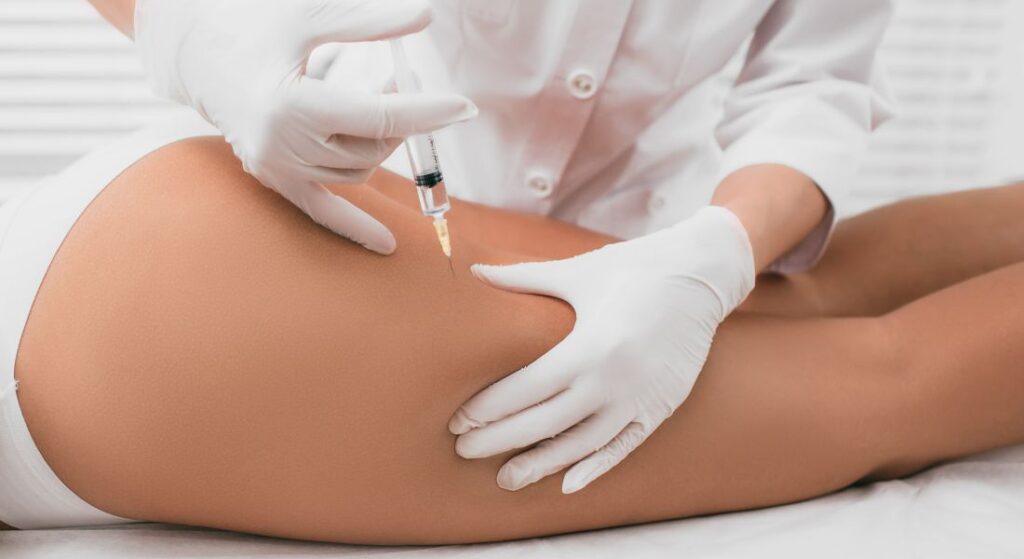
Over-treatment with Lanluma or Sculptra often starts subtly. Early signs may be easy to overlook, but recognising them promptly is key to maintaining natural results. These indicators don’t usually appear dramatic at first, yet they signal that collagen stimulation may be exceeding what the skin can naturally accommodate.
Common early warning signs include:
1. Areas feeling firmer or heavier than expected: A slight increase in thickness or density can suggest that collagen production is accumulating faster than intended.
2. Loss of natural contour rather than improved shape: Instead of enhancing underlying structure, the treated areas may start to look less defined or slightly swollen.
3. Fullness that doesn’t align with natural anatomy: Volume may appear in places that don’t naturally require support, creating an imbalance in the facial proportions.
4. Slight asymmetry developing over time: One side of the face may respond differently than the other, which can become more noticeable if additional sessions are performed prematurely.
Catching these signs early allows both the practitioner and patient to pause, reassess, and adjust the treatment plan before changes become more pronounced. Careful monitoring ensures results remain subtle, balanced, and aligned with natural facial structure.
Why Overdone Lanluma Looks Different From Overfilled Results
Lanluma builds volume through your own tissue rather than injecting gel. This means any excess integrates more deeply into the skin and can be harder to recognise initially. The gradual, internal nature of the change makes early overcorrection subtle.
Unlike overfilled traditional fillers, Lanluma rarely creates a swollen or puffy appearance. Instead, treated areas may appear thickened or dense over time. The effect tends to be structural rather than superficial, affecting overall facial balance.
Because the changes are tissue-based, Lanluma results cannot be dissolved like hyaluronic acid fillers. Once collagen is stimulated beyond the desired level, correction becomes more difficult.
For this reason, conservative treatment is essential from the start. Gradual, carefully monitored sessions help maintain natural-looking outcomes. Patience and planning are key to avoiding overcorrection.
Areas Most Vulnerable to Over-Treatment
Lanluma is highly effective for collagen stimulation in both facial and body contouring. However, certain areas are more prone to over-treatment because they require precision and subtlety. Larger or thicker areas can generally tolerate more stimulation, whereas smaller, delicate zones need careful dosing to avoid unwanted effects.
Key points to consider:
1. Mid-face and cheeks: While generally safe, over-stimulation here can reduce natural contour and fullness balance if too much product is used too quickly.
2. Jawline and lower face: Precision is essential. Excessive stimulation can blur definition rather than enhance the structural support.
3. Temples and periorbital regions: These areas respond quickly to collagen production, so over-treatment can create unnatural fullness or asymmetry.
4. Neck and décolletage (for body treatments): Skin here is thinner and less forgiving. Aggressive dosing may lead to irregular texture or firmness.
A thorough understanding of anatomy and staged treatment planning is critical. By respecting the limits of each area, practitioners can achieve natural, balanced results while minimising the risk of over-treatment.
Why More Sessions Don’t Always Mean Better Results
Many patients assume that more Lanluma sessions will continually enhance results. In reality, the treatment reaches a point where additional stimulation no longer provides meaningful benefit. Beyond this stage, extra sessions do not improve structure.
Once sufficient collagen support is achieved, further stimulation can add bulk instead of refinement. This may cause the face to feel heavier or less balanced over time. Recognising this point is crucial to maintaining natural proportions.
Experienced practitioners understand the importance of knowing when to pause treatment. They carefully assess progress before deciding on additional sessions. Monitoring results ensures that interventions remain controlled and subtle.
Conservative pacing helps prevent overcorrection and preserves facial harmony. Gradual, measured treatment produces the most natural and lasting outcomes. Patience is key to achieving balanced, refined results with Lanluma.
The Importance of Time in Assessing Results

Lanluma works gradually, stimulating your body’s fibroblasts to produce collagen over weeks and months. This means visible results continue to evolve well after each session, and early assessment can be misleading.
Key considerations:
Collagen maturation takes time – The full structural support and subtle volume changes may not appear for several weeks to months after treatment.
Premature evaluation can trigger over-treatment – Adding sessions too soon, before previous collagen responses have settled, increases the risk of excessive volume or loss of natural contours.
Patience ensures balanced outcomes – Waiting allows both the practitioner and patient to accurately judge progress and plan any additional sessions conservatively.
Time is not a setback it’s an essential part of achieving natural, harmonious results. Proper scheduling and assessment intervals protect against over-treatment and support long-term success.
Practitioner Experience Makes a Major Difference
Over-treatment with Lanluma isn’t caused by the product itself. The key factors are planning and clinical judgement. How the treatment is administered determines whether results remain natural or become excessive.
An experienced practitioner understands how collagen develops over time. They recognise that different patients respond differently and adjust their approach accordingly. This knowledge is essential for safe, effective results.
Practitioners with expertise prioritise proportion, balance, and long-term outcomes. Immediate volume is never the main goal; subtle, harmonious improvements take precedence. Careful planning ensures each session contributes meaningfully to the overall result.
This experience is what keeps Lanluma results looking natural rather than overdone. By combining skill, observation, and patience, practitioners can achieve lasting, refined outcomes. Thoughtful execution is as important as the treatment itself.
Can Overdone Lanluma Be Reversed?
Lanluma cannot be dissolved like hyaluronic acid fillers. Once collagen has been stimulated, it integrates into the tissue and cannot be instantly removed. This makes prevention far more effective than trying to correct over-treatment later.
That said, collagen naturally remodels and breaks down over time. Excess volume doesn’t typically remain fixed indefinitely. The face gradually softens as the tissue adjusts and integrates.
Because changes happen slowly, early recognition and restraint are key. Avoiding unnecessary additional sessions helps prevent cumulative overcorrection. Careful monitoring ensures results stay balanced.
In most cases, patience is the best solution. Allowing time for natural tissue remodelling maintains harmony and reduces the need for aggressive intervention. Gradual softening often restores proportion without further treatment.
How Proper Planning Prevents Over-Treatment
Lanluma cannot be dissolved like hyaluronic acid fillers. Once collagen has been stimulated, it integrates into the tissue and cannot be instantly removed. This makes prevention far more effective than trying to correct over-treatment later.
That said, collagen naturally remodels and breaks down over time. Excess volume doesn’t typically remain fixed indefinitely. The face gradually softens as the tissue adjusts and integrates.
Because changes happen slowly, early recognition and restraint are key. Avoiding unnecessary additional sessions helps prevent cumulative overcorrection. Careful monitoring ensures results stay balanced.
In most cases, patience is the best solution. Allowing time for natural tissue remodelling maintains harmony and reduces the need for aggressive intervention. Gradual softening often restores proportion without further treatment.
Why Some Patients Need Less Than Expected
Lanluma treatments are most effective when tailored to each patient’s unique tissue quality, anatomy, and ageing patterns. Not every patient requires aggressive stimulation to achieve meaningful improvement. Understanding individual needs is essential to ensure natural, balanced results.
Key considerations:
Good baseline tissue reduces requirements: Patients who already have healthy collagen, firm skin, and supportive underlying structures may only need subtle stimulation. In these cases, even a single session can provide noticeable improvement, and over-treating can actually create an unnatural or bulky appearance.
Age, lifestyle, and genetics matter: Collagen responsiveness varies between individuals. Younger patients or those with strong connective tissue may achieve results more quickly, whereas older patients or those with prior volume loss might need a slightly longer or more gradual plan.
One-size-fits-all approaches increase risk: Applying the same dosage, session frequency, or treatment pattern to every patient can lead to over-treatment, uneven contours, or unnatural fullness. Standard protocols may not account for subtle differences in anatomy or desired outcome.
Personalisation ensures balance: Experienced practitioners evaluate skin quality, target areas, muscle activity, and aesthetic goals to create a customised treatment plan. They may recommend fewer sessions, longer intervals between treatments, or a more conservative approach to allow results to develop naturally.
Restraint often produces the best results: The most harmonious outcomes frequently come from a measured approach. Gradual improvements not only look more natural but also reduce the likelihood of needing corrective interventions later.
Effective Lanluma treatment isn’t about doing more it’s about doing what’s right for the individual. Tailored planning, patience, and careful monitoring are what ensure subtle, long-lasting, and aesthetically pleasing results.
Patient Expectations and Their Role in Over-Treatment
Over-treatment with Lanluma isn’t always driven by practitioners. In some cases, patients create pressure by requesting additional sessions. Because results develop gradually, early changes can feel subtle or even imperceptible.
When patients don’t understand the treatment timeline, patience can feel like stagnation. This misunderstanding may lead to unnecessary additional sessions. Clear communication and education help manage expectations effectively.
Explaining how Lanluma stimulates collagen over weeks and months sets realistic goals. Patients are more likely to wait for results when they understand the process. This reduces the risk of cumulative overcorrection.
How You Can Reduce the Risk as a Patient
Choosing the right clinic is the most important step in reducing the risk of over-treatment with Lanluma. An experienced practitioner will prioritise safety and natural results over speed. Patients should feel confident when advised to wait rather than immediately undergo another session.
Clinics that promise dramatic or rapid results are more likely to over-treat. Such claims often ignore how collagen develops gradually. Opting for a clinic that emphasises careful, measured progress reduces this risk.
Conservative guidance from a practitioner is usually a sign of expertise. Restraint and phased treatment help maintain balance and harmony in facial results. Patients benefit from clinicians who focus on long-term outcomes rather than short-term volume.
Setting Realistic Expectations From the Start
Lanluma is intended to restore and enhance rather than create dramatic transformations. The focus is on achieving balance and harmony, not making obvious or immediate changes. Understanding this helps patients approach treatment with the right mindset.
Setting realistic expectations from the start reduces pressure on both the patient and practitioner. Knowing that subtle, gradual improvements are the goal helps avoid unnecessary sessions. This approach supports measured, safe treatment.
Fewer sessions are often required when expectations are aligned with the treatment’s capabilities. Patients are more likely to be satisfied with gradual enhancement rather than seeking rapid, visible volume. Patience ensures results develop naturally over time.
FAQs:
1. Can Lanluma actually be overdone?
Yes, Lanluma can be overdone. Although it works gradually by stimulating your body’s own collagen rather than instantly filling with gel, excessive collagen stimulation over multiple sessions or with poorly timed treatments can create volume that feels heavy or less natural if not planned carefully.
2. What does overdone Lanluma look like compared with traditional filler overfill?
Overdone Lanluma does not usually create the tight, puffy appearance associated with overfilled hyaluronic acid fillers, because it does not inject gel into the tissue. Instead, Lanluma over‑treatment tends to present as subtle heaviness, reduced definition, or a dense, overly full appearance that affects the natural balance of the face.
3. Why does Lanluma sometimes produce too much collagen?
Lanluma stimulates fibroblasts in the skin to produce new collagen over weeks and months. When treatments are repeated before earlier collagen has fully matured, or when dosing is higher than needed for a particular patient, collagen can accumulate beyond the intended level, leading to excessive volume rather than the controlled improvement that Lanluma is designed to provide.
4. What are early signs that Lanluma might be over‑stimulating collagen?
Early signs of over‑stimulation include areas of the face feeling firmer or heavier than expected, loss of natural contour rather than improved shape, fullness in places that do not naturally require support, and slight asymmetry that becomes more noticeable over time. Noticing these signs early allows for a pause and reassessment of the treatment plan.
5. Can overdone Lanluma be corrected or reversed?
Lanluma cannot be dissolved like hyaluronic acid fillers once it has stimulated collagen, so there is no immediate way to reverse over‑treatment. However, collagen naturally remodels and breaks down over time, meaning that excess volume often softens gradually rather than remaining permanently fixed, and the face can return toward a more balanced state with patience and careful monitoring.
6. How important is timing between Lanluma sessions?
Timing between Lanluma sessions is extremely important because collagen continues to develop for weeks or months after each treatment. If subsequent treatments occur too soon, before the full effect of the previous session has become clear, the cumulative stimulation may lead to a level of collagen production that exceeds what is optimal for natural‑looking results.
7. Why do some areas of the face respond differently to Lanluma?
Different facial regions have varying tissue characteristics, which means they respond differently to collagen stimulation. For example, the mid‑face and cheeks typically tolerate subtle stimulation well and show improved structural support, whereas temples, jawline, and periorbital areas can develop unwanted fullness or imbalance if treated too aggressively or without careful consideration of anatomy and contour dynamics.
8. Does practitioner experience influence the risk of over‑treatment with Lanluma?
Practitioner experience plays a major role in preventing over‑treatment. A skilled clinician understands how collagen develops over time, recognises individual variation in tissue response, and adjusts dosing and timing accordingly. This expertise helps maintain natural proportion and balance rather than creating unwanted bulk through excessive stimulation.
9. Can patient behaviour contribute to over‑treatment with Lanluma?
Yes, patient behaviour can contribute to over‑treatment when individuals request additional sessions too soon because changes feel too slow or subtle. Without understanding the gradual timeline of collagen development, patients may push for more frequent treatments, which increases the likelihood of overlapping stimulation and eventual over‑correction.
10. What strategy helps ensure Lanluma results stay natural and balanced?
The most effective strategy to ensure natural and balanced Lanluma results involves conservative dosing, appropriate spacing between sessions, ongoing assessment of progress, and clear communication between clinician and patient about expected timelines and outcomes. By pacing treatment and respecting the body’s natural healing processes, both safety and subtle enhancement are prioritised.
Final Thoughts: Keeping Lanluma Results Natural
Lanluma offers a subtle, gradual approach to restoring volume and stimulating collagen, but it’s important to remember that more is not always better. Over-treatment usually occurs when sessions are too close together, dosing exceeds individual needs, or progress isn’t carefully monitored. By understanding how collagen develops over time and recognising early warning signs, both practitioners and patients can maintain natural, balanced results.
If you’re considering lanluma treatment in London, you can get in touch with us at London Medical & Aesthetic Clinic to discuss a personalised plan, ensure proper timing between sessions, and enjoy results that look harmonious and long-lasting.
References:
1. Amselem, M., Fatsea, D., Forte, R., Hasenöhrl, C., and Haus, A. (2024) Safety and effectiveness results of an innovative injectable poly‑L‑lactic acid‑based collagen stimulator (Lanluma®) Clinical outcomes at 9 months in a post‑market study. https://pubmed.ncbi.nlm.nih.gov/39319782/
2. Wu, L. and Salti, G. (2024) Combined forehead and temporal lifting: An innovative approach to Lanluma V treatment. Journal of Cosmetic Dermatology, 24(1), e16583. https://pubmed.ncbi.nlm.nih.gov/39228358/
3. Signori, R. and de Paula Barbosa, A. (2024) Efficacy and Safety of Poly‑L‑Lactic Acid in Facial Aesthetics: A Systematic Review. Polymers, 16(18), 2564. https://www.mdpi.com/2073-4360/16/18/2564
4. Poly‑L‑Lactic Acid (PLLA) Fillers and Dermal Collagen Synthesis Mechanisms in Aesthetic Applications. Cells, 12(9), 1320. https://www.mdpi.com/2073-4360/16/18/2564
5. Amselem, M. et al. (2024) Clinical Outcomes at 9 Months After Lanluma® (PLLA) Body and Face Treatment. https://pmc.ncbi.nlm.nih.gov/articles/PMC11626332/