


Acne scars can have a lasting impact on your confidence and self-image. Even after active acne has cleared, you may still notice uneven skin texture, indentations, or other visible changes that remain for years. Because of this, many people explore treatments that may help improve the appearance of acne scarring and create smoother-looking skin.
CO₂ laser treatment is one of the most well-known procedures used to address certain types of acne scars. The treatment works by creating controlled areas of injury within the skin, stimulating the body’s natural healing response and encouraging skin renewal over time. For many patients, this can help improve skin texture and the appearance of scarring. However, careful treatment planning is especially important when darker skin tones are involved.
If you have Black skin, there are additional factors that need to be considered before undergoing laser treatment. Higher levels of melanin can affect how the skin responds to laser energy and may increase the risk of pigmentation changes if treatment is not appropriately planned. Fortunately, advances in laser technology and treatment techniques have expanded the options available for patients with darker skin tones.
Understanding the potential benefits, limitations, and safety considerations of CO₂ laser treatment can help you make a more informed decision. With careful assessment, personalised treatment planning, and expert guidance, many patients with Black skin can safely explore treatment options for acne scars. Taking the time to understand the process is an important first step towards choosing the approach that is right for you.
Understanding Acne Scars
Acne scars develop when inflammation from acne affects the deeper layers of your skin. As the skin heals, changes in collagen production can occur, leading to permanent textural irregularities. The severity of scarring can vary from person to person, depending on factors such as the extent of inflammation and how the skin responds during healing.
Some acne scars appear as indentations or depressions in the skin, while others may be raised or uneven. Different scar types can respond differently to treatment, which is why identifying the specific type of scarring is important. Understanding the nature of your scars helps guide treatment decisions and set realistic expectations.
Because acne scars can vary significantly in appearance and severity, a personalised assessment is usually needed before treatment planning begins. Your practitioner will evaluate your skin, the type of scarring present, and your treatment goals. This helps ensure that the most appropriate treatment approach is selected for your individual needs.
Why Acne Scars Can Be Difficult to Treat
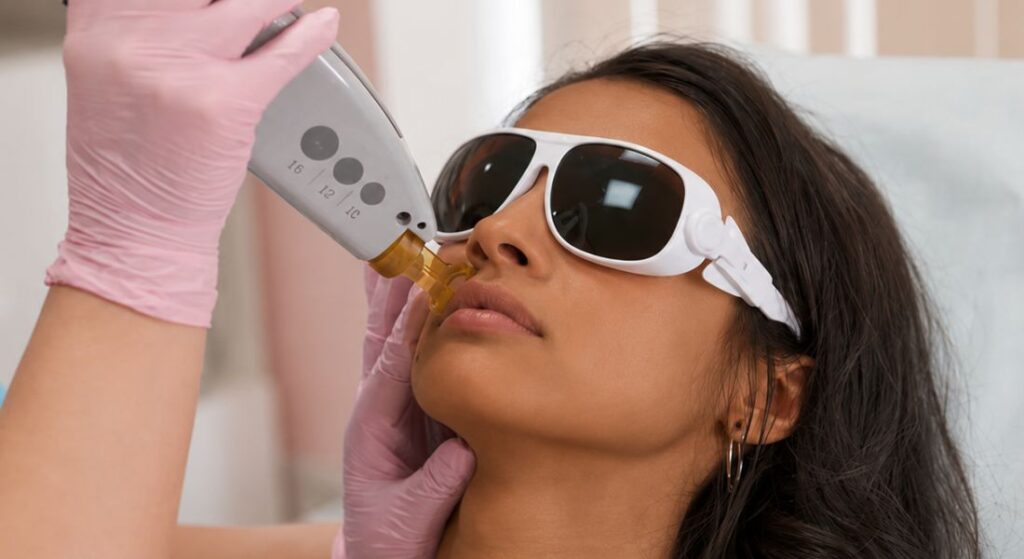
Unlike surface pigmentation changes, acne scars involve structural changes within the deeper layers of your skin. Because of this, creams, serums, and other skincare products often have limited effects on improving more significant textural irregularities. While skincare can support overall skin health, it may not be enough to address deeper scarring.
Many acne scars require treatments that encourage collagen remodelling beneath the skin surface. By stimulating the skin’s natural repair processes, these treatments may help improve texture and reduce the appearance of certain types of scars over time. Laser procedures are one option that may be considered as part of this approach.
The complexity of acne scarring is one reason why treatment plans are often tailored to each individual. Factors such as the type of scars, skin characteristics, and treatment goals can all influence the most appropriate approach. A personalised assessment helps determine which treatment options may be most suitable for you.
Understanding Black Skin Characteristics
Black skin has unique structural and biological characteristics that influence how it responds to treatments and the healing process. Higher levels of melanin provide natural pigmentation and play an important role in protecting the skin. These characteristics are a normal and important part of skin physiology.
The increased melanin content can also affect how the skin responds to injury or procedures such as laser treatments. If you are considering CO₂ laser treatment, it is important to understand that darker skin may have a greater risk of pigmentation changes during healing. This is why careful treatment planning is especially important.
Understanding these skin characteristics helps practitioners make informed treatment decisions. Your skin type, concerns, and treatment goals are all considered when developing a personalised treatment plan. This approach helps support both safety and effective results.
Why Skin Type Matters in Laser Treatments
If you’re considering laser treatment, your skin type is one of the most important factors in treatment planning. Laser energy works by interacting with pigment within the skin, which means different skin tones can respond differently to treatment. Because darker skin contains higher levels of melanin, there may be an increased risk of unwanted pigmentation changes if treatment is not carefully planned. However, this does not mean laser treatment is unsuitable for you; it simply highlights the importance of choosing the right approach and treatment settings.
1. Laser Energy Interacts With Skin Pigment: Laser treatments target specific structures within the skin, often involving pigment absorption. The amount of melanin in your skin can influence how laser energy is absorbed and distributed.
2. Darker Skin May Have Different Considerations: If you have a darker skin tone, there may be a higher risk of pigmentation changes following treatment. This is why additional care is often taken during assessment and treatment planning.
3. Suitability Depends on Individual Assessment: Having darker skin does not automatically mean you cannot have laser treatment. A thorough consultation helps determine the safest and most appropriate approach for your skin type.
4. Modern Protocols Are Designed to Improve Safety: Today’s laser treatments often incorporate customised settings and tailored treatment plans. These measures help practitioners manage risk and support better outcomes for a wide range of skin tones.
Overall, skin type plays a key role in determining how laser treatment should be performed. If you have darker skin, careful assessment and personalised treatment planning are particularly important. Modern laser protocols take these factors into account and aim to minimise potential risks while maximising treatment benefits. By choosing an experienced practitioner and following professional guidance, you can help support a safer and more effective treatment experience.
What Is CO₂ Laser Treatment?
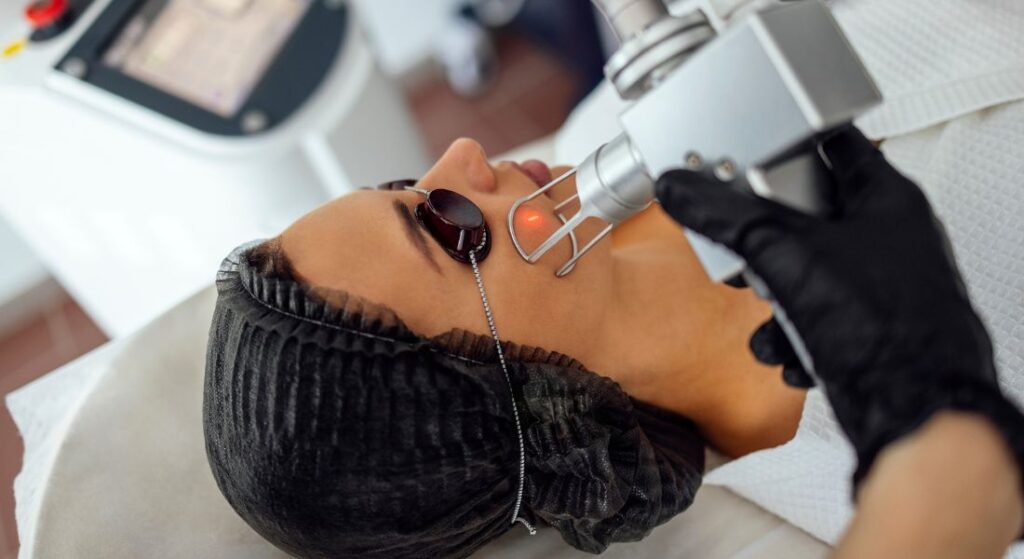
CO₂ laser treatment is a skin resurfacing procedure that uses laser energy to create controlled micro-injuries within the skin. This process stimulates the skin’s natural healing response and encourages new collagen production. Over time, these changes may help improve skin texture and overall skin quality.
The treatment is commonly used for concerns such as acne scars, uneven skin texture, fine lines, and other signs of ageing. If you are considering treatment, the goal is usually to improve the appearance of the skin by promoting natural renewal. The extent of improvement can vary depending on the condition being treated and individual skin characteristics.
Different treatment settings can be used according to skin type, treatment goals, and the severity of the concern. Your practitioner will assess these factors before developing a personalised treatment plan. This tailored approach helps balance effectiveness with safety and supports more predictable outcomes.
How CO₂ Laser May Help Acne Scars
CO₂ laser treatment aims to improve skin texture by stimulating the skin’s natural repair processes. As collagen remodels and new collagen forms, some acne scars may become less noticeable over time. If you are considering treatment, it is important to understand that the goal is gradual skin improvement rather than an immediate transformation.
The degree of improvement can vary depending on the type of acne scars present, their severity, and how your skin responds during healing. Some scars may respond more effectively than others, which is why an individual assessment is an important part of treatment planning. This helps create realistic expectations before treatment begins.
Results typically develop gradually as the healing process progresses. You may notice continued improvement over several weeks or months as collagen remodelling takes place beneath the skin surface. For this reason, patience is often an important part of achieving the final outcome.
Importance of Professional Assessment
Before any laser treatment is considered, a thorough professional assessment is essential. This allows the practitioner to evaluate your skin and determine whether the treatment is suitable for your individual needs. Careful assessment is an important first step in creating a safe and effective treatment plan.
The consultation usually involves reviewing factors such as skin type, acne scar characteristics, previous treatments, and medical history. These details help provide a clearer understanding of how the skin may respond to treatment. They also help identify any factors that could influence safety or results.
The information gathered during the assessment is used to develop a personalised treatment approach. If you are a suitable candidate, the treatment plan can be tailored to your skin concerns and goals. This individualised planning helps support both safety and more predictable outcomes.
Not All Acne Scars Respond the Same Way
Different types of acne scars can respond differently to treatment. Some scars may show improvement more readily, while others can be more challenging to treat. This is because acne scars vary in depth, shape, and the way they affect the skin’s structure.
For example, shallow scars may respond differently from deeper or more fibrotic scars. The type of scar present can influence both the treatment approach and the level of improvement that may be achieved. If you are considering treatment, understanding these differences can help create realistic expectations.
A detailed assessment is important before treatment planning begins. Your practitioner will evaluate the characteristics of your scars and determine the most appropriate approach for your skin. This personalised assessment helps support safer treatment and more predictable outcomes.
Fractional CO₂ Laser Approaches
If you’re considering CO₂ laser treatment, you may hear your practitioner mention fractional laser technology. Modern CO₂ laser treatments often use a fractional approach, which means only a fraction of your skin is treated during each session. Rather than treating the entire skin surface, the laser creates tiny treatment zones while leaving surrounding tissue untouched. This approach supports the natural healing process and has become a key feature of many modern laser treatments.
1. Only a Portion of Your Skin Is Treated: Fractional technology targets small areas of skin while leaving surrounding tissue intact. This allows treatment to be delivered in a more controlled and precise manner.
2. Your Skin Can Heal More Efficiently: Because untreated skin remains between the treated areas, your body has healthy tissue available to support recovery. This can help the healing process progress more effectively.
3. It Is Widely Used in Modern Laser Treatments: Fractional CO₂ laser technology is commonly used in aesthetic and dermatological procedures today. Its versatility makes it suitable for a variety of skin concerns.
4. It Has Expanded Treatment Options: Advances in fractional technology have given practitioners greater flexibility when planning treatments. This has helped make laser procedures more adaptable for different skin types and individual needs.
Overall, fractional CO₂ laser technology has significantly changed the way laser resurfacing treatments are performed. By treating only a fraction of your skin during each session, it supports healing while still delivering effective results. This balance between treatment and recovery has made fractional approaches a popular choice in modern laser medicine. As technology continues to evolve, these techniques are helping to expand treatment possibilities for a wider range of patients.
Understanding Hyperpigmentation Risks
Post-inflammatory hyperpigmentation is one of the most important considerations when treating darker skin tones. It occurs when excess pigment develops after the skin experiences inflammation or injury. As a result, darker patches of skin may appear in the treated area during the healing process.
Laser treatments can sometimes trigger this response because they create controlled injury within the skin. If you have Black skin, careful treatment planning is particularly important to help minimise this risk. Factors such as treatment settings, skin condition, and healing response are all taken into account.
Reducing the likelihood of hyperpigmentation is a major focus when developing a treatment plan. Your practitioner may use a more conservative approach and provide specific aftercare guidance to support the healing process. These measures help promote safer treatment and more predictable outcomes.
Why Pre-Treatment Preparation Matters
Many practitioners recommend preparing the skin before undergoing laser treatment. The specific preparation process can vary depending on your skin type, existing skin concerns, and treatment goals. Taking time to prepare the skin allows potential issues to be identified and addressed before treatment begins.
Pre-treatment care is often designed to optimise skin condition and support the healing process. Healthy, well-prepared skin may respond more predictably to treatment and recovery. This preparation can also help practitioners plan the most appropriate treatment approach.
Careful preparation is widely considered an important part of the overall treatment strategy. If you are considering CO₂ laser treatment, following any pre-treatment guidance provided by your practitioner can help support safer treatment and more consistent results. Proper planning before treatment is often just as important as the procedure itself.
The Importance of Conservative Treatment Settings
International experts frequently emphasise the importance of conservative treatment settings when treating darker skin tones. A cautious approach can help reduce unnecessary inflammation while still addressing the skin concern being treated. If you have Black skin, this can be an important part of maintaining a balance between safety and effectiveness.
Lower-energy treatment approaches may help achieve gradual improvement while reducing potential risks. Rather than focusing on aggressive changes in a single session, treatment is often designed to produce results over time. This measured approach can support a more controlled healing process.
Treatment plans are tailored to the individual rather than using a standardised approach. Your skin type, treatment goals, and specific concerns all influence the settings that may be selected. This personalised planning helps support safer treatment and more predictable outcomes.
Realistic Expectations Are Essential

If you’re considering treatment for acne scars, having realistic expectations is an important part of the process. While modern treatments can often improve the appearance of scars, complete scar removal is rarely possible. The goal is usually to reduce the visibility of scars and create smoother, more even-looking skin. Understanding what treatment can realistically achieve helps you make informed decisions and feel more satisfied with the outcome.
1. Improvement Is Often the Main Goal: Acne scar treatments are generally designed to improve the appearance of scars rather than remove them completely. Many patients notice meaningful improvements in skin texture and appearance.
2. Complete Scar Removal Is Uncommon: Even with advanced treatments, it is rarely possible to eliminate every scar entirely. This is why realistic expectations are so important before treatment begins.
3. Results Can Vary Between Individuals: Your outcome will depend on factors such as scar type, skin characteristics, and the treatment approach used. Some people may see greater improvements than others.
4. Clear Communication Supports Better Expectations: Discussing your goals with your practitioner helps ensure you understand what treatment may realistically achieve. This allows both of you to work towards the same objectives.
Overall, realistic expectations are essential when planning acne scar treatment. While significant improvements may be possible, treatment is usually focused on reducing the appearance of scars rather than achieving perfect skin. By understanding this from the outset, you can approach the process with greater confidence and clarity. Open communication with your practitioner helps establish achievable goals and supports a more positive treatment experience.
Recovery Following CO₂ Laser Treatment
Recovery following CO₂ laser treatment can vary depending on the intensity of the treatment and individual healing characteristics. Everyone’s skin responds differently, which means recovery experiences may not be the same for every patient. Understanding this can help set realistic expectations before treatment.
Temporary redness, swelling, and skin sensitivity are commonly discussed during consultations. These effects are usually part of the normal healing process and often improve gradually over time. If you undergo treatment, your practitioner will explain what to expect during recovery.
Following aftercare instructions carefully is an important part of achieving the best possible outcome. Proper skincare and protection during the healing period can support recovery and help reduce the risk of complications. This is why aftercare remains an essential part of the overall treatment process.
Sun Protection Becomes Even More Important
Sun protection becomes especially important after laser treatment. Exposure to ultraviolet (UV) radiation during the healing process may increase the risk of pigmentation changes and other complications. For this reason, protecting the skin from excessive sun exposure is an important part of recovery.
Many practitioners emphasise the importance of consistent sun protection while the skin is healing. This may include using appropriate sunscreen, limiting direct sun exposure, and following any specific aftercare advice provided. These measures can help support the recovery process.
If you have undergone CO₂ laser treatment, protecting healing skin can contribute to more predictable outcomes. Good sun protection habits may also help maintain your results over time. As a result, sun protection remains an important part of both recovery and long-term skin care.
Multiple Sessions May Be Recommended
Some patients may require more than one CO₂ laser treatment session to achieve their desired level of improvement. The results obtained from a single treatment can vary, and in some cases a series of sessions may provide a more gradual and controlled approach. This is particularly relevant when treating acne scars in darker skin tones.
The number of treatments recommended depends on several factors, including the severity of the scars, treatment objectives, and individual healing responses. Some scars may respond more readily than others, which can influence the overall treatment plan. If you are considering treatment, these factors will usually be discussed during your consultation.
Treatment planning is tailored to each patient’s specific needs rather than following a fixed schedule. Your practitioner will assess your progress and determine whether additional sessions may be beneficial. This personalised approach helps support both safety and realistic treatment expectations.
Combination Treatments Are Increasingly Common
If you’re exploring treatment options for acne scars, you may find that a combination approach is often recommended. This is because acne scars can affect the skin in different ways, including texture, pigmentation, and deeper tissue structure. No single treatment is suitable for every type of scar, so practitioners frequently combine different techniques to address multiple concerns at the same time. A personalised treatment plan can help ensure that your specific skin needs are taken into account.
1. Different Treatments Target Different Concerns: Some treatments focus on improving skin texture, while others are designed to address pigmentation or deeper scarring. Combining techniques can help tackle multiple aspects of scarring more effectively.
2. Acne Scars Are Often Complex: You may have more than one type of acne scar, each requiring a different treatment approach. This is one reason why combination treatments are becoming increasingly popular.
3. Personalised Plans Can Improve Outcomes: Your practitioner can select treatments based on your skin type, scar characteristics, and goals. This tailored approach helps create a more individualised treatment strategy.
5. Multiple Strategies May Be Used Over Time: Treatment plans often involve a series of procedures rather than a single session. Using different techniques at different stages may help optimise overall improvement.
Overall, combination treatments have become an important part of modern acne scar management. By using different approaches to address various aspects of scarring, practitioners can create more comprehensive treatment plans. This personalised strategy allows treatment to be adapted to your unique needs and skin characteristics. As a result, combination approaches are increasingly used to help achieve the best possible improvements.
Advances in Laser Technology
Laser technology continues to evolve, with modern devices offering greater precision and flexibility than earlier generations. These advancements allow treatments to be customised more carefully according to individual skin characteristics and treatment goals. As a result, laser procedures have become increasingly refined and controlled.
Recent developments have helped expand treatment options for patients with darker skin tones. If you have Black skin, modern technology may allow your practitioner to take a more tailored approach while carefully considering important safety factors. This has improved the range of treatment possibilities for many patients.
Ongoing research continues to improve understanding of laser safety and effectiveness. These advances help practitioners make more informed treatment decisions and refine existing techniques. For patients considering laser treatment, this ongoing progress supports safer and more predictable outcomes.
Choosing an Experienced Practitioner
Experience plays an important role when treating acne scars in Black skin. Practitioners need to understand not only how laser technology works but also how darker skin tones may respond during treatment and healing. This knowledge helps support a safer and more personalised approach.
A detailed consultation is an essential part of the treatment process. During this assessment, factors such as skin type, scar characteristics, medical history, and treatment goals are carefully reviewed. This information helps create a treatment plan that is tailored to your individual needs.
Choosing an experienced practitioner can help support appropriate treatment decisions and realistic expectations. If you are considering CO₂ laser treatment, selecting a professional with experience in treating diverse skin types is an important step. Expertise and careful planning can contribute to safer treatment and more predictable outcomes.
Exploring Your Treatment Options
If you have acne scars and are considering laser resurfacing, the first step is obtaining a comprehensive professional assessment. A detailed consultation allows your practitioner to evaluate your skin and determine whether the treatment may be appropriate for your needs. This assessment also provides an opportunity to discuss any questions or concerns you may have.
Every patient’s skin, scar pattern, and treatment goals are unique. Factors such as the type of acne scars, skin characteristics, and individual expectations all influence the most suitable treatment approach. Because of this, treatment recommendations are usually tailored rather than based on a standard plan.
A personalised assessment helps ensure that treatment decisions are made with both safety and effectiveness in mind. Understanding your options and receiving professional guidance can help you make a more informed decision about the next steps. Careful planning remains an important part of achieving the best possible outcome.
FAQs:
1. Is CO₂ laser treatment safe for acne scars on Black skin?
CO₂ laser treatment can be performed safely on Black skin when appropriate precautions are taken and the procedure is carried out by an experienced practitioner. Treatment settings often need to be adjusted to account for higher melanin levels and reduce the risk of pigment changes. A thorough consultation is essential to determine whether you are a suitable candidate.
2. Why does Black skin require special consideration during laser treatment?
Black skin contains more melanin, which can increase the likelihood of pigmentation changes after skin injury or inflammation. Because CO₂ laser treatment works by creating controlled micro-injuries, practitioners must carefully tailor the treatment approach. Individual assessment helps balance safety and effectiveness.
3. Can CO₂ laser completely remove acne scars?
No, complete removal of acne scars is rarely achievable with any treatment. The aim of CO₂ laser resurfacing is usually to improve skin texture and reduce the visibility of scars rather than eliminate them entirely. The degree of improvement varies depending on the type and severity of scarring.
4. What types of acne scars respond best to CO₂ laser treatment?
Some acne scars respond more favourably than others. Shallow atrophic scars may often show greater improvement than deeper or more fibrotic scars. During your consultation, your practitioner will assess your scar type and explain what level of improvement may be realistic.
5. What is post-inflammatory hyperpigmentation (PIH)?
Post-inflammatory hyperpigmentation is a darkening of the skin that can occur after inflammation or injury. It is one of the main concerns when treating darker skin tones with laser procedures. Although PIH is often temporary, it can take several months to fade and is an important consideration during treatment planning.
6. Why is fractional CO₂ laser commonly used for Black skin?
Fractional CO₂ laser treats only small areas of the skin while leaving surrounding tissue untouched. This approach can support faster healing and may help reduce the risk of complications compared with older fully ablative techniques. It is often preferred because it allows treatment to be delivered more conservatively.
7. How long does recovery take after CO₂ laser treatment?
Recovery varies depending on the intensity of treatment and your individual healing response. Temporary redness, swelling, and skin sensitivity are common during the early stages of healing. While initial recovery may occur within a couple of weeks, skin improvements can continue to develop for several months.
8. Will I need more than one treatment session?
Many patients require multiple sessions to achieve their desired level of improvement. The number of treatments depends on factors such as scar depth, skin condition, and treatment goals. Your practitioner will discuss an individual treatment plan during consultation.
9. How important is sun protection after treatment?
Sun protection is extremely important following CO₂ laser treatment. Exposure to ultraviolet light can increase the risk of pigmentation problems and interfere with the healing process. Using sunscreen consistently and following your practitioner’s advice can help support better outcomes.
10. How do I choose the right practitioner for CO₂ laser treatment?
It is important to choose a practitioner who has experience treating acne scars in Black skin. They should understand both laser technology and the specific considerations associated with darker skin tones. A detailed consultation, personalised treatment plan, and clear discussion of risks and expectations are all signs of a thorough and professional approach.
Final Thoughts: Making an Informed Decision About CO₂ Laser Treatment for Acne Scars on Black Skin
CO₂ laser treatment can be an effective option for improving the appearance of acne scars on Black skin, but achieving safe and successful outcomes requires careful planning. Factors such as skin type, scar characteristics, treatment settings, and aftercare all play an important role in minimising risks and supporting the best possible results.
Because darker skin tones have a greater risk of pigment-related complications, it is particularly important to seek treatment from an experienced practitioner who understands the unique considerations involved. A personalised assessment can help determine whether CO₂ laser resurfacing is the most suitable option for your individual needs and treatment goals. If you’re thinking about CO2 laser treatment in London, you can contact us at the London Medical & Aesthetic Clinic to discuss your suitability and treatment options
References:
1. Belletti, S., Madeddu, F., Brando, A., Provenzano, E., Nisticò, S.P., Fusco, I. and Bennardo, L. (2023) ‘Laser impacts on skin rejuvenation: The use of a synergistic emission of CO₂ and 1540 nm wavelengths’, Medicina, 59(10), 1857. Available at: https://www.mdpi.com/1648-9144/59/10/1857
2. Hantash, B.M. and colleagues (2013) ‘Fractional carbon dioxide laser resurfacing’, Seminars in Plastic Surgery, 26(3), pp. 117–124. Available at: https://pmc.ncbi.nlm.nih.gov/articles/PMC3580980/
3. García, P. N., & Andrino, R. L. (2024). Resurfacing of atrophic facial acne scars with a multimodality CO₂ and 1570 nm laser system. Journal of Cosmetic Dermatology, 23(Suppl. 1), 13–18. https://pubmed.ncbi.nlm.nih.gov/38587296/
4. Sayed, K.S. and colleagues (2025) ‘Fractional CO₂ laser for acne scar treatment: A comparative analysis of ablative vs. combined ablative and non-ablative modalities’, Journal of Aesthetic Medicine, 1(1), Article 2. Available at: https://www.mdpi.com/3042-6774/1/1/2
5. Li, B., Ren, K., Yin, X., She, H., Liu, H. and Zhou, B. (2022) ‘Efficacy and adverse reactions of fractional CO₂ laser for atrophic acne scars and related clinical factors: A retrospective study on 121 patients’, Journal of Cosmetic Dermatology, 21(5), pp. 1989–1997. Available at: https://pubmed.ncbi.nlm.nih.gov/35181995/