

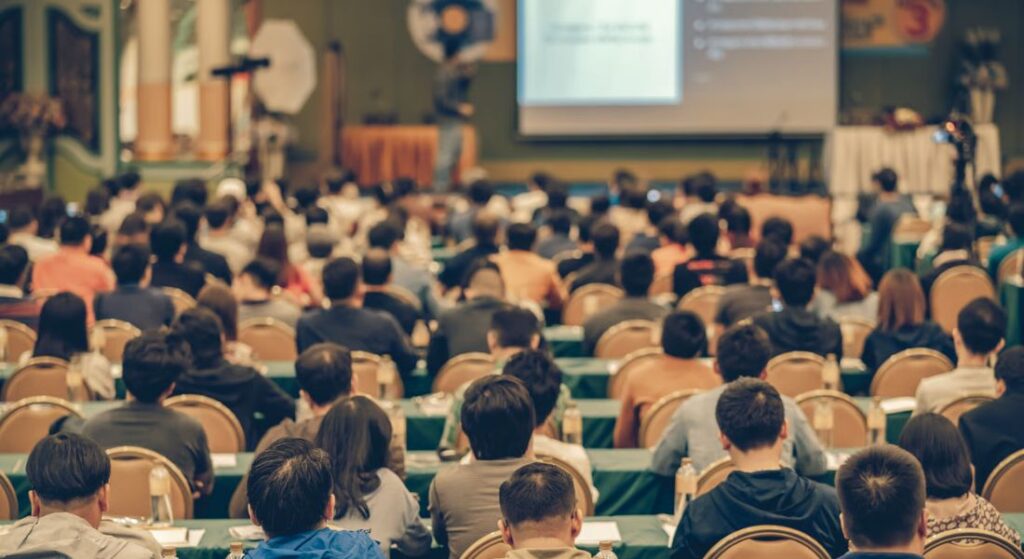
AMWC is one of the leading global aesthetic medicine conferences, and at the 2026 meeting you’ll find CO₂ laser resurfacing remained a central topic across dermatology and laser-focused sessions. You’ll see experts from different specialties coming together to discuss how this treatment continues to evolve, especially within the broader shift towards minimally invasive and more personalised aesthetic care. It’s very much still considered a key tool in skin rejuvenation discussions.
At AMWC 2026, you’ll notice a strong focus on refinements in fractional CO₂ laser technology and how treatment protocols are becoming more individualised. Specialists presented updates on personalised resurfacing approaches, improved scar management strategies, and ways to optimise recovery while maintaining strong clinical results. You’ll also hear increasing attention given to combining CO₂ lasers with regenerative treatments to support better healing and overall skin quality.
Another important theme you’ll come across is safety and suitability across different skin types, alongside efforts to improve outcomes while minimising downtime. You’ll see that clinicians are increasingly focused on balancing effectiveness with recovery experience, rather than simply aiming for aggressive resurfacing. Overall, the discussions at AMWC 2026 highlight how CO₂ laser resurfacing continues to evolve in a more refined, patient-centred direction, and why it remains such an important part of modern aesthetic dermatology.
Why CO₂ Laser Resurfacing Remains Important
Even with the rise of newer energy-based and non-invasive technologies, you’ll still hear at AMWC and other conferences that CO₂ laser resurfacing holds a strong and important place in aesthetic dermatology. Specialists often point out that fractional CO₂ lasers remain highly effective for improving skin texture, fine lines and wrinkles, acne scarring, photodamage, and overall skin quality.
You’ll notice a clear shift in how this treatment is now being discussed. Instead of focusing on aggressive skin removal, modern resurfacing is increasingly about finding the right balance between meaningful results and safer, more controlled healing. The aim is to achieve visible improvement while also reducing downtime and supporting a more comfortable recovery experience.
This evolving approach is shaping how CO₂ laser treatments are performed around the world. You’ll see a stronger emphasis on refined techniques, careful patient selection, and realistic expectations, all of which help ensure that results are both effective and natural-looking while fitting more smoothly into your lifestyle.
Fractional Technology Continued Leading Discussions
At AMWC 2026, you’ll notice that fractional resurfacing continued to be one of the central topics across many CO₂ laser sessions. Fractional lasers work by creating tiny, controlled treatment zones while leaving the surrounding skin intact, which you’ll often hear described as helping to support faster healing compared with older fully ablative techniques.
You’ll see experts focusing on how this fractional approach can stimulate effective skin remodelling while also reducing downtime and lowering the risk of complications in appropriately selected patients. The discussions usually highlight how important it is to adjust settings carefully based on your skin type, treatment area, and desired outcome.
Overall, fractional systems continue to dominate modern resurfacing because they offer a practical balance between meaningful rejuvenation and more manageable recovery expectations. You’ll notice that this balance is a key reason why fractional CO₂ laser technology remains so widely used and frequently refined in aesthetic dermatology today.
More Personalised Laser Treatment Protocols
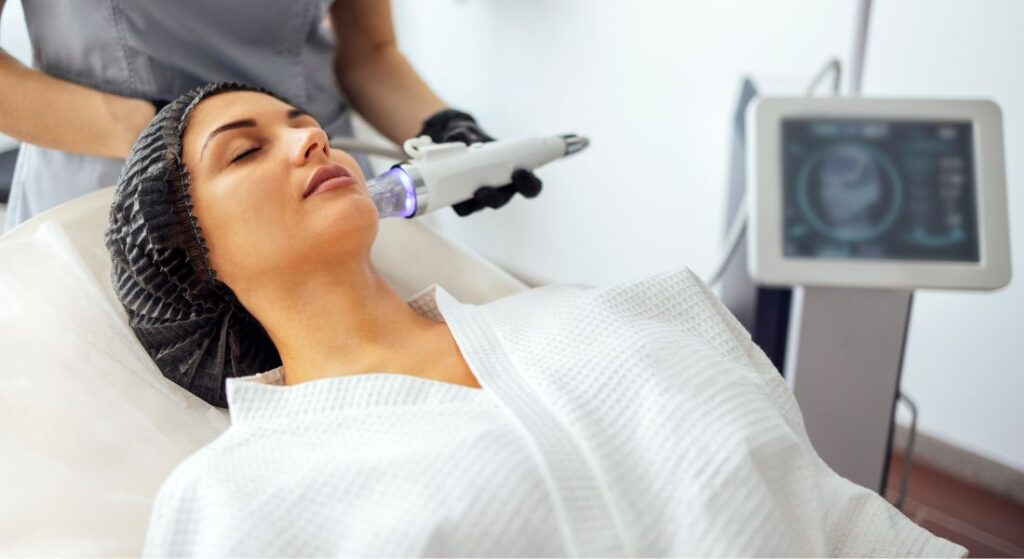
One of the strongest themes you’ll notice at AMWC 2026 is the move towards much more personalised treatment planning in CO₂ laser resurfacing. Specialists repeatedly emphasise that you shouldn’t be treated with a “one-size-fits-all” approach, and instead that settings should be carefully adjusted based on your skin type, age, treatment goals, scar severity, and how well your skin is likely to tolerate healing.
You’ll often hear clinicians discussing how factors like treatment density, pulse duration, and energy levels are now being tailored more precisely for each individual. Rather than relying on standard protocols, the aim is to fine-tune the procedure so it matches your specific skin needs and desired outcome, while also keeping safety and recovery in mind.
Overall, this shift reflects a much broader trend in aesthetic medicine towards personalised care. You’ll see that modern laser resurfacing is increasingly about adapting treatment to the individual rather than the condition alone, which helps create more balanced results and a more predictable healing experience.
Acne Scar Management Updates
At AMWC 2026, you’ll notice that acne scar treatment remained one of the most actively discussed applications of CO₂ laser resurfacing. A lot of the presentations focused on newer combination protocols designed to address different scar types, including rolling scars, boxcar scars, and mixed scar patterns, rather than relying on a single treatment approach.
You’ll often hear experts emphasising how CO₂ laser resurfacing is being combined with other techniques such as subcision, platelet-rich plasma, microneedling, and regenerative therapies. The idea is that by targeting scars from multiple angles, you can achieve more comprehensive improvement in skin texture and overall scar appearance.
At the same time, conference specialists consistently highlight the importance of setting realistic expectations and using a staged treatment plan for scar revision. You’ll see that gradual improvement over multiple sessions is often preferred, helping ensure safer healing and more natural-looking results over time.
Growing Interest in Combination Therapies
Combination treatment approaches were a major focus throughout Aesthetic & Anti-Aging Medicine World Congress 2026. Specialists increasingly discussed how CO₂ laser treatments can be used alongside other techniques such as regenerative medicine, injectable therapies, and advanced skin repair technologies. The overall goal is to create more balanced and comprehensive results rather than relying on a single treatment approach.
1. Combining Different Treatment Modalities: You may hear experts discuss how laser resurfacing can be paired with treatments like fillers, skin boosters, or regenerative therapies. Each modality works in a different way, targeting structure, volume, or skin texture. When used together appropriately, they may complement each other for improved overall outcomes.
2. Supporting Better Healing and Recovery: One key aim of combination therapy is to enhance healing quality after procedures. You may experience reduced downtime or improved skin recovery when treatments are carefully staged. Supporting the skin’s natural repair process is a central focus of modern planning.
3. Enhancing Overall Rejuvenation Results: Instead of focusing on a single concern, combination approaches aim to address multiple signs of ageing at once. You might benefit from improvements in texture, tone, and volume together. This can lead to a more natural and balanced rejuvenation outcome.
4. Shift Towards Multimodal Treatment Planning: International conferences highlight a growing trend towards personalised, multimodal aesthetic strategies. You are increasingly likely to see treatment plans that combine different technologies rather than using one standalone procedure. This reflects a more tailored and modern approach to facial rejuvenation.
Combination therapies therefore represent a key evolution in aesthetic medicine. By integrating multiple treatment types, clinicians aim to improve results, recovery, and overall patient satisfaction. You benefit from more personalised planning that considers different aspects of skin ageing together.
Regenerative Medicine and CO₂ Lasers
At AMWC 2026, you’ll notice that regenerative aesthetics received a lot of attention, especially in relation to CO₂ laser resurfacing. Researchers and clinicians discussed how treatments like exosomes, platelet-rich plasma, growth factors, and stem-cell-related approaches might be combined with laser procedures to enhance post-treatment skin repair and healing.
You’ll often hear the idea that these regenerative therapies could help support collagen remodelling and improve tissue recovery after resurfacing. While some of these options are still considered investigational, conference discussions reflected a growing curiosity about how they might be integrated into routine aesthetic practice in the future.
Overall, you’ll see that regenerative medicine is becoming increasingly embedded within aesthetic dermatology. Rather than being viewed as separate treatments, these approaches are now often discussed as complementary tools that could potentially enhance results and support better long-term skin quality following CO₂ laser procedures.
Focus on Collagen Stimulation
At AMWC 2026, you’ll notice that collagen stimulation remained one of the central themes throughout CO₂ laser resurfacing discussions. You’ll often hear specialists explain how CO₂ lasers create controlled thermal injury within the skin, which then triggers a natural healing response that supports collagen remodelling and gradual improvement in skin structure over time.
You’ll see a strong focus on how different energy settings, pulse durations, and treatment depths can influence collagen activity. These technical refinements are discussed in detail because even small adjustments can affect how your skin responds, both in terms of short-term healing and long-term texture improvement.
Overall, conference experts are increasingly moving towards a more conservative and refined philosophy. Instead of aiming for dramatic resurfacing effects, you’ll notice a preference for gradual, natural-looking rejuvenation that supports healthier collagen formation and more balanced skin quality over time.
Advances in Recovery Optimisation
At AMWC 2026, you’ll notice that recovery optimisation was a key topic in CO₂ laser resurfacing discussions. Specialists increasingly focused on how to make the healing phase more comfortable and efficient, with less redness, swelling, and post-treatment discomfort, while still maintaining strong clinical results.
You’ll often hear about newer approaches such as barrier repair skincare, anti-inflammatory topical support, cooling techniques, and structured post-procedure recovery protocols. These strategies are designed to support your skin’s healing process more effectively and help you return to normal activities with improved comfort and confidence.
Overall, modern resurfacing is increasingly aimed at balancing visible skin improvement with shorter downtime. You’ll see a clear shift towards recovery-focused planning, where post-treatment care is considered just as important as the procedure itself in achieving safe, consistent, and high-quality outcomes.
Lower-Downtime Treatment Trends
One of the key trends highlighted at AMWC 2026 was the growing demand for lower-downtime resurfacing treatments. You’ll notice that more patients today prefer treatments that allow them to return to daily life quickly, rather than more aggressive procedures that involve longer recovery periods. There’s a clear shift towards gradual, natural-looking improvement instead of intensive single-session interventions.
In response, experts have been discussing how you can use lighter fractional resurfacing protocols to still achieve meaningful clinical improvement. These approaches aim to balance efficacy with comfort, helping you reduce recovery time while maintaining good treatment outcomes. The focus is increasingly on tailoring energy levels and treatment depth so you can optimise results without overwhelming the skin.
Overall, this trend reflects a broader change in patient expectations within aesthetic medicine. You’ll see that people are now more informed and more cautious about downtime, often prioritising convenience alongside results. As a result, treatment planning is becoming more personalised, with a stronger emphasis on long-term maintenance and patient lifestyle compatibility.
Skin Safety in Diverse Skin Types
Skin safety in darker skin tones is an increasingly important focus at international dermatology conferences. You’ll often hear specialists emphasising how risks such as post-inflammatory hyperpigmentation can vary significantly across different skin types. Because of this, treatment approaches need to be carefully adapted rather than using a one-size-fits-all protocol.
At these meetings, experts frequently discuss how you can optimise safety by adjusting energy settings, selecting appropriate treatment depths, and tailoring overall laser parameters more conservatively when needed. There’s also growing attention on patient preparation, such as priming the skin before procedures, as well as structured post-treatment care to reduce the likelihood of pigmentation complications.
Overall, you’ll notice a strong shift towards more inclusive laser education in global dermatology. Conferences are increasingly highlighting the importance of understanding skin diversity in everyday practice, helping you make safer, more individualised treatment decisions for patients with all skin types.
Periorbital and Neck Rejuvenation Techniques
At AMWC 2026, you’ll notice there was strong interest in treating delicate areas such as the periorbital region and neck using fractional CO₂ lasers. These areas need a particularly careful approach because the skin is thinner, more fragile, and more prone to irritation or complications compared with other parts of the face.
Experts discussed how you can achieve meaningful improvement using conservative resurfacing techniques that prioritise safety and control. The focus is often on carefully adjusting energy settings and treatment depth so you can target fine lines, crepey texture, and early skin laxity without over-treating sensitive tissue. This balanced approach helps you maintain effectiveness while reducing downtime and complication risk.
Overall, precision-based treatment in these anatomically delicate areas is continuing to evolve. You’ll see a growing emphasis on customised protocols that allow you to refine results gradually, rather than relying on more aggressive resurfacing, making outcomes safer and more predictable over time.
Artificial Intelligence and Skin Imaging
Technology integration was a growing focus at AMWC 2026, with strong interest in how digital imaging systems and artificial intelligence could support dermatological practice. You’ll often hear researchers discussing how these tools may help you with skin analysis, treatment planning, and more structured monitoring of patient progress over time.
One of the key areas being explored is how AI-supported analysis could eventually allow you to assess changes in skin texture and resurfacing outcomes in a more objective and consistent way. Instead of relying solely on visual judgement, these systems aim to provide measurable insights that may help you refine treatment decisions and track results more accurately.
Although these technologies are still in development, you’ll notice they’re attracting increasing attention at major conferences like AMWC 2026. The overall direction suggests that AI will gradually become more integrated into clinical workflows, helping you combine traditional expertise with data-driven support tools in aesthetic dermatology.
Combination Treatment with Injectables
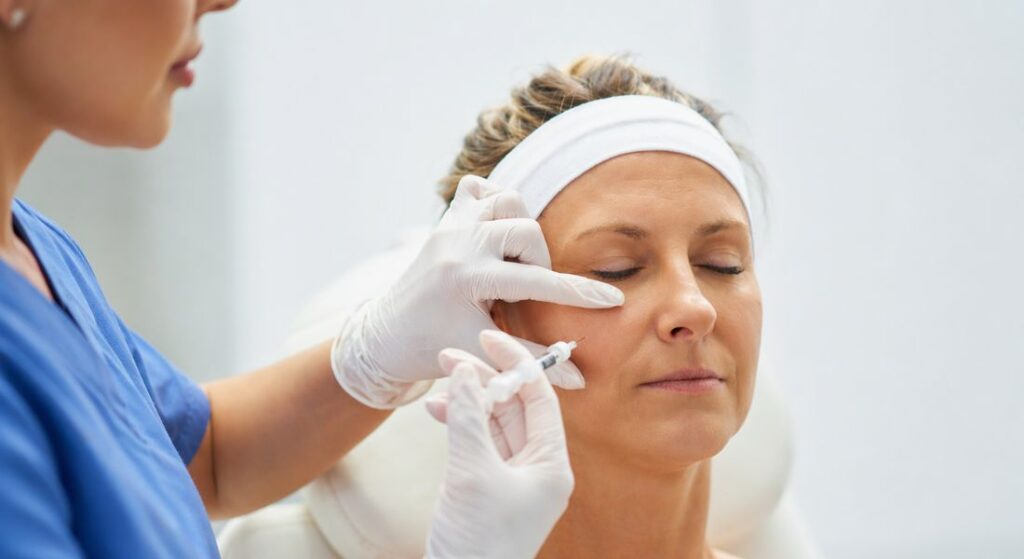
Combination approaches using CO₂ laser resurfacing alongside injectable treatments were widely discussed at Aesthetic & Anti-Aging Medicine World Congress 2026. Specialists increasingly focus on how different treatments can work together to address multiple signs of ageing at the same time, rather than treating each concern in isolation. You’ll often hear this referred to as a multimodal approach to facial rejuvenation.
1. Addressing Multiple Layers of Ageing: You may benefit from combining laser resurfacing with injectables because each treatment targets different aspects of ageing. CO₂ lasers mainly improve skin texture and surface quality, while injectables can support volume, hydration, or muscle-related lines. Together, they may create a more balanced overall result.
2. Biostimulators and Skin Quality Improvement: Treatments such as biostimulators and skin boosters are often discussed alongside laser procedures. These injectables aim to improve collagen support and hydration within the skin. When used appropriately, they may enhance overall skin quality over time.
3. Neuromodulators for Dynamic Wrinkles: Neuromodulators are sometimes combined with laser resurfacing to address expression lines caused by muscle movement. While lasers improve skin texture, injectables can reduce repetitive wrinkle formation. This combination may help achieve smoother and more refined results.
4. Personalised, Layered Treatment Planning: You are increasingly likely to see treatment plans tailored across different skin layers and ageing concerns. This means combining techniques based on whether the issue is texture, volume loss, or dynamic movement. Multimodal planning allows for a more individualised approach to rejuvenation.
Combination treatment with injectables reflects a growing shift towards more comprehensive aesthetic planning. Rather than relying on a single procedure, clinicians aim to integrate different technologies for more complete results. You benefit from this approach through more targeted, layered, and personalised treatment strategies.
Managing Complications More Effectively
At AMWC 2026, complication management remained a key educational focus, and you’ll notice there was a strong emphasis on being open and practical about real-world challenges. Experts discussed issues such as pigmentation changes, infection risk, prolonged redness, delayed healing, and scarring that can sometimes occur following resurfacing procedures.
A major takeaway for you is the importance of early recognition and timely intervention. You’ll often hear that careful patient selection plays a huge role in reducing risks from the outset. Alongside this, structured postoperative care is repeatedly highlighted as essential, helping you support better healing and improve overall safety outcomes in clinical practice.
Overall, the open discussion of complications is seen as a positive step within the field. You’ll find that sharing these experiences at conferences helps strengthen professional learning, refine treatment protocols, and ultimately improve patient safety standards across aesthetic dermatology.
Male Laser Rejuvenation Trends
Male aesthetic dermatology is becoming an increasingly prominent topic at conferences, and you’ll notice more attention being given to how men are now actively seeking resurfacing treatments. Common concerns you’ll hear discussed include acne scarring, enlarged pores, sun damage, and overall improvement in skin texture, with a growing preference for subtle, natural-looking results.
For you as a practitioner or observer of these trends, it’s important to recognise that male skin can behave differently during treatment. You’ll often hear experts point out that it tends to be thicker, with higher oil production and a slightly different healing response compared to female skin. Because of this, treatment parameters and expectations may need to be adjusted to achieve balanced, predictable outcomes.
Overall, the focus in male rejuvenation discussions remains firmly on refinement rather than obvious change. You’ll see a clear preference for understated improvements that enhance skin quality without altering natural facial character, reflecting the broader shift towards discreet and confidence-focused aesthetic treatments.
Long-Term Skin Health Approaches
At AMWC discussions, there’s an increasing shift towards thinking about long-term skin health rather than focusing only on individual procedures. You’ll notice experts are now framing resurfacing as part of a broader maintenance strategy, where it sits alongside skincare routines, sun protection, collagen support, and ongoing prevention rather than being seen as a standalone solution.
For you in clinical practice or when following these developments, this means CO₂ laser resurfacing is being positioned more as a tool for continuous skin optimisation. You’ll often hear discussions about how results can be enhanced and sustained by combining in-clinic treatments with consistent at-home care, rather than relying on a single intensive session to do all the work.
Overall, this reflects a more holistic direction in aesthetic dermatology. You’ll see that the focus is shifting towards preserving skin quality over time, improving resilience, and building long-term treatment plans that support healthier ageing in a more gradual and balanced way.
Ethical Discussions Around Resurfacing Treatments
At AMWC 2026, ethical considerations were a consistent theme running through many sessions. You’ll notice a growing focus on how social media can sometimes create unrealistic expectations around resurfacing treatments, leading patients to expect faster, more dramatic results than are actually achievable. This has prompted stronger conversations around honesty and responsibility in aesthetic practice.
For you as a clinician or someone following these developments, there’s a clear emphasis on avoiding overtreatment and ensuring patients fully understand what is realistically possible. Experts repeatedly highlight the importance of careful patient counselling, where you take time to explain recovery timelines, limitations of treatment, and the gradual nature of visible improvement.
Overall, ethical practice is being positioned as a core pillar of modern aesthetic medicine. You’ll see that the goal is not just to achieve good results, but to communicate clearly, manage expectations responsibly, and guide patients towards safe, evidence-based decisions rather than hype-driven choices.
Advances in Device Precision
Advances in laser technology were a major focus in conference exhibitions, with manufacturers showcasing improvements in how modern devices deliver energy to the skin. At Aesthetic & Anti-Aging Medicine World Congress 2026, specialists discussed how refinements in pulse control, scanning systems, and treatment customisation are helping to make resurfacing procedures more precise and predictable. You’ll often see these developments described as part of a wider shift towards safer, more controlled aesthetic treatments.
1. Improved Pulse and Energy Control: You may benefit from newer laser systems that allow more precise control over how energy is delivered to the skin. Better pulse modulation helps clinicians adjust treatment intensity more accurately for different skin types and concerns. This can improve consistency and reduce variability in outcomes.
2. Enhanced Scanning Systems: Modern devices now use more advanced scanning patterns to distribute laser energy more evenly. This helps ensure that treated areas receive uniform coverage. More controlled scanning can also reduce the risk of uneven healing or patchy results.
3. Reduced Thermal Injury to Surrounding Skin: One of the key goals of improved device precision is to limit unnecessary heat spread into surrounding tissues. You may experience less downtime and reduced risk of unwanted side effects when energy delivery is more controlled. This supports safer overall treatment outcomes.
4. Greater Customisation for Individual Patients: Newer systems allow treatments to be tailored more closely to your specific skin condition and treatment goals. Parameters such as depth, density, and energy levels can be adjusted more precisely. This supports a more personalised and targeted approach to resurfacing.
Advances in device precision are helping to make laser resurfacing safer, more consistent, and more predictable. As technology continues to evolve, you can expect even greater control over treatment delivery and recovery outcomes. These improvements reflect a broader move towards safer, more refined aesthetic procedures.
Why AMWC Discussions Matter for Patients
Even though you may never attend AMWC yourself, the discussions held there can still have a very real impact on the care you receive. You’ll find that dermatologists and aesthetic specialists use insights from these conferences to refine their techniques, stay updated with emerging research, and adopt safer, more effective approaches to laser resurfacing in everyday practice.
For you as a patient, this kind of international collaboration matters because it helps specialists compare long-term outcomes and learn from real-world clinical experience across different countries. You benefit from shared knowledge about what works best, what needs caution, and how to reduce risks while improving results over time.
Ultimately, these educational meetings help shape more evidence-based and safer aesthetic care. You’ll notice that the continuous exchange of ideas at conferences like AMWC contributes to better treatment standards, more consistent outcomes, and a more responsible approach to how procedures like laser resurfacing are planned and delivered.
The Future of CO₂ Laser Resurfacing
At recent conferences, you’ll notice a clear direction emerging for the future of CO₂ laser resurfacing. The focus is steadily shifting towards more personalised treatment plans, where you can tailor energy settings, depth, and technique to suit individual skin needs rather than relying on a standardised approach. There’s also growing interest in combining resurfacing with regenerative therapies, helping you enhance healing and potentially improve overall outcomes.
Another key trend you’ll see discussed is the move towards lower downtime and safer protocols, particularly for a wider range of skin types. Advanced imaging and digital assessment tools are also being explored, allowing you to plan treatments more precisely and monitor results in a more objective way. This combination of technology and technique is helping make procedures more controlled and predictable.
Overall, the future of CO₂ laser resurfacing is moving away from purely aggressive approaches and towards gradual, layered rejuvenation. You’ll find that the emphasis is increasingly on long-term skin quality improvement rather than quick, one-off results. As a result, CO₂ laser technology continues to evolve in line with the broader shift in aesthetic medicine towards personalised, minimally invasive, and more sustainable treatment strategies.
FAQs:
1. What is CO₂ laser resurfacing and why is it discussed at AMWC 2026?
CO₂ laser resurfacing is a treatment that improves skin texture, scars, wrinkles, and overall skin quality. At AMWC 2026, experts discussed how the technology is becoming more refined and personalised. You benefit because these updates improve safety and results. It remains a key tool in modern aesthetic dermatology.
2. Why is fractional CO₂ laser technology so important?
Fractional CO₂ lasers treat small sections of skin while leaving surrounding tissue intact. This helps your skin heal faster compared to older methods. It also reduces downtime while still improving scars and texture. That balance makes it widely used in modern practice.
3. How are CO₂ laser treatments becoming more personalised?
Treatments are now tailored based on your skin type, concerns, and healing ability. Doctors adjust energy levels, depth, and density for each person. This makes results safer and more predictable. It ensures your treatment is designed specifically for your skin.
4. Can CO₂ lasers treat acne scars effectively?
Yes, CO₂ lasers are widely used for acne scar improvement. They often work best when combined with treatments like subcision or microneedling. You may need multiple sessions for gradual improvement. Results can be significant but not instant.
5. How do CO₂ lasers improve skin tightening?
The laser creates controlled heat that stimulates collagen production in your skin. Over time, this helps improve firmness and elasticity. You may notice gradual tightening as your skin heals. Results depend on your skin type and treatment settings.
6. Why is recovery time important in CO₂ laser treatments?
Your skin needs time to heal after resurfacing, which is why recovery is important. Modern techniques aim to reduce redness, swelling, and downtime. You may still need a few days or weeks of healing. Proper aftercare helps improve comfort and results.
7. Are combination treatments common with CO₂ lasers?
Yes, CO₂ lasers are often combined with injectables, PRP, or regenerative treatments. This helps improve healing and overall skin quality. You may benefit from a more complete rejuvenation approach. However, treatments must be carefully planned for safety.
8. Is CO₂ laser safe for all skin types?
CO₂ lasers can be used on many skin types, but settings must be adjusted carefully. Some skin tones have a higher risk of pigmentation changes. You are always assessed individually before treatment. This helps ensure safer and more suitable outcomes.
9. What role does technology play in CO₂ laser advancements?
Modern devices offer better precision, energy control, and safety features. This helps doctors treat your skin more accurately and reduce risks. You benefit from more consistent and controlled results. Technology continues to make treatments safer and more refined.
10. What is the future of CO₂ laser resurfacing?
The future is moving towards more personalised, safer, and lower-downtime treatments. You can expect better combination therapies and improved recovery support. Results will focus on natural, long-term skin quality. The overall direction is more refined and patient-centred care.
Final Thoughts: Why CO₂ Laser Resurfacing Continues to Evolve
CO₂ laser resurfacing remains one of the most important treatments in aesthetic dermatology, and conferences like AMWC 2026 highlight just how much it continues to evolve. You’ll see a clear shift towards more personalised treatment protocols, improved device precision, and a stronger focus on balancing results with safer, lower-downtime recovery. For you, this means treatments are becoming more refined, predictable, and better tailored to your individual skin needs.
Another key takeaway is how modern CO₂ laser practice is no longer just about aggressive resurfacing, but about long-term skin quality, combination therapies, and regenerative support. You’ll notice increasing emphasis on natural-looking outcomes, careful patient selection, and technology-driven precision that helps improve both safety and effectiveness. If you’re thinking about CO₂ laser treatment in London, you can get in touch with us at the London Medical & Aesthetic Clinic.
References:
1. Singh, A. et al. Fractional CO₂ laser resurfacing for atrophic facial acne scars: prospective clinical study showing significant improvement in Goodman & Baron scar scores after multiple sessions. https://pmc.ncbi.nlm.nih.gov/articles/PMC10298618/
2. Zhang, D. et al. The efficacy of fractional CO₂ laser in acne scar treatment: meta-analysis showing consistent clinical improvement across multiple controlled studies. https://www.mdpi.com/2073-4360/18/2/193
3. Wang, et al. (MDPI Polymers Journal). Fractional laser-assisted skin remodeling and collagen stimulation: evaluation of ablative CO₂ laser effects on dermal extracellular matrix regeneration. https://www.mdpi.com/2073-4360/17/16/2216
4. Zhang, X. et al. Efficacy and adverse reactions of fractional CO₂ laser for atrophic acne scars: A large retrospective analysis showing significant scar improvement. https://pubmed.ncbi.nlm.nih.gov/35181995/
5. Richichi, C. et al. Assessment of CO₂ plus 1540 nm laser wavelengths in skin resurfacing: Safety profile included mild erythema and oedema. https://www.mdpi.com/1648-9144/59/10/1857