



Lanluma has become one of the most frequently discussed collagen-stimulating treatments at international aesthetic conferences. You would have heard experts explaining that, as regenerative aesthetics continues to gain momentum, there is growing interest in treatments that work with the body’s natural biological processes rather than relying solely on immediate volume enhancement. This shift is helping shape how practitioners view the future of aesthetic medicine.
Across major meetings such as IMCAS and other global aesthetic conferences, discussions increasingly focus on long-term tissue quality, collagen regeneration, and personalised treatment planning. You may find it interesting that many experts believe patients are becoming more interested in gradual, natural-looking improvements that develop over time. These changing expectations are influencing future treatment strategies across the industry.
Conference speakers also highlight the growing importance of evidence-based practice. You are likely to hear discussions about how expanding clinical experience and emerging research are helping practitioners refine patient assessment, treatment planning, and outcome evaluation. This continued focus on research is expected to influence how Lanluma treatments are used and developed in the future.
While no one can predict the future with complete certainty, several clear trends have emerged from international conference discussions. You may find these insights valuable because they offer a clearer understanding of how Lanluma may continue to evolve within the wider movement towards regenerative, personalised, and scientifically driven aesthetic medicine.
Regenerative Aesthetics Will Continue to Expand
One of the strongest themes emerging from international conferences is the continued growth of regenerative aesthetics. You would have heard experts describing regenerative medicine as one of the most important developments in aesthetic practice, with increasing interest in treatments that support the body’s natural renewal processes.
Rather than focusing solely on cosmetic correction, practitioners are increasingly exploring treatments that encourage natural tissue regeneration and long-term improvement. You may find it interesting that this shift is expected to influence treatment choices and patient preferences for many years to come.
Lanluma is frequently positioned within this regenerative category because of its collagen-stimulating properties. You are likely to hear experts discussing its role in supporting gradual, natural-looking improvements that align with the wider goals of regenerative aesthetics.
Collagen Stimulation Will Remain a Priority
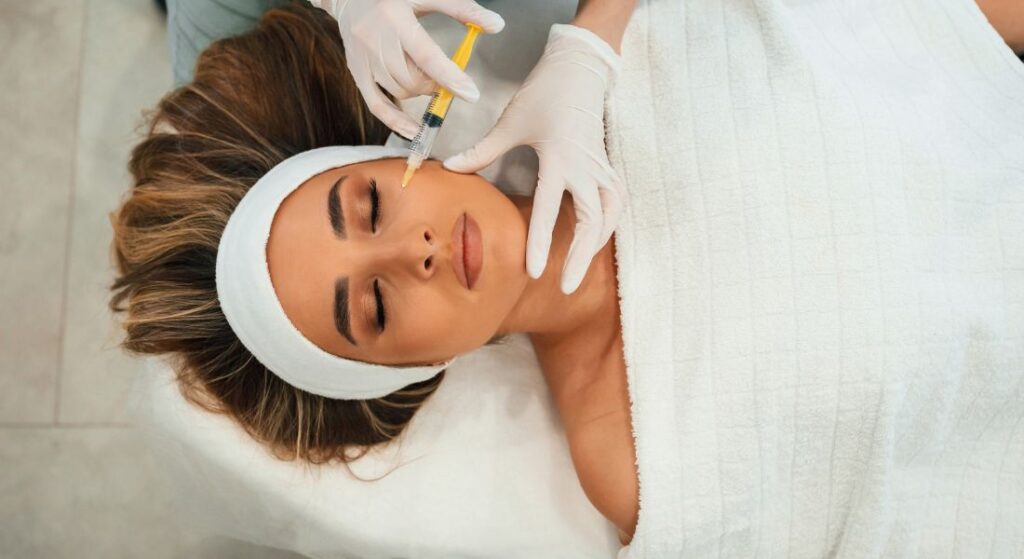
Conference speakers consistently identify collagen stimulation as a major focus for future treatment development. You would have heard experts explaining that healthy collagen plays an essential role in maintaining skin quality, firmness, and structural support over time.
As patients increasingly seek longer-lasting and natural-looking improvements, treatments that encourage the body’s own collagen production are attracting growing interest. You may find it interesting that many experts believe this trend will continue as regenerative aesthetics becomes more widely adopted.
Lanluma’s mechanism of action aligns closely with this growing demand. You are likely to hear practitioners discuss its collagen-stimulating properties as one of the reasons it continues to attract attention at international conferences and within future treatment discussions.
Personalised Treatment Planning Will Increase
Personalisation is becoming a central theme throughout aesthetic medicine. You would have heard experts explaining that every patient has unique goals, anatomy, lifestyle factors, and expectations, making individual assessment increasingly important.
Future treatment planning is expected to become even more tailored to each person’s specific needs. You may find it interesting that practitioners are placing greater emphasis on creating customised treatment strategies rather than relying on standardised approaches.
This shift is likely to influence how Lanluma treatments are delivered in the future. You are more likely to benefit from treatment plans that are designed around your individual objectives, helping to achieve more personalised and natural-looking outcomes.
Combination Treatments Will Become More Common
Combination treatments are becoming more popular in aesthetic medicine because you often get better results when different approaches are used together. Instead of relying on just one treatment, your practitioner may combine methods to target multiple concerns at the same time. This helps you achieve a more balanced and natural-looking outcome. It also allows your treatment plan to be more tailored to your needs.
1. More complete results for you: When treatments are combined, you can address more than one concern at once, such as volume loss, skin quality, and firmness. This gives you a more overall improvement rather than focusing on just one issue.
2. A treatment plan designed around you: Your practitioner can personalise combinations based on what your skin actually needs. This means your results are more specific and better suited to your individual goals.
3. Treatments can work better together: Some procedures complement each other, meaning they can enhance your overall results when used in combination. This can help you achieve a more natural and refreshed appearance.
4. A growing trend in modern aesthetics: You’ll find that many experts are now discussing combination treatments as the future of aesthetic medicine. It reflects a shift towards more advanced and thoughtful treatment planning.
5. Lanluma often included in combination plans: Lanluma is often used as part of these combined approaches because it helps improve collagen production and skin quality alongside other treatments.
Overall, combination treatments are becoming an important part of modern aesthetic care. You’re likely to see more practitioners using them as standard practice rather than an advanced option. They allow you to achieve results that are more balanced, natural, and long-lasting. As techniques continue to improve, you can expect even more refined and personalised treatment combinations in the future.
Tissue Quality Will Receive Greater Attention
Historically, many aesthetic treatments have focused mainly on adding volume or improving contour. However, at recent conferences you will notice a clear shift towards focusing on the quality and health of your tissue. Experts now highlight that long-term results depend just as much on skin strength and structure as on visible changes.
You will also hear that treatment success is increasingly measured by improvements in your skin condition rather than just surface results. This reflects a change in thinking, where practitioners are paying more attention to how your skin behaves over time. The aim is to achieve results that look more natural and last longer.
Lanluma is often mentioned in these discussions because of its regenerative approach to collagen stimulation. It is seen as an example of treatments that go beyond simple volume enhancement. Instead, the focus is on improving your body’s own collagen response to support better tissue quality.
Patient Education Will Become More Important
As aesthetic treatments become more advanced, you will notice that patient education is becoming increasingly important. When you fully understand your treatment, it becomes easier to set realistic expectations about results. Clear communication also helps you feel more confident and informed throughout your journey.
At conferences, experts often highlight the importance of explaining how regenerative treatments actually work. You will hear discussions around how results develop gradually rather than instantly, especially with collagen-stimulating procedures. This helps you understand the natural timeline of improvement and avoid expecting immediate changes.
This educational approach is expected to remain a key part of future consultations. Practitioners are placing more focus on making sure you clearly understand benefits, limitations, and recovery. Ultimately, this helps you make better-informed decisions and feel more satisfied with your treatment outcomes.
Evidence-Based Practice Will Continue to Grow
You will notice that researchers and practitioners are placing more and more importance on evidence-based decision-making in aesthetic medicine. At conferences, experts often stress that new treatments should be supported by strong clinical data before they are widely used. This helps ensure that what you are offered is backed by real results rather than passing trends.
As more studies become available, you will likely see treatment protocols becoming more refined and standardised. This can help improve consistency in how treatments are delivered across different clinics. It also means you can expect more predictable outcomes, giving you a clearer idea of what results may look like for you.
Lanluma is likely to benefit from this growing focus on scientific evidence. As research continues to develop, it helps strengthen understanding of how it works in regenerative aesthetics. For you, this means greater confidence in how it may be used as part of a treatment plan.
Natural-Looking Results Will Drive Demand

Many experts predict that patients will continue moving away from dramatic aesthetic changes in the years ahead. You would have heard conference speakers explaining that subtle enhancement and natural-looking outcomes are increasingly becoming the preferred treatment goals for many individuals.
Conference discussions frequently highlight the importance of preserving your natural appearance while supporting improvements in tissue quality and overall balance. You may find it interesting that this shift reflects changing patient expectations and a growing preference for results that appear refined rather than obvious.
Lanluma fits well within this trend because its results develop gradually over time. You are likely to hear experts describe this progressive approach as one of the reasons it continues to attract interest within the evolving field of regenerative aesthetics.
Advanced Assessment Techniques Will Emerge
Patient assessment is becoming much more advanced in aesthetic medicine, and experts believe it will continue to improve in the coming years. New technologies are being developed that can help your practitioner assess your skin quality, tissue condition, and treatment suitability with far greater accuracy. This means your treatment plan can be designed more precisely around your individual needs. Ultimately, this can lead to more consistent and reliable results.
1. More detailed analysis of your skin: New assessment tools can give your practitioner a clearer picture of your skin and underlying tissue. Instead of relying only on what can be seen on the surface, they can better understand what is happening beneath.
2. More personalised treatment planning for you: With improved assessment methods, your treatment plan can be tailored more closely to your specific concerns. This helps you get a more targeted and effective approach rather than a general one.
3. Better safety and suitability decisions: Advanced techniques can help determine whether a particular treatment is right for you. This reduces the chance of unsuitable procedures and supports safer outcomes overall.
4. Technology shaping the future of aesthetics: You’ll notice more use of tools like AI, imaging systems, and digital analysis in consultations. These innovations are helping practitioners make more informed decisions about your care.
Overall, advanced assessment techniques are making aesthetic treatments more precise and personalised for you. You can expect your practitioner to rely more on detailed data rather than guesswork when planning your treatment. This leads to better suitability, improved safety, and more predictable results. As these technologies continue to develop, your treatment journey is likely to become even more refined and tailored to you.
Artificial Intelligence May Support Planning
You will increasingly hear artificial intelligence being discussed at aesthetic and medical conferences. Experts believe AI may eventually support practitioners in treatment planning and patient assessment. This could help make evaluations more structured and efficient for you as a patient.
These tools may also assist in analysing large amounts of clinical information more quickly and accurately. This can improve decision-making and allow for more personalised treatment planning based on your needs. However, clinical judgement will always remain essential in ensuring safe and appropriate care for you.
Overall, AI integration in aesthetic medicine is expected to grow gradually over time. You will likely see it being used as a supportive tool rather than replacing human expertise. This means your treatment planning will still rely on specialist assessment, with AI simply helping to enhance accuracy and efficiency.
Long-Term Outcomes Will Become More Important
You will notice that conference speakers are increasingly highlighting how patients are more interested in long-term results rather than just short-term improvements. Instead of focusing only on immediate changes, there is a growing emphasis on how treatments perform over months and even years. This shift reflects a stronger preference for sustainable and natural-looking outcomes for you.
Future research is expected to focus heavily on understanding these long-term treatment effects in more detail. This will help practitioners better evaluate how different procedures perform over time and how results can be maintained. As a result, you can expect more evidence-based decisions that take durability and consistency into account when planning your treatment.
Lanluma is often discussed in this context because of its gradual and longer-lasting approach to improvement. It is frequently highlighted in conferences as an example of a treatment that works progressively rather than instantly. This makes it relevant to the growing focus on outcomes that develop naturally and last longer for you.
Practitioner Training Will Continue to Expand
You will notice that education remains one of the most important focuses at aesthetic conferences. Experts consistently emphasise that proper training is essential for ensuring safe, effective, and consistent treatment outcomes for you. This is especially important as techniques and technologies continue to evolve in the field.
As treatments become more advanced, practitioners will need ongoing education to stay updated with the latest best practices. You will often hear that continuous professional development is no longer optional, but a key part of maintaining high clinical standards. This helps ensure that your treatment is delivered safely and in line with current guidelines.
Lanluma is likely to remain a common topic within professional training programmes. It is frequently included in educational discussions because of its role in regenerative aesthetics and collagen stimulation. This ensures that practitioners understand how to use it appropriately to achieve safe and effective results for you.
Safety Will Remain a Core Focus
Safety is always a top priority in aesthetic medicine, and that is not expected to change as treatments continue to evolve. You’ll find that conference discussions consistently highlight the importance of careful patient assessment and responsible treatment planning. Even as new technologies and regenerative techniques develop, the focus remains on ensuring treatments are carried out safely and appropriately. This helps maintain trust and reliability in the field.
1. Careful patient assessment first: Before any treatment, your practitioner will assess your suitability thoroughly. This helps make sure the procedure is right for you and reduces the risk of complications.
2. Responsible treatment planning for you: Treatments are planned with your safety in mind, not just results. Your practitioner will consider your skin type, medical history, and goals before recommending anything.
3. High clinical standards remain essential: You can expect strict protocols and guidelines to continue guiding aesthetic practice. These standards help ensure treatments are performed safely and consistently.
4. Ongoing focus in conferences and training: Experts regularly emphasise safety in professional meetings and training sessions. This ensures practitioners stay updated with best practices and new safety developments.
Overall, safety will always remain at the centre of aesthetic treatments, no matter how advanced the technology becomes. You can feel reassured that responsible practice and proper assessment will continue to guide every treatment decision. As the field grows, maintaining high standards will remain essential to achieving safe and effective results for you.
Global Collaboration Will Influence Innovation

You will notice that international conferences play a major role in encouraging collaboration between practitioners from different countries. This sharing of knowledge helps bring together a wide range of clinical experiences and treatment approaches. As a result, innovation in aesthetic medicine often moves forward more quickly and effectively.
Experts also benefit from learning how treatments are used in different clinical settings around the world. These discussions allow you to see how techniques may vary and what outcomes are being achieved in different populations. Over time, these exchanges contribute to continuous improvements in both safety and effectiveness.
Lanluma is frequently part of these global discussions due to its growing role in regenerative aesthetics. You will often find it being evaluated and compared across different treatment protocols internationally. This broader perspective helps refine understanding of how it can best be used to support consistent and natural-looking results for you.
Longevity-Focused Aesthetics Will Grow
You will notice a growing number of discussions at conferences focusing on longevity rather than just traditional anti-ageing. Experts are increasingly interested in how to maintain healthy, functioning tissues over a longer period of time. This shift reflects a more proactive approach to ageing, where the goal is to support your skin and underlying structure rather than only treating visible signs.
This approach aligns closely with regenerative medicine principles, which focus on improving how your body repairs and maintains itself. You will often hear that this represents a broader change happening across healthcare, not just aesthetics. Instead of quick fixes, the emphasis is now on long-term tissue health and sustained improvement for you.
Lanluma is often mentioned in relation to this shift towards longevity-based treatment strategies. It is seen as part of the movement towards encouraging gradual collagen stimulation and longer-lasting results. This makes it relevant to the growing focus on treatments that support your skin’s quality and resilience over time.
Demand for Minimally Invasive Treatments Will Increase
You will notice that patients are increasingly looking for treatments that involve minimal disruption to their daily lives. At conferences, experts regularly highlight the growing demand for non-surgical and less invasive aesthetic options. This reflects a clear preference for treatments that are effective but still allow you to return to normal activities quickly.
Experts also predict that this trend will continue to grow in the future. Convenience is a major factor, but so is the desire for natural-looking results that don’t require extensive downtime. You will often hear that patients now want improvements that feel subtle, gradual, and easy to maintain alongside their lifestyle.
Lanluma is frequently discussed within this wider movement towards minimally invasive aesthetics. It is seen as part of the shift towards treatments that stimulate your body’s own regenerative processes rather than relying on surgical intervention. This makes it relevant to the ongoing focus on convenience, natural outcomes, and long-term tissue improvement.
Holistic Aesthetic Approaches Will Expand
You will notice that many conference speakers are now discussing how aesthetics is becoming more closely linked with wellness and overall health. Instead of viewing treatments in isolation, patients increasingly see aesthetic care as part of a broader wellbeing strategy. This shift reflects a more balanced approach where your appearance and general health are considered together.
Future treatment plans are expected to become more integrated, combining different aspects of skin health, lifestyle, and aesthetic improvement. You may find that practitioners take a more comprehensive view of your needs rather than focusing on a single concern. This helps create results that feel more natural and aligned with your overall wellbeing.
Holistic approaches are likely to become increasingly common in aesthetic medicine. You will see more emphasis on personalised care that considers both internal health and external appearance. Ultimately, this reflects changing expectations where you are looking for treatments that support both confidence and overall quality of life.
Technology Will Continue to Shape Consultations
Technology is becoming a bigger part of aesthetic consultations, and you’ll notice this continues to grow in the coming years. Digital imaging and advanced assessment tools are helping practitioners understand your skin in much more detail than before. Planning software is also making it easier to design treatment plans that are tailored specifically to you. As these tools improve, your consultation experience is likely to feel more visual, detailed, and personalised.
1. More detailed visual assessments for you: Digital imaging allows your practitioner to look closely at your skin condition and underlying structure. This helps you understand your concerns more clearly during the consultation.
2. Clearer treatment planning: Advanced software can map out potential treatment plans so you can see what may be achievable. This makes it easier for you to understand the expected outcome before committing.
3. Better communication between you and your practitioner: Visual tools help explain complex treatments in a simple way. You can see images, simulations, or progress projections, which makes discussions more straightforward.
4. More realistic expectations for results: With improved visualisation, you are less likely to have uncertainty about outcomes. This helps you make more confident and informed decisions.
5. Growing use of AI and smart tools: Many clinics are beginning to use AI-driven systems to support consultation planning. These tools help refine recommendations based on your individual needs.
Overall, technology is making consultations much more interactive and informative for you. You can expect a clearer understanding of your treatment journey before anything even begins. This helps you feel more confident and involved in your decisions. As these tools continue to develop, your consultations are likely to become even more personalised, visual, and accurate.
Research Into Regenerative Therapies Will Accelerate
You will notice that conference speakers are consistently highlighting how quickly research in regenerative medicine is growing. Scientists are increasingly focused on finding better ways to support your body’s natural tissue repair and regeneration processes. This expanding research base is helping you benefit from more advanced and refined treatment approaches over time.
As more studies emerge, you can expect treatment protocols to become even more precise and tailored to your individual needs. This ongoing development helps improve both safety and effectiveness, giving you more predictable outcomes. It also means that future treatments are likely to be based on stronger and more detailed scientific evidence.
Lanluma is expected to remain an important part of these discussions because of its role in collagen stimulation and regenerative aesthetics. You will often see it included in research exploring long-term improvements in tissue quality. This keeps it relevant as the field continues to evolve and improve.
Lanluma’s Role Is Expected to Strengthen
You will notice from conference discussions that many experts believe Lanluma will continue to play an important role within regenerative aesthetics. Its focus on collagen stimulation aligns closely with the current shift towards improving your tissue quality rather than simply adding volume. This makes it highly relevant as aesthetic treatments continue to evolve.
As patient demand continues to move towards more natural-looking results and personalised treatment plans, you are likely to see Lanluma remain a strong option in this space. It supports gradual improvement, which fits well with the growing preference for subtle, long-lasting changes. This is particularly appealing if you want results that develop naturally over time.
Over time, continued research and clinical experience will further shape how Lanluma is used in practice. You can expect its role to become clearer as more evidence emerges and techniques are refined. This ongoing progress will help define where it fits best within modern aesthetic treatment approaches.
FAQs:
1. What is the future outlook for Lanluma in aesthetic medicine?
Experts speaking at international conferences generally believe that Lanluma will continue to play an important role in regenerative aesthetics. Its focus on collagen stimulation aligns with growing demand for natural-looking and long-lasting results. As research and clinical experience expand, its applications may continue to evolve.
2. Why is Lanluma often associated with regenerative aesthetics?
Lanluma is frequently discussed within regenerative aesthetics because it encourages the body’s natural collagen production. Rather than providing only immediate correction, it supports gradual tissue improvement over time. This approach reflects the core principles of regenerative medicine.
3. Will collagen-stimulating treatments become more popular in the future?
Many experts predict that collagen-stimulating treatments will continue to gain popularity. Patients are increasingly interested in improving skin quality and structural support rather than simply adding volume. This trend has been a major topic at international conferences.
4. How might personalised treatment planning affect Lanluma treatments?
Future treatment plans are expected to become increasingly personalised, taking into account your anatomy, goals and skin condition. Practitioners are focusing more on tailored approaches rather than one-size-fits-all solutions. This may help optimise outcomes and improve patient satisfaction.
5. Will Lanluma be used more often in combination treatments?
Conference discussions suggest that combination treatments are likely to become more common. Lanluma may be used alongside other aesthetic procedures to address multiple concerns within a single treatment strategy. This approach can support more comprehensive and balanced results.
6. How could technology influence the future of Lanluma treatments?
Experts believe that advances in digital imaging, assessment tools and treatment-planning software may improve how practitioners evaluate patients. These technologies could support more accurate consultations and personalised treatment plans. However, professional clinical judgement will remain essential.
7. What role might artificial intelligence play in future aesthetic treatments?
Artificial intelligence is increasingly being discussed as a tool that could assist with patient assessment and treatment planning. It may help practitioners analyse clinical information more efficiently and identify suitable treatment options. While promising, AI is expected to complement rather than replace practitioner expertise.
8. Why is patient education considered important for the future of Lanluma?
As regenerative treatments become more sophisticated, helping patients understand how they work becomes increasingly important. Clear education supports realistic expectations regarding treatment timelines and outcomes. This can contribute to a more positive treatment experience.
9. Will research continue to shape how Lanluma is used?
Yes, ongoing research is expected to play a major role in the future development of Lanluma treatments. Clinical studies help practitioners refine treatment protocols and better understand long-term outcomes. Increased evidence may further improve consistency and predictability.
10. What trends are expected to drive demand for Lanluma in the future?
Experts predict that demand will be influenced by growing interest in natural-looking results, minimally invasive procedures and long-term tissue quality improvement. Patients are increasingly seeking treatments that work with the body’s natural processes. These trends align closely with the principles behind Lanluma.
Final Thoughts: Looking Ahead for Lanluma
The conversations taking place at international conferences suggest that regenerative aesthetics will continue to influence the future of aesthetic medicine. As more patients seek natural-looking results, improved tissue quality and personalised treatment plans, Lanluma appears well placed within these emerging trends. Its ability to support collagen production aligns with the growing preference for treatments that work with your body’s natural processes rather than focusing solely on immediate changes.
As research continues and clinical experience grows, you can expect practitioners to gain an even deeper understanding of how to optimise treatment outcomes. Advances in technology, patient assessment and evidence-based practice are also likely to refine how regenerative treatments are planned and delivered. These developments may help create increasingly personalised and predictable treatment experiences. If you’re looking for lanluma treatment in London, you can get in touch with us at the London Medical & Aesthetic Clinic.
References:
1. Bourgin, P., Darrigade, A.-S., Le Pillouer-Prost, A. and Niforos, F.R. (2025) ‘Lanluma V in facial rejuvenation: current perspectives and clinical applications’, Annales de Chirurgie Plastique Esthétique. https://www.sciencedirect.com/science/article/abs/pii/S1773224725003831
2. Wu, L. and Salti, G. (2025) ‘Combined forehead and temporal lifting: An innovative approach to Lanluma V treatment’, Journal of Cosmetic Dermatology, 24(1), e16583. https://pubmed.ncbi.nlm.nih.gov/39319782/
3. Ao, Y.J., et al. (2024) ‘Application of PLLA (Poly-L-Lactic acid) for rejuvenation and reproduction of facial cutaneous tissue in aesthetics: A review’, Journal of Cosmetic Dermatology. https://pmc.ncbi.nlm.nih.gov/articles/PMC10939544/
4. Christen, M.-O. (2022) ‘Collagen Stimulators in Body Applications: A Review Focused on Poly-L-Lactic Acid (PLLA)’, Clinical, Cosmetic and Investigational Dermatology, 15, pp. 997-1019. https://pmc.ncbi.nlm.nih.gov/articles/PMC9233565/
5. Amselem, M., Fatsea, D., Forte, R., Hasenöhrl, C., Haus, A. and Saalabian, A. (2024) ‘Safety and effectiveness results of an innovative injectable poly-L-lactic acid-based collagen stimulator (Lanluma®) Clinical outcomes at 9 months in a post-market study’, Journal of Cosmetic Dermatology, 23(12), pp. 3893-3902. https://pmc.ncbi.nlm.nih.gov/articles/PMC11626332/