

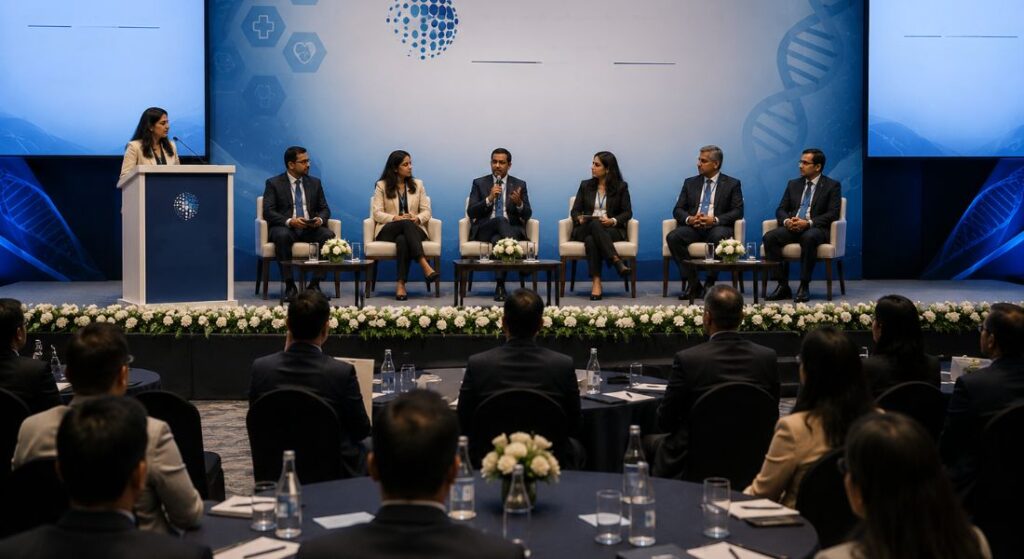
CO₂ laser resurfacing has long been one of the most important tools in aesthetic dermatology, but you’ll notice that its use today looks very different from earlier generations of treatment. International conferences such as IMCAS, AMWC, ASLMS, and other global meetings have played a major role in this shift by bringing together clinicians and researchers to share new techniques, safety improvements, and real-world clinical experience.
Over recent years, conference presentations have shown a clear evolution in both technology and treatment philosophy. You’ll increasingly hear experts moving away from highly aggressive, one-size-fits-all resurfacing and towards more precise, controlled, and personalised approaches. There’s also a stronger focus on recovery, with techniques designed to reduce downtime while still improving skin texture, scars, and overall quality in a predictable way.
What this means for you is that CO₂ laser treatments are now far more tailored and patient-focused than before. You’ll see a growing emphasis on balancing results with safety, supporting better healing, and improving long-term skin health rather than just achieving short-term resurfacing effects. Overall, these conference-driven developments are shaping a more refined and thoughtful approach to modern laser dermatology.
Early CO₂ Laser Resurfacing Was More Aggressive
Early generations of CO₂ laser resurfacing were typically much more aggressive than what you’ll see discussed in modern conferences. You’ll often hear speakers describe how these older approaches used highly ablative techniques, treating larger surface areas of skin in a more intensive way to achieve dramatic rejuvenation results in a single session.
While these methods could produce significant visible improvement, you’ll also notice that conference discussions frequently highlight the trade-offs involved. Patients often experienced longer downtime, with prolonged redness, swelling, and extended healing periods. There was also a higher risk of complications such as pigmentation changes, which made recovery more challenging and less predictable.
Because of these limitations, specialists were encouraged to rethink their approach and develop safer, more controlled alternatives. You’ll see that modern conference comparisons often use these earlier techniques as a reference point, helping you understand just how much CO₂ laser resurfacing has evolved towards more refined, precise, and recovery-friendly methods today.
Fractional Technology Changed the Field
One of the biggest breakthroughs you’ll repeatedly hear about at international conferences is the introduction of fractional CO₂ laser technology. Instead of treating the entire skin surface in one continuous pass, fractional systems create tiny, controlled treatment zones while leaving the surrounding tissue intact, which helps the skin recover more efficiently.
For you, the key advantage discussed is how this approach may support faster healing and reduced downtime compared with traditional fully ablative resurfacing. You’ll often hear specialists explain that this balance between effectiveness and recovery is what made fractional technology such a turning point in laser dermatology.
Overall, conferences consistently describe fractional CO₂ lasers as one of the most significant advances in the field. You’ll see that this shift has fundamentally changed how clinicians approach skin rejuvenation worldwide, moving towards more controlled, precise, and recovery-conscious treatment strategies.
The Focus Shifted Towards Controlled Injury
At international conferences, you’ll notice a clear shift in thinking towards controlled and precise thermal injury rather than aggressive skin removal. Instead of focusing on how much tissue can be taken away, specialists now emphasise how carefully you can stimulate the skin’s natural healing response to achieve meaningful improvement with less disruption.
For you, the key idea is that modern CO₂ laser systems are designed around controlled energy delivery and high precision. Rather than creating extensive surface damage, the aim is to trigger collagen remodelling and gradual skin refinement in a more measured and predictable way. This helps improve texture, tone, and firmness while reducing unnecessary trauma to surrounding tissue.
Overall, this more balanced philosophy is now shaping current resurfacing trends. You’ll see that the focus has moved away from aggressive resurfacing techniques and towards smarter, more targeted approaches that prioritise safety, recovery, and long-term skin quality improvement.
Personalised Treatment Became More Important
Personalised treatment planning has become a major theme at recent aesthetic conferences. At Aesthetic & Anti-Aging Medicine World Congress 2026, specialists highlighted how resurfacing and aesthetic procedures are moving away from standardised protocols towards more individualised approaches. You’re now more likely to see treatment plans tailored specifically to your skin type, age, concerns, and even your ability to tolerate downtime.
1. Tailoring Treatment to Individual Skin Characteristics: You may notice that clinicians now adjust treatment based on factors such as your skin type, pigmentation risk, and natural healing response. This helps reduce complications and improves overall outcomes. A more personalised assessment leads to safer and more predictable results.
2. Customising Laser Settings for Better Precision: Modern discussions often focus on adjusting parameters such as pulse duration, energy levels, density, and treatment depth. These settings can be fine-tuned depending on your specific concern, whether it is scarring, texture, or pigmentation. This level of control allows for more precise treatment delivery.
3. Considering Age, Scar Severity, and Goals: Your treatment plan may also be influenced by your age, the severity of your condition, and your aesthetic goals. More advanced concerns may require different strategies compared with mild skin changes. This helps ensure the approach is realistic and appropriate for your situation.
4. Accounting for Downtime and Lifestyle Needs: Personalisation also includes practical factors such as how much downtime you can manage. You may be offered a lighter or staged treatment plan if you need a quicker recovery. This makes treatments more adaptable to your daily life.
Personalised treatment has therefore become a defining feature of modern aesthetic medicine. Instead of a one-size-fits-all approach, you are more likely to receive a plan designed specifically around your skin and lifestyle. This shift helps improve safety, comfort, and overall satisfaction. Ultimately, individualised care is now central to achieving better and more predictable results.
Skin Safety Is Now a Central Priority
At international conferences, you’ll notice that patient safety has become a central focus in discussions around CO₂ laser technology. Specialists increasingly highlight the importance of reducing risks such as burns, post-inflammatory pigmentation, prolonged redness, and delayed healing, especially as treatments are tailored more precisely to individual patients.
Modern CO₂ laser systems are designed with improved thermal control, more accurate pulse delivery, and advanced scanning technologies. For you, this means treatments are now delivered in a far more controlled way, helping to minimise unnecessary tissue injury while still achieving effective resurfacing results. The emphasis is on precision, so you can improve outcomes without compromising safety.
Overall, safety discussions are now considered an essential part of laser education at major conferences. You’ll see that this reflects a broader shift in the field, where achieving good results is no longer enough on its own ensuring predictable, safe, and well-managed outcomes is equally important in modern aesthetic practice.
Diverse Skin Types Receive More Attention
In earlier approaches to CO₂ laser resurfacing, you’ll often hear that treatment protocols were mainly developed with lighter skin tones in mind, largely because pigmentation risks in darker skin types were harder to predict and manage. However, recent international conferences show a clear shift in this thinking.
Today, you’ll notice much more focus on safely treating a wider range of skin types. Specialists increasingly discuss how you can adjust protocols through careful skin preparation, lower-density treatment settings, and more conservative energy use to reduce the risk of post-inflammatory pigmentation while still achieving meaningful results.
There’s also growing emphasis on post-treatment care, especially strategies that support healing and help prevent pigmentation changes. Overall, inclusive laser education has become a major global trend, and you’ll see that modern resurfacing discussions are increasingly centred around safety, adaptability, and better outcomes for all skin types.
Recovery Optimisation Has Evolved Significantly
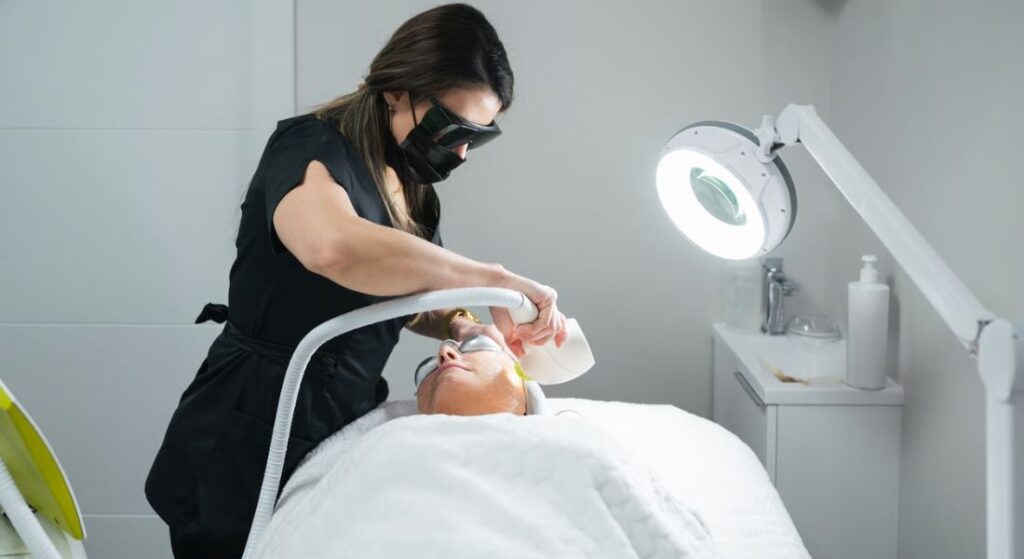
In earlier generations of CO₂ laser resurfacing, you’ll often hear that recovery could be quite demanding, with prolonged redness, noticeable swelling, and significant discomfort lasting for extended periods. This made downtime one of the major concerns for patients undergoing more aggressive treatments.
At modern conferences, you’ll notice a strong shift towards improving the recovery experience alongside the final aesthetic outcome. Specialists increasingly discuss how you can support the skin more effectively after treatment using barrier-repair skincare, anti-inflammatory approaches, cooling technologies, and structured postoperative care plans designed to reduce downtime and improve comfort.
Overall, recovery optimisation has become one of the most important themes in aesthetic dermatology education. You’ll see that the focus is no longer just on achieving results, but also on ensuring a smoother, more predictable healing process that makes treatments more tolerable and patient-friendly.
Lower-Downtime Treatments Are More Popular
At recent conferences, you’ll notice a clear shift in patient preferences shaping how CO₂ laser technology is being used. More and more patients are asking for treatments that offer gradual, natural-looking improvement with minimal disruption to their daily routines, rather than aggressive resurfacing that requires extended downtime.
In response to this, experts often discuss how lighter fractional protocols have evolved to meet these expectations. You’ll see that these approaches aim to improve skin texture, tone, and collagen quality while keeping recovery more manageable. The idea is to strike a better balance between visible results and tolerability, so you can return to normal activities sooner without compromising too much on outcomes.
Overall, modern resurfacing is increasingly being designed around lifestyle compatibility. You’ll notice that treatment planning now often focuses on flexibility, allowing you to achieve meaningful skin improvement in a way that fits more comfortably with everyday life and patient expectations.
Collagen Stimulation Became a Major Focus
At recent conferences, you’ll notice a strong shift towards focusing on collagen remodelling rather than just surface-level ablation. Experts increasingly discuss how controlled thermal injury from CO₂ lasers can trigger a biological healing response that stimulates long-term collagen production and gradual skin tightening.
For you in clinical practice or when following these developments, this means modern resurfacing is no longer viewed purely as a way to “remove” damaged skin. Instead, the emphasis is on how you can guide the skin’s natural repair process over time, encouraging deeper structural improvement as the tissue heals and remodels itself.
Overall, this collagen-centred approach has become a key principle in contemporary laser dermatology. You’ll see that treatment strategies are increasingly designed to prioritise long-term skin quality, with results that continue to develop gradually rather than appearing instantly after a single procedure.
Acne Scar Treatment Approaches Have Advanced
Acne scar management continues to be one of the key clinical applications for CO₂ laser resurfacing. At international conferences, you’ll often see newer treatment strategies being presented that combine laser resurfacing with techniques such as subcision, regenerative medicine approaches, platelet-rich plasma, and microneedling. These combination protocols are designed to target multiple layers of scarring for more comprehensive results.
As you explore these developments, you’ll notice a growing understanding that not all acne scars respond in the same way to treatment. Different scar types such as rolling, boxcar, or more complex mixed patterns often require tailored approaches rather than a one-size-fits-all protocol. This shift has encouraged clinicians to think more strategically about sequencing and layering treatments for better outcomes.
Overall, this reflects a broader move towards more personalised laser medicine. You’ll see that treatment planning is becoming increasingly individualised, with decisions based on scar morphology, skin type, healing response, and downtime considerations. It’s a more refined way of working that continues to evolve as new evidence emerges.
Combination Therapy Has Become Common
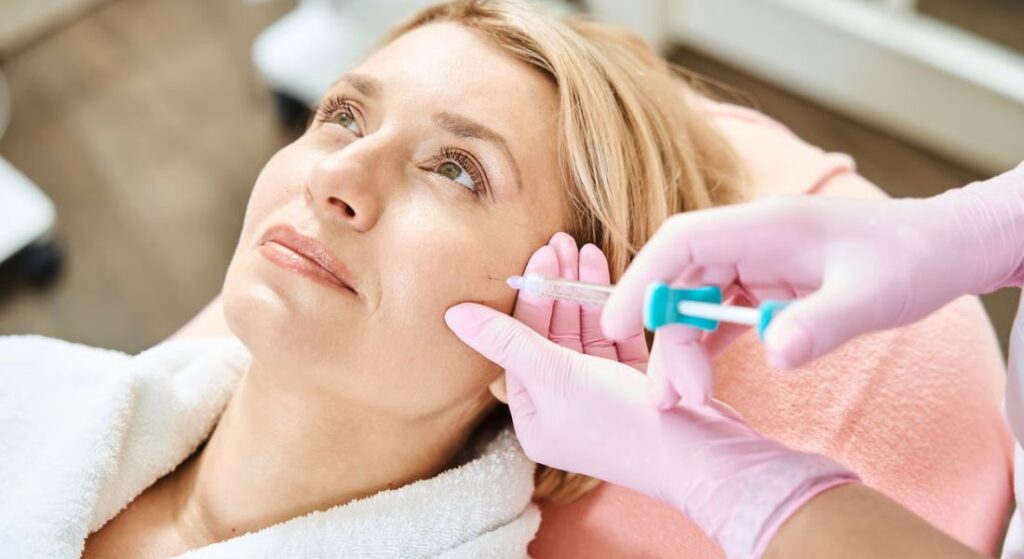
At modern aesthetic conferences, you’ll often notice a strong focus on combination approaches rather than single-modality treatments. CO₂ laser resurfacing is increasingly being paired with other techniques such as injectables, radiofrequency-based devices, regenerative therapies, and skin boosters. The idea is to create a more layered approach that targets different aspects of skin ageing at the same time.
From your perspective, this shift means treatment planning is becoming far more strategic. Instead of relying on one procedure to do everything, you’ll see clinicians combining technologies to improve texture, tone, volume, and overall skin quality together. It also allows for more balanced outcomes, where results look more natural and recovery can sometimes be better managed.
Overall, this move towards multimodal rejuvenation has become a defining trend in aesthetic medicine. You’ll increasingly hear experts talk about tailoring combinations based on individual patient needs, rather than following fixed protocols. It reflects a broader shift towards more personalised and results-driven care.
Regenerative Medicine Is Influencing Laser Practice
Regenerative aesthetics is becoming one of the most widely discussed topics at international conferences. At Aesthetic & Anti-Aging Medicine World Congress 2026, researchers explored how regenerative therapies may complement procedures like laser resurfacing by supporting healing and improving overall skin quality. You’ll often hear this described as a shift towards combining energy-based devices with biological skin repair strategies.
1. Supporting Healing After Laser Resurfacing: You may hear discussions about using regenerative approaches such as platelet-rich plasma, exosomes, and growth factors after resurfacing treatments. These are being studied for their potential to support the skin’s natural recovery process. The aim is to enhance healing quality and improve overall skin recovery.
2. Exploring Cellular and Growth-Based Therapies: Researchers are also investigating how stem-cell-related concepts and growth factor therapies may influence skin regeneration. These approaches are designed to support tissue repair at a deeper biological level. However, many of these treatments are still in early or investigational stages.
3. Combination with Energy-Based Devices: One key area of interest is how regenerative treatments may work alongside laser technologies. You may benefit from improved outcomes when both biological and energy-based methods are carefully combined. This integrated approach is still being studied in clinical settings.
4. Ongoing but Rapidly Expanding Research Field: Although many regenerative therapies are not yet part of standard practice, interest in this area continues to grow quickly. You’ll see increasing discussion around their potential role in future aesthetic treatments. Careful scientific evaluation remains essential before wider adoption.
Regenerative medicine is therefore beginning to influence how laser resurfacing is being studied and developed. While many approaches are still experimental, they may play an increasing role in future treatment strategies. You benefit from ongoing research that aims to improve healing, safety, and overall results. Ultimately, these developments could help shape the next generation of aesthetic laser practice.
Precision Technology Continues Improving
At international conferences, you’ll often see exhibitions showcasing how CO₂ laser technology is becoming more refined and controlled. You’ll hear a lot about advances in pulse delivery, scanning systems, treatment mapping, and energy regulation, all designed to give you more accuracy during procedures. These improvements are focused on helping you treat skin more precisely while keeping surrounding tissue as safe as possible.
From your clinical perspective, this increased precision can make a real difference in day-to-day practice. You’ll notice that better control over energy delivery helps reduce unnecessary thermal spread, which in turn can support more consistent treatment patterns. This level of control is particularly important when you’re working on delicate facial areas where predictability matters.
Overall, these refinements are steadily shaping the direction of resurfacing technology. You’ll see that the goal is not just stronger results, but smoother and more reliable healing outcomes as well. As these systems continue to evolve, they’re helping you achieve outcomes that are both safer and more cosmetically refined.
Delicate Area Treatment Has Evolved
Earlier resurfacing approaches tended to focus mainly on broader facial zones, but at modern conferences you’ll notice much more attention is given to delicate areas such as the neck, eyelids, and lower face. These regions require a far more nuanced approach, and discussions increasingly centre around how to treat them safely without compromising results.
You’ll often hear specialists emphasising the importance of using more conservative settings in these thinner, more sensitive areas. Rather than a one-size-fits-all approach, treatment is now carefully adjusted based on skin thickness, healing potential, and individual patient needs. This shift has made precision a key part of modern resurfacing practice.
Overall, this evolution reflects a much stronger focus on safety alongside efficacy. You’ll see that the goal is no longer just improvement, but controlled, predictable outcomes that respect the natural fragility of these areas. It’s a clear sign of how far technique and clinical judgement have progressed in recent years.
Artificial Intelligence and Imaging Are Emerging
At recent conferences, you’ll notice a growing focus on how artificial intelligence and advanced imaging systems could shape the future of laser treatment planning. These technologies are being explored for their potential to make assessment and planning more precise, especially when you’re dealing with complex skin conditions that require careful evaluation.
You’ll often hear researchers discussing how digital skin analysis might help you assess wrinkles, pigmentation changes, scarring, and overall skin texture in a more objective and standardised way. The idea is that instead of relying only on visual judgement, you could use data-driven insights to support both pre-treatment planning and post-treatment evaluation.
Although these tools are still in the early stages of development, they’re already generating significant international interest. You’ll see that many experts believe this combination of AI and imaging could eventually become an important part of how you plan and monitor aesthetic laser treatments in the future.
Long-Term Skin Health Is More Emphasised
At modern conferences, you’ll notice a clear shift in how resurfacing is being positioned. Rather than being viewed as a one-off cosmetic procedure, it’s increasingly discussed as part of a longer-term approach to skin health management. You’ll often hear specialists framing it within ongoing care rather than isolated interventions.
In these discussions, you’ll see a strong focus on supporting collagen preservation, strengthening the skin barrier, and integrating medical-grade skincare alongside laser treatments. Sun protection is also consistently highlighted, as it plays a crucial role in maintaining results and protecting newly treated skin over time. The emphasis is very much on combining in-clinic procedures with at-home routines for more sustainable outcomes.
Overall, this reflects a broader move towards preventative and maintenance-based aesthetic medicine. You’ll find that long-term skin quality is now a central priority in laser dermatology, with more attention given to how treatments can support healthy ageing rather than just delivering short-term aesthetic improvement.
Male Laser Treatments Have Increased
At recent conferences, you’ll notice a clear rise in discussions around male aesthetic treatments, with laser resurfacing now being tailored more specifically to male skin concerns. You’ll often hear specialists highlighting that male skin has its own characteristics, including greater thickness, higher collagen density, and different patterns of ageing, all of which can influence treatment planning.
In these sessions, you’ll see a strong focus on concerns that are commonly brought up in male patients, such as acne scarring, enlarged pores, uneven texture, and early signs of ageing. You’ll also hear an emphasis on achieving subtle, natural-looking improvements rather than dramatic changes, since most male patients tend to prefer results that are refined but not obvious.
Overall, this growing attention reflects the wider expansion of male aesthetic medicine internationally. You’ll find that clinicians are increasingly adapting their techniques and settings to suit male patients better, ensuring outcomes that look balanced, natural, and in line with individual expectations.
Ethical Discussions Around Overtreatment
Ethical considerations are becoming an increasingly important part of laser and aesthetic conferences. At Aesthetic & Anti-Aging Medicine World Congress 2026, specialists often discuss the pressures created by social media, where heavily edited results can lead to unrealistic expectations. You’ll hear a strong emphasis on ensuring that treatments remain medically appropriate, safe, and genuinely in your best interest rather than driven by trends.
1. Managing Unrealistic Expectations from Social Media: You may be influenced by online images that don’t accurately reflect real treatment outcomes. Experts highlight the importance of recognising that lighting, filters, and editing can distort results. Honest counselling helps you understand what is realistically achievable.
2. Avoiding Overtreatment and Excess Procedures: One key ethical concern is the risk of doing more treatment than is actually necessary. You may be advised against excessive or repeated procedures that do not provide meaningful benefit. The focus is on proportionate, evidence-based treatment planning.
3. Clear Communication About Risks and Downtime: Specialists emphasise the importance of explaining recovery time, limitations, and potential side effects clearly. You should have a realistic understanding of what the healing process involves. This helps you make more informed and confident decisions.
4. Patient-Centred and Responsible Practice: Ethical aesthetic medicine prioritises your safety, skin health, and long-term outcomes over short-term cosmetic trends. Treatments should be recommended based on clinical need rather than commercial pressure. This approach supports safer and more sustainable results.
Ethical discussions around overtreatment therefore play a key role in modern laser education. By promoting honesty, balance, and responsibility, clinicians aim to protect you from unnecessary procedures and unrealistic expectations. This ensures that aesthetic treatments remain grounded in safety and medical judgement. Ultimately, ethical practice is essential for maintaining trust and achieving appropriate outcomes.
Conferences Continue Driving Innovation
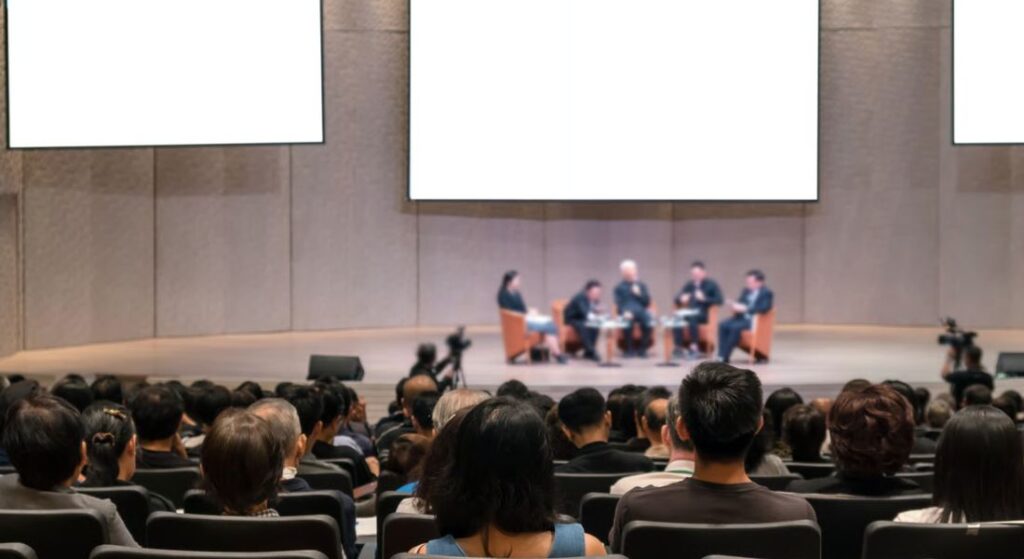
At international meetings, you’ll see just how important conferences are in shaping the ongoing evolution of CO₂ laser technology. They act as a shared space where specialists bring together new research, compare real-world treatment outcomes, and openly discuss what is and isn’t working in clinical practice. You’ll often find detailed presentations on technique refinement, device settings, and patient selection strategies.
A big part of these discussions also centres around safety and complication management. You’ll hear clinicians sharing practical insights on how they handle side effects, optimise healing, and improve overall patient experience. This kind of open exchange helps you understand not just the successes, but also the challenges, which is crucial for improving everyday practice.
Overall, this continuous professional dialogue plays a key role in raising global standards. You’ll notice that it encourages more consistent, evidence-based approaches to treatment, while also driving innovation forward. Because of this, conferences remain at the heart of progress in laser dermatology, shaping how techniques evolve and how you apply them in real clinical settings.
The Future of CO₂ Laser Technology
At conferences, you’ll often hear that the future of CO₂ laser resurfacing is moving towards more personalised and precision-based treatment planning. You’ll see increasing discussion around tailoring settings to individual skin types, concerns, and healing responses, rather than relying on standardised protocols. At the same time, there’s a strong focus on reducing downtime while still maintaining strong clinical outcomes.
You’ll also notice growing interest in combining CO₂ lasers with regenerative medicine approaches, such as skin boosters, biologically active therapies, and improved post-treatment recovery strategies. Alongside this, advanced imaging systems are being explored to help you assess skin more objectively and plan treatments with greater accuracy. Safety across all skin types is another key priority, with ongoing efforts to refine protocols and reduce the risk of complications.
Overall, the direction of travel is towards more subtle, staged, and progressive rejuvenation rather than highly aggressive resurfacing. You’ll find that CO₂ laser technology is evolving in line with the wider shift in aesthetic medicine towards minimally invasive, highly customised care that focuses on long-term skin quality and natural-looking results.
FAQs:
1. What is CO₂ laser resurfacing used for?
CO₂ laser resurfacing is used to improve skin texture, reduce acne scars, soften fine lines and wrinkles, and treat sun damage. It works by creating controlled skin injury that stimulates collagen regeneration and skin renewal.
2. How has CO₂ laser technology changed over time?
Earlier CO₂ lasers were more aggressive and required longer downtime. Modern systems are more precise, often fractional, and designed to deliver controlled energy for better results with faster recovery and improved safety.
3. What is fractional CO₂ laser technology?
Fractional CO₂ lasers treat tiny micro-areas of skin while leaving surrounding tissue intact. This helps the skin heal faster, reduces downtime, and lowers the risk of complications compared to older fully ablative techniques.
4. Why are international conferences important for CO₂ laser advancements?
Conferences like IMCAS World Congress and AMWC bring experts together to share research, refine techniques, and improve safety standards, which directly influences clinical practice worldwide.
5. Are CO₂ lasers safe for all skin types?
Modern CO₂ laser systems are safer for a wider range of skin types, but treatment settings must be carefully adjusted. Darker skin tones may have a higher risk of pigmentation changes, so personalised protocols are essential.
6. What are the biggest trends in CO₂ laser treatments today?
Key trends include personalised treatment planning, combination therapies, lower-downtime protocols, regenerative medicine integration, and more conservative resurfacing approaches.
7. Can CO₂ laser resurfacing be combined with other treatments?
Yes. It is often combined with treatments like microneedling, PRP, injectables, skin boosters, and regenerative therapies to enhance results and improve overall skin quality.
8. How long is recovery after modern CO₂ laser treatment?
Recovery varies depending on intensity, but modern fractional treatments typically involve shorter downtime than older methods, often ranging from a few days to around two weeks.
9. What conditions respond best to CO₂ laser resurfacing?
Acne scars, fine lines, uneven skin texture, pigmentation irregularities, and sun-damaged skin generally respond well, especially when treatment is personalised.
10. What is the future of CO₂ laser technology?
The future is moving toward more precision-based, AI-supported, and regenerative approaches with greater emphasis on safety, personalization, and long-term skin health rather than aggressive resurfacing.
Final Thoughts: How CO₂ Laser Technology Has Evolved Through Conference Innovation
CO₂ laser resurfacing has clearly evolved into a far more precise, controlled, and patient-focused treatment than in earlier generations, and you’ll notice that most of the developments discussed at international conferences reflect this major shift. Instead of aggressive, one-size-fits-all approaches, the emphasis is now on fractional technology, personalised treatment planning, improved safety protocols, and regenerative support to achieve more natural and predictable results.
What really stands out is how strongly the field has moved towards balancing effectiveness with recovery and long-term skin health. You’ll see increasing focus on lower downtime procedures, better outcomes across diverse skin types, smarter energy delivery systems, and the integration of AI and combination therapies. Altogether, this reflects a broader transformation in aesthetic medicine towards treatments that are more refined, conservative, and tailored to individual needs.
Overall, CO₂ laser technology is now shaped by precision, safety, and personalisation rather than intensity alone. As conference-driven innovation continues to guide clinical practice, you can expect even more consistent results, improved healing experiences, and a stronger focus on natural-looking, long-term skin improvement. If you’re considering an CO₂ laser treatment in london, you can contact us at the London Medical & Aesthetic Clinic.
References:
1. Woźniak, S. and Woźniak, A. (2025) Assessing the long‑term effectiveness of fractional CO₂ laser treatment in perimenopausal women with genitourinary syndrome of menopause single center preliminary study. https://www.mdpi.com/2077-0383/14/1/242
2. Menashe, Y. et al. (2022) Sequential fractional CO₂ and 1540/1570 nm lasers for scar treatment: safety and effects on tissue tightening and neocollagenesis. https://www.mdpi.com/2077-0383/14/11/3867
3. Ramsdell, W.M. (2012) Fractional carbon dioxide laser resurfacing complications, Seminars in Plastic Surgery, 26(3). https://pmc.ncbi.nlm.nih.gov/articles/PMC3580977/
4. Hruza, G.J. and Murray, K. (2009) Carbon dioxide laser resurfacing. Long‑term follow‑up in 2123 patients. Journal of Dermatologic Surgery, 35(3), pp.191–199. https://pubmed.ncbi.nlm.nih.gov/9507801/
5. Alster, T.S. and West, T. (2001) Long‑term results of ultrapulsed carbon dioxide laser resurfacing of the Mediterranean face. Dermatologic Surgery, 27(8), pp.693–697. https://pubmed.ncbi.nlm.nih.gov/15666050/