


Acne scarring continues to be one of the most complex concerns in aesthetic dermatology, and you’ll notice that CO₂ laser resurfacing remains a key topic at major international conferences. At meetings like IMCAS, AMWC, ASLMS, and other global aesthetic congresses, you’ll often find dedicated sessions focusing on how fractional CO₂ laser technology is being refined for more predictable and safer outcomes. Experts regularly discuss its role as a cornerstone treatment in scar management, especially for more severe or texturally complex scars.
In recent presentations, you’ll see a clear shift away from using CO₂ laser as a standalone, aggressive resurfacing tool. Instead, clinicians are increasingly highlighting personalised treatment planning tailored to your individual scar type, skin biology, and healing response. You’ll also hear a strong emphasis on combination approaches, where CO₂ laser is paired with techniques like subcision, microneedling, or regenerative therapies to enhance overall results and improve skin quality more holistically.
What’s particularly interesting is how conference discussions are evolving towards safer and more inclusive protocols. You’ll notice experts focusing on optimising settings for different skin types, reducing downtime, and improving long-term collagen remodelling rather than just short-term resurfacing effects. Overall, you’ll find that CO₂ laser is no longer viewed in isolation, but as part of a broader, more nuanced strategy for acne scar management in modern aesthetic practice.
Why Acne Scars Remain a Major Focus at Conferences
Acne scars continue to be a major focus at aesthetic medicine conferences because of the significant emotional and psychological impact they can have on you. Experts often highlight that scarring doesn’t just affect the skin on a surface level it can also influence your confidence, self-image, and overall quality of life long after active acne has settled.
At conferences, you’ll regularly see sessions dedicated to improving how acne scars are treated in real-world practice. Specialists discuss newer and evolving techniques aimed at refining skin texture, improving smoothness, and achieving more natural-looking results. There’s also a strong emphasis on reducing downtime and minimising the risk of complications, so treatments become more practical and patient-friendly.
Overall, acne scar management remains a consistently important topic because it combines both medical complexity and human impact. You’ll notice ongoing international interest in developing more effective, personalised approaches that not only improve the appearance of scars but also support better long-term outcomes for you as a patient.
Fractional CO₂ Lasers Continue Leading Discussions
Fractional CO₂ laser resurfacing continues to be one of the most widely discussed technologies for acne scar treatment at international conferences. You’ll often hear specialists explain how fractional systems work by creating controlled microscopic treatment zones in the skin while leaving the surrounding tissue intact, which helps support more organised healing.
Because of this targeted approach, you’ll see a strong focus on how fractional CO₂ lasers may stimulate collagen remodelling and skin repair over time. Compared with older fully ablative techniques, this method is generally associated with faster recovery and a more balanced healing response, which is something clinicians regularly highlight during presentations.
Overall, fractional technology remains central to modern acne scar discussions because it offers a practical balance between clinical effectiveness and patient downtime. You’ll notice that many experts view it as a key advancement that continues to shape how you approach scar revision in everyday aesthetic practice.
Personalised Scar Treatment Is Becoming Standard
One of the strongest themes you’ll notice at aesthetic medicine conferences is the growing move towards personalised acne scar treatment. Specialists increasingly highlight that no two acne scars are the same, and you’ll often hear discussions about how variations in depth, shape, severity, and your skin’s individual response all influence treatment outcomes.
At conference sessions, you’ll see a strong focus on how clinicians can tailor parameters such as energy settings, treatment density, and resurfacing depth to match your specific scar pattern and skin type. Rather than following a one-size-fits-all approach, experts are increasingly sharing protocols that adapt in real time based on how your skin responds during and after treatment.
Overall, personalised treatment planning is becoming central to modern acne scar management. You’ll notice that this shift reflects a broader trend in aesthetic dermatology, where the aim is not just to treat scars, but to design safer, more predictable, and more refined outcomes for you as an individual patient.
Different Scar Types Require Different Approaches
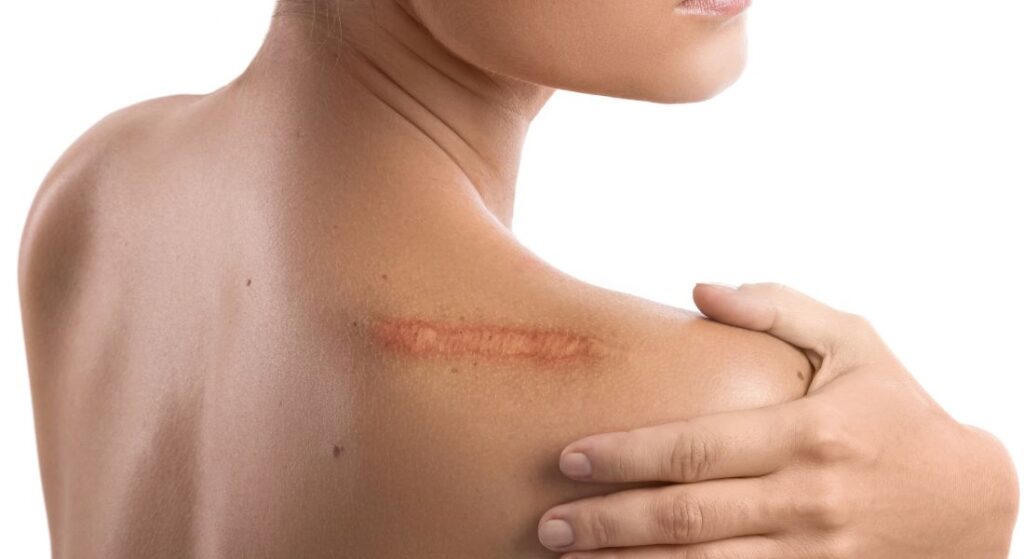
At international aesthetic conferences, you’ll consistently hear experts emphasise that not all acne scars respond in the same way to treatment. You’ll often see discussions explaining how rolling, boxcar, and ice-pick scars each behave differently in the skin, which means they need tailored approaches rather than a single standard protocol.
In conference sessions, you’ll notice clinicians breaking down how they choose treatments based on scar type, depth, and overall skin structure. For example, you’ll hear how some scars respond better to subcision, while others may need resurfacing techniques like fractional CO₂ laser, or even targeted combination approaches. This decision-making process is often presented in a highly individualised way, based on what you’re likely to see in real clinical cases.
Overall, there’s a clear shift towards combination therapy, especially when you’re dealing with mixed or complex scar patterns. You’ll find that experts increasingly view acne scar management as a layered strategy rather than a single intervention, reflecting a more sophisticated and personalised approach to improving outcomes for you as a patient.
Combination Therapy Is a Major Trend
Combination therapy has become one of the most important trends discussed at modern aesthetic conferences. At Aesthetic & Anti-Aging Medicine World Congress 2026, specialists increasingly highlight that CO₂ laser resurfacing is often more effective when it is combined with other techniques rather than used on its own. You’ll now see a strong shift towards layered treatment plans, especially in acne scar management.
1. Combining Multiple Techniques for Better Results: You may hear clinicians discuss combining CO₂ laser resurfacing with treatments such as subcision, microneedling, platelet-rich plasma, and regenerative therapies. Each treatment targets a different aspect of scarring or skin damage. When used together, they can complement each other for improved overall outcomes.
2. Improving Scar Structure and Release of Tethering: One key goal of combination therapy is to address deeper scar structures. Subcision, for example, helps release fibrotic bands that pull the skin down. This allows laser resurfacing and other treatments to work more effectively on surface texture.
3. Enhancing Collagen Stimulation and Skin Remodelling: You may benefit from stronger collagen stimulation when treatments are combined thoughtfully. Laser energy, microneedling, and regenerative therapies can all support the skin’s natural healing response. This helps improve overall texture and quality over time.
4. A More Advanced Approach to Acne Scar Management: Combination therapy is now widely considered a key part of modern acne scar treatment. Rather than relying on a single procedure, clinicians build tailored, multi-step plans. This approach often leads to more comprehensive and balanced improvements.
Combination therapy therefore represents a major evolution in how acne scars are treated. By addressing both surface and deeper structural issues, you can achieve more refined and natural-looking results. This trend reflects a broader move towards personalised and multi-layered treatment planning. Ultimately, combination approaches are now central to advanced acne scar management.
Subcision and CO₂ Laser Discussions
At international conferences, you’ll often hear subcision discussed alongside CO₂ laser resurfacing as part of a combined approach to acne scar treatment. Subcision is a technique where fibrous bands beneath the skin are released, particularly in rolling scars, helping to lift and improve the overall skin contour.
You’ll notice that many experts now emphasise combining subcision with fractional CO₂ laser treatments to achieve more comprehensive results. While subcision addresses the structural tethering under the skin, CO₂ laser resurfacing works on the surface by improving texture and stimulating collagen remodelling. Together, these approaches are often presented as complementary rather than standalone options.
Overall, conference discussions suggest that this combination strategy may offer better outcomes for selected patients, especially in cases where scars are both textural and structural. You’ll increasingly see this integrated approach being highlighted as part of more advanced and individualised acne scar management protocols.
Regenerative Medicine and Acne Scar Treatment
At international conferences, you’ll notice regenerative medicine becoming one of the fastest-growing areas in acne scar discussions. Experts increasingly explore how treatments such as platelet-rich plasma, exosomes, growth factors, and other stem-cell–related approaches may be used alongside established procedures like CO₂ laser resurfacing.
You’ll often hear researchers focusing on whether these regenerative techniques can enhance your healing process after laser treatment. The idea is that, by supporting tissue repair and collagen formation, these therapies may improve overall skin quality and potentially optimise long-term outcomes. However, most of this work is still being studied, and protocols can vary widely between clinics and research settings.
Even so, interest in this field continues to grow quickly at conferences. You’ll find that regenerative medicine is increasingly seen as a complementary layer to traditional acne scar treatments, rather than a replacement, with ongoing research aiming to better understand how and when it can be used most effectively for you as a patient.
Collagen Remodelling Remains Central
At international conferences, you’ll consistently hear that collagen stimulation is one of the key principles behind effective acne scar treatment. When you’re looking at fractional CO₂ laser resurfacing, experts often explain how it creates controlled thermal micro-injury in the skin, which may trigger a natural healing response and encourage new collagen formation over time.
You’ll notice a growing emphasis in presentations on gradual collagen remodelling rather than aggressive, one-off resurfacing. Instead of focusing only on immediate surface change, clinicians are increasingly interested in how your skin continues to improve in texture, firmness, and overall quality during the healing phase and over the months that follow treatment.
Overall, modern conference discussions reflect a clear shift in philosophy. You’ll find that the focus is now less about dramatic short-term ablation and more about achieving long-term, natural-looking skin improvement, where collagen remodelling plays a central role in how your final results develop.
Lower-Downtime Treatment Approaches
You’ll notice a clear shift at conferences towards treatments that offer shorter recovery times, as patients increasingly prefer options that fit more easily into their daily lives. Because of this, specialists are moving away from highly aggressive resurfacing in many cases and instead focusing on more conservative fractional CO₂ laser protocols that are carried out over multiple sessions.
These lower-downtime approaches are designed to still deliver meaningful improvements in acne scarring, while helping you avoid prolonged redness, swelling, or extended healing periods. Conference speakers often highlight how spacing treatments out can support steadier collagen remodelling, without putting too much stress on the skin at once.
Overall, you’ll see that balancing effectiveness with a more manageable recovery has become a key priority in modern aesthetic discussions. The emphasis is increasingly on achieving gradual, natural-looking improvement in a way that fits better with your lifestyle and expectations.
Skin Type Safety Is More Strongly Emphasised
You’ll increasingly notice at international conferences that skin type safety is a major focus when it comes to acne scar treatments. Experts often highlight that different skin types can respond very differently to procedures like CO₂ laser resurfacing, and you’ll hear particular attention given to the increased risk of post-inflammatory pigmentation in darker skin tones.
Because of this, conference sessions regularly explore how you can better tailor treatments using careful skin preparation protocols, more conservative energy settings, and refined laser parameters. You’ll also see a strong emphasis on optimising aftercare, since postoperative routines play a key role in reducing complications and supporting more predictable healing outcomes.
Overall, there’s a growing push towards more inclusive laser education in global aesthetic dermatology. You’ll notice that the aim is not just to improve results, but to make sure treatments are safer and more consistently effective across all skin types.
Artificial Intelligence and Scar Analysis
You’ll increasingly hear at conferences that artificial intelligence and advanced imaging systems are starting to play a growing role in acne scar assessment. Specialists are discussing how digital imaging tools can help you evaluate scar severity more objectively, rather than relying only on visual clinical judgement.
There’s also a strong focus on how these technologies may support you in tracking treatment progress over time. By using structured imaging and analysis, researchers believe it may become easier to measure subtle improvements in skin texture and better understand how different treatments are performing in individual cases.
Although these tools are still developing, you’ll notice a clear sense at conferences that they could significantly shape the future of acne scar management. The expectation is that AI may eventually help you make more consistent, data-driven treatment decisions in everyday clinical practice.
More Conservative Energy Settings
A clear trend discussed at modern aesthetic conferences is the move towards more conservative energy settings in laser resurfacing. At Aesthetic & Anti-Aging Medicine World Congress 2026, specialists highlighted that earlier approaches often used higher energy levels, but current thinking is shifting towards more controlled and measured treatment delivery. You’ll often hear this framed as a balance between effectiveness and safety.
1. Reducing the Risk of Overtreatment: You may notice that clinicians now prioritise avoiding excessive energy delivery during resurfacing procedures. Higher settings can increase the risk of complications without necessarily improving long-term results. A more cautious approach helps protect the skin while still achieving improvement.
2. Focusing on Predictable Healing: Modern protocols aim to create more consistent and predictable healing responses. You are more likely to experience gradual improvement rather than intense, aggressive changes in a single session. This approach often leads to a smoother recovery process.
3. Gradual Rather Than Aggressive Results: Instead of aiming for dramatic one-time changes, treatments are increasingly designed to deliver progressive improvement over time. You may require multiple sessions for optimal results. This staged approach is often safer and more controlled.
4. More Individualised Energy Selection: Energy settings are now more carefully tailored to your skin type, condition, and treatment goals. This helps reduce unnecessary trauma while still targeting the areas that need improvement. Personalisation is a key part of modern laser practice.
The move towards conservative energy settings reflects a broader shift in aesthetic medicine towards safety and precision. By avoiding overtreatment, clinicians aim to improve outcomes while reducing complications. You benefit from a more controlled, predictable, and patient-specific approach to resurfacing. Ultimately, this trend supports safer and more sustainable long-term results.
Long-Term Skin Quality Is a Growing Focus

You’ll notice at conferences that acne scar treatment is no longer discussed only in terms of scar reduction, but also in terms of overall long-term skin quality. Specialists increasingly explore how treatments like CO₂ laser resurfacing can influence not just scar depth, but also broader improvements in texture, pore size, fine lines, and overall skin refinement over time.
From your perspective, this means CO₂ laser is often being positioned as part of a wider skin rejuvenation strategy rather than a standalone scar-focused procedure. You’ll hear experts emphasising that stimulating collagen and improving dermal architecture can lead to more globally healthier-looking skin, not just a reduction in visible scarring.
Overall, you’ll see this more holistic way of thinking becoming quite standard in international conferences. You’ll find that the focus is shifting towards long-term maintenance, cumulative improvements, and how you can achieve natural, sustained enhancement in overall skin quality rather than quick, isolated changes.
Acne Scar Treatment in Male Patients
You’ll often see male acne scar treatment highlighted as an important topic at aesthetic medicine conferences, largely because more men are now seeking professional solutions for scarring while still wanting to maintain a natural-looking skin appearance. Experts frequently discuss how your expectations as a male patient may lean towards subtle improvement rather than overly “polished” results.
At the same time, you’ll hear specialists focus on the biological differences that can influence treatment planning. Male skin tends to be thicker, with higher collagen density and increased oil production, which can affect how you respond to procedures like CO₂ laser resurfacing. Healing responses may also vary slightly, so treatment settings and protocols often need to be adjusted accordingly.
Overall, you’ll notice that male aesthetic dermatology is steadily growing worldwide, and conference discussions increasingly reflect this shift. The emphasis is on tailoring acne scar treatments in a way that respects both the structural characteristics of male skin and your preference for natural, balanced outcomes.
Managing Expectations Realistically
You’ll often hear at conferences that managing expectations is one of the most important parts of acne scar treatment. Experts consistently emphasise that complete scar removal is rarely possible, and instead you should expect gradual, visible improvement over a series of treatments rather than an instant transformation.
In many sessions, clinicians highlight the importance of clear and honest communication with you about what different procedures can realistically achieve. This includes discussing likely outcomes, the number of sessions you may need, expected downtime, and any limitations of treatments like CO₂ laser resurfacing or combination therapies.
Overall, you’ll notice that managing expectations is seen as essential for both patient satisfaction and safe clinical practice. When you understand the process properly from the beginning, you’re more likely to feel confident in the treatment journey and appreciate the gradual improvements over time.
Recovery Optimisation Strategies
You’ll notice at conferences that recovery optimisation has become just as important as the treatment itself when it comes to acne scar management. Specialists increasingly focus on structured post-procedure care, including gentle skincare routines, barrier repair products, and targeted anti-inflammatory approaches that support smoother healing after procedures like CO₂ laser resurfacing.
In many discussions, you’ll hear experts highlighting additional techniques such as cooling strategies, sun protection protocols, and carefully selected topical agents to help reduce redness and support the skin’s natural repair process. The aim is not just to treat scars effectively, but also to make the recovery phase more comfortable and predictable for you.
Overall, there’s a strong emphasis on how recovery quality directly impacts your overall experience and satisfaction. You’ll see that modern resurfacing protocols are designed with downtime reduction in mind, ensuring that healing is not only faster but also more stable and cosmetically acceptable throughout the process.
Combination with Injectable Treatments
At Aesthetic & Anti-Aging Medicine World Congress 2026, one of the key topics discussed is how resurfacing treatments can be combined with injectable therapies to improve overall skin quality. Rather than treating texture or ageing concerns in isolation, specialists are increasingly using multimodal plans that combine different techniques to support more comprehensive rejuvenation.
1. Supporting Collagen Repair with Biostimulators: You may hear discussions about combining resurfacing with biostimulators that encourage your skin to produce more collagen over time. These injectables are often used to strengthen deeper skin structure. When paired with laser treatments, they may enhance overall skin firmness and quality.
2. Improving Hydration and Skin Quality with Skin Boosters: Skin boosters are sometimes used alongside resurfacing to improve hydration and elasticity. You may notice improvements in overall skin texture and smoothness when these treatments are carefully combined. This can complement the resurfacing effect on the skin surface.
3. Addressing Multiple Concerns at the Same Time: Combination approaches aim to treat both scar texture and general skin ageing in a single overall plan. You may benefit from improvements in surface irregularities as well as deeper structural support. This makes treatment more comprehensive and balanced.
4. More Sophisticated Treatment Planning: Aesthetic dermatology is moving towards increasingly tailored and layered treatment strategies. You are more likely to receive a plan that integrates different modalities based on your individual skin needs. This reflects a more precise and modern approach to facial rejuvenation.
Combination with injectable treatments therefore represents a growing trend in advanced aesthetic practice. By integrating resurfacing with biostimulation and hydration support, clinicians aim to achieve more complete and natural-looking results. You benefit from a more personalised and multi-layered treatment approach. Ultimately, this reflects the ongoing evolution of modern aesthetic dermatology towards combination-based care.
Ethical Discussions Around Acne Scar Marketing
You’ll increasingly notice at conferences that ethical considerations around acne scar treatment marketing are becoming a serious talking point. Experts often highlight concerns about unrealistic claims you might see online or on social media, where results are sometimes presented in a way that suggests complete scar removal or instant transformation, which isn’t typically achievable in real clinical practice.
In many sessions, specialists stress the importance of responsible communication with you as a patient, focusing on what treatments can realistically improve rather than promising perfect skin restoration. There’s a strong emphasis on transparency around outcomes, including the gradual nature of improvement, the number of sessions needed, and the limitations of procedures like CO₂ laser resurfacing.
Overall, ethical patient counselling is now seen as a core part of modern aesthetic medicine education. You’ll notice that the goal is to ensure you receive balanced, honest information so your expectations stay realistic and your treatment journey feels clearer, safer, and more trustworthy.
Why Conference Discussions Matter for Patients
You may never attend aesthetic conferences yourself, but you’ll still feel their impact in the way acne scar treatments are delivered in clinical practice. The discussions that happen at meetings like IMCAS, AMWC, and ASLMS directly shape how dermatologists refine their approaches to procedures such as CO₂ laser resurfacing and combination scar therapies.
In these educational settings, specialists share updated techniques, compare treatment outcomes, and review safety data from different parts of the world. You’ll see clinicians using this knowledge to fine-tune their resurfacing protocols, improve precision, and better understand how new technologies perform over time. This constant exchange of information helps ensure that treatments evolve in a more structured and evidence-informed way.
Ultimately, these conference-driven insights translate into better patient care for you. You’ll benefit from improved safety standards, more predictable results, and increasingly personalised treatment approaches that are based on collective international experience rather than isolated clinical practice.
The Future of CO₂ Laser Acne Scar Treatment
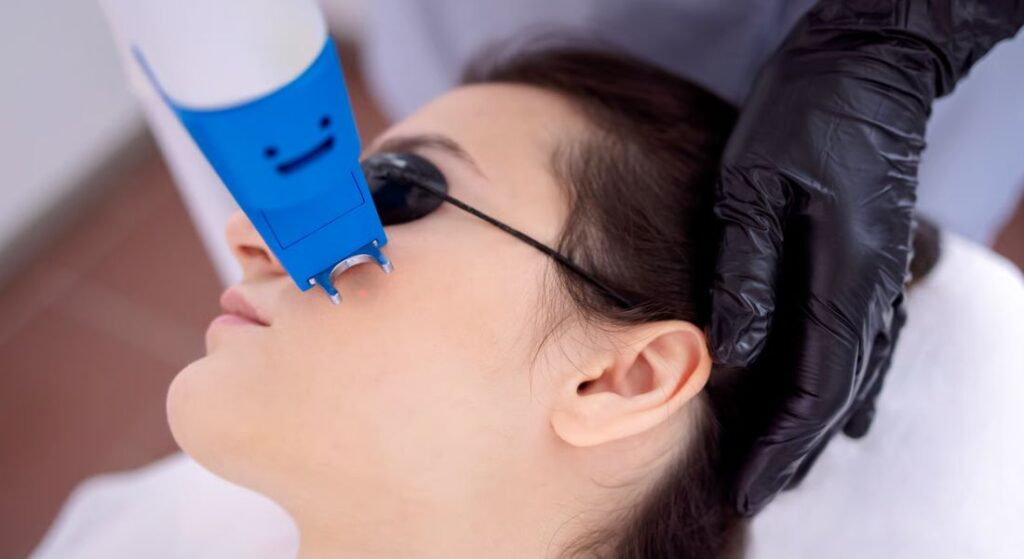
You’ll notice at conferences that the future of acne scar treatment is being shaped by a strong shift towards more personalised and balanced approaches. Experts increasingly discuss how CO₂ laser resurfacing will be tailored more precisely to your skin type, scar pattern, and healing response, rather than using a one-size-fits-all aggressive setting.
In many presentations, there’s also growing interest in combining CO₂ laser with regenerative medicine techniques and advanced imaging systems. You’ll hear specialists explore how tools like AI-based assessment, alongside therapies such as platelet-rich plasma or other regenerative options, may help you achieve more controlled and predictable improvements with reduced downtime.
Overall, the direction is clearly moving away from standalone high-intensity resurfacing and towards gradual, multi-layered skin remodelling. You’ll see CO₂ laser continuing to play a central role, but increasingly as part of combination-based, holistic strategies designed to improve not just acne scars, but overall skin quality in a safer and more refined way.
FAQs:
1. What is CO₂ laser resurfacing for acne scars?
CO₂ laser resurfacing is a skin treatment that helps improve acne scars by creating controlled micro-injuries in the skin. This stimulates collagen production and skin renewal over time. You may notice smoother texture and improved skin quality after healing. It’s often used for more complex or deeper scars.
2. Why is CO₂ laser still popular in acne scar treatment?
CO₂ laser remains popular because it is effective for improving both scar texture and overall skin quality. You benefit from long-term collagen remodelling rather than just surface-level changes. Experts also continue refining it to make treatments safer and more predictable. It is still considered a cornerstone in scar management.
3. How has CO₂ laser treatment changed at conferences?
At conferences, you’ll see a shift away from aggressive, one-size-fits-all treatments. Specialists now focus on personalised settings based on your skin type and scar pattern. Combination approaches are also widely discussed. The goal is safer, more refined, and natural-looking results.
4. Why is combination therapy important for acne scars?
Combination therapy is important because different treatments target different layers of scarring. You may receive CO₂ laser along with subcision, microneedling, or regenerative treatments. This helps improve both deep structure and surface texture. It usually leads to more balanced results.
5. What types of acne scars respond best to CO₂ laser?
CO₂ laser works well for boxcar and some rolling scars, especially when combined with other treatments. Ice-pick scars often need additional techniques like TCA or subcision. You are more likely to get best results when treatment is tailored to your scar type. That’s why personalised planning is essential.
6. Does CO₂ laser improve skin quality beyond scars?
Yes, CO₂ laser can improve overall skin quality, not just scars. It may reduce fine lines, improve texture, and refine pores through collagen stimulation. You may notice gradual improvements over several months. This is why it’s often used in broader skin rejuvenation plans.
7. What role does collagen play in CO₂ laser treatment?
Collagen plays a key role because CO₂ laser stimulates your skin’s natural healing process. This leads to new collagen formation over time, which helps fill in scars and smooth texture. You won’t see instant results, but gradual improvement builds over months. It’s a long-term remodelling process.
8. Is CO₂ laser safe for all skin types?
CO₂ laser can be effective for many skin types, but safety depends on proper settings and planning. You may have a higher risk of pigmentation if your skin tone is darker, so careful adjustment is needed. Experts now focus strongly on inclusive and safer protocols. Proper assessment is essential before treatment.
9. What is the recovery like after CO₂ laser resurfacing?
Recovery usually involves redness, swelling, and peeling for a few days to weeks depending on intensity. You’ll be guided with skincare, sun protection, and aftercare routines to support healing. Newer techniques aim to reduce downtime. Proper recovery care helps improve your final results.
10. What is the future of CO₂ laser for acne scars?
The future is moving towards more personalised, lower-downtime, and combination-based treatments. You may see CO₂ laser paired with regenerative therapies and AI-based planning tools. The focus is on safer, more predictable outcomes. Overall, results will be more natural and tailored to your skin.
Final Thoughts: How CO₂ Laser Acne Scar Treatment Is Evolving
CO₂ laser treatment for acne scars has evolved significantly, and you’ll notice that modern conference discussions now focus more on precision, safety, and personalised care rather than aggressive resurfacing. The shift towards fractional technology, combination therapies, and regenerative support means treatments are becoming more balanced and better suited to your individual scar type and skin needs.
What really stands out is the move towards lower downtime, conservative energy settings, and more tailored treatment planning to ensure safer and more predictable results. Instead of a one-size-fits-all approach, you’re now more likely to see gradual improvement over a series of treatments, with a stronger focus on long-term skin quality.
Overall, CO₂ laser acne scar treatment is becoming more refined, patient-specific, and recovery-conscious, helping you achieve natural-looking improvements with better comfort and consistency. If you’re looking for CO₂ Laser treatment in London, you can get in touch with us at the London Medical & Aesthetic Clinic.
References:
1. Tan, K. L., Kurniawati, C., Gold, M. H. (2008) “Low Risk of Postinflammatory Hyperpigmentation in Skin Types 4 and 5 After Treatment With Fractional CO2 Laser Device.” Journal of Drugs in Dermatology, 7(8): 774–778. https://pubmed.ncbi.nlm.nih.gov/18720695/
2. Nanni, C. et al. (2002) “Single‑pass CO2 laser skin resurfacing of light and dark skin: extended experience with 52 patients.” Dermatologic Surgery, 28(8): 745–752. https://pubmed.ncbi.nlm.nih.gov/12745598/
3. Ong, M. W. & Wong, J. K. (2013) ‘Treatment of Acne Scars and Wrinkles in Asian Patients Using Carbon‑Dioxide Fractional Laser Resurfacing: Its Effects on Skin Biophysical Profiles’, Dermatologic Surgery, 39(7 Pt 1), pp. 1025–1032. Available at: https://pmc.ncbi.nlm.nih.gov/articles/PMC3870213/
4. Ranjan, R., Chouhan, K., & Dogra, S. (2014) ‘Fractional CO2 Laser Resurfacing as Monotherapy in the Treatment of Atrophic Facial Acne Scars’, Journal of Cutaneous and Aesthetic Surgery, 7(4), pp. 246–252. Available at: https://pmc.ncbi.nlm.nih.gov/articles/PMC4134658/
5. Kubik, P., Bighetti, S., Bettolini, L. et al. (2025) ‘The Effectiveness and Safety of 1470 nm Non‑Ablative Laser Therapy for the Treatment of Striae Distensae: A Pilot Study’, Cosmetics, 12(4), 148. https://www.mdpi.com/2079-9284/12/4/148