


CO₂ laser treatment has become a popular option if you want to improve your skin texture, reduce wrinkles, and address sun damage. If you are considering this treatment in London, it is important to understand how it works before making a decision. Being well-informed helps you feel more confident about the process. It also allows you to set realistic expectations.
This treatment works by resurfacing the outer layers of your skin while stimulating collagen production beneath the surface. As your skin heals, it becomes smoother, firmer, and more even in tone. You may notice gradual improvements over time rather than immediate changes. Because of this, patience and proper aftercare are important parts of the process.
Knowing what to expect before, during, and after the procedure can make your experience much smoother. You will need to prepare your skin properly and follow professional advice carefully. Planning ahead also helps you manage recovery time and daily activities. Taking the time to understand the treatment is a worthwhile step towards achieving the best possible results.
What Is CO₂ Laser Treatment?
CO₂ laser treatment is an advanced skin procedure that uses focused light energy to remove damaged layers of your skin. By carefully targeting the surface and deeper layers, it encourages your skin to renew itself. This process not only improves texture but also stimulates collagen production, helping your skin become firmer and smoother over time. It is often chosen because it can address several concerns in one treatment.
1. Removal of damaged skin layers: The laser precisely removes outer layers of skin that may be affected by ageing, sun damage, or scarring. This allows healthier skin to emerge.
2. Stimulation of collagen production: As your skin heals, it produces more collagen. This strengthens the skin structure and improves firmness and elasticity.
3. Treatment of multiple skin concerns: You can target wrinkles, uneven texture, pigmentation, and scars all at once. This makes the treatment highly versatile for overall skin rejuvenation.
4. Deeper action compared to superficial treatments: Unlike lighter treatments that only affect the surface, CO₂ laser treatment works deeper within the skin. This leads to more noticeable and longer-lasting results.
Because of its ability to deliver significant improvements, CO₂ laser treatment is considered a powerful option for skin rejuvenation. With proper care and recovery, you can achieve smoother, clearer, and more youthful-looking skin.
Why Patients in London Are Choosing It
Patients in London are increasingly choosing advanced aesthetic treatments that deliver clear and lasting improvements. You may be looking for options that go beyond topical skincare and provide deeper results. CO₂ laser treatment offers this by targeting multiple skin concerns at once. This makes it a popular choice for more comprehensive skin rejuvenation.
The treatment also aligns with modern aesthetic goals that focus on natural-looking, long-term results. Rather than relying on temporary fixes, you may prefer solutions that continue to improve your skin over time. By stimulating collagen and renewing the skin’s surface, CO₂ laser treatment supports this approach. It provides benefits that develop gradually and last longer.
Busy lifestyles are another reason why this treatment is appealing. You may prefer options that do not require frequent maintenance sessions. Because the results are long-lasting, fewer follow-up treatments are usually needed. This balance between effectiveness and convenience makes it an attractive choice.
The Importance of a Consultation
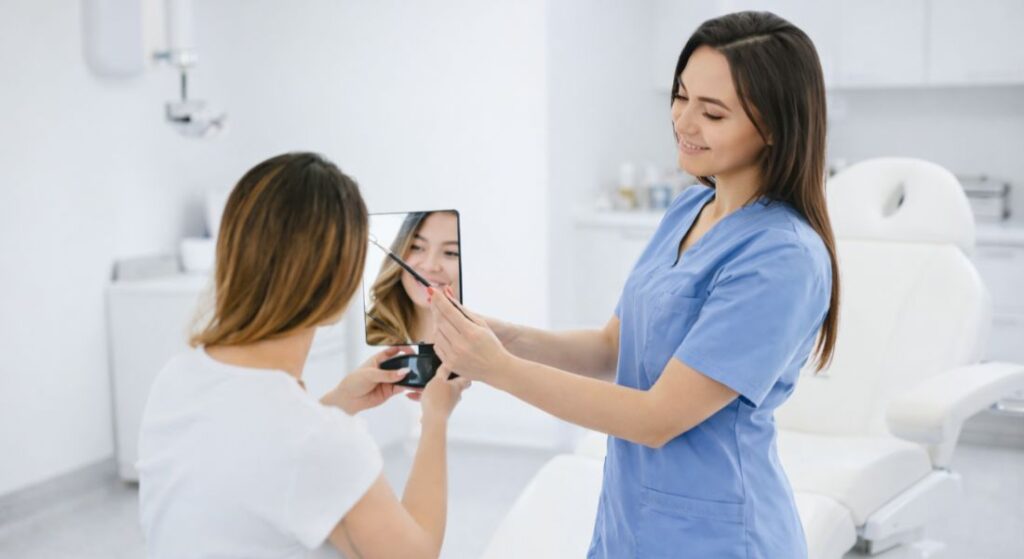
A consultation is the first and most important step before having CO₂ laser treatment. During this appointment, your practitioner will assess your skin type, condition, and overall suitability. You will also have the chance to discuss your goals and any concerns you may have. This helps create a treatment plan that is tailored specifically to you.
Your practitioner will determine whether the treatment is appropriate for your skin. Not everyone is an ideal candidate, and certain factors such as skin sensitivity or medical history need to be considered. This careful assessment helps ensure the procedure is both safe and effective. Personalised evaluation is key to achieving the best results.
You will also have the opportunity to ask questions and understand what the treatment involves. Learning about the process, recovery, and expected outcomes helps you feel more prepared. This stage is where you begin planning your treatment journey. Being informed from the start builds confidence and supports a smoother experience.
Assessing Your Skin Type
Your skin type plays a key role in planning your CO₂ laser treatment. Different skin types can respond in different ways to laser energy, so this needs to be assessed carefully. Your practitioner will evaluate how your skin is likely to react. This helps ensure the treatment is both safe and effective for you.
Factors such as pigmentation, sensitivity, and overall skin condition are taken into account. If your skin is more prone to pigmentation changes or irritation, the treatment settings may need to be adjusted. This level of customisation allows the procedure to be tailored to your specific needs. It also helps minimise potential side effects.
A thorough assessment reduces risks and improves the quality of your results. When your treatment is personalised, you are more likely to achieve a balanced and natural outcome. Careful planning is essential for getting the best possible results. Your skin deserves an approach that is designed specifically for you.
Understanding Your Skin Concerns
Clearly identifying your skin concerns is an important part of planning your CO₂ laser treatment. You may be focusing on issues such as wrinkles, acne scars, or uneven skin tone. Each of these concerns requires a slightly different approach. Understanding your priorities helps shape a treatment plan that suits your needs.
Your practitioner will work with you to identify and prioritise the areas that matter most. This allows the treatment to be more targeted and precise. By focusing on specific concerns, the procedure can be adjusted for better effectiveness. A personalised approach helps achieve more balanced results.
Having a clear understanding of your goals also helps align expectations with outcomes. You will know what the treatment can realistically achieve and how results will develop over time. Open communication with your practitioner is essential throughout this process. This ensures you feel confident and informed at every stage.
Setting Realistic Expectations
It is important to have realistic expectations before undergoing CO₂ laser treatment. While the procedure can deliver significant improvements in skin texture, tone, and firmness, the results develop gradually. You should not expect instant changes straight after the treatment. Patience plays an important role in achieving the best outcome.
Your skin needs time to heal and regenerate after the procedure. As new collagen forms and the surface layers renew, you will begin to notice progressive improvement. This process can take several weeks or even months, depending on the intensity of the treatment. Gradual change is a normal and expected part of the results.
Understanding this timeline helps you avoid unnecessary disappointment. It allows you to appreciate the steady improvements as they develop. When your expectations are aligned with the process, the overall experience tends to be more positive. Setting realistic goals is key to feeling satisfied with your results.
How the Treatment Is Planned
Planning your CO₂ laser treatment is an important step that ensures the procedure is both safe and effective for your skin. Your practitioner will assess your skin condition, discuss your goals, and design a personalised approach tailored specifically to you. This careful planning helps achieve the best possible results while minimising risks. A customised treatment plan takes several factors into account.
1. Assessment of your skin and concerns: Your practitioner will evaluate your skin type, texture, and specific concerns such as wrinkles, scars, or pigmentation. This helps determine how the laser should be used.
2. Selection of treatment intensity: The depth and strength of the laser are adjusted based on your needs. More intensive settings may be used for deeper concerns, while lighter settings are chosen for milder issues.
3. Defining treatment areas: The plan will outline which areas of your face or body will be treated. This ensures that all targeted concerns are addressed effectively.
4. Discussion of sessions and expectations: Your practitioner will explain how many sessions you may need and what results you can realistically expect. This helps you feel informed and prepared.
5. Focus on safety and preparation: Proper planning reduces the risk of complications and supports smoother recovery. You may also receive guidance on how to prepare your skin before treatment.
A well-structured plan gives you clarity and confidence in the process. By tailoring the treatment to your individual needs, your practitioner can deliver safer, more consistent, and longer-lasting results.
Preparing Your Skin Before Treatment
Preparing your skin before CO₂ laser treatment is an important step in achieving the best results. You may be advised to follow a specific skincare routine in the weeks leading up to your appointment. This could include using gentle products or medical-grade skincare recommended by your practitioner. Proper preparation helps your skin respond more effectively to the treatment.
Avoiding sun exposure is particularly important during this period. Sun-damaged or recently tanned skin can increase the risk of complications such as irritation or pigmentation changes. You should use a high-quality sunscreen and limit direct sun exposure where possible. Protecting your skin beforehand supports a safer procedure.
Following all pre-treatment advice carefully can make a noticeable difference to your outcome. Well-prepared skin tends to heal more efficiently after the procedure. This also helps reduce the risk of side effects. Taking the time to prepare properly supports a smoother recovery and better overall results.
What Happens During the Procedure
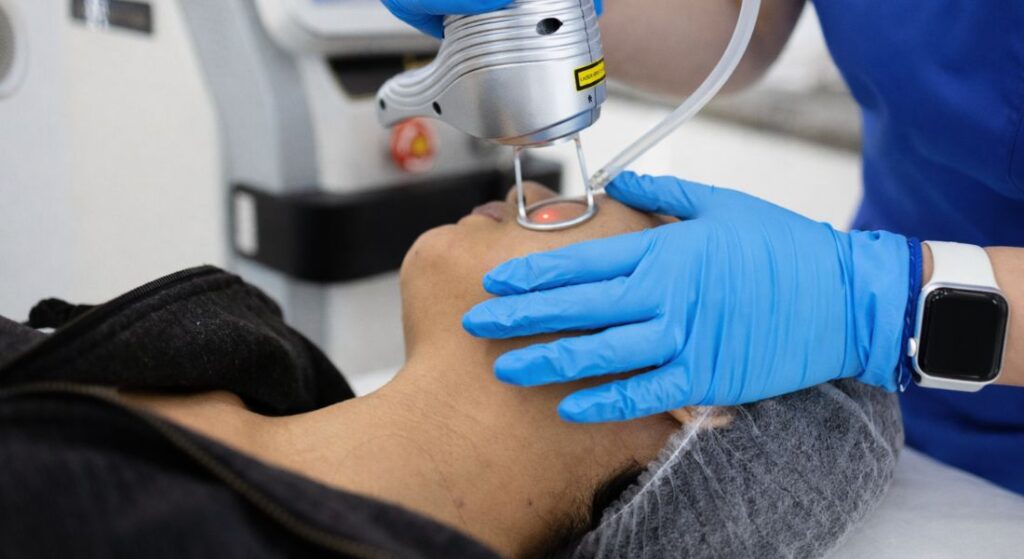
During CO₂ laser treatment, the laser is applied to your skin in a precise and controlled way. You may feel a sensation of warmth or mild discomfort as the laser works on the surface and deeper layers of your skin. This is a normal part of the procedure. In many cases, a numbing cream is used beforehand to help keep you comfortable.
The length of the treatment can vary depending on the size and number of areas being treated. Smaller areas may take only a short time, while more extensive treatments can take longer. Despite this, the procedure is generally completed within a planned timeframe. Your practitioner will guide you through each step so you know what to expect.
Throughout the procedure, your practitioner will focus on maintaining both your comfort and safety. The laser settings are carefully adjusted to suit your skin type and concerns. This ensures that the treatment is effective while minimising risks. The entire process is managed with precision to achieve the best possible outcome.
Pain Management and Comfort
Some level of discomfort is expected during CO₂ laser treatment, but it is usually manageable. To help minimise this, your practitioner may apply a numbing cream before the procedure begins. This reduces sensitivity in the treated area and makes the experience more comfortable. In some cases, additional comfort measures may also be used depending on the treatment intensity.
Your comfort remains a priority throughout the procedure. You should feel able to communicate with your practitioner at any point if something feels uncomfortable. This allows adjustments to be made where possible. Open communication helps ensure a smoother and more reassuring experience.
Understanding what the discomfort may feel like can help you prepare mentally. Knowing that some sensation is normal often reduces anxiety beforehand. Being informed allows you to approach the treatment with greater confidence. This can make the overall experience feel more manageable.
Immediate Aftereffects
After CO₂ laser treatment, it is normal for your skin to look red and feel sensitive. You may also notice some swelling in the treated area. These changes are part of your body’s natural healing response and show that the treatment is working. Understanding what to expect can help you feel more prepared and reassured.
1. Redness and warmth: Your skin may appear red, similar to a sunburn, and feel warm to the touch. This is a common reaction as the skin begins to repair itself.
2. Swelling in the treated area: Mild to moderate swelling can occur, especially in more delicate areas. This usually settles within a few days.
3. Increased sensitivity: Your skin may feel tender or sensitive after the procedure. You might notice this more when touching your skin or applying products.
4. Early signs of healing: These aftereffects indicate that your skin has started the healing process. New skin cells and collagen production begin soon after treatment.
These effects are temporary and generally improve over time. By following your practitioner’s aftercare advice, you can support healing and ensure the best possible results.
Recovery and Downtime
Recovery time after CO₂ laser treatment can vary depending on how intensive your procedure is. You may need several days, and sometimes longer, for your skin to settle fully. Planning your schedule in advance can help you manage this period more comfortably. Giving yourself enough time to rest is an important part of the process.
During recovery, your skin will go through natural healing stages. You may notice redness, peeling, and sensitivity as new skin forms. These changes are expected and usually temporary. As your skin regenerates, you will begin to see gradual improvements in texture and tone.
Following your aftercare instructions carefully is essential for a smooth recovery. This may include using gentle skincare products and protecting your skin from the sun. Proper care helps reduce the risk of complications and supports better results. Patience during this phase will help you achieve the best outcome.
Post-Treatment Skincare

Post-treatment care is essential after CO₂ laser resurfacing, as your skin needs time and support to heal properly. You will usually be given a specific skincare routine to follow in the days and weeks after your procedure. This may include gentle cleansing and the use of soothing products. Following this guidance helps protect the treated skin and supports recovery.
Moisturising and sun protection are particularly important during this stage. Your skin will be more sensitive than usual, and it may react more easily to environmental factors. Keeping the skin hydrated helps maintain comfort and promotes healing. Using a high-quality sunscreen is essential to prevent damage and protect your results.
Adhering closely to your aftercare instructions can significantly improve your outcome. Consistent care helps reduce the risk of irritation, infection, or pigmentation changes. It also supports smoother, more even healing. Taking this stage seriously ensures you get the most benefit from your treatment.
Sun Protection After Treatment
Sun protection is especially important after CO₂ laser treatment because your skin will be more sensitive and vulnerable to damage. Exposure to sunlight during this period can affect how your skin heals and may impact your final results. You may also be at a higher risk of irritation or pigmentation changes. Protecting your skin carefully is essential.
Using a broad-spectrum sunscreen every day is one of the most important steps you can take. You should also try to avoid direct sunlight, particularly during peak hours. Wearing a hat or seeking shade can provide additional protection. These simple measures help reduce unnecessary stress on your healing skin.
Proper sun care supports both recovery and long-term results. It helps maintain the improvements achieved from your treatment. Consistent protection also reduces the likelihood of complications. Making sun protection part of your daily routine will benefit your skin well beyond the recovery period.
Possible Risks and Side Effects
Like any medical or cosmetic procedure, CO₂ laser treatment carries some potential risks. Most side effects are temporary and manageable, especially when the treatment is performed by an experienced practitioner. Understanding these possibilities helps you feel prepared and make informed decisions about your care. While complications are uncommon, it’s important to be aware of what may occur.
1. Redness and swelling: These are the most common aftereffects and usually settle within a few days to weeks, depending on the intensity of the treatment.
2. Temporary pigmentation changes: Your skin may become slightly darker or lighter in the treated area for a period of time. This is usually temporary but requires proper sun protection during healing.
3. Sensitivity and irritation: Treated skin can feel tender, dry, or irritated as it heals. Following aftercare instructions helps minimise discomfort.
4. Risk of infection or delayed healing: Although rare, improper aftercare can increase the risk of infection or slow down recovery. Keeping the skin clean and protected is essential.
5. Importance of practitioner expertise: Choosing a qualified and experienced practitioner significantly reduces risks. Proper technique and personalised settings are key to safe and effective treatment.
Being aware of potential side effects allows you to approach the treatment with realistic expectations. By following professional guidance and aftercare advice, you can minimise risks and support a smooth recovery.
Long-Term Results and Benefits
CO₂ laser treatment offers meaningful long-term benefits because it works by stimulating your skin’s natural repair processes. As new collagen forms, your skin continues to improve even after the initial healing phase. This gradual development enhances the overall result over time. You may notice that your skin keeps getting better in the weeks and months following treatment.
You can expect smoother, firmer skin with improved texture and a more even tone. Fine lines may appear softer, and areas of uneven pigmentation can become less noticeable. These changes tend to develop naturally rather than all at once. This gives a more subtle and refreshed appearance.
The long-term nature of these results is one of the main reasons the treatment is so popular. You benefit from sustained improvement rather than short-term changes. With proper care, the results can last for a considerable time. This makes the treatment a worthwhile option for many people seeking lasting skin rejuvenation.
Combining CO₂ Laser With Other Treatments
CO₂ laser treatment can often be combined with other aesthetic procedures to enhance your overall results. Rather than focusing on a single concern, a combination approach allows your practitioner to address multiple aspects of skin ageing and texture at the same time. This creates a more balanced and natural-looking outcome. Your treatment plan will be tailored to suit your individual goals.
1. Combining with injectables: Treatments such as anti-wrinkle injections or dermal fillers can complement CO₂ laser resurfacing. While the laser improves skin texture and tone, injectables can restore volume and smooth dynamic lines.
2. Pairing with medical-grade skincare: Specialised skincare products may be recommended before and after treatment. These help prepare your skin, support healing, and maintain the results over time.
3. Addressing multiple concerns together: A combined approach can target wrinkles, pigmentation, texture, and volume loss in a single plan. This leads to more comprehensive rejuvenation.
4. Personalised treatment strategy: Your practitioner will assess your skin and recommend the best combination of treatments. This ensures that each element works together safely and effectively.
Discussing your options with a qualified professional helps you understand what combination will suit you best. With a well-planned approach, you can achieve more noticeable and longer-lasting improvements in your skin.
Choosing the Right Clinic in London
Choosing the right clinic is essential if you want safe and effective CO₂ laser treatment. You should look for experienced practitioners who are properly trained in laser procedures. Qualifications and clinical expertise play a major role in achieving good results. Feeling confident in your practitioner helps you approach the treatment with reassurance.
A reputable clinic will always offer a detailed consultation before any procedure. During this appointment, your skin will be assessed and your suitability carefully evaluated. You should also receive clear information about the treatment, risks, and expected outcomes. Transparency at this stage is a strong indicator of professional care.
Taking the time to research and choose the right provider can significantly improve your overall experience. It helps ensure that your treatment is performed safely and tailored to your needs. A well-chosen clinic supports better results and smoother recovery. Confidence in your decision is an important part of the journey.
FAQs:
1. What is CO₂ laser treatment?
CO₂ laser treatment is a skin resurfacing procedure that uses focused light energy to remove damaged outer layers of skin. This process encourages new skin growth and stimulates collagen production. It helps improve wrinkles, scars, and uneven texture. The result is smoother and healthier-looking skin over time.
2. Who is a suitable candidate for CO₂ laser treatment?
You may be a suitable candidate if you have concerns such as fine lines, acne scars, or sun damage. Your practitioner will assess your skin type and overall health during a consultation. Not everyone is ideal for this treatment, particularly those with certain skin conditions. A professional evaluation ensures safety and effectiveness.
3. How should you prepare before the treatment?
Before treatment, you may be advised to follow a specific skincare routine to prepare your skin. Avoiding sun exposure is especially important, as it reduces the risk of complications. Your practitioner may also recommend stopping certain products or medications. Following these instructions helps achieve better results.
4. What happens during the procedure?
During the procedure, a laser is carefully applied to the targeted areas of your skin. You may feel warmth or mild discomfort, but this is usually manageable. Numbing creams are often used to improve comfort. The duration depends on the size of the treatment area.
5. Is CO₂ laser treatment painful?
Some discomfort can occur during the treatment, but it is generally well managed with numbing creams. You may feel a warm or tingling sensation as the laser is applied. Most patients find the procedure tolerable. Your practitioner will ensure your comfort throughout.
6. What are the immediate side effects after treatment?
After treatment, your skin may appear red, swollen, and sensitive. These are normal responses as your skin begins to heal. You may also notice a feeling similar to sunburn. These effects usually improve over the following days.
7. How long is the recovery period?
Recovery time varies depending on the intensity of the treatment. You may need several days to a couple of weeks for your skin to heal fully. During this time, peeling and redness are common. Following aftercare advice helps speed up recovery.
8. When will you see results from CO₂ laser treatment?
Results develop gradually as your skin heals and produces new collagen. You may begin to notice improvements within a few weeks. Full results often appear over several months. Patience is important for achieving the best outcome.
9. Are there any risks associated with the treatment?
Like any procedure, CO₂ laser treatment carries some risks, including redness, swelling, and temporary pigmentation changes. These side effects are usually manageable with proper care. Choosing an experienced practitioner significantly reduces risks. Understanding these possibilities helps you make an informed decision.
10. How long do the results last?
The results of CO₂ laser treatment can last for a long time, especially with good skincare and sun protection. Collagen production continues after the procedure, improving your skin over time. However, natural ageing will still occur. Maintaining results may involve occasional follow-up treatments.
Final Thoughts: Preparing for Confident CO₂ Laser Results
CO₂ laser treatment can deliver impressive, long-lasting improvements in skin texture, tone, and overall appearance when approached with the right preparation and expectations. Taking the time to understand the procedure, recovery process, and aftercare requirements allows you to feel more confident and in control of your treatment journey.
By choosing an experienced practitioner and following personalised advice before and after the procedure, you significantly improve both safety and outcomes. Every step from consultation to recovery plays a role in achieving the best possible results. If you’re looking for C02 laser treatment London, you can get in touch with us at the London Medical & Aesthetic Clinic.
References:
1. Gkini, M.A., Kouskoukis, A.E. and Tripsianis, G. (2023) ‘Laser resurfacing versus chemical peels: A review of current trends and technological advances in nonsurgical facial rejuvenation’, MDPI Journals. https://www.mdpi.com/3042-6774/1/1/5
2. Fabbrocini, G. et al. (2023) ‘Laser impacts on skin rejuvenation: The use of a synergistic emission of CO₂ and 1540 nm wavelengths’, Medicina (MDPI). https://www.mdpi.com/1648-9144/59/10/1857
3. Gkini, M.A. et al. (2023) ‘Advances in laser-based skin rejuvenation technologies and safety considerations’, MDPI Journals. https://www.mdpi.com/3042-6774/1/1/5
4. El-Domyati, M. et al. (2016) ‘Efficiency of carbon dioxide fractional laser in skin resurfacing’, Journal of Cosmetic Dermatology. https://pubmed.ncbi.nlm.nih.gov/27335599/
5. Dubois, R., Emard, J.F. and Ghadirian, P. (1998) ‘CO₂ laser skin resurfacing: critical analysis of recent literature’, Annales de Chirurgie Plastique Esthétique. https://pubmed.ncbi.nlm.nih.gov/9972660/