

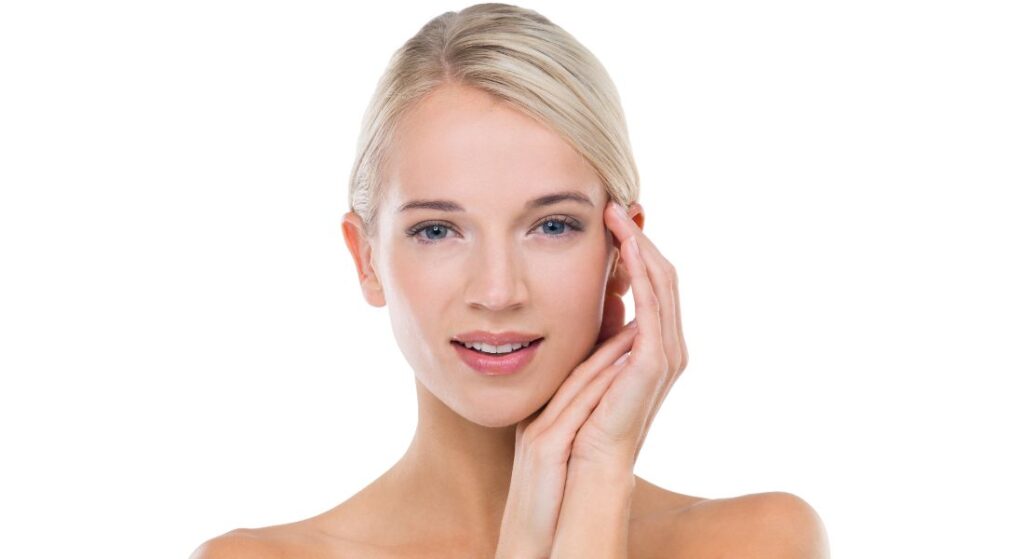
CO₂ laser can improve skin quality without changing your facial features, and this is one of its most important advantages. The treatment works by resurfacing damaged skin and stimulating new collagen formation, leading to smoother texture, improved tone, refined pores, and softened fine lines. It does not add volume, restrict muscle movement, or alter facial structure, so your natural shape and expressions remain intact.
Much of the concern about looking “different” comes from confusing skin-resurfacing treatments with structural aesthetic procedures. Fillers can change contours, Botox alters muscle movement, and surgery reshapes anatomy. CO₂ laser does none of these. It improves the quality of the skin itself, not the framework beneath it. Think of it as polishing the surface rather than redesigning the face.
Modern CO₂ laser technology is also far more precise than earlier generations. Dermatologists can control depth, intensity, and treatment patterns, tailoring the laser to your skin condition, age, and goals. This precision allows meaningful improvement while avoiding overtreatment, which is what historically led to unnatural results.
The key factor in maintaining natural-looking outcomes is expert planning. A skilled practitioner focuses on gradual improvement, respects your skin’s limits, and prioritises balance over dramatic change. When done properly, CO₂ laser leaves you looking like a fresher, healthier version of yourself never like someone else.
Why People Worry About Looking “Different” After Skin Treatments
That fear is completely understandable. Many people have seen results online or in real life where someone looks tighter, frozen, or subtly unlike themselves after an aesthetic procedure. Even when the intention was simple rejuvenation, the outcome can sometimes feel overdone or unnatural. Experiences like these make it reasonable to hesitate before committing to any skin treatment.
A big part of this concern comes from grouping all aesthetic procedures together. In reality, treatments work in very different ways. Injectables such as fillers can alter facial contours, Botox affects muscle movement, and surgical procedures change structure. These approaches can influence how a face moves or looks if not carefully planned.
CO₂ laser resurfacing works on a completely different level. It focuses on the quality of the skin itself improving texture, tone, and firmness without changing facial shape, volume, or expression. Understanding this distinction is key to easing the fear of looking “different” and helps set realistic, reassuring expectations before treatment.
Skin Quality vs Facial Features: The Crucial Difference
Before you think about lasers, it helps to clearly separate two ideas that are often confused. Skin quality and facial features are not the same, even though they affect how your face looks overall. When people worry about looking “different”, they are usually thinking about changes to facial features, not improvements in skin quality.
Skin quality refers to how your skin behaves and appears on the surface. This includes texture, tone, pore size, fine lines, firmness, and overall smoothness and clarity. When skin quality improves, your face looks fresher and healthier, but it still looks like you.
Facial features are defined much deeper. They come from bone structure, fat pads, muscle movement, and facial proportions. CO₂ laser works only on the skin itself and does not alter this underlying architecture, which is why it can improve skin quality without changing your facial features or expressions.
What CO₂ Laser Actually Does to the Skin
CO₂ laser resurfacing works by delivering controlled thermal energy into the skin. This energy creates tiny, microscopic columns that stimulate your skin’s natural healing process. Although it sounds intense, the treatment is carefully calibrated to trigger repair without damaging surrounding tissue.
As your skin heals, it begins producing new collagen and elastin. These are the structural proteins responsible for firmness, elasticity, and smooth texture. Over time, this renewal process leads to skin that looks smoother, tighter, and more even in tone.
Crucially, CO₂ laser does not change your facial shape or structure. It does not add volume, remove volume, or shift tissues in any way. Instead, it simply improves the quality of the skin you already have, helping you look refreshed without looking different.
Why CO₂ Laser Does Not Change Facial Features
Facial features only change when treatments affect bone, fat, muscle tension, or overall facial symmetry. These are the structures that determine the shape of your face and how your expressions move. CO₂ laser does not interact with any of these deeper elements.
Instead, CO₂ laser works only within the epidermis and dermis, which are the surface and mid layers of your skin. It does not reach bone, reposition fat, or alter muscle movement. This means your natural facial structure stays exactly the same.
Your nose will not become smaller, your lips will not look fuller, and your jawline will not be reshaped. What does change is the quality of the skin sitting on top of those features. Your skin can look smoother, clearer, and healthier, while you still look like you.
The Role of Collagen in Natural-Looking Results
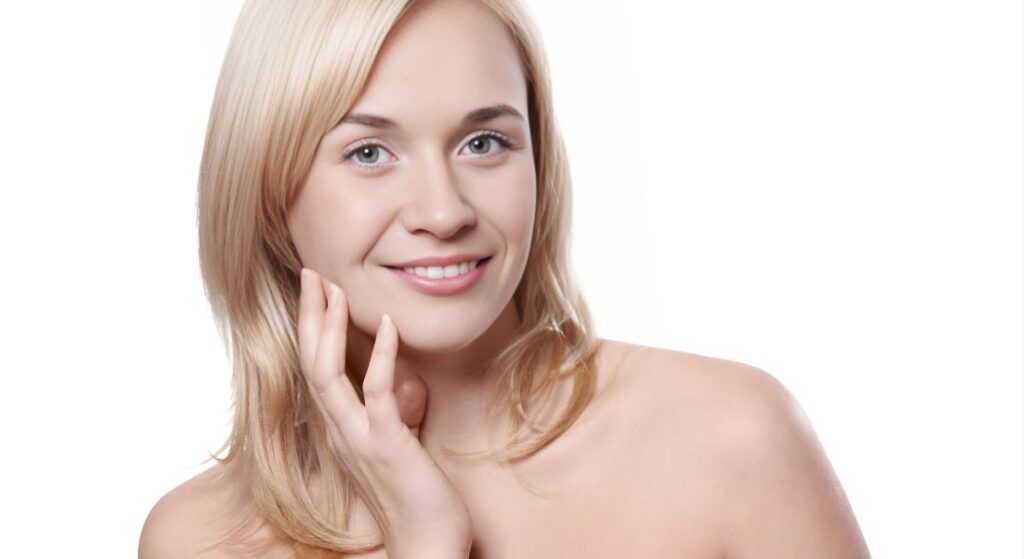
One of the main reasons CO₂ laser results look natural is because they work with your own biology. The treatment stimulates collagen that your body produces itself, rather than adding anything artificial. This allows the skin to improve in a way that stays true to your natural features.
Collagen production after CO₂ laser happens gradually over weeks and months. Because the change is progressive, there is no sudden or dramatic shift in your appearance. Your skin slowly becomes firmer, smoother, and more even, which helps the results look subtle and believable.
As collagen rebuilds, fine lines soften and skin texture improves without altering facial shape or expression. You still look like yourself, just refreshed and healthier. This is why people often say you look well-rested rather than noticing that you have had a treatment.
Texture Improvement Without Structural Change
Uneven texture is a common sign of ageing and sun damage. CO₂ laser targets these surface concerns, refining pores, smoothing rough patches, and softening scars without altering your facial structure or natural expression.
1. Surface Refinement: CO₂ laser smooths rough areas, shrinks enlarged pores, and reduces the appearance of acne or trauma scars, improving the overall feel of the skin.
2. Facial Movement Remains Natural: The procedure does not tighten muscles or alter facial contours. Expressions, smiles, and natural movements remain unchanged.
3. Enhanced Light Reflection: By creating a smoother surface, the skin reflects light more evenly. This results in a brighter, healthier-looking complexion without appearing artificial or over-treated.
In conclusion, CO₂ laser improves the skin’s texture while preserving your natural facial structure. The result is a refreshed, refined appearance that maintains your individuality.
Can CO₂ Laser Tighten Skin Without Pulling the Face?
Yes, and this is where confusion often arises for many people. Skin tightening does not automatically mean your face will look pulled or distorted. CO₂ laser tightens the skin by improving collagen density within the skin itself, not by physically stretching it.
The laser works by stimulating new collagen that strengthens the skin’s internal support. This creates a firmer, more resilient skin surface over time. There is no mechanical pulling, lifting, or repositioning of facial tissues involved in the process.
Because the tightening is subtle and biologically driven, the result looks natural. Your facial expressions remain unchanged, and your features stay the same. You still look like yourself, just with skin that feels stronger, smoother, and more supported.
Why Some People Associate Lasers With Overdone Results
This perception usually comes from older laser technologies or overly aggressive treatment settings. Early laser resurfacing techniques were less refined and often treated the entire skin surface at once. This increased the risk of prolonged redness, texture changes, and results that looked obvious rather than natural.
Modern CO₂ laser systems are far more precise. They use fractional delivery, controlled depth, and customised energy levels based on your skin type and concern. This allows targeted skin regeneration while leaving surrounding tissue intact, which supports faster healing and more natural outcomes.
When performed correctly, the goal of CO₂ laser is not dramatic transformation. It is controlled skin renewal that improves texture, firmness, and tone. The aim is healthier-looking skin that still looks like you, not an overdone or altered appearance.
Customisation Is What Keeps Results Natural
No two faces are the same, and CO₂ laser should never be a one-size-fits-all treatment. Every session is customised based on your skin type, texture, and specific concerns, as well as your personal goals for improvement.
Different areas of the face such as the eyes, mouth, and cheeks require different settings and approaches. This careful planning ensures results are balanced and that natural facial movement is preserved.
A skilled practitioner uses the laser to enhance your skin, not to overwrite your features. By tailoring depth, intensity, and coverage, they create smoother, healthier skin while keeping your appearance entirely natural.
Improving Skin Tone Without Changing Expression
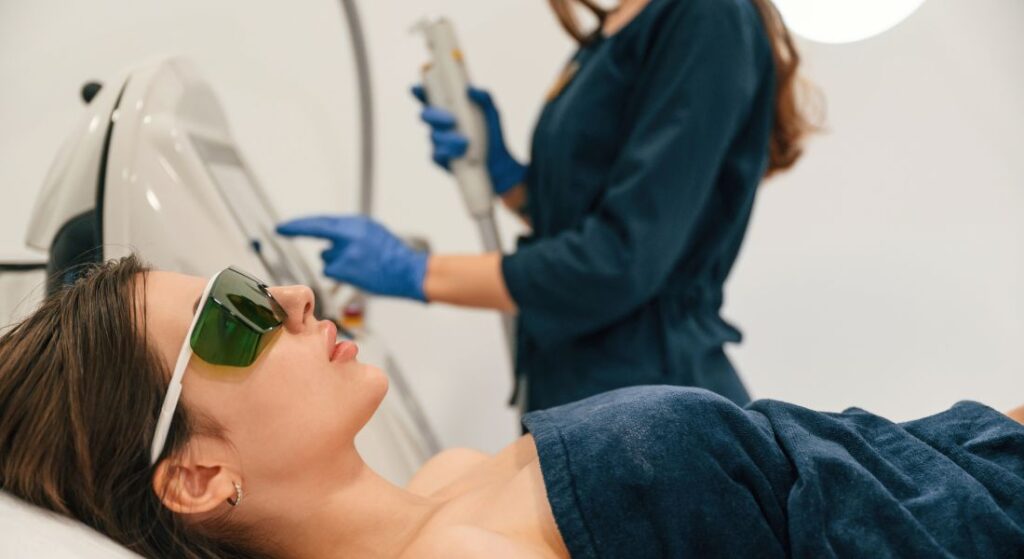
Uneven skin tone, pigmentation, and redness can make the face appear tired or aged. CO₂ laser addresses these concerns by working at the surface and mid-skin levels, targeting discolouration and promoting a more uniform complexion.
As your skin tone improves, your facial expressions remain completely natural. Smiles, frowns, and other movements are unaffected, so your face continues to look like you.
This subtle improvement is why people often notice that you look healthier or more refreshed, but can’t quite say what changed. The laser enhances your natural appearance without altering how your face moves or expresses itself.
CO₂ Laser vs Treatments That Do Change Facial Features
Understanding how CO₂ laser differs from other aesthetic procedures helps set realistic expectations. While some treatments alter facial structure, CO₂ laser focuses solely on improving the skin’s surface.
1. Dermal Fillers and Surgery: Fillers add volume and can subtly change facial contours, while surgical procedures reposition tissues to lift or reshape areas. Both can alter how features look and move.
2. CO₂ Laser Focuses on Skin: The laser works only on the skin itself, improving texture, tone, firmness, and clarity without affecting underlying structures. Facial shape, bone structure, and natural expressions remain unchanged.
3. Ideal for Natural Enhancement: CO₂ laser is perfect for those seeking noticeable skin improvement without altering who they are. It refreshes and rejuvenates the skin while preserving your natural appearance.
In conclusion, CO₂ laser enhances the skin you already have rather than changing your facial features. It provides visible improvement while keeping results natural, subtle, and true to your own identity.
Why Patients Want Skin Improvement Without Feature Change
Most people aren’t looking to change who they are they just want to look like a fresher, healthier version of themselves. CO₂ laser is appealing because it improves skin quality while keeping your natural features completely intact.
Patients appreciate treatments that preserve natural facial movement, maintain familiar expressions, and provide gradual, subtle improvements. The goal isn’t dramatic transformation or reinvention it’s careful refinement.
With CO₂ laser, the focus is on enhancing your skin’s texture, tone, and firmness. The result is a well-rested, rejuvenated appearance that still looks unmistakably like you, only at your very best.
How Long It Takes to See Natural Results
CO₂ laser results develop gradually because collagen takes time to rebuild and strengthen the skin. Initial healing usually occurs within the first few days to weeks, with redness, peeling, or sensitivity gradually settling.
Improvements in texture, tone, and firmness continue over several months as new collagen forms and the skin remodels itself. This slow, progressive change helps results appear subtle and natural.
There’s no sudden “after” moment that announces you’ve had a procedure. Instead, your skin simply looks healthier, smoother, and more refreshed over time.
Can CO₂ Laser Be Adjusted for Subtle Enhancement?
Absolutely. CO₂ laser treatments are highly customizable, allowing intensity and depth to be adjusted to suit your skin and goals. This means the procedure can be tailored for a subtle refresh or a more intensive resurfacing.
Some patients prefer lighter treatments that focus on improving glow, smoothing texture, and refining pores, while others may need deeper sessions to address acne scars, fine lines, or advanced signs of ageing.
When planned carefully by a skilled practitioner, both approaches enhance skin quality without affecting your natural facial features. The result is a refreshed, healthier-looking complexion that still looks entirely like you.
The Importance of Practitioner Experience
The results of CO₂ laser treatment depend largely on the skill and experience of the practitioner performing it. An experienced professional knows how to customise the treatment to suit your skin type, concerns, and desired outcome.
A skilled practitioner understands facial anatomy, skin healing patterns, and how to balance intensity to avoid over-treatment. They know exactly how to enhance your skin while preserving natural features and expressions.
This expertise is what ensures that your skin looks refreshed, smoother, and healthie without changing who you are or altering your facial identity.
Recovery Does Not Equal Permanent Change
Immediately after CO₂ laser treatment, redness, swelling, and mild peeling are common and can make your face look different temporarily. This is a normal part of the healing process and does not reflect permanent change.
As your skin recovers, swelling subsides and your natural facial features return to how they were before treatment. What remains is the improved quality of your skin smoother texture, even tone, and firmer surface.
It’s important to be patient and not judge the final results too early. True, natural-looking improvements appear gradually over weeks and months as collagen remodels the skin.
Can CO₂ Laser Affect Facial Fat?
This is a common myth. When performed correctly, CO₂ laser does not target the fat layers beneath your skin. The laser energy is carefully confined to the epidermis and dermis, where it stimulates collagen production, improves texture, and promotes overall skin renewal.
Fat loss is neither typical nor intended with standard CO₂ laser treatments. Any concerns about changes in facial volume usually come from overly aggressive settings, improper technique, or combining multiple intense procedures too closely together.
With a skilled practitioner, CO₂ laser enhances skin quality while leaving underlying fat, bone, and facial contours completely intact. This ensures your features remain natural, and the improvement you see comes purely from healthier, smoother, and firmer skin.
Why CO₂ Laser Works Well for Ageing Without “Overdoing It”
Ageing affects the quality of your skin long before it changes your facial shape. Fine lines, dullness, uneven tone, and mild laxity often appear first, even while your natural features remain intact. CO₂ laser targets these early signs directly, improving texture, firmness, and brightness without altering your underlying structure.
This makes it an ideal treatment for maintaining a natural, youthful appearance over time. Many people use CO₂ laser as a preventative or maintenance strategy, addressing subtle changes before they become more pronounced.
By focusing on skin quality rather than dramatic lifting or volumising, CO₂ laser allows you to look refreshed and rejuvenated while still looking like yourself. It’s refinement, not reinvention.
Treating Acne Scars Without Changing Face Shape
Acne scars can impact skin texture and overall appearance, making the complexion look uneven or aged. CO₂ laser targets these imperfections effectively, improving the skin’s surface while leaving underlying structures untouched.
1. Stimulates Natural Repair: CO₂ laser encourages collagen production within the skin, helping to smooth and repair scarred areas from the inside out.
2. Facial Structure Remains Intact: The treatment only affects the skin’s surface and mid-layers. Bone, fat, and muscle remain unchanged, so your natural facial contours are preserved.
3. Restores Confidence: By improving texture and evenness, CO₂ laser helps achieve smoother skin without altering your features, making it a gold standard for acne scar revision.
In conclusion, CO₂ laser can effectively treat acne scars while keeping your natural face shape intact. It delivers visible improvement and confidence without compromising your unique facial structure.
Does CO₂ Laser Affect Facial Symmetry?
No, CO₂ laser does not affect facial symmetry. Symmetry is determined by the underlying bone structure and muscle positioning, not by the skin’s surface. The laser works solely on the epidermis and dermis, so it does not reposition or alter these foundational features.
In fact, improving skin quality can make your face appear more balanced and harmonious. Smoother texture, refined pores, and even tone allow light to reflect uniformly across both sides, subtly enhancing visual symmetry.
By targeting only the skin, CO₂ laser enhances overall appearance while preserving your natural proportions. The result is a fresher, more radiant look that feels entirely like you just at your best.
How CO₂ Laser Maintains Natural Movement
CO₂ laser works on the skin layers only, leaving underlying muscles completely untouched. This means all your natural facial expressions smiling, frowning, laughing remain exactly the same as before treatment.
Unlike some procedures that tighten or lift aggressively and can restrict movement, CO₂ laser preserves flexibility. Your face still tells your story, with every expression looking natural and effortless.
By focusing on skin quality rather than structural changes, the laser enhances appearance without compromising how your face moves or conveys emotion.
Is CO₂ Laser Suitable If You’re Afraid of Looking “Done”?
Yes, CO₂ laser is an excellent option for anyone prioritising subtle, natural results. It is often chosen by people who want noticeable skin improvement without dramatic or artificial changes.
The effects are gradual and enhance your complexion rather than altering your facial features. Friends and colleagues may simply notice that you look healthier, more refreshed, or well-rested rarely realising you’ve had a laser treatment.
This makes CO₂ laser ideal for those who want rejuvenation that feels natural, maintaining your authentic appearance while improving skin quality.
How Many Sessions Are Needed for Natural Results?
Many patients notice visible improvement after just one CO₂ laser session, especially for texture, tone, and fine lines. However, some prefer a staged approach, spreading treatments over several sessions for a more gradual and subtle transformation.
Spacing out sessions gives your skin time to rebuild collagen and recover naturally between treatments. This careful pacing not only enhances results but also reduces the risk of overcorrection, ensuring your skin looks refreshed without ever appearing “done.”
By tailoring the number and timing of sessions to your goals, a skilled practitioner can achieve natural, long-lasting improvement while preserving your authentic features.
How CO₂ Laser Fits Into a Natural Aesthetic Plan
CO₂ laser is a versatile tool for achieving long-term skin health and natural rejuvenation. When integrated thoughtfully into your skincare routine, it enhances results without changing your facial structure.
1. Complements Skincare Routines: The laser works best alongside consistent hydration, gentle cleansing, and daily sun protection, supporting overall skin health.
2. Synergy With Non-Volumising Treatments: CO₂ laser can be combined with microneedling or light chemical peels to stimulate collagen and refine texture while leaving facial contours unchanged.
3. Focus on Skin Quality: The goal is improving texture, tone, and firmness rather than altering facial shape or features. This ensures results are noticeable but natural.
In conclusion, CO₂ laser integrates seamlessly into a natural aesthetic plan. By prioritising skin quality and combining it with supportive routines, it delivers a refreshed, rejuvenated appearance while maintaining your authentic look.
Choosing the Right Clinic Matters
Not all clinics approach CO₂ laser with the same philosophy. Some prioritise dramatic, high-impact results, while others focus on subtle, natural enhancement that preserves your features.
If your goal is to improve skin quality without altering your facial structure, it’s important to communicate this clearly. A skilled clinic will tailor the treatment to your needs, adjusting intensity, depth, and coverage for optimal results.
When researching CO₂ laser providers, choose one that emphasises personalised settings, careful planning, and skin-led outcomes such as specialist clinics offering advanced CO₂ laser services at centres like LMA Clinic. This ensures you get safe, natural-looking rejuvenation that enhances your skin without changing who you are.
Managing Expectations Before Treatment
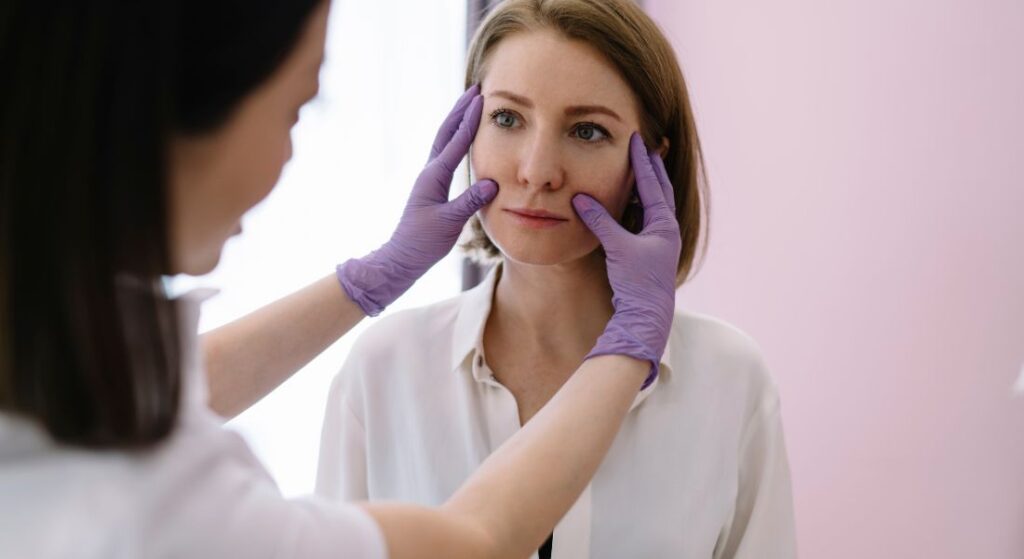
Setting realistic expectations is essential before undergoing CO₂ laser. The treatment is designed to refine and improve your skin’s appearance it does not change your facial structure or who you are.
Understanding exactly what CO₂ laser can and cannot do helps prevent disappointment and ensures you are happy with the results. The focus is on enhancement, not transformation.
By approaching the treatment with this mindset, you can appreciate subtle improvements in texture, tone, and firmness while maintaining your natural features and authentic expression.
Why “You, But Better” Is the Right Goal
The most satisfying aesthetic results are often the ones that look effortless and natural. CO₂ laser embodies this philosophy perfectly it enhances your skin without altering your facial features or expressions.
After treatment, you still recognise yourself in the mirror. The difference is subtle but noticeable: smoother texture, clearer tone, firmer skin, and a healthier overall appearance.
This natural enhancement is precisely why CO₂ laser is so appealing. It helps you look refreshed and revitalised while remaining unmistakably you simply at your very best.
FAQs
1. Can CO₂ laser improve skin quality without changing how I look?
Yes. CO₂ laser resurfaces damaged skin, stimulates collagen, and improves texture, tone, and firmness—without altering facial structure, volume, or natural expressions.
2. How is CO₂ laser different from fillers or Botox?
Fillers add volume, Botox relaxes muscles, and surgery changes bone or tissue. CO₂ laser only works on the skin’s surface and mid-layers, leaving your underlying facial features completely intact.
3. Will CO₂ laser tighten my skin and make my face look pulled?
No. Skin tightening from CO₂ laser is subtle and collagen-driven. It strengthens the skin internally without mechanical pulling or altering facial contours, keeping expressions natural.
4. Can CO₂ laser improve acne scars or uneven texture?
Yes. The laser smooths rough patches, refines pores, and stimulates natural repair of scar tissue, improving appearance without changing facial shape.
5. Does CO₂ laser affect facial fat or volume?
No. Standard CO₂ laser targets the epidermis and dermis, not fat layers. Facial volume remains unchanged, and improvements come purely from healthier, smoother skin.
6. Will CO₂ laser alter my facial symmetry or expressions?
No. Symmetry and movement depend on bone and muscle, which CO₂ laser does not affect. Expressions like smiling or frowning remain completely natural.
7. How long does it take to see natural results?
Initial healing occurs within days to weeks, but improvements in texture, tone, and firmness develop gradually over months as new collagen remodels the skin, resulting in subtle, natural enhancement.
8. Can CO₂ laser treatments be customized for subtle results?
Absolutely. Depth, intensity, and coverage can be tailored for a light refresh or deeper resurfacing, depending on your goals. Both approaches enhance skin quality while preserving natural features.
9. How many sessions are needed for natural-looking improvements?
Many patients notice results after one session, but some prefer multiple staged sessions for gradual improvement. Spacing treatments allows collagen to rebuild safely and keeps results subtle.
10. Why do CO₂ laser results look natural compared to older lasers?
Modern CO₂ laser systems are precise, using fractional delivery and controlled energy levels. They target only the skin that needs improvement while leaving surrounding tissue intact, avoiding overdone or artificial appearances.
Final Thoughts: Refresh Your Skin Naturally With CO₂ Laser
CO₂ laser resurfacing is a safe and effective way to improve skin texture, tone, and firmness without changing your natural facial features or expressions. By working on the surface and mid-layers of your skin, this treatment enhances your complexion gradually and naturally, helping you look refreshed and revitalised while remaining unmistakably yourself.
If you’re considering a C02 laser treatment in London, you can contact us at the London Medical & Aesthetic Clinic to discuss your goals and schedule a consultation with our experienced practitioners. With personalised planning and modern laser technology, you can achieve subtle, natural improvements that preserve your authentic appearance.
References
1. Alster, T.S. and Tanzi, E.L., 2004. Fractional CO₂ laser resurfacing for facial rejuvenation: a review of clinical outcomes. https://pubmed.ncbi.nlm.nih.gov/10594623/
2. Tierney, E.P. & Hanke, C.W., 2010. Fractional CO₂ laser resurfacing: mechanisms, efficacy, and safety considerations https://pmc.ncbi.nlm.nih.gov/articles/PMC3580980/
3. Hantash BM, et al. (2023) Dynamic panoramic presentation of skin function after fractional CO₂ laser treatment. https://www.sciencedirect.com/science/article/pii/S258900422301636X
4. O’Connor, B.J. et al. (2014)Fractional CO₂ laser significantly reduces wrinkle depth and improves pigmentation homogeneity across facial regions. https://academic.oup.com/bjd/article-abstract/170/4/858/6614960
5. Sandel, H.D. IV & Perkins, S.W. (2008) CO₂ laser resurfacing: still a good treatment, Aesthetic Surgery Journal, https://academic.oup.com/asj/article-abstract/28/4/456/233729