

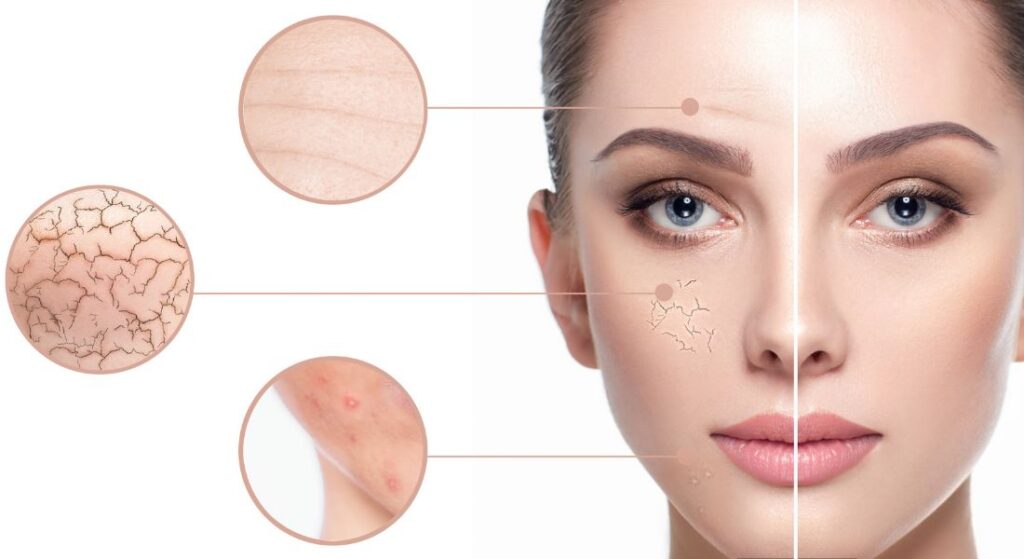
In recent years, CO₂ laser resurfacing has emerged as one of the most popular treatments for improving skin texture, reducing wrinkles, and addressing scars. But beyond these cosmetic benefits, can CO₂ laser treatments also have long-term effects on your skin’s resilience and resistance to environmental damage? Can they strengthen the skin, making it better equipped to handle the stresses of daily life?
In this article, we will explore how CO₂ laser treatment can influence your skin’s ability to cope with external factors like UV rays, pollution, and the natural ageing process. By the end, you will have a clearer understanding of how this treatment not only improves the appearance of the skin but also has the potential to enhance its overall health and strength over time.
What is CO₂ Laser Resurfacing?
Before diving into the long-term effects of CO₂ laser resurfacing, it’s important to understand how this treatment works. CO₂ laser resurfacing involves the use of a high-energy laser beam to remove damaged skin cells from the surface and stimulate deeper skin layers. The laser’s heat penetrates the epidermis and dermis, promoting collagen production and encouraging new skin regeneration.
This treatment is highly effective for improving skin tone, reducing fine lines, and even addressing skin conditions such as acne scars. But one of the key benefits lies in how it impacts skin strength and resilience.
How Does CO₂ Laser Affect Skin at the Cellular Level?
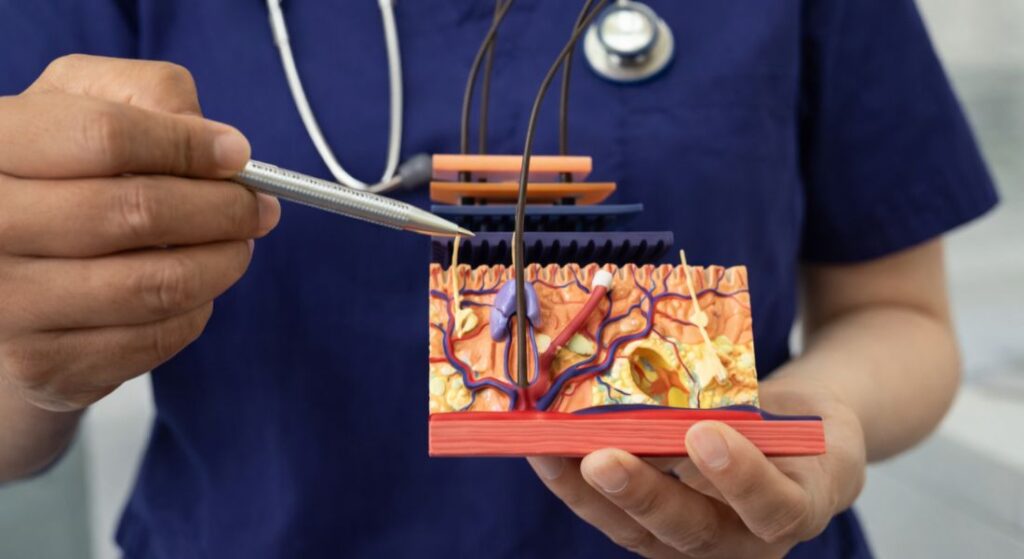
When a CO₂ laser is applied to the skin, it creates controlled micro-injuries that trigger the body’s natural healing process. These injuries prompt the production of collagen and elastin, two proteins crucial for skin’s strength, firmness, and elasticity. Collagen provides structural support, while elastin ensures the skin remains flexible and can stretch without losing its shape.
Over time, as collagen and elastin levels increase, the skin becomes firmer and more resilient, improving its overall health and durability. This process also helps to repair and strengthen the skin’s protective barrier, which plays a key role in how the skin resists damage.
Can CO₂ Laser Strengthen the Skin’s Protective Barrier?
The skin’s protective barrier is essential for guarding against harmful external factors like pollution, UV radiation, and allergens. A healthy skin barrier helps to retain moisture and prevent harmful substances from entering the skin.
One of the significant long-term benefits of CO₂ laser resurfacing is that it enhances the skin’s barrier function. By stimulating collagen and elastin production, the laser helps the skin repair itself and become more robust against environmental stressors. A stronger skin barrier improves skin hydration, reduces the risk of irritation, and helps prevent future damage from external elements.
Can CO₂ Laser Improve Skin’s Resistance to UV Damage?
Sun exposure is one of the biggest contributors to premature ageing and skin damage. UV radiation breaks down collagen and elastin in the skin, leading to wrinkles, fine lines, and hyperpigmentation. In the long term, this can result in more severe skin damage, including sun spots, age spots, and an increased risk of skin cancer.
While CO₂ laser treatment does not replace the need for sunscreen and proper sun protection, it can help improve the skin’s resilience to UV damage over time. By stimulating collagen and repairing damage caused by previous sun exposure, CO₂ laser resurfacing helps the skin become more resistant to future UV-related damage. It works by thickening the skin and encouraging it to heal, making it less susceptible to the harmful effects of UV rays.
How CO₂ Laser Enhances Skin’s Natural Healing Process
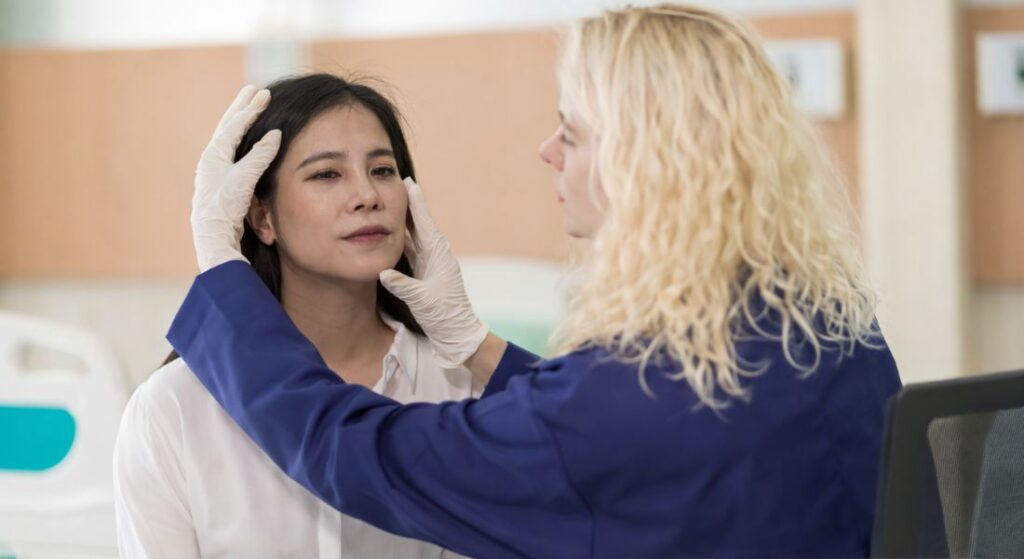
Another key way CO₂ laser resurfacing improves skin resilience is by boosting the skin’s natural healing process. After the treatment, the skin begins to repair itself by creating fresh, healthy cells. The micro-injuries caused by the laser promote blood flow and encourage cell turnover, which helps to remove old, damaged cells and replace them with new, healthier ones.
This accelerated healing process not only improves the appearance of the skin but also strengthens it over time. As the skin becomes better equipped to heal itself, it can recover more quickly from environmental stressors and future injuries.
Does CO₂ Laser Help Reduce the Appearance of Ageing?
The ageing process naturally leads to a loss of collagen and elastin, which results in sagging skin, wrinkles, and loss of volume. As skin becomes less firm and less elastic, it becomes more prone to damage. One of the main reasons CO₂ laser treatment is so popular is that it addresses these signs of ageing at a deeper level.
By stimulating collagen production in the dermis, CO₂ laser not only improves the skin’s texture and appearance but also reverses some of the effects of aging. As skin becomes firmer and more resilient, it becomes less prone to future signs of ageing.
Long-Term Effects of CO₂ Laser Treatment
The benefits of CO₂ laser resurfacing extend beyond immediate improvements in skin texture. One of the key long-term effects is a noticeable improvement in skin resilience and strength. By stimulating collagen production, CO₂ laser encourages skin repair and helps to build a stronger, more resilient skin structure.
As collagen continues to regenerate over time, the skin becomes better equipped to handle environmental stressors like UV rays and pollution. This means that the improvements you see after treatment can continue to enhance your skin’s overall health, keeping it firm and youthful-looking for longer.
With consistent treatment, the long-term results become more apparent, and your skin’s ability to recover from damage improves. This lasting effect helps ensure that the skin not only looks better but also becomes more resistant to the ageing process.
Does CO₂ Laser Help with Skin Regeneration?
One of the key factors in skin resilience is the ability to regenerate and repair itself. Over time, external factors such as sun exposure, pollution, and stress can slow down the skin’s natural regeneration process, leading to dullness and fine lines.
By enhancing skin regeneration, CO₂ laser resurfacing helps the skin to recover faster and become more resilient to future stressors. This leads to healthier, more youthful-looking skin that is better equipped to resist damage and maintain a fresh, vibrant appearance.
CO₂ Laser vs Other Skin Treatments for Resilience
While CO₂ laser resurfacing is an excellent treatment for improving skin resilience, it is not the only option available. There are several other treatments, such as microneedling, chemical peels, and radiofrequency therapy, that also promote collagen production and skin healing.
However, CO₂ laser resurfacing stands out because of its ability to target both the epidermis and the dermis, offering both immediate surface improvements and deeper, long-term results. It is a comprehensive solution that addresses multiple layers of the skin, making it one of the most effective treatments for overall skin strength and resilience.
How to Maintain Skin Resilience Post-Treatment
After your CO₂ laser treatment, maintaining skin resilience is key to prolonging the results. A solid skincare routine, alongside healthy lifestyle choices, will ensure your skin continues to look and feel its best long after treatment.
Here’s how to support your skin post-treatment:
1. Follow a Consistent Skincare Routine – To maintain the results, use sunscreen daily to protect your skin from UV damage. Hydrating moisturisers and serums help keep your skin nourished, supporting its healing process and preventing dryness.
2. Use Sunscreen Every Day – Sunscreen is essential to prevent pigmentation changes and safeguard your skin from the sun’s harmful effects. Even if you’re indoors, daily use of broad-spectrum SPF is crucial.
3. Keep Skin Hydrated with the Right Products – Hydrating serums and moisturisers provide the moisture your skin needs to stay smooth and resilient. These products help maintain skin texture and improve elasticity, keeping your complexion glowing.
4. Focus on Lifestyle Factors for Skin Health – Good nutrition, sufficient sleep, and effective stress management all contribute to the overall health of your skin. Proper nutrition helps repair the skin’s structure, while quality sleep and stress management support healing.
A holistic approach to skin health ensures that you maintain the long-term benefits of CO₂ laser resurfacing. By combining a dedicated skincare routine with healthy habits, you can continue to enjoy smoother, more resilient skin long after treatment.
The Importance of Professional Consultation for CO₂ Laser Treatment

Before undergoing CO₂ laser treatment, it’s essential to have a professional consultation to assess your skin type, concerns, and goals. During this consultation, an experienced practitioner will evaluate your skin’s condition and ensure that the treatment is suitable for you, tailoring it to address your specific needs.
An expert will also provide personalised guidance on the treatment process, including the expected results and potential risks. They will explain how to prepare for the treatment and give you detailed aftercare instructions to maximise the benefits and support your skin’s healing.
By choosing professional consultation, you ensure that your treatment is customised, reducing risk and enhancing the overall results. This thorough approach helps you achieve the best possible outcome while keeping your skin healthy and well-cared-for.
Are There Any Risks or Side Effects?
While CO₂ laser resurfacing is a safe and effective treatment, it is important to be aware of the potential risks and side effects. These are generally temporary and manageable, but understanding them can help you make informed decisions and ensure a smoother recovery process.
Here’s what you should know:
1. Common Side Effects Include Redness, Swelling, and Dryness – During the recovery phase, it’s normal to experience some redness, swelling, or dryness. These are signs that your skin is healing and regenerating, but they usually resolve within a few days to weeks.
2. Hyperpigmentation or Hypopigmentation May Occur – In some cases, particularly in patients with darker skin tones, there may be a risk of pigmentation changes, either darkening (hyperpigmentation) or lightening (hypopigmentation). These are typically temporary but can take time to settle.
3. Risk Can Be Minimized with Proper Aftercare – To reduce the chances of side effects, following aftercare instructions carefully is essential. This includes avoiding sun exposure, using prescribed skincare products, and keeping the skin moisturised.
4. Skilled Practitioners Reduce the Risk of Complications – Choosing an experienced practitioner is key to minimising risks. A skilled provider will tailor the treatment to your skin type and concerns, ensuring the treatment is as safe and effective as possible.
Understanding the potential risks and side effects allows you to make the best decisions for your skin. With proper care and an experienced practitioner, you can significantly reduce these risks and enjoy the full benefits of CO₂ laser resurfacing.
FAQs:
1. How does CO₂ laser resurfacing improve skin resilience over time?
CO₂ laser resurfacing promotes the production of collagen and elastin, which are vital for skin strength and elasticity. As the treatment stimulates these proteins, the skin becomes firmer and more resilient, improving its ability to resist future environmental stressors like UV radiation and pollution. This ongoing collagen regeneration continues long after the procedure, strengthening the skin and making it better equipped to handle daily stresses and aging over time.
2. Does CO₂ laser treatment help protect the skin from UV damage?
While CO₂ laser resurfacing cannot replace sunscreen, it does contribute to the skin’s resilience against UV damage by stimulating collagen and improving skin thickness. As the skin becomes more robust, it becomes less susceptible to the harmful effects of UV rays. The increased collagen production from the laser treatment helps repair sun damage and strengthens the skin, making it more resistant to future UV-related issues like fine lines and hyperpigmentation.
3. What are the long-term benefits of CO₂ laser resurfacing for skin health?
The long-term benefits of CO₂ laser resurfacing are largely due to the continuous production of collagen in the skin. Over time, this leads to smoother, firmer skin that is better able to resist damage from environmental stressors. Additionally, the skin’s natural healing process is enhanced, allowing it to recover more efficiently from future damage. These benefits are gradual, with improvements in skin texture and elasticity continuing over the course of several months.
4. How does CO₂ laser enhance the skin’s natural healing process?
CO₂ laser works by creating controlled micro-injuries in the skin, which stimulate the body’s natural healing response. This process encourages cell turnover and boosts blood flow, helping the skin repair and regenerate. As new, healthy skin cells form, the overall structure and appearance of the skin improve. This healing process not only repairs visible damage but also strengthens the skin, making it more resilient to future damage and better equipped to cope with environmental stressors.
5. Can CO₂ laser treatment reduce the appearance of wrinkles and signs of aging?
Yes, CO₂ laser treatment is highly effective in reducing the appearance of wrinkles and other signs of aging. The laser stimulates collagen production deep within the dermis, which helps to tighten the skin and improve elasticity. As the skin becomes firmer, fine lines and wrinkles are reduced, giving the face a smoother, more youthful appearance. CO₂ laser resurfacing addresses the underlying causes of aging, such as collagen loss, making it one of the most effective treatments for aging skin.
6. What is the difference between CO₂ laser and other laser treatments for skin rejuvenation?
CO₂ laser resurfacing is an ablative treatment, meaning it removes layers of the skin to stimulate healing and collagen production. This leads to significant improvements in skin texture, firmness, and the reduction of wrinkles. Other non-ablative treatments, like fractional lasers, stimulate collagen without removing skin tissue. While non-ablative lasers are effective for milder concerns, CO₂ laser is generally preferred for more dramatic and long-lasting results, especially for deep wrinkles, acne scars, and skin laxity.
7. How soon will I see the results of CO₂ laser treatment?
Results from CO₂ laser resurfacing can be seen fairly quickly in terms of skin texture and tone, with improvements often noticeable within the first few weeks. However, the deeper effects, such as skin tightening and collagen regeneration, take time to develop fully. Full results typically become visible over a period of three to six months as collagen continues to rebuild and the skin strengthens. The gradual nature of these improvements contributes to a more natural-looking transformation.
8. Who is an ideal candidate for CO₂ laser resurfacing?
CO₂ laser resurfacing is ideal for individuals with fine lines, wrinkles, sun damage, acne scars, or uneven skin tone. It works particularly well for those with fair to medium skin tones, as darker skin may have a higher risk of hyperpigmentation after treatment. A thorough consultation with a skincare professional is essential to determine whether CO₂ laser is appropriate for your skin type, concerns, and medical history. The treatment is best suited for individuals looking for more dramatic skin improvements and willing to undergo some downtime for recovery.
9. What kind of aftercare is required following CO₂ laser treatment?
After CO₂ laser resurfacing, proper aftercare is crucial for optimal healing and results. You will need to avoid direct sun exposure for at least a few weeks, as your skin will be more sensitive to UV damage. Hydrating moisturizers and gentle skincare products should be used to support the skin’s healing process, while harsh products or exfoliants should be avoided. Your dermatologist will provide you with detailed aftercare instructions, including recommendations for sunscreen, to ensure that your skin heals properly and the results are long-lasting.
10. Are there any risks or side effects associated with CO₂ laser resurfacing?
While CO₂ laser resurfacing is generally safe, there are some risks and side effects to be aware of. The most common side effects include redness, swelling, and peeling as the skin heals. In some cases, hyperpigmentation (dark spots) or hypopigmentation (light spots) may occur, particularly in patients with darker skin tones. Though rare, scarring can happen, particularly if aftercare instructions are not followed properly. Choosing an experienced practitioner and adhering to aftercare instructions significantly reduces these risks and ensures a smooth recovery.
Final Thoughts: Unlock Radiant Skin with CO₂ Laser Treatment
CO₂ laser resurfacing is a highly effective treatment for enhancing your skin’s texture, firmness, and overall appearance. By targeting both the epidermis and dermis, it stimulates collagen production and rejuvenates your skin for a smoother, more youthful look. Whether you’re seeking subtle refinement or more noticeable transformation, the depth of treatment plays a critical role in achieving the results you desire. If you’re considering CO₂ laser treatment in London, you can reach out to us at the London Medical & Aesthetic Clinic
References:
1. Wang, J. et al. (2012) Long‑term results after CO₂ laser skin resurfacing: a comparison of scanned and pulsed systems, Journal of the American Academy of Dermatology, 36(6), pp. 829–836. https://pubmed.ncbi.nlm.nih.gov/9366815/
2. Li, Y. et al. (2020) CO₂ lattice laser reverses skin aging caused by UVB irradiation, Aging (Albany NY), 12(20), pp. 20439–20454. https://pubmed.ncbi.nlm.nih.gov/32312940/
3. Li, Z., Huang, W. and Zhou, F. (2023) Dynamic panoramic presentation of skin function after fractional CO₂ laser treatment, iScience, 26, 107559. https://www.sciencedirect.com/science/article/pii/S258900422301636X
4. Bene, C. et al. (2023) Laser‑assisted exosome delivery (LAED) with fractional CO₂ laser, Cosmetics, 12(5), 199. https://www.mdpi.com/2079-9284/12/5/199
5. Mendes, N., Alves, P.J., Barros, M. and Machado, J. (2022) Fractional CO₂ Laser versus Fractional Radiofrequency for Skin Striae Treatment: Study Protocol, Healthcare, 10(12), 2372. https://www.mdpi.com/2227-9032/10/12/2372