


If enlarged pores are making your skin look uneven or more textured than you would like, you may be wondering whether Dermapen can actually make a difference. Microneedling may help some pores look less noticeable by improving the surrounding skin texture and encouraging collagen remodelling. However, the evidence for treating enlarged pores specifically is still limited, and no treatment can permanently close or remove normal pores.
Your results can also depend on what is making your pores look more prominent, such as excess oil, reduced skin elasticity, acne or ageing. The realistic aim is to make your pores less visible while helping your skin look smoother and more even.
What Are Pores, and Why Can You See Them?
The small openings you see on your face are usually connected to hair follicles and oil-producing sebaceous glands. Pores are normal skin structures, so they cannot be permanently closed or removed.
You may notice them more around your nose, cheeks, forehead and chin, where oil production can be higher. Treatment is therefore aimed at making your pores look less noticeable and your skin appear smoother, rather than trying to close them completely.
Why Do Some Pores Look Larger Than Others?
Your pores can look larger for several reasons, including higher oil production, reduced skin elasticity and the natural size of your hair follicles. Genetics and previous acne can also influence how noticeable your pores appear, while changes in skin elasticity over time may contribute to their appearance.
Because the causes vary, the same treatment may not work equally well for everyone. Understanding what is making your pores look larger can help your practitioner choose an approach that is more suitable for your skin.
What Can Make Pores Look More Noticeable?
| Factor | How it can affect pore appearance | Can Dermapen address it directly? |
| Higher sebum production | Oil can make pores appear more prominent | Not primarily. Dermapen is not generally used to control excess sebum production. |
| Reduced skin elasticity | Less support around follicles can make pores appear wider | It may help surrounding texture through collagen remodelling |
| Acne and acne scarring | Acne can affect follicle structure and leave uneven texture | Microneedling is better supported for atrophic acne scars than pores alone |
| Hair-follicle size | Naturally larger follicles can make pores more visible | Dermapen cannot permanently change your natural follicle size |
| Congestion | Blocked pores can appear larger or more noticeable | Skincare that addresses congestion may be more appropriate |
Can You Permanently Shrink Your Pores?
You cannot permanently close or remove your pores because they are a normal part of your skin. However, you can make them look less noticeable by improving factors such as excess oil, clogged pores and reduced skin support.
Dermapen may help improve the surrounding skin by encouraging collagen remodelling, which can make pores appear less prominent. The realistic goal is smoother-looking skin and less visible pores, rather than completely pore-free skin.
How Does Dermapen Work on Enlarged Pores?
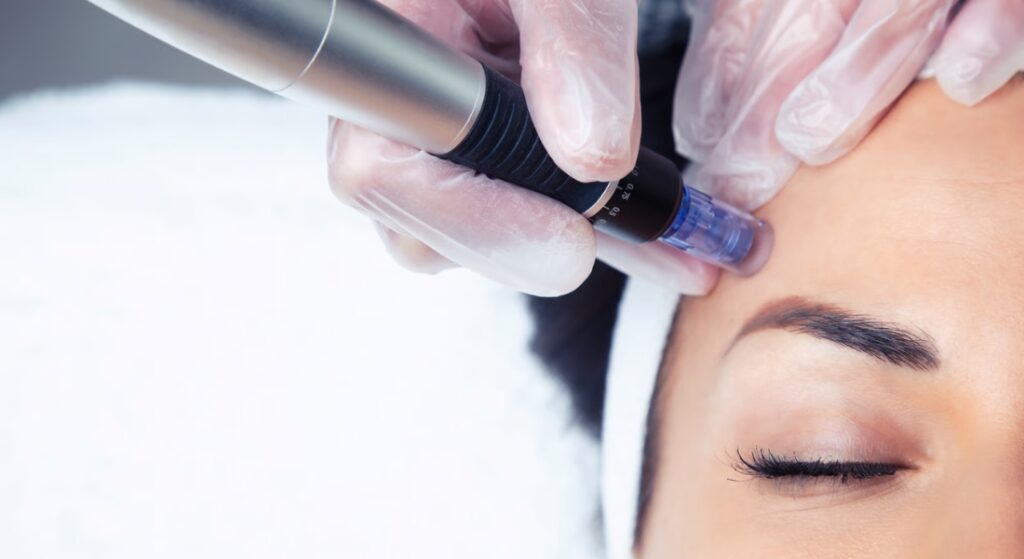
Dermapen creates tiny, controlled injuries in your skin to stimulate healing and collagen remodelling. This can improve your skin’s texture and support around the pores, making them look less noticeable.
However, Dermapen is not primarily a treatment for excess oil or clogged pores. If these are making your pores look more noticeable, suitable skincare or another targeted treatment may also be helpful.
What Does the Evidence Say About Microneedling and Pores?
Research specifically examining microneedling for enlarged pores remains limited. A small 2025 study involving 15 patients reported improvements in pore appearance and skin texture after three treatment sessions, but microneedling was combined with poly-D,L-lactic acid, so the results cannot show how much improvement came from microneedling alone.
Broader research supports microneedling for collagen remodelling, acne scarring and skin texture, but evidence for enlarged pores alone is less established. Your practitioner should therefore assess why your pores appear prominent and explain that any improvement is likely to be gradual and variable rather than guaranteed.
Can Collagen Really Make Pores Look Smaller?
Collagen helps support the skin around your pores, so improving this structure may make some pores look less stretched or noticeable. Dermapen stimulates collagen remodelling gradually, which can help create a smoother-looking skin texture.
You should not expect this change immediately after treatment, as your skin needs time to heal and remodel. Several sessions may be recommended, with enough recovery time between them, to allow gradual improvement.
Can Dermapen Help When Reduced Skin Elasticity Makes Pores Look Larger?
Reduced elasticity and support around your pores can contribute to making them look more noticeable. Because microneedling encourages collagen remodelling, Dermapen may help improve the surrounding skin texture when reduced firmness is one of the factors contributing to visible pores.
However, your age alone does not determine how well Dermapen will work for you. Factors such as oil production, genetics, sun exposure and your skin’s natural healing response also need to be considered.
Why Do Oil Production and Skin Elasticity Matter?
A study of 60 adults found that higher sebum production and reduced skin elasticity were associated with more noticeable facial pores, while age itself did not show a definite relationship. This highlights why treatment should focus on the factors contributing to your pore appearance rather than assuming that age alone is responsible.
What If Oily Skin Is Making Your Pores Look Larger?
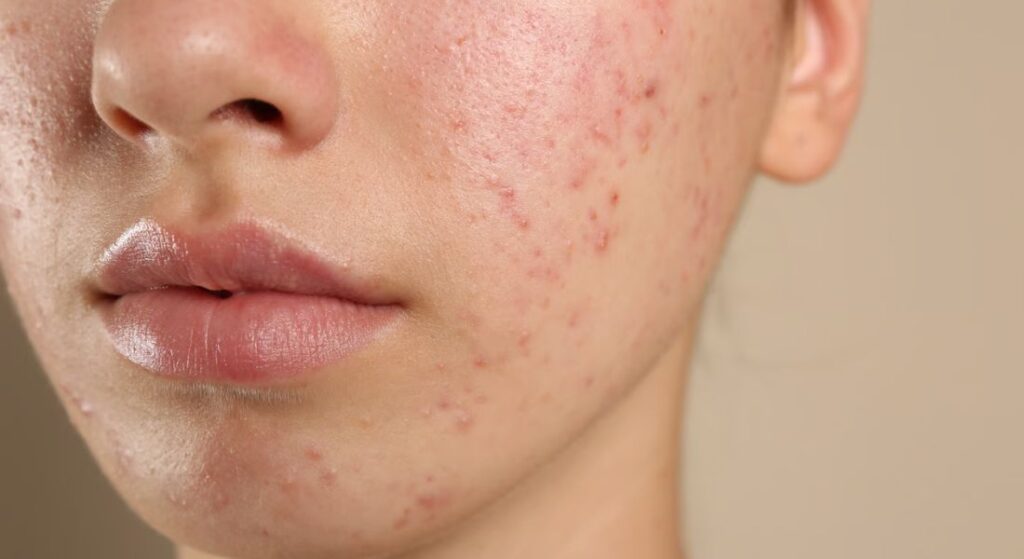
If your skin produces more oil, your pores may look more noticeable even when your skin is otherwise healthy. Dermapen may improve skin texture, but it is not primarily used to control excess oil production, so managing excess sebum may also be important for you.
A gentle skincare routine can help control oiliness without irritating your skin or damaging its natural barrier. You should also avoid harsh cleansing or squeezing your pores, as these can cause irritation and make your skin texture look worse.
Can Dermapen Help Pores Associated With Acne?
If you have acne as well as enlarged pores, Dermapen may help improve your overall skin texture, particularly if you also have old acne scars. However, microneedling is better supported for acne scarring than for treating enlarged pores alone.
If you still have active, inflamed acne, your practitioner may recommend controlling it before starting Dermapen. Treating your acne first can help prevent further scarring while allowing microneedling to focus on the texture and pore concerns that remain.
How Many Dermapen Sessions Might You Need for Pores?
There is no fixed number of Dermapen sessions that will work for everyone. Your practitioner may suggest a short course and then review how your skin responds, depending on your pore visibility, texture and any acne scarring.
You also need enough time between sessions for your skin to heal and remodel. Having treatments more frequently does not necessarily mean you will see faster results, so your treatment schedule should be tailored to your skin.
When Will You Notice a Change?
You should not expect to see the final result immediately after Dermapen, as redness and mild swelling can temporarily change how your pores look. Real improvement develops gradually as your skin heals and collagen continues to remodel.
You may first notice smoother-looking skin, with some pores appearing less noticeable as your treatment progresses. Give your skin enough time to settle before judging the results, and compare photographs taken in similar lighting and from the same angle.
Can Dermapen Improve Overall Skin Texture as Well?
Yes, Dermapen may improve your overall skin texture as well as making some pores look less noticeable. By encouraging collagen remodelling, it can help your skin look smoother and more even, particularly if you also have mild acne scarring or uneven texture.
You should still expect natural pores and small variations in your skin to remain. A realistic goal is more refined, smoother-looking skin rather than perfectly pore-free or filtered-looking skin.
Can Skincare Make Dermapen Results Better?
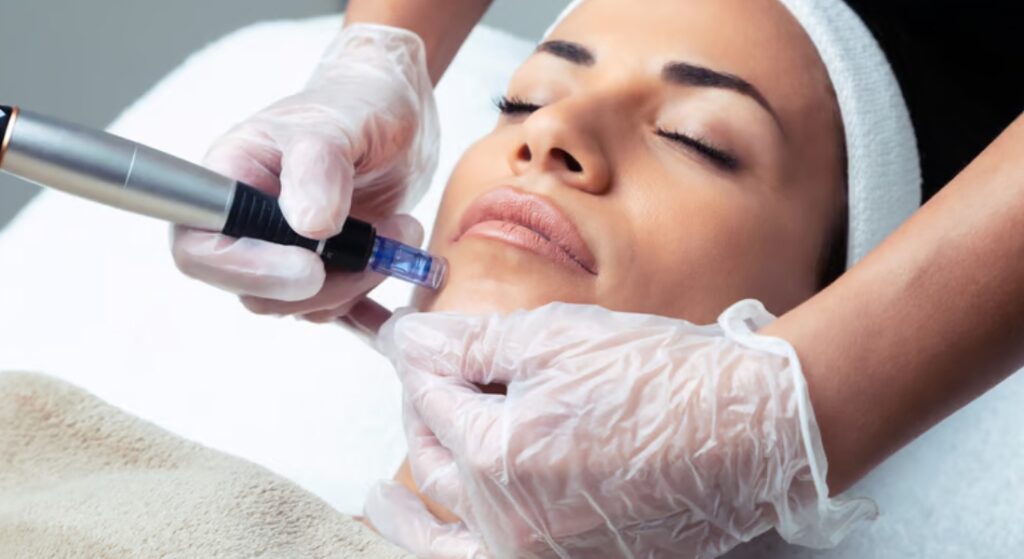
A suitable skincare routine can support your Dermapen results by helping manage oil, congestion and other factors that make your pores look more noticeable. Gentle cleansing is usually better than harsh scrubbing, which can irritate your skin without changing the size of your pores.
Your practitioner can also advise which products to pause before treatment and when to restart them afterwards. Using suitable sun protection can further help protect your skin and support its long-term texture.
What Should You Use on Your Skin After Dermapen?
Keep your skincare simple while your skin is recovering after microneedling. The treatment temporarily increases skin permeability, so products that normally feel comfortable may irritate freshly treated skin. Follow the aftercare recommended for you and check when your usual products can safely be restarted.
What Side Effects Can Dermapen Cause?
After Dermapen, you may experience temporary redness, warmth, tightness, sensitivity, mild swelling, dryness or flaking. These effects usually depend on how deeply your skin is treated and how your skin responds.
Less common complications can include prolonged irritation, infection, post-inflammatory pigmentation changes, scarring or, rarely, inflammatory reactions such as granulomas. Tell your practitioner if you have previously developed pigmentation after skin injury, unusual scarring or significant reactions following cosmetic procedures. If you notice increasing pain, worsening swelling, spreading redness or significant discharge, contact your practitioner promptly.
Why Does Your Choice of Practitioner Matter?
Microneedling deliberately creates tiny channels in your skin, so good hygiene, appropriate technique and careful aftercare all matter. Choose an appropriately trained practitioner who can assess your skin, explain the possible risks and advise you what to expect before and after treatment.
When Might Dermapen Not Be the Best Option?
You may need to postpone Dermapen if you have active inflammatory acne, a skin infection, broken or significantly irritated skin in the treatment area. If excess oil is the main reason your pores look larger, managing the oiliness or congestion may also be more useful before focusing on collagen stimulation.
Other treatments, such as suitable skincare, chemical peels or device-based procedures, may also be considered depending on your skin and goals. The best approach is the one that addresses why your pores look noticeable while remaining suitable for your skin.
How Do You Decide Whether Dermapen Is Right for Your Pores?
Your practitioner should assess why your pores look noticeable, including factors such as oiliness, acne, congestion, skin elasticity and texture. You should also explain what you want to improve so your treatment plan matches your specific goals.
Ask what Dermapen can realistically change, how many sessions you may need and what recovery to expect. A suitable plan should aim to make your pores less visible and your skin smoother, rather than promise to permanently close normal pores.
Myth vs Fact
| Myth | Fact |
| Dermapen can permanently close enlarged pores. | Pores are normal skin structures and cannot be permanently closed or removed. |
| Everyone with enlarged pores will respond to Dermapen. | Results vary because pore appearance can be influenced by sebum, elasticity, follicle size, acne and other factors. |
| Deeper microneedling always gives better pore reduction. | Treatment depth should be selected according to your skin and treatment goal; deeper treatment is not automatically better. |
| One Dermapen session should make pores disappear. | Any improvement is usually gradual, and several sessions may be recommended. |
| Dermapen directly reduces oily skin. | Microneedling is not primarily an oil-control treatment, so excess sebum may need to be managed separately. |
| Active acne should always be microneedled to improve pores. | Active inflammatory acne may need treatment before microneedling is considered. |
| Evidence proves Dermapen alone significantly shrinks pores. | Direct evidence for microneedling alone is limited, and several pore-specific studies use combination treatments. |
Frequently Asked Questions
1. Can Dermapen reduce the appearance of enlarged pores?
Yes, Dermapen may make enlarged pores look less noticeable by improving skin texture and encouraging collagen remodelling. It cannot remove or permanently close pores, so the aim is to create smoother-looking, more refined skin.
2. How does Dermapen make pores look smaller?
Dermapen creates controlled micro-injuries that stimulate your skin’s natural healing response and collagen remodelling. Improved support around the pores may make them appear less stretched or prominent over time.
3. Can Dermapen permanently shrink your pores?
No. Pores are a normal part of your skin and cannot be permanently closed or removed. Dermapen may reduce their visibility, but factors such as genetics, oil production, ageing and skin elasticity can continue to influence how they look.
4. Does Dermapen work for pores caused by oily skin?
Dermapen may improve skin texture, but it is not primarily used to control excess oil production. If excess sebum is making your pores more noticeable, your treatment plan may also need to address oiliness and congestion with appropriate skincare or another suitable treatment.
5. Can Dermapen help enlarged pores caused by acne?
Dermapen may improve the overall texture of skin affected by acne, particularly when enlarged-looking pores occur alongside acne scarring. However, active inflamed acne may need to be controlled before microneedling is considered.
6. How many Dermapen sessions might you need for enlarged pores?
There is no fixed number of sessions that suits everyone. Your practitioner may recommend a course of treatments based on your pore visibility, skin texture, acne scarring and how your skin responds, with enough time between sessions for recovery.
7. When will you see results from Dermapen for enlarged pores?
You should not judge the result immediately after treatment because temporary redness and swelling can affect your skin’s appearance. Improvements usually develop gradually as your skin heals and collagen remodels over the following weeks.
8. Can Dermapen improve skin texture as well as pores?
Yes. Dermapen may improve uneven skin texture while making some pores appear less noticeable. You may also notice smoother-looking skin if you have concerns such as mild acne scarring or uneven texture alongside visible pores.
9. Can skincare improve the appearance of pores alongside Dermapen?
A suitable skincare routine can help manage factors such as oiliness and congestion that make pores look more prominent. Gentle cleansing and appropriate sun protection can support your skin, while harsh scrubbing or squeezing pores may cause irritation.
10. How do you know whether Dermapen is right for your enlarged pores?
Your practitioner should assess why your pores appear prominent, including oil production, acne, congestion, skin elasticity and texture. They can then explain whether Dermapen is suitable, what improvement is realistic and whether another treatment may better address the underlying cause.
Final Thoughts: Can Dermapen Help Reduce the Appearance of Enlarged Pores?
Dermapen may help make enlarged pores look less noticeable by improving skin texture and encouraging collagen remodelling. However, pores are a normal part of your skin, so the realistic goal is smoother, more refined-looking skin rather than permanently closing or removing your pores.
If you’re considering Dermapen in London, you can contact us at the London Medical & Aesthetic Clinic to discuss your skin concerns and find out whether Dermapen is suitable for your pores.
References:
1. Hamed, R., Abu Nahia, B.J., Alkilani, A.Z., Al-Adhami, Y. and Obaidat, R. (2024) ‘Recent advances in microneedling-assisted cosmetic applications’, Cosmetics, 11(2), article 51. Available at: https://www.mdpi.com/2079-9284/11/2/51
2. Kim, B.Y., Choi, J.W., Park, K.C. and Youn, S.W. (2013) ‘Sebum, acne, skin elasticity, and gender difference – which is the major influencing factor for facial pores?’, Skin Research and Technology, 19(1), pp. e45–e53. Available at: https://pubmed.ncbi.nlm.nih.gov/22211382/
3. Wan, J., Seo, S.B., Yoon, S.E. and Yi, K.H. (2025) ‘The efficacy of combined microneedling and topical poly-d,l-lactic acid (Juvelook) application for facial pore reduction and skin texture improvement’, Plastic and Reconstructive Surgery – Global Open, 13(6), article e6838. Available at: https://pmc.ncbi.nlm.nih.gov/articles/PMC12136670/
4. Ramaut, L., Hoeksema, H., Pirayesh, A., Stillaert, F. and Monstrey, S. (2018) ‘Microneedling: Where do we stand now? A systematic review of the literature’, Journal of Plastic, Reconstructive & Aesthetic Surgery, 71(1), pp. 1–14. Available at: https://www.sciencedirect.com/science/article/abs/pii/S1748681517302504
5. Shridharani, S.M., Palm, M.D., Jarmuz, T., Somenek, M., Nayak, L.M., Saadat, D., Indeyeva, Y. and Sykes, J. (2025) ‘Optimizing Aesthetic Facial Surgery Outcomes Following Minimally Invasive Treatments: Guidelines for Perioperative Management’, Aesthetic Surgery Journal Open Forum, 7, article ojaf087. Available at: https://academic.oup.com/asjopenforum/article/doi/10.1093/asjof/ojaf087/8186242