

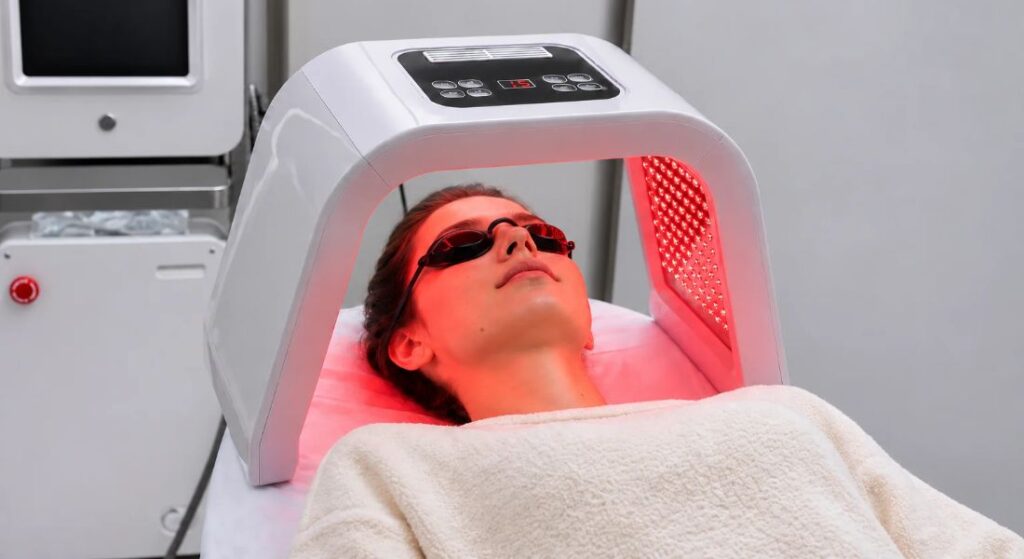
You may wonder whether LED light therapy will hurt, particularly if you’ve never had a professional light-based treatment before. Having bright lights positioned close to your face might feel unfamiliar, but conventional LED therapy is generally comfortable and causes little or no pain.
During your session, you may notice mild warmth or the brightness of the light rather than intense heat. The sensation depends on your skin sensitivity and the device settings, so knowing what to expect can help you feel prepared.
Does LED Light Therapy Normally Hurt?
You should find conventional LED light therapy generally comfortable, with little or no pain during treatment. Unlike procedures involving needles or skin resurfacing, it doesn’t deliberately break your skin, so you won’t normally need an anaesthetic.
You may notice mild warmth, tingling or temporary sensitivity, particularly if your skin is already irritated. You shouldn’t feel burning or increasing discomfort, so tell your practitioner if anything feels unusual.
Why Does LED Light Therapy Feel Different From Laser Treatment?
You may find conventional LED therapy more comfortable than certain laser procedures because it does not deliberately remove or damage your skin. Red and near-infrared light can influence cellular processes through photobiomodulation without requiring significant heating.
You should remember that not all laser treatments cause the same level of discomfort, as some also use low-level light exposure. If your clinic describes a device as an LED laser mask, ask which technology it actually uses and what sensations you can expect.
What Happens During Your Initial LED Light Therapy Consultation?
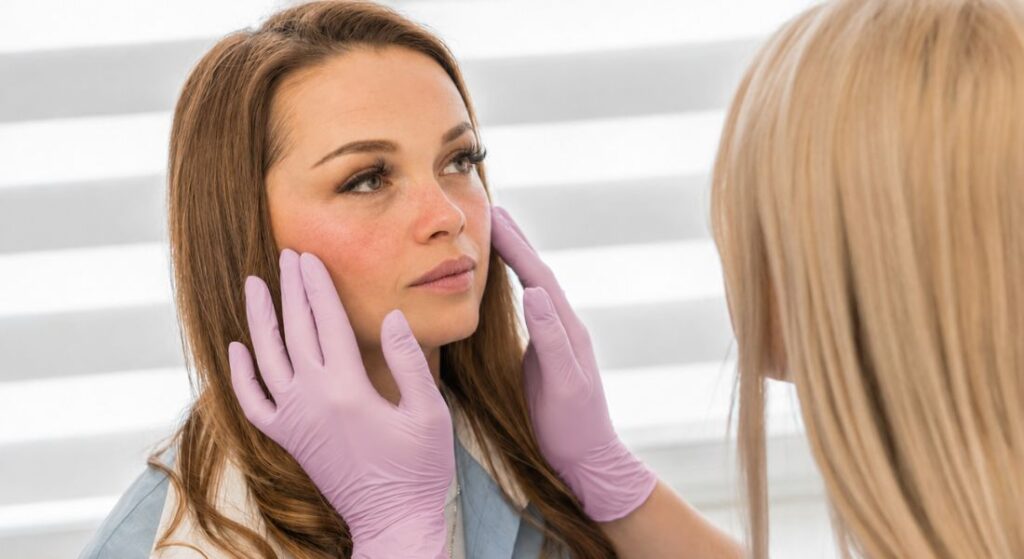
Your first appointment should begin with a skin assessment to determine whether LED therapy is suitable for your concerns. Your practitioner will ask about your skincare routine, medical history, medicines and any sensitivity to light.
You can also discuss the expected results, treatment sensations and whether you’ll need protective eyewear. This gives you a clearer idea of what to expect and helps your practitioner address any concerns before treatment begins.
Clinical Tip
Before your first LED session, tell your practitioner about sensitive skin, eye conditions, light-triggered headaches or previous reactions to cosmetic treatments. This helps them assess your suitability and discuss any precautions you may need.
Ask them to explain how the device will be positioned, whether you need protective eyewear and what sensations are considered normal. If you feel uncomfortable at any point, you can ask for treatment to stop while your practitioner checks what is causing the problem.
How Should You Prepare Your Skin Before an LED Session?
You should follow your clinic’s preparation advice, which may include arriving with clean skin and removing make-up, sunscreen or facial oils. Tell your practitioner if you use retinol, exfoliating acids or prescription skincare so they can advise whether any adjustments are needed.
You should also mention medicines that may increase light sensitivity and any recent sunburn, irritation or cosmetic procedures. Avoid introducing unfamiliar skincare products just before treatment, particularly if your skin is sensitive.
How Are You Positioned Beneath the LED Light Source?
You may lie on a treatment couch or sit in a reclining chair, depending on the equipment your clinic uses. Your practitioner will position the LED mask or panel at the recommended distance from your face, following the manufacturer’s instructions.
If you feel uncomfortable with the mask’s pressure or having equipment close to your face, tell your practitioner before treatment begins. The mask or panel should be positioned so you can remain comfortable without unnecessary pressure around the nose, cheeks or forehead.
What Does Red LED Light Therapy Actually Feel Like?
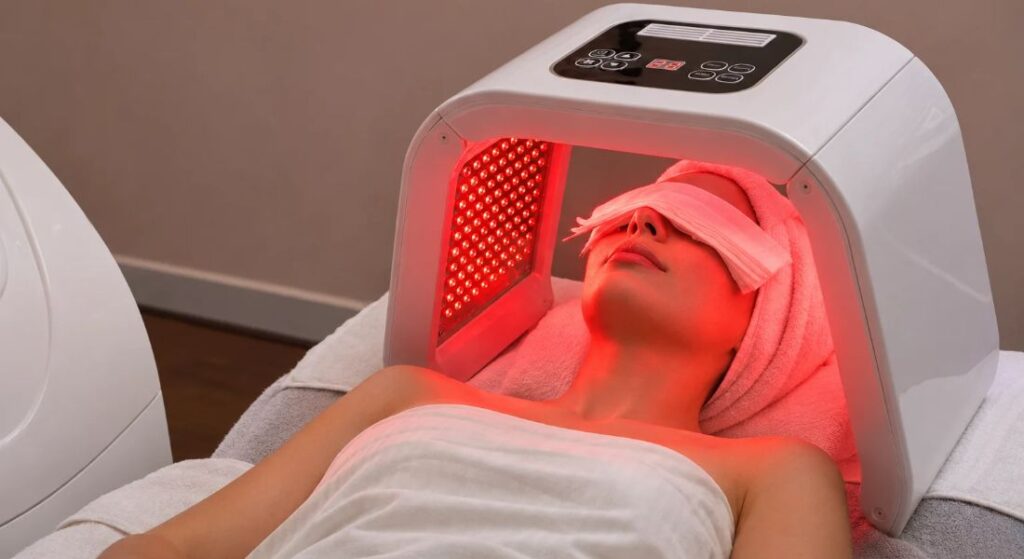
During red LED light therapy, you may notice mild warmth or simply feel as though you’re resting beneath a gently illuminated panel. The treatment isn’t intended to produce substantial heat, so you shouldn’t normally experience snapping, stinging or burning.
You may still find the light bright, even with protective eyewear, but this doesn’t mean your skin is overheating. You also don’t need to feel warmth or tingling for the treatment to have a biological effect.
Evidence Note
A 2007 randomised, placebo-controlled study published in the Journal of Photochemistry and Photobiology B: Biology recruited 112 adults with signs of facial ageing, of whom 76 completed the study protocol. This distinction matters when you interpret the findings in relation to your treatment. Participants received red light, near-infrared light, a combination of both or sham treatment twice weekly for four weeks.
Researchers reported no adverse effects among participants who completed the study, which may reassure you about your treatment. However, these findings cannot guarantee that every device or treatment setting will feel the same for your skin.
Do Blue and Near-Infrared LED Treatments Feel Different?
You may notice differences in brightness between LED wavelengths, but blue, red and near-infrared treatments should generally feel comfortable. Blue light is visible and may appear bright, while near-infrared light isn’t visible to your eyes, even though energy is still being delivered.
Some devices combine different wavelengths in one session, and your experience will depend on the equipment and settings used. If you have sensitive skin or a history of pigmentation problems, discuss the proposed wavelengths with your practitioner before treatment.
Why Is Eye Protection Important During LED Light Therapy?
Follow your clinic’s device-specific eye-safety instructions and wear protective goggles or eye covers where required. You shouldn’t assume that simply closing your eyes or wearing ordinary sunglasses will provide sufficient protection.
Tell your practitioner if you have an eye condition, sensitivity to bright light or light-triggered migraines. If your goggles slip or allow light to reach your eyes, let the practitioner know immediately.
How Long Does a Professional LED Light Therapy Session Last?
A professional LED light therapy session may involve around 10 to 20 minutes beneath the light source, although the duration depends on your device and treatment goals. Your full appointment may take longer if your practitioner includes skin preparation or an assessment.
You should follow the recommended exposure time rather than assuming a longer session will give you better results. Your practitioner can explain why a particular duration has been selected and monitor your comfort throughout treatment.
LED Light Therapy: Normal Sensations vs Warning Signs
| Sensation or Symptom | What It May Mean | What You Should Do |
| Little or no sensation | Common during conventional LED treatment | Continue according to the recommended protocol |
| Mild warmth | May occur with some devices | Tell your practitioner if it becomes uncomfortable |
| Visible brightness | Expected with visible red or blue light | Follow the device’s eye-protection instructions |
| Slight temporary pinkness afterwards | May be a mild skin reaction | Monitor it and follow aftercare advice |
| Increasing heat or burning | Not an expected treatment goal | Ask your practitioner to stop immediately |
| Sharp pain or significant stinging | May indicate irritation or an unsuitable treatment response | Stop treatment and have your skin assessed |
| Eye pain or persistent visual disturbance | Requires medical assessment | Seek urgent eye advice |
| Blistering or severe skin irritation | Possible skin injury | Stop further treatment and seek prompt medical advice |
What Should You Do if You Feel Uncomfortable During Treatment?
Tell your practitioner straight away if you experience unusual discomfort during LED treatment. Burning, stinging or eye discomfort should not be treated as signs that the therapy is working. Your practitioner can stop the treatment and check what may be causing the problem.
1. Burning or stinging: Ask for treatment to stop immediately.
2. Eye discomfort: Report pain, visual disturbance or unusual sensitivity to light.
3. Unusual warmth: Your practitioner can check the settings and device position.
4. Further treatment: Any significant reaction should be reviewed before another session.
You should not feel pressured to complete a session if you are uncomfortable. Your practitioner should assess the cause before deciding whether treatment can safely continue. If you develop persistent symptoms afterwards, seek appropriate medical advice.
What Will Your Skin Look and Feel Like Immediately Afterwards?
Your skin may look and feel much the same after LED light therapy, although you might notice mild warmth, temporary pinkness or slight dryness. These effects can be more noticeable if your skin is sensitive or you’ve combined LED treatment with other procedures.
You shouldn’t expect immediate improvements in acne or fine lines, as visible changes generally require repeated sessions and time. Contact your clinic if you develop persistent redness, unusual pigmentation or significant discomfort after treatment.
What Side Effects Can Occur After LED Light Therapy?
You may notice temporary redness, dryness, irritation or mild discomfort after conventional LED therapy. In safety trials involving unusually high red-light doses, some participants developed longer-lasting redness, pigmentation changes or blisters, so your practitioner should use device-appropriate settings.
Tell your practitioner if you develop significant pain, worsening inflammation or persistent pigmentation changes. Seek prompt medical advice if you experience eye pain, blurred vision or other changes to your sight.
Can LED Light Therapy Be Uncomfortable if You Have Sensitive Skin?
If you have sensitive skin, rosacea, eczema or a damaged skin barrier, you may experience more discomfort during LED therapy. Although conventional treatment doesn’t deliberately damage your skin, warmth or certain light exposures may still trigger irritation or pigmentation changes.
Tell your practitioner about any active flare-ups, photosensitivity conditions or medicines that increase light sensitivity before your appointment. They can assess your skin and decide whether treatment is suitable or should be postponed.
Research Insight
A study published in the Journal of Biophotonics reported two randomised, dose-escalation trials involving 115 healthy volunteers in total. To help you understand the relevance of these safety findings to your treatment, researchers applied unusually high doses of red LED light to participants’ forearms rather than testing a conventional facial LED mask.
Most reported adverse reactions were mild and included temporary redness or pigmentation changes, although a small number of participants experienced prolonged redness or blistering at higher doses. No serious adverse events were reported. The findings highlight the importance of appropriate treatment settings, but you should not assume the results predict side-effect rates from your clinic’s LED mask.
Is LED Light Therapy Less Painful Than Laser Resurfacing or Photodynamic Therapy?
You may find conventional LED therapy more comfortable than ablative laser resurfacing because it does not deliberately remove or damage your skin. However, your experience with a non-ablative laser may differ depending on the specific procedure and settings.
Photodynamic therapy may also cause more noticeable burning or stinging because it involves a photosensitising substance followed by light exposure. If your clinic combines LED therapy with other procedures, ask which treatments are included so you understand the likely discomfort and recovery.
Will You Need Downtime or Special Aftercare Following LED Treatment?
You can generally return to work and your usual activities soon after conventional LED light therapy, as it usually requires little or no downtime. If your skin feels sensitive, use gentle skincare and follow your practitioner’s advice about suitable products and sun protection.
Your aftercare may be different if LED therapy is combined with a facial, exfoliation or another procedure. Contact your clinic if you develop persistent redness, discomfort or an unexpected reaction, and avoid additional unsupervised light exposure.
UK Guidance Note
The British Association of Dermatologists and British Photodermatology Group have published guidance for topical photodynamic therapy (PDT), which is different from the conventional LED photobiomodulation you may receive for your skin. PDT involves applying a photosensitising substance before light exposure and can cause pain or inflammation, so you should receive information about possible discomfort and aftercare if considering this treatment.
For conventional LED treatment, your practitioner should explain the procedure and follow the safety instructions for the specific device, including any required eye protection. You should also understand that receiving LED treatment alongside another cosmetic procedure may change your overall discomfort and recovery.
What Should You Ask Before Booking Your First LED Light Therapy Session?

Before booking, discuss your main skin concern and what you hope to achieve with LED therapy. Ask your practitioner which wavelengths will be used, what evidence supports them and whether the treatment is suitable for your skin.
You should also ask about eye protection, session duration, possible side effects and the recommended number of appointments. Understanding when you might notice improvements can help you decide whether the treatment meets your expectations.
Myth vs Fact
| Myth | Fact |
| LED treatment must hurt to work. | Pain is not necessary for photobiomodulation. |
| Every LED session feels warm. | Some people feel little or no warmth. |
| Tingling means collagen is being produced. | Tingling does not reliably indicate treatment effectiveness. |
| LED treatment feels exactly like laser resurfacing. | Different technologies have different effects and sensations. |
| Closing your eyes always provides enough protection. | Appropriate eye safety depends on the device. |
| Longer LED exposure always produces better results. | The correct dose and duration are device-specific. |
| LED therapy has no possible side effects. | Temporary irritation and other reactions can occur. |
| LED treatment and photodynamic therapy cause the same discomfort. | PDT involves an additional photosensitising step and may be more uncomfortable. |
Key Takeaways
1. Conventional LED light therapy is generally comfortable and involves little or no pain.
2. You may notice brightness or mild warmth, but burning should not occur.
3. Eye protection must follow the specific device’s safety instructions.
4. Treatment duration and sensations vary between LED devices.
5. Sensitive or irritated skin may require additional assessment before treatment.
6. Significant pain, blistering or visual symptoms need medical attention.
Frequently Asked Questions
1. Does LED light therapy hurt during your treatment?
Conventional LED light therapy is generally comfortable and causes little or no pain. You may notice mild warmth, tingling or temporary sensitivity, but burning or increasing discomfort should be reported to your practitioner.
2. What does LED light therapy feel like on your face?
You may feel mild warmth or simply notice the brightness of the light. You shouldn’t normally experience snapping, stinging or burning during conventional treatment.
3. Will you find LED light therapy less painful than laser treatment?
You may find conventional LED therapy more comfortable than ablative laser resurfacing because it does not remove or damage the skin’s surface. However, your experience can vary depending on the laser procedure and your skin sensitivity.
4. Do you need anaesthetic before LED light therapy?
You won’t normally need anaesthetic because conventional LED treatment doesn’t involve needles or deliberately break your skin. Most people find the session comfortable without pain relief.
5. Do you need to wear eye protection during LED light therapy?
You should wear the protective goggles or eye coverings supplied by your clinic whenever its device requires them. You shouldn’t rely on closing your eyes or wearing ordinary sunglasses unless the manufacturer’s safety instructions specifically permit this.
6. Can LED light therapy feel uncomfortable if you have sensitive skin?
You may experience more discomfort if you have sensitive skin, rosacea, eczema or a damaged skin barrier. Tell your practitioner about any irritation or photosensitivity before treatment so they can assess your suitability.
7. How long will your professional LED light therapy session last?
Your LED session may involve around 10 to 20 minutes beneath the light source, depending on the device and treatment plan. You should allow more time if your practitioner includes a skin assessment or preparation.
8. What should you do if LED light therapy starts to hurt?
Tell your practitioner immediately if you experience burning, stinging, unusual warmth or eye discomfort. They can stop the exposure and check the equipment, positioning and settings.
9. What side effects can you experience after LED light therapy?
You may notice temporary redness, dryness, irritation or mild discomfort. More significant reactions, such as persistent redness, pigmentation changes or blistering, should be reported to your practitioner.
10. Do you need downtime after LED light therapy?
You can usually return to normal activities soon after conventional LED therapy, which generally requires little or no downtime. Follow your practitioner’s aftercare advice, especially if you have sensitive skin or have had another procedure.
Final Thoughts: Does LED Light Therapy Hurt?
Conventional LED light therapy is generally comfortable and causes little or no pain, although you may notice mild warmth or temporary skin sensitivity. Your experience depends on the device, treatment settings and skin condition, so your practitioner should explain what to expect and provide appropriate eye protection. Most people can return to their usual activities shortly afterwards.
If you’re considering LED light therapy in London, you can speak with the team at London Medical & Aesthetic Clinic about whether the treatment is suitable for your skin, what happens during a session and any precautions to keep in mind.
References:
1. Lee, S.Y., Park, K.H., Choi, J.W. et al. (2007) ‘A prospective, randomized, placebo-controlled, double-blinded, and split-face clinical study on LED phototherapy for skin rejuvenation: clinical, profilometric, histologic, ultrastructural, and biochemical evaluations and comparison of three different treatment settings’, Journal of Photochemistry and Photobiology B: Biology, 88(1), pp. 51–67. Available at: https://www.sciencedirect.com/science/article/pii/S1011134407000632
2. Jagdeo, J., Nguyen, J.K., Ho, D. et al. (2020) ‘Safety of light emitting diode-red light on human skin: two randomized controlled trials’, Journal of Biophotonics, 13(3), e201960014. Available at: https://pmc.ncbi.nlm.nih.gov/articles/PMC8887049/
3. Wong, T.H., Morton, C.A., Collier, N. et al. (2019) ‘British Association of Dermatologists and British Photodermatology Group guidelines for topical photodynamic therapy 2018’, British Journal of Dermatology, 180(4), pp. 730–739. Available at: https://academic.oup.com/bjd/article/180/4/730/6901115
4. Hernández-Bule, M.L., Naharro-Rodríguez, J., Bacci, S. and Fernández-Guarino, M. (2024) ‘Unlocking the Power of Light on the Skin: A Comprehensive Review on Photobiomodulation’, International Journal of Molecular Sciences, 25(8), article 4483. Available at: https://www.mdpi.com/1422-0067/25/8/4483
5. Ng, J.N.C., Wanitphakdeedecha, R. and Yan, C. (2020) ‘Efficacy of home-use light-emitting diode device at 637 and 854-nm for facial rejuvenation: A split-face pilot study’, Journal of Cosmetic Dermatology, 19(9), pp. 2288–2294. Available at: https://pubmed.ncbi.nlm.nih.gov/32649063/