
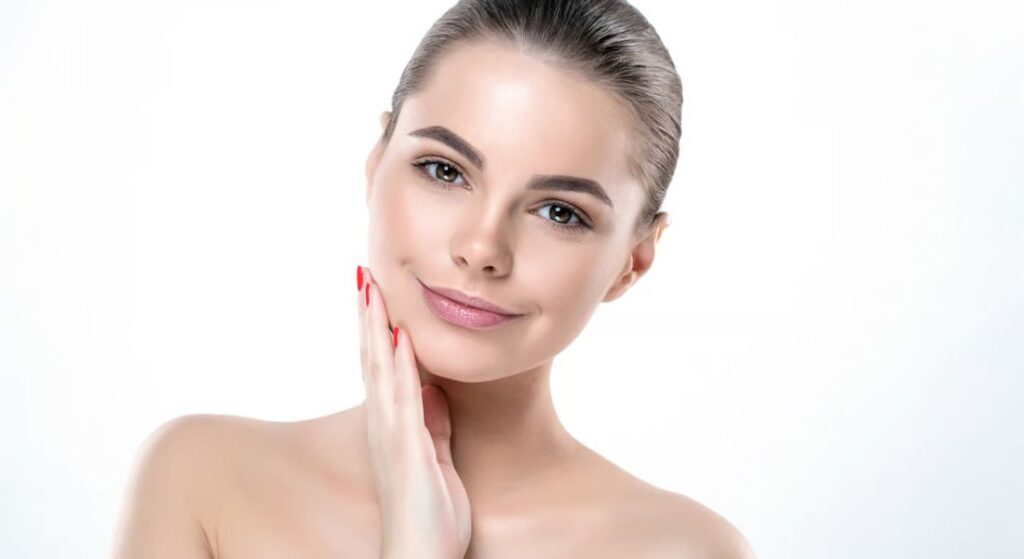
When you think about facial ageing, wrinkles and fine lines are often the first changes that come to mind. However, the ageing process affects much more than the surface of your skin. Over time, the deeper structures of your face, including facial fat, gradually change, altering the shape, support and overall appearance of your features. These underlying changes are a major reason why your face may look older, even if your skin remains relatively healthy.
Facial fat is not simply a layer of tissue that adds fullness to your face. It is divided into distinct fat compartments that support your facial contours, soften transitions between different areas and help maintain a balanced, youthful appearance. These compartments work alongside your skin, muscles and bone structure to create natural facial harmony.
With age, different facial fat compartments may lose volume, become more prominent or redistribute rather than all changing in the same way. Changes in the skin, retaining ligaments, muscles and facial bones also affect facial shape. Together, these processes may contribute to hollow cheeks or temples, under-eye changes, deeper folds and reduced jawline definition.
The Role of Facial Fat in Your Appearance
Facial fat plays an essential role in maintaining the shape, softness and structure of your face. It acts as a natural cushion between your skin and the deeper tissues, providing support while helping to create smooth, balanced facial contours. Together with your skin, muscles and underlying bone, facial fat contributes to a healthy, youthful appearance.
Unlike body fat, facial fat is organised into separate compartments that sit in specific areas of your face, including the cheeks, temples, under-eye region and around the mouth. Each compartment has a unique role in supporting your facial features and maintaining natural proportions. These fat pads work together to create gentle transitions between different areas of your face rather than a flat or angular appearance.
When these facial fat compartments remain healthy and well balanced, they help support the overlying skin, preserve facial definition and maintain youthful contours. As you age, however, changes to these compartments can affect the overall harmony of your face, leading to volume loss, hollow areas and a gradual change in your facial shape.
Facial Fat Is Not Just About Volume
A common misconception is that facial ageing happens simply because you lose volume. While volume loss is an important part of the ageing process, it is only one of several changes that affect your appearance over time. Your facial fat also changes in position, structure and distribution, altering the overall shape and balance of your face.
As you age, some facial fat compartments gradually shrink, creating hollow areas in the cheeks, temples and under-eye region. At the same time, fat in other areas may shift downwards or become more prominent, contributing to features such as jowls, deeper folds around the mouth or changes in the jawline. These combined changes affect your facial proportions rather than just reducing fullness.
Because facial ageing involves much more than volume loss alone, effective treatment requires a comprehensive approach. Instead of simply replacing lost volume, your practitioner will assess how your facial structure has changed as a whole, aiming to restore natural balance, support and harmony while maintaining results that look subtle and proportionate.
Understanding Facial Fat Compartments
Researchers have identified a series of superficial and deep fat compartments that work together to support your facial shape and maintain balanced facial contours. Rather than forming one continuous layer, facial fat is divided into separate compartments, each with a specific role in supporting your features and creating smooth transitions between different areas of your face.
The deep fat compartments provide much of your face’s structural support, helping maintain projection in areas such as the cheeks and mid-face. The superficial fat compartments sit closer to the skin and contribute to facial softness, contour and natural facial expressions. Together, these compartments help create a youthful appearance by supporting the skin and maintaining harmonious facial proportions.
As you age, both the deep and superficial fat compartments gradually change in size, position and quality. These changes can alter the way light reflects across your face, creating shadows beneath the eyes, more noticeable folds around the nose and mouth, and flatter facial contours. Understanding these structural changes helps explain why modern facial rejuvenation focuses on restoring overall facial support and balance rather than simply treating individual wrinkles or lines.
Evidence Note
Research into facial anatomy has shown that facial fat is organised into distinct superficial and deep compartments rather than existing as one continuous layer. Age-related changes to these compartments contribute to alterations in facial shape, volume distribution and soft tissue support.
Why Facial Fat Changes With Age
As you get older, different facial fat compartments may undergo selective volume loss, enlargement or redistribution. Changes in the retaining ligaments, muscles, skin and facial bones can also alter where the soft tissues sit and how your facial contours appear.
Changes in facial fat do not occur in isolation. They happen alongside a gradual decline in collagen production, reduced skin elasticity and changes to the underlying facial bones. As these tissues age together, your skin has less internal support, making hollow areas, sagging and loss of facial definition more noticeable.
Together, these changes gradually weaken the support system that helps maintain your facial contours. Instead of ageing being caused by one single factor, it results from a combination of volume loss, tissue repositioning and structural changes beneath the skin. Understanding this process helps explain why modern facial rejuvenation increasingly focuses on restoring overall facial support and harmony rather than simply treating surface wrinkles.
How Different Facial Structures Change During Ageing
| Facial Structure | Age-Related Changes | How This May Affect Appearance |
| Facial fat compartments | Fat may reduce in volume, shift position or redistribute unevenly | Hollow cheeks, temple changes and altered facial contours |
| Collagen and elastin | Production gradually decreases with age | Reduced firmness, elasticity and skin support |
| Skin | Becomes thinner and less resilient over time | More visible fine lines, wrinkles and changes in texture |
| Facial bones | Gradual remodelling and reduction in support | Changes in facial framework, jawline definition and mid-face support |
| Soft tissues | Support from deeper structures may reduce | Increased folds, sagging and changes in facial balance |
Volume Loss in the Cheeks
The cheeks are one of the first areas where age-related changes in facial fat become noticeable. As the deep fat compartments in the mid-face gradually lose volume, your cheeks may appear flatter and less defined than they once were. This reduction in support can make your face look more tired and alter its natural proportions.
As cheek volume decreases, the skin and soft tissues above have less structural support. This can contribute to more prominent folds around the nose and mouth, increased shadowing beneath the eyes and a gradual descent of the mid-face. These changes are part of the normal ageing process and often occur alongside collagen loss and reduced skin elasticity.
Although restoring cheek volume can be beneficial for some people, it is not always the most appropriate solution on its own. The best approach depends on your individual facial anatomy, skin quality, degree of volume loss and aesthetic goals. A personalised assessment allows your practitioner to determine how different age-related changes are contributing to your appearance and develop a treatment plan that restores natural balance while maintaining facial harmony.
Collagen-Stimulating Treatments and Facial Support
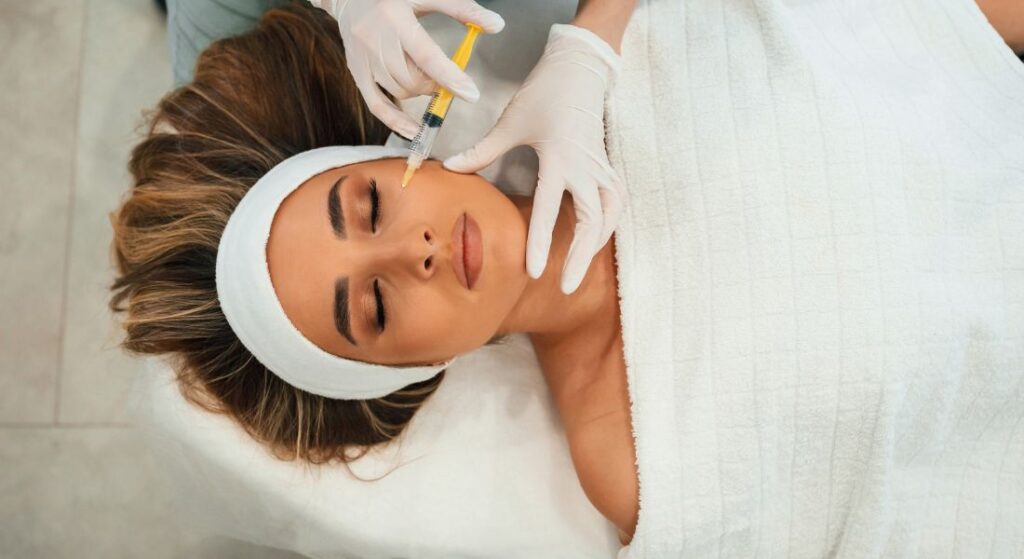
Injectable collagen-stimulating products, such as poly-L-lactic acid, may be used in selected adults to stimulate gradual collagen formation in treated tissues. They may improve the appearance of some types of volume loss or aspects of skin quality, but they do not reposition facial fat, replace lost bone support or stop the ageing process.
Changes usually develop over several weeks or months and vary according to the product, treatment area, technique and individual response. More than one treatment session may be required, and results are not permanent. These products are not suitable for every patient or every facial area.
Before treatment, your practitioner should review your medical history, facial anatomy, skin condition, previous procedures and treatment goals. They should explain the likely benefits, limitations, alternatives, expected duration, aftercare requirements and possible complications before you decide whether to proceed.
Evidence Note
Evidence on poly-L-lactic acid facial treatment suggests that it may improve some measures of facial volume and skin quality in selected patients. However, the overall quality of the available evidence is limited, and results vary. Reported adverse effects include bruising, swelling, tenderness and the development of nodules.
Changes Around the Eyes and Temples
Age-related changes around the eyes and temples do not always involve simple fat loss. Around the eyes, adjacent cheek fat may lose volume while orbital fat can become more prominent. Thinning skin, ligament changes and bone remodelling may also contribute to under-eye hollows, bags and shadows.
Because several structures contribute to the appearance of this area, treatment should not automatically involve adding volume. Your practitioner should assess the position of the fat, skin quality, bone support and the presence of under-eye bags before recommending any procedure.
Temple hollowing is another common sign of facial ageing that occurs as the deep fat compartments gradually diminish. Reduced volume in the temples can make the upper face appear narrower and alter the balance between the forehead, cheeks and jawline. Understanding these combined changes allows your practitioner to develop a personalised treatment plan that restores natural facial harmony while preserving your unique features.
How Facial Fat Loss Contributes to Wrinkles
Facial fat loss does not directly cause every wrinkle, but it plays an important role in how wrinkles and folds develop over time. As the supportive fat compartments beneath your skin gradually shrink or shift, your skin loses some of the underlying structure that helps keep it smooth and firm. This reduction in support can make existing lines more noticeable and contribute to the formation of deeper facial folds.
When the underlying tissues provide less support, your skin responds differently to everyday facial movements and the natural effects of ageing. Areas around the mouth, cheeks and lower face are particularly affected because these regions rely on a combination of facial fat, collagen and skin elasticity to maintain their shape. As these structures change, folds such as the nasolabial folds and marionette lines may become more prominent.
This is one of the reasons why treating wrinkles alone may not fully address the broader signs of facial ageing. A comprehensive assessment considers not only the surface of your skin but also the deeper structural changes affecting facial fat, collagen and bone. By understanding how these factors work together, your practitioner can recommend a personalised approach that restores facial balance while maintaining natural-looking results.
The Connection Between Fat, Collagen, and Skin Support
Facial fat works together with collagen, elastin and other supporting tissues to maintain the shape, firmness and structure of your face. While facial fat provides volume and contour, collagen gives your skin strength and support, and elastin allows it to stretch and return to its original position. These tissues function as a connected support system that helps preserve a youthful facial appearance.
As you age, collagen production gradually declines and elastin fibres become less effective. At the same time, facial fat compartments lose volume, shift or change in quality. These combined changes reduce your skin’s ability to adapt to the structural changes occurring beneath the surface, leading to decreased elasticity, softer facial contours and gradual alterations in facial shape.
Modern aesthetic medicine recognises that facial ageing affects multiple layers of the face rather than a single feature. Instead of focusing only on wrinkles or volume loss, practitioners often assess the skin, facial fat, connective tissues and underlying bone together. This comprehensive approach helps create personalised treatment plans that aim to restore natural facial support, balance and harmony while maintaining subtle, natural-looking results.
The Impact of Bone Changes on Facial Ageing
Facial ageing is influenced not only by changes in your skin and facial fat but also by gradual changes in the underlying facial skeleton. As you get older, the bones of the face undergo a natural process of remodelling, with subtle reductions in bone volume occurring in certain areas. These structural changes affect the foundation that supports your skin and soft tissues, contributing to an older facial appearance.
Bone remodelling commonly affects areas such as the eye sockets, cheeks and jawline. As support from the underlying skeleton gradually decreases, the overlying facial fat and skin may shift or sit differently on the face. This can contribute to hollow temples, flatter cheeks, deeper under-eye hollows and reduced definition along the jawline, even when the skin itself remains relatively healthy.
These changes help explain why facial ageing is a three-dimensional process involving the skin, facial fat and bone working together. Modern aesthetic assessments therefore consider all of these layers rather than focusing on a single concern. By understanding how the facial structure changes over time, practitioners can develop personalised treatment plans that restore facial balance and support while maintaining natural-looking results.
The Importance of Natural-Looking Results
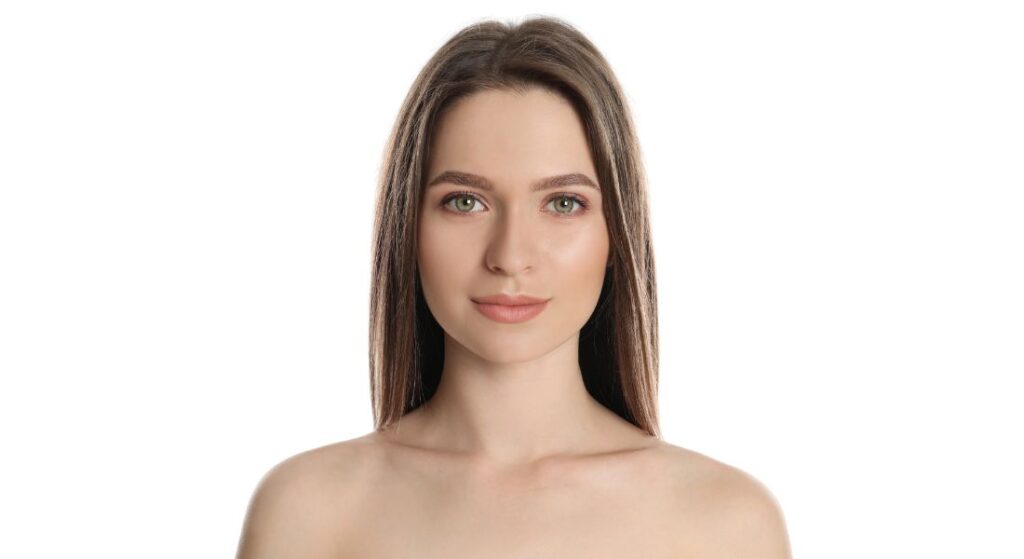
Many people now prefer subtle improvements that enhance their appearance without making them look noticeably different. A natural-looking approach focuses on preserving your facial identity while addressing the changes that occur with age. Rather than trying to make you look like someone else, the goal is to help you look refreshed, well-rested and like the best version of yourself.
Over-correction can sometimes create an unnatural appearance, particularly when volume is added without considering your overall facial structure. Your face ages as a whole, so treating a single area in isolation may affect facial balance. By carefully assessing your facial anatomy, your practitioner can recommend treatments that work in harmony with your existing features and support natural facial proportions.
A balanced treatment plan is designed around your individual ageing pattern, your skin quality and your personal goals. Instead of dramatically changing your appearance, your practitioner will aim to complement your natural features and restore subtle facial support where it has been lost. This personalised approach allows you to achieve results that look natural, balanced and appropriate for you.
Why Facial Ageing Looks Different for Everyone
Facial ageing is a highly individual process, which is why no two people experience it in exactly the same way. Your genetics, lifestyle, sun exposure, skin type and natural facial anatomy all influence how your face changes over time. These factors determine how quickly collagen declines, how facial fat changes and how your skin responds to the ageing process.
Some people notice volume loss in the cheeks, temples or under-eye area as their most obvious sign of ageing, while others experience increased skin laxity, deeper wrinkles or changes caused by years of repeated facial expressions. Environmental factors such as ultraviolet (UV) exposure, smoking and pollution can also accelerate these changes, although the extent varies from person to person.
Because your facial ageing pattern is unique, treatment should always be tailored to your individual needs rather than following a standard approach. A personalised assessment allows your practitioner to evaluate changes in your skin, facial fat, connective tissues and underlying bone structure. By considering all of these factors together, it is possible to develop a treatment plan that restores facial balance, preserves your natural features and achieves subtle, harmonious results.
Traditional Approaches to Facial Rejuvenation
Historically, many aesthetic treatments focused primarily on correcting the visible signs of ageing, such as wrinkles, fine lines and facial folds. If you wanted to reduce these changes, treatments were often designed to smooth the skin or replace lost volume in specific areas. While these approaches could improve your appearance, they did not always address the deeper structural changes that occur as you age.
Dermal fillers became increasingly popular because they could restore volume to hollow areas and soften certain facial lines. They helped improve specific concerns, but they did not fully account for the complex way your facial fat, collagen, ligaments and underlying bone change over time. As research advanced, practitioners gained a better understanding of how these deeper structures influence the way you age.
Today, facial rejuvenation takes a more comprehensive and personalised approach. Instead of focusing on isolated wrinkles or areas of volume loss, your practitioner will assess how the different layers of your face work together and how they have changed over time. By considering your facial anatomy, your ageing pattern and your aesthetic goals, you can achieve balanced, natural-looking results that enhance your features rather than simply treating individual lines.
Modern Approaches to Restoring Facial Balance
Modern facial rejuvenation focuses on improving overall facial harmony rather than simply adding volume to specific areas. By assessing changes in your skin, facial fat, collagen, and underlying structures, treatments can be tailored to create natural-looking improvements.
1. Focus on Facial Harmony: Modern treatments aim to restore balance across the face rather than only targeting individual wrinkles or hollow areas.
2. Personalised Treatment Plans: Your practitioner may combine techniques such as collagen stimulation, volume restoration, and skin quality treatments based on your concerns.
3. Address Multiple Facial Layers: Treating different aspects of facial ageing can improve support, contours, and overall appearance while maintaining natural expressions.
4. Consider Individual Facial Anatomy: Your unique facial structure, skin quality, degree of volume loss, and goals are considered when planning treatment.
5. Achieve Natural-Looking Results: A tailored approach helps enhance your features while preserving your natural facial character and avoiding an over-treated appearance.
A personalised approach is important because facial ageing varies between individuals. Any improvement depends on the treatment selected, your anatomy, the practitioner’s technique and your individual response. No procedure can guarantee a particular result or a completely natural-looking outcome.
Combining Different Treatments
Because facial ageing involves changes to your skin, facial fat, collagen and underlying bone structure, combining different treatments may sometimes provide a more comprehensive approach than treating a single concern alone. Rather than focusing on just one area, your practitioner will assess how your face has changed overall and recommend treatments that work together to support your natural facial balance. This personalised strategy may provide a more comprehensive improvement than treating one concern alone, but results vary, are not permanent and may require maintenance.
For example, your treatment plan may include procedures that improve your skin texture, stimulate your body’s natural collagen production and address carefully selected areas of volume loss. By targeting multiple layers of your face, you can improve skin quality, restore structural support and enhance facial contours while maintaining your natural expressions. The aim is to create subtle improvements that complement your features rather than making obvious changes.
Any combination of treatments should always be carefully planned by an experienced practitioner with a thorough understanding of facial anatomy and treatment safety. Your practitioner will consider your facial structure, your skin condition, your degree of age-related change and your aesthetic goals before recommending the most appropriate approach for you. This tailored plan helps you achieve balanced, natural-looking results while prioritising your safety and long-term facial health.
Choosing the Right Time to Consider Treatment

There is no specific age when you should consider facial rejuvenation, as everyone experiences facial ageing differently. You may begin to notice subtle volume loss in your cheeks or temples, changes in your skin quality or reduced facial definition at different stages of life. The right time to explore treatment depends on your individual concerns, how you feel about the changes you see and the goals you hope to achieve.
Some people seek treatment after visible changes develop, while others consider treatment at an earlier stage. However, injectable treatments should not be presented as preventing normal facial ageing. Your decision should be based on your individual concerns, realistic expectations, understanding of the risks and whether the likely benefits justify treatment.
A consultation with an experienced practitioner can help you understand whether treatment is appropriate for your needs and what realistic improvements may be possible. Your practitioner will assess your facial anatomy, your skin condition and your pattern of facial ageing before recommending a personalised treatment plan. This tailored approach helps you make an informed decision and ensures any treatment is designed specifically for you while maintaining natural-looking results.
UK Guidance Note
Regulation of non-surgical cosmetic procedures varies across the UK. In England, a comprehensive statutory licensing scheme covering all such procedures has not yet been introduced. Government proposals remain subject to further consultation and secondary legislation.
Before treatment, book a consultation with the person who will perform the procedure. Check their relevant training, experience and insurance, and ask whether they belong to an appropriate professional register or association. You should also ask about the product being used, possible alternatives, expected duration, risks, aftercare and who will manage any complications.
You should be given enough information and time to make an informed decision without pressure to proceed.
The Importance of Professional Assessment
Facial anatomy is unique to every individual, which means the changes you experience with ageing will not be the same as someone else’s. A treatment that produces excellent results for one person may not be the most appropriate option for you because your facial structure, skin quality and pattern of volume loss are different. Understanding these individual differences is important for reducing avoidable risk and planning proportionate treatment, although it cannot guarantee a particular outcome.
Before recommending any treatment, a qualified practitioner will carry out a comprehensive assessment of your facial anatomy, skin quality, volume changes and aesthetic goals. Your practitioner will also consider how your facial fat, collagen, muscles and underlying bone have changed over time to ensure your treatment plan is tailored specifically to you. This personalised approach helps you achieve improvements that enhance your natural features rather than changing your appearance.
For personalised advice and professional aesthetic care, you can explore treatment options with the London Medical and Aesthetic Clinic. During your consultation, your practitioner will discuss your concerns, explain the available treatment options and recommend an approach that is designed around your individual needs. By focusing on your facial anatomy and your desired outcomes, you can achieve subtle, natural-looking results that complement your features.
Clinical Tip
During a consultation at the London Medical and Aesthetic Clinic, your practitioner can discuss your concerns, explain suitable options and alternatives, and outline realistic potential outcomes, limitations and risks. The consultation should help you decide whether treatment is appropriate for you rather than assume that a procedure will produce a particular result.
How Lifestyle Factors Affect Facial Ageing
While changes in facial fat are a natural part of ageing, your lifestyle choices can influence how quickly visible signs of ageing appear. Factors such as sun exposure, smoking, poor nutrition and ongoing stress can affect your skin quality, collagen levels and overall facial health. Over time, these influences may contribute to changes in firmness, texture and facial appearance.
Protecting your skin from excessive sun exposure is one of the most important steps you can take to support healthy ageing. Ultraviolet (UV) radiation can damage collagen and elastin, while smoking can reduce skin quality by affecting circulation and accelerating collagen breakdown. Your diet, sleep habits and stress levels can also influence how well your skin repairs and maintains its natural structure.
Maintaining a balanced lifestyle can help support your skin and overall facial health as you age. By protecting your skin, eating a nutrient-rich diet, exercising regularly and following evidence-based skincare, you can help preserve collagen, support skin quality and maintain a healthier appearance. These habits may not stop natural ageing, but they can help you age in a way that keeps your skin looking healthier and more resilient.
The Future of Facial Rejuvenation
Research into facial ageing continues to evolve, with growing interest in regenerative approaches, advanced assessment techniques and personalised treatment planning. As our understanding of facial anatomy improves, treatments are increasingly designed around the way your skin, facial fat, collagen and underlying structures change over time. This shift allows practitioners to focus on supporting your natural features rather than simply addressing individual signs of ageing.
Future developments may provide more detailed ways to analyse your facial ageing pattern and identify the specific changes affecting your appearance. Advanced technologies and improved treatment approaches may help practitioners create even more personalised plans based on your facial structure, skin quality and individual goals. This could allow you to receive treatments that are more precisely tailored to your unique ageing process.
The future of modern aesthetics is moving towards working with your body’s natural biology rather than simply correcting visible signs after they appear. By focusing on collagen support, tissue health and overall facial balance, future approaches aim to help you maintain a refreshed and natural appearance while respecting your individual facial identity.
Myth vs Fact
| Myth | Fact |
| Facial ageing only happens because of wrinkles | Ageing affects fat, skin, muscles and bone structure |
| Losing facial fat always makes you look healthier | Too much volume loss can contribute to hollow areas and reduced support |
| Adding more filler is always the answer | Treatment depends on your facial anatomy and individual concerns |
| Everyone ages in the same way | Genetics, lifestyle and anatomy influence how your face changes |
Frequently Asked Questions
1. Why does facial fat change as you get older?
Different facial fat compartments may lose volume, enlarge or redistribute with age. These changes occur alongside alterations in the skin, retaining ligaments, muscles and facial bones, which together affect facial shape and contours.
2. Does facial fat loss cause wrinkles?
Facial fat loss does not directly cause every wrinkle, but it can make lines and folds appear more noticeable. As the underlying support decreases, your skin may sag or crease more easily, particularly around the cheeks, mouth and jawline.
3. Which areas of your face lose volume first?
Many people first notice volume loss in the cheeks, temples and under-eye area. These changes can create a more hollow or tired appearance and may alter the natural balance of your facial features over time.
4. Why does facial ageing look different for everyone?
Your facial ageing pattern is influenced by factors such as genetics, skin type, lifestyle, sun exposure and facial anatomy. While some people experience noticeable volume loss, others may develop more skin laxity or deeper expression lines.
5. Can facial fat loss be prevented?
Facial fat loss is a natural part of ageing and cannot be completely prevented. However, protecting your skin from UV damage, avoiding smoking, maintaining a healthy lifestyle and following an evidence-based skincare routine may help slow visible signs of ageing.
6. How do collagen-stimulating treatments help with facial ageing?
Products such as poly-L-lactic acid stimulate a gradual collagen response in treated tissues and may improve some aspects of volume or skin quality in selected patients. Results vary, usually develop over several months and are not permanent.
7. Are dermal fillers and collagen stimulators the same?
Not exactly. Hyaluronic acid fillers mainly add volume immediately, whereas products such as poly-L-lactic acid produce a more gradual effect by stimulating collagen. These products differ in how quickly they work, how long they last, whether they can be reversed and the complications they may cause.
8. Why is a personalised treatment plan important?
Everyone’s face ages differently, so there is no single treatment that suits everyone. A personalised assessment allows a qualified practitioner to recommend treatments based on your facial anatomy, skin quality and individual aesthetic goals.
9. Can lifestyle habits affect facial ageing?
Sun exposure and smoking are established contributors to skin ageing. Nutrition, sleep and stress may also affect general skin health, but lifestyle changes cannot prevent normal age-related changes in facial fat, bone and other deeper structures.
10. When should you consider treatment for facial volume loss?
There is no ideal age to begin treatment, as the right time depends on your individual concerns and the changes you notice. If facial volume loss is affecting your confidence, a consultation with an experienced practitioner can help you understand your options and decide whether treatment is appropriate.
Final Thoughts: Understanding Facial Fat Ageing and Maintaining Natural Balance
Facial ageing is about far more than the appearance of wrinkles. As the fat compartments beneath your skin gradually change, they alter the support, proportions and contours of your face, contributing to a less defined or more tired appearance over time. These changes occur alongside reductions in collagen, skin elasticity and underlying bone support, making facial ageing a complex, three-dimensional process.
Modern aesthetic medicine recognises that successful facial rejuvenation is not simply about replacing lost volume. Instead, it focuses on understanding how the different layers of the face work together and creating personalised treatment plans that restore balance while preserving your natural features. The goal is subtle, harmonious improvements that enhance your appearance rather than change it.
If you are concerned about age-related facial volume loss or would like to understand which treatments may be suitable for your individual needs, a consultation with the London Medical and Aesthetic Clinic can provide a comprehensive facial assessment and personalised recommendations. An evidence-based consultation can help you understand the likely benefits, limitations and risks of treatment and decide whether any available option is suitable for you.
References:
1. Rohrich, R.J. and Pessa, J.E. (2007) ‘The fat compartments of the face: anatomy and clinical implications for cosmetic surgery’, Plastic and Reconstructive Surgery, 119(7), pp.2219–2227. Available at: https://pubmed.ncbi.nlm.nih.gov/17519724/
2. Gierloff, M., Stöhring, C., Buder, T., Gassling, V., Açil, Y. and Wiltfang, J. (2012) ‘Aging changes of the midfacial fat compartments: a computed tomographic study’, Plastic and Reconstructive Surgery, 129(1), pp.263–273. Available at: https://pubmed.ncbi.nlm.nih.gov/31688754/
3. Wan, D., Amirlak, B., Rohrich, R. and Davis, K. (2014) ‘The clinical importance of the fat compartments in midfacial aging’, Plastic and Reconstructive Surgery Global Open, 1(9), e92. Available at: https://pmc.ncbi.nlm.nih.gov/articles/PMC4174112/
4. Coleman, S.R. and Grover, R. (2006) ‘The anatomy of the aging face: volume loss and changes in 3-dimensional topography’, Aesthetic Surgery Journal, 26(1 Suppl), pp.S4–S9. Available at: https://www.sciencedirect.com/science/article/abs/pii/S1090820X05004590
5. Shaw, R.B. Jr., Katzel, E.B., Koltz, P.F., Kahn, D.M., Langstein, H.N. and Girotto, J.A. (2011) ‘Aging of the facial skeleton: aesthetic implications and rejuvenation strategies’, Plastic and Reconstructive Surgery, 127(1), pp.374–383. Available at:
https://pmc.ncbi.nlm.nih.gov/articles/PMC3052677/