



Wrinkles are a natural part of the ageing process, but understanding why they develop can help you take steps to keep your skin looking healthier for longer. They form as your skin gradually loses collagen and elastin, while repeated facial movements, sun exposure and other environmental factors also contribute to the appearance of fine lines and deeper creases over time.
Although everyone develops wrinkles eventually, the age at which they appear and how noticeable they become varies from person to person. Your genetics play a role, but your lifestyle choices, skincare routine and exposure to ultraviolet (UV) rays can all influence how quickly your skin shows signs of ageing. This is why some people notice fine lines in their twenties, while others maintain smoother skin for much longer.
Aesthetic treatments can address wrinkles in different ways. Some temporarily reduce muscle movement, some restore volume and others stimulate tissue remodelling or resurface the skin. The most appropriate option depends on the type of wrinkle, your skin, your medical history and your goals. Results vary, and every procedure has limitations and potential risks that should be discussed before treatment.
What Are Wrinkles?
Wrinkles are lines, folds or creases that develop in your skin as it gradually loses firmness, elasticity and volume with age. They most commonly appear on areas that are exposed to frequent facial movement and sunlight, including your forehead, around your eyes and around your mouth. While wrinkles are a natural part of ageing, their depth and visibility vary from person to person.
Wrinkles are more than just surface changes. They develop because the structural proteins that keep your skin strong and flexible, including collagen and elastin, gradually decline over time. As these proteins decrease, your skin becomes thinner, less resilient and less able to spring back after repeated facial expressions.
Changes beneath the surface of your skin also contribute to wrinkle formation. As facial fat, connective tissue and bone structure naturally change with age, your skin loses some of its underlying support. Together, these changes make wrinkles more noticeable and contribute to the overall ageing of your face.
Collagen Loss and Skin Structure
Collagen is one of the most important proteins in your skin, providing the strength, firmness and support that help keep it smooth and resilient. As you age, your body naturally produces less collagen, and the collagen that remains becomes weaker and less organised. This gradual decline reduces your skin’s ability to maintain its structure, making it more prone to sagging and the formation of wrinkles.
This natural process, known as intrinsic ageing, affects everyone over time. As collagen levels continue to fall, your skin becomes thinner, less elastic and less able to recover from everyday facial movements. These internal changes often begin long before wrinkles become visible on the surface.
Because collagen forms the foundation of healthy skin, its gradual loss plays a major role in how your face ages. Daily sun protection, avoiding smoking and using appropriate evidence-based skincare may help limit avoidable collagen damage and improve some signs of photoageing. Aesthetic treatments may improve selected concerns, but they cannot stop intrinsic ageing or guarantee a particular improvement.
Elastin and Skin Elasticity
Elastin is an essential protein that allows your skin to stretch and return to its original shape after smiling, frowning or making other facial expressions. When you are younger, elastin fibres are strong and flexible, helping your skin recover quickly and maintain a smooth, firm appearance.
As you age, your body produces less elastin, and the existing fibres gradually become weaker and less elastic. This means your skin is no longer able to bounce back as effectively after repeated movement. Over time, the temporary lines created by facial expressions can become permanent wrinkles as the skin loses its natural resilience.
The combined loss of collagen and elastin has a significant impact on how your skin ages. While collagen provides strength and structural support, elastin maintains flexibility and elasticity. Together, their gradual decline contributes to deeper wrinkles, reduced firmness and the visible signs of skin ageing.
Facial Muscle Movements
Every time you smile, laugh, frown or squint, the muscles beneath your skin contract to create facial expressions. These repeated movements are a natural part of everyday life, but over time they can cause the skin to fold in the same places again and again. As your skin becomes less elastic with age, these temporary lines are more likely to become permanent wrinkles.
These are known as dynamic wrinkles because they develop through repeated muscle movement. They often appear first in areas where your face is most expressive, such as the crow’s feet around your eyes, the lines across your forehead and the frown lines between your eyebrows. As collagen and elastin levels decline, these expression lines become more visible even when your face is at rest.
Although facial expressions are an important part of how you communicate, understanding their role in wrinkle formation can help you choose the right preventative measures and treatments. Protecting your skin, maintaining healthy collagen levels and seeking professional advice when appropriate can all help reduce the appearance of dynamic wrinkles while preserving your natural expressions.
Importance of a Personalised Approach

No two people age in exactly the same way, which is why there is no single treatment that suits everyone. The way your skin changes over time depends on factors such as your facial anatomy, skin type, genetics, lifestyle and the amount of collagen you have naturally lost. Understanding these individual differences is essential when choosing the most appropriate treatment.
A consultation can help determine whether treatment is suitable, clarify which concerns may be treatable and identify important risks or contraindications. The practitioner should also explain alternatives, expected recovery and the possibility that no treatment may be the most appropriate option.
Personalised planning can reduce avoidable risks and support realistic expectations, but it cannot guarantee facial balance, treatment longevity or a particular cosmetic result.
Intrinsic Ageing vs Extrinsic Ageing
Wrinkles develop through a combination of intrinsic ageing and extrinsic ageing. Intrinsic ageing is the natural biological process that happens as you get older. Over time, your skin produces less collagen and elastin, cell turnover slows, and your skin becomes drier and thinner, making fine lines and wrinkles gradually more noticeable.
Extrinsic ageing is caused by external factors that accelerate these natural changes. Regular exposure to ultraviolet (UV) rays, air pollution, smoking, poor nutrition and other lifestyle habits can all speed up collagen breakdown and increase skin damage. These factors often cause wrinkles to appear earlier and become deeper than they would through natural ageing alone.
While you cannot stop intrinsic ageing, you can reduce the effects of extrinsic ageing by protecting your skin every day. Wearing broad-spectrum sunscreen, avoiding smoking, maintaining a healthy diet and following a consistent skincare routine can all help preserve your skin’s structure and slow the development of premature wrinkles.
Major Factors Affecting Wrinkle Formation
| Factor | Type | How It May Contribute |
| Genetics | Intrinsic | Influences skin thickness, pigmentation, collagen characteristics and individual ageing patterns. |
| Facial expressions | Mechanical | Repeated muscle contraction creates temporary lines that may become visible at rest as skin support changes. |
| Diet and hydration | Lifestyle | Nutritional status can influence general skin health. Dehydration may make fine lines look more noticeable but is not a primary cause of structural wrinkles. |
| Environmental stressors | Extrinsic | Pollution and cigarette smoke may increase oxidative stress and contribute to collagen degradation. |
The Role of Sun Exposure
Sun exposure is one of the biggest external causes of premature wrinkles and skin ageing. Ultraviolet (UV) rays penetrate your skin and generate free radicals, which damage collagen and elastin fibres. Over time, this weakens your skin’s natural support structure, making it more prone to fine lines, wrinkles and loss of firmness.
Repeated exposure to both UVA and UVB rays can lead to photoageing, a form of premature skin ageing caused by the sun rather than the natural ageing process. You may notice deeper wrinkles, uneven skin tone, pigmentation changes and rougher skin texture developing more quickly if your skin is not adequately protected.
The good news is that you can reduce much of this damage by protecting your skin every day. Applying a broad-spectrum sunscreen, wearing protective clothing and limiting excessive sun exposure are some of the most effective ways to preserve collagen, maintain skin firmness and help prevent premature wrinkles.
Oxidative Stress and Environmental Factors
Your skin faces daily exposure to environmental stressors like air pollution, cigarette smoke, and free radicals, which can damage collagen and elastin fibres. This process, called oxidative stress, weakens your skin’s natural support and accelerates the formation of wrinkles over time.
1. Free Radical Damage: Unstable molecules from pollution and smoke can break down collagen and elastin, reducing skin strength.
2. Accelerated Ageing: Ongoing oxidative stress over years can deepen lines, decrease firmness, and dull your complexion.
3. Reduced Skin Repair: Long-term environmental damage makes it harder for skin to regenerate and maintain elasticity.
4. Antioxidant Protection: Skincare ingredients like vitamin C and vitamin E neutralise free radicals, supporting healthier skin.
5. Healthy Lifestyle Support: Balanced nutrition, sun protection, and avoiding smoking help maintain collagen and a smoother, firmer appearance.
Pollution and cigarette smoke may contribute to oxidative stress and the breakdown of structural proteins within the skin. Well-formulated topical antioxidants, particularly vitamin C, may provide additional support against oxidative damage, but results differ between products. Antioxidants should complement rather than replace broad-spectrum sunscreen, smoking avoidance and other established protective measures.
Laser and Microneedling Treatments
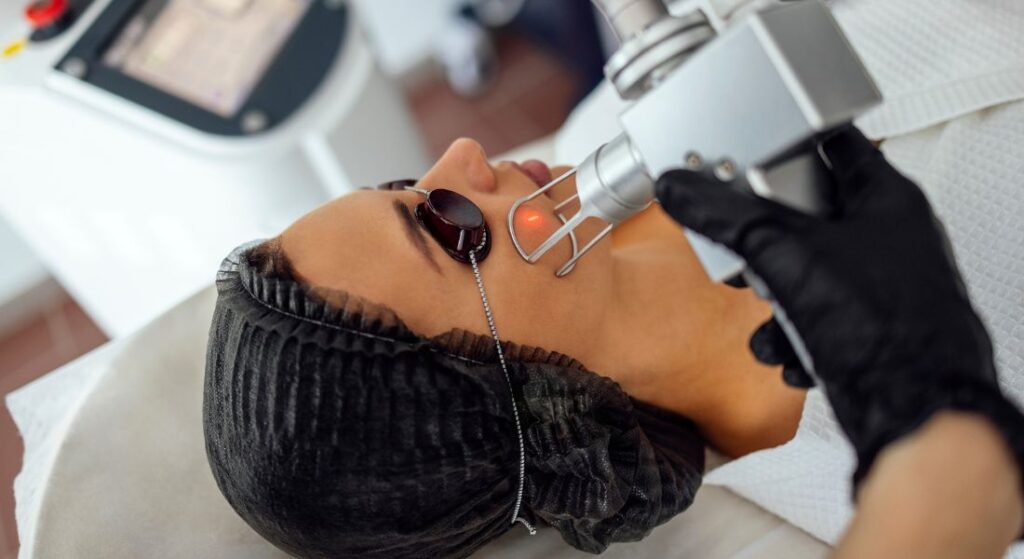
Laser resurfacing and microneedling are separate procedures with different devices, treatment depths, recovery periods and risks. Some lasers remove or heat controlled areas of tissue, while microneedling creates small needle channels. Both may stimulate wound-healing and collagen-remodelling responses.
These treatments may improve selected concerns such as fine wrinkles, photoageing, scars or uneven texture, but outcomes vary. Possible effects include redness, swelling, discomfort, crusting and temporary irritation. Depending on the procedure and your skin type, there may also be a risk of infection, pigment changes, prolonged redness or scarring.
The specific technology, settings, practitioner training and suitability assessment are important. Laser and microneedling treatment should not be presented as interchangeable or universally appropriate.
Changes in Facial Fat and Bone
As you age, the changes in your face go beyond your skin. The fat that once provided natural fullness gradually reduces and shifts, while the underlying bone structure also changes over time, particularly around the cheeks, jawline and eye area. These natural changes reduce the support beneath your skin, making wrinkles, folds and sagging more noticeable.
As facial volume decreases, areas that once appeared smooth and well defined can begin to look hollow or less structured. This loss of support can deepen features such as the nasolabial folds, marionette lines and hollows beneath the eyes, even if your skin is otherwise healthy. These changes are a normal part of the ageing process and affect everyone to some degree.
Understanding these deeper structural changes helps explain why wrinkles are not always caused by skin damage alone. Because facial ageing involves the skin, fat compartments, connective tissues and bone, no single treatment addresses every change. A professional assessment can help distinguish wrinkles caused mainly by movement, surface damage, volume loss or reduced structural support before treatment options are discussed.
Moisture and Skin Hydration
As you age, your skin naturally produces less hyaluronic acid and fewer protective oils, making it more difficult to retain moisture. This gradual loss of hydration can leave your skin feeling drier, less supple and more prone to developing fine lines. Well-hydrated skin is generally more flexible and better able to maintain a smooth, healthy appearance.
When your skin becomes dry, it is less able to cope with everyday movement and environmental stress. Fine lines may appear more noticeable, and existing wrinkles can seem deeper because dehydrated skin lacks the plumpness that helps soften their appearance. Although dryness does not directly cause wrinkles, it can make the signs of ageing more visible.
Regular use of a suitable moisturiser can support the skin barrier and temporarily make dehydration-related fine lines appear less noticeable. Drinking enough fluid is important for general health, particularly if you are dehydrated, but increasing water intake does not reverse established wrinkles or replace sun protection and evidence-based skincare.
Genetics and Individual Variation
Your genes play an important role in how your skin ages and when wrinkles begin to appear. Some people naturally have thicker, more resilient skin or produce collagen for longer, while others are more likely to develop fine lines at a younger age. This is why the ageing process can look very different from one person to another.
Your family history can often provide useful clues about your own skin ageing pattern. If your parents or close relatives developed wrinkles early or experienced noticeable skin laxity in certain areas, you may be more likely to see similar changes over time. However, genetics is only one part of the picture and does not determine your skin’s future on its own.
Although you cannot change your genetic makeup, you can influence how your skin ages through healthy lifestyle choices and good skincare habits. Protecting your skin from the sun, avoiding smoking, maintaining a balanced diet and following an appropriate skincare routine can all help preserve collagen and reduce the impact of environmental factors, helping your skin stay healthier for longer.
How Sleep Affects Wrinkle Formation
Adequate sleep supports your general health and may influence how rested and hydrated your skin appears. However, sleep quality should not be presented as a proven method of increasing dermal collagen or preventing established wrinkles.
Repeated facial compression during side or stomach sleeping has been proposed as a contributor to certain “sleep lines”. Evidence remains limited, so changing your sleeping position cannot be guaranteed to prevent wrinkles. You should prioritise comfortable, good-quality sleep rather than forcing a position that disrupts your rest.
Prioritising good sleep is an important part of protecting your skin from premature ageing. Sleeping on your back when possible, following a consistent sleep routine and aiming for adequate, high-quality rest can support your skin’s natural repair processes and help maintain a smoother, healthier complexion over time.
Lifestyle Factors That Influence Wrinkles
Your daily lifestyle choices can have a significant impact on how quickly your skin ages and when wrinkles begin to appear. Smoking is one of the biggest contributors to premature skin ageing because it reduces blood flow to the skin and accelerates the breakdown of collagen and elastin. Excessive alcohol consumption can also dehydrate your skin, making fine lines more noticeable and slowing its natural repair processes.
Your diet plays an equally important role in maintaining healthy skin. A balanced diet that includes plenty of protein, vitamins, healthy fats and antioxidants provides the nutrients your body needs to produce collagen and protect your skin from environmental damage. In contrast, a poor diet may weaken your skin’s structure and contribute to the earlier development of wrinkles.
The good news is that many of these factors are within your control. Avoiding smoking, limiting alcohol intake, eating a nutritious diet, staying well hydrated and protecting your skin from the sun can all help preserve collagen, support healthier skin and slow the visible effects of extrinsic ageing over time.
Collagen-Stimulating Treatments
Poly-L-lactic acid, or PLLA, is an injectable material that produces a controlled local tissue response and may stimulate collagen remodelling over time. Unlike a conventional hyaluronic acid filler, its effects develop gradually rather than relying mainly on immediate gel volume.
Studies suggest that PLLA may improve selected facial wrinkles, volume loss and some measures of skin quality in suitable adults. The degree and duration of improvement vary, and several sessions may be required. It does not treat every type of wrinkle and cannot guarantee a subtle, balanced or long-lasting result.
Treatment suitability depends on the specific product, treatment area, medical history and practitioner assessment.
people, this regenerative approach offers longer-lasting, more balanced results while helping maintain a refreshed and natural appearance.
Evidence Note
Systematic reviews suggest that PLLA may improve facial volume, wrinkle scores and some measures of skin quality in selected adults. However, techniques and treatment schedules differ between studies, many studies are relatively small and results cannot be assumed for every patient. Further high-quality research is needed to clarify comparative effectiveness and long-term safety.
Choosing a Qualified Practitioner

Choosing an appropriately trained practitioner can reduce avoidable risks, but it cannot eliminate complications or guarantee results. In England, non-surgical cosmetic procedures are not yet covered by a comprehensive mandatory licensing framework across the sector.
Check the practitioner’s professional registration where applicable, relevant qualifications, product-specific training, insurance and experience with the proposed procedure. The clinic should also have suitable infection-control arrangements and a clear process for recognising and managing complications.
Before consenting, you should receive balanced information about benefits, limitations, risks, alternatives, recovery, costs and what support is available if a complication occurs.
Retinoids and Topical Support
Prescription retinoids such as tretinoin have clinical evidence for improving some signs of photoageing, including fine wrinkles and uneven texture. They can also cause dryness, redness, peeling, burning and irritation, particularly when treatment begins. They should be introduced under professional guidance and should not be used during pregnancy or when planning a pregnancy.
In addition to retinoids, other topical products can help support your skin’s natural repair processes. Moisturisers, antioxidants and clinically proven active ingredients help strengthen the skin barrier, improve hydration and protect collagen from environmental damage. Together, these products can enhance your skin’s overall health and resilience.
Skincare and in-clinic procedures address different concerns. Combination treatment may be appropriate for selected patients, but it is not automatically more effective or safer than using one carefully chosen treatment. While retinoids help maintain healthy skin at home, in-clinic procedures that stimulate collagen production can address deeper structural changes. This combined approach provides a more comprehensive strategy for improving skin quality and reducing the visible signs of ageing.
Evidence Note
Randomised trials and systematic reviews support topical tretinoin for selected signs of photoageing. Results generally require consistent use over several months, and tolerability varies. Topical retinoids should be used with sun protection and appropriate medical advice.
Preventative Measures
Taking preventative steps early can help slow the development of wrinkles and keep your skin healthier for longer. One of the most effective habits is applying a broad-spectrum sunscreen every day, as ultraviolet (UV) exposure is one of the leading causes of premature collagen and elastin breakdown. Protecting your skin from the sun is one of the simplest ways to maintain its strength, firmness and elasticity.
A consistent skincare routine can also make a meaningful difference. Using antioxidant-rich products, keeping your skin well hydrated and following healthy lifestyle habits, such as eating a balanced diet, avoiding smoking and getting enough sleep, all help support your skin’s natural repair processes. Together, these measures protect your skin from environmental damage and help preserve its structural proteins.
Daily sun protection and avoiding smoking can reduce avoidable external damage at any age. These measures may help delay some signs of photoageing, but they cannot stop intrinsic ageing or guarantee that you will not choose treatment in the future.
Combining Treatments: When It May Be Appropriate
More than one treatment may be considered when you have several distinct concerns, but combining procedures is not automatically better than using one option. It may increase cost, recovery requirements and cumulative risk.
Your practitioner should explain why each procedure is being proposed, whether treatments need to be separated and whether a simpler approach could meet your goals. Results and risks should be considered for each treatment individually as well as for the overall plan.
This personalised approach allows improvements to develop gradually, helping you maintain facial harmony and avoid an overfilled or over-corrected appearance. By combining treatments that complement one another, your practitioner can create natural-looking results that enhance your appearance while preserving your unique facial expressions and features.
Myths vs Facts
| Myth | Fact |
| Collagen stimulators give instant results | PLLA-related changes develop gradually, and the degree and duration of improvement vary. |
| Skincare alone restores lost collagen | Evidence-based skincare may improve photoageing and protect existing collagen but cannot reproduce the effect of an injectable or resurfacing procedure. |
| Everyone is suitable for collagen treatments | Suitability depends on the product, treatment area, skin condition, medical history and individual risks. |
| Dermal fillers are the same as collagen stimulators | Hyaluronic acid fillers mainly provide gel volume, while PLLA produces a gradual tissue response that may stimulate collagen remodelling. |
Key Takeaways
1. Wrinkles develop through a combination of intrinsic ageing, facial movement, UV exposure and deeper structural changes.
2. Broad-spectrum sun protection and avoiding smoking are among the most useful ways to limit preventable skin ageing.
3. Moisturisers can soften dehydration-related fine lines, but drinking extra water does not reverse structural wrinkles.
4. Retinoids, PLLA, lasers and microneedling have different evidence, limitations, side effects and contraindications.
5. No aesthetic treatment can guarantee natural-looking, permanent or complication-free results.
6. A proper consultation should include treatment risks, alternatives and realistic expectations.
Frequently Asked Questions
1. Why do wrinkles develop as you get older?
Wrinkles develop because your skin gradually produces less collagen and elastin with age. As these proteins decline, your skin becomes thinner, less firm and less able to bounce back after facial movements.
2. Can you prevent wrinkles completely?
No, wrinkles are a natural part of the ageing process and cannot be prevented completely. However, protecting your skin from the sun, following a healthy lifestyle and using appropriate skincare can help slow their development.
3. Does sun exposure make wrinkles worse?
Yes, regular exposure to UV rays can speed up the breakdown of collagen and elastin, leading to premature wrinkles. Wearing a broad-spectrum sunscreen every day is one of the most effective ways to protect your skin from photoageing.
4. Why do facial expressions cause wrinkles?
Every time you smile, frown or squint, your skin folds in the same areas. Over the years, these repeated movements can cause temporary lines to become permanent as your skin loses elasticity.
5. What is the difference between intrinsic and extrinsic ageing?
Intrinsic ageing is the natural biological process that happens as you get older, while extrinsic ageing is caused by external factors such as sun exposure, smoking and pollution. Both contribute to wrinkle formation, but lifestyle changes can help reduce the effects of extrinsic ageing.
6. Can collagen-stimulating treatments reduce wrinkles?
Collagen-stimulating treatments may improve selected wrinkles or volume-related concerns in suitable patients. The effect varies according to the product, treatment area and individual response, and complications can occur. A consultation is needed to decide whether the potential benefits justify the risks for you.
7. Do skincare products help reduce wrinkles?
Evidence-based skincare products, including prescription retinoids and antioxidant serums, can support collagen production and improve skin texture. While they cannot stop ageing, they can help reduce the appearance of fine lines and complement professional treatments.
8. How does your lifestyle affect wrinkle formation?
Smoking and cumulative UV exposure are established contributors to premature skin ageing. Diet, alcohol intake and sleep may affect general health and the appearance of your skin, but they should not all be presented as having the same level of evidence for causing collagen loss.
9. Are wrinkles only caused by ageing?
No, although ageing is the main cause, wrinkles are also influenced by genetics, repeated facial movements, sun exposure and environmental factors. These factors work together to determine when and where wrinkles appear.
10. Why is a personalised treatment plan important for wrinkles?
A suitable practitioner can assess your concerns, discuss risks and alternatives and help set realistic expectations. Professional assessment can reduce avoidable risk, but it cannot guarantee a safe procedure or a particular cosmetic result.
Final Thoughts: Understanding the Science Behind Wrinkles
Wrinkles are a natural part of ageing, but the way your skin changes over time is influenced by much more than just your age. Factors such as collagen loss, repeated facial movements, sun exposure and lifestyle habits all play a role in how quickly wrinkles develop and how noticeable they become. By understanding these underlying processes, you can make informed choices that help protect your skin and support its natural structure for longer.
If you are considering treatment, a professional consultation can help identify the main factors contributing to your wrinkles and explain which options may be appropriate. At the London Medical and Aesthetic Clinic, practitioners can discuss the possible benefits, limitations, recovery requirements and risks so that you can decide whether treatment aligns with your goals.
References:
1. Naharro-Rodriguez, J. et al. (2025) ‘Decoding skin aging: A review of mechanisms, markers, and modern therapies’, Cosmetics, 12(4), article 144. Available at: https://www.mdpi.com/2079-9284/12/4/144
2. Signori, R. et al. (2024) ‘Efficacy and safety of poly-L-lactic acid in facial aesthetics: A systematic review’, Polymers, 16(18), article 2564. Available at: https://www.mdpi.com/2073-4360/16/18/2564
3. Ferreira, A.C.M. et al. (2026) ‘Efficacy, durability, and safety of collagen biostimulators based on poly-L-lactic acid and calcium hydroxyapatite in the face: A systematic review’, Aesthetic Plastic Surgery, 50(3), pp. 1291–1300. Available at: https://pubmed.ncbi.nlm.nih.gov/41184662/
4. Quan, T. and Fisher, G.J. (2015) ‘Role of age-associated alterations of the dermal extracellular matrix microenvironment in human skin aging: A mini-review’, Gerontology, 61(5), pp. 427–434. Available at: https://www.ncbi.nlm.nih.gov/pmc/articles/PMC4524793/
5. Chylińska, N. and Maciejczyk, M. (2025) ‘Hyaluronic acid and skin: Its role in aging and wound-healing processes’, Gels, 11(4), article 281. Available at: https://www.ncbi.nlm.nih.gov/pmc/articles/PMC12026949/