

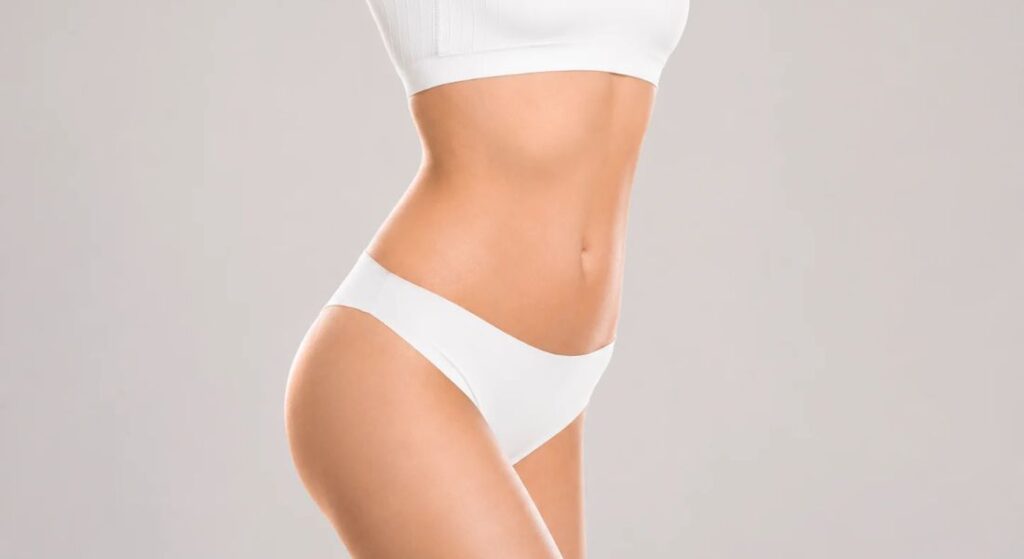
Your fat freezing session may be over, but you might still have questions about what happens next. Redness, swelling, tenderness or numbness around the treated area can be concerning, especially when you’re unsure how long these effects might last. Fortunately, most of these reactions are temporary, although your recovery and visible results will develop at their own pace.
The good news is that fat freezing usually involves little downtime, so you may be able to return to everyday activities straight away. Knowing how to look after the treated area, which habits to avoid and when to seek help can make recovery more comfortable.
What Happens to Your Body Immediately After Fat Freezing?
Fat freezing, also known as cryolipolysis, uses controlled cooling to target localised fat cells beneath your skin without surgery or incisions. After your session, you may notice redness, swelling, numbness, tingling or a firm sensation around the treated area.
These effects occur due to the cooling process and, sometimes, suction from the applicator. Your practitioner may massage the area after treatment, while your body gradually clears the affected fat cells over the following weeks. You may feel comfortable returning to your routine, although some tenderness can develop later.
What Should You Do During the First 24 Hours?
During the first day, focus on staying comfortable rather than trying to speed up fat loss. Check the treated skin occasionally, move about as you feel able and keep your clinic’s contact details nearby. You do not normally need bed rest.
Wear comfortable clothing, avoid unnecessary pressure or rubbing, and follow your practitioner’s aftercare advice. Avoid vigorous massage, extreme temperatures or unverified home treatments. If you experience severe pain, rapidly increasing swelling or unusual skin changes, contact your practitioner for assessment.
Clinical Tip
Keep your written aftercare instructions and the clinic’s contact number handy. If you were not given these, ask your practitioner for them. Record your treatment date and the area treated so you can provide accurate details at follow-up or if symptoms develop later.
How Long Do Redness, Bruising and Swelling Last?
Redness may fade within hours or days, while bruising, tenderness and swelling can take longer to settle. The area may even look temporarily larger because of swelling. This does not necessarily mean the treatment has failed; watch for gradual improvement rather than judging the result immediately.
Your recovery time depends on the treatment area, device settings and how your body responds. Avoid repeatedly pressing or squeezing your skin, as this may increase discomfort. If you notice spreading redness, worsening swelling or unusual heat and pain, contact your practitioner for assessment.
How Can You Manage Tenderness and Discomfort?
You might feel comfortable straight after your appointment but develop aching, sensitivity or a pulling sensation over the following days. Mild discomfort should gradually ease. If the pain starts increasing instead, or prevents you from sleeping or carrying out ordinary activities, ask for medical advice.
Loose clothing and avoiding pressure on the treated area may help. If you need pain relief, ask your practitioner or pharmacist whether paracetamol is suitable for you.
Is Numbness or Tingling Normal After Fat Freezing?
You may experience temporary numbness, tingling, itching or increased sensitivity after fat freezing because controlled cooling can affect sensation in the treated tissues. These feelings may continue for several weeks, even after your redness and swelling have settled.
While your skin feels numb, avoid using heating pads, hot-water bottles or ice packs, as you may not recognise skin damage. Contact your practitioner if numbness does not gradually improve. Seek prompt medical assessment if numbness spreads beyond the treated area, you develop new muscle weakness or you experience significant pain.
Fat Freezing Recovery Timeline: What to Expect
| Recovery Stage | Possible Symptoms | Recommended Aftercare |
| First 24 hours | Redness, firmness or temporary numbness. | Wear comfortable clothing and monitor symptoms. |
| First few days | Tenderness, swelling or bruising. | Continue gentle activities and avoid skin irritation. |
| Following weeks | Improving swelling or lingering numbness. | Protect sensitive skin and follow aftercare advice. |
| Around 2 to 3 months | Gradual changes in the treated fat deposit. | Review your results before considering another session. |
| Later months | Most temporary effects have resolved. | Assess any new firm bulge or unexpected enlargement. |
When Can You Return to Work and Normal Activities?

You can usually return to your normal activities soon after fat freezing, as the procedure does not involve surgical incisions or extended downtime. You may feel comfortable going back to office work, shopping or other daily tasks on the same day, depending on your discomfort.
If your work involves physical effort, you may need to reduce strenuous tasks temporarily. You can usually drive when you feel comfortable and can react safely. Follow your practitioner’s advice and avoid pushing yourself if tenderness or restricted movement affects your routine.
Can You Exercise After Fat Freezing?
You can usually return to exercise soon after fat freezing, provided you feel comfortable and follow your practitioner’s advice. Gentle walking and everyday movement are generally suitable, but you may find intense workouts uncomfortable if your treated area feels bruised, swollen or tender.
You can gradually return to your usual training routine as your symptoms settle. Regular exercise supports your general health and weight management, but it does not directly speed up fat reduction. If you experience sharp pain or worsening swelling during exercise, stop and seek advice.
Evidence Note
A 2026 prospective observational study in Plastic and Reconstructive Surgery reported adverse effects in 71.6% of participants immediately after treatment, compared with 1.3% at three months. Pain generally resolved earlier, while numbness sometimes lasted approximately three months. These figures reflect outcomes in that study, not your individual risk. The follow-up was also too short to assess some delayed complications, including paradoxical adipose hyperplasia (PAH).
How Should You Care for Your Skin After Treatment?
After fat freezing, your skin may feel sensitive while normal sensation gradually returns. You can usually shower as normal, but use comfortable water temperatures and avoid vigorous rubbing. If your skin feels dry, you may apply a mild, fragrance-free moisturiser.
Avoid hot baths, saunas and strong skincare products while your treated area remains tender or irritated. You should also protect your skin from excessive sun exposure. If you notice blisters, broken skin or unusual discolouration, seek medical advice promptly.
Should You Massage the Treated Area After Fat Freezing?
Your practitioner may massage your treated area immediately after fat freezing as part of the treatment protocol. However, this is different from massaging it yourself at home, and you should not assume vigorous massage is necessary for better results.
A small study examined massage performed immediately after treatment by a practitioner, not repeated massage at home. It therefore does not establish that home massage or lymphatic drainage improves results. Avoid massage guns or aggressive rollers, particularly while your skin is bruised, painful or numb, and follow your practitioner’s instructions about any gentle massage or compression.
UK Guidance Note
The General Medical Council (GMC) expects doctors offering cosmetic interventions to explain potential complications and provide clear information about follow-up care. You should know who is responsible for your treatment and how to obtain medical advice if problems develop. In England, suspected problems involving medical devices can also be reported to the Medicines and Healthcare products Regulatory Agency (MHRA) through the Yellow Card scheme. Reporting a suspected device problem does not replace seeking medical care.
Do Diet, Hydration and Alcohol Affect Recovery?
You do not need a special detox programme or restrictive diet after fat freezing. Drinking enough water supports your general health, but excessive hydration will not speed up fat-cell removal. You can support your overall wellbeing by eating balanced meals and maintaining a stable body weight.
Detox teas and fat-burning supplements have not been shown to improve fat-freezing results. Alcohol does not speed up recovery, so avoid excessive drinking. If you need pain relief, check the medicine’s instructions or ask a pharmacist whether alcohol is appropriate.
What Should You Wear and How Can You Stay Comfortable?

After fat freezing, you may find loose, comfortable clothing easier to wear, especially if your treated area feels swollen or sensitive. Choose soft fabrics and avoid tight waistbands, restrictive leggings or rough seams that may rub against your skin.
You generally do not need special compression garments unless your practitioner recommends them. Sleep in whichever position feels comfortable, avoiding direct pressure on a tender area. For longer journeys, choose clothing that will not rub the treated skin and change position if sitting becomes uncomfortable.
What Changes Can You Expect Over the Following Weeks?
After fat freezing, you will need to give your body time to clear the affected fat cells, so you should not expect immediate changes. During the first few days, you may notice swelling, bruising, tenderness or altered sensation before seeing any difference in your body shape.
Over the following weeks, you may gradually notice a reduction in the treated fat deposit. Around two to three months later, you can assess your contour changes more clearly with your practitioner. Remember, fat freezing targets localised fat deposits rather than producing significant weight loss.
Research Insight
A 2025 systematic review and meta-analysis published in Obesity Reviews examined 30 studies involving 3,158 participants. Researchers reported improvements in several body measurements approximately 12 weeks after cryolipolysis, including abdominal circumference. However, results varied between measurements, and not every outcome improved significantly. This supports allowing time for your results to develop rather than assuming that immediate swelling or an unchanged appearance means your treatment has failed.
How Can You Monitor and Maintain Your Results?
If you have a photograph from before treatment, compare it with pictures taken around six and twelve weeks later, using similar lighting, clothing and camera angles. Avoid checking daily, when temporary swelling can make changes hard to judge. Your practitioner may also compare measurements at follow-up.
To maintain your results, you should aim to keep a stable weight through balanced eating and regular physical activity. Although fat freezing reduces some fat cells, remaining cells can still enlarge with weight gain. You should also remember that ageing and changes in skin elasticity can affect your appearance over time.
When Should You Book a Follow-Up Appointment?
You can use a follow-up appointment to discuss your recovery, review developing results and raise any concerns. Your practitioner may recommend an earlier review if you experience persistent tenderness, bruising or unexpected symptoms.
As your results develop gradually over several weeks, you may need to wait before assessing changes in fat thickness and body shape. Before booking another session, discuss your progress with your practitioner to decide whether further treatment is suitable.
What Complications Can Develop After Fat Freezing?
Most side effects after fat freezing are temporary, but complications can occasionally develop during your recovery. Some may appear soon after treatment, while others can become noticeable several weeks or months later. Knowing which changes need assessment can help you seek appropriate care promptly.
1. Prolonged pain: Contact your practitioner if pain becomes severe, continues for longer than expected or interferes with your daily activities.
2. Altered sensation: Persistent numbness, tingling or unusual sensitivity should be assessed if it does not gradually improve.
3. Skin or contour changes: Cold-related skin injury or persistent unevenness may require further clinical assessment.
4. Paradoxical adipose hyperplasia: Unlike normal early swelling, PAH may appear two to five months after treatment as a firm bulge that continues to enlarge. It does not usually resolve on its own and may require specialist treatment, sometimes involving surgery.
Not every lump, area of swelling or contour change means you have developed a serious complication. However, if an area continues to enlarge or your symptoms worsen instead of improving, contact your practitioner for assessment. They can determine the likely cause and discuss whether further treatment is necessary.
When Should You Contact Your Practitioner or Seek Medical Help?
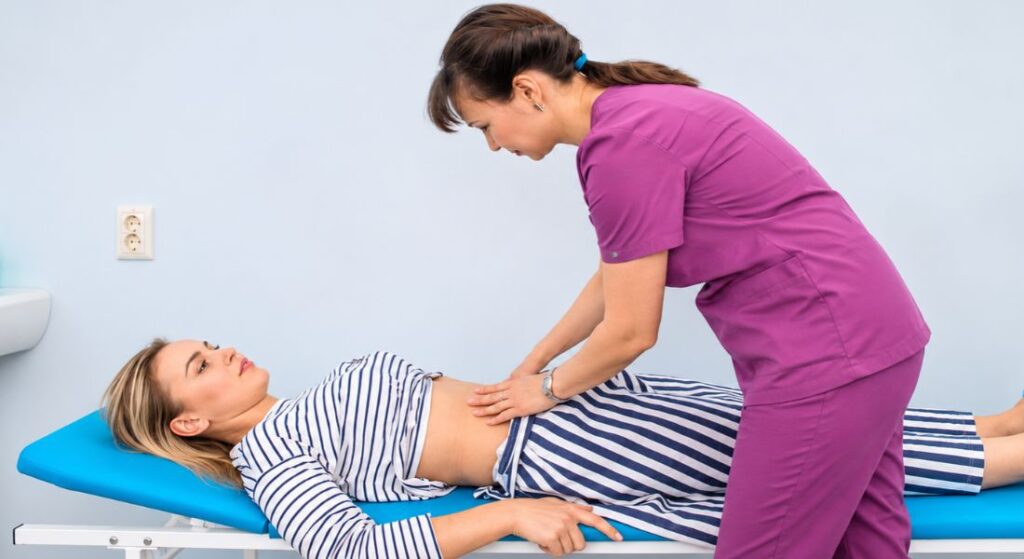
Contact your practitioner if pain is severe or persistent, swelling keeps increasing or your skin becomes increasingly red or discoloured. Blisters, broken skin, spreading redness or new weakness need prompt medical assessment rather than home treatment. Do not wait for a routine follow-up if these symptoms develop.
If you develop a fever, spreading redness or increasing warmth and pain, seek urgent medical advice. You should also arrange an assessment if you notice a new, firm bulge months after treatment, as this may indicate PAH. For urgent guidance in the UK, you can contact NHS 111.
Myth vs Fact
| Myth | Fact |
| You need bed rest after fat freezing. | Most people can return to normal activities quickly. |
| Swelling means the treatment has failed. | Temporary swelling can occur during recovery. |
| Drinking extra water removes fat cells faster. | No established evidence supports this claim. |
| Vigorous home massage guarantees better results. | Evidence does not establish a benefit from home massage. |
| Numbness must disappear within a few days. | Sensory changes can sometimes last several weeks or months. |
| Any enlargement after treatment is normal swelling. | A persistent firm bulge developing months later needs assessment for PAH. |
Key Takeaways
1. Most people can resume normal activities soon after fat freezing.
2. Temporary swelling, bruising and numbness are common.
3. Avoid extreme temperatures while your skin feels numb.
4. Home massage and detox products do not guarantee better results.
5. Visible contour changes usually develop gradually.
6. Persistent pain, skin injury or unusual enlargement needs assessment.
Frequently Asked Questions
1. How long does it take to recover after fat freezing?
You can usually return to your normal activities soon after fat freezing, as the procedure involves little downtime. However, redness, swelling, tenderness or numbness may continue for several days or weeks.
2. Is swelling normal after fat freezing?
Yes, you may experience swelling immediately after treatment or over the following days. It can make your treated area look temporarily larger and should gradually settle.
3. How can you manage pain and tenderness after fat freezing?
You can wear loose clothing and avoid activities that put pressure on the treated area. If needed, ask your practitioner or pharmacist whether paracetamol is suitable for you.
4. Can you exercise after fat freezing?
You can usually return to gentle activities, such as walking, soon after treatment. Gradually resume intense workouts as your tenderness, bruising and swelling improve.
5. Is numbness or tingling normal after fat freezing?
Yes, you may experience temporary numbness, tingling, itching or increased sensitivity because controlled cooling can affect sensation. These feelings may continue for several weeks.
6. Can you massage the treated area after fat freezing?
Your practitioner may massage the area immediately after treatment, but vigorous massage at home is not necessary. Follow your practitioner’s advice and avoid aggressive rollers or massage guns.
7. When can you see the results of fat freezing?
You may gradually notice a reduction in the treated fat deposit over the following weeks. Around two to three months later, you can assess your contour changes more clearly with your practitioner.
8. How can you maintain your fat freezing results?
You can maintain your results by keeping a stable weight through balanced eating and regular physical activity. Remaining fat cells can still enlarge if you gain weight.
9. What is paradoxical adipose hyperplasia (PAH) after fat freezing?
PAH is an uncommon complication in which the treated fat becomes larger rather than smaller, sometimes several months after treatment. It may cause a firm, defined bulge and can require surgery.
10. When should you seek medical advice after fat freezing?
You should contact your practitioner if you experience severe pain, increasing swelling, worsening redness, blisters or unusual skin changes. Seek urgent medical advice if you develop a fever, spreading redness or increasing warmth and pain.
Final Thoughts: Essential Aftercare Tips Following Fat Freezing
If you’ve recently had fat freezing, it can be reassuring to know that mild swelling, tenderness and numbness are often temporary. Give your body time to recover and your results time to develop. If something feels unusual, becomes more painful or continues to enlarge, contact your practitioner rather than trying to manage it yourself.
If you are considering fat freezing in London, the team at London Medical & Aesthetic Clinic will be happy to talk you through the treatment, what results you might expect and how to care for your skin afterwards.
References:
1. Nishikawa, A., Aikawa, Y. and Kono, T. (2026) ‘Adverse Events Associated with Cryolipolysis Treatment for Body Contouring: A Prospective Observational Study with 3-Month Follow-Up’, Plastic and Reconstructive Surgery. Available at: https://pubmed.ncbi.nlm.nih.gov/40875252/
2. Ravindran, R. et al. (2025) ‘Cryolipolysis and associated health outcomes, adverse events, and satisfaction: A systematic review and meta-analysis’, Obesity Reviews. Available at: https://pmc.ncbi.nlm.nih.gov/articles/PMC12246886/
3. Mah, A. E. et al. (2025) ‘Incidence of Paradoxical Adipose Hyperplasia After Cryolipolysis: A Systematic Review and Meta-Analysis’, Aesthetic Surgery Journal Open Forum. Available at: https://pubmed.ncbi.nlm.nih.gov/41322038/
4. Boey, G. E. and Wasilenchuk, J. L. (2014) ‘Enhanced clinical outcome with manual massage following cryolipolysis treatment: A 4-month study of safety and efficacy’, Lasers in Surgery and Medicine. Available at: https://pmc.ncbi.nlm.nih.gov/articles/PMC4265298/
5. Stein, M. J. et al. (2024) ‘Paradoxical Adipose Hyperplasia Following Cryolipolysis’, Aesthetic Surgery Journal. Available at: https://academic.oup.com/asj/article/44/10/1063/7640818