



CO₂ laser resurfacing has remained one of the most important technologies in aesthetic dermatology for many years, but international conferences suggest that its future could look quite different from earlier approaches. Events such as IMCAS, AMWC, and ASLMS regularly bring together global experts to discuss how resurfacing technology is evolving and where the field may be heading next. These meetings often give you an early insight into the techniques and treatment philosophies that could eventually become standard practice in clinics around the world.
Recent conference discussions are increasingly focused on more personalised and balanced treatment approaches rather than purely aggressive resurfacing. You’ll often hear specialists talking about reducing downtime, improving patient comfort, combining laser procedures with regenerative medicine, and using artificial intelligence to create more precise treatment planning. Instead of viewing CO₂ laser resurfacing as a standalone procedure, many experts now see it as part of a broader shift towards safer, more customised, and patient-specific aesthetic care.
In this article, you’ll explore the key predictions and future trends being discussed at international laser conferences, including advances in safety protocols, long-term skin health strategies, and newer approaches designed to achieve natural-looking improvements with fewer risks. You’ll also see how these developments may influence the treatments available to you in the future, both from a clinical perspective and as a patient considering resurfacing procedures.
Fractional Technology Will Continue Evolving
One of the strongest predictions discussed at international dermatology conferences is that fractional resurfacing technology will continue becoming more advanced and refined over the coming years. Fractional systems already play a major role in modern laser dermatology because they help balance visible results with a more manageable recovery process. This makes treatment more practical for you while still allowing clinicians to target concerns such as scarring, pigmentation, and skin texture effectively.
Experts increasingly believe that future devices will provide even greater precision when it comes to treatment depth, thermal spread, and energy delivery. In practical terms, this means your clinician may eventually be able to tailor treatments with far greater accuracy based on your individual skin type and treatment goals. The aim is to improve results while also reducing unnecessary damage to surrounding tissue and lowering the risk of prolonged recovery.
Because of these advantages, fractional technology is expected to remain at the centre of future resurfacing developments rather than being replaced entirely. Conference discussions often suggest that the next generation of CO₂ laser systems will focus less on aggressive treatment intensity and more on intelligent precision, safety, and personalised treatment planning for each patient.
Lower-Downtime Treatments Will Become More Important
International conference discussions consistently show that more patients are now looking for treatments with shorter and more manageable recovery periods. Because of this, many experts predict that future resurfacing protocols will focus increasingly on gradual improvement with reduced downtime rather than highly aggressive ablative procedures. The emphasis is slowly shifting towards achieving balanced, natural-looking results while allowing you to return to normal activities more comfortably.
Specialists speaking at global laser meetings often point out that modern patients tend to prioritise convenience alongside effectiveness. If a treatment can deliver visible skin improvement without requiring long periods away from work, social activities, or daily routines, it naturally becomes more appealing. This growing preference is shaping how clinicians approach treatment planning and how manufacturers develop new resurfacing devices.
You can already see this trend influencing the design and clinical use of newer resurfacing technologies today. Many modern systems are being developed with a stronger focus on precision, controlled healing, and flexible treatment settings that allow practitioners to tailor downtime more carefully to your individual needs and lifestyle.
Personalised Treatment Planning Will Expand Further

Personalisation continues to be one of the biggest themes discussed at aesthetic conferences around the world. Experts increasingly predict that future resurfacing treatments will become far more individualised, taking into account factors such as your skin type, age, scar pattern, healing response, and overall treatment goals. The idea is that no two patients should be approached in exactly the same way because every person’s skin behaves differently.
Rather than relying heavily on standardised laser settings, clinicians are expected to use more detailed skin analysis and customised treatment protocols for each patient. This may include combining imaging technology, patient history, and healing assessments to create more precise treatment plans. For you, this could mean treatments that feel more tailored, safer, and better aligned with the specific concerns you want to improve.
Many conference specialists believe personalised medicine will become increasingly important across all areas of aesthetic dermatology, not just laser resurfacing alone. The future focus is expected to move towards treatments designed around your individual biology and long-term skin health, helping clinicians achieve more consistent outcomes while reducing unnecessary risks and recovery challenges.
Artificial Intelligence May Influence Treatment Planning
Artificial intelligence and advanced digital imaging are becoming increasingly important topics at international dermatology conferences. At Aesthetic & Anti-Aging Medicine World Congress 2026, researchers discussed how AI-assisted systems may eventually help clinicians assess skin changes more objectively and plan treatments with greater precision. You’re likely to see growing integration of technology into aesthetic and laser dermatology over the coming years.
1. More Objective Skin Analysis: AI-assisted imaging systems may help analyse features such as skin texture, pigmentation, wrinkles, and scarring in a more standardised way. You could benefit from more detailed and measurable skin assessments rather than relying only on visual judgement. This may improve consistency between consultations.
2. Supporting Personalised Treatment Planning: Future systems may help clinicians select treatment settings based on your individual skin characteristics and treatment goals. You may receive more tailored recommendations depending on factors such as pigmentation risk or scar severity. This supports a more personalised approach to care.
3. Monitoring Progress More Accurately Over Time: Digital imaging tools could allow your progress to be tracked more precisely during treatment courses. Changes in skin quality may become easier to compare objectively between appointments. This can help clinicians adjust treatment plans more effectively.
4. Potential Role in Risk Assessment and Safety: Researchers also believe AI systems may eventually assist with identifying patients at higher risk of complications or poor healing responses. You may benefit from safer planning through earlier recognition of potential concerns. However, these technologies are still evolving and require further validation.
Artificial intelligence is therefore widely viewed as an important future direction within laser dermatology. While many systems remain in development, you are likely to see increasing use of AI-assisted analysis in aesthetic practice over time. These technologies aim to improve precision, consistency, and treatment personalisation.
Regenerative Medicine Will Likely Expand
Regenerative aesthetics has become one of the most widely discussed subjects at recent international conferences, and many experts believe it could play a major role in the future of CO₂ laser resurfacing. Rather than focusing only on removing damaged skin layers, future treatments may place greater emphasis on helping your skin repair and regenerate itself more effectively after the procedure.
Researchers are increasingly exploring how therapies such as platelet-rich plasma (PRP), exosomes, growth factors, and stem-cell-related technologies may support healing and collagen remodelling following resurfacing treatments. The goal is to improve recovery quality, reduce inflammation, and encourage healthier long-term skin regeneration. This could potentially help you achieve smoother healing and more consistent results over time.
Because of these developments, many specialists predict that future resurfacing protocols may combine laser treatment with regenerative medicine far more routinely than they do today. Conference discussions increasingly suggest that combining these approaches could become part of a broader trend towards holistic, biologically focused aesthetic medicine that prioritises both skin rejuvenation and long-term skin health.
Combination Treatments Will Become Standard
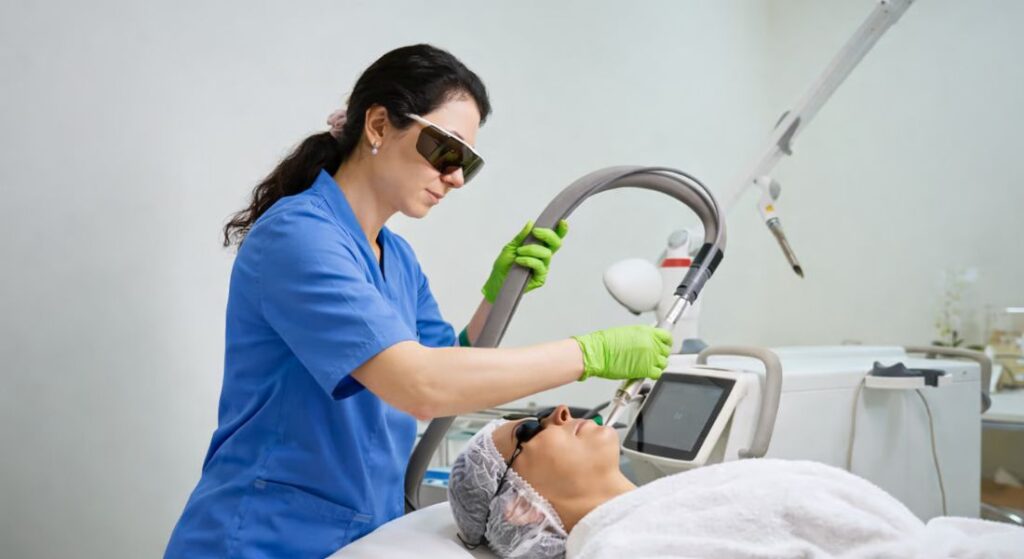
Combination treatments are likely to become a bigger part of CO₂ laser resurfacing in the future. Instead of using the laser as a completely standalone procedure, clinicians may combine it with injectables, regenerative treatments, radiofrequency, or skin-tightening devices. This allows your treatment plan to target several signs of ageing at the same time.
These combined approaches may also help improve skin quality while reducing the need for very aggressive laser settings. For you, this could mean visible improvement with a shorter recovery period and less stress on the skin. Rather than relying on one intense procedure, future treatments are expected to become more balanced and carefully layered.
Because of this, combination therapy is likely to remain an important trend in aesthetic dermatology. You may see more treatment plans designed around your skin type, concerns, and recovery needs. Overall, the future of resurfacing is moving towards personalisation, flexibility, and long-term skin health rather than a one-size-fits-all approach.
Safer Treatment for Diverse Skin Types
Safer resurfacing for all skin tones is becoming an important goal in modern laser dermatology. In the past, darker Fitzpatrick skin types had a higher risk of pigmentation changes after aggressive laser treatments. Because of this, clinicians often had to approach treatment more carefully.
Future technologies are expected to improve treatment precision, thermal control, and inflammation management. These advances may help target your skin more accurately while reducing unnecessary heat damage. For you, this could mean safer and more predictable resurfacing options, regardless of your skin tone.
International conference discussions now place more focus on inclusive laser dermatology. Researchers and clinicians are working towards treatment protocols that can suit a wider range of patients. This can help aesthetic medicine become safer, more accessible, and more personalised worldwide.
Improved Heat Control Technology
Improved heat control technology is becoming an important part of safer laser resurfacing. Experts are focusing on how heat is delivered into your skin so treatment can be more precise. This can help clinicians target the right areas while reducing unnecessary thermal injury to nearby tissue.
Better heat control may also help reduce the side effects you may worry about after resurfacing. When excess heat is limited, there may be a lower risk of prolonged redness, pigmentation changes, irritation, or delayed healing. For you, this could support a smoother recovery and more predictable results.
The future of laser technology is not just about stronger or more aggressive devices. It is more about creating smarter systems that balance visible skin improvement with better protection. This means future resurfacing treatments may become safer, more controlled, and more supportive of long-term skin health.
Acne Scar Treatments Will Become More Sophisticated
Acne scar treatment is likely to become much more advanced in the coming years. Instead of using one standard approach, clinicians are expected to tailor treatment more closely to your scar type, skin quality, healing response, and goals. This means your treatment plan may become more personalised and precise.
You may also see more combination treatments being used for acne scars. CO₂ laser resurfacing could be combined with options such as subcision, regenerative therapies, injectable biostimulators, or advanced imaging. This can help target different layers and patterns of scarring more effectively.
Future acne scar treatment is expected to focus more on precision and collagen remodelling rather than aggressive treatment alone. The aim is to improve your skin structure gradually while supporting healthier long-term collagen formation. As technology develops, treatments may become more refined, more customised, and easier to recover from.
Skin Quality Will Matter More Than Aggressive Resurfacing
Modern conference discussions increasingly emphasise improving overall skin quality rather than pursuing very aggressive resurfacing treatments. At Aesthetic & Anti-Aging Medicine World Congress 2026, specialists highlighted a growing preference for healthier-looking skin, gradual refinement, and natural rejuvenation rather than dramatic or overly intense procedures. You’ll often see this described as a shift towards subtle, sustainable aesthetic improvement.
1. Focus on Healthier Skin Rather Than Extreme Change: You may notice that modern treatments increasingly aim to improve skin texture, tone, and overall quality instead of creating dramatic resurfacing effects. The goal is often fresher, healthier-looking skin rather than obvious signs of treatment. This reflects changing aesthetic priorities.
2. Collagen Support and Long-Term Skin Health: Specialists increasingly focus on treatments that stimulate collagen gradually and support long-term skin structure. You may benefit from approaches designed to strengthen and maintain skin quality over time. Preventive and regenerative strategies are becoming more important.
3. Preference for Natural-Looking Results: Conference discussions often highlight that patients now tend to prefer subtle and natural rejuvenation. You are less likely to see support for overly aggressive resurfacing associated with prolonged recovery or artificial-looking outcomes. Balanced improvement is increasingly valued.
4. Safer Treatments with Reduced Downtime: Less aggressive resurfacing approaches may also reduce complications, inflammation, and recovery time. You may achieve meaningful improvement through staged or combination treatments rather than intense single-session procedures. Safety and predictability remain key priorities.
The growing focus on skin quality reflects broader changes within modern aesthetic medicine. You are increasingly likely to encounter treatments designed around healthy, natural-looking rejuvenation rather than extreme correction. This shift aligns closely with evolving international patient preferences.
Recovery Optimisation Will Continue Advancing
Recovery optimisation is becoming a major focus in aesthetic dermatology. Specialists are no longer looking only at the laser procedure itself, but also at how your skin heals afterwards. This means your comfort, downtime, and overall experience are becoming just as important as the visible result.
Future treatments may include better barrier repair skincare, anti-inflammatory support, advanced cooling systems, and regenerative therapies. These approaches are designed to help your skin heal more efficiently after resurfacing. For you, this could mean less irritation, reduced redness, and a smoother recovery process.
Conference discussions suggest that recovery support will continue to improve in the years ahead. Experts are focusing on treatments that deliver meaningful results while making healing safer and easier to manage. This reflects the growing demand for procedures that balance effectiveness with comfort and everyday convenience.
Advanced Imaging Will Improve Assessment
Specialists increasingly predict that future imaging systems may provide far more detailed analysis of your skin before treatment even begins. Advanced digital imaging could potentially assess factors such as skin texture, collagen structure, pigmentation patterns, and scar depth with much greater precision than traditional visual examination alone. This would allow clinicians to understand your skin in a far more comprehensive and objective way.
Experts also believe that improved imaging technology may eventually play a major role in personalising resurfacing treatments for you. By analysing your skin more accurately, clinicians could potentially adjust treatment settings and protocols according to your specific skin condition and goals rather than relying mainly on general assessment methods. Digital imaging may also help track and measure improvement more objectively following treatment, giving you a clearer understanding of how your skin is responding over time.
Technology integration is expected to become increasingly important across all areas of aesthetic medicine in the future. Conference discussions often highlight how imaging systems, artificial intelligence, and data-driven analysis may gradually help create safer, more customised, and more predictable treatment experiences for patients. The overall aim is to combine technology with clinical expertise to improve both precision and long-term outcomes.
Long-Term Skin Health Will Be Prioritised
Conference discussions increasingly present resurfacing as part of a much broader approach to long-term skin health rather than simply an isolated cosmetic procedure. Many experts now believe future treatment strategies will focus not only on improving visible skin concerns, but also on helping you maintain healthier skin over time. This shift reflects growing interest in prevention, collagen preservation, and long-term skin quality rather than short-term aesthetic change alone.
Specialists predict that future resurfacing plans may become more closely integrated with skincare, ongoing maintenance treatments, and preventative strategies designed to support your skin between procedures. Instead of relying on occasional intensive treatments, clinicians may increasingly encourage more balanced and continuous skin management approaches tailored to your individual needs and lifestyle.
Sun protection and skin barrier health are also expected to become even more strongly emphasised in the future. Conference experts regularly highlight how protecting your skin from chronic inflammation and environmental damage plays a major role in maintaining treatment results and supporting long-term collagen health. This more holistic approach to skin management continues gaining importance across international aesthetic dermatology.
Ethical Discussions Will Continue Growing
Ethical discussions are becoming more important in aesthetic medicine. Experts are focusing more on realistic expectations, suitable patient selection, and avoiding unnecessary overtreatment. This means the future of aesthetic care is likely to be more balanced, careful, and responsible.
Patient counselling is also becoming a bigger part of these conversations. You may see more focus on how edited social media images and unrealistic online marketing can affect your expectations. Because of this, honest communication is becoming just as important as technical skill.
Ethical communication will continue to shape future aesthetic training and education. The aim is to help you make informed decisions based on safety, realistic outcomes, and long-term skin health. This approach encourages you to choose treatments for the right reasons, rather than following short-term trends or exaggerated claims.
Less Aggressive Treatment Philosophies Will Continue
Less aggressive resurfacing treatments are likely to become more common in the future. Many specialists now prefer conservative, staged approaches because they can be safer and more predictable. Instead of pushing your skin too hard in one session, the focus is moving towards gradual improvement over time.
This shift is strongly linked to safety and recovery expectations. You may prefer a treatment plan with lower risks, shorter downtime, and a more manageable healing process. This is why clinicians are focusing more on steady progress rather than dramatic short-term results that could increase the risk of redness, pigmentation changes, or scarring.
This cautious approach is becoming more accepted in laser dermatology and aesthetic medicine. Experts increasingly see controlled treatment plans as a better way to support long-term skin improvement. Because of this, conservative resurfacing strategies are likely to shape future treatment standards for many years.
Data-Driven Treatment Decisions May Increase
Modern conference discussions increasingly suggest that future resurfacing treatments will become far more data-driven. At Aesthetic & Anti-Aging Medicine World Congress 2026, specialists explored how digital imaging, long-term monitoring, and objective skin analysis may gradually change how clinicians assess and plan treatments. You’re likely to see growing reliance on measurable data rather than visual judgement alone.
1. Objective Skin Measurements May Become More Common: You may eventually undergo detailed digital analysis of skin texture, pigmentation, wrinkles, and scarring before treatment begins. These systems could help provide more standardised assessments than visual examination alone. This may improve consistency between clinicians and follow-up visits.
2. Digital Monitoring Could Improve Progress Tracking: Future technologies may allow your treatment progress to be monitored more accurately over time. Imaging systems could compare skin changes between appointments using measurable data rather than subjective impressions. This may help clinicians adjust treatment plans more precisely.
3. Long-Term Outcome Data May Influence Protocols: Specialists increasingly discuss collecting long-term treatment outcome data to guide future resurfacing strategies. You may benefit from protocols based on larger datasets and real-world evidence over many years. This could support safer and more predictable treatment planning.
4. Technology-Supported Decision-Making Is Expanding: Artificial intelligence and imaging systems may eventually assist clinicians with risk assessment and treatment selection. You could see more personalised recommendations based on objective measurements and predictive analysis. However, clinical judgement will still remain an important part of patient care.
Data-driven decision-making is therefore expected to become a much larger part of future laser dermatology. As imaging and digital monitoring technologies continue evolving, you may experience more personalised and measurable treatment planning. These developments aim to improve precision, consistency, and long-term safety.
Conferences Will Continue Driving Innovation
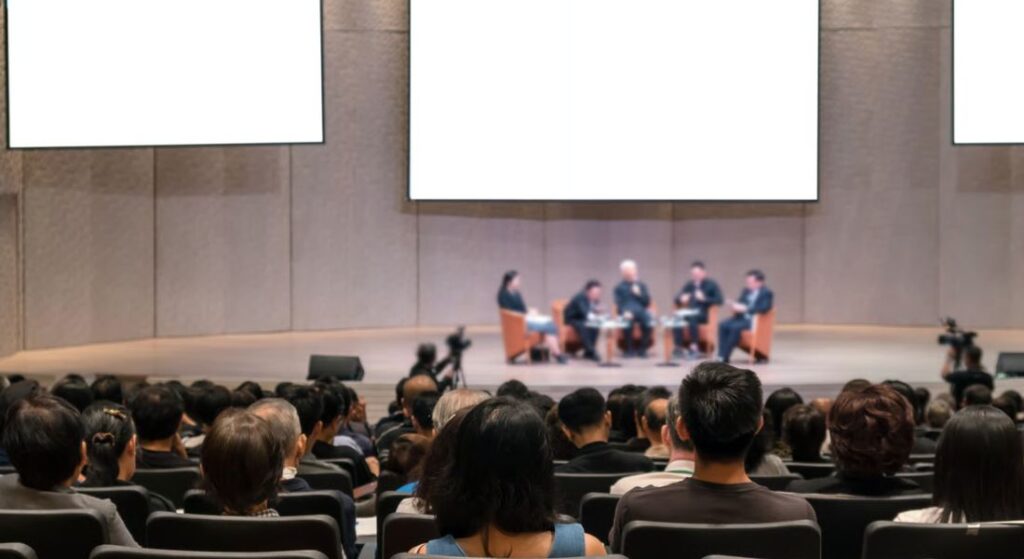
International conferences will continue to play an important role in laser dermatology and resurfacing treatments. These meetings allow specialists to share experience, compare outcomes, and discuss what is working in real clinical practice. This helps doctors stay updated with newer techniques and treatment approaches.
Conferences also give experts space to discuss complications and safety concerns, not just successful results. By looking at challenges honestly, clinicians can improve patient selection and refine their treatment protocols. For you, this can support safer and more consistent care.
Global collaboration will remain central to future progress in resurfacing technology. As new devices, treatment combinations, and research findings emerge, conferences will help experts assess them carefully. This ongoing discussion can lead to better standards, safer treatments, and more informed decisions for you as a patient.
Patients Will Likely Seek More Preventative Treatments
You’re likely to see more younger patients exploring preventative resurfacing treatments in the coming years. Rather than waiting for deeper wrinkles, significant sun damage, or advanced skin ageing to appear, many people are now seeking earlier interventions aimed at maintaining collagen levels and overall skin quality. The focus is gradually shifting from correction towards prevention and long-term skin maintenance.
Conference experts increasingly believe this preventative approach will continue growing internationally as awareness around skin health and ageing expands. Many patients today are becoming more proactive about preserving skin texture, elasticity, and tone before more visible ageing changes develop. As a result, treatments designed to support gradual collagen stimulation and subtle skin renewal are attracting increasing interest across aesthetic medicine.
This growing demand for preventative care may strongly influence how future resurfacing protocols are developed and marketed. You may see more emphasis on lower-intensity treatments, maintenance-based treatment plans, and personalised long-term skin strategies rather than aggressive corrective procedures. Clinics are also expected to focus more on education, early intervention, and ongoing skin preservation as preventative aesthetic medicine continues to evolve.
The Future of CO₂ Laser Resurfacing Looks More Personalised
Overall, international conference discussions suggest that the future of CO₂ laser resurfacing is likely to become far more personalised, precise, and recovery-focused than ever before. Rather than using the same settings and treatment strategies for every patient, specialists increasingly expect treatments to be tailored around your individual skin type, concerns, healing response, and long-term goals. This more customised approach is designed to improve both safety and treatment consistency.
You’re also likely to see a stronger focus on regenerative and skin-preserving techniques rather than highly aggressive resurfacing methods. Many experts now believe that achieving natural-looking improvement with healthier skin recovery is more important than pursuing dramatic short-term changes at the expense of prolonged downtime or higher complication risks.
Despite the rapid growth of newer technologies within aesthetic dermatology, CO₂ laser technology still appears likely to remain highly relevant in the years ahead. Specialists continue to view it as one of the most effective tools for skin resurfacing, scar improvement, and collagen remodelling when used appropriately. With ongoing refinements in technology, treatment planning, and recovery management, you can expect CO₂ laser resurfacing to continue evolving alongside modern aesthetic medicine rather than disappearing from clinical practice.
FAQs:
1. Is CO₂ laser resurfacing expected to become safer in the future?
Yes, many international conference experts believe future CO₂ laser resurfacing treatments will become much safer than older approaches. You’re likely to see improvements in heat control, treatment precision, and personalised settings that help reduce complications such as pigmentation changes, prolonged redness, and delayed healing.
2. Will future CO₂ laser treatments involve less downtime?
Most specialists predict that lower-downtime treatments will become increasingly popular. You may notice future resurfacing procedures focusing more on gradual improvement and controlled healing rather than highly aggressive treatments that require long recovery periods.
3. How could artificial intelligence affect future resurfacing treatments?
Artificial intelligence may eventually help clinicians analyse your skin more accurately and create more personalised treatment plans. Future systems could assist with assessing wrinkles, pigmentation, acne scars, and healing risks using advanced imaging and digital analysis.
4. Will regenerative medicine become part of CO₂ laser resurfacing?
Yes, regenerative medicine is expected to play a much bigger role in future resurfacing treatments. You may increasingly see therapies such as platelet-rich plasma (PRP), exosomes, and growth factors combined with laser procedures to support healing and collagen regeneration.
5. Are personalised resurfacing treatments likely to become more common?
Absolutely. Conference discussions strongly suggest that future treatments will become far more personalised. Instead of using the same settings for everyone, clinicians are expected to tailor procedures according to your skin type, age, scarring pattern, healing response, and overall goals.
6. Will CO₂ laser resurfacing still be relevant in the future?
Yes, experts continue to view CO₂ laser technology as one of the most effective tools for skin resurfacing and collagen remodelling. Although newer technologies are emerging, specialists believe CO₂ lasers will continue evolving rather than disappearing.
7. Could future treatments work better for darker skin tones?
Many conference experts believe future resurfacing systems will become safer and more predictable for diverse skin types. Advances in thermal control and treatment precision may help reduce the risk of pigmentation problems that have traditionally affected darker skin tones more frequently.
8. Will acne scar treatments become more advanced?
Yes, acne scar management is expected to become much more sophisticated in the coming years. You may see future treatments combining resurfacing with regenerative therapies, injectable treatments, subcision, and advanced imaging systems.
9. Why are experts now focusing more on natural-looking results?
Conference discussions increasingly show that patients prefer subtle and healthy-looking skin improvement rather than dramatic or overly aggressive resurfacing. Because of this, future treatments are expected to focus more on skin quality, collagen support, and gradual rejuvenation.
10. How might future recovery after resurfacing improve?
Recovery optimisation is becoming one of the biggest priorities in aesthetic dermatology. Researchers are developing advanced skincare, cooling systems, anti-inflammatory therapies, and regenerative support treatments designed to help your skin heal faster and more comfortably.
Final Thoughts: What the Future of CO₂ Laser Resurfacing Means for You
International conference discussions clearly show that CO₂ laser resurfacing is becoming more personalised, precise, and recovery-focused than ever before. You’ll notice that many of the latest trends now focus on improving safety, reducing downtime, supporting long-term skin health, and delivering more natural-looking results rather than relying on overly aggressive treatments.
What stands out most is the growing shift towards tailored treatment planning, smarter technology, regenerative support, and more balanced approaches that work with your individual skin needs. The aim is not only to improve results, but also to make treatments safer, more comfortable, and more predictable over time.
Overall, the future of CO₂ laser resurfacing looks increasingly refined and patient-focused. If you’re looking for CO₂ laser treatment in London, you can get in touch with us at the London Medical & Aesthetic Clinic.
References:
1. Richichi, C. et al. Assessment of CO₂ plus 1540 nm laser wavelengths in skin resurfacing: Safety profile included mild erythema and oedema. https://www.mdpi.com/1648-9144/59/10/1857
2. Kono, T. et al. Fractional Carbon Dioxide Laser Resurfacing Review of clinical outcomes showing measurable improvements in acne scarring. https://pmc.ncbi.nlm.nih.gov/articles/PMC3580980/
3. Hsu, C. et al. Resurfacing of atrophic facial acne scars with sequential CO₂ and non‑ablative laser treatment: Combination protocols produce measurable reductions in scar morphology with high patient satisfaction. https://pubmed.ncbi.nlm.nih.gov/38587296/
4. Naranjo, J. & López, F. Clinical improvement of facial atrophic acne scars using a multimodal CO₂ and 1570 nm laser system: Patients reported effective scar volume reduction with high satisfaction. https://www.mdpi.com/3042-6774/1/1/2
5. Zhang, X. et al. Efficacy and adverse reactions of fractional CO₂ laser for atrophic acne scars: A large retrospective analysis showing significant scar improvement. https://pubmed.ncbi.nlm.nih.gov/35181995/