


You’ll notice at major aesthetic conferences that CO₂ laser resurfacing in darker skin types is now a key area of discussion. While it remains one of the most effective treatments for improving acne scars, wrinkles, and skin texture, experts often highlight that you need a more cautious and individualised approach when working with higher Fitzpatrick skin types due to the increased risk of post-inflammatory pigmentation and other healing-related complications.
At meetings like IMCAS, AMWC, and ASLMS, you’ll increasingly hear specialists focusing on how treatment protocols are being adapted to improve safety without compromising results. This includes the use of lower-density settings, more controlled energy delivery, and carefully staged treatment plans. You’ll also see a strong emphasis on pre-conditioning the skin and optimising aftercare to help reduce the likelihood of pigmentation issues during recovery.
Overall, conference debates are moving towards finding the right balance between effectiveness and safety for you as a patient with darker skin tones. You’ll notice growing interest in newer technologies and combination approaches that aim to deliver meaningful improvement in acne scarring while keeping the skin barrier protected and healing predictable. This shift is steadily shaping more inclusive and refined practices in modern aesthetic dermatology.
Why Darker Skin Requires Special Consideration
You’ll often hear at conferences that darker skin types need a more tailored approach when it comes to CO₂ laser resurfacing. One of the key reasons is that higher Fitzpatrick skin types have more active melanocytes, which are the cells responsible for producing pigment in your skin. This naturally influences how your skin responds to heat, inflammation, and injury.
When your skin experiences controlled injury from laser treatment, melanocytes can sometimes respond in an unpredictable way. You’ll see this discussed frequently in conference sessions, as it can increase the risk of post-inflammatory hyperpigmentation, or in some cases hypopigmentation, during the healing process. Because of this, even well-executed treatments require extra caution in how energy is delivered and how recovery is managed.
Overall, specialists consistently emphasise that laser resurfacing in darker skin requires careful planning and a highly individualised approach. You’ll notice that the focus is not just on achieving results, but on ensuring safety, predictability, and long-term skin stability throughout the treatment journey.
Older Resurfacing Approaches Carried Higher Risks
Older fully ablative resurfacing techniques carried higher risks, especially if you had a darker skin tone. Earlier CO₂ laser systems were more aggressive and often involved deeper ablation. This also meant longer inflammation after treatment and a higher chance of unwanted side effects.
Because of this, complications were more common in higher Fitzpatrick skin types. You could see issues such as post-inflammatory hyperpigmentation, persistent redness, delayed healing, or uneven skin texture. Many clinicians therefore avoided aggressive resurfacing in darker skin and placed safety first.
Today, conference discussions often compare these older methods with safer modern techniques. You now have options such as fractional technology, lower-density treatments, and more controlled energy delivery. These advances can help you achieve visible improvement with reduced risk, making CO₂ laser resurfacing safer for a wider range of skin types.
Fractional CO₂ Technology Changed the Discussion
Fractional CO₂ laser technology has changed the way resurfacing is approached. Instead of treating the whole skin surface at once, it creates tiny controlled treatment zones in the skin. The surrounding tissue is left intact, which helps your skin heal in a healthier and more organised way.
Because the injury is more targeted, healing can often be more efficient compared with older fully ablative methods. You may also have a less intense inflammatory response, which is especially important if you have a darker skin tone. In these cases, controlling inflammation matters because it can help reduce the risk of pigment changes.
Conference specialists often describe fractional CO₂ technology as a major turning point in laser resurfacing. It gives clinicians a more flexible way to treat concerns such as acne scars while keeping safety in mind. Overall, it can help you achieve visible improvement with better predictability and a lower risk of complications.
Conservative Treatment Settings Are Widely Recommended
At international aesthetic meetings, specialists consistently highlight the importance of conservative treatment settings, particularly when working with darker skin types. At Aesthetic & Anti-Aging Medicine World Congress 2026, discussions often focus on how careful adjustment of laser parameters can help reduce the risk of complications while still achieving meaningful improvement. You’ll notice a strong emphasis on safety, predictability, and personalised planning.
1. Lower Energy Settings for Safer Outcomes: You may be treated with reduced energy levels to minimise unnecessary heat damage to the skin. Lower settings help reduce the risk of post-inflammatory changes, especially in more pigmented skin types. This cautious approach supports safer healing.
2. Reduced Density and Shallower Treatment Depths: Specialists often recommend decreasing treatment density and working at more superficial depths. This helps limit excessive inflammation and reduces the likelihood of adverse effects. You still benefit from gradual improvement, but with improved safety control.
3. Staged Treatment Instead of Aggressive Sessions: Rather than aiming for dramatic results in a single session, many clinicians now prefer a staged approach. You may undergo multiple lighter treatments over time instead of one aggressive procedure. This allows your skin to recover more predictably between sessions.
4. Prioritising Safety Over Rapid Change: Modern resurfacing philosophy increasingly focuses on protecting skin health rather than achieving immediate dramatic transformation. You are more likely to experience gradual, steady improvement. This approach helps balance effectiveness with long-term safety.
Conservative treatment settings therefore play a key role in modern laser practice, especially for darker skin tones. By adjusting energy levels and adopting staged protocols, clinicians aim to reduce risks while maintaining results. You benefit from a more careful and controlled approach to resurfacing. Ultimately, safety and predictability are now central priorities in contemporary aesthetic dermatology.
Personalised Treatment Planning Is Essential

You’ll consistently hear at conferences that personalised treatment planning is absolutely central when it comes to CO₂ laser resurfacing in darker skin types. Experts strongly emphasise that you should never be treated using a standard protocol designed for lighter skin tones, as skin biology and pigment response can vary significantly.
Instead, you’ll see clinicians focusing on tailoring every aspect of the procedure to your individual needs. This includes adjusting energy settings, treatment density, pulse duration, and even the spacing between sessions based on your skin type, scar severity, and how your skin tends to heal. The aim is to find a careful balance between achieving visible improvement and maintaining skin safety.
Overall, personalisation has become a defining principle in modern resurfacing practice. You’ll notice that international conference discussions increasingly position it as essential for reducing complications, improving outcomes, and ensuring that treatment is both effective and predictable across different skin types.
Fitzpatrick Skin Classification Is Frequently Discussed
You’ll often notice at conferences that the Fitzpatrick skin classification system is regularly referenced when discussing CO₂ laser resurfacing. It helps guide you in understanding how different skin types may respond to treatment, particularly in terms of pigmentation risk and overall skin reactivity. Specialists often highlight that Fitzpatrick types IV, V, and VI can show a higher tendency towards post-inflammatory pigmentation changes, which makes careful planning especially important.
At the same time, you’ll hear experts caution that skin type classification alone is not enough to make safe clinical decisions. You’ll see discussions emphasising the importance of looking beyond the Fitzpatrick scale and also considering your individual healing response, any previous history of pigmentation issues, and how reactive your skin tends to be following inflammation or injury.
Overall, modern conference discussions increasingly promote a more comprehensive approach to patient assessment. You’ll notice that the trend is moving towards combining classification systems with personalised clinical judgement, ensuring that treatment decisions are more precise, safer, and better adapted to your unique skin behaviour.
Acne Scar Treatment in Darker Skin
You’ll often hear at conferences that acne scar treatment in darker skin requires a more careful and strategic approach, especially when CO₂ laser resurfacing is involved. While many patients with higher Fitzpatrick skin types seek improvement in texture and scarring, specialists consistently emphasise the need to balance effective results with a lower risk of pigmentation changes.
In recent discussions, you’ll notice a strong shift towards staged and combination-based treatment planning rather than relying on aggressive laser resurfacing alone. Clinicians frequently talk about combining CO₂ laser with procedures like subcision, microneedling, and regenerative therapies to help you achieve more gradual and controlled improvement while reducing inflammatory stress on the skin.
Overall, combination therapy is becoming increasingly central to scar management in darker skin tones. You’ll see that the focus at conferences is not just on treating scars more effectively, but on designing safer, layered treatment strategies that support long-term skin stability and more predictable outcomes for you.
Post-Inflammatory Hyperpigmentation Remains a Major Concern
Post-inflammatory hyperpigmentation (PIH) remains one of the most heavily discussed concerns at dermatology conferences, especially when you look at procedures like laser resurfacing and other energy-based treatments. You’ll often see specialists debating why some individuals develop pigmentation changes after inflammation, while others don’t, and how you can better predict and reduce this risk before treatment even begins.
A lot of the focus in presentations is on prevention rather than correction. You’ll hear about careful skin preparation protocols, using more conservative treatment settings, and choosing approaches that respect your skin’s natural sensitivity. Strict sun protection is repeatedly highlighted, along with tailored post-treatment skincare routines that help calm inflammation and support a more even healing response.
Ultimately, managing the risk of PIH is seen as a key part of delivering safe and effective resurfacing, particularly for darker skin tones. You’ll notice that clinicians are increasingly prioritising personalised treatment planning, because reducing inflammation and protecting pigment balance is just as important as improving texture or scarring outcomes.
Skin Preparation Before Treatment
Skin preparation before treatment is becoming a major focus at dermatology conferences, especially when you’re looking at resurfacing procedures in darker skin types. You will often hear experts explain that taking time to prepare the skin properly beforehand can help support more stable melanocyte activity and reduce the chance of an exaggerated inflammatory response after treatment.
In many presentations, you’ll see discussion around structured pre-treatment routines, including carefully selected topical agents, consistent sun protection, and avoiding anything that could unnecessarily irritate the skin. Timing also comes up a lot clinicians often emphasise that when you plan the procedure can be just as important as what you use during it.
Overall, preparation is now seen as a core part of safer laser resurfacing rather than an optional step. You’ll notice a clear shift towards treating it as part of a broader strategy to improve outcomes and minimise complications, particularly in patients who may be more prone to post-inflammatory pigmentation changes.
Recovery Optimisation Is Critical
Recovery optimisation is now seen as a critical part of treatment planning at dermatology conferences, especially when you’re dealing with resurfacing procedures. You’ll often hear specialists explain that how you manage the healing phase can have a real impact on inflammation levels, and in turn, on the risk of pigmentation changes.
In many sessions, you’ll see discussion around practical strategies such as advanced cooling systems during and after treatment, barrier-repair skincare to support the skin’s natural recovery, and carefully chosen anti-inflammatory products. You’ll also notice increasing emphasis on postoperative monitoring, so any early signs of irritation or delayed healing can be addressed quickly rather than allowed to progress.
Overall, recovery optimisation is no longer treated as an afterthought. You’ll find it’s now considered a core part of resurfacing protocols, particularly for darker skin types, where maintaining a controlled healing environment is essential for achieving safer and more predictable outcomes.
Lower-Downtime Approaches Are Becoming More Common
Lower-downtime approaches are becoming increasingly common at dermatology conferences, especially as you see more patients prioritising faster recovery and minimal disruption to daily life. You will often hear specialists discussing a clear shift away from highly aggressive resurfacing techniques towards more controlled, fractional approaches, particularly when treating darker skin tones.
A big part of the conversation focuses on balancing results with safety. You’ll see experts highlighting that lighter fractional resurfacing, when done in a staged way, can still deliver meaningful improvements in skin texture and acne scarring. Instead of trying to achieve everything in a single intensive session, you’ll notice a growing preference for multiple conservative treatments that allow the skin to heal more steadily between sessions.
Overall, this more cautious, step-by-step strategy is becoming widely accepted across international conferences. You’ll find that clinicians are increasingly comfortable with the idea that gradual improvement can often be just as effective, while also reducing the risk of complications and supporting more predictable outcomes.
Regenerative Medicine Is Influencing Treatment Strategies
Regenerative medicine is now influencing how resurfacing treatments are discussed, especially when you’re thinking about darker skin tones. At dermatology conferences, you will often hear experts talk about platelet-rich plasma, exosomes, and growth factors. These treatments may help support your skin’s natural repair process after laser procedures.
A lot of this discussion is still developing, so you need to view it carefully. Researchers are looking at which regenerative options show consistent clinical benefit and which still need more evidence. Even so, interest is growing because early studies and ongoing trials suggest these treatments may have useful potential.
Overall, regenerative aesthetics is becoming an important area in resurfacing safety and treatment planning. While not every technique is fully established yet, you’ll see more attention being given to how these options may improve healing and reduce inflammation. In the future, they could play a meaningful role in helping you achieve better results with lower risk.
Combination Therapy Is Frequently Discussed
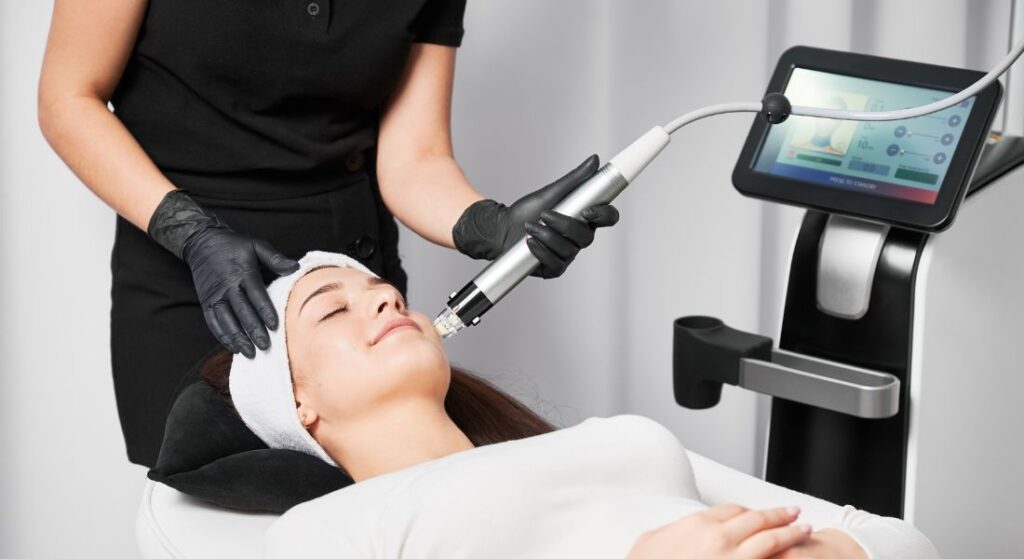
At international aesthetic conferences such as Aesthetic & Anti-Aging Medicine World Congress 2026, specialists increasingly discuss combining different treatments rather than relying on laser resurfacing alone. You’ll often see a shift towards multimodal planning, where multiple techniques are used together to improve acne scar outcomes in a more balanced and controlled way.
1. Combining Multiple Treatment Modalities: You may hear clinicians combining CO₂ laser resurfacing with treatments such as microneedling, subcision, radiofrequency, and regenerative therapies. Each method targets a different aspect of scarring, such as texture, depth, or underlying tissue structure. This combined approach can lead to more comprehensive improvement.
2. Reducing Dependence on High Laser Energy: One key advantage of combination therapy is that it may allow clinicians to use lower laser energy settings. You can still achieve meaningful results while reducing the risk of excessive skin trauma. This often supports safer and more predictable healing.
3. Addressing Both Surface and Deeper Scarring: Subcision and similar techniques help release deeper scar tethering, while lasers focus on improving surface texture. You may benefit from a more complete correction when both superficial and structural components are treated together. This layered approach is particularly useful in complex acne scarring.
4. More Balanced and Personalised Treatment Planning: Combination therapy allows your treatment plan to be tailored more precisely to your skin’s needs. You may receive a staged or sequential approach depending on scar severity and skin response. This reflects a more modern, customised approach to acne scar management.
Combination therapy is therefore becoming a key part of modern acne scar treatment. By integrating different modalities, clinicians aim to improve outcomes while maintaining safety and control. You benefit from more flexible, personalised, and comprehensive treatment strategies. Ultimately, multimodal planning is now a central feature of advanced aesthetic dermatology.
Long-Term Skin Health Is More Strongly Emphasised
Long-term skin health is now getting much more attention at dermatology conferences, especially when you’re looking at resurfacing procedures. You’ll often hear specialists shifting the conversation away from a single treatment session and towards how you can maintain healthier skin over months and years, not just the immediate post-procedure results.
A big part of these discussions focuses on what happens after the laser itself. You’ll see emphasis on consistent skincare routines, strict sun protection, supporting collagen remodelling over time, and maintaining a strong skin barrier. The idea is that each of these factors works together to influence how stable and durable your results actually are.
Overall, CO₂ laser resurfacing is increasingly being positioned as one part of a broader skin health strategy rather than a standalone cosmetic intervention. You’ll notice a more holistic mindset emerging in aesthetic dermatology, where the goal isn’t just improvement from one procedure, but sustained skin quality and resilience over the long term.
The Role of Artificial Intelligence and Imaging
The role of artificial intelligence and advanced imaging is becoming increasingly prominent in conference discussions around darker skin resurfacing. You will often hear specialists talking about how digital tools could help bring more objectivity into areas that have traditionally relied heavily on clinical judgement alone.
A key focus is on whether AI-driven analysis and imaging systems can help you better predict pigmentation risk before treatment, monitor healing more precisely afterwards, and assess outcomes in a more standardised way. This could be especially valuable in resurfacing, where subtle differences in inflammation and healing response can significantly affect results.
Although these technologies are still evolving, there’s a clear sense of momentum. You’ll notice that researchers are increasingly interested in how these tools might support more personalised treatment planning in the future, helping clinicians make more informed decisions and potentially improving safety and consistency in outcomes.
Expert Debate Around Treatment Aggressiveness
Expert debate around treatment aggressiveness is a recurring theme at dermatology conferences, especially when it comes to resurfacing in darker skin types. You will often hear two perspectives: some specialists strongly favour a highly conservative approach to minimise risk, while others present carefully selected cases where more moderate levels of resurfacing have still delivered good outcomes when performed under controlled conditions.
A lot of the discussion centres on nuance rather than extremes. You’ll see experts emphasising that it’s not just about how strong the treatment is, but how appropriately it’s matched to the individual patient. Factors like skin type, baseline sensitivity, scar pattern, and healing tendency all play a major role in deciding how far you can safely go.
Overall, there’s a growing consensus forming that outcomes depend far more on careful planning, patient selection, and practitioner experience than on pushing treatment intensity. You’ll notice a clear shift towards personalised strategies, where safety and predictability are prioritised just as much as visible improvement.
Male Patients and Darker Skin Resurfacing
Male patients and darker skin resurfacing are becoming a bigger part of dermatology conference discussions. You’ll often hear specialists talk about more men seeking treatment for acne scarring, enlarged pores, uneven texture, and general skin refinement. Many men also prefer results that look subtle and natural, rather than obvious or over-treated.
These discussions often focus on the biological differences in male skin. Male skin is usually thicker and may have different collagen density and oil production patterns. This can affect how your skin responds to resurfacing and how long it takes to heal.
Overall, male aesthetic dermatology is becoming more personalised. Treatment planning now considers not only your skin type, but also gender-related differences in skin structure and expectations. This is especially important for darker skin tones, where controlling inflammation and reducing pigmentation risk are key priorities.
Ethical Discussions Around Marketing and Expectations

Ethical discussions around marketing and expectations are becoming an increasingly important part of resurfacing conversations at dermatology conferences. You’ll often hear experts raising concerns about how social media can sometimes present overly simplified or overly optimistic views of results, without fully explaining the real risks or the variability in outcomes, especially for darker skin types.
A strong focus is placed on patient education and honest counselling. You’ll see specialists emphasising the importance of clearly explaining potential risks such as post-inflammatory pigmentation, the need for gradual improvement rather than instant change, and the commitment required for proper recovery care. The aim is to make sure you have realistic expectations before you even begin treatment, rather than being surprised afterwards.
Overall, responsible communication is increasingly viewed as a core part of ethical aesthetic practice. You’ll notice a clear shift towards transparency, where the priority is not just achieving good results, but also making sure you understand the process, limitations, and long-term nature of skin improvement.
Why These Conference Discussions Matter for Patients
Why these conference discussions matter for you comes down to how directly they shape real-world treatment. Even though you may never attend an international dermatology conference yourself, the ideas shared there often influence how dermatologists plan and deliver resurfacing procedures in everyday clinical practice. You’ll find that many updates in safety protocols, treatment settings, and post-care routines start with these kinds of professional exchanges.
A lot of the value lies in how specialists use this shared knowledge to refine techniques and improve outcomes. You’ll see clinicians comparing experiences, evaluating new technologies, and discussing real cases involving pigmentation risk, healing patterns, and different skin types. This helps build a more informed and cautious approach, especially when treating darker skin where precision and planning are crucial.
Ultimately, these discussions support a more evidence-based and globally consistent standard of care. You’ll benefit from this indirectly through safer protocols, better patient education, and more thoughtful treatment strategies that prioritise both results and long-term skin health.
The Future of CO₂ Laser Resurfacing in Darker Skin
The future of CO₂ laser resurfacing in darker skin is becoming far more personalised and safety focused. Conference discussions often highlight the use of tailored treatment settings, lower-downtime approaches, regenerative medicine support, and advanced imaging tools. These developments can help clinicians make more informed decisions before, during, and after your treatment.
Rather than relying on aggressive resurfacing methods, the focus is now shifting towards gradual and controlled improvement. Specialists are placing much greater importance on managing inflammation, protecting pigment stability, and giving your skin enough recovery time between sessions. This careful approach is especially important if you have a darker skin tone, where post-inflammatory pigmentation can be a greater concern.
Overall, CO₂ laser resurfacing is evolving into a more precise and customised treatment process. The future emphasis is less about using high intensity treatments and more about achieving safe, predictable, and long-term results. You’ll notice that successful outcomes are increasingly linked to thoughtful planning and personalised care rather than aggressive intervention alone.
FAQs:
1. Is CO₂ laser resurfacing safe for darker skin types?
CO₂ laser can be safe for darker skin types when it is carefully planned and adjusted. You need lower energy settings and more controlled treatment protocols. This helps reduce the risk of pigmentation changes. Safety depends heavily on proper assessment and technique.
2. Why does darker skin need special care during CO₂ laser treatment?
Darker skin has more active melanocytes, which means it can react more strongly to inflammation. You may be at higher risk of post-inflammatory hyperpigmentation if treatment is too aggressive. That’s why careful planning is essential. The goal is to protect your skin while still improving scars.
3. What is the risk of pigmentation after CO₂ laser in darker skin?
The main risk is post-inflammatory hyperpigmentation, where dark patches can develop after healing. You may also rarely experience hypopigmentation if the skin responds unevenly. This risk is reduced with conservative settings and good aftercare. Proper planning makes a big difference.
4. How has CO₂ laser treatment improved for darker skin?
Modern CO₂ lasers use fractional technology and more controlled energy delivery. You now benefit from safer, more targeted treatment zones instead of full-surface damage. This improves healing and reduces complications. Overall, outcomes are more predictable than older methods.
5. Why is fractional CO₂ laser considered safer?
Fractional CO₂ laser treats tiny zones of skin while leaving surrounding tissue intact. This helps your skin heal faster and with less inflammation. It also reduces the risk of pigment changes compared to older techniques. That’s why it is widely preferred today.
6. Are conservative settings important in CO₂ laser treatment?
Yes, conservative settings are very important, especially for darker skin tones. You may receive lower energy levels and lighter treatment depths. This helps reduce trauma and supports safer healing. Gradual improvement is prioritised over aggressive results.
7. What role does skin preparation play before CO₂ laser?
Skin preparation helps stabilise your skin and reduce inflammation risk before treatment. You may be advised to follow specific skincare and sun protection routines. This improves healing and reduces pigmentation risk. Good preparation leads to safer outcomes overall.
8. Why is combination therapy used for acne scars in darker skin?
Combination therapy helps treat both surface scars and deeper tissue issues. You may have CO₂ laser combined with subcision, microneedling, or regenerative treatments. This allows lower laser intensity while still improving results. It is considered safer and more effective.
9. How important is aftercare after CO₂ laser resurfacing?
Aftercare is extremely important for proper healing and pigmentation control. You’ll need sun protection, soothing skincare, and careful monitoring during recovery. Good aftercare reduces complications and improves final results. It directly affects how your skin heals.
10. What is the future of CO₂ laser for darker skin?
The future is focused on safer, more personalised, and lower-downtime treatments. You’ll see more use of AI, regenerative medicine, and combination approaches. Treatments will be more carefully tailored to your skin type. The goal is better results with minimal risk.
Final Thoughts: CO₂ Laser Resurfacing in Darker Skin Types
What you’ll notice from ongoing conference discussions is a clear shift towards a much more careful, personalised approach when it comes to CO₂ laser resurfacing in darker skin types. Rather than focusing purely on intensity, the emphasis is now on balance helping you achieve visible improvement in acne scarring and skin texture while keeping pigmentation risk and inflammation firmly under control.
For you, this means treatment is becoming safer, more predictable, and far more tailored than in the past. You’ll see growing reliance on fractional technology, conservative settings, staged protocols, and even combination approaches that work together to support your skin’s healing response. The overall direction in modern dermatology is very clear: protect the skin barrier first, then build results gradually and sustainably. If you’re looking for CO₂ laser treatment in London, you can get in touch with us at the London Medical & Aesthetic Clinic.
References:
1. Hsiao, J.L. et al., 2013. Fractional carbon dioxide laser resurfacing: mechanisms and clinical applications. https://pmc.ncbi.nlm.nih.gov/articles/PMC3580980/
2. Automated Microneedling Versus Fractional CO2 Laser in Treatment of Traumatic Scars: A Clinical and Histochemical Study” (2021). https://pubmed.ncbi.nlm.nih.gov/34468410/
3. Agrawal, K. et al. (2024) ‘Evaluating the Pros and Cons of Fractional CO2 Laser Versus Microneedling in Atrophic Acne Scars in the Skin of Color: A Split‑Face Study’, Indian Dermatology Online Journal. https://pmc.ncbi.nlm.nih.gov/articles/PMC11616935
4. Chilicka, K. et al. (2022) ‘Methods for the Improvement of Acne Scars Used in Dermatology and Aesthetic Medicine: A Narrative Review’, Journal of Clinical Medicine, 11(10), 2744. https://www.mdpi.com/2077-0383/11/10/2744
5. Evaluation of Ultrasound Changes With the Use of Microneedling Versus Fractional CO2 Laser in Atrophic Acne Scars” (2023). https://pubmed.ncbi.nlm.nih.gov/39122490