



If you are exploring non-surgical skin tightening, you have probably come across HIFU as a popular option. You may know it works by stimulating collagen and gradually lifting your skin without surgery. Because the results develop over time, you might naturally wonder whether combining it with other treatments could help you achieve better results. This is a very common question when you are looking for more noticeable or balanced improvements.
The short answer is yes, HIFU can often be combined with other treatments, but it needs to be carefully planned for you. It is not about doing more treatments, but about choosing the right combination for your specific concerns. You may have different goals, such as improving skin firmness, restoring volume, or refining texture, and each treatment plays a different role. When these are combined thoughtfully, they can complement each other rather than overlap.
In this article, you will learn how HIFU can be combined with other aesthetic treatments in a safe and effective way. You will also understand when combination approaches might be suitable for you and why timing matters. In some cases, this approach can help you achieve a more lifted, smoother, and refreshed appearance. Most importantly, it helps you see how a tailored plan can be designed around your individual skin needs and goals.
How HIFU Works on Its Own
HIFU works by delivering focused ultrasound energy into the deeper layers of your skin. You may not see an immediate change, but this energy triggers a natural healing response in your body. Over time, this stimulates collagen production, which helps your skin gradually tighten and lift. The results develop slowly and can continue improving for several months after treatment.
The treatment mainly targets the structural support layers beneath the skin’s surface. This is different from many other treatments that focus only on the outer layer of the skin. Because of this deeper action, you may find HIFU is often used more for lifting and firmness rather than surface-level concerns. It helps to support and remodel the foundation of your skin from within.
While HIFU is effective for tightening, it does not address every aspect of ageing on its own. You may notice improvement in firmness, but it will not restore lost volume or significantly change skin texture. Concerns like fine lines, hollowing, or uneven skin tone may need additional treatments. This is where combination approaches can become more useful for you.
Why Combination Treatments Are Considered
As you age, your skin doesn’t usually change in just one way. You may notice sagging, loss of volume, fine lines, and changes in texture and glow all at the same time. Because of this, it can feel like one treatment on its own doesn’t fully address everything you’re seeing. Combination treatments are often considered because they allow you to target different concerns together, rather than focusing on just one.
1. Different concerns are treated at the same time: You might have sagging in one area, volume loss in another, and fine lines elsewhere. By combining treatments, each issue can be addressed separately, so you get a more complete improvement overall.
2. Each treatment works in a different way: You are not relying on a single procedure to do all the work. Instead, each treatment supports a different layer or concern whether that’s lifting, restoring volume, or improving skin quality. This layered approach often gives more natural-looking results.
3. Results tend to look more balanced: Rather than focusing heavily on one area, combination treatments spread the improvement across your face or treatment area. This helps your features look more harmonious and refreshed, rather than “worked on” in one specific spot.
4. You reduce the risk of an overdone appearance: When everything is addressed in a more measured, combined way, you are less likely to end up with an artificial look. Instead, the changes tend to blend in more smoothly with your natural features.
Overall, combination treatments are considered because they allow you to take a more complete approach to ageing. Instead of trying to fix everything with one method, you get a more tailored plan that works with your skin in a balanced and natural way.
HIFU and Dermal Fillers
Dermal fillers are often used alongside HIFU to help you address volume loss in the face. While HIFU works by lifting and tightening deeper layers of your skin, fillers are designed to restore structure and enhance facial contours. You may find that these two treatments complement each other well because they work at different depths. This allows for a more balanced and natural-looking rejuvenation.
If you are experiencing both sagging and hollow areas, combining HIFU with fillers can be particularly beneficial for you. HIFU helps improve overall firmness and lift, especially in areas like the jawline or cheeks. At the same time, fillers can restore lost volume in areas such as the cheeks, under-eyes, or temples. Together, they can help you achieve a more refreshed and well-defined appearance.
Timing plays an important role when you are combining these treatments. In many cases, HIFU is carried out first so that it can stimulate collagen and lift the skin. You may then have fillers after a suitable interval once the skin has responded to the treatment. This approach helps ensure that each treatment works effectively without affecting the results of the other.
HIFU and Skin Boosters
Skin boosters are designed to improve your skin’s hydration, elasticity, and overall quality. You may notice they work more on the surface layers of the skin compared to HIFU, which targets deeper structural support. Because of this difference, they complement each other rather than overlap in function. This makes them a useful addition if you are looking for more than just tightening.
If your concerns include dullness, dehydration, or fine lines, skin boosters can help enhance your overall results. You may find that HIFU improves firmness and lift, while skin boosters work to refine texture and boost your natural glow. When used together, they can help your skin look smoother, fresher, and more revitalised. This combination focuses on both structure and surface quality.
These treatments are often included within the same overall treatment plan, depending on your needs. Your practitioner may space them out appropriately so your skin responds well to each stage. You might have HIFU first, followed by skin boosters after a short interval, or vice versa depending on your goals. The aim is always to enhance your results without overwhelming your skin.
HIFU and Anti-Wrinkle Treatments
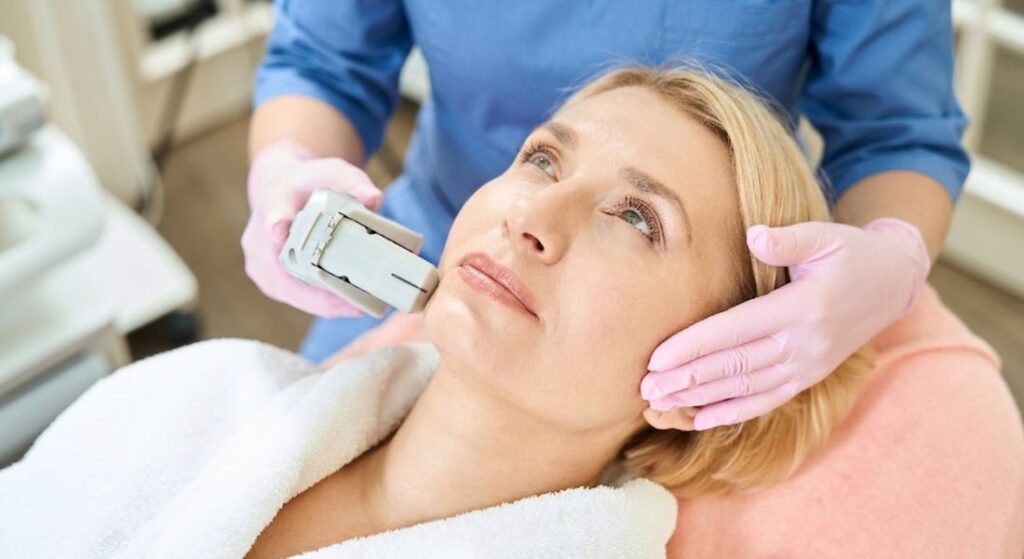
Anti-wrinkle injections work by relaxing the muscles that cause expression lines. You may notice these lines most when you frown, smile, or raise your eyebrows. HIFU, on the other hand, does not affect muscle movement at all and instead focuses on tightening the deeper layers of your skin. Because they work in completely different ways, you can often combine them safely.
If you are dealing with both dynamic expression lines and skin laxity, you may benefit from using both treatments together. HIFU helps to lift and firm the skin, improving overall support and structure. At the same time, anti-wrinkle injections soften the appearance of lines caused by repeated facial movements. Together, they can help you achieve a smoother and more refreshed overall look.
These treatments are usually carried out at different times rather than on the same day. This allows each treatment to work effectively without interfering with the other. Your practitioner will plan the timing carefully based on your skin and muscle activity. A personalised approach is important to make sure you get safe, natural-looking results that suit your features.
HIFU and Laser Treatments
Laser treatments are commonly used to improve skin texture, pigmentation, and surface irregularities. You may find they work mainly on the outer layers of your skin, targeting concerns like sun damage, uneven tone, or fine lines. HIFU, in contrast, works much deeper by focusing on the structural layers that support your skin. Because they target different depths, they can complement each other very effectively.
When you combine HIFU with laser treatments, you are essentially addressing both structure and surface at the same time. HIFU helps to lift and firm your skin from within, improving overall support and contour. At the same time, laser treatments refine the outer layer, helping your skin look smoother, clearer, and more even. This dual approach can give you a more complete and balanced rejuvenation.
Spacing between these treatments is very important for your safety and results. You will usually not have them done on the same day, as your skin needs time to recover and respond properly. Your practitioner will decide the correct order and timing based on your skin type and goals. This ensures your skin heals well and you achieve the best possible outcome from both treatments.
HIFU and Radiofrequency Treatments
If you are looking into non-surgical skin tightening, you may come across both HIFU and radiofrequency (RF) treatments. While they work in similar ways by stimulating collagen, they actually target different layers of your skin. This is why they are sometimes combined for enhanced results. Radiofrequency treatments focus more on the superficial layers of the skin, helping to improve skin texture, mild laxity, and overall quality. HIFU, on the other hand, works at a deeper level, targeting the structural layers responsible for lifting and support.
1. Different depths, different benefits: You benefit from HIFU working deeper within the skin to create a lifting effect, while radiofrequency works closer to the surface to improve tightness and smoothness. When used together, they can complement each other by addressing both deeper and surface-level concerns.
2. Stronger overall skin tightening effect: By combining the two treatments, you may notice a more comprehensive improvement in skin firmness. You are not relying on a single technique, but instead supporting your skin at multiple levels, which can enhance the overall result.
3. Particularly useful in early signs of ageing: If you are in the early stages of ageing, this combination can be especially effective. At this point, your skin still responds well to stimulation, so you may see noticeable improvements in both lift and texture.
4. Careful planning is essential: Even though combining treatments can be effective, it is not always necessary for everyone. Using overlapping technologies without proper planning may lead to unnecessary treatment. This is why a professional assessment is important before deciding on a combined approach.
Overall, combining HIFU with radiofrequency can offer a more layered and balanced improvement in skin tightening. When used appropriately, you may achieve a firmer, smoother, and more refreshed appearance without over-treating your skin.
The Importance of Treatment Timing
Timing plays a very important role when you are combining aesthetic treatments. If procedures are carried out too close together, you may not get the full benefit from each one. Your skin needs time to heal, respond, and build collagen properly after treatment. When you allow the right spacing, you give your skin the best chance to react effectively.
HIFU in particular takes time to show its full results. You may not see immediate changes, as collagen production continues to develop gradually over several weeks and months. Because of this, other treatments are often planned around this natural timeline. This helps ensure that each procedure works in harmony rather than interfering with the other.
When your treatments are carefully scheduled, you are more likely to achieve smoother and more balanced results. You also reduce the risk of unnecessary irritation or complications. A well-structured plan helps each treatment do its job properly, giving you a more predictable outcome. For this reason, timing should always be guided by a qualified professional who understands your skin and goals.
Personalised Treatment Planning
No two people have exactly the same skin concerns, which is why combination treatments need to be tailored specifically to you. You may have different priorities such as lifting, smoothing, restoring volume, or improving overall skin quality. A one-size-fits-all approach rarely works well because your skin responds in its own unique way. Personalisation helps ensure your treatment plan actually suits your needs.
Your practitioner will carefully assess your skin condition, ageing pattern, and overall goals before recommending anything. You may find that certain treatments are more suitable for you than others, depending on what you want to achieve. From there, your plan is designed specifically around your concerns rather than a generic protocol. This helps make sure each treatment has a clear purpose.
When your plan is personalised, you are more likely to achieve balanced and natural-looking results. It also helps avoid unnecessary or overlapping procedures that may not add value for you. The focus is always on enhancing your features in a subtle and harmonious way. Ultimately, the goal is to give you results that look refreshed, not overdone.
When Combination Treatments May Not Be Necessary
Not everyone needs a combination of treatments, and in some cases, you may get excellent results from HIFU on its own. If your concern is mainly mild skin laxity, a single treatment may be enough to achieve a noticeable improvement. You do not always need to add other procedures for better results, especially if your skin does not require it. Keeping things simple can often be just as effective.
In fact, over-treating your skin can sometimes do more harm than good. You may end up with unnecessary costs, added downtime, and a more complicated treatment journey than you actually need. There can also be a slightly higher risk of side effects when multiple procedures are used without clear reason. For many people, a more minimal approach is safer and more comfortable.
This is why a professional consultation is so important before deciding on any combination plan. You will get a clearer understanding of what your skin actually needs, rather than assuming more treatments will automatically give better results. A good practitioner will always guide you towards what is appropriate, not excessive. In many cases, less really is more when it comes to achieving natural-looking results.
The Role of Collagen Stimulation
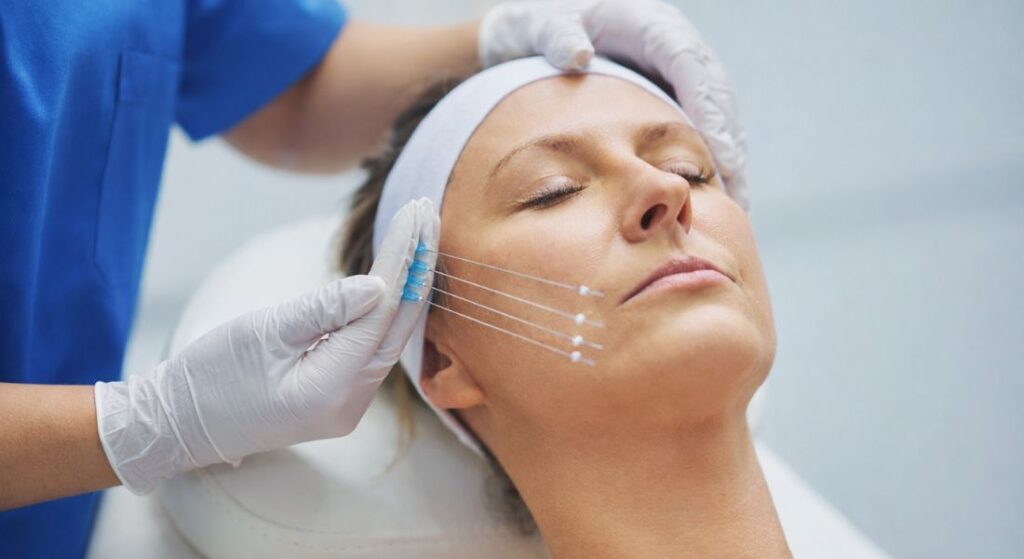
Many of the treatments used alongside HIFU focus on boosting your skin’s collagen production. Collagen is what gives your skin strength, structure, and elasticity, so you may notice your skin looks firmer and more youthful when levels improve. Supporting collagen is key if you want longer-lasting and more natural-looking results. Without it, improvements tend to be less stable over time.
HIFU works by stimulating collagen in the deeper layers of your skin, helping to rebuild internal support and lift. Other treatments used in combination often target the more superficial layers, improving texture, hydration, and surface quality. When you combine these approaches, you are essentially working on your skin from the inside out. This layered effect can help you achieve a more complete and balanced improvement.
Because collagen takes time to build, the results you see will develop gradually rather than instantly. You may notice small changes at first, with continued improvement over several weeks or months. Patience is an important part of the process, as your skin needs time to respond and regenerate. Over time, this slow stimulation can lead to more natural and longer-lasting results.
Managing Expectations with Combination Approaches
Combination treatments can certainly enhance your results, but it is important to understand that they still have limits. You may see noticeable improvements in firmness, texture, and overall skin quality, but these treatments will not replace surgical options for more advanced signs of ageing. Being realistic about what can be achieved helps you make more informed decisions from the start.
The main goal of combination approaches is gradual, natural-looking improvement rather than dramatic change. You may find that each treatment plays a small but important role in the overall result. For example, one treatment might improve skin tightness while another refines texture or restores volume. When combined properly, these effects build on each other to create a more balanced outcome.
Clear communication with your practitioner is essential throughout the process. You should feel confident that you understand what each treatment can and cannot do for you. This helps you set realistic expectations and reduces the risk of disappointment later on. When you know what to expect, you are more likely to feel satisfied with your overall results.
Safety Considerations
When you are considering combination treatments, safety is always one of the most important factors. Even though these procedures are non-surgical, each one still needs to be performed correctly to ensure your skin responds well and heals properly. Each treatment must be carried out using the right technique and at the right intensity. Not all procedures are automatically suitable to be combined, so understanding how they work together is essential.
1. Proper technique matters: You need treatments to be performed with precision. If a procedure is done incorrectly or too aggressively, it can affect your skin’s response. When handled properly, however, combination treatments are generally well tolerated.
2. Compatibility between treatments: Not every treatment works well alongside another. You should only combine procedures that complement each other and target different concerns safely. This reduces the risk of irritation or unnecessary stress on your skin.
3. Professional planning is essential: Qualified practitioners understand how different treatments interact. They will plan your treatment schedule carefully, deciding what to do first, how to space sessions, and what combinations are appropriate for your skin type and goals. This helps you achieve results safely and effectively.
4. Aftercare plays a key role: Once your treatments are done, how you care for your skin makes a big difference. You may be advised to avoid heat, excessive sun exposure, or certain skincare products for a short period. Following these instructions helps your skin heal properly and supports longer-lasting results.
Overall, combination treatments can be very effective when done safely and correctly. With the right professional guidance and proper aftercare, you can improve your results while keeping your skin protected and healthy.
Maintenance and Long-Term Results

Combination treatments often require ongoing maintenance to help you maintain your results. While you may notice visible improvements after treatment, these effects are not permanent because the natural ageing process continues. Your skin will gradually change over time, so regular follow-up care can help you sustain the improvements you have achieved.
Your practitioner may recommend periodic maintenance sessions depending on how your skin responds. These follow-up treatments help support continued collagen production and maintain overall skin quality. You may find that consistency makes a noticeable difference in how long your results last and how fresh your skin continues to look. It is all about keeping your results stable rather than starting from scratch each time.
Taking a long-term approach often leads to better and more natural outcomes for you. Instead of sudden changes, your skin improves gradually and remains more balanced over time. Maintenance also helps you manage the ageing process in a controlled and subtle way. Ultimately, it supports natural-looking results that evolve gently with you rather than changing abruptly.
Cost Considerations
Combining treatments can increase your overall cost, as you are using more than one procedure as part of your plan. However, you may also find that it delivers more noticeable and longer-lasting results, which can make it worthwhile for you. When considering cost, it is better to focus on the value you are getting from the outcome rather than price alone.
A personalised treatment plan can help you manage costs more effectively. You may not need every available treatment, and avoiding unnecessary procedures helps keep your plan efficient. This ensures you are only investing in treatments that actually support your specific goals. It also helps you get the best possible result without overspending.
It is important for you to discuss your budget openly during your consultation. This allows your practitioner to design a realistic and tailored plan that fits your expectations and financial comfort. When there is clear communication about cost from the beginning, you can make more confident and informed decisions. Ultimately, financial clarity helps support a smoother and more stress-free treatment journey.
Psychological Impact of Enhanced Results
When you start to see gradual improvements in your appearance, it can have a real impact on how you feel about yourself. Combination treatments often enhance your overall look in a more complete and balanced way, which may help you feel more confident in your day-to-day life. As your skin improves over time, you may notice that small changes begin to add up. This can make your reflection feel fresher and more energised, which often has a positive effect on your self-esteem.
1. Gradual improvements can boost confidence: You may find that subtle enhancements in skin tightness, texture, and volume help you feel more comfortable and confident in your appearance. Because changes happen gradually, they often feel natural and easy to adjust to.
2. Subtle results are the main goal: With combination treatments, the aim is not to completely change how you look. Instead, you should expect gentle, natural improvements that refresh your appearance rather than dramatically alter it.
3. Managing expectations is important: It is important to stay realistic about what treatments can achieve. You are unlikely to see an overnight transformation. Instead, results build gradually over time, which is why patience plays a key role in satisfaction.
4. A balanced mindset improves satisfaction: When you understand the process and what to expect, you are more likely to feel happy with the outcome. You should think of these treatments as a way to enhance your natural features rather than create a completely different look.
Overall, the psychological benefit often comes from feeling more confident in a version of yourself that still looks familiar. When expectations are realistic, the results can feel both satisfying and empowering.
The Role of Professional Expertise
Expertise plays a vital role when you are combining aesthetic treatments. You need someone who understands facial anatomy in detail and knows how different procedures affect the skin at various depths. This knowledge helps ensure that every treatment is carried out safely and correctly. With the right expertise, you are also more likely to achieve smooth, natural-looking results.
An experienced practitioner understands how treatments interact with each other and how to sequence them properly for you. They can design a treatment plan that brings out the best in each procedure without overlapping or causing unnecessary stress to your skin. This careful planning helps maximise your results while keeping your treatment experience safe and effective. It also reduces the chances of complications or uneven outcomes.
Choosing the right provider is therefore one of the most important decisions you will make. It influences not just your results, but also your overall comfort and confidence throughout the process. You should feel that your practitioner listens to your concerns and explains your options clearly. Ultimately, trust and experience are key to achieving the best possible outcome for your skin.
Future Trends in Combination Treatments
Combination approaches are becoming increasingly common in aesthetic medicine, and you may notice more clinics offering tailored multi-treatment plans. Ongoing research is continually exploring better ways to combine procedures safely and effectively. This focus on synergy between treatments is helping to improve overall results for you, rather than relying on a single approach.
Advances in technology are also making treatments more precise and targeted. You may benefit from more accurate delivery systems and improved control over how energy-based and injectable treatments work on your skin. These developments help enhance both safety and effectiveness, reducing downtime while improving consistency of results. In the future, you can expect even more refined and personalised treatment options.
Staying informed about these trends can help you make more confident decisions about your own treatment journey. When you understand how techniques are evolving, you gain better perspective on what is realistically achievable today versus what may come next. It also helps you set clear and realistic expectations for your results. Ultimately, being informed allows you to choose treatments that are best suited to your needs, both now and in the future.
FAQs:
1. Can you combine HIFU with other treatments?
Yes, you can combine HIFU with other treatments such as dermal fillers, skin boosters, laser treatments, or anti-wrinkle injections. The key is making sure your treatment plan is properly tailored to your skin. When done correctly, it helps you achieve a more balanced and natural-looking result.
2. What treatments can you safely combine with HIFU?
You can often combine HIFU with dermal fillers, skin boosters, radiofrequency treatments, laser resurfacing, and anti-wrinkle injections, depending on what your skin needs. Each treatment works on different layers of the skin, which makes them complementary rather than overlapping. Your practitioner will choose the safest and most effective combination for you.
3. Why would you combine HIFU with other treatments?
You combine treatments when you want to target more than one concern at the same time. For example, you might want to address skin laxity, volume loss, fine lines, and skin texture together. This approach helps you achieve a more complete and harmonious rejuvenation.
4. Should you have HIFU before or after fillers?
In most cases, you would have HIFU first and fillers afterwards. This allows your skin to be tightened before any volume is restored. It also helps ensure each treatment works effectively without interfering with the other.
5. Can you have HIFU and skin boosters together?
Yes, you can include both in your treatment plan. HIFU works deeper to tighten the skin, while skin boosters improve hydration and overall skin quality. Together, they help you achieve firmer, healthier-looking skin.
6. Is it safe for you to combine HIFU with other treatments?
Yes, it is generally safe when it’s done by a qualified practitioner. The treatments need to be carefully planned and spaced to ensure your skin responds properly. Proper technique and timing are essential for both safety and results.
7. How long should you wait between HIFU and other treatments?
This depends on what you are combining it with and your individual skin response. In many cases, you may need to wait a few weeks after HIFU before having additional treatments. This allows your skin to start producing collagen and respond fully.
8. Will you get better results by combining treatments?
You can get better results if you have multiple concerns that need different treatments. For example, combining procedures can address sagging, volume loss, and skin texture at the same time. However, if your concerns are mild, HIFU alone may already be enough.
9. Can HIFU replace a facelift if you combine treatments?
No, even when combined with other treatments, HIFU cannot fully replace a surgical facelift. This is especially true if you have more advanced skin laxity or significant sagging. Non-surgical treatments can improve appearance, but they have natural limitations.
10. How do you know if you need combination treatments?
You’ll need a proper consultation to understand what your skin actually needs. A practitioner will assess your skin quality, concerns, and goals before recommending a plan. This ensures you only have the treatments that will genuinely benefit you.
Final Thoughts: Is Combining HIFU the Right Choice for You?
When you’re considering HIFU, it’s important to remember that the best results don’t always come from a single treatment alone. Instead, you may benefit more when your plan is tailored to address all aspects of ageing, whether that’s skin laxity, volume loss, fine lines, or skin texture changes.
If you combine HIFU with treatments like fillers, skin boosters, or laser therapy, you’re essentially targeting different layers of the skin at the same time. This can lead to a more balanced, natural-looking improvement rather than focusing on just one concern. However, it’s not about doing more for the sake of it it’s about choosing what your skin actually needs.
The most important step is a proper consultation, where your skin quality, goals, and suitability are carefully assessed. That way, you can avoid unnecessary treatments and achieve results that look subtle, refreshed, and in harmony with your features. If you’re thinking about HIFU treatment in London, you can get in touch with us at the London Medical & Aesthetic Clinic.
References:
1. Zhou, Y., Zhang, L., Chen, W., Li, X. and Wang, Z. (2014) High-intensity focused ultrasound treatment for patients with advanced pancreatic cancer. World Journal of Gastroenterology, 20(44), pp. 16480-16486. https://pmc.ncbi.nlm.nih.gov/articles/PMC4207154/
2. Kim, Y.-S. (2017) Clinical application of high-intensity focused ultrasound ablation for uterine fibroids. Obstetrics & Gynaecology Science, 60(1), pp. 99-105. https://pmc.ncbi.nlm.nih.gov/articles/PMC6208477/
3. Haykal, D., Sattler, S., Verner, I., Madhumita, M. and Cartier, H. (2025) A systematic review of high-intensity focused ultrasound (HIFU) in skin tightening and body contouring. Aesthetic Surgery Journal, 45(7), pp. 690-698. https://pubmed.ncbi.nlm.nih.gov/40184185/
4. Suh, D.H., Kim, B.Y., Lee, S.J., Rho, N.K., Kim, B.J. and Song, K.Y. (2020) Intense focused ultrasound tightening in Asian skin: clinical and histological evaluation. Journal of Cosmetic and Laser Therapy, 22(5), pp. 235-241. https://pubmed.ncbi.nlm.nih.gov/32275187/
5. Zhao, Y., Wang, H., Liu, Q., Zhang, X. and Chen, L. (2026) Recent advances in high-intensity focused ultrasound (HIFU) therapy: mechanisms and biomedical applications. Journal of Colloid and Interface Science. https://www.sciencedirect.com/science/article/abs/pii/S002197972600024X