

If you’re thinking about having exosome therapy, it’s completely normal to wonder whether the treatment is painful. As this regenerative procedure becomes more popular, many people want to know what the experience is really like before booking an appointment. Understanding what to expect can help you feel more confident and prepared.
The good news is that most people describe exosome treatment as comfortable, especially when it’s carried out by an experienced practitioner. The level of discomfort you may feel often depends on how the exosomes are delivered, whether through microneedling, injections, or alongside another aesthetic treatment. Your practitioner will also take steps to make the procedure as comfortable as possible.
It’s worth remembering that everyone’s pain tolerance is different, so your experience may not be the same as someone else’s. While you may only notice mild discomfort or temporary sensitivity, others can feel slightly more during treatment. By knowing what happens before, during, and after the procedure, you can decide whether exosome therapy is the right choice for you.
What Is Exosome Treatment?
Exosome treatment uses naturally occurring extracellular vesicles that contain growth factors and signalling molecules. These tiny particles help your cells communicate more effectively and support your body’s natural repair process. Instead of simply treating the surface, the therapy works to improve your skin from within.
You may come across exosome therapy as a treatment for facial rejuvenation, skin repair, or certain types of hair loss. The goal is to improve your skin quality and support healthy regeneration rather than create artificial volume. This makes it a popular choice if you’re looking for natural-looking results.
What sets exosome treatment apart is its regenerative approach. Rather than changing your facial features, it encourages your body’s own healing response to do the work. If you prefer gradual improvements that enhance your natural appearance, this treatment may be worth considering.
How Are Exosomes Applied?
Exosomes can be applied in several different ways, depending on your skin concerns and treatment goals. They are commonly used alongside microneedling, fractional laser treatments, or after skin resurfacing procedures. Your practitioner will choose the method that is most suitable for your skin.
In some cases, your practitioner may recommend an injection-based approach. The technique used can influence how the treatment feels and the level of comfort you experience. Before your appointment, you’ll be told exactly how the exosomes will be applied and what you can expect.
The best treatment method will always depend on your individual needs. Your practitioner will assess your skin, discuss your goals, and recommend the most appropriate approach for you. This personalised plan helps you achieve the best possible results while keeping the treatment as comfortable as possible.
Is the Procedure Painful?
If you’re worried about pain, you’ll be pleased to know that most people describe exosome treatment as comfortable. You may feel some mild discomfort during the procedure, but it is generally well tolerated. The level of sensation depends on the treatment method and the area being treated.
Many people compare the feeling to a light tingling or gentle scratching sensation rather than significant pain. If you’re having microneedling or injections, you may notice slightly more sensitivity, but it is usually short-lived. Your practitioner may also use a numbing cream to help keep you comfortable throughout the treatment.
Everyone experiences pain differently, so your experience may not be exactly the same as someone else’s. Your pain tolerance, the treatment area, and the technique used can all affect how the procedure feels. Overall, you can expect exosome therapy to be a comfortable treatment with only minimal discomfort for most people.
Use of Numbing Cream
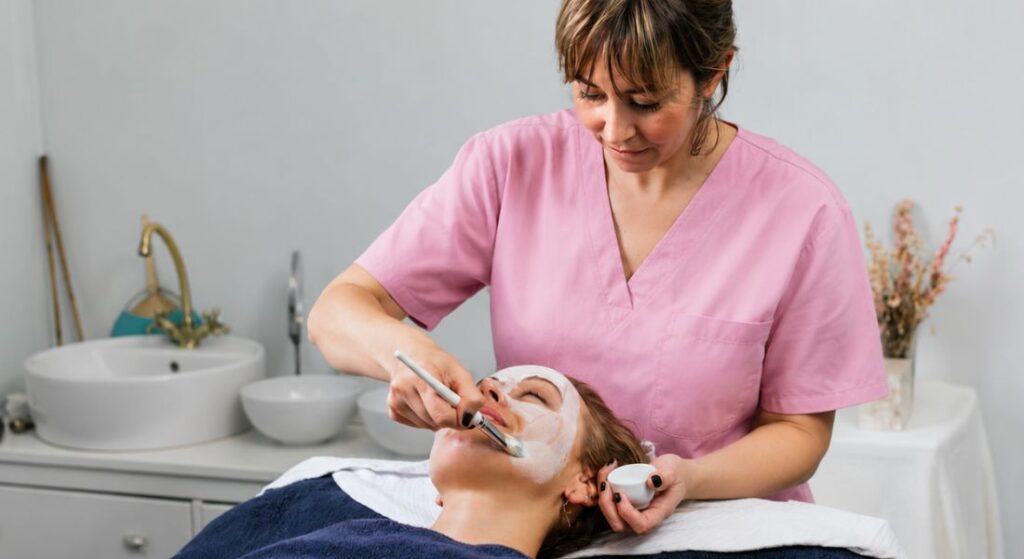
If your treatment involves microneedling or laser therapy, your practitioner will usually apply a topical numbing cream beforehand. This helps reduce discomfort and makes the procedure much more comfortable for you. In many cases, it allows you to relax throughout the session.
The numbing cream is typically left on your skin for around 20 to 30 minutes before treatment begins. This gives it enough time to take effect before the procedure starts. By the time your treatment begins, you should feel much less sensitivity in the treated area.
Most people find that the numbing cream makes a noticeable difference to their overall experience. While you may still feel some pressure or mild sensations, significant pain is uncommon. As a result, many patients describe exosome treatment as much more manageable than they expected.
What Does Microneedling Feel Like?
If your exosome therapy is combined with microneedling, you may be wondering what the treatment actually feels like. Most people describe the sensation as mild and very manageable, especially when a numbing cream is applied beforehand. While some areas of your face may be a little more sensitive than others, the procedure is generally well tolerated. The treatment is also relatively quick, making it a convenient option for many people.
1. A Light Prickling Sensation: During microneedling, you may feel a gentle vibrating or prickling sensation as the device moves across your skin. Most patients find the feeling comfortable rather than painful.
2. Some Areas May Be More Sensitive: Parts of your face, such as the forehead, around the nose, or near the upper lip, can feel slightly more sensitive. However, any discomfort is usually brief and remains manageable throughout the procedure.
3. Numbing Cream Improves Comfort: Your practitioner will often apply a topical numbing cream before treatment to help minimise discomfort and make the experience as comfortable as possible.
4. A Quick Procedure: Microneedling sessions are typically completed within a relatively short period, allowing you to return to your normal routine with minimal disruption.
Although everyone’s pain tolerance is different, most patients are pleasantly surprised by how comfortable microneedling feels. Any mild discomfort usually disappears as soon as the treatment is finished, and your practitioner will ensure you’re as comfortable as possible throughout the session. Knowing what to expect can help you feel more relaxed and confident before your appointment.
Comfort During Laser-Assisted Treatment
If you’re having exosome therapy after laser resurfacing, the level of comfort you experience will mainly depend on the laser treatment itself. Before the procedure begins, your practitioner will usually use a suitable numbing method or local anaesthetic to help keep you comfortable. This helps reduce discomfort during the treatment.
Once the laser procedure is complete, the exosomes are applied to the treated skin. The application itself is generally painless and is designed to support your skin’s natural healing process. At this stage, you may only notice mild sensitivity from the laser treatment.
Most of the discomfort is related to the laser rather than the exosomes. As your skin begins to recover, the exosomes work alongside your body’s natural repair response. Your practitioner will also provide aftercare advice to help you manage any temporary sensitivity and support a smooth recovery.
Does Injection-Based Treatment Hurt?
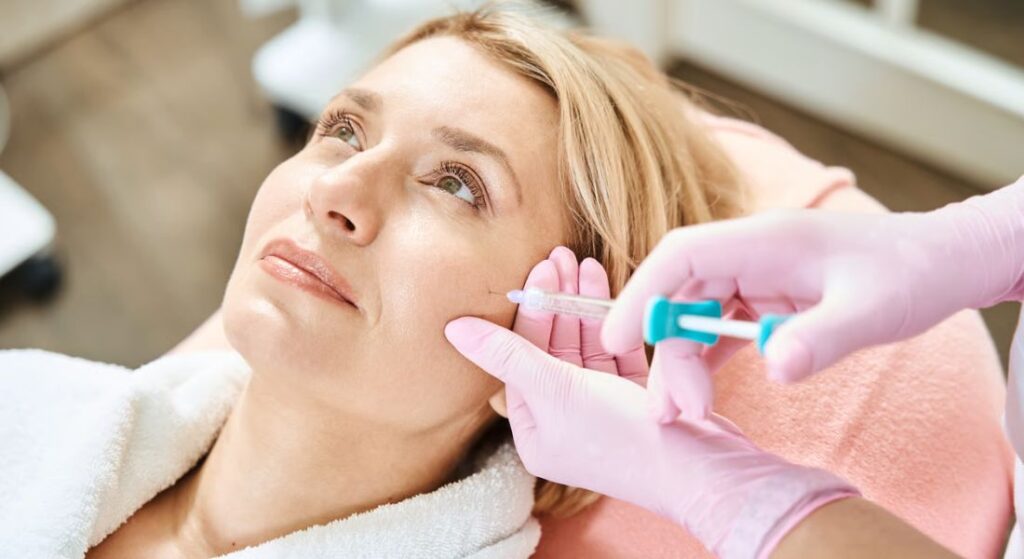
If exosomes are delivered through injections, you may feel a brief pinching sensation when the needle enters your skin. This discomfort is usually mild and only lasts for a few seconds. Most people find it very manageable overall.
Fine needles are typically used during the procedure to help minimise any pain. Some areas of your face may feel a little more sensitive than others, depending on your natural nerve response. Your practitioner will also work carefully to keep you as comfortable as possible throughout the treatment.
In most cases, patients are able to complete the procedure without any significant difficulty. While you may notice slight sensitivity at times, it is generally well tolerated. If you’re concerned, your practitioner can always adjust the approach to improve your comfort.
How Long Does the Appointment Take?
If you’re planning exosome treatment, it’s helpful to know how much time you need to set aside. The total appointment length depends on your treatment method and your individual plan. In most cases, you can expect your visit to last around 45 to 90 minutes.
The actual treatment itself is usually quite short compared to the preparation stage. Before you begin, your practitioner will explain the process, carry out a consultation, and prepare your skin properly. If numbing is needed, you may also need to wait for it to take effect.
Knowing the timeline in advance helps you plan your visit more comfortably. You won’t feel rushed, and everything is explained clearly before your treatment starts. This allows you to relax and feel more prepared throughout your appointment.
What Happens Immediately Afterwards?
Right after your exosome treatment, you may notice that your skin looks slightly red or feels warm. This is a normal response and simply shows that your skin has been stimulated. In most cases, you can expect these effects to settle within a few hours or a couple of days.
You might also experience mild swelling or temporary sensitivity in the treated area. This is usually very minor and gradually improves as your skin begins its natural healing process. During this time, your skin is working to repair and regenerate itself.
Overall, recovery is generally straightforward and easy to manage. You can usually return to your normal routine quite quickly, depending on the type of treatment you had. Your practitioner will guide you on how to care for your skin to support a smooth recovery.
Recovery Following Treatment
Recovery after exosome therapy depends on the type of procedure you have had and whether it was combined with other treatments. In most cases, downtime is minimal, and you can return to your normal routine quite quickly. However, your skin may react slightly depending on the intensity of the treatment used. Your practitioner will explain exactly what to expect based on your personalised treatment plan.
1. Mild Redness After Microneedling: If exosomes are combined with microneedling, you may notice mild redness similar to a light sunburn. This usually settles within one to two days as your skin begins to recover.
2. Longer Recovery with Laser Treatments: When used alongside laser-assisted procedures, your skin may take slightly longer to heal. This is normal, and your practitioner will guide you through the expected recovery timeline.
3. Individual Recovery Varies: Everyone heals differently depending on their skin type, treatment depth, and overall skin health. Your practitioner will help you understand what is normal for your specific procedure.
4. Aftercare Is Important: Following your aftercare instructions carefully helps support healing, reduces irritation, and ensures you get the best possible results from your treatment.
Most people find recovery straightforward and easy to manage with minimal disruption to daily life. Any temporary effects are usually mild and improve quickly as your skin heals. By following professional advice, you can support a smoother recovery and enhance your overall results. Your practitioner will always be available to guide you if you have any concerns during the healing process.
Managing Temporary Sensitivity
After exosome treatment, your skin may feel slightly tight or more sensitive than usual. This is usually part of the normal healing response as your skin begins to recover. If you notice this, it is generally temporary and should settle as your skin adjusts after treatment.
To manage sensitivity, use gentle skincare products recommended by your practitioner. Avoid harsh ingredients, unnecessary touching, and rubbing while your skin is healing. Careful aftercare can help make recovery smoother and more comfortable.
In most cases, temporary sensitivity improves within a few days. Your skin should gradually feel calmer as it heals. Following your aftercare advice can support recovery and help protect your final results.
Importance of Aftercare
Following your recommended aftercare instructions is essential for achieving the best possible result. Your skin needs time to recover, so it is important to avoid irritation and allow the treated area to heal properly.
Keeping the treated area clean and protected can reduce irritation and support smoother recovery. Avoiding harsh products, heat, and unnecessary touching can help your skin benefit fully from the regenerative effects of exosome therapy.
Consistency matters during the recovery period. By following your aftercare plan each day, you can support healing and help maintain the quality of your results.
Sun Protection
Sun protection is especially important after exosome treatment because the skin may be more sensitive while healing. Limiting direct sun exposure can reduce irritation and help protect your results.
Apply a broad-spectrum sunscreen daily and consider wearing a hat or seeking shade when the sun is strongest. These simple steps can lower the risk of pigmentation changes and support healthier recovery.
Good sun protection should continue beyond the early healing phase. Making it part of your daily routine helps maintain long-term skin health and treatment results.
Activities to Avoid
After exosome therapy, your skin may be more sensitive than usual, especially if the treatment has been combined with procedures like microneedling or laser resurfacing. To support proper healing, you’ll be advised to avoid certain activities for a short period. These precautions help reduce irritation and give your skin the best chance to recover effectively. Your practitioner will guide you on exactly how long these restrictions should be followed based on your treatment.
1. Strenuous Exercise: You should avoid intense workouts immediately after treatment, as increased blood flow and sweating can lead to irritation or discomfort in the treated areas.
2. Hot Showers, Saunas, and Steam Rooms: Heat exposure can make your skin more sensitive and may increase redness or swelling, so it’s best to avoid hot environments during the initial healing phase.
3. Swimming Pools: Chlorinated water can irritate freshly treated skin and may interfere with the healing process, so swimming should be avoided until your practitioner confirms it is safe.
4. Harsh Skincare Products: You should temporarily avoid strong active ingredients such as exfoliants or acids, as they can aggravate the skin while it is recovering.
Taking care during the first few days after treatment plays an important role in your overall results. By avoiding these activities, you allow your skin to heal more comfortably and reduce the risk of unnecessary irritation. Following your practitioner’s aftercare advice closely will help you achieve smoother, more consistent results. Most restrictions are short-term and become easier to manage as your skin recovers.
When Will You See Results?
Results from exosome treatment develop gradually rather than instantly. You may start noticing healthier-looking skin over several weeks as collagen activity and skin repair processes are supported.
Further improvements in texture, tone, and overall skin quality may continue to build as the skin recovers. Because the treatment works progressively, changes usually appear slowly rather than all at once.
Individual results vary depending on skin type, age, treatment method, and lifestyle. Managing expectations can help you appreciate the gradual improvements as they develop.
Factors That Influence Comfort
Several factors can influence how comfortable the treatment feels for you. Your personal pain tolerance plays a big role, as well as the area being treated and the method used to deliver the exosomes. These elements together determine how your experience may feel from start to finish.
The experience and skill of your practitioner also play an important part in your comfort. When you choose an experienced professional, they can adjust the technique to make the process smoother and more manageable for you. Good preparation before treatment also helps reduce unnecessary discomfort.
Every patient’s experience is unique, so what you feel may not be the same as someone else. You may notice only mild sensations, while others might feel slightly more sensitivity depending on their circumstances. Understanding this helps you feel more prepared and confident before your treatment.
Who Is Suitable for Treatment?
Many healthy adults who are looking to improve skin quality or achieve subtle rejuvenation may be suitable for exosome therapy. If you’re considering this treatment, a consultation is the best way to determine whether it’s right for you. This ensures your needs are properly assessed before any decision is made.
During your assessment, your medical history, current skin condition, and treatment goals will all be carefully reviewed. This helps your practitioner understand whether exosome therapy is appropriate for you and how it can be tailored to your needs. A personalised approach ensures your treatment is both safe and effective for you.
Suitability can vary from person to person, so what works for you may not be the same for someone else. You should always rely on professional advice to guide your decision. By having a proper consultation, you can feel more confident about whether the treatment is suitable for you.
Setting Realistic Expectations
Exosome therapy is designed to deliver gradual improvements rather than an instant transformation, so you need to understand this before starting treatment. When you know what to expect, you can approach the process with more realistic and balanced expectations. This helps you feel more confident throughout your journey.
The main aim of the treatment is to support healthier-looking skin through natural regeneration, rather than dramatically changing your appearance. You may notice subtle improvements in texture, tone, and overall skin quality, but these changes usually develop slowly over time. As your skin continues to repair itself, you will see the results build gradually for you.
When you have clear and realistic expectations, you are more likely to feel satisfied with your outcome. You should remember that patience is important, as the best results often take time to fully develop. By understanding the process properly, you can appreciate the natural improvements as they appear for you.
Is the Treatment Worth the Temporary Discomfort?
If you’re considering exosome therapy, it’s natural to wonder whether any temporary discomfort is worth it. Most people find that the sensations during treatment and the short recovery period are very manageable. In many cases, the potential improvements in skin quality and overall appearance outweigh the mild and short-lived discomfort. Your practitioner can help you understand what you can realistically expect based on your individual skin concerns.
1. Mild and Short-Lived Discomfort: You may experience slight tingling, redness, or sensitivity during or after treatment, but these effects are usually brief and settle quickly.
2. Well-Tolerated by Most Patients: The procedure is generally considered comfortable, especially when combined with numbing techniques or gentle application methods.
3. Gradual and Natural-Looking Results: You may notice improvements in skin texture, tone, and overall quality over time, which many people feel justifies the short recovery period.
4. Results Depend on Personal Goals: Whether the treatment feels worthwhile depends on what you’re hoping to achieve, so it’s important to align your expectations with realistic outcomes.
Ultimately, the decision comes down to your personal goals and how you value gradual skin improvement versus temporary discomfort. When you understand what the treatment involves and what results are realistically achievable, it becomes easier to make an informed choice. Your practitioner will guide you through this process so you feel confident about your decision. For many people, the subtle yet noticeable improvements make the experience worthwhile.
Choosing an Experienced Practitioner

Choosing an experienced practitioner plays a major role in your overall treatment experience. You should feel confident that the person treating you understands both the technique and how to tailor it to your needs. When you are in skilled hands, your procedure is usually smoother and more comfortable.
A good practitioner will also focus on your comfort by using careful technique and appropriate pain management where needed. You should expect them to explain each step clearly so you know what is happening throughout your treatment. This helps you feel more relaxed and in control during the process.
Aftercare is another important part of your journey, and an experienced practitioner will guide you properly. You should receive clear instructions to support healing and improve your results. When you follow expert advice, you give yourself the best chance of achieving a positive outcome.
FAQs:
1. Can you drive home after exosome treatment?
In most cases, you can drive home immediately after your appointment because exosome therapy does not usually affect your ability to drive. However, if your skin feels particularly sensitive or you have undergone an additional procedure such as laser resurfacing, you may prefer someone to accompany you. Your practitioner will advise you based on your treatment.
2. Will your face look red after exosome treatment?
It is normal for your skin to appear slightly red following treatment, particularly if exosomes have been combined with microneedling or laser therapy. The redness is usually mild and settles within a few hours to a couple of days. Following your aftercare instructions can help your skin recover more comfortably.
3. Can you wear make-up after exosome treatment?
You may need to avoid wearing make-up for a short period to allow your skin to heal properly. The exact timing depends on the treatment method used and your practitioner’s advice. Giving your skin time to recover may help reduce irritation and support the best possible results.
4. How soon can you return to work after treatment?
Many people return to work on the same day or the following day, depending on the treatment they have received. If your skin has noticeable redness or sensitivity, you may prefer to schedule your appointment before a day off. Recovery is generally quick for most patients.
5. Is exosome treatment more comfortable than microneedling alone?
Many patients find that the comfort level is similar because most of the sensation comes from the microneedling procedure rather than the exosomes themselves. The exosomes are applied to support healing after the skin has been treated. Your overall experience will depend on your individual pain tolerance and the treatment technique used.
6. Can exosome treatment be performed on sensitive skin?
People with sensitive skin may still be suitable candidates for exosome therapy, but a professional assessment is essential first. Your practitioner will evaluate your skin and discuss any concerns before recommending treatment. A personalised approach helps minimise the risk of irritation while supporting safe results.
7. What should you do before your exosome treatment appointment?
Before your appointment, you should follow any preparation instructions provided by your practitioner. This may include avoiding certain skincare products or treatments that could increase skin sensitivity. Arriving with clean skin and discussing any medications or medical conditions will also help ensure your treatment goes smoothly.
8. Can you exercise after exosome treatment?
It is generally recommended that you avoid strenuous exercise for at least 24 hours after treatment. Physical activity can increase heat and blood flow, which may prolong redness or irritation. Allowing your skin time to settle supports a more comfortable recovery.
9. How do you reduce discomfort after exosome therapy?
Most post-treatment discomfort is mild and temporary, but using gentle skincare products and following your aftercare instructions can help. You should also avoid excessive heat, direct sunlight, and harsh skincare products while your skin heals. These simple steps can make recovery more comfortable.
10. How do you choose the right clinic for exosome treatment?
Choosing an experienced practitioner is one of the most important parts of your treatment journey. You should look for a clinic that provides a thorough consultation, explains the procedure clearly, and follows high standards of patient care and safety. Feeling informed and confident before treatment can make the overall experience much more reassuring.
Final Thoughts: What Should You Expect from Exosome Treatment?
For most people, exosome therapy is a comfortable procedure with only mild and temporary discomfort, especially when performed by an experienced practitioner. Any redness or sensitivity usually settles quickly, and following the recommended aftercare can help support a smooth recovery. Understanding what the treatment involves and having realistic expectations can help you feel more confident before your appointment. If you’re looking for exosomes treatment in London, you can get in touch with us at the London Medical & Aesthetic Clinic.
References:
1. Nahm, W.J., Nikas, C., Goldust, M., Horneck, N., Cervantes, J.A., Burshtein, J. and Tsoukas, M. (2025) ‘Exosomes in dermatology: A comprehensive review of current applications, clinical evidence, and future directions’, International Journal of Dermatology, 64(11), pp. 1995–2010. Available at: https://pubmed.ncbi.nlm.nih.gov/40533901/
2. Jo, C., Choi, Y.J. and Lee, T.J. (2025) ‘Therapeutic potential of stem cell-derived exosomes in skin wound healing’, Biomimetics, 10(8), 546. Available at: https://www.mdpi.com/2313-7673/10/8/546
3. Dhaliwal, N.K., Moothathamby, T., Sokhal, B.S. and Gkini, M.A. (2026) ‘The use of microneedling with exosomes in dermatology: A systematic review’, Journal of Cosmetic Dermatology, 25(4), e70881. Available at: https://pmc.ncbi.nlm.nih.gov/articles/PMC13107235/
4. Safari, B., Aghazadeh, M., Davaran, S. and Roshangar, L. (2022) ‘Exosome-loaded hydrogels: A new cell-free therapeutic approach for skin regeneration’, European Journal of Pharmaceutics and Biopharmaceutics, 171, pp. 50–59. Available at: https://www.sciencedirect.com/science/article/abs/pii/S0939641121002757\
5. Proffer, S.L., Paradise, C.R., DeGrazia, E., Halaas, Y., Durairaj, K.K., Somenek, M., Sivly, A., Boon, A.J., Behfar, A. and Wyles, S.P. (2022) ‘Efficacy and tolerability of topical platelet exosomes for skin rejuvenation: Six-week results’, Aesthetic Surgery Journal, 42(10), pp. 1185–1193. Available at: https://academic.oup.com/asj/article-abstract/42/10/1185/6606020