


Many patients feel anxious before a plasma face lift because they are unsure what the treatment will feel like. It is common to worry about heat, stinging, burning sensations, swelling, or how sensitive the skin may feel during and after the procedure.
In reality, discomfort varies from person to person. Factors such as the treatment area, skin sensitivity, device settings, practitioner technique, use of numbing cream, anxiety levels, and individual pain tolerance all play a role in how the procedure is experienced. Some areas, such as the eyelids or neck, can feel more sensitive than others due to thinner or more delicate skin.
Although plasma face lift is a non-surgical treatment, it still works by delivering controlled energy to the skin surface. Because of this, some level of discomfort during treatment and post-treatment sensations such as warmth, tightness, and tenderness are expected. These feelings are usually temporary and gradually reduce as the skin heals.
Most patients find that the experience is manageable, especially when proper numbing methods and careful technique are used. A good practitioner will also explain what to expect in advance, which can help reduce anxiety and ensure the treatment feels more comfortable overall.
What a Plasma Face Lift Involves
A plasma face lift uses plasma energy to create controlled treatment points on the surface of the skin. These controlled effects are intended to trigger the skin’s natural healing response, encouraging skin contraction and collagen-related remodelling over time as the area heals.
The treatment is commonly used for concerns such as mild skin laxity, fine lines, crepey texture, and selected early signs of ageing. Depending on suitability, it may be considered for areas such as the eyelids, lower face, jawline, or neck where subtle tightening and skin-quality improvement are desired.
Plasma fibroblast therapy is generally described as a non-surgical skin-tightening treatment that uses high-energy discharge to create small controlled wounds in the skin and stimulate repair. Although it does not involve surgical cutting, it still affects the skin surface directly and requires proper aftercare, healing time, and careful patient assessment.
Does Plasma Face Lift Hurt?
A plasma face lift may feel uncomfortable during treatment, but the level of discomfort varies from person to person. Many patients describe sensations such as heat, tingling, stinging, prickling, or a brief snapping feeling on the skin as the plasma energy is applied.
To reduce discomfort, numbing cream is usually applied before treatment begins and left on long enough to make the procedure more manageable. Even with numbing, some patients may still feel warmth, mild sharpness, or sensitivity, particularly in delicate areas such as the eyelids, around the mouth, or the neck.
It is important not to describe the treatment as completely painless because individual experiences differ. A more accurate explanation is that discomfort is usually managed with numbing and careful technique, but some level of sensation during treatment and tenderness afterwards should still be expected as part of the healing process.
The Role of Numbing Cream
Topical numbing cream is commonly applied before a plasma face lift to help make the treatment more comfortable. The cream usually needs time to take effect before the procedure begins, allowing the skin surface to become less sensitive to the plasma energy. This can reduce much of the discomfort during treatment, especially in areas where the skin is being treated more precisely. However, numbing cream may not remove every sensation completely.
1. Numbing Cream Helps Reduce Discomfort: The main purpose of numbing cream is to make the skin less sensitive before treatment starts. This can help reduce surface discomfort and make the procedure easier to tolerate.
2. Some Sensation May Still Be Felt: Even with numbing cream, you may still feel warmth, tingling, pressure, or occasional sharp sensations. This can be more noticeable in delicate areas such as around the eyes or mouth, where the skin is naturally thinner and more sensitive.
3. The Cream Needs Time to Work: Numbing cream is usually applied before treatment and left on for a set amount of time. This allows it to take effect properly before the plasma energy is used on the skin.
4. Use Anaesthetic Products Only as Directed: You should only use numbing products exactly as instructed by your clinic or practitioner. Strong anaesthetic creams should not be applied independently without professional advice, as incorrect use can increase the risk of side effects or complications.
Numbing cream can make a plasma face lift more comfortable, but it should not be seen as making the treatment completely sensation-free. Mild warmth, tingling, or sensitivity may still happen during the procedure, especially in delicate treatment areas. Your practitioner should explain what to expect and how they manage comfort during treatment. Following their instructions carefully helps keep the process safer and more controlled.
What the Treatment Feels Like During the Procedure
During a plasma face lift, patients commonly feel small bursts of heat or tiny pinprick-like sensations as the plasma energy is applied to the skin. Some treatment areas may feel more intense than others, especially where the skin is thinner or naturally more sensitive.
The practitioner usually works in a careful and controlled pattern across the treatment area, applying the plasma energy point by point. During this process, patients may notice a slight heated-skin smell, which can be expected because the surface of the skin is being treated in a controlled way.
Although the sensations can feel unusual, patients are usually able to communicate with the practitioner throughout the procedure. If discomfort becomes too strong or a short break is needed, patients can normally ask for a pause. Good communication during treatment can help make the experience feel more manageable and comfortable overall.
Why Some Areas Feel More Sensitive Than Others
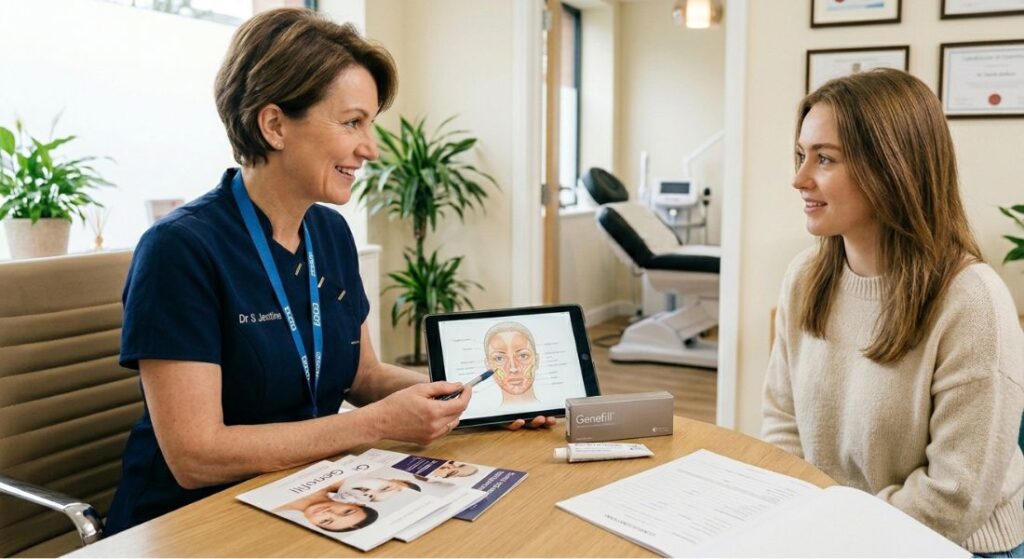
The face is not equally sensitive in every area, so some parts may feel more uncomfortable during a plasma face lift than others. Thin-skinned regions, bony areas, and areas around the eyes or lips often feel more sensitive compared with fuller areas such as the cheeks or jawline.
The eyelid area in particular may feel more reactive because the skin is extremely delicate and thin. Similarly, the neck can also feel sensitive in some patients due to the thinner skin and increased movement in this area during everyday activity.
Because of these differences, the practitioner should adapt the treatment approach according to the area being treated and the patient’s comfort level. Adjustments to technique, treatment intensity, pacing, and comfort measures can help make the procedure more manageable while still maintaining safety and effectiveness.
What You May Feel Immediately After Treatment
Immediately after a plasma face lift, the treated area may feel warm, tight, tender, or similar to mild sunburn. The skin often appears red or swollen, and small crusts or dot-like marks may develop where the plasma energy was applied during treatment.
These early sensations are considered part of the normal healing process. Plasma treatment works by creating controlled thermal injury to the skin surface, so it is expected that the treated skin may feel sensitive, irritated, or tight for a period of time afterwards as healing begins.
Reviews of plasma skin regeneration have noted that thermal skin effects can be associated with side effects such as redness, swelling, burns, and scarring, depending on treatment intensity, skin type, practitioner technique, and individual patient factors. This is why careful treatment planning and proper aftercare are important for safer healing and better recovery outcomes.
Swelling After Plasma Face Lift
Swelling is a common part of recovery after a plasma face lift, particularly when delicate areas such as the eyelids are treated. In many patients, swelling is most noticeable during the first few days after the procedure as the skin responds to the controlled thermal effect.
The treated area may feel tight, heavy, tender, or slightly uncomfortable while swelling is present. Some patients also notice that swelling appears worse in the morning before gradually improving throughout the day as fluid settles and circulation improves.
Patients should follow the specific aftercare advice provided by their clinic, as recommendations may vary depending on the treatment area and intensity used. Medical advice should be sought if swelling becomes severe, continues to worsen, appears mainly on one side, or is associated with increasing pain, discharge, fever, or other signs of possible infection.
Redness and Heat Sensation
Redness and warmth are common after energy-based skin treatments, including plasma face lift treatment. The treated skin may look flushed, feel warm, or appear more sensitive for a short period after the procedure. This happens because the skin has been exposed to controlled energy and is beginning its natural healing response. The level and duration of redness can vary depending on treatment intensity, skin type, and individual recovery.
1. Redness Is Usually Part of Early Healing: The treated area may look red or flushed soon after treatment. This usually improves gradually as the skin begins to calm, repair, and move through the healing process.
2. Warmth Can Happen After Treatment: A heat sensation may be felt in the treated area for a short time. This can be expected after an energy-based treatment, but it should gradually settle rather than become more intense.
3. Recovery Time Can Vary: Some patients may find redness settles quite quickly, while others may notice it for longer. The timeline depends on the treatment settings, area treated, skin sensitivity, and how the skin responds during healing.
4. Avoid Unapproved Products: You should not apply random cooling products, active skincare, acids, retinoids, harsh cleansers, or strong topical products unless your practitioner has approved them. Using unsuitable products too early can irritate the skin and may affect healing.
Redness and warmth can be normal after plasma face lift treatment, but they should improve gradually with proper aftercare. Your skin may be more delicate during this stage, so it is important to treat it gently and follow your practitioner’s instructions. Avoid experimenting with skincare or cooling products unless you have been told they are safe. If redness, heat, pain, swelling, or discharge worsens instead of settling, you should contact your clinic for advice.
Tiny Crusts or Dots on the Skin
After a plasma face lift, it is very common for small brown dots or crusts to appear across the treated area. These marks are created where the plasma energy has made controlled points of treatment on the skin surface and are considered a normal part of the healing process.
As the skin begins to repair itself, these tiny crusts gradually dry out and naturally fall away over several days. During this stage, the skin may feel tight, dry, itchy, or slightly rough in texture. Although this can feel uncomfortable at times, it is important to understand that these visible changes are expected while new skin forms underneath.
Patients should avoid picking, scratching, rubbing, or attempting to remove the crusts early, even if they are tempted to do so. Interfering with the healing process can increase the risk of complications such as pigmentation changes, infection, delayed healing, scarring, or uneven skin texture. Following proper aftercare and allowing the skin to heal naturally can help support a smoother and more even final result.
Itching During Healing
Itching can occur during the healing process after a plasma face lift and is often most noticeable while crusts are still present on the skin. Many patients find this stage uncomfortable or irritating, particularly as the skin begins to dry and repair itself.
Mild itching is commonly considered part of normal healing, but symptoms should still be monitored carefully. Strong itching, worsening redness, increasing swelling, rash formation, discharge, or oozing may suggest irritation, allergy, infection, or another complication that should be assessed by the clinic.
Patients should avoid scratching, rubbing, or picking at the treated skin, even if the urge feels strong. If itching becomes difficult to manage, it is safer to contact the clinic for professional advice rather than applying unapproved creams, ointments, or home remedies that could interfere with healing or increase the risk of complications.
Pain During Recovery
Some tenderness, soreness, or sensitivity is expected after a plasma face lift as the skin begins to heal from the controlled treatment. The treated area may feel uncomfortable when touched, washed, exposed to heat, or during facial movement in the early stages of recovery.
In most cases, recovery discomfort gradually becomes more manageable as swelling settles and the skin repairs itself over time. While mild sensitivity and tightness are common, pain that becomes increasingly severe rather than steadily improving should be reviewed by the practitioner or medical team.
Patients should discuss recovery expectations with their practitioner before treatment, including what level of discomfort is considered normal, which pain relief options are suitable, and which symptoms require medical advice. Clear guidance can help patients feel more prepared and recognise when healing is progressing appropriately or when further assessment may be needed.
Eye-Area Treatment Sensations
If plasma treatment is performed near the eyes, swelling and sensitivity may be more noticeable than in other areas. The eyelid skin is thin and delicate, so it can react strongly during the early healing stage. You may feel tightness, puffiness, tenderness, or temporary heaviness around the eyes after treatment. These sensations can be expected, but they should gradually settle as the skin begins to recover.
1. Swelling May Be More Noticeable Around the Eyes: The eye area is naturally delicate, so even mild swelling can look or feel more obvious. Puffiness may make the eyelids feel heavier for a short period while the tissue settles.
2. Tightness and Tenderness Can Occur: You may feel tightness, sensitivity, or tenderness around the treated area. This can happen as the skin responds to treatment and begins the repair process.
3. Proper Protection and Experience Matter: Plasma treatment near the eyes should be performed with appropriate eye protection and by someone experienced in treating this area. The practitioner should understand the anatomy, risks, treatment depth, and aftercare needed for delicate eyelid skin.
4. Warning Signs Should Be Checked Promptly: Any vision changes, severe eye pain, discharge, or marked swelling should be assessed promptly. These symptoms should not be treated as normal aftercare effects, especially when the treatment area is close to the eyes.
Eye-area plasma treatment can involve more noticeable swelling and sensitivity because the skin is thinner and more reactive. Mild tightness, puffiness, or tenderness may be part of the normal recovery process, but symptoms should improve rather than worsen. Choosing an experienced practitioner and following aftercare instructions carefully can help reduce avoidable risks. If anything affects your vision or causes severe pain, discharge, or significant swelling, you should seek medical advice without delay.
How Long Discomfort Usually Lasts
Discomfort after a plasma face lift usually changes as the skin moves through different stages of healing. The first few days are often the most sensitive, with warmth, swelling, tenderness, and tightness being more noticeable during the early recovery period. As healing continues, symptoms such as dryness, crusting, itching, or mild tenderness may persist for a longer time before gradually settling.
It is important not to give a fixed promise about how long discomfort will last because recovery varies between patients. Factors such as the treatment area, treatment intensity, skin type, aftercare routine, and individual healing response can all affect the overall recovery timeline and how the skin feels during healing.
Before treatment, patients should receive clear guidance from their own practitioner about what sensations and recovery stages are expected for their specific procedure. Understanding the normal healing process in advance can help patients feel more prepared and less anxious during recovery.
What Can Make Treatment Feel More Uncomfortable?
Several factors can make a plasma face lift feel more uncomfortable for some patients. These can include naturally sensitive skin, anxiety about the procedure, thinner treatment areas, stronger treatment settings, inadequate time for numbing cream to work properly, recent skin irritation, or a weakened skin barrier.
The condition of the skin before treatment is also important. In most cases, the skin should be calm and healthy before undergoing plasma treatment. Active irritation, sunburn, infection, inflammation, or damaged skin can increase both discomfort during the procedure and the risk of unwanted side effects or delayed healing afterwards.
Patients should always inform their practitioner about any skin sensitivity, previous reactions to treatments or numbing products, pain concerns, medical conditions, allergies, or medications they are taking. This information helps the practitioner plan the treatment more safely and adjust the approach to improve both comfort and suitability.
What You Should Avoid After Treatment
After plasma face lift treatment, your practitioner may advise you to avoid certain activities and products for a period while the skin heals. These may include picking, rubbing, makeup, sun exposure, swimming, saunas, intense exercise, harsh skincare, and active ingredients. These precautions are not only about comfort. They help protect the treated skin and reduce the risk of irritation, infection, pigmentation changes, and delayed healing.
1. Avoid Picking or Rubbing the Skin: Small crusts or treated dots may appear as part of the healing process. Picking, scratching, or rubbing them can disturb healing and may increase the risk of marks, scarring, or infection.
2. Avoid Makeup and Harsh Skincare Too Early: Makeup, strong cleansers, acids, retinoids, exfoliants, or active skincare may irritate the treated area if used too soon. Your skin barrier needs time to recover, so only use products your practitioner has approved.
3. Avoid Sun Exposure and Heat-Based Activities: Sun exposure, saunas, steam rooms, swimming, and intense exercise may increase irritation, swelling, or pigmentation risk during early healing. Protecting the skin from heat and UV exposure is especially important while it is sensitive.
4. Follow Professional Aftercare Advice: The NHS advises choosing a practitioner with the right training, skills, and insurance for cosmetic procedures. This is important because safe aftercare and proper complication management are a key part of treatment, not something separate from the procedure.
What you avoid after treatment can affect how safely and smoothly your skin heals. Plasma-treated skin may be more delicate for a period, so it needs gentle care and protection. Your own practitioner’s instructions should always guide your aftercare, as advice may vary depending on treatment intensity, skin type, and the area treated. If you notice worsening redness, pain, swelling, discharge, or unusual skin changes, you should contact your clinic promptly.
When Discomfort May Not Be Normal
Although some tenderness, swelling, and sensitivity are expected after a plasma face lift, certain symptoms should be reviewed promptly by the practitioner or a medical professional. These include severe pain, worsening swelling, spreading redness, pus or discharge, fever, blistering, burns, increasing heat in the skin, delayed healing, vision changes, or other signs that may suggest infection or complications.
Patients should not assume that all symptoms are part of normal recovery, especially if the condition appears to be getting worse rather than gradually improving. Early assessment is important if healing feels unusual, excessively painful, or different from what was explained during the consultation.
While plasma treatment is non-surgical, it still creates controlled injury to the skin and can lead to complications if healing does not progress properly or if aftercare instructions are not followed carefully. Prompt medical advice can help reduce the risk of more serious skin damage or long-term healing problems.
How to Make the Experience Easier
Patients can often make the plasma face lift experience feel more manageable by attending a thorough consultation beforehand, asking questions about what the treatment and recovery may feel like, understanding the aftercare process, and planning enough downtime for healing.
It is also important not to schedule major social events, work commitments, or important occasions too soon after treatment. Redness, swelling, crusting, tenderness, and visible healing changes can occur during recovery, particularly in the first several days, and patients should allow enough time for the skin to settle comfortably.
Following the clinic’s preparation advice before treatment can also help support a smoother experience. Depending on the practitioner’s guidance, patients may be advised to avoid certain skincare products, active ingredients, sun exposure, tanning, or other cosmetic treatments before the appointment to reduce skin sensitivity and lower the risk of complications.
Why Practitioner Experience Matters

Practitioner experience plays an important role in both the comfort and safety of plasma face lift treatment. A qualified practitioner should understand skin anatomy, plasma device settings, treatment depth, patient selection, aftercare requirements, and how to recognise and manage possible complications appropriately.
Poor technique or inappropriate treatment settings can increase the risk of problems such as burns, pigmentation changes, scarring, uneven results, delayed healing, or prolonged discomfort. The safety of the procedure depends not only on the device itself, but also on how carefully and correctly it is used for each individual patient and treatment area.
Patients should therefore choose a properly qualified and experienced practitioner who carries out a detailed assessment, provides realistic expectations, explains potential risks clearly, and offers thorough aftercare guidance. Good communication and careful planning are important parts of achieving a safer and more predictable treatment experience.
FAQs:
1. Is a plasma face lift painful?
A plasma face lift is not usually described as completely painless, but most patients find the discomfort manageable. During treatment, you may feel sensations such as heat, tingling, stinging, or tiny pinprick-like feelings as the plasma energy is applied to the skin. The level of discomfort varies depending on the treatment area, skin sensitivity, and individual pain tolerance.
2. Does numbing cream make plasma face lift pain-free?
Numbing cream can significantly reduce discomfort and make the treatment more tolerable, but it may not remove all sensation completely. Even with anaesthetic cream, some patients still notice warmth, mild sharpness, or sensitivity, especially in delicate areas such as the eyelids or around the mouth.
3. Which areas feel the most sensitive during treatment?
Thin and delicate areas of skin often feel more sensitive than thicker areas. The eyelids, under-eye region, lips, and neck are commonly described as more reactive because the skin is thinner and contains more sensitive nerve endings compared with areas such as the cheeks or jawline.
4. What does the skin feel like immediately after treatment?
Immediately after treatment, the skin may feel warm, tight, tender, or similar to mild sunburn. Redness, swelling, and small crust-like dots are also common during the early healing phase. These sensations are usually temporary and gradually improve as the skin recovers.
5. How long does discomfort usually last after a plasma face lift?
The first few days are usually the most noticeable, especially for swelling, redness, and tenderness. Mild tightness, dryness, itching, or sensitivity may continue for longer while the skin heals. Recovery timelines vary depending on the treatment intensity, area treated, skin type, and individual healing response.
6. Is swelling after plasma face lift normal?
Yes, swelling is a common part of healing, particularly around the eyes. Some patients experience puffiness, tightness, or heaviness during the first few days after treatment. Swelling should gradually improve over time rather than become progressively worse.
7. Why do tiny brown dots or crusts appear after treatment?
The small crusts or dots are created where the plasma energy has treated the skin and are considered a normal part of the healing process. They usually dry out and fall away naturally over several days. Picking or scratching them can increase the risk of pigmentation changes, scarring, or delayed healing.
8. Can plasma face lift itching be normal during healing?
Mild itching can occur while the skin repairs itself and crusts are still present. However, severe itching combined with worsening redness, swelling, discharge, or rash should be assessed by the clinic because it may indicate irritation, allergy, or infection.
9. When should pain or discomfort after treatment be checked by a professional?
You should seek advice if you develop severe pain, increasing redness, worsening swelling, discharge, fever, blistering, burns, vision changes, or symptoms that continue getting worse instead of gradually improving. These symptoms are not considered typical healing signs and may require medical assessment.
10. How can I make plasma face lift recovery more comfortable?
Following your practitioner’s aftercare instructions carefully is one of the most important steps. Avoid picking the skin, protect the area from sun exposure, avoid harsh skincare products, and allow enough downtime for healing. Choosing an experienced practitioner and understanding the recovery process beforehand can also help make the overall experience feel less stressful and more manageable.
Final Thoughts: Understanding the Plasma Face Lift Experience
A plasma face lift is generally considered manageable for most patients, but it is important to understand that some discomfort, swelling, redness, and skin sensitivity are normal parts of the treatment and healing process. Most people describe the sensations as warmth, tingling, stinging, or tightness rather than severe pain, especially when numbing cream and careful technique are used. Recovery can look more noticeable before the final result develops, so having realistic expectations and allowing enough healing time are important for a smoother experience.
Choosing an experienced practitioner and following aftercare instructions carefully can make a significant difference to both comfort and recovery. While most side effects settle gradually, symptoms such as worsening pain, severe swelling, discharge, fever, or vision changes should always be assessed promptly. If you’re looking for plasma face lift in London, you can get in touch with us at the London Medical & Aesthetic Clinic.
References:
1. Holcomb, J.D. et al. (2020) A prospective study evaluating the use of helium plasma for dermal resurfacing Lasers in Surgery and Medicine. Available at: https://pubmed.ncbi.nlm.nih.gov/32350901/
2. Baroni, A. (2021) Facial skin esthetic treatments with plasma radiofrequency ablation, Journal of Cosmetic Dermatology, 20(12), pp. 3934–3939. Available at: https://pubmed.ncbi.nlm.nih.gov/33683794/
3. Gherardi, M. et al. (2020) The emerging potential of cold atmospheric plasma in skin biology, Free Radical Biology and Medicine, 161, pp. 290–304. Available at: https://www.sciencedirect.com/science/article/pii/S0891584920312776
4. Diab, H.M.E. et al. (2021) Study of platelet rich plasma injection versus plasma gel in periorbital rejuvenation, QJM: An International Journal of Medicine, 114. Available at: https://academic.oup.com/qjmed/article/114/Supplement_1/hcab093.003/6379770 5. Xiao, H., Xu, D., Mao, R., Xiao, M., Fang, Y. and Liu, Y. (2021)
5. Platelet-rich plasma in facial rejuvenation: a systematic appraisal of the available clinical evidence, Clinical, Cosmetic and Investigational Dermatology, 14, pp. 1697–1724. Available at: https://pmc.ncbi.nlm.nih.gov/articles/PMC8606573/