

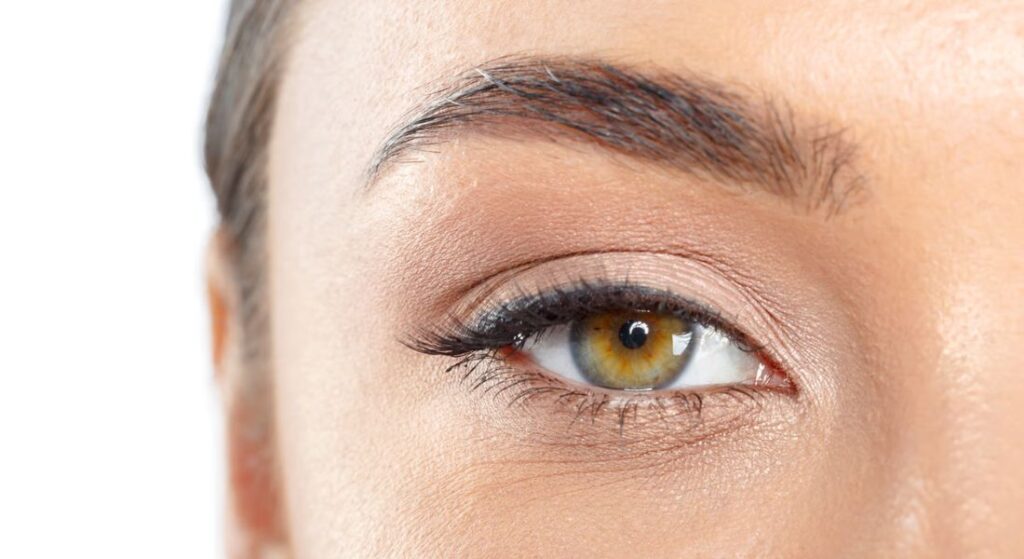
Loose eyelid skin is a very common concern as people get older. Over time, you may begin to notice upper eyelid hooding, fine lines under the eyes, crepey texture, puffiness, or skin that no longer appears as firm and smooth as it once did. Because the skin around the eyes is naturally thin and delicate, signs of ageing often appear here earlier than in other parts of the face.
Plasma face lift treatment may be considered for mild eyelid laxity in carefully selected patients. The treatment works by creating controlled thermal effects on the skin surface, encouraging skin contraction and collagen remodelling during healing. In some patients, this may help the eyelid area appear slightly tighter, smoother, and more refreshed once recovery is complete.
However, the eyelid area requires particular care because of its sensitivity and close proximity to the eyes. Careful patient assessment, realistic expectations, and practitioner experience are especially important when treating this region. Swelling and visible healing effects can also be more noticeable around the eyes during recovery compared with other treatment areas.
It is important to understand that plasma treatment cannot replace surgical eyelid surgery when there is significant excess skin, heavy hooding, or functional visual obstruction. While plasma may help selected mild concerns, surgical blepharoplasty is generally more effective for advanced eyelid ageing because it can physically remove excess skin and provide a stronger, more predictable correction.
Why Eyelid Skin Becomes Loose
Eyelid skin is naturally very thin and delicate, which is one reason ageing changes often become noticeable around the eyes earlier than in other parts of the face. Over time, collagen loss, reduced skin elasticity, sun exposure, genetics, repeated facial movement, and gradual skin thinning can all contribute to a looser and more aged appearance.
As these changes develop, the upper eyelid skin may begin to fold, droop, or sit lower over the eye area. The lower eyelids may start to appear crepey, wrinkled, or less smooth, particularly when the skin loses firmness and hydration with age.
It is also important to understand that puffiness or under-eye bags are not always caused by loose skin alone. Factors such as protruding fat pads, fluid retention, allergies, sleep quality, and natural facial anatomy can all influence how the eyelid area looks. Because several different issues can affect the eyes at the same time, a careful assessment is important before deciding whether plasma treatment is likely to help.
What Is a Plasma Face Lift?
A plasma face lift uses plasma energy to create controlled points of treatment on the surface of the skin. These tiny controlled injuries are designed to trigger the skin’s natural healing response, encouraging skin contraction and collagen-related remodelling as the area recovers over time.
Plasma fibroblast-style treatments are often described as non-surgical skin-tightening procedures because they aim to improve mild skin laxity without surgical incisions. Medical sources such as Medical News Today describe plasma fibroblast therapy as a non-surgical skin-tightening treatment that uses a high-energy discharge to create small wounds in the skin and stimulate repair processes.
Although the treatment is non-surgical, it should not be described as risk-free. Plasma treatment directly affects the skin surface and can cause redness, swelling, crusting, pigmentation changes, burns, or scarring if healing does not progress properly. Careful aftercare and experienced technique are especially important when treating delicate areas near the eyes.
How Plasma Treatment May Tighten Eyelid Skin
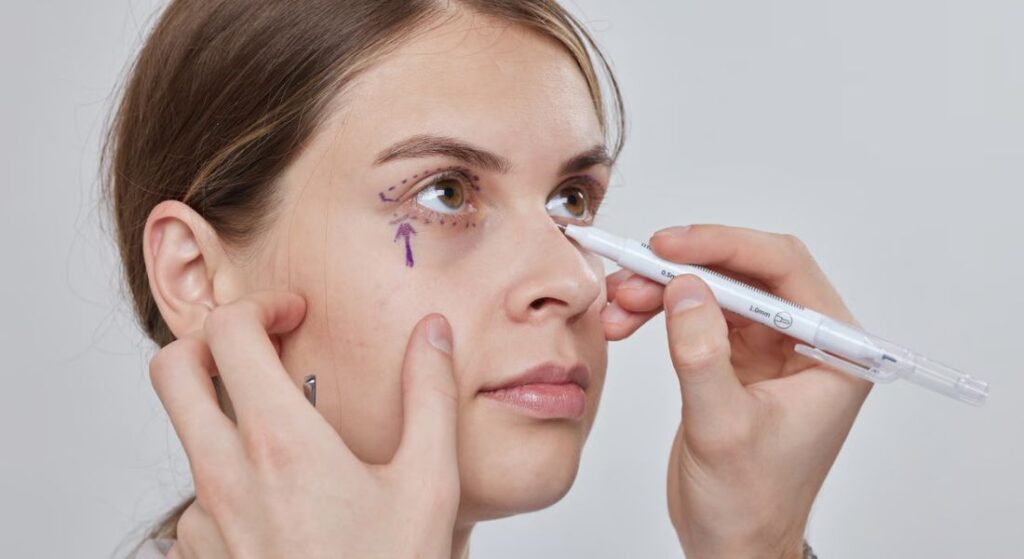
Plasma treatment may help tighten eyelid skin by creating small controlled points of skin contraction. As the treated area heals, collagen remodelling may also support a firmer and smoother appearance over time. This can make the eyelid skin look slightly tighter and more refreshed in suitable patients. However, the result depends on how the skin responds during healing.
1. Controlled Skin Contraction :Plasma energy creates tiny controlled treatment points on the skin surface. These points may cause the surrounding skin to contract slightly, which can help improve mild looseness.
2. Collagen Remodelling May Support Firmness: As the skin repairs itself, collagen changes may help improve texture and firmness. This process is gradual and can vary from person to person.
3. Best Suited to Mild Laxity: Plasma treatment is usually more suitable for mild eyelid skin laxity rather than heavy excess skin. The aim is to improve surface tightness and texture, not to surgically remove loose skin.
4. Results Depend on Individual Factors: Skin thickness, age, healing response, treatment intensity, and aftercare can all influence the final result. Some patients may see noticeable improvement, while others may need a different or additional treatment approach.
Plasma eyelid treatment can be useful when the concern is early looseness, crepey texture, or mild skin laxity. It should not be viewed as a replacement for eyelid surgery when there is significant excess skin or heaviness. Results are usually gradual and should be judged only after the skin has fully healed and settled. A proper consultation can help confirm whether plasma treatment is suitable for your eyelid concerns.
Upper Eyelid Tightening
Upper eyelid plasma treatment may be considered for patients with mild hooding, crepey skin, or early upper eyelid laxity who want improvement without undergoing surgery. Some patients seek treatment because they feel their eyes look more tired, heavy, or less open as the skin gradually loses firmness with age.
In suitable cases, plasma treatment may help tighten the surface skin and create a slightly firmer or fresher-looking upper eyelid appearance. The treatment works by creating controlled thermal effects that encourage skin contraction and collagen remodelling during healing. Improvements are usually more subtle than surgical correction and are most suitable for mild to moderate changes.
However, plasma treatment has limitations. If the upper eyelid skin is significantly heavy, deeply folded, or affecting vision, surgical blepharoplasty is generally considered more appropriate because it can remove excess skin directly and provide a stronger, more predictable result. Published studies on plasma exeresis for upper eyelid dermatochalasis have reported improvement in mild to moderate eyelid laxity, but the overall evidence base remains more limited when compared with well-established surgical eyelid procedures.
Lower Eyelid Tightening
Lower eyelid concerns can include fine lines, crepey skin, mild looseness, and surface texture changes that develop as the skin ages and loses elasticity. In selected patients, plasma treatment may be considered when the main issue is superficial skin laxity rather than deeper structural changes.
Plasma treatment may help tighten the skin surface and improve the appearance of mild crepiness around the lower eyelids. However, it cannot fully correct prominent under-eye bags, deep tear troughs, or significant fat prolapse beneath the eyes. These concerns often involve deeper anatomical changes that may require different treatments, such as surgical blepharoplasty, dermal fillers, skin resurfacing procedures, or a carefully planned combination approach depending on the patient’s needs and suitability.
It is important for patients to understand that lower eyelid ageing is not caused by loose skin alone. Fat pads, volume loss, pigmentation, facial anatomy, skin quality, and lifestyle factors can all contribute to how the under-eye area looks. A detailed assessment helps identify which factors are most responsible and which treatment approach is likely to provide the most appropriate and balanced result.
What Results Can Patients Expect?
After healing, some patients may notice that the eyelid skin looks slightly tighter, smoother, or less crepey following plasma treatment. Fine lines may appear softer, and mild skin laxity around the eyes may look improved in suitable cases.
It is important to understand that results are usually gradual rather than immediate. During the early healing stage, patients may experience swelling, redness, crusting, tenderness, and temporary unevenness before the skin begins to settle and the final improvement becomes clearer over the following weeks or months.
Expectations should remain realistic. Plasma treatment may improve selected mild eyelid concerns, but it does not create the same degree of lifting or skin removal as surgical blepharoplasty. The changes are generally more subtle and are most appropriate for patients with early or moderate signs of eyelid ageing rather than advanced excess skin.
Why Results Around the Eyes Vary
The eye area can age in very different ways from one person to another. Some patients mainly develop thin crepey skin and mild laxity, while others may have heavier eyelid folds, under-eye fat bags, hollowing, brow descent, or a combination of several ageing changes at the same time.
Plasma treatment generally works best when the main concern is mild surface skin laxity. It may be less effective when the appearance of ageing is mainly caused by deeper structural issues such as brow droop, fat prolapse beneath the eyes, deep hollows, or significant excess skin. In these situations, other treatments or surgical procedures may provide more suitable improvement.
Because of these differences, before-and-after results should always be viewed carefully and realistically. A result achieved in one patient may not be possible in another patient with different anatomy, skin quality, or ageing patterns. Careful assessment is important to determine whether plasma treatment is likely to match the individual patient’s concerns and expectations.
Plasma Face Lift Versus Eyelid Surgery
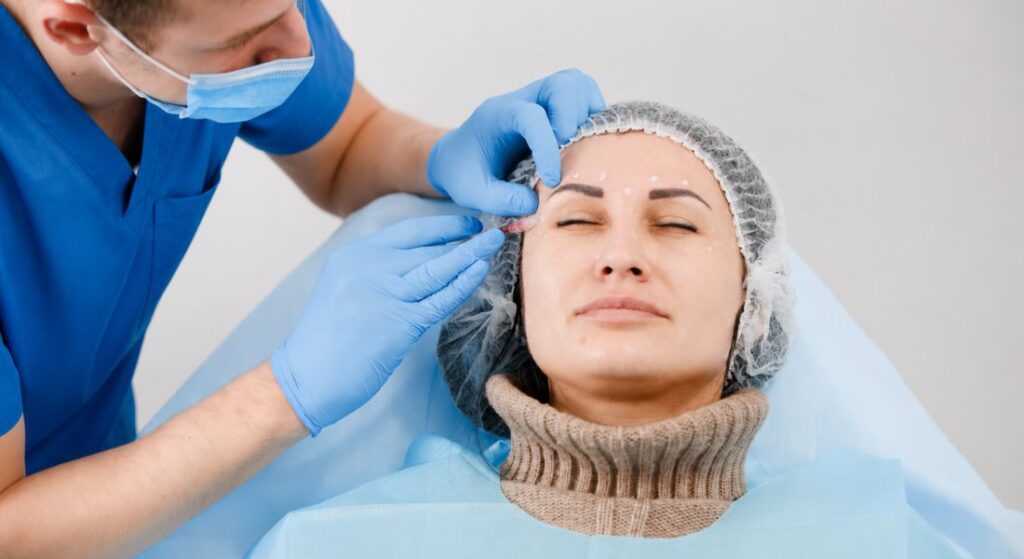
Plasma face lift treatment and eyelid surgery are not the same, even though both may be discussed for ageing around the eyes. Eyelid surgery, also called blepharoplasty, can remove excess skin and may sometimes address fat pads or eyelid structure. Plasma treatment does not cut away skin or physically remove tissue. Instead, it aims to tighten the skin surface through controlled healing and gradual skin response.
1. Plasma Treatment Does Not Remove Skin: Plasma treatment works on the skin surface using controlled energy. It may help improve mild laxity, fine lines, and crepey texture, but it does not surgically remove loose eyelid skin.
2. Eyelid Surgery Can Address Excess Skin: Blepharoplasty can remove excess skin when eyelid heaviness is more advanced. It may also be considered when fat pads, eyelid shape, or structural changes contribute to the concern.
3. Mild Laxity May Suit Plasma Treatment: Patients with mild eyelid looseness or early skin changes may consider plasma treatment if they are suitable. The aim is usually subtle tightening and texture improvement rather than a dramatic lift.
4. Functional Problems May Need Surgery: Surgery may be more appropriate if loose skin affects vision, sits heavily over the lashes, or creates a functional problem. In these cases, a surgical assessment can help determine whether blepharoplasty is the safer and more effective option.
Choosing between plasma treatment and eyelid surgery depends on the severity of the problem and what needs to be corrected. Plasma may support mild skin tightening, but it cannot replace surgery when there is significant excess skin or eyelid heaviness. A proper consultation can help identify whether the concern is mainly surface skin quality, loose skin, fat pads, or eyelid structure. The right option should be based on safety, suitability, and realistic expectation
Plasma Face Lift Versus Other Eye Rejuvenation Treatments
Several different treatments may be used to rejuvenate the eye area, depending on the specific concern being treated. Options can include laser resurfacing, radiofrequency treatments, microneedling, skin boosters, anti-wrinkle injections, dermal fillers, or surgical procedures such as blepharoplasty.
Plasma face lift treatment is mainly used to target mild skin laxity and surface tightening. In contrast, dermal fillers may help improve hollowing or tear trough concerns, anti-wrinkle injections may soften expression lines caused by muscle movement, and surgery may be more appropriate for removing significant excess skin or correcting heavy eyelid hooding.
Because eyelid ageing can have several different causes, a careful consultation is important before choosing treatment. Identifying whether the main issue is loose skin, volume loss, fat prolapse, muscle movement, brow descent, or a combination of factors helps guide the most appropriate and realistic treatment plan.
Who May Be Suitable for Eyelid Plasma Treatment?
A suitable patient for eyelid plasma treatment may be someone with mild eyelid skin laxity, fine lines, crepey texture, and realistic expectations about the level of improvement that can be achieved. Patients with healthy skin and a good healing response are often more appropriate candidates for this type of treatment.
It is also important that the patient is prepared to follow aftercare instructions carefully and accept a period of visible downtime during healing. Swelling, redness, crusting, and temporary sensitivity around the eyes are common after treatment, and proper care is important for reducing the risk of complications and supporting better recovery.
Overall suitability depends on several factors, including medical history, skin type, pigmentation risk, eyelid anatomy, eye health, healing tendency, and whether the patient’s goals are realistic for a non-surgical procedure. A detailed assessment by an experienced practitioner is important before deciding whether plasma treatment is likely to be safe and appropriate.
Who May Not Be Suitable?
Plasma eyelid treatment isn’t suitable for everyone, and when you attend a proper consultation, you’ll find that a responsible practitioner will carefully assess whether it’s the right option for you. If you have significant eyelid hooding or excess skin that is already affecting your vision, you may actually need a different approach, as plasma treatment may not provide enough correction in these cases.
You may also not be suitable if you have an active skin infection, poor wound healing, a tendency to develop keloid scarring, certain underlying skin conditions, or uncontrolled medical issues. Unrealistic expectations are another important factor, because it’s essential that you fully understand what the treatment can and cannot achieve before proceeding.
Extra caution is also needed if you have a darker skin tone or a history of pigmentation changes, since heat-based treatments can carry a higher risk of post-inflammatory pigmentation. In situations where plasma treatment is unlikely to be safe or effective for you, a responsible practitioner will usually recommend an alternative option that better matches your skin type and clinical needs.
What the Treatment May Feel Like
When you undergo plasma eyelid treatment, you may notice sensations such as heat, stinging, prickling, or small snapping feelings on the skin. A numbing cream is usually applied beforehand to help reduce discomfort, but you may still find the eyelid area feels quite sensitive during the procedure.
Because the skin around your eyes is thinner and more delicate than other areas of the face, it can feel more uncomfortable compared to treatments carried out on thicker skin. Your practitioner will typically work in short intervals, checking your comfort throughout and adjusting the treatment carefully as needed.
It’s important to understand that the treatment is not completely pain-free, and sensitivity can vary from person to person. While discomfort is generally manageable with numbing and careful technique, your individual experience may depend on your pain threshold and the specific area being treated.
Recovery After Eyelid Plasma Treatment
When you recover from eyelid plasma treatment, you’ll usually notice that the area around your eyes looks more visible in the early stages. Swelling is quite common, so you may see redness, tightness, tenderness, small crusts or dots on the skin, along with itching, dryness and puffiness as the healing process begins.
It’s important to understand that what you see initially is not the final result. In fact, your eyelids may temporarily look more swollen or pronounced before they gradually settle down. As healing continues, these early changes will slowly improve and the skin will begin to look smoother and more refined.
During this time, you should avoid picking at crusts or rubbing the treated area, even if it feels itchy or dry. Good aftercare is essential, because poor handling of the healing skin can increase the risk of infection, pigmentation changes, scarring or uneven results.
Eye Safety and Protection
When you undergo eyelid plasma treatment, eye safety is one of the most critical aspects of the entire procedure. The area around your eyes is extremely delicate, so your practitioner must take extra care to protect your eyes throughout treatment and minimise any risk of injury from both the device and any associated products.
During the procedure, several factors need careful management, including the use of numbing cream, the application of plasma energy close to the lash line, and the use of any aftercare products afterwards. Even normal post-treatment swelling can temporarily bring products closer to the eye area, which is why precise technique and careful monitoring are so important.
There has also been a published case report describing bilateral chemical eye injury following plasma fibroblast treatment around the eyelids, where accidental exposure to EMLA numbing cream was identified as the cause. This highlights why strict periocular safety protocols are essential, and why you should always ensure treatment is performed by a properly trained practitioner who prioritises eye protection at every step.
Side Effects and Risks
When you consider eyelid or periocular cosmetic treatments, it’s important to understand that side effects can occur, even when procedures are performed correctly. The skin around your eyes is very delicate, and because it sits so close to the eye itself, it needs extra care and precision. Most side effects are temporary, but some can be more significant and require further treatment or time to settle.
1. Common Temporary Side Effects: After treatment, you may experience swelling, redness, tenderness, itching, or mild crusting in the treated area. These reactions are usually part of the normal healing process and tend to improve over time. You might also notice some temporary discomfort or tightness around the eyelids.
2. Skin and Pigmentation Changes: In some cases, you may develop pigmentation changes such as darkening or lightening of the skin. These effects are more likely in certain skin types and can take time to settle. Occasionally, uneven healing can also lead to temporary differences in skin texture or tone.
3. Less Common but More Serious Risks: More significant complications can include infection, scarring, burns, or uneven results. Healing may also take longer than expected in some cases. Because the eyelid area is so sensitive, even small issues can sometimes feel more noticeable.
4. Special Caution Around the Eyelid Area: The eyelid skin is one of the thinnest areas on your body, and it sits directly next to your eyes. This means that any treatment in this region requires a very high level of precision and care. Even minor errors can potentially affect both appearance and eye comfort.
5. Importance of Choosing a Qualified Practitioner: The NHS advises you to be very careful when choosing a practitioner for cosmetic procedures. You should make sure they are properly trained and experienced in the specific treatment you are having, rather than relying on providers who have only completed short courses. Choosing a qualified professional reduces your risk of complications and improves safety.
Side effects and risks should always be clearly explained before any cosmetic procedure so you know what to expect. While many people have safe and successful treatments, the area around your eyes requires extra caution due to its sensitivity. Being well-informed helps you make safer and more confident decisions about treatment.
When to Seek Medical Advice After Treatment
After eyelid plasma treatment, it’s normal for you to experience some mild swelling, tenderness, redness, or a slightly tight feeling around the treated area. These early effects are usually part of the normal healing process and should gradually improve over time.
However, you should seek medical advice if you notice symptoms that feel severe or are getting worse instead of better. This includes increasing pain, spreading redness, excessive swelling, discharge, fever, blistering, burns, delayed healing, or any marked asymmetry that develops during recovery.
Most importantly, any changes affecting your eyes should be taken seriously. If you experience eye pain, blurred vision, or any change in vision after treatment near the eyelids, you should be assessed promptly by a medical professional, as this requires urgent attention.
How Long Results May Take to Show
After eyelid plasma treatment, you may notice some initial tightening once the early healing phase begins to settle. However, the full improvement doesn’t happen straight away, as collagen remodelling continues gradually over several weeks and sometimes even a few months.
It’s important that you don’t judge your results too early. In the first days and weeks, swelling, redness and small crusts can temporarily change the way your eyelids look, which can make it difficult to see the true outcome of the treatment.
This is why follow-up photographs taken after the skin has fully healed are often more reliable than memory alone. When you compare images taken before treatment and after complete recovery, you’ll get a much clearer and more accurate understanding of your final results.
How Long Eyelid Results May Last
The longevity of eyelid plasma results can vary quite a lot from person to person, and when you look at real outcomes, it depends on several individual factors. Your age, skin quality, sun exposure, smoking habits, aftercare routine, treatment intensity and the natural ageing process all play a role in how long you’re likely to maintain visible improvement.
It’s also important to understand that results are not permanent, because your skin will continue to age over time. Even after good initial improvement, gradual changes in skin elasticity and texture will still occur, which means you may notice changes slowly returning over the years.
For this reason, you may need maintenance treatments in the future, or in some cases, a different treatment approach depending on how your skin evolves. A practitioner can give you a more realistic expectation after assessing your eyelid area properly, as results can vary significantly between individuals.
Choosing the Right Practitioner

When you’re considering eyelid plasma treatment, choosing the right practitioner is one of the most important decisions you can make. Because the eye area is so delicate, you need someone who understands eyelid anatomy in detail, as well as how the skin heals, how to protect the eyes during treatment, and how to select safe and appropriate device settings.
Before you go ahead, it’s worth asking about their training, hands-on experience with eyelid procedures, and how they manage risks or complications. You should also feel comfortable discussing aftercare in detail, including what support is available if something doesn’t heal as expected or if any side effects occur. A responsible practitioner will be open and clear about all of this.
It’s really important not to base your decision only on price or impressive before-and-after photos. While results matter, safety should always come first especially when you’re treating such a sensitive area. Taking the time to choose a qualified, experienced practitioner can make a big difference to both your safety and your final outcome.
FAQs:
1. Can plasma face lift really tighten loose eyelid skin?
If you’re dealing with mild loose eyelid skin, plasma treatment may help improve firmness and texture. It works by creating controlled skin injury that encourages collagen remodelling during healing. Over time, you may notice a slightly tighter and smoother appearance. However, the results are usually subtle and depend on your skin response.
2. Is plasma treatment suitable for heavy eyelid hooding?
If you have significant eyelid hooding or excess skin, plasma treatment is usually not enough. It works best for mild laxity rather than advanced skin drooping. In more severe cases, surgical blepharoplasty is generally more effective. A proper assessment helps you understand which option is more suitable for your eyelids.
3. How long does it take to see results after plasma eyelid treatment?
You may notice early changes once initial swelling starts to settle, but full results take time. Collagen remodelling continues for several weeks and sometimes a few months after treatment. During early healing, your eyelids may look swollen or uneven before improving. Final results are best assessed only after complete healing.
4. Is plasma eyelid treatment painful?
If you have plasma treatment, you may feel heat, stinging, or small prickling sensations during the procedure. A numbing cream is usually applied beforehand to make it more comfortable. Even with numbing, the eyelid area can feel more sensitive than other parts of the face. Most people find the discomfort manageable, but it does vary.
5. What is the downtime after eyelid plasma treatment?
You should expect noticeable downtime for several days after treatment. Swelling, redness, crusting, and tightness around the eyes are common during healing. The area may look worse before it improves, which is part of the normal process. You’ll need to avoid rubbing or picking at the skin to support proper healing.
6. Can plasma treatment remove under-eye bags?
If your concern is under-eye bags caused by fat pads or deeper structural changes, plasma treatment cannot remove them. It mainly works on surface skin tightening and mild crepey texture. You may see some improvement in skin quality, but not in prominent fat bulging. In such cases, other treatments or surgery may be more suitable.
7. How long do eyelid plasma results last?
If you respond well to treatment, results can last for a period of time, but they are not permanent. Your skin continues to age naturally, so gradual changes will still occur over time. Factors like sun exposure, skin quality, and lifestyle can affect longevity. Some people may choose maintenance treatments later on.
8. Is plasma eyelid treatment safe?
If performed by a trained and experienced practitioner, plasma treatment can be safe for suitable patients. However, because the eyelid area is very delicate, there are risks such as swelling, pigmentation changes, burns, or scarring. Proper technique and aftercare are very important to reduce complications. You should always have a thorough consultation first.
9. Who is not suitable for plasma eyelid treatment?
You may not be suitable if you have very heavy eyelid skin, active infections, poor healing, or certain skin conditions. It may also not be recommended if you have unrealistic expectations about results. Extra caution is needed if you have a higher risk of pigmentation changes. A practitioner will assess your suitability before treatment.
10. How do you choose the right practitioner for eyelid plasma treatment?
If you’re choosing a practitioner, you should look for strong experience with eyelid treatments specifically. You need someone who understands eye safety, skin healing, and correct device settings. It’s important not to choose based on price alone. A proper consultation should clearly explain risks, results, and aftercare so you feel fully informed.
Final Thoughts: Plasma Face Lift for Eyelids Explained
If you’re considering plasma treatment for loose eyelid skin, it’s important to see it as a subtle, supportive option rather than a dramatic correction. You may notice improvements in mild skin laxity, fine lines, and crepey texture, but the results depend heavily on your individual skin quality, healing response, and how advanced the eyelid ageing already is. For you, this means setting realistic expectations from the start so you fully understand what this treatment can and cannot achieve.
In many cases, plasma treatment can help refresh the appearance of the eye area when changes are still in the early stages. However, if you’re dealing with heavier eyelid hooding or significant excess skin, you may find that surgical options provide more predictable and long-lasting results. A proper consultation will always help you decide which approach best suits your eyelid concerns. If you’re looking for plasma face lift in London, you can get in touch with us at the London Medical & Aesthetic Clinic.
References:
1. Holcomb, J.D. et al. (2020) A prospective study evaluating the use of helium plasma for dermal resurfacing, Lasers in Surgery and Medicine, 52(10), pp. 940–951. Available at: https://pmc.ncbi.nlm.nih.gov/articles/PMC7754429/
2. Benedikt, J., et al. (2022) Cold atmospheric plasma in dermatology: mechanisms and clinical applications Available at: https://pubmed.ncbi.nlm.nih.gov/35903680/
3. Ruff, P.G. and Bharti, G. (2023) Safety and efficacy of Renuvion helium plasma to improve the appearance of loose skin in the neck and submental region. Aesthetic Surgery Journal. Oxford Academic. Available at: https://academic.oup.com/asj/article/43/10/1174/7072381
4. Schmidt, A. et al. (2019) Short exposure to cold atmospheric plasma induces senescence in human skin fibroblasts and adipose mesenchymal stromal cells, Scientific Reports. Available at: https://pmc.ncbi.nlm.nih.gov/articles/PMC6572822/ 5. Tan, F., Wang, H. and Wang, Y. (2022)Plasma dermatology: skin therapy using cold atmospheric plasma.
Available at: https://www.ncbi.nlm.nih.gov/pmc/articles/PMC9314643/