

You may hear the terms plasma face lift and surgical facelift used together, but they are actually very different treatments. While both are designed to improve visible signs of ageing and skin laxity, they work in completely different ways. The techniques, recovery process, and level of results can vary quite significantly. Understanding these distinctions helps you make a more informed decision about which option may suit you best.
A surgical facelift works by repositioning and tightening deeper facial tissues through an invasive surgical procedure. In contrast, a plasma face lift focuses on the surface of your skin using controlled plasma energy to stimulate tightening and collagen production. Because the treatments target different layers of the face, the overall impact and longevity of results are not the same. One approach is surgical and structural, while the other is non-surgical and skin-focused.
The level of invasiveness, downtime, and expected outcome also differs considerably between the two procedures. A surgical facelift usually involves anaesthesia, recovery time, and more dramatic long-term changes. A plasma face lift generally has less downtime and a lower level of intervention, but the results are often more subtle. By understanding how each treatment works, you can choose the option that better aligns with your goals, expectations, and comfort level.
What a Plasma Face Lift Involves
You might be wondering how a plasma face lift actually works. This treatment uses plasma energy to create tiny, controlled micro-injuries across the surface of your skin. These small points of thermal stimulation encourage your skin to tighten while also boosting natural collagen production. Over time, this can help improve the appearance of loose or ageing skin.
A plasma face lift is considered a non-surgical procedure, which means there are no surgical cuts or stitches involved. The treatment is usually aimed at mild to moderate skin laxity rather than significant sagging. It is commonly performed around delicate areas such as the eyes, forehead, neck, and mouth, where early signs of ageing often appear first. Because it targets the skin surface, the results tend to develop gradually as healing progresses.
The main goal is to achieve visible skin tightening without the need for invasive surgery. Many people choose this option because it offers a less intensive alternative to traditional facelift procedures. While the results are generally more subtle than surgery, the reduced downtime appeals to many patients. Understanding what the treatment can realistically achieve helps you set appropriate expectations before moving forward.
What a Surgical Facelift Involves
You should understand that a surgical facelift is a much more invasive procedure than non-surgical skin tightening treatments. During surgery, deeper facial tissues are lifted, repositioned, and tightened to improve sagging and restore more defined facial contours. Unlike surface-level treatments, a facelift works on the underlying facial structure, which is why the results are usually more significant and longer lasting.
1. Targets deeper facial structures: A surgical facelift works beneath the skin to reposition and tighten underlying tissues. This allows for more substantial correction of sagging and loss of definition.
2. Excess skin is often removed: During the procedure, loose or excess skin may also be removed to create a smoother and firmer appearance. This helps improve deeper folds and more advanced skin laxity.
3. Results are more dramatic and long-lasting: Compared with non-surgical treatments such as a plasma face lift, surgical results are typically more noticeable and tend to last for many years.
4. Recovery is more extensive: Because surgery is more invasive, downtime and healing are also greater. Swelling, bruising, and recovery time should all be considered before treatment.
A surgical facelift is generally recommended for more advanced signs of ageing, particularly if you have significant sagging around the cheeks, jawline, or neck. While it involves a greater level of commitment, it can provide comprehensive and more transformative facial rejuvenation for suitable patients.
Differences in Invasiveness
You may prefer a treatment that involves less intervention and a shorter recovery period. A plasma face lift does not require general anaesthesia, deep surgical incisions, or repositioning of deeper facial tissues. Instead, the treatment works on the surface of your skin using controlled plasma energy. This makes it a less invasive option for people looking to improve mild skin laxity without surgery.
A surgical facelift is very different in terms of complexity and recovery. The procedure involves operative techniques to lift and reposition deeper structures beneath the skin, often under general anaesthesia. Because surgery is involved, the recovery process is usually longer and more intensive. There is also a higher level of surgical risk compared to non-surgical treatments.
The difference in invasiveness is one of the biggest distinctions between these two options. A plasma face lift may appeal to you if you want a less aggressive approach with reduced downtime. On the other hand, a surgical facelift is designed to deliver more substantial correction for advanced ageing changes. Understanding this balance between intervention and results helps you choose the treatment that best fits your goals and comfort level.
Recovery Time Comparison
You might be thinking about how much downtime each treatment involves before making your decision. A plasma face lift usually comes with a shorter recovery period because it is non-surgical and less invasive. You may still experience temporary swelling, redness, and small crusts on the treated skin while healing takes place. However, most people return to normal daily activities much sooner than they would after surgery.
A surgical facelift generally requires a longer and more involved recovery process. Because deeper tissues are repositioned during surgery, bruising, swelling, and tightness are more significant in the early stages of healing. Full recovery can take several weeks, and the final results may continue to settle over time. You’ll also need to allow time for incisions and underlying tissues to heal properly.
Recovery expectations often play a major role when choosing between these treatments. If you prefer a shorter downtime and a less invasive approach, a plasma face lift may feel more manageable. On the other hand, you may decide that a longer recovery is worthwhile for more dramatic and longer-lasting surgical results. Understanding the healing process helps you choose the option that best fits your lifestyle and expectations.
Results and Degree of Tightening
You should understand that the results from a plasma face lift and a surgical facelift can differ quite significantly. While both aim to improve signs of ageing, they work at different levels and achieve different degrees of tightening. The right option often depends on how advanced your skin laxity is and how dramatic a result you’re hoping to achieve.
1. Plasma treatments offer more subtle tightening: A plasma face lift is mainly designed to improve mild skin laxity, fine lines, and skin texture. The changes are usually softer and develop gradually as collagen production increases over time.
2. Surgical facelifts create stronger lifting effects: A facelift repositions deeper facial tissues, allowing for much more noticeable lifting and contouring. This is especially effective for heavier sagging around the cheeks, jawline, and neck.
3. Non-surgical treatments have limitations: While plasma treatments can improve surface tightening, they generally cannot fully correct significant sagging or deep facial folds in the same way surgery can.
4. Suitability depends on the level of ageing: Mild concerns may respond well to a plasma face lift, whereas more advanced laxity often requires surgical correction for a meaningful improvement.
Understanding the realistic degree of tightening each treatment can achieve is important when setting expectations. A less invasive option may be enough if your concerns are early or moderate, while surgery may provide a more effective and longer-lasting outcome if ageing changes are more advanced.
Collagen Stimulation in Plasma Treatments
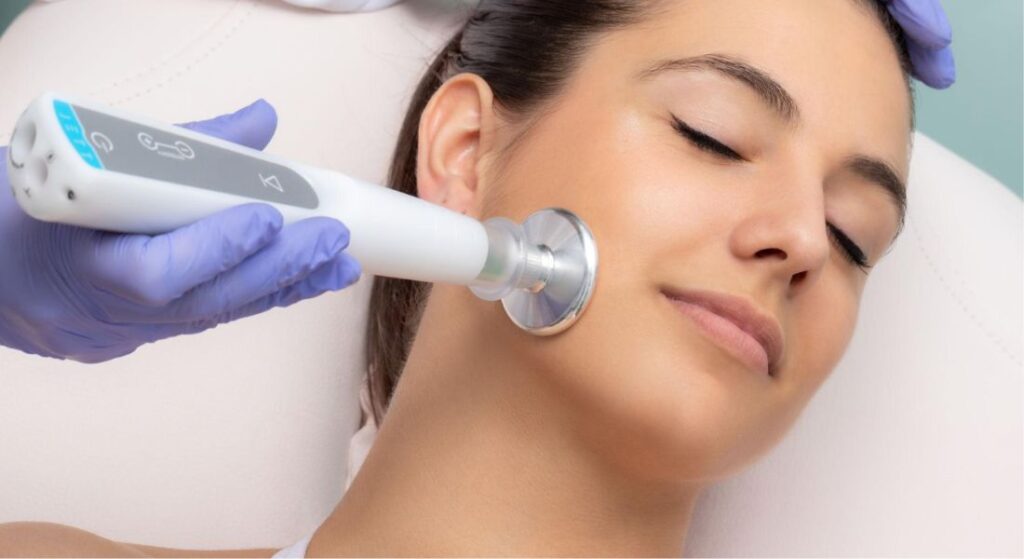
You may not realise that plasma face lift treatments depend heavily on collagen stimulation to create their results. The controlled thermal effect from the plasma energy encourages your skin to begin a natural repair process over time. As your skin heals, collagen production gradually increases, helping the treated area appear firmer and tighter. This process focuses on improving skin quality rather than repositioning deeper facial structures.
Because collagen remodelling takes time, the results from a plasma face lift develop gradually rather than appearing immediately. You may notice early tightening after treatment, but improvements often continue for several weeks or even months as collagen levels build. This slower progression is completely normal and forms part of the treatment’s natural response. Patience is usually needed before the full effect becomes visible.
This approach is very different from the more immediate lifting seen with a surgical facelift. Surgery physically repositions tissues during the procedure itself, which creates visible structural changes straight away. A plasma face lift instead relies on your body’s own regenerative processes to improve skin firmness gradually. Understanding this difference can help you set more realistic expectations about timing and results.
Longevity of Results
You might wonder how long the results from each treatment are likely to last. A surgical facelift generally provides longer-lasting improvements because deeper facial structures are physically lifted and repositioned during the procedure. This creates more substantial structural support beneath the skin. As a result, the changes often remain visible for many years, although the natural ageing process still continues over time.
Plasma face lift results can also last for a considerable period, but the effects are usually more subtle. Because the treatment relies on collagen stimulation and surface tightening rather than surgical repositioning, maintenance treatments may eventually be needed to preserve the results. The longevity often depends on how your skin responds and how much laxity was present to begin with. For many people, the appeal lies in achieving improvement without surgery, even if touch-ups are required later.
Lifestyle factors also play an important role in how long your results last. Sun exposure, smoking, skincare habits, overall skin quality, and the natural ageing process can all influence long-term outcomes. Healthy skin maintenance may help prolong the effects of either treatment. Understanding these factors can help you set realistic expectations about longevity and future maintenance.
Suitability for Different Age Groups
You should know that both your age and your skin condition can influence which treatment may be most suitable for you. Plasma face lift procedures are often chosen by people with early to moderate signs of ageing who want to improve skin tightness without undergoing surgery. These treatments are generally better suited to milder skin laxity rather than significant sagging.
1. Plasma treatments suit earlier ageing changes: A plasma face lift is often more appropriate if you have mild to moderate skin laxity, fine lines, or early loss of firmness. It offers a less invasive way to improve skin tightness and texture.
2. Surgical facelifts address more advanced sagging: If you have heavier sagging around the cheeks, jawline, or neck, a surgical facelift may provide more effective correction. Surgery can reposition deeper facial tissues in a way non-surgical treatments cannot.
3. Skin condition matters more than age alone: Two people of the same age can have very different levels of collagen quality, skin elasticity, and facial ageing. This is why treatment decisions should never be based on age alone.
4. Personalised assessment is essential: Your anatomy, skin quality, and aesthetic goals all need to be evaluated carefully before choosing a treatment. The most suitable option is the one that best matches your individual needs.
Ultimately, suitability depends far more on the condition of your skin and the degree of ageing than on a specific age group. A personalised approach helps ensure the treatment chosen delivers the most natural, balanced, and appropriate result for you.
Risks and Side Effects
You may assume that non-surgical treatments come without risks, but every cosmetic procedure has potential side effects that should be considered carefully. Plasma face lift treatments can sometimes cause temporary redness, swelling, crusting, or changes in skin pigmentation during the healing process. In most cases, these effects improve gradually as the skin recovers. However, proper aftercare and suitable patient selection remain very important.
A surgical facelift involves additional risks because it is a more invasive procedure. Possible complications can include scarring, infection, bleeding, nerve irritation, and a longer recovery period. Swelling and bruising are also more significant compared to non-surgical treatments. Although these risks sound concerning, surgical facelifts are generally considered safe when performed by experienced professionals under appropriate conditions.
Careful assessment before treatment plays a major role in reducing complications with either option. Your skin condition, medical history, healing ability, and treatment goals all need to be evaluated properly. This helps ensure the chosen procedure is suitable for you and that expectations remain realistic. A personalised approach is one of the best ways to improve safety and overall results.
Natural-Looking Results
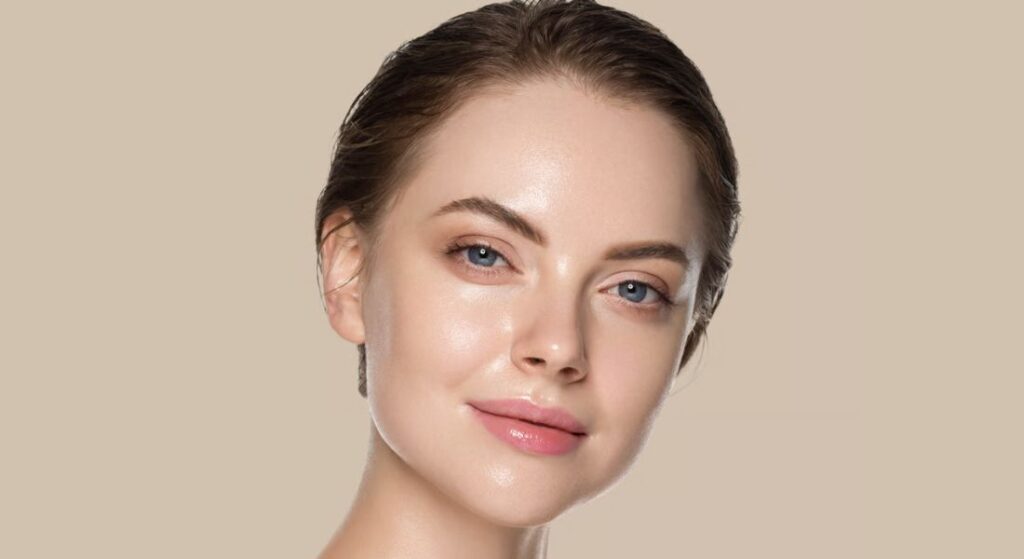
You might worry that cosmetic treatments could leave you looking unnatural or overly altered. In reality, modern facelift techniques are designed to create subtle and balanced rejuvenation rather than the tight, artificial appearance people often associate with older procedures. The aim is to restore definition and reduce sagging while still preserving your natural facial expressions. When performed well, the results should simply make you look fresher and more rested.
Plasma face lift treatments also tend to produce natural-looking improvements because the changes develop gradually over time. Rather than dramatically reshaping your face, the treatment focuses on mild tightening and skin refinement. This gradual enhancement often makes the results less obvious to others while still improving overall skin quality. Many people appreciate this softer and more understated approach.
The best aesthetic results usually enhance your existing features rather than completely changing them. Whether you choose a plasma treatment or a surgical facelift, the goal is typically harmony and balance rather than transformation. Natural outcomes have become a major focus within modern aesthetic medicine. Most patients now prefer treatments that help them look refreshed while still looking like themselves.
Cost Differences Between Treatments
You should expect a noticeable difference in cost between these two treatments. Plasma face lift procedures are generally more affordable because they are non-surgical and do not require operating theatres, general anaesthesia, or extensive surgical support. The treatment process is usually simpler and involves a shorter recovery period. For many people, this makes plasma treatments a more accessible option financially.
A surgical facelift is typically far more expensive due to the complexity of the procedure. Costs often include surgical facilities, anaesthesia, specialist surgical expertise, and more comprehensive aftercare during recovery. Because the treatment is invasive and more time-intensive, the overall investment is significantly higher. However, the results are also usually more dramatic and longer-lasting.
Cost should never be considered in isolation from the expected outcome and recovery process. A less expensive treatment may still be the right choice if your concerns are mild and you prefer minimal downtime. On the other hand, you may feel a surgical facelift offers better value if you want more substantial correction and longer-lasting results. Understanding the balance between cost, recovery, and achievable improvement helps you make a more informed decision.
Combination Treatment Approaches
You may achieve better overall results by combining treatments rather than relying on a single procedure alone. In modern aesthetic medicine, it’s increasingly common to use different treatments together to address multiple aspects of facial ageing at the same time. This allows for a more balanced and comprehensive approach to rejuvenation.
1. Different treatments target different concerns: A plasma face lift may improve skin tightness and texture, while injectables or resurfacing treatments can address volume loss, wrinkles, or uneven skin tone. Combining approaches allows multiple concerns to be treated together.
2. Creates more balanced and natural-looking results: Rather than focusing on one isolated feature, combination treatments aim to improve overall facial harmony. This often leads to softer and more natural rejuvenation.
3. Surgical facelifts can also be combined with other procedures: Treatments for the eyelids, neck, skin quality, or facial volume are sometimes performed alongside facelift surgery. This helps create more complete and proportionate results.
4. Personalisation is key to modern treatment planning: Your skin condition, facial structure, and pattern of ageing all influence which combinations may be most suitable. Tailored plans generally produce more refined and predictable outcomes.
Because ageing affects different layers of the face in different ways, a combined approach can often achieve more comprehensive improvement than a single treatment alone. Modern aesthetic care focuses on creating results that feel balanced, natural, and specifically suited to your individual goals.
Why Consultation Matters
You should understand that choosing the right aesthetic treatment is not simply about personal preference or trends. Your skin quality, facial anatomy, degree of ageing, and overall treatment goals all need to be assessed carefully before making a decision. What works well for one person may not be the best option for someone else. This is why professional evaluation plays such an important role.
A personalised consultation helps determine whether a non-surgical treatment like a plasma face lift or a surgical facelift is more suitable for you. During the assessment, factors such as skin laxity, facial structure, recovery expectations, and desired results are all taken into account. This allows the treatment plan to be tailored specifically to your needs rather than following a one-size-fits-all approach. Careful planning usually leads to more balanced and natural-looking outcomes.
Consultations are also important for setting realistic expectations from the beginning. Understanding what each treatment can and cannot achieve helps you make a more informed and confident decision. It also improves safety by identifying any factors that may influence healing or suitability. A thorough assessment is one of the most important steps in achieving results that feel both safe and satisfying.
The Emotional Side of Facial Rejuvenation
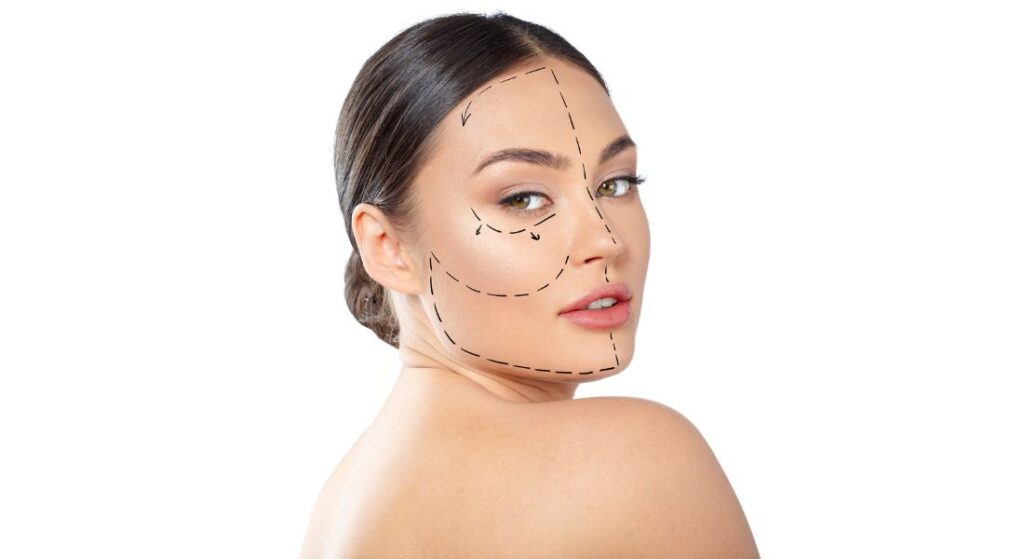
You may not expect it, but facial rejuvenation treatments can have a significant impact on your confidence and self-image. Many people choose these procedures not because they want to look completely different, but because they want to feel more refreshed and comfortable with their appearance. Seeing improvements in skin laxity or facial ageing can often help you feel more confident in both personal and professional settings. The emotional aspect of treatment is an important part of the overall experience.
Improving visible signs of ageing can positively influence your emotional wellbeing, especially if certain concerns have affected your confidence for a long time. Feeling happier with your appearance may help you feel more comfortable socially and more aligned with how you see yourself internally. However, it’s still important to approach treatment with realistic expectations. Cosmetic procedures can enhance your appearance, but they cannot create perfection or completely change how you feel emotionally.
The goal of facial rejuvenation is usually enhancement rather than transformation. The most successful outcomes often help you look like a fresher and more rested version of yourself rather than someone entirely different. This balanced approach tends to create more natural-looking and satisfying results over time. Understanding the emotional side of treatment can help you make decisions that feel healthy, realistic, and personally meaningful.
Advances in Non-Surgical Treatments
You should know that non-surgical aesthetic treatments have advanced significantly in recent years. Plasma technology, in particular, has become far more refined and precise than earlier approaches to skin tightening. Modern devices are designed to deliver controlled energy more accurately, helping improve safety and treatment consistency. These developments have made non-surgical options increasingly appealing for many patients.
As the technology has improved, treatments can now achieve more effective skin tightening with less downtime compared to older techniques. You may still experience temporary redness or swelling, but recovery is often quicker and more manageable than invasive surgery. This balance between visible improvement and reduced recovery time is one reason why non-surgical procedures continue to grow in popularity. Many people prefer treatments that fit more easily around their lifestyle and routine.
Innovation within aesthetic medicine continues to expand the range of available treatment options. New techniques and technologies are constantly being developed to improve results, comfort, and safety. This means you now have more personalised choices depending on your skin condition, goals, and tolerance for downtime. As non-surgical treatments continue to evolve, they are becoming an increasingly important part of modern facial rejuvenation.
FAQs:
1. What is the main difference between a plasma face lift and a surgical facelift?
You should understand that a plasma face lift is a non-surgical treatment, while a surgical facelift is an invasive procedure. Plasma technology works on the surface of your skin to stimulate tightening and collagen production. A surgical facelift, on the other hand, lifts and repositions deeper facial tissues. This means surgical results are usually more dramatic and longer lasting.
2. Is a plasma face lift less invasive than a facelift?
Yes, a plasma face lift is significantly less invasive. You do not need general anaesthesia, deep incisions, or stitches for the procedure. Recovery is usually shorter and more manageable compared to surgery. This makes it appealing if you want skin tightening without undergoing an operation.
3. Which treatment gives more noticeable results?
You’ll generally see more dramatic lifting and contouring from a surgical facelift. This is because surgery targets deeper facial structures rather than just the skin surface. Plasma treatments usually provide subtler tightening and gradual improvement. The right option depends on how advanced your skin laxity is.
4. How long does recovery take after each treatment?
You may recover from a plasma face lift within days to a couple of weeks, depending on the treated area. Temporary redness, swelling, and crusting are common during healing. A surgical facelift involves a longer recovery, often taking several weeks for swelling and bruising to settle properly. Full surgical healing can continue for months.
5. How does a plasma face lift tighten the skin?
A plasma face lift uses controlled plasma energy to create tiny micro-injuries on the skin surface. This stimulates your body’s natural collagen production and healing response. Over time, your skin gradually becomes firmer and tighter. The process relies on regeneration rather than surgical lifting.
6. Are plasma face lift results permanent?
You may enjoy long-lasting improvement, but the results are not considered permanent. Natural ageing continues, and maintenance treatments may eventually be needed. Surgical facelift results also age over time, although they generally last much longer. Lifestyle and skincare habits can influence longevity for both treatments.
7. Who is a good candidate for a plasma face lift?
You’re usually a good candidate if you have mild to moderate skin laxity and want a less invasive option. Plasma treatments are often chosen for early ageing changes around the eyes, mouth, or neck. They are not typically suitable for severe sagging. A consultation helps determine whether your skin condition is appropriate.
8. When is a surgical facelift more suitable?
A surgical facelift is often recommended if you have significant sagging around the cheeks, jawline, or neck. Surgery can reposition deeper tissues in a way non-surgical treatments cannot achieve. This makes it more effective for advanced ageing changes. It’s generally chosen when stronger lifting is needed.
9. Can you combine plasma treatments with other procedures?
Yes, you may benefit from combining plasma treatments with injectables, resurfacing, or skin-tightening procedures. This allows multiple concerns to be addressed at the same time. Combination treatments often create more balanced and natural-looking rejuvenation. Your treatment plan should always be tailored to your individual goals.
10. Which option is more affordable?
A plasma face lift is usually more affordable because it is non-surgical and involves less recovery and clinical support. A surgical facelift costs more due to the complexity of the operation, anaesthesia, and aftercare involved. However, surgical results are typically more dramatic and longer lasting. The best value depends on your goals and expectations.
Final Thoughts: Choosing the Right Facial Rejuvenation Treatment
Understanding the differences between a plasma face lift and a surgical facelift can help you make a more informed and confident decision about facial rejuvenation. While surgical facelifts generally provide more dramatic and longer-lasting lifting, plasma treatments offer a less invasive alternative with reduced downtime and gradual skin tightening benefits. The right option depends on factors such as your skin condition, degree of ageing, lifestyle, and personal treatment goals.
Modern aesthetic medicine is increasingly focused on personalised care, natural-looking results, and balancing effectiveness with comfort and recovery time. Whether you are considering a non-surgical approach or a more comprehensive surgical procedure, a professional assessment is essential to determine which treatment is most suitable for your needs and expectations. If you’re looking for plasma face lift in London, you can get in touch with us at the London Medical & Aesthetic Clinic.
References:
1. Chopra, K., Tadisina, K.K. and Singh, D.P. (2019) Complications of facial cosmetic surgery: a review. Eplasty, 19, e15. Available at: https://pmc.ncbi.nlm.nih.gov/articles/PMC6409139/
2. Kim, Y.J. et al. (2025) Advances in non-surgical facial rejuvenation and plasma-based skin tightening technologies. Aesthetic Surgery Journal Open Forum. Available at: https://pmc.ncbi.nlm.nih.gov/articles/PMC12705053/
3. Wollina, U. (2020) Facial rejuvenation with plasma devices and energy-based treatments: current concepts and outcomes. Clinical, Cosmetic and Investigational Dermatology, 13, pp. 601–609. Available at: https://pmc.ncbi.nlm.nih.gov/articles/PMC7374633/
4. Dayan, E. et al. (2025) Modern approaches to facial rejuvenation: combining surgical and non-surgical techniques for natural outcomes. Aesthetic Surgery Journal Open Forum. Available at: https://academic.oup.com/asjopenforum/article/doi/10.1093/asjof/ojaf150/8322866
5. Khan, M.H. et al. (2025) Current trends in facial rejuvenation and minimally invasive aesthetic procedures. Journal of Plastic, Reconstructive & Aesthetic Surgery. Available at: https://www.sciencedirect.com/science/article/abs/pii/S2445147925000517