
As non-surgical aesthetic treatments continue to develop, you may find yourself looking for alternatives to traditional facelift surgery. Two procedures that are discussed more frequently today are plasma face lift treatment and thread lifts. Both are designed to improve skin laxity and visible signs of ageing, but they work in very different ways and can produce different types of results.
You may notice that these treatments are often compared because they both target concerns such as sagging skin, wrinkles and changes in facial contour. However, the techniques involved, the recovery process, and the overall lifting effect are not exactly the same. Understanding these differences can help you decide which treatment may suit your skin concerns, lifestyle and expectations more effectively.
In this article, you’ll learn how plasma face lifts and thread lifts work, how they compare in terms of lifting ability, recovery time and longevity, and which type of patient may be better suited to each procedure. Having a clearer understanding of both options can help you make a more informed decision before choosing treatment.
What Is a Plasma Face Lift?
A plasma face lift is a non-surgical skin tightening procedure that uses plasma energy to create tiny controlled micro-injuries on the surface of your skin. These small treatment points help stimulate skin contraction and encourage new collagen production as your skin heals. The treatment is most commonly used for mild skin laxity and early visible signs of ageing.
Unlike surgical facelift procedures, plasma treatment works mainly at the surface skin level rather than repositioning deeper facial tissues. You may see it used around areas such as the eyelids, cheeks, neck and fine lines around the mouth. After treatment, your skin tightening results usually develop gradually over time as collagen remodelling continues during the healing process.
Many people choose plasma face lift treatment because it allows you to avoid surgery, large incisions and general anaesthesia. The procedure is considered minimally invasive, and recovery is often shorter compared with traditional surgical lifting procedures. For patients looking for subtle and natural-looking improvement, this can make plasma treatment an appealing option.
What Is a Thread Lift?
A thread lift is another minimally invasive aesthetic treatment that is designed to lift and reposition sagging facial tissues. During the procedure, dissolvable threads are inserted beneath your skin using very fine needles or cannulas. These threads help support and elevate the tissues mechanically, creating a lifting effect in targeted areas of the face.
Unlike plasma face lift treatment, which mainly works at the skin surface level, a thread lift targets deeper facial structures. As well as providing physical support, the threads may also stimulate collagen production over time, which can help improve ongoing skin firmness and support during the healing process.
Thread lifts are commonly used around the jawline, cheeks, neck and lower face where tissue descent is often more noticeable. The main aim of the procedure is to reposition and lift sagging tissues rather than simply tighten the skin surface. Because of this, thread lifts may sometimes produce more visible contour improvement in selected patients.
The Main Difference Between the Treatments
The biggest difference between a plasma face lift and a thread lift is the way each treatment creates improvement. Plasma treatment mainly works by tightening the skin through controlled surface injury and collagen stimulation. A thread lift, on the other hand, physically repositions deeper facial tissues using dissolvable threads placed beneath your skin.
Because of this, the two treatments address ageing concerns in different ways. Plasma treatment is generally more focused on improving skin texture, fine lines and mild superficial tightening. Thread lifts are designed to create more structural elevation and support, which means the lifting effect may appear more noticeable in certain areas of the face.
Understanding this difference is important before you decide which option may suit you best. One treatment is not automatically better than the other, as suitability depends on your skin condition, facial anatomy and aesthetic goals. A professional consultation can help you understand which approach is more appropriate for the type of improvement you are hoping to achieve.
How Plasma Technology Works
Plasma technology works by creating a small electrical arc between the device tip and your skin surface. This produces tiny controlled thermal injuries without the device directly touching the skin itself. As the treated areas heal, the surrounding skin contracts, which can help create a tightening effect over time.
During the healing process, collagen remodelling continues beneath the skin surface. This gradual collagen stimulation may help your skin become firmer, tighter and smoother in appearance. You will usually notice that results develop progressively over several weeks rather than appearing immediately after treatment.
The procedure is considered very precise, which is one reason it is commonly used on delicate areas such as the eyelids. Controlled energy delivery is extremely important because the skin in these regions is thinner and more sensitive. This is why practitioner experience and proper treatment technique can make a significant difference to both safety and final results.
How Thread Lifts Work
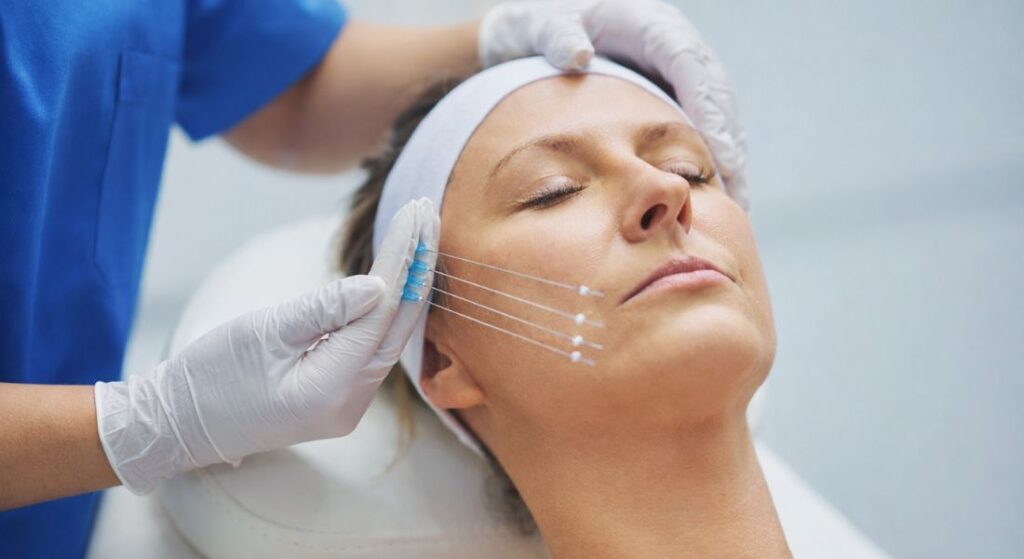
Thread lifts are designed to improve facial sagging by physically repositioning tissues beneath the skin. Unlike surface-based treatments, this procedure works at a deeper structural level using absorbable threads placed under the skin. The goal is to create a subtle lifting effect while also encouraging collagen production during healing. Because the treatment targets deeper layers, it may be more suitable for certain types of facial ageing.
1. Threads Physically Reposition Facial Tissue: During a thread lift, absorbable threads are inserted beneath your skin using fine needles or cannulas. Some threads contain small cones or barbs that help anchor and gently lift sagging tissue into a higher position. This means part of the lifting effect is often visible immediately after treatment.
2. Collagen Stimulation Develops Over Time: As your body heals around the threads, collagen production gradually increases in the surrounding tissue. This can help improve skin support and firmness over the following months. The collagen response contributes to longer-term structural improvement.
3. Targets Deeper Facial Layers: Thread lifts work beneath the skin surface rather than focusing mainly on superficial skin tightening. Because of this, they may be more effective for mild to moderate tissue descent in areas such as the cheeks or jawline. Deeper structural ageing often responds differently from surface skin laxity.
4. Different from Surface-Based Treatments: Procedures such as plasma treatment mainly target the outer skin layers and are often better suited to fine lines or crepey skin. Thread lifts address deeper tissue positioning instead. Choosing the right procedure depends on the type of ageing changes present.
Thread lifts therefore work by combining immediate tissue repositioning with gradual collagen stimulation over time. Because they target deeper facial structures, they may offer advantages for certain forms of sagging that surface treatments cannot fully address. Careful assessment is important to determine whether structural support or skin tightening is the main priority. Matching the treatment to your specific concerns helps improve both results and satisfaction.
Which Treatment Produces More Lift?
In general, thread lifts tend to produce a stronger lifting effect than plasma face lifts. This is because the threads physically elevate and support deeper facial tissues rather than simply tightening the skin surface. If you have visible sagging around the cheeks, jawline or lower face, you may notice more contour improvement with a thread lift procedure.
Plasma treatment can still improve loose skin, but the tightening effect is usually more subtle and gradual. The procedure mainly works at the skin level and does not significantly reposition heavier facial tissues. Because of this, plasma treatments are often more suitable if you have mild skin laxity, fine lines or early signs of ageing rather than advanced tissue descent.
The best option for you often depends on your main concerns and treatment goals. If descended cheeks or jowls are your priority, a thread lift may provide greater visible lifting. If you are more focused on improving skin texture, fine wrinkles and mild tightening, plasma treatment may be the more appropriate choice. Careful assessment is important because treatment suitability can vary significantly between individuals.
Skin Tightening Differences
Plasma face lift treatments are mainly focused on improving skin tightening at the surface level. The thermal effect created by the plasma energy encourages skin contraction and collagen remodelling within the superficial skin layers. If you have crepey skin, fine wrinkles or mild looseness, this type of treatment may help improve overall skin texture and firmness gradually over time.
Thread lifts can also create some tightening effect, but this usually happens indirectly through the lifting of deeper underlying tissues. The main goal of a thread lift is structural support and tissue elevation rather than surface skin resurfacing. Because of this, plasma treatment may sometimes produce more noticeable improvement in skin texture and superficial skin quality.
Understanding this difference is important when deciding which treatment may suit your concerns more effectively. Skin quality and structural sagging are actually separate aspects of facial ageing, and they do not always respond best to the same procedure. Different treatments target different tissue layers, which is why personalised assessment plays such an important role in treatment planning.
Areas Commonly Treated with Plasma
Plasma treatments are most commonly used around the upper and lower eyelids because the skin in these areas is naturally thin and delicate. You may also see the procedure used for fine lines around the mouth, mild neck laxity and other small areas of loose skin. One of the advantages of plasma technology is that it allows very precise treatment in targeted regions of the face.
If you have mild eyelid laxity or early hooding around the eyes, you might consider plasma treatment as a non-surgical alternative to more invasive procedures. The treatment can sometimes tighten smaller areas effectively without the need for large incisions or lengthy recovery. In many cases, the aim is subtle refinement and gradual improvement rather than dramatic facial change.
Plasma devices are particularly useful when controlled skin contraction is needed in delicate areas. Because these regions are more sensitive, careful technique and appropriate energy settings are extremely important. Practitioner experience plays a major role in helping you achieve balanced results while reducing the risk of complications or unwanted skin changes.
Areas Commonly Treated with Thread Lifts
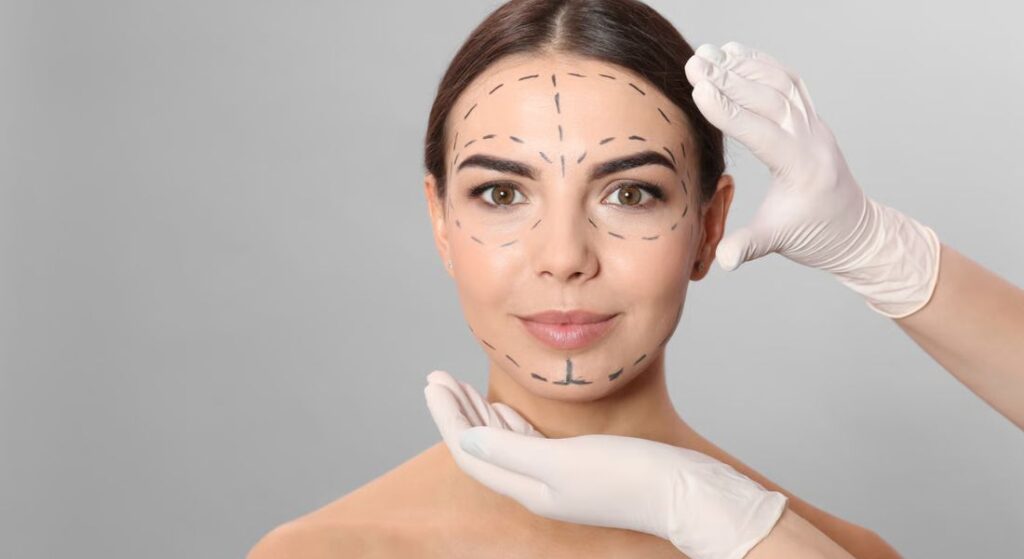
Thread lifts are commonly used around the jawline, cheeks, neck and lower face because these areas often develop tissue descent as you age. The procedure is designed to reposition and support deeper facial structures, which can help improve facial contour and create a subtle lifting effect. In many cases, threads are chosen when skin sagging is more related to tissue movement rather than surface skin texture alone.
You may consider a thread lift if you have early jowls, mild cheek sagging or softening along the jawline and want improvement without undergoing surgery. Many patients prefer this approach because it can provide gentle structural support while still maintaining a natural appearance. The aim is usually subtle lifting and contour enhancement rather than dramatic facial change.
Thread lifts generally work best in areas where there is enough tissue to reposition safely and effectively. This is why proper facial assessment is very important before treatment is recommended. Your facial anatomy, skin quality and degree of sagging can all influence whether thread lifting is likely to be suitable for you and capable of producing balanced results.
Recovery After Plasma Face Lift
Recovery after a plasma face lift is mainly focused on surface healing of the treated skin. Because the treatment creates controlled micro-injuries, it is normal for the skin to go through a visible healing phase. During this time, you may notice small carbon crusts, redness, swelling, and temporary sensitivity. These effects are expected and usually settle gradually as the skin repairs itself.
1. Visible Healing Changes Are Common: After treatment, you may see small crusting spots (often called carbon crusts), along with redness and mild swelling. The skin can also feel tight, warm, or more sensitive than usual. These changes are part of the normal healing response and typically improve over time.
2. Downtime Can Vary Between Individuals: Recovery time usually lasts several days, but it can sometimes extend longer depending on how intense the treatment was and which areas were treated. Delicate areas such as the eyelids may take slightly longer to settle. Everyone heals at a different pace.
3. Importance of Proper Aftercare: You should avoid picking, scratching, or disturbing the healing skin, as this can increase the risk of irritation or pigmentation changes. Following aftercare instructions carefully helps support smoother healing. Keeping the area clean and protected is an important part of recovery.
4. Expectations During the Healing Phase: The visible recovery phase can sometimes look more noticeable than you might initially expect. This is why preparation is important before treatment. Understanding what the skin will look like during healing helps you manage expectations more confidently.
Recovery after plasma face lift is a gradual process that requires patience as the skin repairs and regenerates. While the early healing phase may look noticeable, it is temporary and part of the treatment effect. Good aftercare and realistic expectations play a key role in achieving the best possible outcome. Over time, the skin typically becomes smoother and more refined as healing completes.
Recovery After Thread Lift
If you have a thread lift, your recovery experience is often quite different from plasma treatment. Instead of surface-level healing, you may notice swelling, bruising, tightness or tenderness deeper beneath the skin. Some people also experience temporary puckering or slight irregularities as the tissues adjust to their new position.
Most of the visible swelling usually settles fairly quickly, but the deeper tissues continue to adapt and settle over time. During the early recovery phase, you are typically advised to avoid excessive facial movements, as this helps the threads stay in place and supports more stable healing. The process is gradual, and your final result develops as everything integrates naturally.
Your recovery pattern can vary depending on the treatment area and the number of threads used. If more threads are placed or larger areas are treated, you may notice a slightly longer settling period. Following proper aftercare guidance is important because it can help improve comfort, reduce complications and support a smoother overall result. Temporary tightness is very common and usually improves as healing progresses.
Which Treatment Has More Downtime?
Plasma face lifts often involve more visible downtime because the healing happens at the skin surface. You may notice small crusts, redness and sensitivity for several days, and this can sometimes be socially noticeable. Because of this, you might need to plan around work or social activities while the skin is visibly healing.
Thread lifts, on the other hand, tend to involve less obvious surface healing, although you can still experience bruising, swelling and internal tightness. In many cases, you may be able to return to normal daily activities relatively quickly, depending on how extensive the treatment is and how your body responds. However, deeper tissues continue to settle even after the initial recovery period.
Ultimately, the “better” downtime depends on what feels easier for you to manage. Plasma treatment involves more visible surface healing, while thread lifts involve deeper recovery with less obvious skin changes. Understanding this difference can help you choose a treatment that fits more comfortably with your lifestyle, commitments and expectations..
Longevity of Plasma Face Lift Results
Results from a plasma face lift are not permanent, but the improvements can last for a significant period depending on your skin quality and how your skin continues to age. You may notice that results keep developing even after the initial healing phase, as collagen remodelling continues to improve firmness and texture over time.
Your lifestyle plays a big role in how long the results last. Factors such as smoking, sun exposure, hydration and your daily skincare routine can all influence longevity. Even after treatment, your skin will continue to age naturally, which means changes will gradually occur over time as part of the normal ageing process.
You may eventually consider maintenance treatments if you want to sustain or enhance your results. Understanding this gradual and ongoing nature of improvement helps you set realistic expectations. Long-term skin health and consistent care are important if you want to maintain the best possible outcome for as long as possible.
Longevity of Thread Lift Results
Thread lift results are temporary because the threads used during the procedure gradually dissolve over time. However, you may still notice some ongoing improvement afterwards, as collagen stimulation can help maintain a degree of structural support even once the threads have fully broken down. The overall duration of results can vary quite a bit from person to person.
How long the lifting effect lasts for you can depend on several factors, including your skin quality, facial anatomy and lifestyle habits. Things like ageing progression, sun exposure and general skin health can all influence how noticeable and long-lasting the results appear over time. Because of this, outcomes are never exactly the same for everyone.
You should also keep in mind that thread lifts are designed to provide temporary support rather than permanent facial repositioning. As the natural ageing process continues, changes will gradually return over time. This is why maintenance treatments may sometimes be recommended if you want to extend or refresh the lifting effect in the long term.
Which Treatment Looks More Natural?
Both plasma face lift and thread lift treatments can look very natural when they are carried out on suitable candidates and planned correctly for your individual facial structure. If you choose plasma treatment, you may notice subtle tightening and gradual improvement rather than a dramatic change, which often helps the results blend in naturally with your existing features.
Thread lifts can also produce natural-looking rejuvenation when the lifting is done in a conservative and well-balanced way. The aim is to gently reposition tissues rather than create an overly tight or pulled appearance. However, if too much tension is used or the lift is overdone, the results may look less natural, which is why careful technique and judgement are so important.
In reality, how natural your results look depends more on treatment planning and practitioner skill than on the procedure itself. When the approach is conservative and tailored to your face, both options can deliver balanced, refreshed and subtle improvements. Choosing the right treatment for your facial anatomy and expectations plays a key role in achieving a natural outcome.
Who Is Better Suited to Plasma Treatment?
You may be a good candidate for plasma treatment if you have mild skin laxity, fine lines or early signs of ageing. The procedure tends to work best when your concerns are mainly related to the surface of the skin rather than deeper structural sagging. Areas with thinner skin, such as the eyelids, often respond particularly well to this type of treatment.
If you are looking for subtle skin tightening without major lifting or structural change, plasma treatment may suit your goals. You should keep in mind that the results are generally gradual and natural-looking, so it is important to have realistic expectations about the level of improvement you can achieve. More advanced sagging or heavy tissue descent may not respond as effectively.
Your overall skin quality and healing ability are also important factors when deciding if this treatment is right for you. A proper clinical assessment helps ensure that the procedure is both safe and appropriate for your individual needs. Because suitability can vary from person to person, personalised evaluation is always essential before moving forward.
Who Is Better Suited to Thread Lifts?
Thread lifts are generally best suited to you if you have mild to moderate facial sagging rather than advanced skin laxity. They work by providing a mechanical lifting effect, which makes them more effective for repositioning tissues in areas such as the cheeks, jawline, and mid-face. Because the procedure works beneath the skin, it can offer more noticeable structural support compared with surface-based treatments.
1. Mild to Moderate Tissue Descent: If you’re noticing early sagging in the cheeks or a softening of the jawline, thread lifts may be an appropriate option. They are designed to gently reposition tissue rather than dramatically lift heavy or very lax skin. Results tend to be more subtle in early ageing changes.
2. Non-Surgical Contour Improvement: If you want visible facial contour improvement without undergoing surgery, thread lifts may be worth considering. They can provide a lifted appearance while still avoiding the downtime associated with surgical procedures. However, results are not as long-lasting or dramatic as a surgical lift.
3. Limitations in More Advanced Ageing: If you have heavier or more significant skin laxity, thread lifts alone may not provide sufficient lifting. In these cases, surgical procedures are often more effective for achieving stronger and longer-lasting results. Realistic expectations are important when choosing treatment.
4. Importance of Facial Structure Assessment: Your facial anatomy plays a major role in determining whether thread lifts are suitable for you. Factors such as skin thickness, fat distribution, and degree of sagging all influence outcomes. A proper clinical assessment helps ensure the treatment is matched to your individual needs.
Thread lifts therefore tend to work best for carefully selected patients with early to moderate signs of facial ageing. When chosen appropriately, they can enhance contour and provide a natural-looking lift without surgery. However, suitability depends heavily on your individual anatomy and expectations. A personalised assessment is essential for achieving safe and balanced results.
Can the Treatments Be Combined?

In some cases, you may find that plasma treatment and thread lifts can be combined in a carefully planned way. The idea is that thread lifts can help reposition deeper facial tissues, while plasma treatment focuses more on improving skin texture and surface tightness. When used together thoughtfully, this can sometimes create a more comprehensive rejuvenation effect.
By treating different layers of the face, you may achieve a more balanced overall result. However, this approach requires careful planning because timing, healing and treatment order all need to be considered. If not managed properly, combining procedures too closely together can affect recovery or limit the quality of results, which is why personalisation is so important.
It is also important for you to understand that combination treatments are not necessary for everyone. The most suitable approach always depends on your individual concerns, facial anatomy and desired outcome. A professional assessment helps guide these decisions so that any treatment plan is tailored specifically to you and designed to achieve safe, natural-looking results.
Risks and Side Effects
Both plasma face lift and thread lift treatments carry potential risks and side effects, so it’s important for you to understand them before making a decision. With plasma treatment, you may experience prolonged redness, pigmentation changes, delayed healing or, in rare cases, scarring. These risks are usually reduced when the procedure is performed with correct technique and appropriate settings for your skin type.
Thread lifts can also involve side effects such as bruising, swelling, asymmetry, thread visibility or puckering under the skin. In some cases, there may be a risk of infection if complications occur, although this is uncommon when proper sterile technique is followed. Most side effects are temporary, but your choice of practitioner plays a key role in minimising risks and ensuring a safer outcome.
Understanding these possible risks helps you make a more informed and realistic decision about treatment. No cosmetic procedure is completely risk-free, even when it is minimally invasive. This is why a thorough consultation is essential, as it allows your practitioner to assess suitability, explain potential complications and guide you towards the safest option for your individual needs.
Importance of Realistic Expectations
Neither plasma face lifts nor thread lifts can deliver the same level of correction as a surgical facelift. These treatments are mainly designed for mild to moderate signs of ageing, so you are usually looking at subtle, natural-looking improvement rather than dramatic change. Understanding this from the beginning helps you approach treatment with a clearer mindset.
If you are expecting a major transformation, you may end up feeling disappointed, even if the procedure has worked well within its limits. This is why honest consultation is so important, as it allows you to understand what can realistically be achieved for your specific concerns. When you are clear about the limitations, you are more likely to feel satisfied with the outcome.
In most cases, gentle and natural-looking enhancement tends to give the most pleasing long-term results. Conservative improvement often ages more gracefully and blends better with your natural features over time. For you, finding the right balance between expectation and outcome is key to achieving results that feel both realistic and rewarding.
Who May Not Be Suitable?
Thread lifting is not suitable for everyone, and choosing the right patient is essential for achieving safe and satisfying results. If your skin laxity is advanced or your facial tissues are significantly heavy, a thread lift alone may not provide enough lifting or long-term improvement. In these cases, surgical options may be more appropriate for achieving stronger structural correction. Careful assessment is therefore a key part of treatment planning.
1. Severe Skin Laxity or Heavy Tissue Descent: If you have significant sagging in the lower face, jawline, or neck, thread lifts may not provide sufficient support. In these situations, the lifting effect can be limited because the threads are designed for mild to moderate repositioning only. Surgical lifting may offer more effective and longer-lasting correction.
2. Expectation of Dramatic Results: If you are expecting a highly dramatic or surgical-level transformation, a thread lift may not meet your expectations. The procedure is intended to provide subtle, natural-looking enhancement rather than major tightening. Understanding this limitation is important before treatment.
3. Structural Ageing Beyond Skin Laxity: In cases where ageing changes involve deeper structural descent rather than mild skin looseness, threads may not address the full concern. Your facial anatomy, including bone structure and fat distribution, plays a major role in suitability. A full assessment helps determine whether lifting alone is appropriate.
4. Importance of Honest Patient Selection: Knowing when treatments such as Silhouette Soft thread lift are not suitable helps avoid disappointment and improves overall satisfaction. A careful and honest consultation ensures that your expectations match what the procedure can realistically achieve. Suitability varies significantly between individuals.
Proper patient selection is essential for good outcomes in thread lifting procedures. While the treatment can be effective for the right candidate, it is not a universal solution for all types of facial ageing. Clear communication about limitations helps you make informed decisions. Ultimately, personalised assessment leads to safer treatment choices and more predictable results.
Making the Right Decision
Choosing whether to undergo a treatment such as Silhouette Soft requires you to carefully consider your personal goals and expectations. This type of procedure is generally most suitable if you are looking for subtle improvement and a natural-looking refresh rather than a dramatic transformation. Your individual suitability will always depend on your facial structure, skin condition and ageing concerns.
A professional consultation is an important step because it helps you understand whether the treatment genuinely aligns with what you want to achieve. During this discussion, you can explore both the benefits and the limitations so you have a realistic understanding of the possible outcome. When you are properly informed, you are usually in a stronger position to make a confident and balanced decision.
Taking the time to understand the procedure before moving ahead can make a significant difference to your overall satisfaction. When you know what to expect, you are less likely to feel uncertain or disappointed afterwards. Being well-prepared helps you feel more comfortable with your choice and supports a more positive treatment experience overall.
FAQs:
1. What is the main difference between a plasma face lift and a thread lift?
If you’re comparing the two, the main difference is how they work. A plasma face lift focuses on tightening the skin surface using controlled energy to stimulate collagen. A thread lift, on the other hand, physically lifts deeper facial tissues using dissolvable threads. Because of this, thread lifts usually give more visible lifting, while plasma treatments give more subtle skin tightening.
2. Which treatment gives a stronger lifting effect?
If your main concern is noticeable sagging, you’ll usually see a stronger lift with thread lifts. This is because they reposition tissue beneath the skin rather than just tightening the surface. Plasma face lifts can still improve mild looseness, but the effect is generally softer and more gradual. The best option depends on how much lift you actually need.
3. Which treatment is better for skin tightening?
If you’re focused on improving skin texture, fine lines and mild looseness, plasma face lift treatment is often more suitable. It works mainly on the surface layers of your skin and helps improve firmness over time. Thread lifts do provide some tightening, but their main role is structural lifting rather than skin resurfacing. So the choice depends on whether you want texture improvement or lifting.
4. What is the recovery like after a plasma face lift?
After a plasma face lift, you’ll usually notice redness, small crusts, swelling and sensitivity on the treated areas. These are normal healing signs and typically improve over several days. You may also experience temporary tightness as your skin repairs itself. Proper aftercare is important to support healing and reduce the risk of pigmentation changes.
5. What is the recovery like after a thread lift?
If you have a thread lift, you may experience swelling, bruising and a feeling of tightness under the skin. Some areas might feel slightly tender while everything settles. The initial recovery is usually fairly quick, but internal healing continues for several weeks. Your final result develops gradually as the threads integrate with your tissue.
6. Which treatment has more downtime?
If you’re thinking about social downtime, plasma face lifts usually involve more visible healing on the skin surface. You may need a few days where redness and crusting are noticeable. Thread lifts often have less visible surface healing, although you can still have bruising and internal tightness. So the experience depends on what type of downtime feels easier for you to manage.
7. Which treatment lasts longer?
Thread lift results are generally temporary because the threads dissolve over time, although collagen support may continue for a while. Plasma face lift results can also last for months to years depending on your skin and lifestyle. In both cases, your natural ageing process continues, so maintenance may be needed. Longevity varies from person to person.
8. Which treatment looks more natural?
Both treatments can look very natural when done properly and tailored to your face. Plasma treatments usually give subtle, gradual improvement in skin quality. Thread lifts can also look natural if the lift is not overdone and is carefully planned. The outcome depends more on technique and suitability than the treatment itself.
9. Who is better suited to a plasma face lift?
If you have mild skin laxity, fine lines or early signs of ageing, plasma treatment may suit you well. It works best when your concerns are mainly on the skin surface rather than deeper sagging. Areas like the eyelids often respond particularly well. A consultation helps confirm if your skin is suitable for safe and effective treatment.
10. Who is better suited to a thread lift?
If you have mild to moderate sagging around the cheeks, jawline or lower face, a thread lift may be more appropriate. It works best when you want visible lifting without surgery. However, if your skin laxity is very advanced, results may be limited. Careful assessment is important to see whether you’re a good candidate.
Final Thoughts: Choosing Between Plasma Face Lift and Thread Lift
Both plasma face lift and thread lift treatments can offer meaningful improvements in facial ageing, but they work in very different ways. If you are mainly concerned about mild skin laxity, fine lines, crepey texture or early signs of ageing, a plasma face lift may be more suitable because it focuses on surface tightening and skin quality improvement.
If your main concern is visible sagging or loss of facial contour particularly around the jawline, cheeks or lower face a thread lift may provide a stronger lifting effect as it works on deeper tissue support and repositioning.
In many cases, the “better” option depends less on the treatment itself and more on your skin condition, anatomy and expectations. A careful consultation is essential to determine which approach is most likely to give you safe, natural-looking and satisfying results. If you’re considering an plasma face lift in London, you can contact us at the London Medical & Aesthetic Clinic.
References:
1. Khan, M.H. et al. (2025) Current trends in facial rejuvenation and minimally invasive aesthetic procedures. Journal of Plastic, Reconstructive & Aesthetic Surgery. Available at: https://www.sciencedirect.com/science/article/abs/pii/S2445147925000517
2. Chopra, K., Tadisina, K.K. and Singh, D.P. (2019) Complications of facial cosmetic surgery: a review. Eplasty, 19, e15. Available at: https://pmc.ncbi.nlm.nih.gov/articles/PMC6409139/
3. Wollina, U. (2020) Facial rejuvenation with plasma devices and energy-based treatments: current concepts and outcomes. Clinical, Cosmetic and Investigational Dermatology, 13, pp. 601–609. Available at: https://pmc.ncbi.nlm.nih.gov/articles/PMC7374633/
4. Dayan, E. et al. (2025) Modern approaches to facial rejuvenation: combining surgical and non-surgical techniques for natural outcomes. Aesthetic Surgery Journal Open Forum. Available at: https://academic.oup.com/asjopenforum/article/doi/10.1093/asjof/ojaf150/8322866
5. Kim, Y.J. et al. (2025) Advances in non-surgical facial rejuvenation and plasma-based skin tightening technologies. Aesthetic Surgery Journal Open Forum. Available at: https://pmc.ncbi.nlm.nih.gov/articles/PMC12705053/