

Plasma face lift treatment has become increasingly popular among people who want skin tightening and rejuvenation without undergoing surgery. If you’re concerned about loose skin, fine lines, crepey texture or mild sagging, you may find this type of treatment appealing because it offers a non-surgical approach with less downtime than traditional surgical procedures.
Whether you’re a good candidate often depends on several individual factors, including your skin quality, age, healing ability, skin tone and overall lifestyle. The specific concern you want to treat also matters, as some skin changes respond better to plasma technology than others. Having realistic expectations is equally important, because the treatment usually provides improvement rather than dramatic surgical-level results.
In this article, you’ll learn who is generally considered suitable for plasma face lift treatment, which skin concerns may respond best, and when an alternative procedure may sometimes be a safer or more effective option for you.
What Is Plasma Face Lift Treatment?
Plasma face lift treatment is a non-surgical skin rejuvenation procedure that uses plasma energy to create controlled micro-injuries on the surface of your skin. This process encourages skin contraction and stimulates collagen remodelling, helping to improve areas affected by laxity, fine lines and visible signs of ageing.
The treatment is commonly performed around areas such as the eyelids, forehead, mouth and jawline, where the skin may start to look loose, thin or crepey over time. Many people choose this option because they want noticeable improvement without undergoing surgery or having surgical incisions and stitches.
Even though it’s often described as a “non-surgical face lift”, it’s important to understand that the results are usually more subtle than a traditional surgical lifting procedure. Knowing this difference can help you decide whether plasma treatment matches your expectations and overall treatment goals.
Why Patient Selection Matters
Not every patient will respond to plasma treatment in the same way, and when you assess someone for the procedure, factors such as skin thickness, elasticity, age-related changes, pigmentation risk and healing response all need to be considered carefully. This is why a proper consultation is such an important part of treatment planning.
You’ll often find that a treatment producing good results for one person may not be suitable for someone else with different skin characteristics, medical history or expectations. Careful assessment helps you decide whether plasma treatment is likely to provide meaningful improvement and whether the potential benefits outweigh the possible risks.
Good patient selection also plays a major role in reducing complications. By evaluating patients properly beforehand, you can lower the chances of issues such as pigmentation changes, prolonged redness, delayed healing or dissatisfaction with the final results, helping create a safer and more realistic treatment experience.
Patients with Mild to Moderate Skin Laxity
If you have mild to moderate skin laxity, you may be among the patients most likely to benefit from plasma face lift treatment. This can include early looseness around the eyelids, fine crepey skin, or mild sagging around areas such as the lower face and neck. These changes are often easier to improve when the skin still retains a reasonable amount of elasticity.
Plasma energy works by creating controlled surface injury that encourages skin contraction and stimulates collagen remodelling within the treated area. When skin laxity is still relatively moderate, you may respond more effectively because the skin’s natural repair processes are usually better able to support tightening and rejuvenation.
If you have more advanced skin sagging, however, plasma treatment alone may not provide enough lifting to fully meet your expectations. In these situations, you may need stronger lifting procedures or a combination approach to achieve more noticeable improvement.
People Seeking Non-Surgical Treatment Options
Many suitable candidates for plasma face lift treatment are people who want facial rejuvenation but prefer to avoid surgery. You may not feel ready for a surgical procedure, or you might simply want a less invasive option with a shorter recovery period and fewer surgical risks.
Plasma face lift treatment can appeal to you if you are looking for gradual skin tightening without surgical scars or general anaesthesia. The procedure is usually carried out in a clinic setting rather than an operating theatre, which can make the experience feel more manageable and convenient for some patients.
However, it’s still important to understand that non-surgical treatment does not mean there is no recovery involved. You should expect some downtime, healing time and temporary skin reactions after the procedure. Having realistic expectations about recovery is an important part of achieving a safe and satisfactory outcome.
Patients with Fine Lines and Crepey Skin
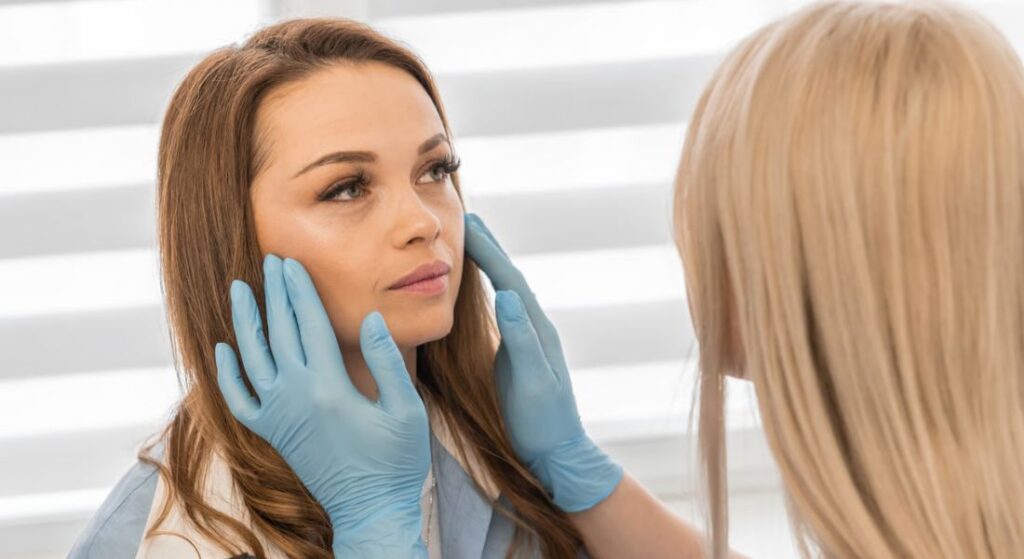
Patients with fine lines and thin, crepey skin are often among the people most suited to plasma skin treatments. These procedures are generally more effective for mild skin laxity and texture concerns rather than very heavy folds or significant tissue sagging. The delicate skin around your eyes is a particularly common treatment area because thinner skin may respond more noticeably to collagen stimulation and tightening effects.
1. Fine Lines Often Respond Better Than Heavy Sagging: Plasma treatment is usually more suitable for mild wrinkles and superficial skin looseness rather than severe excess skin. If you have deep folds or significant drooping, results may be more limited. Treatment selection depends heavily on the degree of laxity present.
2. Commonly Used Around the Eyes: The upper and lower eyelid areas are frequent treatment targets because the skin there is naturally thinner and more delicate. You may seek treatment for upper eyelid looseness, fine smoker’s lines, or crepey lower eyelid skin. Subtle tightening in these areas can sometimes create a fresher appearance.
3. Collagen Stimulation Supports Skin Texture: Plasma energy works by creating controlled surface injury that encourages collagen remodelling during healing. This may help improve skin texture and fine wrinkling over time. Results usually develop gradually rather than appearing instantly.
4. Improvements May Be Subtle Rather Than Dramatic: Even when significant lifting is not achieved, smoother skin texture and mild tightening can still make you look more refreshed. Expectations should remain realistic, especially for patients with more advanced ageing changes. The goal is often refinement rather than major transformation.
Patients with fine lines and crepey skin may therefore benefit more from plasma treatments than those with heavier tissue sagging. Careful assessment is important to determine whether the treatment matches your skin quality and expectations. While results are often subtle, texture improvements and mild tightening can still enhance overall appearance. Choosing appropriate candidates helps improve both safety and satisfaction.
Age and Plasma Face Lift Suitability
There isn’t a strict age requirement for plasma face lift treatment because suitability depends more on your skin quality than your actual age. You may notice that some younger people develop early skin laxity, while others maintain firmer skin for much longer. This is why dermatologists usually assess the condition of your skin rather than focusing only on how old you are.
In general, you’re more likely to see predictable results if your skin still has a reasonable amount of collagen support and only moderate signs of ageing. If you have very advanced skin laxity or significant tissue changes, the tightening effect of plasma treatment may be more limited and less noticeable.
During a consultation, the focus is usually placed on your tissue quality, treatment goals and overall expectations rather than age alone. This helps you understand whether plasma treatment is likely to give realistic and worthwhile results for your individual skin concerns.
Patients with Realistic Expectations
One of the most important things to consider before having a plasma face lift is whether you have realistic expectations about the results. While the treatment may help improve skin tightening and texture, it does not usually create the same dramatic lifting effect that surgery can provide. Understanding this difference can help you make a more informed decision about treatment.
You are often more likely to feel satisfied with the outcome if you expect subtle to moderate improvement rather than a complete facial transformation. Plasma treatment is generally designed to refresh and tighten the skin in a more gradual and natural-looking way. Results can also vary depending on factors such as your skin quality, age and overall facial anatomy.
A good consultation is important because it helps you understand what may realistically be achievable for your individual skin concerns. During the assessment, you can discuss your goals, expected results and any limitations of the procedure. This gives you a clearer idea of whether a plasma face lift is likely to meet your expectations.
Eyelid Concerns and Plasma Treatment
The eyelid area is one of the most commonly treated regions when you undergo a plasma face lift procedure. Because the skin around your eyes is naturally thin and delicate, mild upper eyelid laxity and fine lower eyelid wrinkling may respond quite well to treatment. Many people choose this area first because even small improvements around the eyes can make the face appear more refreshed.
You may consider plasma treatment if your eyes look slightly tired, hooded or creased with age. In some cases, the procedure can provide mild skin tightening without the need for surgery. This can be appealing if you want a less invasive option with a shorter recovery period compared with traditional surgical procedures.
However, it is important for you to understand that plasma treatment does have limitations. If you have significant excess skin or heavy eyelid drooping, non-surgical treatment alone may not provide enough improvement. In these situations, surgical blepharoplasty may still be the more suitable option for achieving noticeable and longer-lasting results.
Patients with Good Healing Ability
Your healing response plays a very important role after plasma treatment because the procedure creates a controlled surface injury that needs time to recover properly. In general, you may be considered a better candidate if your skin tends to heal predictably and you do not have medical conditions that significantly affect skin repair. Good healing can help reduce the risk of complications and support a smoother recovery process.
You may require more careful assessment before treatment if you have poor wound healing, uncontrolled diabetes, active skin infection, or certain immune-related conditions. These factors can sometimes slow recovery or increase the chance of side effects. This is why a proper medical evaluation is important before deciding whether plasma treatment is suitable for you.
The quality of your healing can influence both the safety of the procedure and the final cosmetic result. When your skin heals well, you are more likely to achieve smoother and more even-looking outcomes. A careful consultation can help you understand any possible risks and what you may realistically expect during recovery.
Skin Tone Considerations
Your skin tone plays an important role in deciding whether plasma treatment is suitable for you. With darker skin types, there may be a higher risk of post-inflammatory pigmentation changes after energy-based procedures. Because of this, careful assessment is very important before treatment is planned.
This does not automatically mean you cannot have plasma treatment if you have darker skin. However, your practitioner may need to adjust the treatment settings, skin preparation, and aftercare to help reduce potential risks. In some situations, alternative treatments may also be discussed if they are considered safer or more appropriate for your skin type.
Managing pigmentation risk properly is an important part of safe and effective treatment planning. A thorough consultation can help you understand the possible benefits, limitations and risks based on your individual skin characteristics. This allows you to make a more informed decision and helps support safer healing after the procedure.
Patients Willing to Accept Downtime
Plasma face lift treatment is not usually a “no-downtime” procedure, particularly when delicate areas such as the eyelids are treated. During healing, it is completely normal for your skin to go through a visible recovery phase that may include redness, swelling, crusting, and temporary sensitivity. Because of this, good candidates are typically people who understand the healing process in advance and are prepared for some short-term social downtime.
1. Visible Healing Is a Normal Part of Recovery: After treatment, you may develop small carbon crusts, redness, swelling, or skin sensitivity in the treated area. These effects are expected and usually form part of the normal healing response. The skin often needs time to settle before final results become clearer.
2. Recovery Time Can Vary Between Patients: Healing may take several days or sometimes longer depending on the intensity of treatment and the area being treated. Delicate regions such as the eyelids may remain visibly pink or sensitive for a period afterwards. Individual healing rates vary considerably.
3. Social Downtime May Need Planning: Because healing signs are often visible, you may need to plan time away from social events, work meetings, or public-facing activities. Some patients feel comfortable returning to normal activities quickly, while others prefer additional recovery time. Preparation helps reduce unnecessary stress during healing.
4. Realistic Expectations Improve Satisfaction: Patients expecting instantly flawless skin immediately after treatment may feel disappointed if they are not prepared for the recovery process. Plasma treatment results develop gradually as healing and collagen remodelling occur over time. Understanding this process usually leads to a more positive treatment experience.
Patients who are comfortable accepting temporary downtime are often better suited to plasma face lift treatment. Knowing what to expect during recovery helps reduce anxiety and supports more realistic expectations. While the healing phase can be frustrating temporarily, it is a normal part of treatment progression. Careful preparation and patience are important for a smoother overall experience.
Smokers and Treatment Outcomes
Smoking can affect several important processes involved in skin healing, including circulation, collagen production and overall recovery response. If you smoke heavily, you may experience slower healing after plasma treatment or achieve less noticeable collagen remodelling results. This is because reduced blood flow can limit how effectively your skin repairs itself after the procedure.
Some practitioners may encourage you to reduce or stop smoking before undergoing aesthetic treatments. Healthier circulation generally supports better skin recovery and may help improve the overall cosmetic outcome. Even temporary smoking reduction around the treatment period may be discussed as part of your preparation and aftercare plan.
Lifestyle habits often influence your skin quality more than you might realise. Factors such as smoking, sun exposure, stress, hydration and nutrition can all affect how your skin responds to treatment over time. Looking after your overall skin health may help support safer healing and more consistent results following plasma procedures.
Patients Seeking Gradual Improvement
Plasma face lift treatment usually produces gradual improvement rather than an immediate dramatic change. After the procedure, your skin continues to heal and remodel collagen over time, which means results often develop slowly across the following weeks and months. Because of this, suitable candidates generally understand that improvement may appear progressively rather than instantly.
You may be particularly well suited to this type of treatment if you prefer subtle and natural-looking enhancement instead of a sudden facial transformation. Many people appreciate that the results can look softer and less obvious compared with more invasive cosmetic procedures. This approach can help you maintain a refreshed appearance without making major changes to your overall facial features.
Gradual improvement may also feel more comfortable if you prefer discreet aesthetic changes. Friends, family or colleagues may simply notice that your skin looks healthier or more rested rather than obviously treated. For many patients, this natural progression is one of the reasons plasma face lift procedures can feel more approachable and easier to integrate into everyday life.
When Surgery May Be More Appropriate
Not everyone is an ideal candidate for plasma face lift treatment. If you have significant facial laxity, heavy jowls, marked neck sagging or a large amount of excess eyelid skin, surgical lifting procedures may provide more noticeable and effective results. In these situations, non-surgical treatment alone may not be able to create the level of improvement you are hoping for.
It is important for you to have realistic expectations about what plasma treatment can and cannot achieve. While the procedure may help with mild to moderate skin tightening, it does have limitations when more advanced ageing changes are present. Honest consultation is extremely important because it helps you understand which treatment options are most suitable for your individual concerns.
Sometimes the safest and most effective recommendation may be an alternative procedure rather than trying to push a non-surgical treatment beyond its realistic limits. A responsible practitioner should guide you towards the option that is most likely to provide safe, balanced and natural-looking results. This approach can help you avoid disappointment and make more informed decisions about your treatment plan.
Plasma Face Lift for Younger Patients
Some younger patients choose plasma face lift treatment as a preventative approach to skin ageing rather than for major lifting or correction. If you have mild eyelid laxity, early fine lines or subtle textural skin changes, treatment may sometimes be considered before more advanced ageing develops. In many cases, the aim is to maintain a fresher appearance rather than dramatically change your features.
For younger patients, the goal is usually subtle refinement instead of obvious tightening. Conservative treatment planning often works best because small adjustments can already make a noticeable difference in younger skin. A gradual and balanced approach may also help preserve natural facial expression and avoid an over-treated appearance.
Preventative aesthetic treatment should always be highly individual and based on genuine concerns rather than pressure to pursue unnecessary procedures. A good consultation can help you decide whether treatment is truly appropriate for your skin and expectations. This allows you to make informed decisions while keeping long-term skin health and natural-looking results in mind.
Combination Treatments
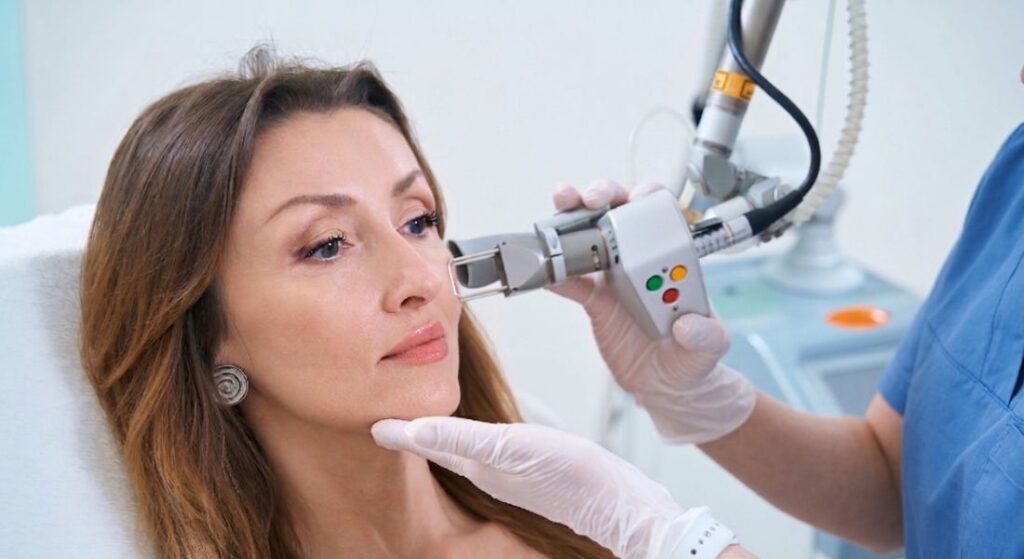
In some cases, you may achieve better overall results when plasma treatment is combined with other non-surgical procedures such as skin boosters, microneedling, injectables or laser treatments. Combination therapy can help address several different aspects of skin ageing at the same time rather than focusing on only one concern. This approach is often used to create more balanced and natural-looking improvement.
For example, plasma treatment may help tighten mild skin laxity, while injectable treatments can soften dynamic wrinkles or restore lost facial volume. Microneedling or laser procedures may also improve skin texture and overall skin quality. When treatments are combined carefully, your overall treatment plan becomes more personalised and comprehensive.
You are often more likely to benefit from combination treatment if you understand that no single procedure can solve every concern completely. Good candidates are usually open to tailored treatment strategies based on their individual skin condition, goals and expectations. A detailed consultation can help you decide which combination of treatments may be most suitable for achieving gradual and realistic results.
Psychological Readiness and Motivation
Aesthetic treatments often work best when you choose them for balanced and personal reasons rather than because of intense emotional pressure or unrealistic social expectations. Before moving forward with a plasma face lift, it is important for you to feel clear about why you want treatment and what you hope to achieve. Psychological readiness can play an important role in helping you approach cosmetic procedures with realistic expectations.
You may have a more positive experience if your goal is modest confidence improvement or subtle rejuvenation rather than expecting a life-changing transformation. Many people feel happier with treatment when they are aiming to look fresher or more refreshed instead of completely changing their appearance. Having realistic goals can also make it easier for you to feel satisfied with gradual and natural-looking results.
A responsible practitioner should carefully explore your expectations during consultation before recommending treatment. This helps ensure that you understand the possible benefits, limitations and realistic outcomes based on your individual concerns. Open and honest discussion can support better decision-making and help you feel more confident about whether treatment is right for you.
Medical Conditions That May Affect Suitability
Certain medical conditions can affect whether plasma treatment is suitable or safe for you. Conditions such as active skin infection, uncontrolled autoimmune disease, severe eczema flare-ups, poor wound healing disorders, or the use of certain medications may increase the risk of complications after treatment. Because plasma procedures involve controlled skin injury, your overall skin health and medical condition are very important considerations.
You should always provide a full and accurate medical history during your consultation, even if a condition does not seem directly related to your skin. Information about medications, allergies, previous procedures and existing health problems can help your practitioner assess potential risks more carefully. Honest discussion is important because it allows treatment planning to be adjusted safely to your individual needs.
Treatment suitability should never be based on cosmetic goals alone. Even if you are hoping for noticeable aesthetic improvement, medical safety must always remain the priority. A responsible practitioner should carefully assess whether the procedure is appropriate for you and may sometimes recommend delaying treatment or considering alternative options if safety concerns are present.
Importance of Professional Consultation
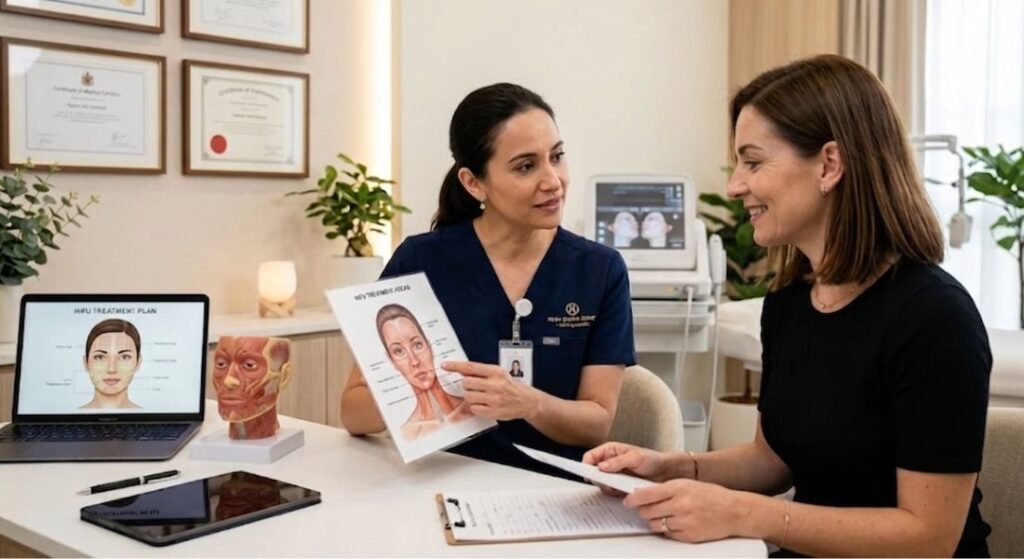
A proper consultation is one of the most important parts of planning a plasma face lift treatment. Before any procedure takes place, your skin quality, facial anatomy, pigmentation risk, expectations and medical history should all be assessed carefully. This helps ensure that the treatment is suitable for you and that potential risks are considered properly from the beginning.
Consultation also gives you the opportunity to understand what recovery and aftercare may involve. You can discuss possible side effects, healing time and the type of results you may realistically expect based on your skin and concerns. Honest conversation is important because it helps reduce disappointment and allows you to make a more informed decision about treatment.
A responsible clinician should always prioritise your safety and long-term outcome over simply performing a procedure. In some situations, you may even be advised against plasma treatment if another option is considered safer or more effective for your needs. This type of professional guidance is an important part of ethical and patient-focused cosmetic care.
Why Personalised Assessment Matters
Every person ages differently, which is why personalised assessment is such an important part of aesthetic medicine. Your skin thickness, collagen quality, facial anatomy, sun exposure history and healing response can all influence how your skin reacts to plasma treatment. Because these factors vary so much between individuals, treatment planning should always be tailored specifically to your needs rather than following a one-size-fits-all approach.
A treatment that produces excellent results for someone else may not necessarily create the same outcome for you. This is why careful consultation and skin assessment are so important before any procedure is recommended. By understanding your individual skin concerns and overall suitability, your practitioner can decide whether plasma treatment genuinely matches your goals and expectations.
You are often more likely to achieve satisfying results when your skin condition, expectations and facial anatomy align realistically with what plasma technology can safely achieve. Honest assessment helps ensure that treatment remains both safe and appropriate for your situation. In many cases, this personalised approach can also help create more natural-looking and balanced results over time.
FAQs:
1. Who is usually considered a good candidate for plasma face lift treatment?
If you have mild to moderate skin laxity, fine lines, or crepey skin, you may be a suitable candidate for plasma face lift treatment. The procedure is often chosen by people who want non-surgical skin tightening rather than a dramatic surgical result. Your skin quality, healing ability, and expectations all play an important role in suitability. A consultation helps determine whether the treatment matches your concerns.
2. Is plasma face lift suitable for severe skin sagging?
If you have significant skin sagging or heavy excess tissue, plasma treatment may not provide enough improvement. It works best for mild to moderate looseness rather than advanced ageing changes. In more severe cases, surgery may offer stronger and longer-lasting results. Your practitioner should explain these limitations honestly during assessment.
3. Can younger patients have plasma face lift treatment?
Yes, some younger patients choose plasma treatment for early skin ageing or preventative skin tightening. You may consider it if you have mild eyelid laxity, fine lines, or subtle texture changes. In younger skin, the goal is usually gentle refinement rather than major lifting. Conservative treatment planning is often preferred to maintain natural-looking results.
4. Why are realistic expectations important before plasma treatment?
If you expect surgery-level lifting from plasma treatment, you may feel disappointed afterwards. Plasma procedures usually create gradual and more subtle improvement rather than dramatic transformation. You’re often more satisfied when you understand the treatment’s limitations from the start. A proper consultation helps set realistic expectations about possible results.
5. Does skin tone affect plasma face lift suitability?
Yes, your skin tone can influence how suitable plasma treatment is for you. If you have darker skin, there may be a higher risk of post-inflammatory pigmentation changes after treatment. This does not always mean you cannot have the procedure, but extra caution is often needed. Your practitioner may adjust settings or discuss safer alternatives if necessary.
6. Why does healing ability matter for plasma treatment?
Plasma treatment works by creating controlled skin injury, so your healing response is very important. If your skin heals well, you are generally more likely to recover smoothly and achieve better cosmetic results. Certain medical conditions or poor wound healing can increase the risk of complications. This is why your medical history should always be reviewed carefully beforehand.
7. Is plasma face lift a good option if you want to avoid surgery?
If you want skin tightening without surgery, plasma treatment may appeal to you. Many people choose it because it avoids surgical incisions and usually involves less downtime than a traditional face lift. However, you should still expect visible healing and recovery afterwards. It’s important to understand that non-surgical does not mean completely downtime-free.
8. Are people with fine lines and crepey skin more suitable for plasma treatment?
Yes, plasma treatment is often more effective for fine lines and crepey skin than for heavy sagging. The treatment may help improve skin texture and mild laxity through collagen remodelling during healing. Areas around the eyes are especially common treatment zones because the skin there is thinner. Results are usually subtle but can still create a fresher appearance.
9. Can smoking affect plasma face lift results?
Yes, smoking can affect circulation, collagen production, and overall skin healing. If you smoke heavily, your recovery may be slower and your results may be less noticeable. Some practitioners may advise reducing or stopping smoking before treatment. Better skin health often supports safer healing and more consistent outcomes.
10. Why is a professional consultation so important before plasma treatment?
A proper consultation helps assess your skin quality, medical history, healing ability, and expectations before treatment. You can also discuss risks, recovery, and realistic results in detail. Sometimes another procedure may actually be safer or more suitable for your concerns. A responsible practitioner should always prioritise your safety rather than simply recommending treatment for everyone.
Final Thoughts: Who Is a Good Candidate for Plasma Face Lift Treatment?
Plasma face lift treatment can be a suitable option if you’re looking for mild to moderate skin tightening without undergoing surgery. You may benefit most if your concerns involve fine lines, crepey texture, early skin laxity, or subtle ageing changes rather than significant sagging or heavy excess skin. Understanding your individual skin quality, healing ability, and treatment goals is important because plasma treatment tends to work best when expectations remain realistic and balanced.
It’s also important to remember that suitability is highly personal. Factors such as your skin tone, medical history, lifestyle habits, and how your skin heals can all influence both safety and results. For you, this means that a careful professional assessment is essential before deciding whether plasma treatment is likely to provide meaningful improvement or whether another option may be more appropriate. If you’re looking for plasma face lift in London, you can get in touch with us at the London Medical & Aesthetic Clinic.
References:
1. Alam M. et al. (2018). Effect of Platelet-Rich Plasma Injection for Rejuvenation of Photoaged Facial Skin: Randomized Clinical Trial. https://pubmed.ncbi.nlm.nih.gov/30419125/
2. Dayan, E. et al. (2025) Modern approaches to facial rejuvenation: combining surgical and non-surgical techniques for natural outcomes. Aesthetic Surgery Journal Open Forum. Available at: https://academic.oup.com/asjopenforum/article/doi/10.1093/asjof/ojaf150/8322866
3. Holcomb JD. (2021). Helium plasma dermal resurfacing: VISIA CR analysis of wrinkles and pores. https://pmc.ncbi.nlm.nih.gov/articles/PMC8251577/
4. Baroni, A. and Verolino, P. (2022) Plasma radiofrequency ablation for scar treatment. Journal of Clinical Medicine, 11(1), 140. Available at: https://www.ncbi.nlm.nih.gov/pmc/articles/PMC7374633/
5. Tan, F. et al. (2022) Plasma Dermatology: Skin Therapy Using Cold Atmospheric PlasmaFrontiers in Oncology. Available at: https://pubmed.ncbi.nlm.nih.gov/35903680/