



Lanluma is an exciting treatment that can help rejuvenate your skin by naturally boosting collagen production. Unlike traditional dermal fillers, which give instant volume, Lanluma works gradually over time. This means you’ll see a slow, natural improvement as your skin regains its youthful structure and firmness.
At the heart of Lanluma is poly-L-lactic acid (PLLA), a safe substance that interacts with your skin to encourage collagen growth. When injected, it gently stimulates your body to produce new collagen in the areas treated. Over several sessions, this can improve your skin’s texture, elasticity, and overall appearance, giving you a fresher, more youthful look.
In this article, we’ll explain how Lanluma works at the cellular level and what the collagen stimulation process involves. We’ll also guide you on what to expect as your results develop over time. Understanding how it works helps you appreciate why the changes happen gradually and how this approach supports long-term skin rejuvenation.
What is Lanluma?
Lanluma is an injectable treatment designed to help your skin produce more collagen beneath the surface. It uses poly-L-lactic acid (PLLA), a safe and biodegradable substance that has been used in medicine for many years, particularly for sutures. Recently, PLLA has become popular in aesthetic treatments because of its ability to naturally stimulate the skin.
Unlike traditional fillers that simply add volume, Lanluma works by encouraging your skin to create its own collagen. Collagen is the protein that gives your skin structure, strength, and elasticity, so boosting it helps your skin look firmer and more youthful over time. This means you’re not just masking wrinkles you’re supporting your skin to rejuvenate itself gradually.
What makes Lanluma different is that the results develop over several weeks or months, rather than appearing instantly. You may notice subtle improvements after each session, but the full effect comes as your skin gradually rebuilds its collagen network. This slow, natural process gives your skin a refreshed, long-lasting look rather than a sudden or artificial change.
How Poly-L-Lactic Acid (PLLA) Stimulates Collagen Production
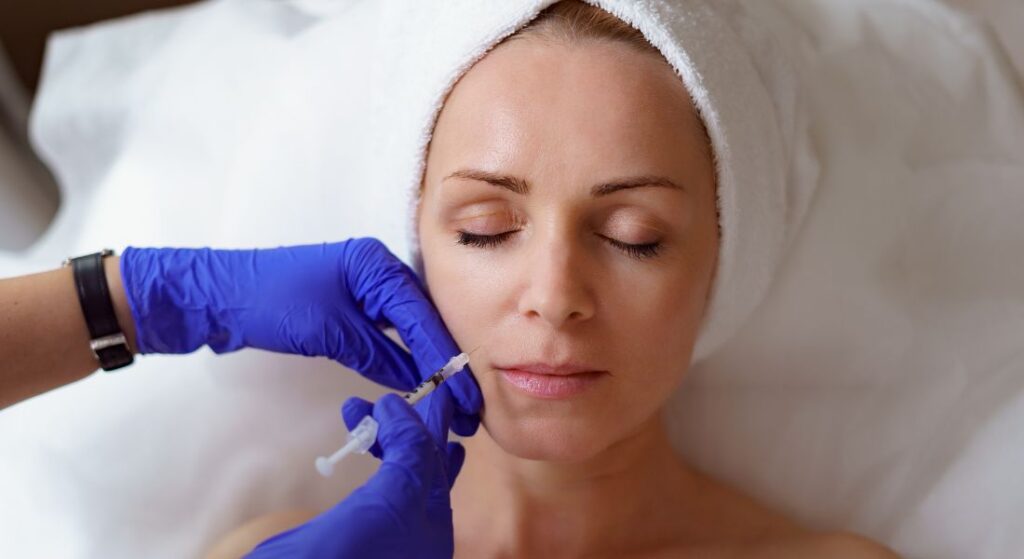
Poly-L-lactic acid (PLLA) is the key ingredient in Lanluma. When injected into the skin, PLLA doesn’t just add volume directly; instead, it works by encouraging the body to produce its own collagen over time. Here’s how it works:
Poly-L-lactic acid (PLLA) is the key ingredient in Lanluma. Unlike traditional fillers that add volume immediately, PLLA works by encouraging your body to produce its own collagen over time, giving gradual, natural-looking results. Here’s how it works:
Stimulation of Fibroblasts: When PLLA is injected into your skin, it acts as a gentle trigger for your body’s healing response. This activates fibroblasts the specialised cells responsible for producing collagen. Over time, these cells lay down new collagen fibres, helping to rebuild and strengthen your skin’s underlying structure.
Gradual Collagen Formation: As collagen production increases, your skin gradually becomes firmer, plumper, and smoother. This process unfolds over several weeks to months, allowing your natural tissue regeneration to work at its own pace for subtle, progressive improvement.
Long-Term, Natural Results: Unlike traditional fillers, which give immediate but sometimes temporary volume, Lanluma builds results gradually, offering long-lasting improvements in skin texture, firmness, and tone. By enhancing the skin’s underlying collagen framework, it not only restores volume but also improves overall skin health, leaving your complexion looking naturally youthful and rejuvenated.
What Happens in the Skin Over Time?
After your Lanluma treatment, the work doesn’t stop when you leave the clinic. The real magic happens gradually beneath the surface, as your skin begins to respond to the poly-L-lactic acid (PLLA). Over the following weeks, your body starts producing new collagen, slowly restoring structure, firmness, and youthful contours. Understanding this timeline can help you know what to expect and why results appear gradually rather than instantly.
Week 1-2: Immediate Reaction
In the first couple of weeks after your Lanluma treatment, the PLLA particles start to break down in your skin. Your body responds naturally by sending in white blood cells to begin the healing process. You might notice a mild inflammatory response during this time this is completely normal and actually part of how the collagen-stimulating process works. It’s your body gearing up to rebuild and strengthen the skin from within.
Week 3–4: Early Collagen Response
By weeks three to four, your skin is starting to respond more actively to the treatment. The PLLA stimulates fibroblasts, the cells responsible for producing collagen, so new collagen fibres begin forming in the deeper layers of your skin. You won’t necessarily notice visible changes at this stage, but this early activity is laying the groundwork for the gradual improvements you’ll see over the coming weeks.
Month 1–3: Continued Collagen Formation
Between one and three months after your Lanluma treatment, collagen continues to build and strengthen beneath your skin. You may start to notice subtle improvements in texture, firmness, and overall skin quality during this period. The collagen matrix is becoming more structured and supportive, gradually giving your skin a lifted, rejuvenated appearance.
Month 3–6: Visible Results
By three to six months after your Lanluma treatment, you should start to notice your skin feeling firmer and smoother. The changes happen gradually, so both you and those around you may begin to see the improvements over time. Because the collagen continues to thicken and strengthen your skin, the results look natural and give your face a more resilient, youthful appearance.
Month 6 and Beyond: Peak Results
By six months and beyond, you should see the full effects of your Lanluma treatment as collagen levels reach their peak. Your skin will feel firmer, more lifted, and rejuvenated, with improvements continuing subtly over time. The results can last for up to two years, as the collagen you’ve built continues to support your skin’s structure and maintain a youthful appearance.
Why Results Develop Gradually
Unlike traditional dermal fillers, which deliver immediate volume and plumping effects, Lanluma’s gradual approach has several benefits. The results develop slowly, which allows for a more natural and harmonious enhancement that doesn’t look “overdone.”
Here’s why the gradual results are a positive aspect of Lanluma:
Natural Collagen Regeneration: Collagen is a crucial component in maintaining the skin’s youthful structure. The gradual buildup of collagen through Lanluma mimics the body’s natural aging process, making the improvements look and feel more authentic.
Longer-Lasting Results: Since the results are based on the body’s own collagen production, they tend to last longer. This is in contrast to traditional fillers that may need to be touched up frequently.
Reduced Risk of Overcorrection: Because the results develop over time, it’s much easier to avoid over-correction. Your practitioner can monitor the effects, and if needed, they can adjust the treatment during follow-up visits to ensure that the results are balanced.
Why Lanluma is Ideal for Collagen Stimulation
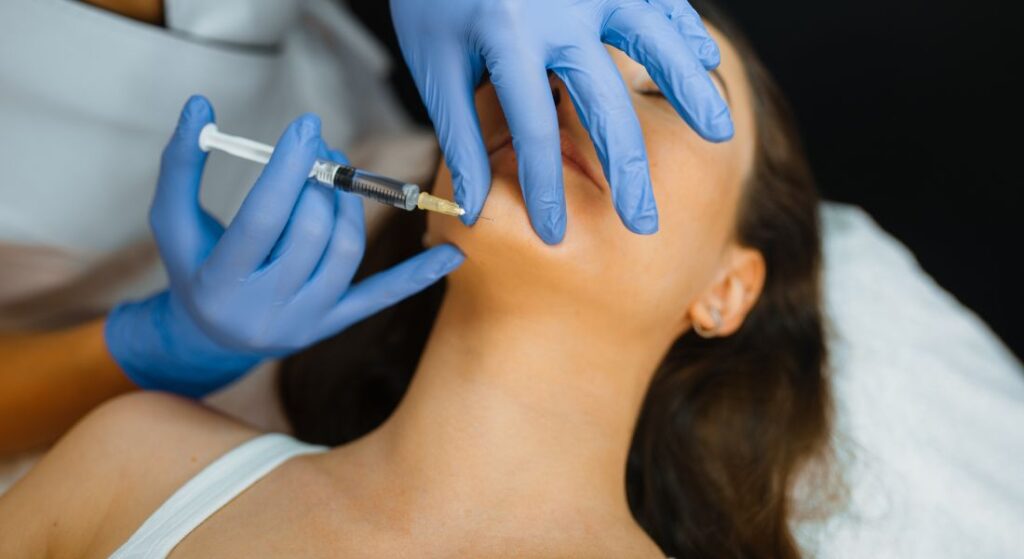
Lanluma has several advantages over other aesthetic treatments, especially if you want natural-looking results that develop gradually over time. Rather than providing instant volume, it works with your body to rebuild and strengthen your skin from within. This makes it ideal for anyone looking for subtle, long-lasting rejuvenation rather than an immediate, artificial change.
Non-Surgical: One of the biggest benefits of Lanluma is that it’s non-surgical. The treatment is minimally invasive, requiring only a few injections to kickstart collagen production. This means you can achieve noticeable improvements without the downtime, risks, or recovery associated with surgery.
Ideal for Volume Loss: As we age, certain areas of the face naturally lose volume, which can lead to sagging or hollowing. Lanluma helps restore this volume by stimulating your own collagen production, giving your skin structure, elasticity, and a firmer appearance over time.
Long-Lasting Results: Because Lanluma works with your body’s natural processes, the results tend to last longer than many traditional fillers. Once your collagen production is fully stimulated, you can enjoy the benefits for up to two years, making it a convenient and durable solution for gradual facial rejuvenation.
Who is a Good Candidate for Lanluma?
Lanluma is a great option if you want to address volume loss and improve your skin’s texture without undergoing invasive procedures. It works particularly well for those who are starting to notice early to moderate signs of ageing, such as slight sagging or loss of firmness.
If you’re looking to restore youthful volume to your face, Lanluma can target areas like your cheeks, jawline, and temples. By stimulating collagen, it helps lift and support your skin naturally over time, rather than just masking the signs of ageing.
Lanluma is ideal if you prefer gradual, natural-looking results. Unlike traditional fillers, it avoids the “overdone” appearance and allows your skin to improve subtly, so the changes are noticeable but not artificial.
Finally, it’s perfect if you’re seeking a long-lasting, non-surgical solution to ageing skin. With results that can last up to two years, Lanluma offers an effective way to maintain youthful contours without the risks or downtime of surgery.
What to Expect During Your Lanluma Treatment
Knowing what happens during your Lanluma treatment can help you feel more confident and prepared. Before the procedure, your practitioner will assess your skin, discuss your goals, and decide whether Lanluma is the right option for you. They will also identify the areas of your face that can benefit from collagen stimulation and create a personalised treatment plan tailored to your needs.
The injections themselves are straightforward and usually take around 30 minutes, depending on the areas being treated. Lanluma is injected into the deeper layers of the skin, and a topical numbing cream may be applied beforehand to minimise discomfort. Most patients report only mild sensations during the injections, making the procedure relatively comfortable.
After treatment, you might notice some redness, swelling, or bruising at the injection sites, which is completely normal and usually settles within a few hours to a few days. Your practitioner will give you clear aftercare instructions, such as avoiding excessive sun exposure, strenuous activity, and using ice to reduce swelling. Following these guidelines can help ensure the best results and a smooth recovery.
How Many Sessions Are Needed?
Lanluma works gradually, as your body builds new collagen over time, which is why most patients need multiple sessions to achieve their desired results. Each treatment gives your skin a chance to respond and lay down new collagen, so the improvements appear naturally and subtly.
For most people, two to three sessions spaced around four to six weeks apart are recommended. This schedule allows your skin to adapt and strengthen between treatments, giving you the best possible outcome. Your practitioner will guide you on the timing and number of sessions based on your individual needs.
Even though Lanluma provides long-lasting results, maintenance treatments are usually suggested every 12 to 18 months. During these follow-ups, your practitioner can check how your skin is responding and decide whether any additional sessions are needed to maintain volume, firmness, and a youthful appearance.
How Long Will Lanluma Results Last?
One of the biggest benefits of Lanluma is how long the results can last. Depending on your skin type, age, and lifestyle, the effects can be noticeable for up to two years. Because Lanluma works by stimulating your body’s own collagen, the improvements develop naturally and continue to support your skin over time.
Lanluma provides long-lasting support to your skin’s structure by gradually building collagen. Even as your natural collagen slowly breaks down over the years, the effects of the treatment soften rather than disappear completely, helping your skin maintain its firmness and youthful appearance.
To keep your results looking their best, maintenance sessions are recommended. These follow-ups help sustain collagen production, ensuring your skin stays smooth, firm, and radiant long after your initial treatments. By committing to periodic touch-ups, you can enjoy long-term, natural-looking rejuvenation.
FAQs:
1. How does Lanluma actually work on my skin?
Lanluma works by using poly-L-lactic acid (PLLA) to gently stimulate your body’s collagen production. When injected, it encourages your skin to rebuild its natural structure gradually, giving you firmer, smoother, and more youthful-looking skin over time. Unlike traditional fillers, it’s not about immediate volume it’s about helping your skin rejuvenate itself from within.
2. Will I see results straight away after treatment?
You won’t notice dramatic changes immediately because Lanluma works gradually. In the first few weeks, your skin is adjusting and collagen is starting to form. Most people begin to see subtle improvements around one to three months after their session, with the full effect usually developing after six months.
3. How long do the results last?
The results from Lanluma can last up to two years, depending on your skin type, age, and lifestyle. Because it stimulates your body to produce collagen naturally, the improvements continue to support your skin’s structure over time. You might need occasional maintenance sessions every 12 to 18 months to keep your skin looking its best.
4. How many sessions will I need to get the results I want?
Most people need two to three sessions spaced around four to six weeks apart to achieve optimal results. Each session allows your skin to gradually respond and lay down new collagen, so the improvements appear natural rather than sudden or artificial.
5. Is Lanluma painful?
Lanluma injections are generally well-tolerated. Your practitioner may apply a topical numbing cream beforehand, and most people report only mild sensations during the procedure. Any temporary redness, swelling, or bruising at the injection sites usually settles within a few days.
6. Can Lanluma replace traditional fillers?
Lanluma is different from traditional fillers because it doesn’t give instant volume. Instead, it stimulates your own collagen for gradual, long-lasting rejuvenation. If you’re looking for subtle, natural improvements rather than an immediate plump effect, Lanluma could be a better option.
7. Who is the ideal candidate for Lanluma?
Lanluma is ideal if you want to address early to moderate signs of ageing, such as loss of firmness, slight sagging, or hollowing in the cheeks, jawline, or temples. If you prefer natural-looking results that develop gradually, this treatment is well-suited to you.
8. What should I expect during the treatment?
During your session, your practitioner will assess your skin, discuss your goals, and map out a personalised plan. The injections target deeper layers of the skin to stimulate collagen. After treatment, you may notice some temporary redness or swelling, but these usually fade within a few hours to days.
9. Can I return to normal activities after Lanluma?
Yes, Lanluma is non-surgical, so you can usually return to your normal routine straight away. Your practitioner may recommend avoiding excessive sun exposure or strenuous activity for a short period, but there’s no significant downtime.
10. Why is gradual improvement better than instant results?
Gradual improvement allows your skin to regenerate naturally, giving results that look authentic rather than “overdone.” It also reduces the risk of overcorrection and allows your practitioner to adjust your treatment during follow-ups if needed, ensuring a balanced and long-lasting rejuvenation.
Final Thoughts: Achieving Natural, Long-Lasting Results with Lanluma
Lanluma offers a safe and non-surgical way to restore youthful volume, improve skin texture, and stimulate your body’s own collagen production for gradual, natural-looking results. Unlike traditional fillers, the improvements develop over time, giving your face a subtly rejuvenated appearance that lasts for up to two years.
To get the best outcome, it’s important to follow your practitioner’s guidance on treatment schedules, aftercare, and maintenance sessions. At the London Medical & Aesthetic Clinic, our team will create a personalised plan tailored to your skin, facial structure, and aesthetic goals, ensuring that every session builds towards long-lasting, harmonious results.
If you’re considering a Lanluma treatment in London, you can contact us at the London Medical & Aesthetic Clinic to discuss your options and find out how our Lanluma treatment in London can help you achieve a refreshed, youthful appearance safely and effectively.
References:
1. Kablik, J., Monheit, G.D., Yu, L., Chang, G.K. and Bergeron, C., 2011. Randomized study of the efficacy and safety of injectable poly‑L‑lactic acid versus human‑based collagen implant in the treatment of nasolabial fold wrinkles. Dermatologic Surgery, 37(1), pp.31–41. https://pubmed.ncbi.nlm.nih.gov/20159311/
2. Strauss, J.S., et al., 2023. Efficacy and safety of poly‑L‑lactic acid in facial aesthetics: a systematic review. Polymers, 16(18), p.2564. https://pubmed.ncbi.nlm.nih.gov/20159311/
3. Zhu, H. and Shan, X., 2024. Poly‑L‑lactic acid fillers improved dermal collagen synthesis by modulating M2 macrophage polarization in aged animal skin. Cells, 12(9), p.1320. https://www.mdpi.com/2073-4360/16/18/2564
4. Beane, O.S. and Darling, E.M., 2024. Poly‑L‑lactic acid in aesthetic dermatology mechanisms and clinical applications. Aesthetic Surgery Journal, 45(10), pp.1065–1078. https://www.mdpi.com/2073-4409/12/9/1320
5. Tiggemann, M., van Hal, T. and MacGregor, A., 2008. Injectable poly‑L‑lactic acid for cosmetic enhancement: European clinical experience. Journal of Cosmetic Dermatology, 7(3), pp.155–160. https://academic.oup.com/asj/article-abstract/45/10/1065/8171359