


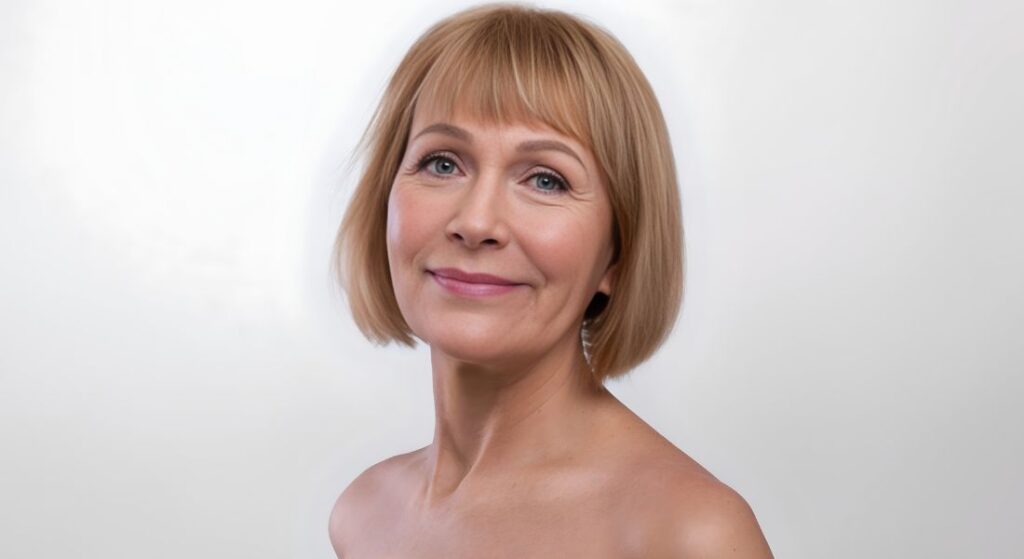
Sculptra is often described as a collagen-stimulating treatment, but that description alone doesn’t tell you how differently it works across the decades. The goals in your 20s are not the same as those in your 50s, and the way your face responds in your 70s is shaped by years of gradual structural change.
If you’re considering Sculptra, understanding how age influences treatment planning can help you set realistic expectations. It also explains why your friend’s results may look very different from what you can expect for yourself.
In this article, I’ll walk you through how Sculptra treatment evolves from your 20s through your 70s. I’ll explain how goals shift, how dosing and spacing change, and what kind of results tend to be realistic at each stage of life.
Why Age Matters With Sculptra
Sculptra works by stimulating your body’s own collagen production rather than instantly replacing lost volume. Because of this, how well it works for you depends on factors like your existing collagen levels, how active your metabolism is, your skin thickness, and the strength of your underlying facial structure. All of these vary from person to person and naturally change as you get older.
As you age, several changes happen at the same time. Your collagen production slows down, bone support gradually remodels, fat pads shift or reduce, and your skin becomes less elastic. While these changes happen slowly, they directly affect how Sculptra settles into your tissue and how your results develop. If you have more mature skin, you’ll usually see results build more gradually, which is why treatment needs to be planned carefully and tailored specifically to you.
How Collagen Production Changes Over Time
In early adulthood, your collagen production is generally efficient and responsive. Your skin still has strong structural support, so it reacts quickly to stimulation. This means you’ll often notice visible results sooner and with smaller treatment volumes. At this stage, collagen loss is minimal, so treatments tend to focus more on maintenance and prevention rather than correcting significant volume loss.
From your mid-30s onwards, collagen loss starts to speed up. By your 40s, 50s, and beyond, your skin needs more support and more time to rebuild what’s been lost. While your body can still produce new collagen later in life, the response is slower and more gradual. Because of this, Sculptra is often used as part of a wider treatment plan, working alongside other treatments to help you achieve balanced, natural-looking results.
Sculptra in Your 20s: Prevention and Subtle Support
In your 20s, your skin usually has good elasticity and natural volume, with very few visible signs of ageing. At this stage, treatment isn’t about correcting problems, but about supporting your skin early to help maintain its quality in the long run. When used appropriately, Sculptra plays a preventative and supportive role rather than changing how you look.
1. Preventative use rather than correction: If you’re in your 20s, Sculptra is used to support collagen production before any significant loss sets in. The aim isn’t to add volume or alter your facial shape, but to help preserve the skin’s underlying structure. This approach prioritises long-term skin health over immediate, noticeable changes.
2. Focus on collagen support: Sculptra works by stimulating your body’s own collagen production. In your 20s, this helps strengthen the collagen you already have, improving skin resilience and durability. The results develop slowly and subtly, contributing to healthier ageing over time.
3. Conservative dosing and placement: Treatment at this age is typically very conservative, with small amounts placed in precise areas. Sessions are often spaced further apart than they would be later in life, which helps avoid overtreatment. This ensures your results stay natural and well suited to younger skin..
4. Subtle, long-term results: The results you see in your 20s are usually understated rather than dramatic. You’re more likely to notice improvements in skin texture, firmness, and overall support, rather than obvious volume changes. These subtle enhancements help your skin age more gracefully.
When planned thoughtfully, Sculptra in your 20s is about prevention and gentle support, not transformation. With a conservative approach and realistic expectations, it can help you maintain skin quality and delay visible signs of ageing over the long term.
Expectations in Your 20s
If you’re considering Sculptra in your 20s, it’s important to know that dramatic changes are neither needed nor desirable. At this stage, your skin still has plenty of collagen and elasticity, so the focus is on subtle, preventative support rather than correction.
You should expect gradual improvements that enhance your natural features instead of changing them. This approach, often referred to as prejuvenation, is about maintaining youthful contours and delaying the earliest signs of ageing. The results are designed to look natural and understated, building quietly over time.
The biggest risk in this age group is overtreatment. A cautious, well-planned approach matters far more than chasing obvious results, helping you keep a fresh, balanced appearance without ever looking “done.”
Sculptra in Your 30s: Early Structural Preservation
Your 30s are often when you start to notice subtle changes in your face. You might see mild hollowing, a slight loss of firmness, or differences in how your face looks in photos, especially under certain lighting. These shifts tend to be gradual, but they’re early signs of structural ageing.
Although your collagen production has begun to slow, your skin can still respond very well to stimulation. This is why Sculptra can be particularly effective in your 30s when it’s used thoughtfully. Treatment at this stage usually focuses on preserving your facial structure and addressing early volume changes before they become more noticeable or harder to correct.
You may need slightly higher dosing than in your 20s, but treatment is still conservative and carefully planned. Sessions are typically spaced out to give your body time to build collagen naturally, with the emphasis on prevention and subtle correction rather than any obvious transformation.
Expectations in Your 30s
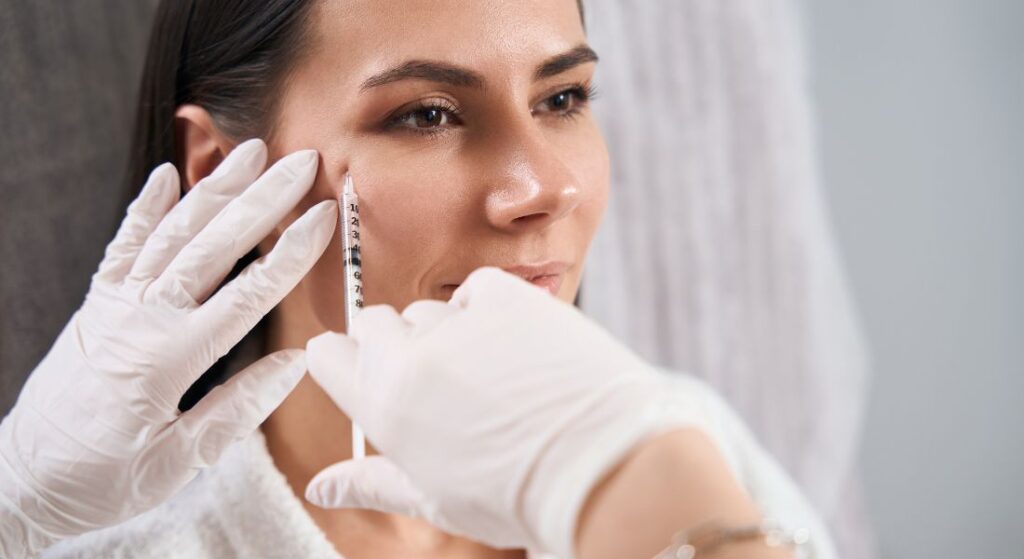
In your 30s, results tend to be natural and gradual. You’re more likely to notice a subtle refresh rather than any dramatic change, with people often saying you look well-rested or more vibrant, rather than “treated”. This is the stage where small, preventative treatments can make a meaningful difference over time.
You may start to see improved firmness and gentle volume support in areas like your cheeks, temples, or jawline, depending on how your face is ageing. By taking a gradual, personalised approach, your results stay balanced and long-lasting, helping you preserve your natural look while gently supporting your facial structure.
Sculptra in Your 40s: Rebuilding What’s Been Lost
By the time you reach your 40s, natural collagen loss becomes more noticeable and starts to affect your facial structure. Changes in volume, skin firmness, and contour are easier to see, particularly in the key support areas of your face. At this stage, Sculptra is often used as a corrective treatment to restore support, rather than purely as prevention.
1. More noticeable collagen and volume loss: In your 40s, collagen depletion speeds up, leading to volume loss in areas like your mid-face, temples, and jawline. These changes can soften your facial contours and contribute to a tired or aged appearance. Sculptra helps by stimulating new collagen where support has diminished.
2. Reduced skin elasticity: Your skin doesn’t bounce back as easily as it used to. Sculptra works gradually to strengthen the underlying structure, improving firmness and giving your face a more supported, lifted look over time.
3. Corrective rather than purely preventative treatment: Unlike in your 20s and 30s, treatment in your 40s focuses on rebuilding what’s already been lost. The goal isn’t dramatic volume replacement but restoring natural balance and support in a subtle, progressive way.
4. More structured treatment planning: Plans at this stage are usually more personalised and proactive. Dosing may increase, and multiple sessions are often needed to achieve noticeable, long-lasting improvement. Careful spacing between sessions is still key to ensure results remain natural.
When used thoughtfully, Sculptra in your 40s can effectively restore lost support and enhance facial structure. With gradual, tailored treatment, the results stay natural while addressing the visible effects of collagen loss.
Expectations in Your 40s
When used correctly, Sculptra in your 40s can still look very natural, though the improvements are usually more noticeable than in your 30s. This is because there’s now more collagen loss and structural change for the treatment to address.
You might see gradual enhancements in facial fullness, firmness, and overall balance, especially in areas that have started to lose support. The goal at this stage is restoration rather than transformation, helping your face look healthier and more supported without changing its natural character.
It’s important to keep your expectations realistic. Sculptra won’t reverse ageing or erase every sign of time passing. Instead, it works by softening the visible effects of ageing, strengthening your skin’s underlying structure, and improving overall tissue quality.
Sculptra in Your 50s: Structural Support and Balance
In your 50s, facial ageing becomes more complex, with multiple changes happening at once. Bone resorption, fat loss, skin thinning, and a significant decline in collagen all contribute to reduced support and overall facial balance.
At this stage, Sculptra is usually used to restore structural support across broader areas of the face rather than focusing on isolated spots. Treatment planning becomes more strategic, aiming to rebuild the underlying framework so your face looks supported, balanced, and harmonious.
Expectations in Your 50s
In your 50s, Sculptra can deliver noticeable improvement, but it’s important to keep your expectations realistic. The aim isn’t perfection it’s about restoring support and vitality, helping you look like a healthier, more balanced version of yourself. Subtle enhancements that strengthen your underlying structure can make a big difference without ever looking overdone.
Results develop gradually and continue to improve over several months as new collagen forms. People who see the best outcomes understand that Sculptra is a process, not a quick fix. Patience and a carefully planned treatment schedule are essential for achieving long-lasting, natural-looking results.
Sculptra in Your 60s: Supporting Ageing Skin Thoughtfully
By the time you reach your 60s, your skin has naturally thinned, collagen levels have dropped, and facial structure has changed. Because of this, Sculptra treatments need a more thoughtful, tailored approach.
The main goal in your 60s is to support your skin’s integrity and enhance overall facial harmony, rather than just adding volume. Treatments are designed to work with your existing features, improving your appearance subtly and gracefully.
At this stage, Sculptra is often part of a broader rejuvenation plan, combined with other treatments to optimise results. Sessions are usually spaced further apart to allow your tissue time to respond fully and safely to collagen stimulation.
Expectations in Your 60s
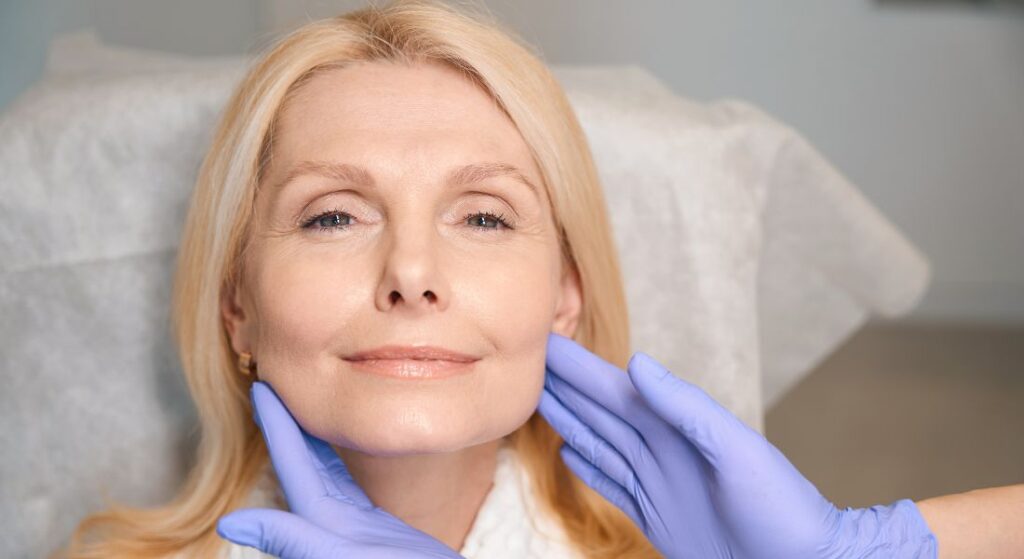
In your 60s, results are usually subtle but still very meaningful. You may notice improvements in skin texture, firmness, and overall facial balance, giving you a softer, more refreshed appearance without looking dramatically different.
The goal at this stage isn’t to turn back the clock it’s about enhancing your natural features and supporting your ageing skin. Open communication with your practitioner about realistic outcomes is key to feeling confident and satisfied with your treatment plan.
Sculptra in Your 70s: Maintenance and Skin Quality
In your 70s, collagen production continues but at a slower pace, and your skin becomes more fragile. Treatments need to be carefully considered alongside your overall health and medical factors. At this stage, Sculptra focuses on supporting skin quality rather than creating dramatic changes in volume.
1. Supporting skin quality and structure: Sculptra helps reinforce weakened skin and maintain facial structure, improving texture and firmness. The goal is subtle enhancement rather than correcting major volume loss, prioritising natural, gentle results.
2. Realistic and conservative expectations: Results develop gradually and remain understated. Treatment focuses on comfort, maintaining skin health, and providing light support rather than noticeable volumisation, ensuring outcomes are safe and appropriate.
3. Cautious dosing and session spacing: Dosing is conservative, and sessions are spaced widely to minimise risk. Careful monitoring ensures treatments are gentle while still offering benefits for skin resilience and quality.
4. Patient selection is key: Not everyone in their 70s is suitable for Sculptra. A thorough assessment of your medical history, skin condition, and personal goals helps make sure the procedure is safe and effective.
When used thoughtfully, Sculptra in your 70s can support your skin’s health and structure, providing subtle, long-lasting improvements. Conservative planning and realistic expectations make this approach both safe and effective for mature patients.
Expectations in Your 70s
In your 70s, results from Sculptra are generally modest rather than dramatic. The aim is to support and enhance what remains naturally, rather than trying to recreate youthful contours that are no longer structurally possible.
When used thoughtfully, Sculptra can improve skin resilience, texture, and overall facial harmony, helping your face look refreshed while keeping a natural, age-appropriate appearance. It works best as part of a holistic approach that takes into account skin quality, bone structure, and overall health.
A transparent and honest consultation is essential at this stage. Talking through realistic outcomes, treatment limitations, and any health considerations ensures your aesthetic goals match what is safely achievable, helping you make informed decisions about your care.
How Dosing Changes With Age
Sculptra dosing naturally increases as you get older, but it’s not a simple, linear progression. The amount of product and the number of sessions you need depend on several factors, including your facial structure, skin quality, and how your face has aged over time.
If you’re in your 20s or 30s, you’ll usually need smaller volumes and fewer sessions. The focus at this stage is subtle enhancement and prevention rather than significant correction.
As you get older, more product is often required, and treatments are typically spread across multiple sessions. This helps provide balanced support, addresses structural changes, and avoids overcorrection that can look unnatural.
The most important factor for successful Sculptra treatment is tailoring the dose to your unique facial anatomy and ageing pattern, rather than strictly following age-based guidelines. A personalised plan delivers the most natural, harmonious results.
How Treatment Spacing Evolves
Spacing between Sculptra sessions is key to achieving natural, long-lasting results. Collagen takes time to develop, so rushing treatments can increase the risk of complications without improving outcomes. Proper intervals give your body the chance to respond gradually and build the underlying structure.
If you’re younger, you’ll usually need fewer sessions, with treatments spaced further apart. Your skin and tissues respond more quickly to collagen stimulation, so this gradual approach helps maintain subtle, preventative enhancements without overcorrection.
For older patients, treatment plans are often staged over several months. Longer gaps between sessions allow your tissues time to adapt and respond, which is especially important when addressing more advanced signs of ageing. Thoughtful spacing is one of the main factors that determines how natural and harmonious your final results will look.
How Expectations Should Change Over Time

One of the most important factors in being happy with Sculptra is having realistic expectations. The effects of treatment naturally vary depending on your age, skin condition, and the degree of collagen loss. Understanding these changes helps you make informed decisions and plan treatments that suit your stage of life.
In your 20s and 30s – preventative and subtle: At this stage, Sculptra is mainly used to maintain skin quality and support your collagen reserves. Results are understated, focusing on small improvements in texture and resilience rather than obvious volume changes.
In your 40s and 50s – restorative and gradual: Mid-life brings more noticeable collagen loss, so the focus shifts toward restoring lost support. Results develop slowly over several sessions, gradually enhancing facial contours and firmness while keeping a natural appearance.
In your 60s and 70s – supportive rather than transformative: Later in life, Sculptra helps maintain skin health and provide gentle structural support. Treatments are conservative, focusing on comfort and subtle improvements rather than dramatic changes, taking into account skin fragility and overall health.
By understanding how Sculptra works at different stages of life, you can align your expectations with realistic outcomes. This helps ensure satisfaction, promotes safe treatment, and allows you to choose the right approach for your individual needs.
FAQs:
1. How does Sculptra work differently as we age?
Sculptra stimulates your body’s natural collagen rather than instantly replacing lost volume. Its effectiveness depends on collagen reserves, skin thickness, bone support, and overall tissue quality, which all change with age. Younger skin responds faster with subtle improvements, while mature skin requires a more strategic approach to achieve natural, balanced results over time.
2. What are the goals of Sculptra treatment in your 20s?
In your 20s, Sculptra is primarily preventative. Treatment focuses on supporting collagen reserves, maintaining skin quality, and promoting long-term resilience. The results are subtle and gradual, enhancing texture and firmness rather than adding volume or altering facial contours. Conservative dosing and careful session spacing are essential at this stage.
3. How does treatment change in your 30s?
By your 30s, early signs of structural ageing, such as mild hollowing or loss of firmness, may appear. Sculptra in this decade aims to preserve facial structure and support collagen production. Dosing may be slightly higher than in your 20s, with treatments spaced to allow natural collagen development, offering subtle improvements without dramatic transformation.
4. What should patients expect in their 40s?
In your 40s, collagen loss becomes more noticeable, affecting skin firmness and facial contours. Sculptra is used to restore support and balance, rather than solely prevent changes. Treatments are more structured, with multiple sessions often required. Results are gradual, natural, and focused on improving overall facial harmony.
5. How does Sculptra help patients in their 50s?
By the 50s, ageing is more complex, with bone resorption, fat loss, and reduced collagen affecting facial structure. Sculptra aims to rebuild support across broader areas, improving facial balance and skin quality. Dosing is higher, and treatments are spaced carefully to allow collagen formation, offering noticeable but natural enhancements rather than dramatic volumisation.
6. What are realistic expectations for patients in their 60s?
In the 60s, skin is thinner and collagen production slower. Sculptra focuses on supporting skin integrity and enhancing facial harmony rather than adding volume. Results are subtle but meaningful, improving texture, firmness, and overall balance. Treatments require thoughtful planning, careful dosing, and longer intervals between sessions.
7. How is Sculptra used in patients in their 70s?
In your 70s, Sculptra is primarily used to maintain skin quality and provide gentle structural support. Dosing is conservative, sessions are spaced widely, and treatment focuses on subtle improvements rather than dramatic changes. Patient selection is important, and realistic goals ensure safety, comfort, and natural-looking results.
8. How does dosing and spacing change with age?
Younger patients generally require lower doses and fewer sessions, spaced further apart for subtle, preventative results. Older patients need higher doses spread across multiple sessions to address structural changes safely and gradually. Treatment plans should be personalised according to facial anatomy, ageing patterns, and skin condition to achieve the most natural outcome.
9. What should patients expect from Sculptra over time?
Results depend on age, collagen reserves, and skin condition. In your 20s and 30s, improvements are preventative and subtle. In your 40s and 50s, results are restorative and gradual, focusing on balance and firmness. In your 60s and 70s, treatment is supportive, enhancing skin quality and maintaining structure rather than dramatically altering appearance. Understanding these changes ensures realistic expectations and patient satisfaction.
10. Is Sculptra a one-time treatment?
No. Sculptra works gradually and usually requires multiple sessions over months, especially in older patients. Ongoing maintenance treatments may be recommended to support collagen production and preserve results. A tailored, age-specific plan ensures natural, long-lasting improvements while respecting the skin’s capacity to respond safely.
Final Thoughts: Age-Appropriate Sculptra for Natural Results
Sculptra is a versatile treatment that adapts to the needs of each stage of life, from preventative support in your 20s to structural maintenance in your 70s. The key to successful outcomes lies in understanding how your skin and facial structure respond over time, setting realistic expectations, and following a carefully tailored plan.
At the London Medical & Aesthetic Clinic, Dr Ayham Al-Ayoubi ensures that every Sculptra treatment is personalised, considering your age, collagen reserves, and aesthetic goals. Whether you seek subtle prejuvenation, restoration of lost support, or gentle enhancement for mature skin, a strategic approach delivers natural, harmonious results without overcorrection.
If you’re thinking for sculptra in London, you can contact us at the London Medical & Aesthetic Clinic. Our team will assess your skin concerns, discuss your goals, and create a personalised treatment plan to ensure safe, natural-looking results.
References:
1. Innocenti et al. Injectable poly‑L‑lactic acid (PLLA‑SCA™) as a versatile treatment in aesthetic medicine, discussing mechanisms, clinical use. https://www.mdpi.com/2079-9284/12/6/264
2. Oh et al. Study demonstrating that PLLA fillers stimulate dermal collagen synthesis through macrophage‑mediated fibroblast activation relevant to aged skin biology. https://www.mdpi.com/2073-4409/12/9/1320
3. Systematic review demonstrating the effectiveness and safety of PLLA (including Sculptra) for facial ageing and lipoatrophy. https://pmc.ncbi.nlm.nih.gov/articles/PMC11435306/
4. Clinical evidence from a midfacial volume loss study showing PLLA’s safety and effectiveness in improving facial contours. https://pmc.ncbi.nlm.nih.gov/articles/PMC12273185/
5. Fabi et al. A randomised controlled trial showing the effectiveness and natural‑looking improvement of cheek wrinkles with Sculptra (PLLA‑SCA). https://pubmed.ncbi.nlm.nih.gov/38206151/