


If you’re considering restoring facial or body volume, Sculptra and fat transfer are two of the most popular options. Both can smooth wrinkles, restore contours, and provide a more youthful appearance, but they work in fundamentally different ways. Choosing the right treatment depends on your goals, your lifestyle, your tolerance for downtime, and how permanent you want the results to be. Understanding these differences helps ensure you make an informed decision rather than relying solely on trends or marketing.
Sculptra works by stimulating your body’s own collagen production. The injections contain poly-L-lactic acid, which gradually prompts the skin to build new collagen over several weeks and months. The results appear progressively, creating subtle, natural-looking volume that improves texture and firmness. Because it’s non-surgical, downtime is minimal, and recovery is relatively easy compared with more invasive procedures.
Fat transfer involves surgically removing fat from one part of your body, usually the abdomen or thighs, and injecting it into the desired area. This method provides immediate volume and can achieve more dramatic results in a single session. The survival of the transferred fat varies from patient to patient, so sometimes touch-ups are required to maintain long-term fullness. The procedure is more invasive than Sculptra and comes with typical surgical considerations, such as swelling, bruising, and a longer recovery period.
Deciding between Sculptra and fat transfer ultimately comes down to balancing results, longevity, and risk. If you prefer a gentle, gradual enhancement with minimal downtime and lower surgical risk, Sculptra may be the better option. If you want more immediate and potentially longer-lasting volume and are comfortable with a surgical procedure, fat transfer could be more suitable. Consulting with a skilled clinician who can assess your anatomy, skin quality, and goals is essential to making the choice that’s right for you.
Understanding Sculptra
Sculptra is a biostimulatory injectable that works by stimulating your body to produce its own collagen over time. Its active ingredient, poly-L-lactic acid (PLLA), encourages gradual structural improvement in the skin rather than simply adding immediate volume like traditional fillers. This approach helps restore natural fullness and improves texture, resulting in a more youthful, refreshed appearance over several months.
The treatment is typically delivered in a series of sessions, usually spaced four to six weeks apart. This staged approach allows your skin to adapt gradually, building collagen in a controlled manner and reducing the risk of overcorrection. Because results develop slowly, Sculptra is especially well-suited to people who want subtle, natural-looking enhancement rather than instant, dramatic changes.
Longevity is another advantage. Depending on your metabolism, lifestyle, and the total number of sessions completed, results can last up to two years or even longer. While it isn’t permanent, the gradual nature of the treatment means the improvements often integrate seamlessly with your skin, making Sculptra a reliable option for long-term facial rejuvenation.
Understanding Fat Transfer
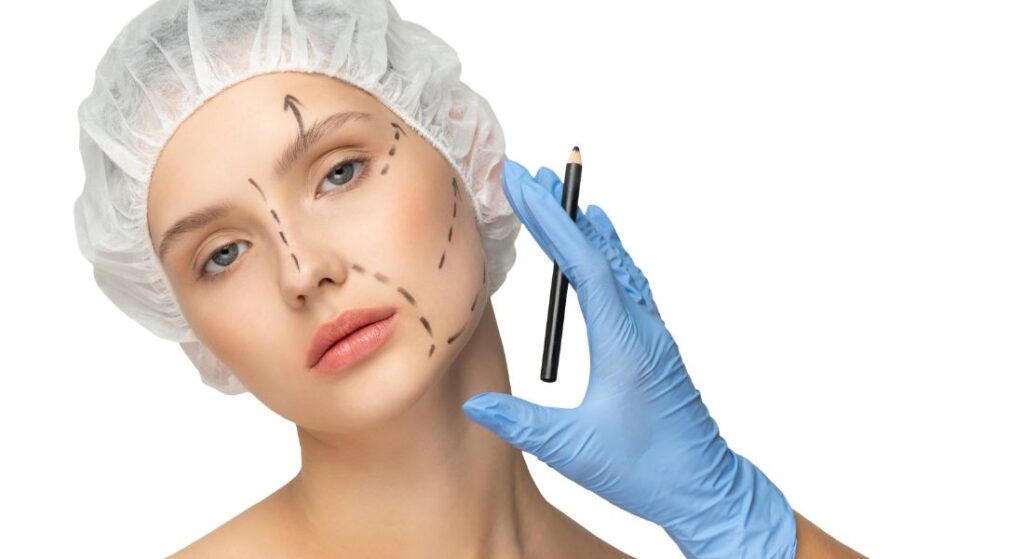
Fat transfer, also known as fat grafting, is a surgical procedure in which fat is harvested from one area of your body often the abdomen or thighs and injected into another area, such as the face, hands, or buttocks. The procedure involves liposuction, processing of the fat, and then careful reinjection to achieve the desired contour and volume. Because it uses your own tissue, it is considered a natural approach to volume restoration.
Unlike Sculptra, fat transfer provides immediate volume. You can see a noticeable change straight after the procedure, although some of the transferred fat will naturally be reabsorbed by the body in the months that follow. For this reason, surgeons often slightly overfill the area to compensate for expected volume loss.
Results from fat grafting can be long-lasting and, in some cases, even permanent once the transferred fat establishes a blood supply. However, it is a surgical procedure, which means it involves anaesthesia, recovery time, swelling, bruising, and the small but real risks associated with surgery. This makes it a more significant commitment compared to non-surgical collagen-stimulating treatments.
Longevity Comparison
When deciding between Sculptra and fat transfer, longevity is often one of the most important considerations. While both treatments aim to restore volume and improve contour, the way they achieve and maintain results differs significantly. One relies on collagen stimulation over time, while the other depends on the survival of transplanted fat cells. Understanding these differences helps set realistic expectations about durability and maintenance.
1. Sculptra Longevity: Sculptra typically lasts between 18 and 24 months, although some patients may notice results beyond this timeframe. Its longevity comes from stimulating your body’s own collagen rather than acting as a traditional space-occupying filler. Over time, the poly-L-lactic acid (PLLA) particles are metabolised, but the collagen framework they generate can persist for an extended period.
2. Fat Transfer Longevity: Fat transfer can offer permanent volume because surviving fat cells integrate into the treated area. However, not all transferred fat survives the process, and approximately 30% resorption is commonly expected. Because of this variability, some patients may require additional sessions to achieve or maintain their desired result.
3. Predictability vs Permanence: Sculptra provides gradual, controlled improvement with predictable duration. Fat transfer offers the potential for permanence, but outcomes can vary depending on how well the fat survives. Each approach carries different expectations regarding touch-ups and long-term stability.
In summary, fat transfer has the advantage of potentially permanent results when fat survival is successful, though some resorption is expected. Sculptra, on the other hand, delivers long-lasting but ultimately temporary collagen stimulation. The right choice depends on whether you prioritise gradual predictability or the possibility of permanent volume enhancement.
Downtime and Recovery

Sculptra recovery is generally quick and straightforward because the treatment is minimally invasive. Most patients experience mild swelling, redness, or light bruising that settles within a few days. You can usually return to normal activities immediately, and regular massage of the treated area is recommended to help distribute the product evenly.
Fat transfer recovery is more involved because it is a surgical procedure. Swelling, bruising, and soreness can occur at both the donor site (such as the abdomen or thighs) and the area where the fat is injected. Most people need one to two weeks for the initial recovery, and strenuous activities should be avoided during this time.
In summary, Sculptra offers minimal downtime and a faster return to daily life, making it convenient for many patients. Fat transfer requires a longer recovery period but may provide more noticeable and longer-lasting volume in a single procedure.
Risks and Complications
Sculptra is generally considered safe when performed by an experienced injector. The most common side effects are temporary swelling, redness, or bruising at the injection sites. Small lumps or nodules can occasionally form if the product is placed too superficially or if aftercare massage is not followed properly, though these are usually mild and manageable. Because it is non-surgical, there is no risk of general anaesthesia complications or fat necrosis.
Fat transfer carries a higher risk profile because it is a surgical procedure. Potential complications include infection, bleeding, haematoma formation, contour irregularities, and partial fat resorption, which can lead to uneven or unpredictable results. There are also risks associated with anaesthesia, depending on how the procedure is performed.
Overall, Sculptra tends to involve fewer and less severe complications, especially in experienced hands. Fat transfer can produce significant and long-lasting results, but it comes with the typical risks of surgery and greater variability in how the body responds to the transferred fat.
Suitability: Who Is a Good Candidate?
Sculptra is well suited to patients who prefer non-surgical treatments and want gradual, subtle improvement rather than an instant change. It appeals to those seeking natural-looking, long-lasting results and who are willing to commit to a series of treatment sessions. In my experience, it works best for individuals with mild to moderate volume loss and relatively good skin quality, where collagen stimulation can create smooth, progressive enhancement.
Fat transfer may be a better option for patients who want immediate volume and the potential for long-term or permanent results. It is more appropriate for those comfortable with undergoing surgery and accepting the associated downtime. Candidates must also have sufficient donor fat available, typically from areas such as the abdomen or thighs.
For patients with more significant volume loss or those seeking more dramatic contour restoration, fat transfer often provides a stronger structural improvement. However, the right choice ultimately depends on your goals, tolerance for downtime, and whether you prefer a gradual, non-surgical approach or a single, more intensive surgical procedure.
Cost Considerations
Cost differs significantly between the two procedures, and it’s important to look beyond just the headline figure. Sculptra is typically charged per vial, and most patients require multiple vials per session, often across several appointments. While the per-visit cost is lower than surgery, the total investment builds gradually over time.
Fat transfer involves a higher upfront expense because it is a surgical procedure. The fee usually includes the surgeon’s time, theatre costs, anaesthesia, and post-operative care. Although the initial outlay is considerably higher, the results can last for many years, which may reduce the need for repeat treatments.
In simple terms, Sculptra offers a more accessible, non-surgical option with predictable, staged spending. Fat transfer represents a larger one-time financial commitment, but for suitable candidates, it can deliver long-term volume restoration that may prove cost-effective over time.
Combining Sculptra and Fat Transfer
For some patients, choosing between Sculptra and fat transfer isn’t necessary. A combination approach can offer a strategic balance between immediate structural volume and long-term collagen stimulation. By using each treatment for its strengths, it’s possible to create a more refined and harmonious result. This tailored strategy is particularly helpful for patients seeking both noticeable improvement and subtle skin rejuvenation.
1. Fat Transfer for Structural Volume: Fat transfer works well for restoring volume in larger areas that require significant contour enhancement. Because surviving fat cells integrate into the tissue, it can provide substantial and potentially permanent fullness. This makes it ideal for addressing deeper volume loss.
2. Sculptra for Collagen Stimulation and Refinement: Sculptra can be used to enhance surrounding areas or fine-tune results after fat transfer. By stimulating collagen gradually, it improves skin quality and supports a smoother, more natural transition between treated zones. This helps avoid an overfilled or uneven appearance.
3. Balanced and Natural-Looking Outcomes: Combining the two treatments allows for immediate satisfaction from fat grafting while benefiting from the long-term regenerative effects of Sculptra. The gradual collagen boost enhances skin texture and firmness over time. This layered approach often produces a more natural and proportionate aesthetic result.
In summary, a combined approach leverages the strengths of both fat transfer and Sculptra. Fat grafting provides immediate structural enhancement, while Sculptra refines and rejuvenates through collagen stimulation. For the right candidate, this strategy delivers balanced, long-lasting, and natural-looking outcomes.
Patient Experience and Comfort
When it comes to overall patient experience, Sculptra is generally considered straightforward and well tolerated. The injections cause only mild discomfort for most people, and topical anaesthetic is usually enough to keep the procedure comfortable. There is no need for surgical preparation or theatre time, which makes the process feel simpler and far less intimidating for patients who prefer a minimally invasive approach.
Fat transfer, by contrast, is a surgical procedure performed under local or general anaesthetic. Although it is typically safe when carried out by an experienced surgeon, patients should expect post-operative soreness, swelling, and some bruising. In addition to the treated area, the donor site also requires care and recovery, which adds another layer to the healing process.
In practical terms, patients who feel anxious about surgery or want minimal downtime often find Sculptra to be the gentler and more comfortable option. Those prepared for a short recovery period in exchange for potentially longer-lasting structural volume may feel that fat transfer is worth the additional intensity of the experience.
Longevity of Appearance
Sculptra’s results develop gradually over several months as collagen production increases. This slow progression can be highly appealing for patients who prefer subtle, natural-looking enhancement rather than a noticeable overnight transformation. Because the improvement unfolds in stages, it often feels more organic and easier to integrate into your overall appearance.
Fat transfer, on the other hand, delivers visible volume immediately after the procedure. However, it is important to understand that some of the transferred fat will naturally reabsorb during the first few months. Once the surviving fat cells establish a blood supply and stabilise, the remaining volume can last for many years, sometimes even permanently.
Both treatments are considered long-lasting, but the experience of longevity differs. Sculptra offers progressive refinement that maintains a natural evolution, whereas fat transfer provides instant structural change with the potential for very long-term retention. Ultimately, the better option depends on whether you value gradual enhancement or immediate, potentially permanent volume restoration.
When to Choose Sculptra
Sculptra is not the right choice for everyone, but for the right patient, it offers unique advantages. It is particularly appealing to those who prefer subtle, progressive enhancement rather than dramatic, immediate change. Because it works by stimulating your body’s own collagen, the results tend to look natural and refined over time. Understanding your priorities and comfort level with gradual improvement will help determine if it’s the right fit.
1. You Prefer a Non-Surgical Approach: Sculptra is injectable and does not require incisions, general anaesthesia, or surgical recovery. This makes it attractive to patients who want facial or body volume restoration without undergoing an operation. The procedure is typically performed in clinic with minimal disruption to daily life.
2. You Want Minimal Downtime: Most patients experience only mild swelling or tenderness after treatment. Normal activities can usually resume quickly, making it suitable for those with busy schedules. Compared to surgical options, recovery is significantly shorter and more manageable.
3. You’re Focused on Natural-Looking Collagen Stimulation: Rather than creating instant fullness, Sculptra gradually stimulates collagen production. This leads to subtle, cumulative improvements that blend seamlessly with your natural features. The progressive nature of the results often avoids the “overfilled” look some patients worry about.
4. You’re Willing to Maintain Results: While long-lasting, Sculptra is not permanent. Occasional follow-up treatments help maintain collagen levels and preserve results over time. Patients who view aesthetic care as an ongoing investment tend to benefit most from this approach.
In summary, Sculptra is ideal for patients seeking a non-surgical, low-downtime treatment that delivers gradual and natural-looking results. It suits those who value collagen stimulation and are comfortable with maintenance sessions. If subtle, long-term rejuvenation aligns with your goals, Sculptra may be the right choice.
When to Choose Fat Transfer
Fat transfer may be the better option if you’re looking for immediate and noticeable volume restoration. Because your own fat is transferred directly into the target area, you see a visible change straight away, which can be particularly beneficial for significant volume loss in the cheeks, temples, or body.
It’s also more suitable if you feel comfortable undergoing a surgical procedure and allowing time for recovery. There will be swelling, bruising, and some downtime, not only in the treated area but also where the fat is harvested. Patients who are prepared for this short-term inconvenience often prioritise the potential for long-term structural improvement.
Finally, fat transfer is worth considering if you want results that may last many years and you have sufficient donor fat available. Once the transferred fat establishes a blood supply, the surviving cells can remain permanently, making it an appealing option for those seeking durable, natural volume using their own tissue.
Expert Insight

When deciding between Sculptra and fat transfer, a detailed consultation with a qualified clinician is essential. Every patient has unique facial anatomy, varying degrees of volume loss, and different expectations around recovery and longevity. A thorough assessment allows the treatment plan to be tailored precisely, whether that involves Sculptra alone, fat transfer alone, or a carefully staged combination of both.
An experienced provider will also evaluate skin quality, structural support, lifestyle factors, and your tolerance for downtime before making a recommendation. This level of planning helps minimise risks and ensures the chosen approach aligns with your aesthetic goals rather than following a one-size-fits-all solution.
If you’re considering treatment in London, selecting a reputable clinic with skilled injectors or surgeons significantly improves safety and predictability. Expertise in technique, patient selection, and aftercare plays a major role in achieving natural, balanced, and long-lasting results.
FAQs:
1. Which lasts longer: Sculptra or fat transfer?
Fat transfer has the potential to last longer because surviving fat cells can remain permanently once they establish a blood supply. However, some of the transferred fat is naturally reabsorbed by the body, and results can vary between patients. Sculptra typically lasts between 18 and 24 months, offering predictable longevity through gradual collagen stimulation rather than permanent volume.
2. Is Sculptra safer than fat transfer?
Sculptra is generally considered lower risk because it is a non-surgical injectable treatment that does not require anaesthesia or incisions. Most side effects are mild and temporary, such as swelling or bruising. Fat transfer is a surgical procedure and carries typical risks including infection, bleeding, and anaesthetic-related complications, although it remains safe when performed by an experienced clinician.
3. Does fat transfer look more natural than Sculptra?
Both treatments can look very natural when performed correctly. Sculptra stimulates your own collagen gradually, which often produces subtle and organic-looking enhancement. Fat transfer uses your own tissue, which can create natural contours, particularly in areas of deeper structural volume loss. Results depend more on technique and patient suitability than the treatment itself.
4. How much downtime is involved with each procedure?
Sculptra requires minimal downtime, and most patients return to normal activities within a day or two. Mild swelling or bruising may occur but usually settles quickly. Fat transfer involves a longer recovery period, typically one to two weeks, due to swelling, bruising, and soreness at both the donor and treatment sites.
5. Can Sculptra and fat transfer be combined?
Yes, they can be combined strategically. Fat transfer can restore immediate structural volume, while Sculptra can enhance skin quality and stimulate collagen over time. This combined approach often produces balanced, long-lasting, and more refined results.
6. Which option is better for significant volume loss?
Fat transfer is often more suitable for significant volume loss because it can restore a larger amount of volume in a single procedure. Sculptra works best for mild to moderate volume loss and for patients who prefer gradual improvement rather than dramatic change.
7. Is fat transfer permanent?
Fat transfer can be permanent once the surviving fat cells integrate successfully into the treated area. However, some reabsorption is expected during the first few months, and additional sessions may be required to achieve optimal results.
8. How many Sculptra sessions are usually required?
Most patients need a series of Sculptra treatments spaced four to six weeks apart. The exact number depends on the degree of volume loss and the desired outcome. Maintenance sessions may be recommended to preserve long-term results.
9. Which treatment is more cost-effective over time?
Sculptra involves lower upfront costs but typically requires multiple sessions and maintenance over time. Fat transfer has a higher initial cost due to surgical fees, but its long-lasting results may reduce the need for repeat treatments, potentially making it cost-effective in the long term.
10. How do I decide between Sculptra and fat transfer?
The right choice depends on your goals, tolerance for downtime, budget, and whether you prefer gradual collagen stimulation or immediate structural volume. A detailed consultation with an experienced clinician is essential to assess your anatomy, skin quality, and expectations before deciding which treatment or combination approach is most suitable for you.
Final Thoughts: Making the Right Choice for Long-Term Volume
There is no single “better” treatment between Sculptra and fat transfer only the option that best suits your anatomy, lifestyle, and expectations. If you prefer gradual, natural-looking enhancement with minimal downtime and lower overall risk, collagen-stimulating Sculptra injections offer a predictable and refined approach to long-term volume restoration. Fat transfer, on the other hand, may be more suitable if you want immediate structural change and are comfortable undergoing a surgical procedure with a longer recovery period in exchange for potentially permanent results.
Ultimately, the right decision should follow a personalised consultation that considers your degree of volume loss, skin quality, tolerance for downtime, and long-term aesthetic goals. If you’re thinking about Sculptra treatment in London, you can get in touch with us at the London Medical & Aesthetic Clinic to discuss whether advanced collagen-stimulating Sculptra treatments are right for you and how they compare with surgical fat grafting options.
References
1. Fabi, S.G. et al. (2024) Effectiveness and safety of Sculptra poly-L-lactic acid injectable implant in the correction of cheek wrinkles, Journal of Drugs in Dermatology https://pubmed.ncbi.nlm.nih.gov/38206151/
2. Barbosa, A.D.P., Cezar-dos-Santos, F., Carbone, A.C., Ventura, S., Brissian de Souza Nobre, B., Boechat Borges Neves, M.L., Câmara-Souza, M.B., Poluha, R.L. and De la Torre Canales, G. (2024) Efficacy and Safety of Poly-L-Lactic Acid in Facial Aesthetics: A Systematic Review https://www.mdpi.com/2073-4360/16/18/2564
3. Signori, R. et al. (2024) Efficacy and Safety of Poly-L-Lactic Acid in Facial Aesthetics: A Systematic Review, Polymers, https://pmc.ncbi.nlm.nih.gov/articles/PMC11435306/
4. Simonacci, F., Bertozzi, N., Grieco, M.P., Grignaffini, E. and Raposio, E. (2017) Procedure, applications, and outcomes of autologous fat grafting, Annals of Medicine and Surgery https://www.sciencedirect.com/science/article/pii/S2049080117302406
5. Schwitzer, J.T. et al. (2019) Fat grafting outcomes and complications: A systematic review, Aesthetic Surgery Journal https://pmc.ncbi.nlm.nih.gov/articles/PMC11435306/