



Sculptra behaves very differently from traditional hyaluronic acid fillers, and this affects how it can be corrected if the results are not exactly what you hoped for. Unlike HA fillers, which can be dissolved quickly with hyaluronidase, Sculptra works gradually by stimulating your skin’s own collagen production. This means there is no immediate undo option if you feel the volume or shape is not right.
Because Sculptra’s effect develops over several months, any adjustments need careful planning. Overcorrection or minor asymmetry is typically managed by waiting for the product to be metabolised naturally, which can take up to one or two years for complete absorption. In some cases, small touch-ups with traditional fillers can help balance the appearance while the Sculptra settles.
This gradual action is why starting conservatively is crucial. Many practitioners recommend using a smaller initial amount and building up over multiple sessions. This approach allows you to see how your skin responds and gives greater control over the final result, reducing the risk of unwanted outcomes.
Ultimately, understanding that Sculptra cannot be reversed immediately helps set realistic expectations. It encourages patience and strategic planning, ensuring the results are natural, balanced, and aligned with your aesthetic goals.
Understanding How Sculptra Works
Before discussing reversibility, it’s important to understand how Sculptra functions beneath the skin. Unlike hyaluronic acid fillers that provide immediate volume, Sculptra works by stimulating your body’s own collagen production. It contains poly-L-lactic acid (PLLA), a biocompatible substance that gradually encourages tissue regeneration rather than simply “filling” an area. This makes the results more progressive and natural-looking over time.
1. Collagen Stimulation Rather Than Instant Filling: Sculptra does not create instant plumpness in the way traditional fillers do. Instead, once injected, the PLLA particles trigger your body to produce new collagen over several weeks. The visible improvement appears gradually as the collagen builds and strengthens the skin’s structure.
2. Gradual and Cumulative Results: Because collagen production takes time, changes are subtle and develop progressively. Most patients require a series of three treatments spaced four to six weeks apart to achieve optimal results. This staged approach allows for controlled enhancement and a balanced outcome.
3. Long-Lasting Effects: One of Sculptra’s main advantages is its longevity. Results can last up to two years or sometimes longer, as they rely on your body’s natural collagen framework. This makes it particularly appealing for those seeking sustained, natural rejuvenation rather than a short-term volumising effect.
4. Limited Reversibility Compared to HA Fillers: Unlike hyaluronic acid fillers, which can be dissolved with hyaluronidase, Sculptra cannot simply be “undone.” Once collagen has formed, it becomes part of your natural tissue structure and cannot be removed instantly. This highlights the importance of careful planning and choosing an experienced practitioner.
In summary, Sculptra works by gradually restoring volume through collagen stimulation rather than immediate filling. Its results are subtle, long-lasting, and build over time, making it a popular choice for patients seeking natural enhancement. However, because it cannot be easily reversed, thoughtful treatment planning and expert technique are essential to achieving safe and satisfying outcomes.
Can Sculptra Be Reversed?
Sculptra cannot be reversed in the same way as hyaluronic acid fillers because there is no dissolving agent available. Once injected, it stimulates collagen production, and although the PLLA microspheres gradually break down, the collagen your body produces can remain for a long time. This means there is no immediate way to undo the treatment.
If you are unhappy with the results, patience is often necessary. Mild overcorrection may soften as the product is naturally metabolised over several months. In cases of asymmetry or imbalance, additional treatments can sometimes be used carefully to refine or balance the overall appearance.
Sculptra is generally safe and predictable when administered by an experienced professional. Choosing a skilled injector and taking a conservative approach from the start significantly reduces the likelihood of dissatisfaction and the need for corrective procedures later.
Why Sculptra Results Might Not Meet Expectations
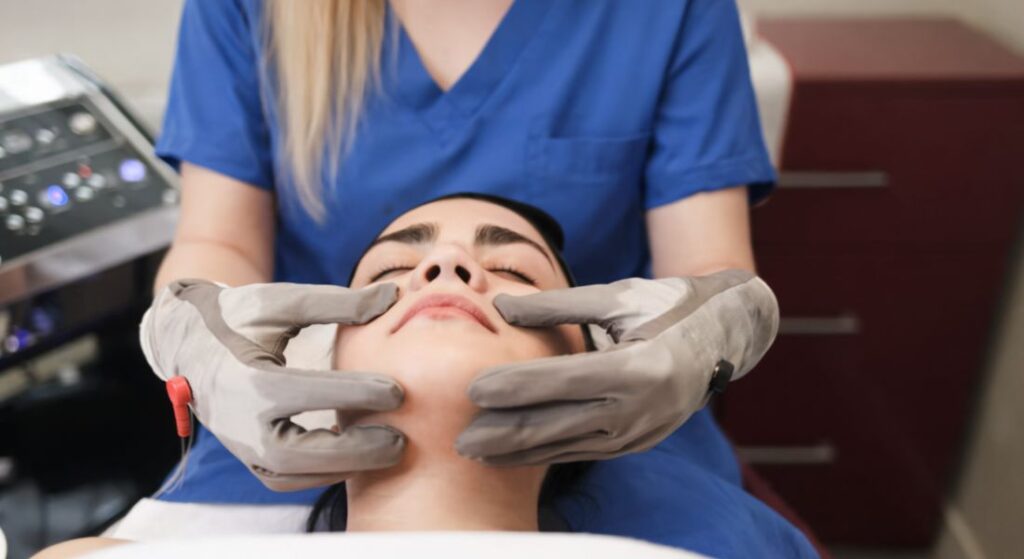
Even with careful planning, Sculptra results may not always match your exact expectations. One reason is uneven collagen response. Because Sculptra relies on your body’s natural collagen production, some areas may respond more strongly than others, leading to subtle asymmetry. This variation is biological and can differ from person to person.
Over- or under-treatment can also influence the final outcome. Since Sculptra works gradually, too many injections may create excess volume over time, while too few may lead to underwhelming results. In addition, temporary swelling and inflammation immediately after treatment can make the face appear uneven or fuller than expected. This typically settles within a few days, but it can cause concern if you are not prepared for it.
Lifestyle and overall health factors also play a role. Smoking, diet, age, and baseline skin quality can all affect collagen production and, therefore, the final result. Understanding that Sculptra develops slowly over weeks and months helps reduce anxiety. What may appear uneven or subtle at first often improves naturally as collagen builds and the tissue settles.
When to Seek Professional Advice
It’s essential to consult your practitioner promptly if you notice any concerns following treatment. Persistent lumps or firm nodules that do not soften over time should always be assessed, as they may require targeted management. Early evaluation helps prevent minor irregularities from becoming more noticeable or difficult to correct.
Uneven volume that does not gradually improve over the following weeks is another reason to seek professional advice. While mild asymmetry can occur during the settling phase, lasting imbalance may indicate the need for adjustment. Your clinician can determine whether simple massage, additional product, or dissolving treatment is the most appropriate solution.
Unexpected swelling, increasing redness, warmth, or pain should never be ignored. These symptoms could signal inflammation or, in rare cases, infection that requires prompt attention. Addressing concerns early ensures safer outcomes and reduces the likelihood of more complex corrective procedures later on.
Setting Realistic Expectations
One of the most important steps before Sculptra treatment is understanding what it can realistically achieve. Unlike Hyaluronic acid filler injections, which create immediate volume, Sculptra works gradually by stimulating your own collagen production. The results build over time and appear subtle, progressive, and cumulative rather than instant.
This slow transformation is actually one of its biggest advantages because it delivers natural-looking improvement without the obvious “just had filler” appearance. However, it also means the outcome cannot be reversed instantly in the same way hyaluronic acid fillers can be dissolved. Patience is essential, and results typically evolve over several weeks following each session.
Before treatment, have a thorough consultation with your injector. Discuss your goals, facial structure, and long-term expectations. An experienced provider will assess your anatomy carefully, outline the likely number of sessions needed, and explain the realistic timeline for visible improvement.
The Importance of Choosing an Experienced Injector

Because Sculptra results develop gradually over several months, technique plays a crucial role in achieving a smooth, natural outcome. Incorrect injection depth or placement can increase the risk of lumps, nodules, or uneven volume. Precision, proper dilution, and strategic placement are all essential to ensure collagen is stimulated evenly and safely.
An experienced practitioner understands facial anatomy, ageing patterns, and how to restore volume in a balanced way. Rather than simply adding fullness, a skilled injector focuses on facial harmony, supporting areas of structural loss while maintaining natural contours. This level of expertise significantly reduces the likelihood of complications or dissatisfaction.
If you are considering Sculptra in London, take time to research clinics thoroughly. Review professional qualifications, patient testimonials, and before-and-after photos to evaluate consistency and results. A reputable provider will also offer comprehensive aftercare guidance and clear communication about what to expect if minor refinements are needed.
Alternatives if You Want Reversible Options
If reversibility is your main concern, there are alternative treatments that may feel more reassuring. Not all injectable fillers work in the same way, and some are designed to offer flexibility if adjustments are needed. Understanding the differences allows you to choose an option that aligns with your comfort level and long-term aesthetic goals. For patients who prefer greater control, reversible fillers can provide added peace of mind.
1. Hyaluronic Acid (HA) Fillers: HA fillers provide immediate volume and can be dissolved using hyaluronidase if required. This means unwanted results, overfilling, or asymmetry can often be corrected quickly. While they do not stimulate collagen in the same way as Sculptra, they offer a predictable and adjustable outcome.
2. Greater Flexibility and Control: Because HA fillers are reversible, they are often preferred by first-time patients or those uncertain about long-term volume changes. The ability to fine-tune or remove the product provides reassurance. This flexibility can make the decision to proceed with treatment feel less daunting.
3. Combination Treatment Approach: Some patients choose to combine HA fillers with Sculptra. HA fillers can provide instant enhancement, while Sculptra gradually stimulates collagen for longer-term improvement. This blended strategy offers both immediate satisfaction and sustained results, while maintaining some degree of reversibility.
In summary, if reversibility is a priority, hyaluronic acid fillers may be a more suitable option. They provide immediate results and can be adjusted or dissolved if necessary, offering greater flexibility. For those seeking both control and longevity, a combination approach may deliver balanced and personalised results.
Post-Treatment Care to Minimise Complications
Aftercare plays a vital role in achieving smooth, balanced results and reducing the risk of complications. Gentle massage of the treated area, if advised by your clinician, can help distribute the product evenly and prevent small irregularities from forming. It is important to follow the specific technique and frequency recommended, as excessive or incorrect massage may interfere with optimal settling.
Avoiding strenuous activity for the first 24 to 48 hours is equally important. Intense exercise increases blood flow and swelling, which can worsen inflammation and potentially affect how the product integrates. Light daily activities are usually fine, but high-impact workouts, heavy lifting, or anything that significantly raises your heart rate should be postponed briefly.
Staying well hydrated and maintaining good skin health also supports recovery and collagen production. A balanced diet, proper skincare, and protecting the area from unnecessary pressure can all contribute to smoother outcomes. Attending scheduled follow-up appointments allows your clinician to monitor progress, address concerns early, and perform minor touch-ups if required, reducing the likelihood of lumps or uneven results over time.
How Long Does Sculptra Last?
Sculptra results are not permanent, but they are impressively long-lasting compared with many traditional fillers. The poly-L-lactic acid (PLLA) microspheres gradually break down over roughly two to three years. However, the collagen your body produces in response can remain even longer, which is why improvements often look so natural and sustained. Because of this extended longevity, I always believe it’s wise to approach the first treatment conservatively to avoid overcorrection.
One of the unique aspects of Sculptra is that results develop gradually rather than appearing instantly. Over several weeks, collagen stimulation increases skin thickness and restores lost volume in a subtle, progressive way. Most people enjoy visible improvement for around two years, and sometimes beyond, depending on age, metabolism, lifestyle, and the treatment area.
If at any point the outcome feels slightly more pronounced than expected, it’s reassuring to know that Sculptra naturally metabolises over time. There is no immediate reversal option, but the gradual breakdown of PLLA means the effect slowly softens over months. In practice, this built-in fade provides a safety buffer and contributes to the treatment’s overall appeal for patients seeking longer-term yet non-permanent facial rejuvenation.
Key Takeaways on Reversing or Correcting Sculptra
Sculptra cannot be dissolved in the same way as hyaluronic acid fillers, which is an important distinction for anyone considering treatment. Its effects rely on stimulating your own collagen production rather than simply adding volume that can be reversed with an enzyme. For this reason, decision-making and practitioner expertise are especially important before proceeding.
In many cases, minor irregularities or unevenness improve naturally over several weeks as collagen production stabilises and the product integrates into the tissue. Careful injection technique, proper post-treatment massage, and, where necessary, conservative touch-ups are the main ways clinicians manage and refine results. Patience is often part of the process, as Sculptra works gradually rather than instantly.
Choosing an experienced practitioner significantly reduces the risk of unwanted outcomes and overcorrection. If having the option of immediate reversibility is a priority for you, alternative fillers may be more suitable. Understanding these differences helps you select the treatment that best aligns with your expectations and comfort level.
Real Patient Experiences with Sculptra

One of the most helpful ways to understand Sculptra is by listening to people who have already experienced treatment with Sculptra. Many patients say the gradual nature of the results feels very different from traditional hyaluronic acid fillers. Instead of walking out of the clinic with an instant transformation, they describe a slow and steady improvement that unfolds over weeks. For some, that subtle progression feels more natural and less obvious to others.
In the first few weeks, patients often talk about a sense of anticipation. There can be mild fullness from initial swelling, followed by a phase where it seems like the volume has settled. Then, gradually, collagen stimulation begins to show. Skin texture may appear smoother, cheeks subtly lifted, and overall facial contours more refined. While most people are pleased with this gentle evolution, a few admit they felt slightly anxious during the waiting period, particularly if they were unsure what to expect.
Over time, many patients report high satisfaction because the results do not look artificial or overfilled. Friends and family may comment that they look well-rested or healthier, rather than “done.” These real experiences underline an important point: patience and practitioner skill are key. With proper technique, realistic expectations, and clear communication, Sculptra can create a refreshed version of your natural features rather than a dramatic or obvious change
Comparing Sculptra to Other Fillers
Understanding Sculptra’s unique qualities becomes much clearer when you compare it directly to other commonly used dermal fillers. Each product works differently in terms of how quickly results appear, how long they last, and whether they can be reversed. These differences can significantly influence your decision, especially if longevity or flexibility is a priority. Choosing the right option ultimately depends on your aesthetic goals and comfort level with gradual versus immediate change.
1. Hyaluronic Acid (HA) Fillers: HA fillers provide instant volume and visible results immediately after treatment. They can be dissolved with hyaluronidase if correction is needed, offering a high level of control. Results typically last between six and eighteen months, making them ideal for patients who prioritise reversibility and quicker gratification.
2. Calcium Hydroxylapatite (Radiesse): Radiesse provides both immediate volume and some degree of collagen stimulation. While it offers longer-lasting results than many HA fillers, it does not typically last as long as Sculptra. It sits somewhere between instant fillers and fully collagen-stimulating treatments in terms of longevity and mechanism.
3. Poly-L-lactic Acid (Sculptra): Sculptra works gradually by stimulating collagen production over time rather than creating instant fullness. Results can last up to two years or more, offering subtle and natural-looking rejuvenation. However, because it relies on collagen formation, it is less easily reversible compared to HA fillers.
In summary, each filler type offers distinct advantages and trade-offs. If you value immediate results and the option to reverse treatment, HA fillers may be more suitable. If you prefer gradual, long-term collagen stimulation and are comfortable with limited reversibility, Sculptra may be the better choice. The right decision depends on your goals, expectations, and confidence in a carefully planned treatment approach.
Lifestyle Factors That Affect Results
Your lifestyle plays a meaningful role in how well your results develop after treatment with Sculptra. Because the treatment works by stimulating your body’s own collagen production, anything that affects skin health can influence both the longevity and uniformity of the outcome. Maintaining healthy habits supports smoother integration and more predictable results over time.
Smoking is one of the most significant negative factors, as it reduces collagen synthesis and can slow the regenerative processes Sculptra relies on. Diet also matters. Adequate protein intake, along with vitamins such as C and E, helps support skin repair and collagen formation. Hydration is equally important, as well-hydrated skin tends to appear more elastic and can enhance the overall look of restored volume.
Sun protection should not be overlooked. Excessive UV exposure breaks down collagen and accelerates skin ageing, potentially shortening the visible benefits of treatment. By staying mindful of these factors, you can help your results last longer and maintain a balanced, natural appearance.
Managing Patient Anxiety About Irreversibility
Feeling anxious about treatment with Sculptra is completely understandable. Unlike hyaluronic acid fillers, the results are not immediate and cannot be dissolved, which can make the process feel less controllable. Much of this anxiety stems from uncertainty, so taking steps to feel informed and prepared can make a significant difference.
One of the most effective ways to build confidence is choosing a highly experienced clinic with a strong track record. Starting conservatively, using fewer vials initially and planning gradual touch-ups, allows you to assess how your body responds before committing to additional volume. Reviewing before-and-after photos of patients with similar facial structure can also help you visualise realistic outcomes rather than imagining extremes.
It’s equally important to understand the treatment timeline. Results develop gradually as collagen forms, and the product naturally metabolises over time. Knowing that changes are progressive rather than sudden often reassures patients that refinement is possible and that outcomes tend to look subtle and natural. Clear communication and a structured plan can turn anxiety into confidence.
FAQs:
1. Can Sculptra be dissolved if I don’t like the results?
No, Sculptra cannot be dissolved like hyaluronic acid (HA) fillers. There is no reversal enzyme available because Sculptra works by stimulating your body’s own collagen production. Once collagen forms, it becomes part of your natural tissue structure, meaning results must gradually soften over time rather than being instantly reversed.
2. How long does it take for Sculptra to wear off naturally?
Sculptra gradually metabolises over two to three years. However, the collagen it stimulates can last even longer. Most patients see visible improvement for around two years, with gradual softening over time.
3. What happens if I have too much volume after Sculptra?
Mild overcorrection often improves as swelling settles and collagen stabilises. If volume feels excessive, your practitioner may recommend waiting for natural metabolism or carefully balancing the area with small adjustments. Patience is usually part of the process.
4. Can uneven or asymmetrical results be corrected?
Yes, unevenness can often be managed. Minor asymmetry may improve naturally as collagen production stabilises. If needed, your practitioner may suggest massage, small refinements, or strategic use of HA filler to balance the appearance.
5. Why do Sculptra results take time to appear?
Sculptra contains poly-L-lactic acid (PLLA), which stimulates collagen production rather than providing instant volume. Your body needs several weeks to build new collagen, which is why results appear gradually over a few months.
6. Are lumps or nodules common with Sculptra?
Small lumps can occasionally occur, especially if post-treatment massage instructions are not followed. Most are mild and improve with time or targeted management. Persistent or firm nodules should always be assessed by your practitioner.
7. How can I reduce the risk of complications?
Choosing an experienced injector is essential. Conservative dosing, correct injection technique, proper dilution, and following aftercare instructions (including massage and avoiding intense exercise initially) significantly reduce risks.
8. Is Sculptra safe?
Yes, Sculptra is considered safe when administered by a qualified and experienced practitioner. It has been used for many years and is biocompatible. Most side effects are temporary and mild, such as swelling or bruising.
9. What if I’m anxious about the fact that Sculptra isn’t reversible?
If reversibility is important to you, hyaluronic acid fillers may feel more reassuring since they can be dissolved. Many patients reduce anxiety by starting conservatively with Sculptra and building results gradually over multiple sessions.
10. Can Sculptra be combined with other fillers for more control?
Yes, some patients combine Sculptra with HA fillers. HA provides immediate, adjustable volume, while Sculptra delivers long-term collagen stimulation. This combination offers both instant enhancement and sustained improvement with some degree of flexibility.
Final Thoughts: A Balanced and Informed Choice
Sculptra is not a quick-fix filler; it is a collagen-stimulating treatment that rewards patience and careful planning. Because it cannot be dissolved like hyaluronic acid fillers, understanding the gradual timeline and taking a conservative approach from the start is essential. When performed by an experienced practitioner, it can deliver subtle, long-lasting, and natural-looking rejuvenation that evolves beautifully over time.
If reversibility is your main concern, alternative fillers may offer greater reassurance. However, for those seeking progressive, structural improvement with results that can last up to two years or more, Sculptra remains a strong option when carefully managed. If you’re thinking about Sculptra in London, you can get in touch with us at the London Medical & Aesthetic Clinic.
References:
1. Fabi, S. et al., 2024. Effectiveness and safety of Sculptra poly-L-lactic acid injectable implant in the correction of cheek wrinkles. Journal of Drugs in Dermatology https://pubmed.ncbi.nlm.nih.gov/38206151/
2. Angelo-Khattar, M., 2025. Poly-L-lactic acid in facial rejuvenation: volumetric data supporting regenerative outcomes. Clinical, Cosmetic and Investigational Dermatology https://pmc.ncbi.nlm.nih.gov/articles/PMC12764296/
3. Kubik, P., Gruszczyński, W. & Filipowska, M., 2025. Comparative analysis of reconstitution and solubility of two poly-L-lactic acid fillers for medical applications. Polymers, https://www.mdpi.com/2073-4360/17/13/1778
4. Ray, S. and Ta, H.T., 2020. Investigating the effect of biomaterials such as poly-(L-lactic acid) particles on collagen synthesis in vitro: Method is matter. Journal of Functional Biomaterials https://pubmed.ncbi.nlm.nih.gov/32722074/
5. Liu, Y. et al., 2025. Porous PLLA microspheres dispersed in HA/collagen hydrogel as injectable facial fillers to enhance aesthetic effects. Regenerative Biomaterials, https://academic.oup.com/rb/article/doi/10.1093/rb/rbaf049/8142430