

Thread lift procedures have become increasingly popular among people who want facial rejuvenation without surgery. You may find that these treatments work by using dissolvable threads placed beneath the skin to gently lift and support facial tissues. However, it is important to understand that not all thread lifts are the same in how they are designed or how they perform.
Silhouette Soft is one of the most well-known thread lift systems, but there are also several other options available. These different thread types can vary in their design, lifting strength, duration of results, collagen stimulation, and overall treatment purpose. Because of these differences, the results you experience can vary depending on the system used.
In this article, you will learn how Silhouette Soft compares with other thread lift treatments and what makes it unique. You will also gain a clearer understanding of what realistic expectations should look like before choosing a procedure. This can help you make a more informed and confident decision about your treatment options.
What Is a Thread Lift?
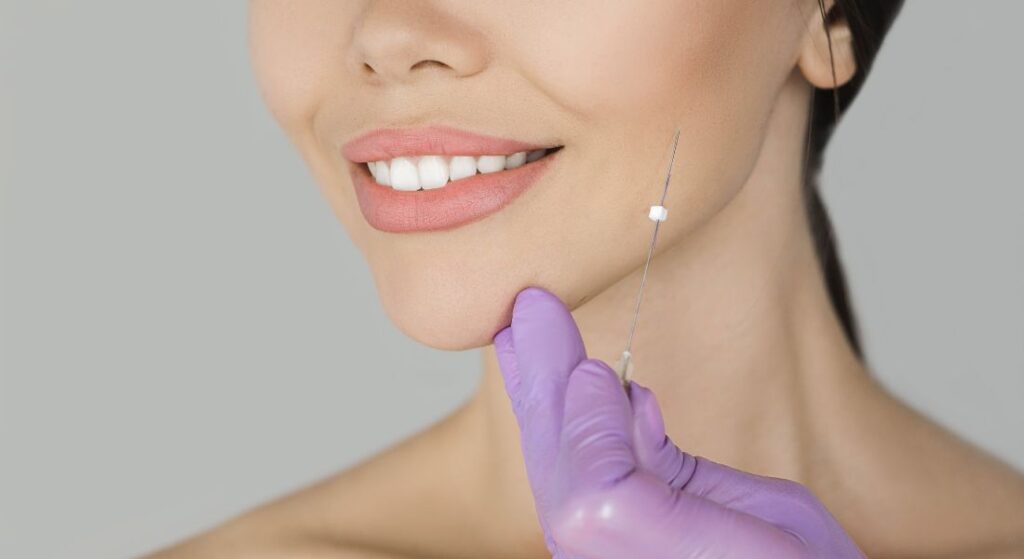
A thread lift is a minimally invasive cosmetic procedure designed to lift mild to moderate facial sagging. You may find that dissolvable threads are placed just beneath the skin to gently reposition the tissue and improve facial contour. Over time, the treatment also stimulates collagen production, which helps support the skin’s structure.
You may choose a thread lift if you are looking for subtle rejuvenation without undergoing surgery. Recovery is usually quicker compared to a surgical facelift, which makes it a more convenient option for many people. The results are generally natural-looking rather than dramatic, focusing on gentle improvement.
Different thread lifts systems use different materials and techniques, which means results can vary from one procedure to another. Understanding these differences is important when considering treatment options. This helps you make a more informed decision about what may work best for your individual needs.
What Is Silhouette Soft?
Silhouette Soft is a specific type of thread lift system that uses absorbable sutures with small cones placed along the threads. You may find that these cones help to gently anchor and reposition the facial tissue under the skin. The treatment is designed to provide both an immediate lifting effect and gradual collagen stimulation over time.
Unlike some smoother thread systems, Silhouette Soft focuses more strongly on structural repositioning of the face. It is commonly used in areas such as the cheeks, jawline, and mid-face where early signs of ageing often appear. In many cases, the lifting effect may be more noticeable compared to very fine or purely smoothing threads.
The threads slowly dissolve over time while continuing to stimulate collagen production beneath the skin. This helps support longer-term improvement in skin firmness and structure. In this way, the treatment combines an immediate mechanical lift with ongoing biological rejuvenation.
Why Different Thread Lifts Exist
Different thread lifts systems exist because they are designed to achieve different treatment goals. You may find that some threads are mainly focused on lifting and repositioning facial tissue, while others place more emphasis on stimulating collagen and improving overall skin texture. Certain types are better suited for subtle refinement, whereas others are designed to provide stronger structural support.
The choice of thread depends on several factors, including your skin laxity, facial anatomy, and personal expectations from the treatment. There is no single thread type that is suitable for everyone, as each face ages differently and requires a tailored approach. This is why a personalised assessment is always important before deciding on treatment.
Understanding these differences helps you see why practitioners may recommend different options for different concerns. The technique used and the specific thread system chosen both play an important role in the final outcome. For this reason, treatment planning should always be individualised to achieve the most appropriate and natural-looking results.
Smooth Threads vs Lifting Threads
Smooth threads are mainly used to stimulate collagen production rather than create a significant lifting effect. You may find that they are thinner and do not have cones or barbs that strongly grip the tissue. Their primary purpose is to improve overall skin quality and provide gentle rejuvenation.
Lifting threads, such as Silhouette Soft, are designed to reposition sagging tissue more effectively. They contain features like cones or barbs that anchor under the skin to help lift and support facial structures. This creates a more noticeable mechanical lifting effect compared to smooth threads.
If your main concern is improving facial contour and reducing sagging, you may benefit more from lifting threads. However, if you are mainly focused on improving skin texture and quality, smoother threads may be more suitable. Your treatment goals play an important role in determining which option is right for you.
Cones vs Barbs
One of the key differences between thread lift systems is whether they use cones or barbs for tissue support. You may find that Silhouette Soft uses bidirectional cones, which help to gently reposition the facial tissue. These cones also help distribute tension more evenly across the treated area, which supports a smoother lifting effect.
Other thread lift systems may use barbed threads instead. Barbs work by gripping the tissue in a slightly different way and can sometimes provide a firmer anchoring effect depending on the design and placement. Each approach has its own advantages, and the results can vary based on how they are used.
The choice between cones and barbs depends on factors such as practitioner preference, your facial anatomy, and your treatment goals. Both methods are intended to achieve lifting and improved contour. However, technique plays a very important role in the final outcome.
How Silhouette Soft Creates Lift
Silhouette Soft works by physically repositioning the soft tissue using cone-supported threads placed beneath the skin. Once inserted, the practitioner gently lifts the tissue into a more youthful position. The cones help hold the tissue in place, providing support to maintain the lifted effect.
You may notice that this mechanical lifting effect is visible immediately after treatment. However, swelling in the early stages can temporarily affect how the final result appears. As the healing process continues, the appearance becomes more settled and refined.
Over time, collagen production develops around the threads, which adds further structural support to the skin. This means the treatment works in two ways: an immediate lift and longer-term improvement. Because results continue to evolve gradually, patience is important as the final outcome develops.
Collagen Stimulation Differences
Most thread lift treatments stimulate collagen to some degree because your body naturally responds to dissolvable material placed beneath the skin. However, you may find that the level of collagen production varies depending on the type, thickness, and material of the threads used.
Silhouette Soft is specifically designed to offer both a lifting effect and collagen support. In contrast, some thinner thread systems tend to focus more on improving skin texture and firmness rather than achieving strong repositioning of facial tissues. Because of this, different systems often prioritise different aesthetic outcomes.
Understanding collagen stimulation helps you see why results continue to improve even after the treatment has been completed. Your skin gradually builds new support structures over time, which contributes to ongoing improvement. This long-term development is an important part of why thread lifts are valued for gradual, natural-looking enhancement.
Longevity of Results
Different thread lift systems can vary in how long their results typically last. You may find that Silhouette Soft results often persist for many months because it combines an immediate lifting effect with ongoing collagen stimulation. However, the exact duration can differ from person to person.
Several factors influence how long the results are maintained, including your age, skin quality, lifestyle habits, and how much your facial muscles move. Some thinner, collagen-stimulating threads may provide shorter-lasting lifting effects compared to more structural systems. For this reason, maintenance treatments are often part of long-term planning.
Understanding the expected longevity helps you set realistic expectations before treatment. You should remember that no thread lift is permanent, as natural ageing continues over time. This is why ongoing care and occasional touch-up treatments may be needed to maintain results.
Treatment Areas
Silhouette Soft is commonly used across key areas of the face where tissue support and lifting are most needed. The cheeks, jawline, and mid-face are typical treatment zones because they respond well to structural repositioning. Depending on the concern and skin condition, other types of threads may also be used in smaller or more delicate areas. This is why treatment planning is always tailored to your individual facial anatomy and goals.
1. Cheeks, Jawline, and Mid-Face Support: These are the primary areas treated with Silhouette Soft because they benefit most from lifting and repositioning. You may notice improved definition in the jawline and a more elevated cheek position. This helps create a more balanced and youthful facial contour.
2. Use of Different Thread Types for Different Areas: Not all threads are the same, and selection depends on the treatment goal. Stronger lifting threads are typically used for heavier or sagging tissue, while finer threads may be chosen for more delicate regions. This variation allows for a more precise and controlled result.
3. Skin Texture Improvement in Smaller Areas: In some cases, finer threads can be used to improve skin texture in areas like the neck or lower face. These threads focus more on collagen stimulation than lifting. This can help improve overall skin quality and smoothness.
4. Importance of Personalised Treatment Planning: Every face has different structural needs, which is why treatment areas must be assessed individually. A personalised approach ensures the correct thread type is used in the right location. This improves both safety and aesthetic outcomes.
Treatment areas for Silhouette Soft are carefully selected based on facial structure, skin condition, and desired results. While the cheeks, jawline, and mid-face are the most common zones, other areas may also benefit from tailored thread types. Understanding these differences helps explain why multiple thread options exist and why custom planning is essential. Overall, a personalised approach ensures more balanced, natural, and effective results.
Jawline Contouring Differences
Jawline contouring is one of the most common reasons people consider thread lifting. You may find that Silhouette Soft is often preferred for this area because its cone-based design can better support heavier lower-face tissues. In cases of mild jowling, the improvement in definition can be quite noticeable.
Other thread lift systems may create more subtle contouring effects in comparison. The degree of lift you achieve depends on both the thread design and the amount of tissue laxity present in your jawline. In more severe cases of sagging, thread lifting alone may not provide enough correction to achieve the desired result.
If you are seeking sharper jawline definition, careful assessment is essential before deciding on treatment. It is important to keep expectations realistic, as the goal is usually gentle refinement rather than dramatic reshaping. This helps ensure the outcome looks natural and in balance with your facial features.
Cheek Lift Comparisons
Silhouette Soft is often used to reposition descended cheek tissue and help restore a more balanced mid-face contour. You may notice that the lifting effect can reduce heaviness in the lower face and improve overall facial harmony. This is one of the most common and effective uses of the treatment.
Some other thread lift systems may focus more on tightening the surface of the skin rather than repositioning deeper facial tissue. Because of this, the results can feel and look different depending on which system is used. The level of structural support also varies between thread types.
Understanding these differences helps you choose the most suitable treatment for your needs. You should remember that lifting and skin tightening are not the same goal, even though they are often linked. A proper consultation is important to ensure the approach matches your facial concerns and expectations.
Recovery Differences Between Thread Types
Recovery after thread lift treatment is usually relatively quick, but you may find that downtime varies slightly depending on the type of threads used. Stronger lifting threads can sometimes cause a bit more initial swelling or tenderness because of the way they interact with deeper tissue. In contrast, finer collagen-stimulating threads may involve a milder and quicker recovery period.
If you have Silhouette Soft treatment, you may experience mild swelling, bruising, or a feeling of tightness during the early healing phase. These effects are generally temporary and tend to settle within a few days or weeks as your tissues adjust. Following your aftercare instructions carefully is important during this stage.
Understanding these recovery differences helps you prepare more realistically before treatment. Healing can vary from person to person depending on your skin type and response. When you follow professional guidance properly, it can support a smoother recovery and more predictable results.
Natural-Looking Results
Many people choose thread lift treatments because they want subtle, natural-looking improvement. You may find that Silhouette Soft is designed to gently reposition facial tissue without creating an overly tight or pulled appearance. The aim is to make you look refreshed rather than significantly changed.
Other thread systems may focus more on achieving a mild tightening effect rather than a noticeable lift. Because of this, the final result can vary depending on the type of threads used and the technique of the practitioner. A more conservative approach often produces the most natural and balanced outcome.
Natural results depend on careful planning and facial balance. Overcorrection can sometimes lead to an unnatural look, which is why experience plays such an important role. When treatment is carried out thoughtfully, it helps ensure subtle enhancement that suits your natural features.
Which Treatment Is Stronger?
Silhouette Soft is generally considered one of the stronger non-surgical thread lift systems because of its cone-supported design. You may find that it is often chosen when a more noticeable degree of tissue repositioning is required. This makes it particularly suitable for mild to moderate facial sagging.
In comparison, finer thread systems that are mainly designed for collagen stimulation tend to produce a subtler lifting effect. While they may not create significant repositioning, they can still help improve skin texture, firmness, and overall quality. Different thread types are therefore suited to different aesthetic concerns.
Understanding the relative strength of each treatment helps you set realistic expectations before deciding on a procedure. Not everyone requires a strong lifting effect, and in many cases a subtler approach is sufficient. Suitability always depends on your individual facial structure and goals.
The Importance of Skin Quality
Skin quality plays an important role in all thread lift procedures, regardless of the type of threads used. You may find that firmer, healthier skin generally responds better to both lifting and collagen stimulation. In contrast, very thin or significantly sun-damaged skin may lead to less predictable results.
Good skin elasticity helps the tissues maintain their new position after treatment. When your skin still has some natural firmness, it is usually able to respond more effectively to the lifting effect. This makes overall tissue quality a key factor in determining results.
Improving your skin health before or alongside treatment can sometimes enhance the final outcome. In certain cases, combination approaches may be recommended to support better results. Proper preparation helps ensure the treatment works as effectively as possible for your individual needs.
Age and Thread Lift Suitability
There is no strict age limit for undergoing a thread lift treatment such as Silhouette Soft, as suitability depends more on individual facial condition than a number. In general, patients with early to moderate signs of ageing tend to benefit the most from the procedure. Many people who choose this treatment are typically in their late thirties to fifties, when mild to moderate skin laxity begins to appear. However, a proper assessment is always needed to determine whether it is the right option for you.
1. Best Results in Early to Moderate Ageing: Thread lifts are most effective when skin sagging is mild to moderate rather than severe. At this stage, the tissues still have enough support to respond well to lifting and repositioning. This leads to more natural and longer-lasting improvements.
2. Younger Patients for Prevention and Contouring: Some younger individuals choose thread lifts to maintain facial definition or prevent early signs of ageing. In these cases, the goal is usually subtle contour enhancement rather than correction. This approach can help maintain a fresher appearance over time.
3. Older Patients with Good Skin Quality: Even older patients may be suitable if their skin still has reasonable elasticity and structure. Good skin quality allows the threads to hold and support tissue effectively. However, results may vary depending on individual conditions.
4. Age Is Not the Only Factor: Suitability is not determined by age alone, as facial anatomy and personal expectations are equally important. Two people of the same age can have very different treatment outcomes. A personalised evaluation ensures the most appropriate and effective plan.
Thread lift suitability depends more on skin condition, facial structure, and expectations than on age alone. While patients in their late thirties to fifties often see the best results, both younger and older individuals may also benefit depending on their needs. Careful assessment is essential to determine the right approach for each person. Ultimately, a tailored treatment plan ensures safer, more natural, and more satisfying outcomes.
Combination Treatments
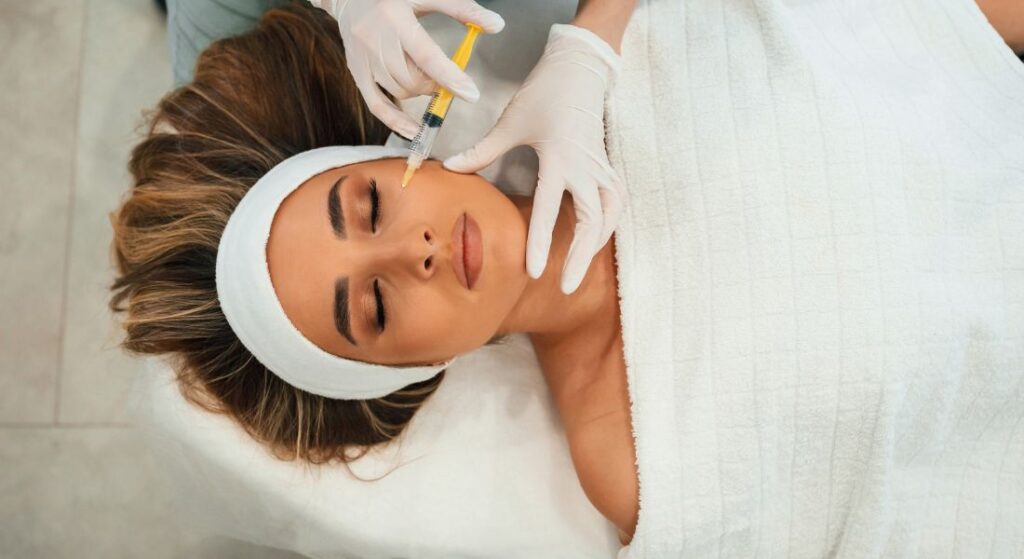
Thread lift procedures are often combined with other aesthetic treatments such as dermal fillers, skin boosters, or energy-based devices. You may find that these combination approaches help achieve a more complete and balanced rejuvenation. This allows different signs of ageing to be addressed at the same time.
Silhouette Soft can reposition facial tissue, while fillers are used to restore lost volume and skin boosters can improve hydration and texture. When these treatments are planned together, they can complement each other and create a more harmonious overall result. This type of integrated approach is becoming increasingly common in aesthetic medicine.
Personalisation is very important when combining treatments. You should remember that each concern, such as sagging, volume loss, or skin quality, may require a different solution. Careful and tailored planning helps ensure better and more natural-looking outcomes.
Limitations of Thread Lifts
No thread lift can fully replicate the results of a surgical facelift. You may find that cases involving severe skin laxity or significant tissue descent often require surgery for more dramatic and long-lasting correction. Understanding these limitations is an important part of the decision-making process.
Thread lifts generally work best for mild to moderate signs of ageing. If you are looking for subtle rejuvenation and gentle improvement, you are more likely to be satisfied with the results. The treatment is designed to enhance your appearance in a natural way rather than create a major transformation.
It is just as important to understand what the treatment cannot achieve as it is to understand its benefits. A clear and honest consultation helps you set realistic expectations from the beginning. Good education and guidance play a key role in achieving satisfaction with the final outcome.
Possible Side Effects
Temporary swelling, bruising, tenderness, or a feeling of tightness may occur after thread lift treatment. You may find that these effects are usually mild and improve gradually as your skin heals. Recovery experiences can vary from person to person depending on individual response.
Some patients may also temporarily notice slight asymmetry or mild puckering while the tissues are settling into their new position. In most cases, these changes improve naturally over time as the healing process progresses. Following your aftercare advice carefully can support smoother recovery and better comfort.
Understanding these possible side effects can help you feel more prepared and reduce any anxiety after treatment. Temporary changes are a normal part of the process and usually not a cause for concern. Staying in communication with your practitioner is important if you have any questions during recovery.
Practitioner Skill and Technique
The success of any thread lift depends greatly on the skill and experience of the practitioner. You may find that correct thread placement and careful facial assessment are essential for achieving balanced, natural-looking results. The technique used also plays an important role in both safety and the final aesthetic outcome.
Experienced practitioners have a strong understanding of facial anatomy, how tissues move, and how ageing patterns develop over time. This knowledge allows for more accurate planning and more precise treatment delivery. As a result, the overall outcome is often more harmonious and better suited to your facial structure.
Choosing a qualified professional is one of the most important decisions you can make before undergoing treatment. Higher skill levels can significantly improve both safety and satisfaction with the results. In thread lifting procedures, experience is a key factor in achieving a successful outcome.
Why Consultation Matters

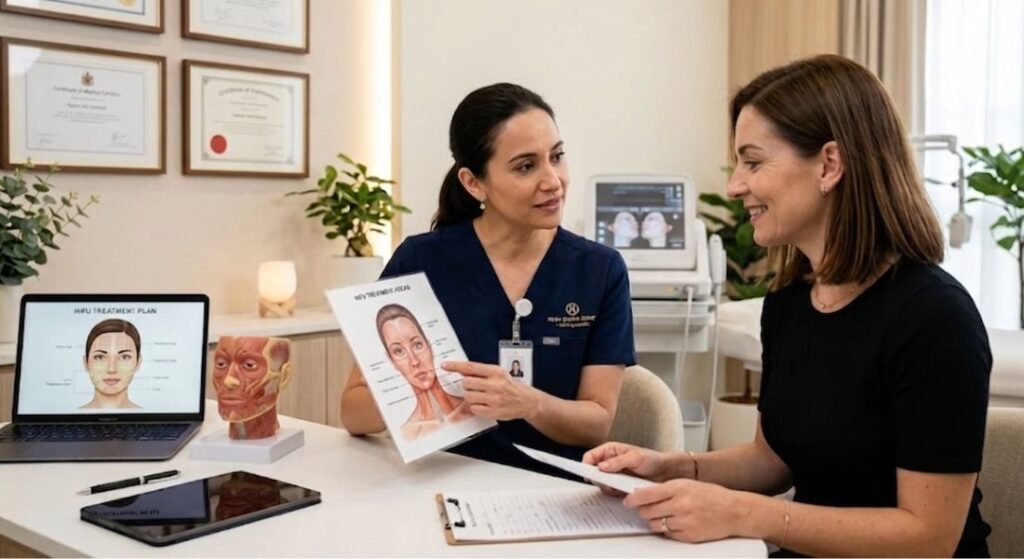
A detailed consultation is important because it helps determine which thread lift system is most suitable for your specific concerns. You may find that the practitioner carefully evaluates your facial structure, skin quality, and personal treatment goals during this process. This information is used to create a more personalised and effective treatment plan.
Photographs and facial analysis are often used as part of the assessment to better understand your features and how they may respond to treatment. Honest discussion about what results are realistically achievable is also a key part of the consultation. This helps ensure you have a clear and accurate understanding before moving forward.
A proper consultation supports both safety and satisfaction with the final outcome. Careful planning leads to better decision-making and more predictable results. Individualised care is essential because every face has different needs and responds differently to treatment.
Emotional Reasons for Choosing Thread Lifts
Many people choose thread lift treatments because they want to look fresher and more rested without undergoing invasive surgery. The appeal often goes beyond physical changes, as even subtle facial rejuvenation can positively influence how you feel about your appearance. Emotional motivation plays a significant role in the decision-making process for aesthetic treatments. When the goal is natural enhancement rather than dramatic transformation, the overall experience tends to feel more reassuring and balanced.
1. Improved Confidence Through Subtle Changes: Even small improvements in facial lift or contour can have a noticeable impact on self-confidence. When you feel your appearance looks more refreshed, it often reflects in how you carry yourself. These subtle changes can make daily social interactions feel more comfortable.
2. Preference for Natural Expression: Many individuals prefer treatments that enhance their appearance without altering their natural facial expressions. Thread lifts work by gently lifting tissues rather than changing facial structure. This helps maintain authenticity while still achieving a more youthful look.
3. Looking Less Tired and More Refreshed: A common emotional reason for choosing this treatment is to reduce the appearance of fatigue. Sagging or heaviness in the face can sometimes make you look more tired than you feel. A gentle lift can restore a more awake and energised appearance.
4. Importance of Emotional Satisfaction and Balance: Healthy expectations are essential for emotional satisfaction after treatment. When you understand that the goal is enhancement rather than transformation, the outcome feels more rewarding. This balance helps ensure a positive overall experience.
Emotional reasons often play a key role in choosing thread lift treatments, as many people simply want to feel more confident and refreshed. The subtle nature of the results allows you to enhance your appearance while still looking like yourself. When expectations are realistic, the emotional benefits can be just as important as the physical ones. Ultimately, the treatment is most satisfying when it supports both appearance and self-confidence in a natural and balanced way.
Advances in Thread Lift Technology
Thread lift technology has developed significantly over the years. You may find that modern systems such as Silhouette Soft are far more refined and predictable compared to earlier versions. Improvements in materials and techniques have contributed to better safety, control, and overall treatment performance.
These advancements have helped increase the popularity of minimally invasive facial rejuvenation. Patients now benefit from more natural-looking results and a more comfortable treatment experience. Ongoing innovation continues to improve both the effectiveness and reliability of thread lift procedures.
Understanding this technological progress can help you feel more confident when considering current treatments. Modern procedures are more sophisticated and carefully designed than those used in the past. This continuous development plays an important role in improving patient outcomes and overall satisfaction.
Who May Not Be Suitable?
You may find that patients with severe facial laxity or unrealistic expectations are not always suitable candidates for thread lifting. In cases where tissues are significantly heavy or deeply descended, surgical procedures may provide a more effective level of correction. This is why a proper assessment is so important before deciding on treatment.
If you are expecting dramatic, facelift-level changes, you may be disappointed with what non-surgical thread lifts can achieve. These treatments are designed to provide subtle enhancement and gentle lifting rather than major transformation. Honest evaluation at the consultation stage helps ensure your expectations are realistic from the beginning.
Understanding when thread lifting may not be appropriate is important for achieving good results and patient satisfaction. Suitability can vary greatly from person to person depending on facial structure and skin condition. A personalized consultation is essential to determine the most suitable approach for your needs.
Making the Right Choice
Choosing between Silhouette Soft and other thread lift options depends on your facial anatomy, skin quality, and personal treatment goals. You may find that some patients benefit more from stronger lifting support, while others are better suited to treatments that focus on collagen stimulation or subtle skin tightening. Because of this, personalization plays a very important role in selecting the right approach.
A professional consultation helps you understand which option aligns best with your expectations and facial concerns. During this process, the differences between various thread systems are explained so you can make a more informed decision. This knowledge helps build confidence and ensures you clearly understand what each treatment can achieve.
Taking the time to explore your options carefully often leads to greater satisfaction with the final result. When you are well-informed, you are more likely to feel comfortable and confident in your choice. Proper preparation supports a smoother experience and a more successful outcome overall.
FAQs:
1. What is the main difference between Silhouette Soft and other thread lifts?
Silhouette Soft uses cone-based threads that provide stronger tissue lifting and support. Other thread lifts may use smoother or barbed threads with a milder effect. This makes Silhouette Soft generally more effective for visible facial repositioning. The results and strength vary depending on the thread system used.
2. Is Silhouette Soft stronger than other thread lifts treatments?
Yes, Silhouette Soft is often considered a stronger option due to its cone-supported design. It provides better lifting for mild to moderate sagging compared to finer threads. However, not everyone needs a strong lift, so suitability depends on individual facial needs.
3. How do cones and barbs differ in thread lifts?
Silhouette Soft uses cones that gently reposition and hold tissue in place. Other thread lifts may use barbs that grip the skin differently for support. Both are designed to lift, but they vary in strength and technique. The choice depends on treatment goals and facial anatomy.
4. Do all thread lifts give the same results?
No, results vary depending on the type of threads used, technique, and skin condition. Some focus more on lifting, while others mainly improve skin texture. This is why outcomes can look different from person to person. A personalised approach is always important.
5. Which thread lift is best for jawline definition?
Silhouette Soft is often preferred for jawline contouring because of its stronger lifting ability. It can help reduce early jowling and improve definition. Other thread systems may provide only subtle improvement. The best choice depends on your level of sagging.
6. How does Silhouette Soft compare for cheek lifting?
Silhouette Soft provides a noticeable but natural lift to the cheeks by repositioning deeper tissues. Other threads may focus more on skin tightening rather than structural lift. This makes Silhouette Soft more effective for mid-face support in many cases.
7. How long do different thread lifts last?
Longevity varies between thread types and individual patients. Silhouette Soft often lasts longer due to both lifting and collagen stimulation effects. Simpler threads may have shorter-lasting results. Lifestyle, skin quality, and ageing also affect duration.
8. Is recovery different between thread lift types?
Yes, recovery can vary depending on thread strength and placement depth. Stronger lifting threads like Silhouette Soft may cause slightly more swelling or tenderness initially. Finer threads usually involve quicker recovery. Most side effects settle within days to weeks.
9. Do all thread lifts stimulate collagen equally?
No, collagen stimulation depends on thread type and material. Silhouette Soft is designed to combine lifting with strong collagen production. Other threads may focus more on skin quality improvement. This is why results continue to develop differently over time.
10. How do I choose between Silhouette Soft and other thread lifts?
The choice depends on your skin laxity, facial structure, and desired outcome. Silhouette Soft is better for lifting and contouring, while other threads may suit subtle skin improvement. A consultation helps determine the most suitable option. Personalised planning ensures better results.
Final Thoughts: Choosing Between Silhouette Soft and Other Thread Lifts
When comparing Silhouette Soft with other thread lift systems, the main difference is usually the strength and depth of lift. Silhouette Soft uses cone-based threads that provide more structural support, making it more suitable for improving jawline definition and lifting the mid-face. Other thread systems may focus more on subtle tightening or collagen stimulation rather than visible repositioning of tissue.
The right choice depends on your individual facial ageing pattern, skin quality, and what kind of improvement you are expecting. If you are looking for more noticeable contouring and lift, Silhouette Soft is often preferred, while lighter thread options may suit early signs of ageing or skin texture concerns. A personalized consultation is essential to ensure the treatment matches your needs realistically. If you’re looking for silhouette soft thread lift in london, you can get in touch with us at the London Medical & Aesthetic Clinic.
References:
1. Chae, W.S., Lee, H.S. and Kim, J.H. (2025) Thread lifting: Classification, techniques, and current clinical applications, Archives of Plastic Surgery, 52(1), pp. 12–21. Available at: https://pmc.ncbi.nlm.nih.gov/articles/PMC12594578/
2. Lycka, B., Bazan, C., Poletti, E. and Treen, B. (2015) The emerging technique of the antiptosis subdermal suspension thread, Dermatology Research and Practice, pp. 1–7. Available at: https://pmc.ncbi.nlm.nih.gov/articles/PMC4511012/
3. Atiyeh, B.S., Chahine, F. and Abou Ghanem, O. (2021) Percutaneous thread lift facial rejuvenation: History, technical advancements, and outcomes, Aesthetic Plastic Surgery, 45(4), pp. 1310–1323. Available at: https://pubmed.ncbi.nlm.nih.gov/33961884/
4. Bertossi, D., Botti, G., Gualdi, A., Zaccaria, G. and Nocini, P.F. (2019) Effectiveness, longevity, and complications of facelift by barbed suture insertion, Aesthetic Surgery Journal, 39(3), pp. 241–247. Available at: https://pubmed.ncbi.nlm.nih.gov/31280848/
5. Hong, G.W., Wan, J. and Yoon, S.E. (2025) Pre- and post-procedural considerations and thread types for thread lifting, Life, 15(1), p. 85. Available at: https://www.mdpi.com/2075-1729/15/1/85/