


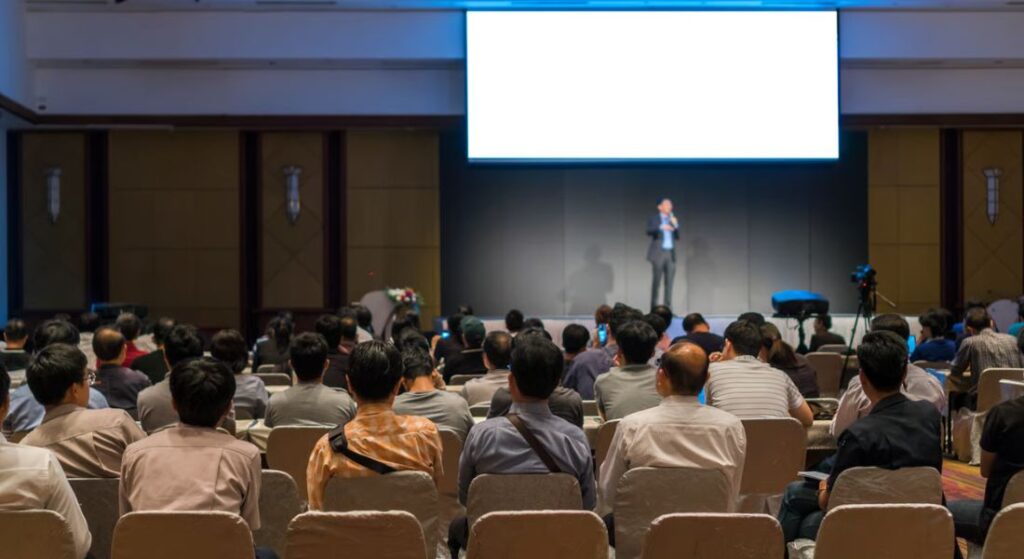
Body contouring technology has developed quickly over the past decade, and at international aesthetic medicine conferences, you’ll often see a wide range of newer approaches being presented. These treatments aim to reduce fat, improve skin tightening, and enhance body shape with less invasive methods than traditional surgery. Within these discussions, SmartLipo continues to be one of the most frequently referenced laser-assisted contouring procedures.
At major conferences, you’ll notice surgeons and aesthetic specialists regularly comparing SmartLipo with other technologies in terms of effectiveness, recovery time, safety profile, and ideal patient selection. These conversations are particularly important because they help you understand not just how each technology works, but also where it performs best in real clinical scenarios. Rather than promoting one “best” option, the focus is usually on matching the right technique to the right patient.
From these expert discussions, it becomes clear that SmartLipo is viewed as part of a broader spectrum of minimally invasive body contouring options rather than a standalone solution. You’ll see a strong emphasis on evolving trends towards combination treatments, personalised planning, and more refined outcomes. Overall, conference insights highlight that the choice of technology is becoming increasingly individualised, with outcomes depending more on careful selection and technique than on any single device alone.
Why Body Contouring Technology Continues Evolving
Body contouring is one of the fastest-growing areas in aesthetic medicine, and at conferences you’ll often hear that this is largely driven by changing patient expectations. You’re no longer just looking for dramatic changes or long recovery periods; instead, there’s a strong preference for treatments that offer visible improvement with minimal downtime and more natural-looking results. This shift has pushed the field to innovate much faster than before.
Modern body contouring technology is now designed to do more than just reduce fat. You’ll notice a growing focus on skin tightening, smoother contour transitions, and maintaining overall body balance rather than simply targeting isolated fat deposits. Because of this broader approach, multiple technologies have emerged, each aiming to address different aspects of contouring in slightly different ways.
Conferences play an important role in helping you understand how these different technologies perform in real clinical settings. Specialists compare results, discuss patient outcomes, and share practical experience, which helps refine treatment choices. Ultimately, this ongoing exchange of knowledge is what continues to drive improvements in safety, effectiveness, and overall patient satisfaction.
What Makes SmartLipo Different?
SmartLipo is a laser-assisted liposuction procedure that combines traditional fat removal with laser energy delivered beneath the skin. At conferences, you’ll often hear that this laser component is believed to help liquefy fat more gently while also supporting collagen remodelling and tissue tightening in the treated area.
Unlike fully non-invasive body contouring technologies, SmartLipo still involves small incisions and treatment carried out underneath the skin. However, you’ll generally see it described as less invasive than traditional surgical liposuction, with a focus on reducing trauma while still achieving effective contour improvement.
Because it blends fat reduction with potential skin tightening benefits, SmartLipo continues to be an important topic at aesthetic medicine meetings. You’ll notice it often being discussed as part of a broader shift towards treatments that aim to refine body shape while maintaining a more natural-looking result.
Comparing SmartLipo with Traditional Liposuction
In conference discussions, traditional liposuction is often used as the reference point when comparing newer technologies. You’ll hear specialists explain that conventional liposuction mainly focuses on mechanically removing fat using suction techniques, which can be very effective for volume reduction but may not always address skin tightening to the same degree.
SmartLipo, on the other hand, introduces laser energy during the procedure, which you’ll often hear described as potentially helping with fat disruption and stimulating some degree of skin tightening and contour refinement. At conferences, experts frequently debate whether this added thermal effect provides a noticeable advantage, particularly in carefully selected patients where skin quality is a key consideration.
You’ll also notice discussions around practical differences such as recovery time, bruising, contour smoothness, and postoperative healing. While both approaches can deliver strong results, the choice between them is usually guided by your individual anatomy, treatment goals, and how much emphasis is placed on skin tightening versus fat removal alone.
Non-Invasive Fat Reduction Technologies
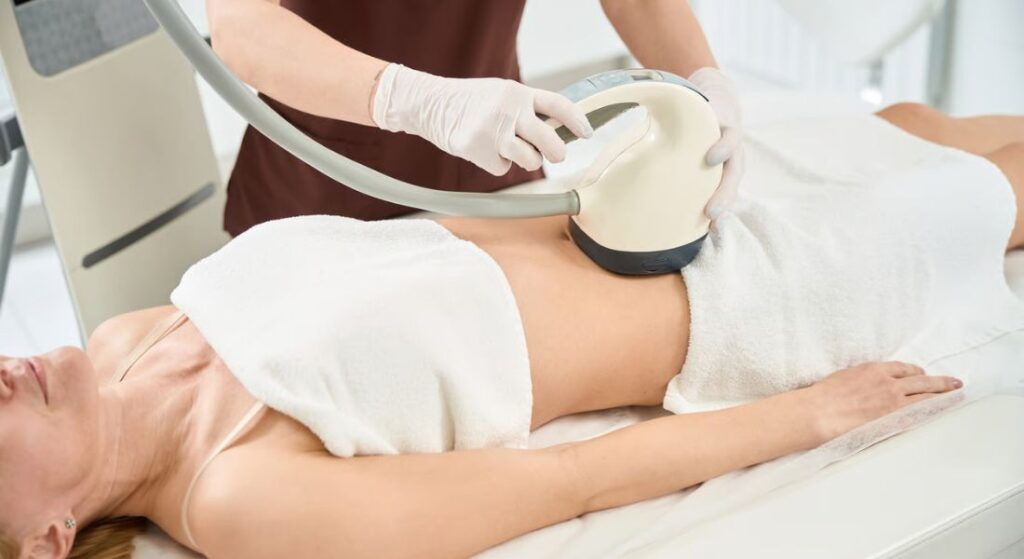
At conferences, you’ll often see SmartLipo being compared with fully non-invasive body contouring technologies. These include methods like cryolipolysis, ultrasound-based treatments, radiofrequency devices, and electromagnetic muscle stimulation systems, all of which aim to reduce fat or improve body shape without any surgical incisions.
You’ll notice that non-invasive options are especially appealing if you’re looking for minimal downtime and a more comfortable treatment experience. Since there’s no cutting or internal intervention, recovery is typically quicker, which is why these procedures are becoming increasingly popular in aesthetic medicine discussions.
However, conference specialists often highlight that the results and treatment goals can differ quite significantly compared with laser-assisted procedures like SmartLipo. Instead of focusing on a single “best” technology, you’ll hear more emphasis on selecting the right treatment based on your body type, expectations, and desired level of change, ensuring a more personalised and realistic approach.
Cryolipolysis vs SmartLipo Discussions
At aesthetic conferences, one of the most common comparisons you’ll hear is between non-invasive fat reduction and laser-assisted body contouring such as SmartLipo laser liposuction. In particular, cryolipolysis is often discussed as a popular alternative because it offers a completely non-surgical approach to fat reduction.
How the two treatments differ in approach: Cryolipolysis uses controlled cooling to target and gradually break down fat cells without any incisions. In contrast, SmartLipo involves a minimally invasive technique where laser energy is used to liquefy fat and assist with removal. You may find that the choice between them depends on how much intervention you’re comfortable with.
1. Recovery experience and downtime: One key difference discussed at conferences is recovery. With cryolipolysis, you typically avoid surgical downtime altogether, while SmartLipo usually involves a short healing period. If you prefer minimal disruption to your routine, this may influence your decision.
2. Precision and sculpting capability: Specialists often note that SmartLipo may offer greater sculpting precision in selected patients because fat is physically removed and the surgeon can directly shape the area. Cryolipolysis, on the other hand, tends to provide more gradual and less targeted fat reduction.
3. Skin tightening potential: You may also hear discussions about skin tightening differences. Laser-assisted techniques like SmartLipo are often associated with some degree of collagen stimulation, whereas cryolipolysis is mainly focused on fat reduction rather than tightening.
4. Patient preference and suitability: Ultimately, your choice often depends on your goals and comfort level. Some patients prefer a completely non-invasive option, while others prioritise more defined contouring and are comfortable with a minimally invasive procedure.
These comparisons are a regular feature of conference discussions because both approaches have clear advantages in different situations. You benefit from a wider range of options, allowing treatment to be tailored more closely to your needs, lifestyle, and expectations.
Radiofrequency Body Contouring Comparisons
At conferences, radiofrequency (RF) body contouring is often a key topic in discussions around non-invasive and minimally invasive treatments. You’ll hear specialists explain that RF systems mainly work by delivering controlled heat into the deeper layers of the skin, which may help stimulate collagen production and support gradual skin tightening over time.
When you compare this with SmartLipo, you’ll notice that the conversation often focuses on how the mechanisms differ. While RF relies on external or surface-based energy delivery, SmartLipo uses laser energy beneath the skin, which may contribute to both fat disruption and tissue contraction. Conference experts frequently explore how these different energy-based approaches produce varying degrees of tightening, contour refinement, and overall tissue response.
Increasingly, you’ll see interest in combining technologies rather than relying on a single approach. Many conference discussions explore whether pairing radiofrequency with other contouring methods may enhance overall results, particularly when it comes to improving both fat reduction and skin quality together. This trend reflects a broader shift towards more personalised, multi-modal treatment planning in aesthetic medicine.
Ultrasound-Assisted Contouring Technologies
At international conferences, you’ll often hear ultrasound-assisted body contouring technologies being compared with SmartLipo. These systems use focused ultrasound energy to target fat tissue, and you’ll see them discussed for their potential role in helping to disrupt or loosen fat cells before they are naturally processed or removed by the body.
In conference discussions, a lot of attention is given to how ultrasound approaches compare with laser-assisted techniques in terms of contour precision, tissue selectivity, recovery experience, and overall treatment efficiency. You’ll notice surgeons often debating how each technology performs in different anatomical areas, especially where delicate shaping or more defined contouring is required.
Ultimately, you’ll hear that technology choice is rarely one-size-fits-all. Instead, it tends to depend on factors like your anatomy, skin quality, and specific treatment goals. This is why conferences consistently emphasise personalised planning, ensuring the selected approach best matches the needs of each individual patient.
Skin Tightening as a Major Comparison Point
At conferences, you’ll often hear that skin tightening has become one of the most important factors when comparing body contouring technologies. Specialists increasingly point out that removing fat on its own may not be enough to achieve an optimal aesthetic result if the skin doesn’t contract smoothly and adapt to the new shape afterwards.
When SmartLipo is discussed, you’ll notice a strong focus on its laser-assisted effects, particularly the potential for collagen stimulation and gradual tissue tightening. This is often highlighted as one of its key advantages in certain patient groups, especially where mild to moderate skin laxity is a concern.
At the same time, you’ll also hear about other technologies that aim to improve skin contraction using different energy-based mechanisms. Overall, modern body contouring has shifted towards a more balanced approach, where the goal is not just fat reduction, but also improving skin quality to achieve smoother, more natural-looking results.
Precision Contouring and Sculpting
At conferences, you’ll often hear specialists focusing on how precisely different body contouring technologies can shape and refine the body. SmartLipo is frequently discussed in this context, particularly in relation to high-definition contouring, since it allows more direct and controlled fat removal, which can help achieve more detailed sculpting in carefully selected patients.
In comparison, non-invasive technologies tend to reduce fat more gradually over time, which you’ll often hear described as effective but sometimes less precise when it comes to fine anatomical definition. That said, these approaches can still work very well for many patients, especially when the goal is overall fat reduction rather than highly detailed contour sculpting.
These kinds of comparisons reflect a broader trend you’ll notice across aesthetic medicine conferences: a stronger move towards personalised treatment planning. Instead of focusing on a single “best” method, the emphasis is increasingly on choosing the right technology based on your individual anatomy, goals, and the level of precision you’re aiming to achieve.
Recovery and Downtime Discussions
At aesthetic conferences, you’ll often see recovery and downtime discussed as one of the key factors when comparing body contouring technologies. Specialists regularly compare aspects such as bruising, swelling, discomfort, activity restrictions, and overall healing timelines to help better understand how different treatments affect the patient experience after the procedure.
Because SmartLipo is still a minimally invasive treatment, you’ll usually need to expect some degree of recovery time afterwards. In comparison, non-invasive technologies often involve much shorter downtime, which can be appealing if you want to return to normal activities quickly. However, conference experts also point out that these treatments may require multiple sessions to achieve more gradual improvements.
You’ll notice that modern conference discussions place a strong emphasis on matching treatments not only to aesthetic goals, but also to lifestyle and recovery preferences. Rather than focusing purely on results, specialists increasingly encourage a balanced approach that considers how much downtime you’re comfortable with and how quickly you want to see changes develop.
Combination Treatments Are Becoming More Common

At modern aesthetic conferences, you’ll increasingly notice that body contouring technologies are no longer viewed simply as competing alternatives. Instead, specialists are focusing more on how different treatments can work together to achieve better overall results for different types of patients.
For example, you may hear discussions about combining SmartLipo with radiofrequency skin tightening, injectable treatments, or even certain non-invasive contouring procedures. The idea is that each technology can address a different aspect of body shaping, whether that’s fat reduction, skin quality, contour refinement, or overall balance.
This move towards combination planning has become one of the strongest themes in modern aesthetic medicine education. Rather than relying on a single procedure to do everything, you’ll see increasing emphasis on creating personalised treatment plans that combine multiple approaches in a more tailored and strategic way.
The Importance of Patient Selection
One of the most consistent messages at international aesthetic conferences is that no single body contouring treatment is right for everyone. When you’re considering procedures such as SmartLipo laser liposuction or non-invasive alternatives, your anatomy, skin quality, fat distribution, and expectations all play a major role in determining which approach may suit you best.
1. Your anatomy influences treatment choice: Factors such as body shape, skin thickness, and where fat is distributed can affect how well a particular technology works for you. Some areas respond better to minimally invasive contouring, while others may require a different strategy altogether.
2. Skin elasticity matters greatly: If your skin still has good elasticity, you may respond more favourably to treatments that rely partly on natural skin contraction and collagen remodelling. More severe laxity may limit what non-surgical or minimally invasive procedures can realistically achieve.
3. Different technologies suit different goals: SmartLipo is often discussed for patients wanting more defined contouring and some degree of skin tightening. By contrast, non-invasive technologies may appeal more if you prefer to avoid even minimally invasive procedures and are comfortable with more gradual changes.
4. Realistic expectations are essential: Your expectations strongly influence satisfaction after treatment. Conferences increasingly emphasise honest consultation and careful education so you understand both the potential benefits and the limitations of each option.
5. Personalised planning improves outcomes: Modern body contouring philosophy is centred around individual assessment rather than one-size-fits-all treatment. You’re more likely to achieve balanced and natural-looking results when the treatment plan is tailored specifically to your needs and anatomy.
Patient selection therefore remains one of the most important parts of safe and successful body contouring. Advances in technology are valuable, but choosing the right treatment for the right person is still the foundation of good aesthetic practice. Ultimately, personalised consultation helps support more realistic expectations, safer procedures, and better long-term satisfaction.
High-Definition Body Sculpting Trends
High-definition body sculpting is still closely linked with SmartLipo discussions at aesthetic conferences because minimally invasive fat removal can allow more selective and detailed contour shaping. You’ll often hear specialists discussing how definition can be enhanced in areas such as the abdomen, waist, chest, or arms while still maintaining a natural overall appearance.
At the same time, conference experts consistently stress that HD contouring requires a strong understanding of anatomy and very careful treatment planning. You’ll notice repeated warnings that over-treatment can lead to unnatural lines, uneven contours, or results that look too artificial. Because of this, conservative and balanced sculpting approaches are increasingly encouraged.
Modern conference trends are now moving towards a more refined and athletic-looking aesthetic rather than exaggerated definition. Instead of aiming for extreme contouring, you’ll see a greater focus on subtle enhancement that works harmoniously with the body’s natural proportions and movement.
Safety Comparisons Between Technologies
Safety remains one of the most important subjects discussed during body contouring comparisons at aesthetic conferences. You’ll often see presentations examining issues such as thermal safety, contour irregularities, swelling, recovery complications, and the limitations associated with different technologies. These discussions help specialists better understand how each treatment performs in real clinical settings.
Conference experts consistently emphasise that no single procedure is ideal for every patient. Instead, the safety and success of a treatment often depend on factors such as your anatomy, skin quality, medical history, and the experience of the practitioner performing the procedure. This is why careful assessment and realistic treatment planning are considered so important.
You’ll also notice that ongoing conference education plays a major role in improving safety standards across aesthetic medicine. As specialists continue sharing research, clinical experience, and updated techniques, the overall approach to body contouring becomes more refined, helping to support safer and more consistent patient care.
Long-Term Result Discussions
At aesthetic conferences, you’ll increasingly see specialists focusing on how body contouring results change and hold up over time rather than only looking at short-term outcomes. Discussions often compare how long fat reduction lasts, how durable skin tightening effects remain, and how factors such as ageing, weight fluctuations, and lifestyle habits can influence appearance years after treatment.
When SmartLipo is discussed, you’ll frequently hear experts talk about how collagen remodelling continues during the healing process and may gradually affect contour quality over several months. There’s also a strong emphasis on the role you play in maintaining results, particularly through stable weight management, regular exercise, and overall lifestyle habits.
Because of these factors, long-term stability has become a major focus within modern contouring research. You’ll notice that specialists increasingly prioritise balanced, sustainable outcomes that continue to look natural over time, rather than chasing dramatic short-term changes that may not age as well.
The Rise of Personalised Body Contouring
One of the biggest trends you’ll notice at aesthetic conferences is the move towards highly personalised body contouring plans. Rather than choosing treatments simply because a particular technology is popular, specialists are increasingly focusing on tailoring procedures to your individual body shape, skin quality, lifestyle, and aesthetic goals.
You’ll often hear discussions about how different patients may benefit from very different approaches. For example, some people may achieve better results with minimally invasive contouring procedures that allow more precise shaping, while others may prefer non-invasive treatments that offer gradual fat reduction with little to no downtime.
Because of this shift, technology choice is becoming far more individualised than in the past. Conference experts now place much greater emphasis on selecting the right treatment strategy for the right patient, helping you achieve results that look balanced, natural, and appropriate for your long-term goals.
Ethical Discussions Around Marketing and Expectations
At international aesthetic conferences, there is growing discussion about the ethical challenges surrounding marketing in body contouring. As treatments such as SmartLipo laser liposuction and non-surgical contouring procedures become more visible online, specialists are increasingly concerned that social media promotion can sometimes create unrealistic expectations about what these treatments can genuinely achieve.
1. Social media can distort expectations: You may see heavily edited before-and-after images or highly dramatic transformation claims online. Conference specialists often warn that these examples do not always reflect typical outcomes or the limitations of real clinical practice.
2. Minimally invasive does not mean limitless: Treatments may improve contour and definition, but they cannot fully replace surgical procedures in every situation. Experts increasingly stress the importance of explaining realistic outcomes clearly before treatment begins.
3. Avoiding pressure-based marketing: Conferences also explore concerns around overly aggressive advertising and pressure-driven cosmetic messaging. Responsible practitioners are encouraged to prioritise informed decision-making rather than emotional or unrealistic sales tactics.
4. Long-term satisfaction depends on realistic counselling: If your expectations are realistic from the beginning, you are generally more likely to feel satisfied with your results. Honest communication helps reduce disappointment and supports safer, more thoughtful treatment decisions.
Responsible communication is therefore becoming an increasingly important topic within aesthetic medicine. Specialists recognise that ethical marketing and transparent patient education are essential for maintaining trust and safety in the field. Ultimately, modern body contouring should focus on informed choices, realistic goals, and patient wellbeing rather than exaggerated promises.
Technology Innovation Continues Rapidly
At aesthetic conferences, you’ll often see exhibition spaces filled with the latest body contouring systems and updated versions of existing technologies. Many of these innovations focus on areas such as improved heat control, more precise energy delivery, faster treatment times, and enhanced safety features designed to make procedures more efficient and predictable.
At the same time, conference specialists consistently remind you that technology alone is not enough to guarantee excellent results. Even the most advanced systems still rely heavily on proper training, a strong understanding of anatomy, and careful patient selection. You’ll notice that experienced clinicians often place just as much importance on technique and judgement as they do on the device itself.
Because of this, the conversation around innovation is usually balanced rather than purely technology-driven. While new developments continue to move rapidly throughout the aesthetic field, conferences repeatedly reinforce the idea that successful outcomes depend on combining advanced tools with skilled clinical practice and realistic treatment planning.
Why Conference Discussions Matter for Patients
Even though you may never attend a cosmetic conference yourself, the discussions taking place at these events can still have a direct influence on your treatment experience. The techniques, technologies, and safety approaches discussed by specialists often shape how body contouring procedures are performed and recommended in everyday clinical practice.
At conferences, surgeons use educational sessions to compare technologies critically, review emerging evidence, and refine their treatment methods. You’ll often find experts openly discussing both the strengths and limitations of different procedures, which helps improve decision-making around patient safety, contour planning, and long-term outcomes.
This ongoing professional learning ultimately benefits you through more informed and evidence-based treatment recommendations. As specialists continue sharing knowledge and clinical experience internationally, the overall standard of aesthetic care becomes more refined, balanced, and personalised for patients.
The Future of Body Contouring Technology

Conference discussions increasingly suggest that the future of body contouring will centre around minimally invasive precision sculpting, enhanced skin tightening, personalised treatment planning, and the growing use of combination therapies. You’ll notice that the focus is no longer just on removing fat, but on creating more refined and balanced overall results with less disruption to recovery and daily life.
Rather than expecting one technology to completely replace another, specialists now tend to view different systems as tools designed for different patient needs and anatomical goals. Some treatments may be better suited to detailed contour refinement, while others may work more effectively for gradual fat reduction or skin quality improvement. Because of this, treatment planning is becoming far more customised than in the past.
As aesthetic medicine continues to evolve, you’ll see an even stronger emphasis on natural-looking outcomes, long-term balance, and safer treatment strategies tailored to the individual. Conference experts consistently highlight that the future of body contouring is likely to depend not just on advancing technology, but also on thoughtful patient selection, careful technique, and realistic aesthetic planning.
FAQs:
1. How does SmartLipo differ from traditional liposuction?
SmartLipo uses laser energy to help liquefy fat and support some skin tightening during treatment. Traditional liposuction mainly focuses on fat removal alone. You may notice that SmartLipo is often discussed as a less invasive and more refined approach. It is commonly chosen when contour smoothness and skin quality are important.
2. How is SmartLipo different from non-invasive body contouring treatments?
SmartLipo is minimally invasive, meaning it involves small incisions and direct fat removal beneath the skin. Non-invasive treatments work externally without surgery or incisions. You may recover faster with non-invasive options, but SmartLipo can offer more precise contouring. The best choice depends on your goals and comfort level.
3. Why is cryolipolysis often compared with SmartLipo?
Cryolipolysis is compared with SmartLipo because both target unwanted fat but in very different ways. Cryolipolysis uses cooling technology without surgery, while SmartLipo uses laser-assisted fat removal. You may prefer cryolipolysis for minimal downtime or SmartLipo for more sculpted results. Conferences often discuss which patients suit each option best.
4. Does SmartLipo provide better skin tightening than other technologies?
SmartLipo is often discussed for its potential skin tightening effects because laser heat may stimulate collagen production. Some non-invasive technologies also focus on tightening, but through different energy methods. You may see better contour refinement with SmartLipo in certain cases. Results still depend heavily on your skin quality and anatomy.
5. Why is personalised treatment planning important in body contouring?
Every body responds differently to contouring treatments, which is why personalised planning matters so much. Doctors assess your skin, fat distribution, and goals before recommending a procedure. You are more likely to achieve natural-looking results when the treatment is tailored to you. This also improves safety and long-term satisfaction.
6. Are combination body contouring treatments becoming more common?
Yes, combination treatments are becoming increasingly popular at aesthetic clinics and conferences. You may see SmartLipo combined with skin tightening or other contouring technologies for more balanced results. Specialists believe different treatments can complement each other well. The aim is to improve overall contour and skin quality together.
7. How important is recovery time when choosing a body contouring treatment?
Recovery time is a major factor because different technologies involve different levels of downtime. SmartLipo usually requires a short recovery period, while non-invasive treatments often involve very little downtime. You may choose based on how quickly you want to return to daily activities. Lifestyle and comfort often influence treatment decisions.
8. Why are high-definition body sculpting techniques so popular?
High-definition contouring is popular because many patients want more defined and athletic-looking results. SmartLipo is often used for this because it allows precise fat removal and shaping. However, specialists now prefer subtle and natural-looking enhancement rather than extreme definition. The focus is on balanced body proportions.
9. What role does safety play in comparing body contouring technologies?
Safety is one of the biggest discussion topics at aesthetic conferences. Specialists compare risks such as swelling, uneven contours, and recovery complications between treatments. You benefit from these discussions because techniques and safety standards continue improving. Careful assessment and experienced practitioners remain very important.
10. What is the future of body contouring technology expected to focus on?
The future of body contouring is expected to focus on precision, natural-looking results, and personalised care. You’ll likely see more minimally invasive treatments and combination approaches. Conferences also highlight safer procedures and faster recovery as key priorities. The overall trend is towards refined and balanced enhancement rather than dramatic change.
Final Thoughts: SmartLipo vs Other Body Contouring Technologies
Conference discussions increasingly show that there is no single body contouring treatment that suits everyone. Instead, technologies such as SmartLipo, cryolipolysis, radiofrequency, and ultrasound-based systems are all viewed as tools that may work better for different body types, goals, and levels of skin laxity. You’ll notice that modern aesthetic medicine is moving strongly towards more personalised and combination-based treatment planning rather than relying on one approach alone.
What continues to make SmartLipo stand out is its ability to combine fat reduction with contour refinement and potential skin tightening through laser-assisted technology. At the same time, non-invasive treatments remain popular for patients who prefer minimal downtime and more gradual changes.
Overall, the future of body contouring is becoming more focused on natural-looking results, precision sculpting, and safer, more refined outcomes. As technology continues to evolve, you’ll likely see even greater emphasis on personalised care and balanced aesthetic enhancement. If you’re thinking about smartlipo treatment in London, you can get in touch with us at the London Medical & Aesthetic Clinic.
References:
1. Piłat, P. (2023) Modern and Non‑Invasive Methods of Fat Removal, Medicina, https://www.mdpi.com/1648-9144/59/8/1378
2. Tran, B.N.N., et al. (2022) ‘Safety and efficacy of third-generation ultrasound-assisted liposuction: a series of 261 cases’, Aesthetic Plastic Surgery, 46 (5), pp. 2319-2322. https://pubmed.ncbi.nlm.nih.gov/35896731/
3. Histopathological Analysis of Abdominal Skin and Fat After In Vivo Hyperthermia‑Induced Lipolysis With a 1064 nm Diode Laser (2024). https://pubmed.ncbi.nlm.nih.gov/39959417/
4. Dermal Adipocyte Lipolysis and Myofibroblast Conversion Are Required for Efficient Skin Repair (2020), Cell Stem Cell. https://www.sciencedirect.com/science/article/pii/S1934590920301053
5. Lee, K.W.A. (2024) Laser‑Assisted Lipolysis Versus Surgical Fat Removal, Cosmetics, https://www.mdpi.com/2079-9284/11/5/164