



High-definition body sculpting has become one of the most talked-about trends in modern aesthetic medicine. You’ll often see that patients are no longer just focused on fat reduction, but are also looking for more refined contouring that enhances natural body shape, muscle definition, and overall proportion. SmartLipo frequently comes up in these discussions because laser-assisted techniques are increasingly being integrated into more advanced sculpting approaches.
At international aesthetic conferences, specialists regularly explore how body contouring is moving beyond traditional liposuction methods. You’ll hear discussions around precision fat removal, skin tightening, anatomical sculpting, and how recovery outcomes can be improved with newer techniques. There is also growing interest in creating more athletic-looking definition while still maintaining a natural and balanced appearance that suits your body structure.
In this article, you’ll understand how SmartLipo is being positioned within high-definition body sculpting and what current conference insights suggest about the future of minimally invasive contouring treatments. As technology and techniques continue to evolve, you can expect more personalised, precise, and natural-looking results designed around your individual aesthetic goals.
What Is High-Definition Body Sculpting?
High-definition body sculpting is an advanced form of body contouring that focuses on enhancing your natural anatomical definition rather than just reducing overall fat volume. You’ll often hear it described as a more refined approach that aims to create smoother contours while subtly improving the visibility of your underlying muscle structure.
This technique may involve selective fat removal around specific muscle groups to help achieve a more athletic and defined appearance. Common treatment areas include your abdomen, waist, chest, arms, back, and even the jawline. If you’re considering this type of procedure, the goal is usually to enhance your natural shape rather than completely alter it.
Modern conference discussions increasingly highlight that high-definition contouring requires a high level of precision, restraint, and detailed anatomical knowledge. You’ll often see specialists emphasising that careful planning is essential to ensure results look balanced, natural, and suited to your individual body proportions.
How SmartLipo Fits into HD Body Contouring

SmartLipo is often discussed in relation to high-definition body sculpting because laser-assisted technology may help improve contour precision while also supporting skin tightening. You’ll hear that the laser energy can help liquefy fat more efficiently while also encouraging collagen remodelling beneath your skin, which may contribute to a firmer appearance over time.
This combination is particularly appealing to clinicians who are aiming for smoother contour transitions and better tissue contraction during sculpting procedures. At conferences, you’ll often see presentations exploring how these effects can support more advanced body definition goals, especially when working on areas that require subtle refinement rather than large-volume fat removal.
However, experts consistently stress that technology alone does not guarantee successful results. You’ll often hear that technique, anatomical knowledge, and careful patient selection are just as important as the device itself. This balance is what ultimately helps ensure that your results look natural, precise, and well-suited to your individual body structure.
The Shift from Fat Removal to Body Shaping
One major trend discussed at aesthetic conferences is the shift away from thinking of liposuction as simple fat removal. You’ll often hear that modern body contouring is much more about shaping your overall form, improving proportion, and creating balance, rather than just making a specific area smaller.
Specialists frequently highlight the importance of preserving your natural body structure to achieve results that look attractive in the long term. Overaggressive fat removal can sometimes lead to uneven contours or an artificial appearance, which is why careful planning and restraint are now strongly emphasised in HD body sculpting discussions.
This more artistic and anatomy-focused approach has become central to how modern body contouring is being taught and refined. You’ll see increasing emphasis on understanding your natural lines and enhancing them subtly, so the final result looks smooth, balanced, and naturally defined rather than overly altered.
Anatomical Precision in Body Sculpting
In modern body contouring, you’ll notice that a lot of emphasis is placed on understanding anatomy in great detail. At international conferences, specialists often focus on how fat compartments, connective tissue layers, and underlying muscle structures all influence the final aesthetic result. This level of anatomical knowledge is especially important if you want more refined, natural-looking outcomes rather than obvious or artificial changes.
1. Understanding Fat Compartments and Tissue Layers: Your body is made up of distinct fat compartments rather than one uniform layer. By understanding how these areas are organised, clinicians can plan treatments more precisely. This helps avoid over-removal or uneven contouring and supports more balanced results.
2. Using Muscle Structure as a Guide for Definition: Body sculpting often involves working in harmony with your natural muscle lines. When treatments follow these anatomical landmarks, the results tend to look more natural and athletic. This approach helps enhance definition without creating an exaggerated appearance.
3. Focus on Subtle, Natural-Looking Refinement: Instead of dramatic reshaping, the aim is often to subtly enhance your existing contours. Careful targeting allows for smoother transitions between treated and untreated areas. This is especially important in visible zones where symmetry and proportion matter.
4. Reducing the Risk of Irregular Results: A strong understanding of anatomy helps reduce the risk of uneven fat removal or contour irregularities. When treatment is guided by precise anatomical mapping, outcomes are generally more predictable. This improves both safety and aesthetic quality.
Anatomical precision has therefore become one of the central themes in modern body sculpting education. As techniques continue to evolve, you benefit from increasingly refined and controlled approaches to contouring. This focus on structure helps ensure that results look natural rather than overdone. Ultimately, detailed anatomical knowledge is key to achieving safe, balanced, and aesthetically pleasing outcomes.
Skin Tightening as a Key Priority
Skin quality is now seen as one of the most important factors in successful body contouring. You’ll often hear at aesthetic conferences that it’s not just about removing fat anymore, but also about how well your skin adapts afterwards. This is why treatments like SmartLipo are frequently discussed in relation to supporting skin contraction along with fat reduction.
This focus is important because if fat is removed without considering your skin’s elasticity, it can sometimes lead to loose or uneven contours. You’ll notice specialists placing strong emphasis on assessing skin quality before treatment, as this helps predict how smooth and firm your final results may look. Patients today are also increasingly expecting tighter, more refined outcomes rather than just volume reduction.
As a result, skin tightening has become a central theme in SmartLipo discussions at conferences. You’ll see ongoing interest in improving techniques that help your skin respond better during healing, creating more natural-looking and balanced contouring results overall.
High-Definition Abdomen Trends
The abdomen continues to be one of the most requested areas for high-definition body sculpting. You’ll often hear at aesthetic conferences that patients are increasingly interested in enhancing natural abdominal definition rather than just reducing fat. The focus has shifted towards creating a more athletic yet still realistic look that complements your overall body shape.
Specialists frequently discuss how to achieve abdominal contouring in a way that looks natural, smooth, and proportionate. Instead of aiming for overly “etched” or exaggerated results, many clinicians now prefer softer definition that works with your existing anatomy. You’ll also see emphasis on how your body type, muscle structure, and skin quality all influence how much definition is appropriate for you.
Modern trends are clearly moving towards balanced and subtle aesthetic outcomes rather than aggressive sculpting. You’ll notice that conferences increasingly highlight the importance of restraint, precision, and individualised planning to ensure results look natural and harmonious. This approach helps ensure that your abdominal contouring results feel refined, realistic, and suited specifically to your body.
Male Body Sculpting Discussions
Male body contouring is growing rapidly worldwide, and you’ll often see dedicated sessions at aesthetic conferences focusing specifically on male aesthetic goals. Many men are now looking for treatments that enhance natural muscular definition, particularly in areas like the abdomen, chest, flanks, shoulders, and jawline. The overall trend is moving towards a more athletic and structured appearance rather than simple fat reduction.
Specialists frequently discuss how male anatomy differs from female contouring needs, and why treatment planning must reflect these differences. You’ll hear that male body sculpting often focuses on creating sharper lines, stronger definition, and a more angular, athletic structure. This means techniques need to be carefully adjusted to match masculine proportions while still maintaining a natural look.
SmartLipo is increasingly included in these discussions as male demand for minimally invasive sculpting continues to rise. You’ll see growing interest in how laser-assisted techniques can help refine contours while supporting skin tightening and definition. This shift reflects a broader change in aesthetic medicine, where male patients are seeking more personalised and precise body sculpting outcomes.
Female High-Definition Contouring
At aesthetic conferences, you’ll often hear discussions about how high-definition body contouring can be adapted for female patients while still maintaining soft, natural body proportions. Female aesthetic goals are usually quite different, with more focus on enhancing waist definition, improving smooth transitions, and refining the overall silhouette rather than creating sharp or overly angular lines.
Specialists frequently emphasise that HD contouring for women should always respect your natural anatomy. The aim is to enhance your existing shape in a way that looks balanced and elegant, rather than creating anything that appears exaggerated or unnatural. You’ll often see experts highlighting the importance of subtlety, especially when working on areas like the waist, hips, and abdomen.
Because of these differences, personalised treatment planning is considered essential in both male and female body sculpting. You’ll notice that conferences strongly promote tailoring techniques to your individual body structure, aesthetic goals, and skin quality. This ensures results that look natural, proportionate, and suited specifically to you.
Smaller Precision Treatment Areas
At aesthetic conferences, you’ll often hear increasing focus on smaller-area contour refinement rather than just large-volume fat removal. SmartLipo discussions now frequently include delicate treatment zones such as the neck, jawline, bra line, upper arms, knees, and lower back. These are often areas where you may notice stubborn fat that doesn’t respond easily to diet or exercise.
Patients are increasingly looking for subtle improvements in these harder-to-treat areas to achieve a more refined overall appearance. You’ll see specialists emphasising that smaller-area sculpting requires a high level of precision, careful technique, and a strong understanding of anatomy. Even small adjustments in these zones can make a noticeable difference to your overall body shape.
This trend reflects a broader shift towards more customised body contouring solutions. You’ll notice that treatments are now being designed around your specific concerns rather than a generalised approach. The goal is to create balanced, natural-looking refinement that enhances your appearance in a subtle and controlled way.
Minimally Invasive Procedures Remain Popular
Patients continue showing strong interest in minimally invasive body contouring treatments that offer shorter downtime compared with traditional surgery. You’ll often hear at aesthetic conferences that many people now want noticeable improvement without going through lengthy recovery periods or more invasive procedures. SmartLipo remains a popular topic because it fits closely with these changing patient preferences.
Clinicians regularly discuss how to balance effective contouring results with reduced recovery time and lower procedural invasiveness. You’ll see growing emphasis on patient comfort, smoother healing, and getting back to normal daily activities more quickly after treatment. This means that recovery experience is now considered almost as important as the final cosmetic outcome itself.
Minimally invasive approaches are expected to remain a major direction within aesthetic medicine moving forward. As technology and techniques continue improving, you’ll likely see treatments becoming even more precise, personalised, and recovery-focused. The overall goal is to help you achieve natural-looking results with less disruption to your routine and lifestyle.
Combination Treatments in Modern Body Contouring
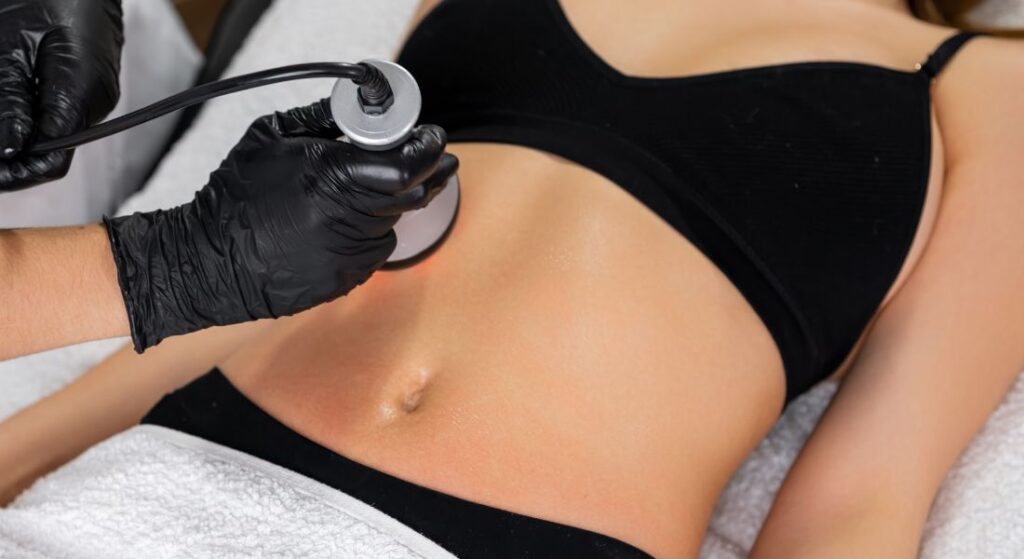
If you’re considering body contouring, you may find that modern treatments rarely rely on a single procedure alone. At international aesthetic conferences, specialists increasingly discuss combining different technologies and techniques to address several concerns at the same time. Instead of focusing only on fat reduction, clinicians now aim to improve contour balance, skin quality, and overall body proportions in a more comprehensive and personalised way.
1. Combining Fat Reduction with Skin Tightening: Treatments such as SmartLipo laser liposuction are often combined with skin tightening devices to help improve both contour and skin firmness. If you have mild skin laxity as well as localised fat deposits, this combined approach may produce smoother and more balanced results. Treating both concerns together can sometimes enhance the overall outcome.
2. Using Multiple Technologies Together: Your treatment plan may involve a combination of laser-assisted contouring, energy-based devices, injectables, or other aesthetic procedures. Each technology works differently and targets a specific aspect of body shaping. This allows your clinician to tailor treatment more closely to your individual needs.
3. Improving Overall Contour Harmony: Modern body contouring is increasingly focused on creating natural-looking proportions rather than simply removing fat from one area. Your clinician may assess how different body regions work together aesthetically. The goal is often subtle refinement and better overall balance.
4. Importance of Safe Combination Planning: Conferences place strong emphasis on combining treatments safely and appropriately. Not every procedure combination is suitable for every patient, and overly aggressive treatment can increase risk. Careful assessment and personalised planning are essential for maintaining both safety and realistic expectations.
Combination treatments are therefore becoming an increasingly important part of modern body contouring. By addressing multiple concerns at once, you may achieve more refined and harmonious results than with a single procedure alone. However, successful outcomes depend heavily on thoughtful planning and proper patient selection. Ultimately, international conferences help clinicians refine these approaches to improve both effectiveness and patient safety.
Recovery Optimisation Strategies
Recovery management is now considered a major part of modern aesthetic body contouring. At conferences, you’ll often see discussions around reducing swelling, improving comfort, and supporting smoother healing after procedures such as SmartLipo. Topics commonly include compression garment use, activity guidance, lymphatic massage, and ways to optimise the overall recovery process.
Patients today increasingly expect a smoother and more manageable recovery experience alongside visible cosmetic improvement. You’ll notice that specialists are placing much greater emphasis on postoperative care because recovery can strongly influence how comfortable and confident you feel after treatment. This means aftercare planning is becoming far more personalised and detailed than before.
Improving recovery can have a significant effect on your overall satisfaction with the procedure. Faster healing, reduced discomfort, and better support throughout recovery often help create a more positive treatment experience overall. As a result, conferences continue focusing heavily on how postoperative care strategies can be refined and improved.
Technology Innovation and Device Refinement
Conference exhibitions often showcase the latest refinements in laser-assisted liposuction systems and body contouring technology. You’ll frequently see discussions around improvements in cannula design, energy delivery precision, heat monitoring systems, and overall procedural efficiency. These innovations are aimed at making treatments more controlled, accurate, and comfortable for you.
Specialists regularly evaluate whether newer technologies genuinely improve contour quality, safety, or recovery when compared with older systems. You’ll often hear experts comparing clinical outcomes and discussing whether specific upgrades actually provide noticeable benefits in real-world patient care. This careful assessment helps prevent new devices from being adopted purely because they are marketed as “advanced”.
Although technology innovation remains an important part of aesthetic medicine, conferences consistently highlight that experience and clinical judgement are just as critical. You’ll notice strong emphasis on technique, anatomical understanding, and careful patient selection, because even the most advanced technology still depends on how it is used. This balanced approach helps support safer and more natural-looking results for you.
Importance of Patient Selection
One of the strongest themes repeatedly discussed at aesthetic conferences is the importance of choosing the right patients for high-definition body contouring. You’ll often hear specialists explain that not every person is naturally suited to advanced sculpting procedures, even when the technology itself is highly sophisticated. Careful evaluation is considered essential before planning treatment.
Factors such as your skin elasticity, body composition, muscle structure, lifestyle habits, and overall expectations can all influence whether HD contouring is likely to produce attractive and natural-looking results. Specialists frequently discuss how realistic goals and good underlying anatomy often play a major role in treatment success. This is why personalised assessment has become such an important part of modern body sculpting.
Good patient selection helps improve safety, long-term contour quality, and overall satisfaction with the procedure. You’ll notice that conferences increasingly emphasise responsible treatment planning rather than pursuing aggressive results for every patient. This more balanced approach helps ensure that outcomes look proportionate, realistic, and suited to your individual body structure.
The Role of Lifestyle and Fitness
Conference discussions increasingly recognise that high-definition body sculpting tends to work best when combined with healthy lifestyle habits. You’ll often hear specialists explain that regular exercise, balanced nutrition, good hydration, and stable weight management all play an important role in maintaining long-term contour results. These factors can significantly influence how your body looks after treatment and how well results last over time.
Experts frequently emphasise that body contouring procedures are not a replacement for fitness or sustainable lifestyle management. If you’re considering treatments like SmartLipo, conferences often highlight the importance of realistic expectations and ongoing self-care after the procedure. The aim is usually to enhance your natural shape, not to substitute healthy habits completely.
Long-term contour maintenance depends heavily on the choices you make after treatment. You’ll see increasing focus on patient education and lifestyle counselling because maintaining stable habits can help preserve smoother contours and more balanced results. This reflects a broader shift towards combining aesthetic procedures with overall wellness and long-term body management.
Ethical Discussions Around Extreme Contouring
Ethical considerations are becoming an increasingly important part of conference discussions surrounding high-definition body contouring. You’ll often hear specialists debating how to avoid overtreatment, unrealistic expectations, and aesthetic goals that may not look natural over time. The focus is shifting towards achieving balanced results that suit your individual anatomy rather than chasing extreme transformation trends.
Social media is also frequently discussed because it can sometimes create pressure for exaggerated body shapes or highly edited appearances that may not be realistic or sustainable. If you’re considering contouring procedures, experts often stress the importance of understanding what is genuinely achievable and appropriate for your body structure. Responsible clinicians increasingly prioritise psychological assessment and honest communication before treatment planning begins.
Ethical practice remains central to modern aesthetic medicine education. You’ll notice conferences placing strong emphasis on patient wellbeing, informed decision-making, and long-term satisfaction rather than simply pursuing dramatic visual results. This more responsible approach helps support safer treatments and more natural-looking outcomes for you.
Complication Prevention and Safety
As HD body contouring techniques continue to evolve, patient safety remains one of the most important topics discussed at international conferences. While advanced contouring procedures can produce impressive results, they also require a high level of precision and careful planning. Specialists regularly share knowledge about how complications occur, how they can be prevented, and how to manage them safely if they arise.
1. Understanding Potential Complications: Discussions often focus on complications such as contour irregularities, asymmetry, thermal injury, fluid imbalance, and delayed healing. By understanding these risks in detail, your clinician can take steps to minimise them before treatment even begins. Prevention is always safer than correction later on.
2. Importance of Careful Monitoring: During and after treatment, you may require close monitoring to ensure healing progresses safely. Conferences often explore best practices for fluid management, recovery assessment, and identifying warning signs early. Good monitoring helps improve both safety and overall outcomes.
3. Learning from Real Clinical Cases: Experts frequently present challenging cases and complications to help other clinicians improve their judgement and treatment planning. These open discussions allow doctors to learn from real experiences rather than only ideal outcomes. Honest case-sharing strengthens patient safety across the field.
4. Personalised Planning Reduces Risk: Your anatomy, skin quality, medical history, and treatment goals all influence how suitable HD body contouring is for you. Careful assessment helps your clinician choose safer treatment approaches and avoid overly aggressive procedures. Individualised planning is essential for balanced and predictable results.
Open discussion about complications is an important part of responsible aesthetic medicine. By learning continuously from both successes and difficult cases, clinicians can refine their techniques and improve patient care standards. You benefit from safer procedures, better decision-making, and more realistic treatment planning. Ultimately, modern body contouring should always prioritise your wellbeing alongside aesthetic results.
Long-Term Results and Body Ageing
Conference specialists are increasingly discussing how body contouring results can change over time as your body continues to age naturally. You’ll often hear conversations around factors such as skin elasticity, weight fluctuations, hormonal changes, and lifestyle habits, all of which may influence how contouring results look years after treatment. This long-term perspective is becoming an important part of modern aesthetic planning.
The focus has gradually shifted towards creating contour improvements that continue to look balanced and proportionate as your body changes with age. Rather than aiming for extremely aggressive sculpting, many specialists now prefer more refined and natural-looking enhancement that is likely to age more gracefully over time. If you’re considering treatment, this approach is designed to help your results remain harmonious in the long term.
Long-term aesthetic balance has therefore become a central part of modern contouring philosophy. You’ll notice increasing emphasis on restraint, realistic planning, and preserving natural body structure instead of chasing dramatic short-term definition. This helps ensure that your results continue to look smooth, natural, and appropriate as the years progress.
Why Conferences Matter for Patients
You may never attend an aesthetic conference yourself, but the information shared at these events still plays a major role in shaping the treatment you receive. Conferences help specialists refine body contouring techniques, review safety data, and critically assess new technologies before they become widely adopted in clinics. This ongoing learning directly influences how procedures such as SmartLipo are performed around the world.
International collaboration is another important part of these meetings. You’ll often find clinicians from different countries sharing real-world experience, discussing treatment outcomes, and comparing approaches to patient care. This exchange of knowledge helps improve consistency, safety standards, and overall understanding across the aesthetic medicine field.
Continuous professional education ultimately benefits you through safer and more personalised treatment planning. As specialists stay updated on evolving research and clinical experience, they are better able to tailor procedures to your anatomy, goals, and long-term wellbeing. This focus on education and evidence-based practice helps support more natural-looking and carefully planned results.
The Future of SmartLipo and HD Contouring

The future of SmartLipo and high-definition body sculpting will likely continue moving towards more personalised contouring approaches. You’ll probably see increasing focus on skin tightening, minimally invasive techniques, and more refined anatomical precision that works with your natural body structure rather than against it. Treatments are becoming more tailored to individual goals, body shape, and skin quality.
Technology is also expected to keep evolving, with ongoing improvements in contour precision, recovery experience, and procedural safety. However, conference discussions consistently suggest that advanced devices alone are not the main priority. You’ll notice that specialists continue placing the greatest emphasis on natural-looking results, patient safety, and balanced treatment planning that suits your anatomy realistically.
As aesthetic medicine progresses, body contouring is increasingly becoming about proportion, harmony, and subtle enhancement rather than dramatic alteration. The modern approach focuses more on refining your natural shape in a way that looks smooth, balanced, and sustainable over time. This shift reflects a broader movement towards more thoughtful and patient-centred aesthetic care.
FAQs:
1. What is SmartLipo in high-definition body sculpting?
SmartLipo is a laser-assisted liposuction technique often used in high-definition body sculpting to help remove fat more precisely while also supporting skin tightening. In HD contouring, the goal is usually to enhance your natural body definition rather than simply reduce fat volume.
2. How is high-definition body sculpting different from traditional liposuction?
Traditional liposuction mainly focuses on removing excess fat, whereas high-definition body sculpting aims to improve body shape, contour, and muscle definition. You’ll often see more emphasis on precision, proportion, and natural-looking refinement with HD techniques.
3. Can SmartLipo help improve skin tightening?
SmartLipo is frequently discussed in relation to skin tightening because the laser energy may help stimulate collagen remodelling beneath your skin. This can sometimes support firmer-looking contours after fat removal, although results vary depending on your skin quality and elasticity.
4. Which body areas are commonly treated with HD body sculpting?
Common treatment areas include your abdomen, waist, chest, arms, neck, jawline, flanks, back, and thighs. Smaller precision areas such as the bra line, knees, and upper arms are also becoming increasingly popular in modern body contouring discussions.
5. Is high-definition body sculpting suitable for everyone?
Not everyone is considered an ideal candidate for HD body sculpting. Specialists usually assess factors such as your skin elasticity, body composition, muscle structure, general health, and aesthetic expectations before recommending treatment.
6. Why is anatomical precision important in body sculpting?
Anatomical precision helps create smoother, more balanced, and natural-looking results. Specialists use knowledge of fat compartments and muscle structure to avoid uneven contouring and to enhance your natural body shape more safely.
7. Are minimally invasive contouring treatments becoming more popular?
Yes, minimally invasive procedures remain one of the biggest trends discussed at aesthetic conferences. Many patients now prefer treatments that offer contour improvement with smaller incisions, shorter downtime, and quicker recovery compared with traditional surgery.
8. Can SmartLipo be combined with other body contouring treatments?
Yes, combination treatments are increasingly common. SmartLipo may sometimes be used alongside skin tightening technologies, radiofrequency devices, injectables, or other contouring procedures to help improve overall body balance and contour quality.
9. How important is recovery after SmartLipo?
Recovery is considered a major part of the overall treatment experience. Conference discussions often focus on reducing swelling, improving comfort, and helping you return to normal activities more smoothly through careful aftercare planning.
10. What are current trends in abdominal HD contouring?
Modern abdominal contouring trends focus more on subtle and natural-looking muscle definition rather than exaggerated “etched” appearances. Specialists increasingly aim for balanced results that suit your natural anatomy and body proportions.
Final Thoughts: SmartLipo and High-Definition Body Sculpting
High-definition body sculpting and SmartLipo continue to evolve as aesthetic medicine becomes more focused on precision, balance, and natural-looking refinement. International conference discussions increasingly highlight the importance of personalised treatment planning, anatomical accuracy, skin tightening, and long-term contour harmony rather than aggressive fat removal alone. As techniques become more advanced, the goal is not simply to change your appearance dramatically, but to enhance your natural body structure in a subtle and proportionate way.
You’ll also notice growing emphasis on patient safety, realistic expectations, and recovery optimisation alongside aesthetic outcomes. Specialists continue refining how minimally invasive technologies like SmartLipo can support smoother contours, improved skin quality, and more individualised sculpting approaches tailored to your anatomy and goals. These ongoing discussions are helping shape safer, more thoughtful, and more patient-centred body contouring treatments for the future. If you’re looking for smartlipo treatment in London, you can get in touch with us at the London Medical & Aesthetic Clinic.
References:
1. McBean, J.C. (2011) Laser Lipolysis: An Update. Lasers in Surgery and Medicine (PMC). https://pmc.ncbi.nlm.nih.gov/articles/PMC3140909/
2. Single‑Blind Study Evaluating Photothermal‑Assisted Liposuction in an Ex Vivo Human Tissue Model (2019) Aesthetic Surgery Journa https://academic.oup.com/asj/article/38/11/1213/4836292
3. Lee, K.W.A. (2024) Laser‑Assisted Lipolysis Versus Surgical Fat Removal: A Review of Efficacy, Safety, and Patient Satisfaction. Cosmetics https://www.mdpi.com/2079-9284/11/5/164
4. Laser‑assisted liposuction: skin tightening after Smartlipo MPX treatment (year unclear) Journal of Cosmetic and Laser Therapy https://www.sciencedirect.com/science/article/abs/pii/S1090820X0900315X
5. Evaluation of tissue thermal effects from 1064/1320‑nm laser‑assisted lipolysis and its clinical implications (2009) Lasers in Surgery and Medicine https://pubmed.ncbi.nlm.nih.gov/19484812/