


If you are considering SmartLipo and have hepatitis, it is completely natural to have concerns about safety. Your liver plays an essential role in processing medications, managing inflammation, and supporting overall recovery. Because hepatitis affects liver function, it is an important factor to consider before any procedure.
SmartLipo is a minimally invasive fat reduction treatment that uses laser technology to break down fat. While it is generally considered safe for suitable candidates, underlying medical conditions must always be carefully evaluated. Hepatitis is one such condition that requires special attention during treatment planning.
Understanding the potential risks and necessary precautions helps you make informed decisions. A thorough medical assessment ensures that your treatment plan is tailored to your health needs. Being aware and well-informed is key to achieving a safe and successful outcome.
What Is Hepatitis?
Hepatitis refers to inflammation of the liver, an organ that plays a vital role in keeping your body functioning properly. Your liver helps process nutrients, filter toxins, and support metabolism. When it becomes inflamed, these functions can be affected. Hepatitis can develop for several reasons, including viral infections, alcohol use, or other medical conditions. There are different types, such as Hepatitis A, Hepatitis B, and Hepatitis C. Each type affects the liver in a different way and may vary in severity.
1. Different causes and types: Viral hepatitis is the most common, but inflammation can also result from alcohol or other factors.
2. Varying levels of severity: Some people experience only mild, short-term symptoms, while others may develop long-term liver problems.
3. Impact on overall health: Because the liver supports many body processes, any inflammation can have wider effects on your wellbeing.
4. Importance of proper assessment: Understanding the type and severity of hepatitis you have helps guide safe and effective medical care.
If you have hepatitis or suspect you might, getting a proper diagnosis is essential. This allows your healthcare team to monitor your liver health and plan appropriate treatment or precautions.
Why Liver Health Matters
Your liver is responsible for processing toxins, medications, and anaesthetic agents. It also plays an important role in how your body heals after a procedure. This makes liver health particularly important when you are considering treatments such as SmartLipo.
If your liver is not functioning properly, your body may respond differently to both the procedure and any medications used. Healing can be slower, and the risk of side effects may increase. This is why your overall liver function needs careful consideration before proceeding.
Ensuring that your liver condition is stable helps reduce potential risks. A proper medical evaluation allows your specialist to plan treatment safely and adjust care if needed. Taking this step supports a safer and more predictable outcome.
What Is SmartLipo?
SmartLipo is a minimally invasive form of liposuction that uses laser energy to break down fat before it is removed. The heat from the laser helps liquefy fat cells, making them easier to extract while also encouraging some skin tightening. The procedure is typically carried out under local anaesthesia, which means you remain awake but comfortable throughout. Because it is less invasive than traditional liposuction, many people experience a quicker recovery and less downtime. This is one of the reasons it has become a popular option for targeted fat reduction.
1. Laser-assisted fat removal: The laser breaks down fat cells before removal, allowing for a smoother and more controlled procedure.
2. Minimally invasive approach: Smaller incisions are used, which can reduce trauma to surrounding tissues.
3. Faster recovery time: Many patients return to normal activities sooner compared to traditional methods.
4. Careful medical planning required: Your full medical history must be reviewed to ensure the procedure is safe and suitable for you.
While SmartLipo offers several advantages, it is still a medical procedure that requires proper assessment and planning. Your safety always comes first, and suitability depends on your overall health and individual circumstances.
Assessing Suitability for Treatment
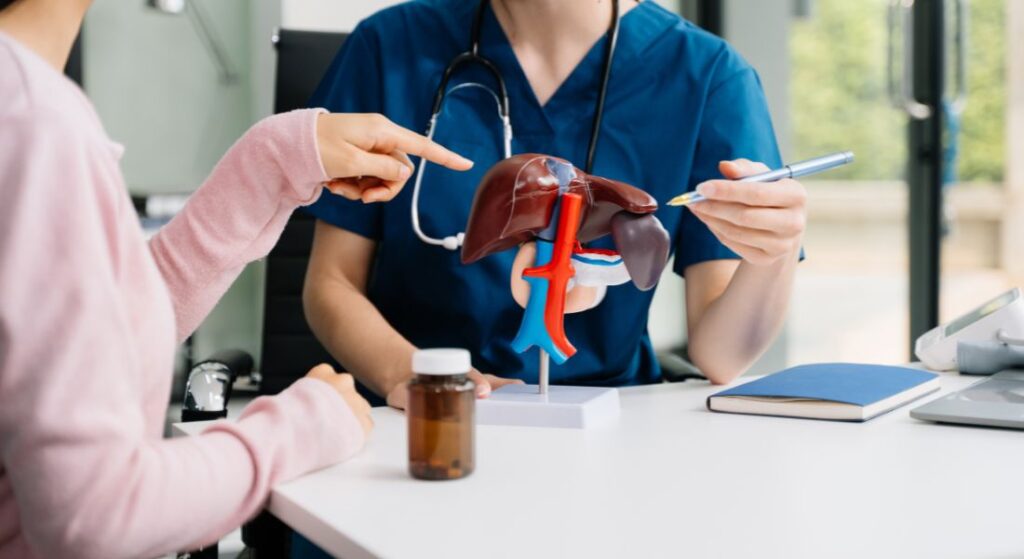
Before undergoing SmartLipo, your specialist will carry out a detailed assessment of your overall health. This includes reviewing your liver condition and medical history. Suitability can vary from person to person, so an individualised evaluation is essential.
You may be asked to have blood tests to check your liver function. These tests provide important information about how well your liver is working. They help your specialist understand whether your body can safely handle the procedure and recovery.
A personalised approach ensures that your treatment plan is tailored to your specific needs. It allows your specialist to decide whether SmartLipo is appropriate or if adjustments are required. Careful planning plays a key role in achieving safe and effective results.
Types of Hepatitis and Risk Levels
Different types of hepatitis can carry different levels of risk when you are considering SmartLipo. Acute hepatitis, where the liver is actively inflamed, usually means treatment should be delayed. Your body needs time to recover before undergoing any elective procedure.
Chronic hepatitis requires a more careful, ongoing assessment. If your condition is well controlled and your liver function is stable, the risks may be lower. However, if there is active inflammation or impaired liver function, the level of concern increases. Stability is an important factor in deciding whether to proceed.
Your specialist will consider both the type and severity of your hepatitis. This includes reviewing test results, symptoms, and overall health. A personalised evaluation helps determine the safest and most appropriate approach for your situation.
Role of Liver Function Tests
Liver function tests are an essential part of your assessment before SmartLipo. These blood tests measure how well your liver is working by checking enzymes, proteins, and other markers. The results give your specialist a clear understanding of your current liver health.
If the results are abnormal, it may indicate an increased risk during or after the procedure. Your body might process medications differently, and healing could be affected. In such cases, further evaluation or delaying treatment may be necessary to ensure safety.
Ongoing monitoring can also be important, especially if you have a chronic liver condition. Repeat testing helps track stability and guides decision-making. This careful approach provides a clearer picture of your health and supports a safer treatment plan.
Anaesthesia Considerations
SmartLipo is usually performed under local anaesthesia, which means you remain awake during the procedure. Although this is generally safer than general anaesthesia, it still involves medications that your body needs to process. The liver plays a key role in breaking down these anaesthetic agents.
If your liver function is impaired, the breakdown of these medications may be slower. This can increase the risk of side effects or prolong their effects in your system. Because of this, careful dosing and selection of anaesthetic agents are very important.
Your specialist will take your liver condition into account when planning the procedure. Adjustments can be made to ensure the safest possible approach. This level of expertise and individualised care helps minimise risks and supports a smooth experience.
Medication Processing and Safety

Your liver plays a central role in processing many of the medications used during and after procedures. This includes pain relief and antibiotics. If you have Hepatitis, this process may be affected, as liver function can be reduced or less predictable. Because of this, your treatment plan may need to be adjusted. Doctors take extra care to choose medications that are safe for your liver and to prescribe the correct dosages. This helps avoid unnecessary strain and supports a smoother recovery.
1. Impact on medication metabolism: A compromised liver may process drugs more slowly or differently, which can affect how they work in your body.
2. Adjusted dosages or alternatives: You may be given lower doses or different medications that are gentler on the liver.
3. Importance of personalised planning: Your treatment is tailored to your specific liver condition and overall health. This reduces risks.
4. Following medical guidance closely: Taking medications exactly as prescribed helps prevent complications and supports safe healing.
Careful management of medications is essential when hepatitis is present. With the right planning and professional guidance, you can minimise risks and support a safe, effective recovery.
Risk of Bleeding and Bruising
Liver conditions can sometimes affect how well your blood clots. This may increase the likelihood of bruising or bleeding during and after SmartLipo. It is an important factor that needs to be considered carefully before proceeding.
Your specialist will usually assess your clotting function as part of your pre-treatment checks. This may involve specific blood tests to evaluate how effectively your blood can clot. Identifying any issues in advance helps reduce potential risks.
Taking the right precautions supports safer outcomes. If needed, your treatment plan can be adjusted or delayed to prioritise your safety. Careful evaluation ensures that any risks are properly managed before the procedure goes ahead.
Infection Risk Considerations
Some liver conditions can affect your immune response. This may make it slightly harder for your body to fight infections. As a result, the risk of infection after a procedure like SmartLipo can be higher. This is why careful planning and hygiene are essential.
Strict sterile techniques are always used during SmartLipo. These medical standards are designed to minimise the risk of infection during the procedure itself. Your specialist will take every precaution to maintain a clean and controlled environment.
After the procedure, your role becomes just as important. Following aftercare instructions closely helps protect your body while it heals. Keeping the treated area clean and attending follow-up appointments supports a safe recovery. Awareness and consistency can make a significant difference.
Healing and Recovery Factors
Your liver health can influence how quickly your body heals after SmartLipo. If liver function is reduced, recovery may take longer than usual. This does not mean complications will occur, but it does require a more cautious approach. Healing speed can vary from person to person.
You may need closer monitoring during your recovery period. Follow-up appointments allow your specialist to check progress and address any concerns early. This added supervision helps ensure that everything is healing as expected. Ongoing assessment provides reassurance.
Supporting your body with good rest, proper nutrition, and hydration can make a positive difference. These factors help your body recover more effectively. Consistent aftercare and healthy habits contribute to safer and smoother outcomes.
Importance of Full Disclosure
It’s essential that you tell your specialist if you have Hepatitis, even if it is well controlled. Being open about your medical history allows your care team to plan your treatment safely and effectively. Transparency is a key part of protecting your health. If important information is not shared, it can increase the risk of complications. Your treatment plan, including medication choices and recovery guidance, relies on accurate details about your condition.
1. Ensuring safe treatment planning: Your specialist uses your medical history to tailor the procedure to your needs. This reduces risks.
2. Avoiding preventable complications: Hidden information can lead to unsuitable medications or approaches. Honesty helps prevent this.
3. Supporting personalised care: Open communication allows your treatment to be adjusted appropriately for your liver health.
4. Building trust with your specialist: A transparent relationship ensures you receive the best possible care and guidance throughout your journey.
By being honest and open, you help your specialist make informed decisions that prioritise your safety and long-term wellbeing.
When Treatment May Be Delayed
In some situations, SmartLipo may need to be postponed. This is often the case if your hepatitis is active or your liver function is not stable. Your safety is always the top priority, and proceeding too soon can increase risks.
Waiting allows your liver condition to settle and stabilise. This can improve how your body responds to the procedure and support better healing afterwards. Although it may feel frustrating, taking this time is beneficial in the long run.
Your specialist will guide you on the safest timing for treatment. Their advice will be based on your test results, symptoms, and overall health. Choosing the right moment helps ensure a smoother and safer outcome.
Lifestyle Factors and Preparation
Healthy lifestyle choices can make a meaningful difference to your safety and results with SmartLipo. Avoiding alcohol is particularly important, as it reduces strain on your liver and supports better function. Giving your body the best possible conditions before treatment helps lower risks.
Maintaining a balanced diet also plays a key role. Nutrient-rich foods support liver health and overall recovery, while staying well hydrated helps your body function efficiently. These simple steps can improve how your body responds to the procedure.
Following all pre-treatment advice from your specialist is essential. This may include specific dietary guidance, medication adjustments, or lifestyle changes. Preparing properly ensures your body is in the best condition for treatment. Consistent, healthy habits support safer outcomes.
Choosing an Experienced Specialist
Selecting an experienced practitioner is especially important if you have hepatitis and are considering SmartLipo. A skilled specialist understands how underlying medical conditions can affect treatment and recovery. This knowledge helps them plan your procedure more safely.
An experienced clinician will tailor your treatment plan to your specific needs. This may include adjusting techniques, modifying medication use, or coordinating with other healthcare providers if needed. Individualised care ensures that your liver condition is fully taken into account.
Choosing the right specialist can significantly reduce risks and improve outcomes. It also gives you confidence that your care is being managed appropriately. Feeling reassured and well-supported is an important part of the treatment journey.
Realistic Expectations

You should approach SmartLipo with realistic expectations, especially if you have hepatitis. Your treatment plan may be more cautious to prioritise your safety. This can influence how quickly and to what extent results are achieved.
You may still see effective results, but progress can be more gradual. A careful approach helps reduce the risk of complications and supports better long-term outcomes. Patience plays an important role in this process.
Understanding these limitations helps you feel prepared and confident in your decision. Clear expectations make the experience smoother and less stressful. Being informed allows you to focus on safe, steady improvement.
Post-Treatment Monitoring
After your SmartLipo treatment, follow-up appointments are an important part of your recovery. These visits allow your specialist to check how your body is healing and ensure everything is progressing as expected. Early detection of any concerns helps manage them quickly and effectively. During your recovery, monitoring may be slightly more detailed if you have an existing medical condition.
1. Regular follow-up appointments: You will be asked to attend scheduled visits so your specialist can assess your healing. These check-ups help confirm that the treated areas are recovering properly and that there are no complications.
2. Additional monitoring for medical conditions: If you have a liver condition or other health concerns, your doctor may recommend extra checks. This ensures your body is responding well to the procedure and that your overall health remains stable.
3. Early detection of any issues: Follow-up care allows your doctor to identify any concerns at an early stage. Addressing issues promptly can prevent them from becoming more serious.
4. Supporting smooth healing: Consistent monitoring helps guide your recovery and ensures you are following the right aftercare steps. This support improves comfort and contributes to better results.
Attending all your appointments is essential for achieving the best outcome. By staying consistent with follow-up care, you help ensure a safe recovery and long-term satisfaction with your results.
Long-Term Health Considerations
After your treatment, it’s important to keep your long-term health in focus, especially when it comes to your liver. Even if your recovery goes smoothly, ongoing care helps ensure that your body remains stable and continues to function well. Regular check-ups give your doctor the opportunity to monitor your health and address any changes early. Your daily habits also play a key role in maintaining long-term wellbeing.
1. Prioritising regular health check-ups: Routine medical visits help track your liver function and overall health. These assessments provide reassurance that everything remains stable and allow early detection of any concerns.
2. Making supportive lifestyle choices: Avoiding harmful habits, such as excessive alcohol intake or unhealthy diets, can protect your liver. Choosing balanced nutrition and staying active helps support your body’s natural recovery and long-term health.
3. Staying aware of your health: Being mindful of how your body feels can help you recognise any unusual symptoms early. If something doesn’t feel right, it’s always best to consult your doctor promptly.
4. Supporting overall wellbeing: Looking after your liver benefits more than just one organ. It contributes to better energy levels, improved metabolism, and overall physical health, which helps you maintain your results over time.
Taking a proactive approach to your health ensures that you continue to feel well long after your treatment. With consistent care and healthy habits, you support both your liver and your overall wellbeing for the future.
FAQs:
1. Is SmartLipo safe if you have hepatitis?
SmartLipo can be safe if your hepatitis is stable and well managed. However, it is not suitable for everyone with liver conditions. Your specialist will assess your liver function before proceeding. A personalised evaluation is essential to minimise risks.
2. Can you have SmartLipo with chronic hepatitis?
Yes, you may be able to have SmartLipo if your chronic hepatitis is under control. Regular monitoring and stable liver function are important factors. Your doctor will review your medical history carefully. This helps ensure the procedure is safe for you.
3. Should SmartLipo be avoided during active hepatitis?
Yes, SmartLipo is usually postponed if you have active hepatitis. During this time, your liver is inflamed and more vulnerable. Undergoing a procedure could increase the risk of complications. Waiting allows your condition to stabilise first.
4. Why are liver function tests important before SmartLipo?
Liver function tests show how well your liver is working. These results help your specialist understand how your body may respond to the procedure. Abnormal levels may indicate higher risks. Testing ensures your treatment plan is safe and appropriate.
5. Does hepatitis affect anaesthesia during SmartLipo?
Yes, hepatitis can affect how your body processes anaesthetic medications. The liver plays a key role in breaking these down. If liver function is reduced, the effects may last longer. Your specialist may adjust dosages to ensure safety.
6. Are there higher risks of bleeding with hepatitis?
In some cases, hepatitis can affect blood clotting. This may increase the risk of bruising or bleeding during and after the procedure. Your specialist will check clotting factors beforehand. Proper assessment helps reduce complications.
7. Can hepatitis slow down recovery after SmartLipo?
Yes, reduced liver function can affect how quickly your body heals. Recovery may take slightly longer compared to someone without liver issues. Close monitoring during the healing period is important. Following aftercare advice supports better recovery.
8. What precautions should you take before SmartLipo with hepatitis?
You should follow all medical advice given by your specialist. This may include blood tests, avoiding alcohol, and maintaining a healthy lifestyle. Preparing your body helps reduce risks. Good planning improves safety and outcomes.
9. Do you need to tell your doctor about hepatitis before SmartLipo?
Yes, you must always inform your specialist about your condition. Even if your hepatitis is well controlled, it can still affect treatment decisions. Full disclosure allows proper planning and risk management. Honesty ensures your safety.
10. Will having hepatitis affect your SmartLipo results?
Your results can still be effective, but the approach may be more cautious. Your specialist may adjust the treatment plan to prioritise safety. This can sometimes mean gradual results. Setting realistic expectations helps you feel more prepared.
Final Thoughts: Prioritising Safety with SmartLipo and Hepatitis
If you have hepatitis and are considering SmartLipo, taking a careful and informed approach is essential. Your liver health plays a central role in how your body responds to treatment, from anaesthesia to recovery. With the right medical assessment and personalised planning, many patients can still achieve safe and effective results.
Working closely with an experienced specialist ensures that every aspect of your condition is taken into account. From pre-treatment tests to post-procedure monitoring, each step is designed to protect your wellbeing. Open communication and following medical advice will help reduce risks and support a smoother recovery. If you’re thinking about smartlipo treatment in London, you can get in touch with us at the London Medical & Aesthetic Clinic.
References:
1. Prado, A., Andrades, P., Danilla, S., Leniz, P., Castillo, P. and Gaete, F., 2006. A prospective, randomized, double-blind, controlled clinical trial comparing laser-assisted lipoplasty with suction-assisted lipoplasty. Plastic and Reconstructive Surgery, 118(4), pp.1032–1045. https://pubmed.ncbi.nlm.nih.gov/16980867/
2. Dudelzak, J., Hussain, M. and Goldberg, D.J., 2009. Laser lipolysis of the arm, with and without suction aspiration: clinical and histologic changes. Journal of Cosmetic and Laser Therapy, 11(2), pp.70–73. https://pubmed.ncbi.nlm.nih.gov/19466641/
3. Manzano-Finol, A., Parra-Pelosi, H., Cubillos-Valencia, G., Urdaneta, J., Rivera-Porras, D., Chacín, M. and Bermúdez, V., 2025. Laser-assisted lipolysis: a promising alternative to traditional liposuction. Aesthetic Plastic Surgery, 49, pp.5522–5531. https://pmc.ncbi.nlm.nih.gov/articles/PMC12594724/
4. McBean, J.C. and Katz, B.E., 2011. Laser lipolysis: an update. Journal of Clinical and Aesthetic Dermatology, 4(7), pp.25–34. https://pmc.ncbi.nlm.nih.gov/articles/PMC3140909
5. Taghizadeh, F., Leibowitz, A., Ramirez, P. and Santos, D., 2015. Combining facelift with SmartLipo 1064-nm system: technique overview and retrospective analysis. Journal of Cosmetic and Laser Therapy, 17(2), pp.80–85. https://pubmed.ncbi.nlm.nih.gov/25427241/