


SmartLipo is a minimally invasive laser liposuction procedure designed to remove localised fat while also tightening your skin. It has become a popular option for body contouring because of its precision and relatively quick recovery time. However, if you are living with HIV, it’s completely natural to question whether the procedure is safe for you.
HIV is a chronic condition that affects your immune system, which plays a crucial role in healing and protecting your body from infection. Because of this, any surgical or cosmetic procedure needs to be approached with extra care. The decision to undergo SmartLipo is not based only on the procedure itself, but also on your overall health, immune function, and how well your condition is managed.
In this article, you’ll explore whether SmartLipo can be safely performed if you have HIV, what factors doctors consider before treatment, and how safety, healing, and long-term outcomes are managed. Understanding these aspects helps you make a well-informed and confident decision about your care.
Understanding SmartLipo as a Procedure
SmartLipo is a form of laser-assisted liposuction that uses controlled heat energy to break down fat cells before they are removed. At the same time, the laser stimulates collagen production, which can help tighten your skin. The procedure is usually performed under local anaesthesia, making it less intensive than traditional surgical options.
Because SmartLipo is minimally invasive, it involves smaller incisions and less trauma to the surrounding tissue. This typically means reduced downtime and a quicker recovery, which is why many people choose it for targeted fat reduction in specific areas.
However, even though it is less invasive, it still involves some degree of tissue disruption. Your body needs to heal properly after the procedure, and this is where your overall health becomes important. If you are living with HIV, your healing capacity and immune function are key factors that your doctor will carefully assess before recommending treatment.
How HIV Affects the Immune System
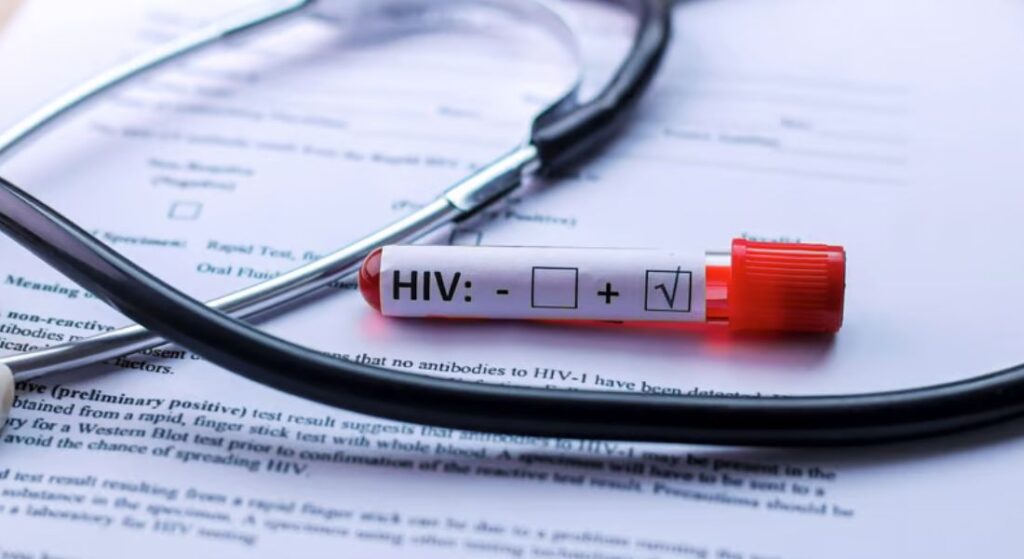
HIV affects your immune system by targeting CD4 cells, which are essential for protecting your body against infections. When these cells are reduced, your body can become more vulnerable to infections and may take longer to heal. This is why your immune status is carefully evaluated before undergoing any procedure.
With modern antiretroviral therapy (ART), many people living with HIV maintain strong immune function. Your CD4 count can remain within a healthy range, and your viral load may become undetectable. In these situations, your overall health and healing ability can be similar to someone without HIV.
The most important factor is how well your condition is controlled. A stable immune system significantly reduces the risks associated with procedures like SmartLipo. Your doctor will assess this thoroughly to ensure the treatment is safe and appropriate for you.
Can Patients with HIV Have SmartLipo?
Yes, patients with HIV can potentially undergo SmartLipo, but it depends on individual health status. The decision is not based on HIV diagnosis alone. Instead, doctors evaluate factors such as immune strength, viral load, and overall fitness.
Patients with well-controlled HIV and stable health are often considered suitable candidates. However, those with compromised immunity or uncontrolled viral levels may need to delay treatment. Safety is always the priority.
A thorough medical evaluation is essential before proceeding. This ensures that the body can heal properly after the procedure. Individual assessment guides the final decision.
Importance of CD4 Count and Viral Load
When considering SmartLipo, your doctor will assess specific markers to understand how well your immune system is functioning. Two of the most important indicators are your CD4 count and viral load. These measurements help determine whether your body is in a stable condition for a safe procedure and smooth recovery. Understanding what these markers mean can help you feel more informed and confident about the process.
1. CD4 count and immune strength: Your CD4 count reflects the strength of your immune system. A higher CD4 count generally means your body is better able to fight infections and heal after a procedure. This is an important factor when assessing surgical suitability.
2. Viral load and disease control: Viral load measures the amount of HIV in your blood. An undetectable viral load indicates that the virus is well controlled, usually with effective treatment. This is a positive sign when considering any elective procedure.
3. Importance of stable readings: Doctors do not rely on a single test result. They look for consistent CD4 counts and viral load levels over time. Stability suggests that your condition is well managed and predictable, which is important for surgical planning.
4. Assessing overall safety: These measurements help your doctor evaluate how safely your body can handle the procedure and recovery. They guide decisions about whether to proceed, delay, or take additional precautions.
By reviewing your CD4 count and viral load, your doctor can make a well-informed decision about your readiness for SmartLipo. This careful assessment helps reduce risks and supports better outcomes.
Risk of Infection After SmartLipo
All surgical procedures carry some level of infection risk, even when they are minimally invasive like SmartLipo. If you are living with HIV, this risk may be slightly higher if your immune system is weakened. That’s why careful planning and medical assessment are essential before going ahead with treatment.
Strict sterile techniques during the procedure and proper post-operative care play a major role in reducing this risk. You will be given clear instructions on how to care for the treated area, including keeping it clean and protected. Following these guidelines closely is important for a smooth recovery.
If your HIV is well controlled, the risk of infection is often similar to that of the general population. Your doctor will usually require medical clearance to confirm this. Preventing complications is always a priority, and taking the right precautions helps keep risks as low as possible.
Healing and Recovery Considerations
Healing is a key factor when you are considering SmartLipo. After the procedure, your body needs to repair tissue affected by fat removal and laser treatment. This process depends heavily on your immune function and overall health.
If your HIV is stable and well managed, you can often expect a normal healing process. However, if your immune system is weakened, recovery may take longer. Your doctor will take this into account when assessing whether the procedure is suitable for you.
Supporting your recovery is essential. Maintaining good nutrition, getting enough rest, and attending follow-up appointments all play an important role. You’ll also need to follow post-procedure care instructions closely to ensure proper healing and achieve the best possible results.
The Role of Medical Clearance
If you are considering SmartLipo and living with HIV, medical clearance is a crucial step before moving forward. This process ensures that your body is in a stable condition and that the procedure can be carried out as safely as possible. It typically involves input from the doctor or specialist managing your HIV care. Understanding this step can help you feel more prepared and reassured.
1. Assessment of your overall health: Your healthcare provider will review your current condition, including recent blood test results and general wellbeing. This helps determine whether your body is ready for a cosmetic procedure.
2. Evaluating immune system stability: A key part of medical clearance is confirming that your immune system is functioning well. Your doctor will consider factors such as CD4 count and viral load to assess whether you can heal effectively and manage infection risk.
3. Importance of specialist input: Consulting the doctor who manages your HIV care ensures that your treatment history and current status are fully understood. Their input is essential in deciding whether it is safe to proceed.
4. Coordinated approach to care: Collaboration between your medical team and the cosmetic specialist performing SmartLipo is important. This integrated approach ensures that all aspects of your health are considered, helping to reduce risks and support better outcomes.
Medical clearance is not just a formality it is a vital step in protecting your health. By ensuring that your condition is stable and well managed, you can move forward with greater confidence and safety.
Medication Considerations
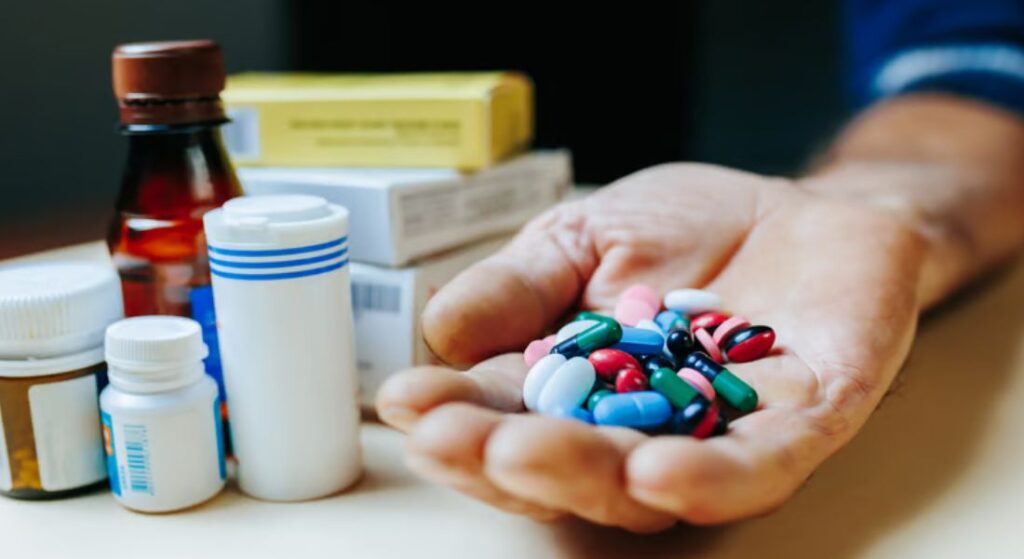
If you are living with HIV, you are likely taking antiretroviral therapy (ART). These medications play a vital role in managing your condition, but they also need to be carefully considered when planning a procedure like SmartLipo. Certain drugs can interact with anaesthesia or medications used during recovery. Being open about your medication history helps your medical team plan safely and effectively.
1. Reviewing your current medications: Your doctor will carefully assess all the medications you are taking, including ART and any supplements. This helps identify potential interactions with anaesthesia or post-operative drugs.
2. Managing possible drug interactions: Some medications may affect how your body responds to anaesthesia or healing. If needed, your doctor may adjust dosages or choose alternative medications to reduce risks.
3. Importance of full transparency: It is essential that you inform your doctor about everything you are taking, even over-the-counter products. This ensures that no important detail is overlooked during planning.
4. Supporting safe recovery: Proper coordination between your healthcare providers helps create a treatment plan that supports both your HIV management and surgical recovery. This reduces the risk of complications and promotes smoother healing.
By carefully managing your medications, your medical team can help ensure that your procedure is as safe as possible while maintaining effective control of your overall health.
Skin Health and Tissue Response
The condition of your skin plays an important role in how well you respond to SmartLipo. Healthier skin tends to react better to the laser energy used during the procedure, which supports collagen production and improves skin tightening. This can have a noticeable impact on your final results.
If your HIV is stable and well managed, your skin’s response is usually similar to that of the general population. However, certain skin changes linked to immune function or long-term health conditions may affect skin quality. These factors are carefully assessed during your consultation.
Understanding your skin condition helps set realistic expectations before treatment. A dermatological assessment may be part of the evaluation to ensure your skin is suitable for the procedure. Personalised planning based on your skin health can significantly improve your overall outcome.
Psychological Considerations
Deciding to undergo a cosmetic procedure like SmartLipo involves both physical and emotional factors. If you are living with HIV, you may have additional concerns about safety, healing, and overall outcomes. Acknowledging and addressing these concerns is an important part of the process.
Open and honest communication with your doctor can help build trust and confidence. When you clearly understand the risks, benefits, and expected results, you are in a stronger position to make an informed decision. Feeling mentally prepared is just as important as being physically ready.
Support from your healthcare team can also help ease anxiety. Taking the time to feel comfortable with your decision ensures a more positive experience overall. When you feel confident and well-informed, you are more likely to be satisfied with both the process and the results.
Who May Not Be Suitable for SmartLipo
Not everyone living with HIV will be an immediate candidate for SmartLipo. While many people can safely undergo the procedure, certain health factors may mean you need to delay or reconsider treatment. Your doctor’s primary focus will always be your safety and overall wellbeing. Understanding these considerations helps you set realistic expectations from the start.
1. Low CD4 count or high viral load: If your CD4 count is low or your viral load is not well controlled, your immune system may not be strong enough for surgery. In such cases, your doctor may advise waiting until your condition is more stable.
2. Presence of active infections: Any ongoing infection can increase the risk of complications during and after the procedure. Treatment will usually be postponed until the infection has fully resolved.
3. Other medical conditions: Additional health issues, such as chronic illnesses or healing concerns, may also affect your suitability. Your doctor will assess how these factors could impact recovery and outcomes.
4. Individual assessment and safety-first approach: Every case is evaluated individually. If there are any concerns, your doctor may recommend delaying the procedure until your health improves. This ensures that risks are minimised and outcomes are as safe as possible.
Being aware of these limitations allows you to make informed decisions about your treatment. With the right medical guidance, you can plan your procedure at a time when your body is best prepared for a safe and successful result.
Preparing for the Procedure
Preparing for SmartLipo involves more than simply booking your appointment. Before the procedure, you may need blood tests or additional medical evaluations to assess your overall health and immune status. These steps help ensure that you are fully ready for treatment.
Your doctor may also give you specific instructions regarding medications, diet, or lifestyle habits. Following these guidelines closely can reduce risks and support a smoother procedure and recovery. Preparation plays a key role in achieving safe and effective results.
Being well prepared can also improve your confidence. When you know what to expect, it helps reduce anxiety and makes the entire experience feel more manageable. Taking the time to prepare properly is an important part of your treatment journey.
What to Expect on the Day of Treatment
SmartLipo is usually performed under local anaesthesia, which means you stay awake but comfortable throughout the procedure. A small cannula is inserted to deliver laser energy, which breaks down fat before it is gently removed. The process is relatively quick and precise.
Most treatments are completed within a few hours, depending on the area being treated. Because it is minimally invasive, you can usually return home the same day without the need for an overnight stay.
Your recovery begins immediately after the procedure. Your doctor will provide clear aftercare instructions to help support healing and reduce the risk of complications. Following these guidelines closely is essential for achieving the best possible results.
Post-Procedure Care and Monitoring
After undergoing SmartLipo, following the recommended aftercare plan is essential for a smooth and safe recovery. Your body needs time to heal, and the steps you take during this period can directly affect your results. If you are living with HIV, careful monitoring becomes even more important to ensure everything progresses as expected. Knowing what to expect can help you feel more confident during recovery.
1. Following aftercare guidelines: You will be advised to wear compression garments to reduce swelling and support the treated area. Avoiding strenuous activity for a period of time is also important, as this allows your body to heal properly.
2. Importance of follow-up appointments: Regular check-ups with your doctor help track your healing progress. These visits allow any concerns such as swelling, discomfort, or signs of infection to be addressed early.
3. Closer monitoring for added safety: If you have HIV, your doctor may recommend more frequent follow-ups. This helps ensure that your immune system is responding well and that healing is progressing without complications.
4. Supporting long-term results: Consistent care and monitoring not only reduce risks but also help you achieve the best possible outcome from the procedure. Early intervention, if needed, can make a significant difference.
By following medical advice and attending all follow-up appointments, you give your body the best chance to recover safely. Ongoing care and attention play a key role in achieving successful, long-lasting results.
Long-Term Results and Expectations
SmartLipo can deliver long-lasting results, especially when you support the outcome with healthy lifestyle habits. The procedure removes fat cells from targeted areas, and these cells do not grow back. However, your overall results can still be influenced by changes in weight over time. Understanding what to expect in the long term helps you maintain your results more effectively.
1. Permanent fat cell removal: The fat cells removed during SmartLipo are permanently eliminated. This means treated areas are less likely to accumulate fat in the same way as before.
2. Impact of weight changes: Although fat cells do not return, remaining fat cells in your body can still expand with weight gain. This may affect the overall appearance of the treated areas.
3. Importance of a healthy lifestyle: Maintaining a balanced diet and regular exercise routine plays a key role in preserving your results. Consistent habits help keep your body stable and support long-term outcomes.
4. Similar outcomes with stable health: If your HIV is well managed and your overall health is stable, you can expect results similar to those of other patients. Stability supports both healing and long-term satisfaction.
5. Setting realistic expectations: Individual results can vary based on factors such as body type, lifestyle, and overall health. Understanding these variables helps you approach the procedure with realistic and informed expectations.
By combining SmartLipo with healthy lifestyle choices, you can maintain your results for the long term. Consistency in your habits and ongoing care will help you get the most out of your treatment.
Comparing SmartLipo with Other Procedures

SmartLipo is generally less invasive than traditional liposuction, which makes it an appealing option if you are looking for body contouring with less downtime. Because it uses laser technology and smaller incisions, recovery is usually quicker and more manageable.
If you are living with HIV, minimally invasive procedures like SmartLipo may be more suitable in certain cases. Reduced tissue trauma can support better healing and lower the risk of complications. Your doctor will consider this carefully when recommending the most appropriate option for you.
It’s important to remember that each procedure has its own advantages and limitations. The best choice depends on your individual health, goals, and medical history. Professional guidance ensures that you choose a treatment that is both safe and effective for your situation.
The Role of Specialist Clinics
Choosing an experienced clinic is essential when you are considering SmartLipo, especially if you are living with HIV. Specialist clinics understand how to manage patients with different medical conditions and take the necessary precautions to ensure safety. Their expertise plays a key role in reducing risks and improving outcomes.
Clinics that have experience treating medically complex patients can offer more personalised care. They take the time to assess your individual health status, including immune function, and tailor the treatment plan accordingly. This ensures that your specific needs are fully addressed.
Professional care doesn’t stop at the procedure itself. It also includes thorough follow-up and ongoing support during your recovery. This comprehensive approach helps ensure a safer experience and better long-term results.
Importance of Honest Medical Disclosure
Providing accurate medical information before undergoing SmartLipo is essential for your safety. Your doctor relies on this information to properly assess risks and plan your treatment. Full disclosure helps ensure that every precaution is taken.
You should inform your doctor about your HIV status, any medications you are taking, and any related health conditions. This allows for a thorough evaluation and helps determine whether the procedure is suitable for you. Transparency supports safe and effective care.
Honest communication also builds trust between you and your doctor. It ensures that all potential risks are carefully considered and managed. Your safety depends on clear and accurate information throughout the entire process.
Advances in Medical Safety
Advances in medical care have significantly improved safety for patients living with HIV who are considering procedures like SmartLipo. Modern treatments, particularly effective antiretroviral therapy, help maintain strong immune control and reduce the risk of complications. As a result, more patients are able to safely explore cosmetic options.
Improved surgical techniques have also contributed to better outcomes. Minimally invasive procedures, such as SmartLipo, reduce tissue trauma and support quicker recovery. Ongoing technological developments continue to make treatments safer and more precise.
Research is continually improving the understanding of risks and how to manage them effectively. This allows doctors to make better-informed decisions and provide more personalised care. Overall, these advances continue to enhance safety and expand treatment possibilities.
Why Individual Assessment Matters
Every patient is different, which means decisions about SmartLipo should always be personalised. Your immune status, overall health, and treatment goals all play a role in determining whether the procedure is suitable for you. An individual assessment helps ensure the safest and most effective outcome.
Your doctor will carefully evaluate your medical history, current health, and HIV management before making any recommendations. This approach helps minimise risks while maximising the potential benefits of the procedure. Personalised care is essential when making these decisions.
Understanding your own health also empowers you to make informed choices. A thorough consultation gives you clarity about what to expect and whether SmartLipo is right for you. With the right guidance, individualised care can help you move forward with confidence.
FAQs:
1. Can you have SmartLipo if you are living with HIV?
Yes, you can have SmartLipo if your HIV is well controlled. Your doctor will assess your overall health, CD4 count, and viral load before deciding if it is safe for you.
2. What CD4 count is considered safe for SmartLipo?
There is no single number that applies to everyone. However, a higher and stable CD4 count generally indicates that your immune system is strong enough to support healing.
3. Does having HIV increase your risk of infection after SmartLipo?
If your HIV is well managed, your risk of infection is usually similar to that of someone without HIV. If your immune system is weakened, the risk may be slightly higher.
4. Will your recovery take longer if you have HIV?
If your condition is stable, your recovery time is typically normal. If your immune system is compromised, healing may take longer, and you may need closer monitoring.
5. Do you need medical clearance before undergoing SmartLipo?
Yes, you will need medical clearance from your doctor or HIV specialist. This ensures that your condition is stable and that the procedure is safe for you.
6. Can your HIV medication affect the procedure?
Some medications may interact with anaesthesia or post-procedure treatments. Your doctor will review your medication and make any necessary adjustments
7. Is SmartLipo safer than traditional liposuction if you have HIV?
SmartLipo is less invasive, which may support quicker healing and lower risk. However, suitability depends on your individual health rather than the procedure alone.
8. What should you do before the procedure to stay safe?
You should follow your doctor’s advice, complete any required tests, and maintain good overall health. Being well prepared helps reduce risks.
9. Are the results of SmartLipo different if you have HIV?
If your HIV is well controlled, your results can be similar to those of other patients. Lifestyle and aftercare play an important role in maintaining results.
10. When should you avoid SmartLipo if you have HIV?
You should avoid or delay the procedure if your viral load is high, your CD4 count is low, or if you have any active infections. Your doctor will guide you on the right timing.
Final Thought: Making an Informed Decision About SmartLipo with HIV
Deciding whether to go ahead with SmartLipo when you are living with HIV is not a simple yes or no answer. It depends on how well your condition is managed, how strong your immune system is, and whether your body is in a good position to heal properly. When your CD4 count is stable and your viral load is well controlled, you may be just as suitable for treatment as anyone else.
What matters most is taking a careful, informed approach. You should always seek medical clearance, be open about your health history, and follow professional advice at every stage. This ensures that your safety is prioritised and that you achieve the best possible outcome from the procedure. If you’re looking for smartlipo treatment in London, you can get in touch with us at the London Medical & Aesthetic Clinic.
References:
1. Collawn, S.S. (2011) ‘Smartlipo MPX™ sculpting of the body and face’, Journal of Cosmetic and Laser Therapy, 13(4), pp. 172–175. Available at: https://pubmed.ncbi.nlm.nih.gov/21718186/
2. Taghizadeh, F., Leibowitz, A., Ramirez, P. and Santos, D. (2015) ‘Combining facelift with SmartLipo 1064-nm system: Technique overview and retrospective analysis’, Journal of Cosmetic and Laser Therapy, 17(2), pp. 80–85. Available at: https://pubmed.ncbi.nlm.nih.gov/25427241/
3. Zhang, Y., Zhang, L., Sun, X., Zhu, Y., Jin, R., Sun, B., Shi, Y. and Zhang, Y. (2016) ‘Evaluation of lower blepharoplasty treated with the SmartLipo 1064-nm system’, Journal of Cosmetic and Laser Therapy, 18(7), pp. 376–380. Available at: https://pubmed.ncbi.nlm.nih.gov/27379562/
4. McBean, J.C. and Katz, B.E. (2011) ‘Laser lipolysis: An update’, Journal of Clinical and Aesthetic Dermatology, 4(7), pp. 25–34. Available at: https://pmc.ncbi.nlm.nih.gov/articles/PMC3140909/
5. Manzano-Finol, A., Parra-Pelosi, H., Cubillos-Valencia, G. and Bermúdez, V. (2025) ‘Laser-assisted lipolysis: A promising alternative to traditional liposuction’, Aesthetic Plastic Surgery, 49(19), pp. 5522–5531. Available at: https://pmc.ncbi.nlm.nih.gov/articles/PMC12594724/