


Patient safety is one of the most important priorities in modern aesthetic medicine, especially as minimally invasive body contouring procedures continue to grow in popularity. With techniques like SmartLipo, you’ll often hear discussions at international conferences focusing not just on cosmetic outcomes, but also on how safety standards are evolving alongside the technology. The aim is always to make results more predictable while keeping patient risk as low as possible.
As body contouring techniques become more advanced, surgeons and aesthetic specialists are constantly refining how these procedures are performed. You’ll see a strong focus on improving patient selection, reducing complication rates, supporting smoother recovery, and achieving more consistent long-term outcomes. Conferences give clinicians a space where they can openly share real-world experiences, including challenges and complications, so that techniques can be improved responsibly.
In this article, you’ll get an overview of the key SmartLipo safety developments that are currently being highlighted at major aesthetic conferences around the world. You’ll also see how ongoing research and clinical discussions are helping shape safer protocols and more effective treatment standards for the future.
Why Safety Remains a Major Focus in Body Contouring
Even though modern body contouring procedures like SmartLipo are minimally invasive, you still need to remember that they involve real medical decision-making. At conferences, you’ll often hear specialists stressing that aesthetic treatments shouldn’t be taken lightly just because they’re widely advertised or commonly performed. The same clinical care and judgement still apply.
In SmartLipo discussions, you’ll notice a strong emphasis on balancing visible cosmetic improvement with your overall wellbeing. Surgeons and aesthetic experts regularly talk about careful treatment planning, realistic expectations, and knowing when to set limits. This helps ensure that outcomes are not only aesthetically pleasing but also achieved in a way that keeps risk as low as possible.
Ultimately, patient safety sits at the centre of every stage of body contouring treatment. For you as a patient or someone following this field, that means decisions are increasingly guided by structured protocols and evidence rather than trends. The ongoing focus on safety helps ensure that results are achieved responsibly, with your long-term health always coming first.
Better Patient Selection Strategies
One of the key safety topics you’ll hear discussed at recent conferences is how important patient selection is for SmartLipo and other body contouring procedures. Surgeons are increasingly recognising that choosing the right candidate plays a major role in both safety and overall satisfaction after treatment. When you get this step right, outcomes tend to be more predictable and complications are less likely.
At conferences, you’ll often see detailed discussions around how clinicians assess factors like skin elasticity, body composition, medical history, lifestyle habits, and even psychological expectations before recommending treatment. It’s becoming clearer that not everyone is an ideal candidate for minimally invasive contouring, even if they are interested in the procedure. This careful evaluation helps ensure that treatment decisions are more tailored and responsible.
By taking a more structured approach to patient selection, you can significantly reduce the risk of complications while also improving the chances of achieving balanced, natural-looking results. For you as a patient, this means the focus is increasingly on suitability rather than just availability of the procedure. Ultimately, thoughtful assessment helps ensure safer care and more realistic expectations from the very beginning.
Understanding Skin Elasticity More Clearly

Skin elasticity is something you’ll often hear highlighted at recent conferences because it plays a major role in how well SmartLipo results turn out. Surgeons frequently explain that good skin quality helps the body contract more smoothly after fat removal, which leads to more even and natural-looking contouring. In simple terms, the better your skin elasticity, the more predictable the tightening effect tends to be.
On the other hand, if you have reduced skin elasticity or more significant laxity, you may be at a higher risk of uneven results or less noticeable skin tightening. You’ll see experts stressing that these limitations need to be identified early, before any treatment is planned. This is especially important because it helps avoid situations where expectations don’t match what the procedure can realistically achieve.
By focusing on skin quality during assessment, you’re more likely to receive recommendations that genuinely suit your body rather than overly optimistic promises. For you as a patient, this means decisions are increasingly guided by careful evaluation rather than general assumptions. Ultimately, understanding skin elasticity helps ensure safer choices and more realistic, satisfying outcomes.
Advances in Heat Monitoring
When you’re considering treatments such as SmartLipo laser liposuction, one of the most important technical topics discussed at conferences is how heat is controlled beneath the skin. Because this technique relies on laser energy to liquefy fat and stimulate tightening, managing temperature accurately is essential for both safety and good aesthetic results.
1. Why heat control matters: You may benefit from the effects of controlled heat in tightening and contouring, but too much heat can increase the risk of burns or tissue damage. This is why specialists place such strong emphasis on thermal safety during treatment planning and execution.
2. Monitoring energy delivery in real time: Conference discussions often focus on how energy settings are adjusted during the procedure. Factors such as cannula movement, treatment depth, and energy duration all influence how heat is distributed in the tissue. Careful control helps maintain a safe balance.
3. Improving technique for smoother outcomes: By refining how heat is delivered, clinicians aim to achieve more even fat reduction and smoother contouring. You may notice that more controlled techniques can reduce the risk of irregularities or uneven results after healing.
4. Reducing risk of thermal injury: A major focus is preventing overheating in any one area. Continuous improvements in technique and equipment are designed to make treatments safer, especially in delicate or smaller treatment zones.
Controlled energy delivery is therefore one of the most important aspects of laser-assisted body contouring. You benefit directly from these advances because they help improve both safety and the quality of results. Ultimately, careful heat monitoring ensures that treatment remains effective while minimising avoidable risks.
Prevention of Thermal Injury
Prevention of thermal injury is a key safety topic you’ll often hear discussed at SmartLipo and aesthetic medicine conferences. Experts regularly highlight that complications such as burns or delayed healing can occur if energy is applied incorrectly, if heat becomes too concentrated in one area, or if patient selection isn’t carefully considered. These risks are exactly why technique and judgement matter so much in practice.
You’ll notice that modern training places a strong emphasis on precise energy delivery and a better understanding of how tissues respond during treatment. Surgeons are increasingly encouraged to monitor how heat interacts with different layers of tissue, adjusting their approach in real time. This level of control is essential for reducing unwanted effects while still achieving effective fat reduction and skin tightening.
At conferences, clinicians often openly discuss complication cases from real-world practice, which helps others learn what to avoid and how to improve technique. This kind of transparent sharing is important because it strengthens overall safety standards across the profession. In the end, open discussion and continuous learning play a major role in making procedures safer for you as a patient.
Smaller and More Precise Treatment Approaches
At recent conferences, you’ll often hear a clear shift towards smaller, more precise body contouring rather than aggressive, large-volume fat removal. Specialists are increasingly focusing on conservative treatment planning, where the aim is to refine your natural shape rather than dramatically change it. This approach is closely linked to improved safety and more predictable outcomes.
For you as a patient, this means procedures are being designed to place less stress on tissues, which can support smoother healing and reduce the likelihood of complications. Surgeons also find that working in smaller, more controlled areas allows for better accuracy, especially when it comes to creating balanced and natural-looking contours. The emphasis is very much on quality of outcome rather than extent of change.
This move towards precision contouring reflects a wider shift in aesthetic medicine, where subtle enhancement is becoming more desirable than obvious transformation. You’ll notice that both clinicians and patients are increasingly prioritising results that look natural, harmonious, and sustainable over time. Ultimately, this trend is helping shape a safer and more refined approach to body contouring overall.
Safer High-Definition Body Sculpting Techniques
High-definition body sculpting continues to be a popular topic at conferences, but you’ll notice that experts are placing increasing emphasis on safety alongside aesthetic detail. Advanced contouring techniques require a strong understanding of anatomy and very precise execution, and this is something specialists consistently highlight when discussing best practice.
In educational sessions, you’ll often hear discussions around avoiding over-resection, maintaining smooth natural transitions, and preserving enough underlying tissue support to keep results balanced. The aim is to enhance definition without disrupting the natural structure of the body. When these principles aren’t followed carefully, there can be a higher risk of irregularities or complications.
Overall, conference specialists strongly reinforce that high-definition body sculpting should always prioritise safety and proportion rather than pushing for extreme visual changes. For you as a patient, this means the focus is increasingly on achieving refined, natural-looking definition that respects your body’s anatomy while still delivering noticeable improvement.
Improved Understanding of Anatomy
At body contouring conferences, you’ll often hear a growing emphasis on deeper anatomical understanding as a foundation for safer and more precise SmartLipo procedures. Surgeons regularly revisit key concepts such as fat compartments, connective tissue support, blood supply, and how different contour transitions behave across the body. This level of detail helps you appreciate how much planning goes into achieving balanced results.
With a stronger grasp of anatomy, clinicians are able to contour more accurately while reducing the risk of affecting surrounding tissues. You’ll notice that this isn’t just about removing fat, but about understanding how each layer interacts to create a smooth, natural appearance. This knowledge directly contributes to more refined and predictable outcomes, especially in minimally invasive procedures.
Overall, this increased focus on anatomy reflects how sophisticated modern body sculpting has become. For you as a patient, it means treatments are increasingly guided by detailed structural understanding rather than a one-size-fits-all approach. In turn, this helps support safer procedures and results that look more natural and harmonious over time.
Fluid Management and Hydration Protocols
At aesthetic conferences, you’ll often hear fluid management discussed as a key safety consideration in SmartLipo and other body contouring procedures. Specialists regularly review infiltration techniques, overall fluid balance, and ways to minimise physiological stress on your body during treatment. It’s an area that requires careful planning rather than a one-size-fits-all approach.
Modern protocols are designed to improve your comfort while also reducing risks such as dehydration, excessive swelling, or fluid imbalance. You’ll notice that even in minimally invasive procedures, clinicians place a strong emphasis on monitoring and adjusting fluids throughout the process. This helps support a safer and more stable treatment experience overall.
These discussions reinforce an important point you’ll hear repeatedly at conferences: body contouring is still a medical procedure, even when it appears simple or low-risk. For you as a patient, this means structured clinical care, careful monitoring, and evidence-based protocols remain essential at every stage.
Reducing Contour Irregularities
Contour irregularities are one of the most commonly discussed aesthetic complications following liposuction and SmartLipo procedures. At conferences, you’ll often hear specialists focusing on how careful technique refinement and a more conservative approach to sculpting can help reduce the risk of uneven areas, dips, or visible surface irregularities.
You’ll also notice detailed discussions around technical factors such as cannula movement patterns, layered fat removal techniques, and how different skin qualities can influence smoothness during the healing process. These elements play a major role in how the final contour develops, and even small adjustments in technique can make a noticeable difference to the outcome.
Overall, modern contouring philosophy is increasingly centred on preserving natural harmony rather than pursuing aggressive fat reduction. For you as a patient, this means the emphasis is shifting towards avoiding over-treatment and achieving smoother, more balanced results that blend naturally with your body’s existing shape.
Better Recovery Protocols
If you’re having body contouring treatment such as SmartLipo laser liposuction, recovery is now considered just as important as the procedure itself. At international conferences, surgeons increasingly focus on how to make your healing process more comfortable, predictable, and safe. The aim is not only to improve results, but also to make the recovery experience easier for you to manage day-to-day.
1. Reducing swelling and improving comfort: You may experience swelling and tightness after treatment, which is a normal part of healing. New recovery protocols focus on reducing this more effectively so you feel more comfortable and see results developing more smoothly over time.
2. Compression garment strategies: You’ll often be advised to wear compression garments after treatment. Conferences regularly discuss how fit, duration, and consistency of use can influence your final contour. Proper compression can help support tissues and reduce uneven swelling.
3. Lymphatic massage and healing support: Some recovery plans include lymphatic drainage massage to help move excess fluid and reduce post-treatment heaviness. When used appropriately, this may support smoother healing and improve comfort during recovery.
4. Guidance on activity and follow-up care: You may also receive specific advice about when to return to normal activity. Gradual movement is often encouraged, while avoiding strain too early helps protect healing tissues. Regular follow-up appointments ensure your progress is on track.
Better recovery protocols are becoming a key part of modern aesthetic practice because they directly influence both safety and final results. You benefit from improved aftercare planning, clearer guidance, and more structured monitoring during healing. Ultimately, optimising recovery helps support smoother outcomes and a more comfortable overall experience after treatment.
Preventing Infection and Promoting Healing
At SmartLipo and aesthetic medicine conferences, infection prevention is consistently highlighted as a core part of patient safety. You’ll often hear experts reviewing strict sterile techniques, proper wound care practices, antibiotic use where appropriate, and clear aftercare protocols designed to minimise the risk of postoperative complications.
You’ll also notice that healing quality isn’t determined by the procedure alone your aftercare plays a major role. Specialists frequently emphasise how important it is for you to follow postoperative instructions carefully, attend follow-up appointments, and maintain good hygiene during the recovery period. When these steps are followed properly, recovery tends to be smoother and more predictable.
Overall, modern safety protocols are designed to support both medical healing and aesthetic outcomes at the same time. For you as a patient, this means treatment doesn’t end in the procedure room structured care and guidance continue afterwards to help ensure safer recovery and better final results.
Lifestyle Factors and Risk Reduction
At recent conferences, you’ll often hear specialists emphasising how strongly lifestyle factors can influence both the safety of SmartLipo procedures and your recovery process. Habits such as smoking, poor nutrition, uncontrolled medical conditions, or significant weight fluctuations can all increase the risk of complications and may also affect how well your body heals afterwards.
For you as a patient, this means there’s a growing focus on preparing your body before treatment rather than only focusing on the procedure itself. Clinicians frequently encourage you to optimise your overall health in advance, as this can support a smoother recovery and improve the stability of your long-term results. Even small changes in lifestyle can make a meaningful difference to outcomes.
As a result, lifestyle counselling is becoming a more recognised part of modern aesthetic medicine discussions. You’ll notice that the approach is increasingly holistic, where your general health, daily habits, and long-term wellbeing are considered just as important as the technical aspects of the procedure itself.
Importance of Psychological Assessment
At aesthetic conferences, you’ll often hear increasing attention given to psychological wellbeing and how it shapes satisfaction after procedures like SmartLipo. Specialists recognise that even when a procedure is technically successful, your emotional response and expectations can strongly influence how you feel about the outcome.
You’ll notice discussions around body image concerns, unrealistic expectations, and the importance of identifying when a procedure may not provide the psychological benefit a patient is hoping for. This isn’t about excluding patients, but about ensuring that you’re making a well-informed decision with a realistic understanding of what can and cannot be achieved.
As a result, psychological assessment is becoming a more important part of responsible cosmetic practice. For you as a patient, this means clinicians are increasingly encouraged to look at the bigger picture, ensuring that treatment decisions support both your physical results and your overall wellbeing in a balanced and thoughtful way.
Combination Treatments and Safety Considerations
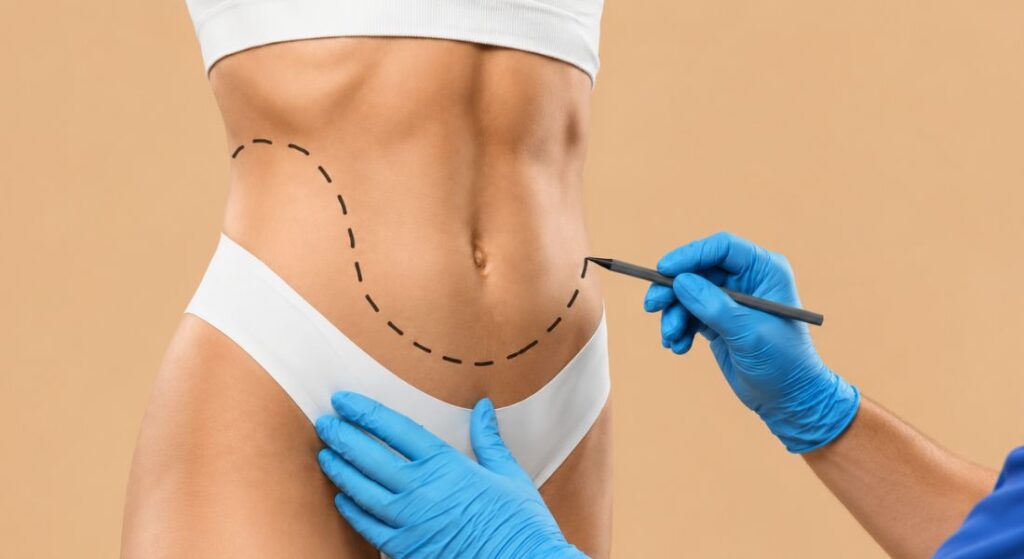
At aesthetic conferences, you’ll often hear increasing discussion around combination body contouring treatments, as more patients seek enhanced results through multi-technique approaches. While combining procedures can be effective, specialists consistently highlight the importance of keeping treatment intensity within safe limits to protect your wellbeing and ensure a smooth recovery.
You’ll notice that much of the focus is on avoiding overloading the body in a single session. When too many procedures are performed together, it can increase swelling, prolong healing time, and raise the risk of complications. That’s why clinicians emphasise the importance of carefully staging treatments rather than trying to achieve everything at once.
For you as a patient, careful planning becomes especially important when SmartLipo is combined with other contouring or skin-tightening technologies. Specialists are encouraged to tailor each treatment plan to your individual anatomy, health status, and recovery capacity. Ultimately, this structured and measured approach helps ensure safer outcomes while still achieving effective and natural-looking results.
Long-Term Outcome Discussions
At body contouring conferences, you’ll often notice a growing shift towards focusing on long-term results rather than just how things look immediately after surgery. Specialists are increasingly interested in how outcomes hold up over time, especially as your body continues to change through normal ageing, weight fluctuations, hormonal shifts, and lifestyle habits.
You’ll see discussions around how these long-term factors can influence contour quality and overall satisfaction years after SmartLipo. This helps surgeons better understand what kind of results are truly sustainable, and it also guides them in planning treatments that are more realistic and stable for you in the long run. The goal is not just an immediate improvement, but a result that continues to look balanced over time.
By studying long-term outcomes, you benefit from more informed treatment planning and clearer expectations from the start. You’ll also notice that clinicians are becoming more transparent about maintenance considerations, including the importance of weight stability and healthy lifestyle choices. Ultimately, modern body contouring education is increasingly centred on helping you achieve results that are natural-looking, durable, and in harmony with your body over time.
Greater Transparency Around Complications
At recent aesthetic conferences, one of the most important shifts has been a much more open approach to discussing complications and less-than-perfect outcomes. Rather than only focusing on ideal results, surgeons now regularly present real clinical cases, including situations involving contour irregularities, burns, asymmetry, prolonged swelling, or slower-than-expected healing after procedures such as SmartLipo laser liposuction.
1. Learning from real-world outcomes: You benefit when clinicians openly review cases where results didn’t go as planned. These discussions help identify what went wrong, why it happened, and how similar issues can be avoided in future treatments. This makes training more realistic and clinically useful.
2. Improving patient safety standards: By sharing complications more transparently, surgeons can refine techniques and improve decision-making. You are ultimately safer when your clinician has learned from a wide range of real outcomes, not just textbook examples.
3. Better recognition of early warning signs: Conference case reviews often focus on early signs of complications, such as unusual swelling patterns, uneven healing, or unexpected skin changes. This helps clinicians intervene sooner if problems begin to develop.
4. Strengthening professional accountability: Open discussion encourages a culture where safety and honesty are prioritised over image alone. You benefit from this because it promotes more careful treatment planning and more realistic expectation-setting.
Greater transparency around complications is now seen as a key part of responsible medical education. It helps the entire profession learn more effectively and reduces the likelihood of repeated mistakes. Ultimately, this openness leads to safer practice, better outcomes, and more informed decision-making for you as a patient.
Technology Improvements and Safety Refinements
At recent conferences, you’ll often see exhibitions highlighting ongoing improvements in laser-assisted contouring technology, including smarter heat regulation systems, more precise energy delivery, and enhanced real-time monitoring features. These upgrades are designed to help make procedures like SmartLipo more controlled and consistent in practice.
Even so, you’ll notice a strong and repeated message from specialists: technology on its own doesn’t guarantee safety. While advanced devices can support better outcomes, your results still depend heavily on clinical judgement, proper training, and careful patient selection. In other words, the machine is only part of the picture.
That’s why modern conferences place equal emphasis on both innovation and responsibility. For you as a patient, this means safer outcomes are achieved not just through better equipment, but through skilled practitioners who know how to use that technology appropriately. Ultimately, it’s the combination of progress and professional expertise that drives meaningful improvements in body contouring care.
Why Conference Discussions Matter for Patients

Even though you may never attend aesthetic medicine conferences yourself, the discussions that take place there can have a direct impact on the care you receive. You’ll often find that many of the safety standards, surgical techniques, and aftercare approaches used in clinics are shaped by what specialists share, debate, and refine at these international meetings.
You’ll also see that conferences create an important space for international collaboration, where surgeons and researchers compare experiences, refine treatment protocols, and critically assess new technologies before they are widely adopted. This helps ensure that innovations are properly evaluated rather than introduced into practice without sufficient understanding of their risks and benefits.
Ultimately, this ongoing professional education plays a key role in improving patient safety and the quality of care you receive. By continuously learning and updating their knowledge, clinicians are better equipped to make evidence-informed decisions, which leads to more reliable outcomes and a more responsible approach to aesthetic treatments overall.
The Future of SmartLipo Safety
Looking ahead, you’ll likely see SmartLipo safety continuing to evolve around more personalised treatment planning, improved thermal control, and increasingly precise minimally invasive techniques. Conferences are already highlighting how recovery support is becoming just as important as the procedure itself, with more focus on helping your body heal smoothly and predictably.
You’ll also notice a clear shift in direction across aesthetic medicine towards safer, more conservative, and anatomically guided contouring. Rather than prioritising aggressive fat removal, the emphasis is moving towards refined shaping that respects your natural structure. This helps reduce risk while supporting more balanced and natural-looking outcomes.
As the field continues to develop, patient safety, realistic expectations, and long-term harmony are expected to remain the central priorities. For you as a patient, this means future advances are likely to focus less on dramatic change and more on achieving results that are safer, more predictable, and better aligned with your individual body.
FAQs:
1. What is SmartLipo and why is safety such an important topic in it?
SmartLipo is a laser-assisted body contouring treatment that removes fat and tightens skin. Safety is important because it is still a medical procedure involving energy under the skin. You need careful planning to ensure results are both effective and low-risk. The focus is always on your wellbeing as well as appearance.
2. Why do aesthetic conferences focus so much on SmartLipo safety?
Conferences focus on safety because experts share real clinical experiences and improve techniques together. You benefit because doctors refine how they perform treatments based on updated knowledge. This helps reduce risks and improve outcomes. It ensures your care follows the latest standards.
3. How does patient selection affect SmartLipo safety and results?
Patient selection is key because not everyone is suitable for SmartLipo. When you are properly assessed, risks are reduced and results are more predictable. Doctors check your health, skin quality, and expectations. This ensures the treatment is right for your body.
4. Why is skin elasticity important in SmartLipo outcomes?
Skin elasticity affects how well your skin tightens after fat removal. If you have good elasticity, results usually look smoother and more natural. If not, skin tightening may be limited. That’s why your skin quality is always assessed first.
5. What role does heat control play in SmartLipo safety?
Heat control is important because the laser works by generating energy under the skin. When it is controlled properly, it helps tighten skin safely. If not managed well, there could be risks like burns. Careful monitoring keeps your treatment safe and effective.
6. How are thermal injuries prevented during SmartLipo?
Thermal injuries are avoided through precise techniques and controlled energy use. Surgeons constantly monitor how heat spreads in the tissue. You are protected by careful adjustments during the procedure. Training and experience also reduce risks significantly.
7. Why are recovery protocols so important after SmartLipo?
Recovery protocols help your body heal properly and improve final results. You may be advised to use compression garments and follow activity guidelines. This reduces swelling and supports smooth healing. Good aftercare makes a big difference to your outcome.
8. What lifestyle factors can influence SmartLipo results and safety?
Your lifestyle plays a big role in healing and long-term results. Smoking, poor diet, or weight changes can affect recovery. If you maintain healthy habits, your results are more stable. Preparing your body improves both safety and outcomes.
9. Why is psychological assessment becoming part of SmartLipo consultations?
Psychological assessment helps ensure your expectations are realistic. Even good results may feel disappointing if expectations are too high. Doctors want to understand your goals clearly. This helps you make a more informed decision.
10. How do conference discussions improve SmartLipo safety for patients?
Conference discussions allow doctors to share real results and complications. This helps improve techniques and safety standards over time. You benefit because treatments become more refined and evidence-based. It leads to safer and more predictable outcomes.
Final Thoughts: SmartLipo Safety Developments – What Recent Conferences Have Highlighted
SmartLipo safety has become a central focus at modern aesthetic conferences, and you’ll notice that most discussions now go far beyond cosmetic results alone. The emphasis is increasingly on careful patient selection, refined techniques, and a deeper understanding of how energy-based body contouring affects your tissues. This shift is helping make outcomes more predictable while keeping risks as low as possible.
What really stands out is how much attention is given to prevention rather than correction. You’ll see improvements in heat control, anatomy-based planning, recovery protocols, and complication management all working together to support safer treatment. At the same time, there’s a clear move towards more conservative, precise contouring that prioritises natural-looking results over aggressive fat removal.
Overall, the direction of the field is becoming more safety-driven, evidence-based, and patient-focused. As technology and clinical expertise continue to evolve together, you can expect SmartLipo outcomes to become even more refined, consistent, and carefully tailored to individual needs. If you’re considering an smartlipo treatment in London, you can contact us at the London Medical & Aesthetic Clinic.
References:
1. McBean, J.C. et al., Laser Lipolysis: An Update, Plastic and Reconstructive Surgery, https://pmc.ncbi.nlm.nih.gov/articles/PMC3140909/
2. Goldman, M.P. & Illouz, Y.G., Evaluation of Skin Tightening After Laser‑Assisted Liposuction, Dermatologic Surgery https://www.sciencedirect.com/science/article/abs/pii/S1090820X0900315X
3. T. Laser‑Assisted Lipolysis Versus Surgical Fat Removal, Lee, K.W., Cosmetics, https://www.mdpi.com/2079-9284/11/5/164
4. McBean, J.C. et al., Laser Lipolysis: An Update, Plastic and Reconstructive Surgery, https://pmc.ncbi.nlm.nih.gov/articles/PMC3140909/
5. Wong, Z.Y. et al., Impact of Laser Lipolysis With and Without Liposuction on Arm Contour, Aesthetic Surgery Journal Open Forum. https://academic.oup.com/asjopenforum/article/doi/10.1093/asjof/ojaf097/8249084