
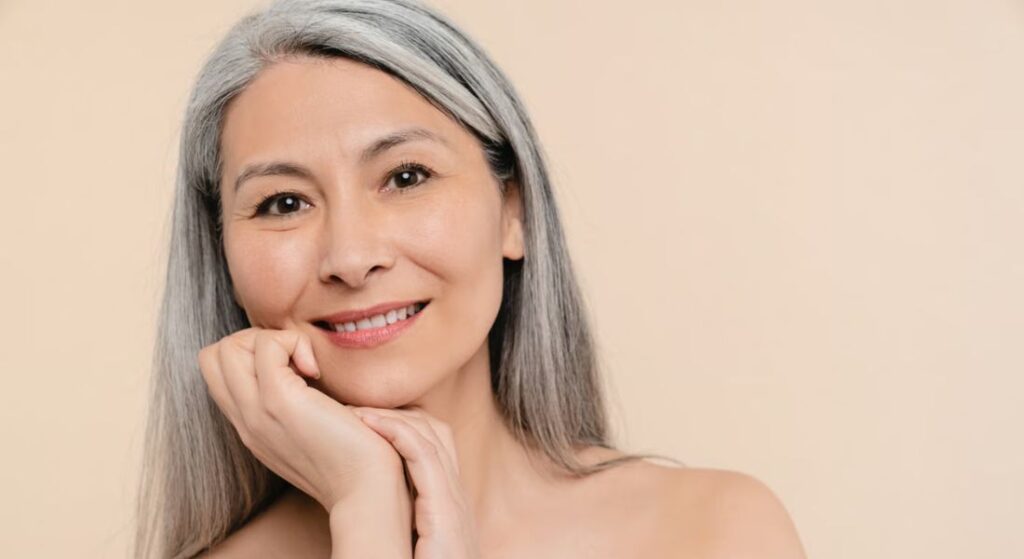
You may have noticed that your skin does not feel as firm, smooth or resilient as it once did. You may find that it bruises more easily, appears almost transparent in certain areas or develops small tears after minor knocks that would not have affected your skin when you were younger. These changes are a common part of ageing and reflect gradual alterations across the epidermis, dermis, junction between the skin layers, small blood vessels and fatty tissue beneath the skin.
As you age, collagen production and remodelling become less efficient, skin-cell renewal slows and the fatty tissue beneath the skin may reduce or redistribute in certain areas. These changes reduce the strength, elasticity, moisture and cushioning that help keep your skin looking healthy and protected. Factors such as long-term sun exposure, smoking, hormonal changes, certain medications and your overall health can also influence how quickly your skin becomes thinner.
What Does Thinning Skin Mean?
When your skin becomes thinner, it may look more delicate, translucent or creased, with veins and small blood vessels becoming easier to see. These changes are common with ageing and often appear on areas such as your hands, arms and legs.
Ageing affects the different layers of your skin, reducing collagen, support and cushioning beneath the surface. Although gradual skin fragility is common with ageing, speak to a healthcare professional if the change is sudden, affects one area only or occurs with unexplained bruising, bleeding, persistent pain or a wound that is slow to heal.
How the Structure of Your Skin Changes
Your skin has several layers that work together to protect your body. The outer epidermis provides a barrier, while the deeper dermis contains collagen, elastin, blood vessels and other structures that give your skin strength and flexibility. Beneath these layers, the fatty tissue provides cushioning and support.
As you age, each layer changes gradually. Your skin renews more slowly, collagen levels decrease and the fatty layer beneath the skin may become thinner, leading to dryness, fine lines, looseness, visible veins and easier bruising. These changes may not always be obvious from the surface, as ageing affects the deeper structure of your skin too.
Evidence Note
Research shows that skin ageing involves changes across the epidermis, dermis and extracellular matrix. Collagen becomes less abundant and increasingly fragmented, while elastic tissue and other supporting components are remodelled. Intrinsic ageing and photoageing overlap but do not produce exactly the same structural changes.
Collagen Production Gradually Declines
Collagen is one of the main proteins that keeps your skin firm, strong and supported. When you are younger, fibroblasts produce and organise collagen more efficiently. With age, collagen production and repair become less active, while existing collagen fibres can become fragmented, disorganised and less able to provide structural support.
As collagen levels decline, your skin may become thinner, less firm and more prone to fine lines and creasing. The speed of collagen loss varies between people and can be influenced by factors such as genetics, hormones, sun exposure, smoking and overall health. Some treatments may stimulate limited skin remodelling or improve particular signs of photoageing in selected patients, but they cannot instantly reverse every structural change associated with ageing.
The Elastic-Fibre Network Changes with Age
Elastin is a protein in your skin that helps it stretch and return to its original shape. It works alongside collagen, which provides strength, to keep your skin flexible, firm and supported.
With intrinsic ageing, the elastic-fibre network gradually becomes less organised and functional. Sun-exposed skin may also accumulate damaged elastic material, contributing to reduced resilience, creasing, laxity and visible lines. Continued UV exposure can make these changes more noticeable.
Skin Cell Renewal Becomes Slower
Your skin is constantly renewing itself, with new cells forming in the deeper layers before moving towards the surface. As you age, this renewal process slows down, which means your skin may take longer to recover from dryness, irritation or minor damage.
Slower cell renewal can make your skin appear dull, uneven or rough, even when the deeper layers have become thinner. A gentle skincare routine is often more suitable for dry or fragile ageing skin, as frequent exfoliation or unsuitable active ingredients can cause irritation and temporarily disrupt the skin barrier.
Ageing Skin Retains Less Moisture
Ageing skin commonly becomes drier because of changes in surface lipids, natural moisturising components, sebum production and recovery after irritation. Cold weather, heating, air conditioning, frequent washing and hot showers can make moisture loss more noticeable.
Using a moisturiser after washing can help lock in hydration and support your skin barrier. Moisturisers containing humectants such as glycerin or hyaluronic acid may temporarily improve surface hydration and comfort.
The Junction Between the Skin Layers Becomes Flatter
The epidermis and dermis meet at a ridged boundary known as the dermal–epidermal junction. With age, this boundary becomes flatter, reducing the surface area through which the layers interact and providing less resistance to friction and shearing forces.
1. Flatter Skin Boundary: As you age, the boundary between the epidermis and dermis becomes flatter and less secure.
2. Greater Fragility: Your skin may become more vulnerable to friction, shearing forces, adhesive products and minor knocks.
3. Increased Risk of Tears: You may notice that your skin tears more easily when removing plasters or handling delicate areas.
4. Gentle Skin Care: Using gentle movements and avoiding unnecessary pressure can help protect your skin from injury.
These age-related changes can make your skin more delicate, but careful handling can reduce the risk of damage. Taking extra care when removing dressings or applying pressure can help keep your skin protected.
Your Skin Produces Less Natural Oil
Your sebaceous glands produce natural oils that help keep your skin soft, comfortable and protected. Sebum production can decline with age, particularly after menopause, although the degree of change varies between people and different areas of the body.
Dry skin is not the same as thinning skin, but a weakened barrier can make your skin feel fragile and more prone to irritation. Using gentle cleansers and a rich moisturiser can help support the skin barrier, improve flexibility and reduce dryness, although moisturising cannot replace lost collagen.
The Fat Beneath Your Skin May Reduce
The fatty layer beneath your skin provides natural cushioning and helps protect deeper tissues, blood vessels and bones from pressure and minor impacts. With age, subcutaneous fat may reduce, enlarge or redistribute depending on the body area.
Loss of underlying volume can make your skin appear looser or create hollow areas, particularly around the cheeks and temples. This is different from skin thinning, and understanding the difference can help you choose the right approach if you are considering treatments for ageing changes.
Blood Vessels Become More Vulnerable
As you age, the collagen and connective tissues that support your skin and small blood vessels become weaker. Reduced support around small blood vessels can make bruising more likely after relatively minor knocks, particularly on chronically sun-exposed forearms and hands.
Age-related bruising is common, especially on sun-exposed areas such as your hands and forearms, but you should not ignore sudden or unexplained changes. Speak to a healthcare professional if bruising appears without a clear cause, covers large areas or occurs alongside other symptoms, as medicines or underlying health conditions may also play a role.
Thin Skin, Dryness, Laxity or Volume Loss?
| Concern | What is changing | What you may notice |
| Structural skin thinning | Age-related atrophy or remodelling affects the epidermis, dermis or their junction | Fragility, transparency, visible vessels or easier tearing |
| Dryness | The barrier loses water and produces less protective oil | Tightness, roughness, flaking or itching |
| Reduced elasticity | Collagen and elastic support become altered | Looseness, creasing or reduced bounce |
| Volume loss | Fat beneath the skin reduces or shifts | Hollowing, prominent tendons, bones or veins |
| Photoageing | UV exposure damages collagen, elastic tissue and pigment regulation | Roughness, wrinkles, uneven pigmentation and fragility |
Lifestyle and Environmental Factors Play a Role

Your lifestyle and environment can influence how quickly your skin shows signs of ageing. Smoking increases oxidative stress, damages collagen and elastin, and reduces blood flow to the skin, which may contribute to wrinkles, reduced elasticity and slower healing.
Nutrition, sleep, alcohol intake, environmental exposure and general health may influence how your skin looks and recovers, although the strength of evidence differs between factors. A balanced diet and adequate fluid intake support general health but do not rebuild lost collagen or reverse structural skin thinning.
Sun Exposure Accelerates Structural Skin Ageing
Ultraviolet (UV) radiation is one of the biggest external causes of premature skin ageing. Over time, sun exposure can break down collagen, damage elastic fibres and contribute to wrinkles, uneven pigmentation, rough texture and fragile skin that bruises more easily.
Sun-damaged skin may not always appear thin, as the surface can become leathery while the deeper support layers weaken. Protecting your skin with sunscreen, protective clothing and shade can help reduce further UV damage and preserve the collagen that supports your skin.
UK Guidance Note
The British Association of Dermatologists recommends protective clothing, shade and sunscreen of at least SPF 30 with high UVA protection. In the UK, look for a five-star UVA rating or the UVA-circle logo. Sunscreen should be applied generously and reapplied according to the product instructions, particularly after swimming, sweating or towel drying. No sunscreen provides complete protection, so it should not be used to extend time in strong sunlight.
Hormonal Changes Affect Skin Strength
Hormones play an important role in maintaining your skin’s collagen, moisture, oil production and ability to repair itself. As hormone levels change with age, your skin may become drier, less firm, thinner and more prone to bruising.
Falling oestrogen levels during and after menopause are associated with changes in dermal collagen, moisture, elasticity and skin thickness. The timing and severity vary considerably, and skin concerns alone are not a reason to begin hormone treatment without an individual medical assessment. If you notice significant changes, a healthcare professional can help you understand whether they are related to hormones, ageing or another skin concern.
Medicines and Medical Conditions Can Contribute
Ageing is not the only reason your skin may become thin or fragile. Certain medicines and health conditions can affect skin strength, healing and bruising, sometimes causing these changes to appear earlier than expected.
Prolonged exposure to corticosteroids can cause skin atrophy, particularly when a potent topical steroid is used too frequently, over a large area or on thinner skin sites. Long-term systemic corticosteroids can also contribute. Anticoagulant and antiplatelet medicines may increase bruising or bleeding without necessarily thinning the skin. You should not stop prescribed medication without medical advice. If you notice sudden thinning, changes in one area or symptoms such as pain, inflammation or slow healing, speak to a healthcare professional for assessment.
Why Thin Skin Bruises, Tears and Heals More Slowly
As your skin becomes thinner with age, it may become less able to tolerate friction, stretching and minor impacts. A small knock may cause a larger bruise, while simple activities such as removing a plaster or catching your arm on clothing can sometimes lead to skin tears.
Long sleeves, careful handling, regular moisturising and avoiding strongly adhesive tapes may reduce friction and some skin tears. Healing can also take longer as collagen production and tissue repair slow with age. Contact your GP or NHS 111 if redness, heat, swelling or pain is increasing, fluid or pus leaks from the wound, the wound reopens, or you develop a fever or feel generally unwell.
How Can You Care for Fragile or Ageing Skin?
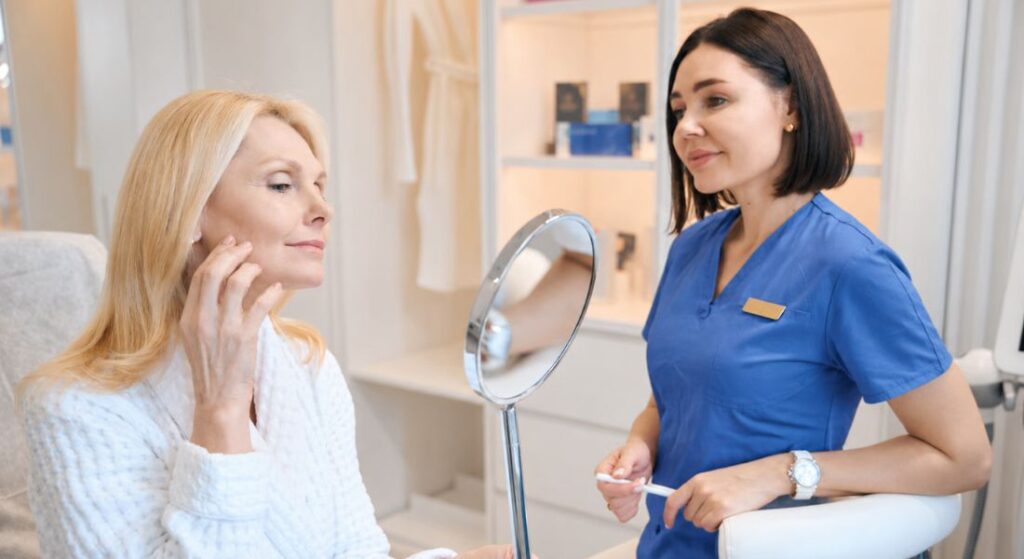
A simple skincare routine can help support thinning skin as you age. Use a gentle cleanser, apply a fragrance-free moisturiser regularly and protect your skin from ultraviolet radiation. Introduce active ingredients cautiously, as retinoids and exfoliating acids can cause dryness, redness, peeling or irritation. Prescription retinoids should be used according to professional advice, particularly when the skin is already fragile.
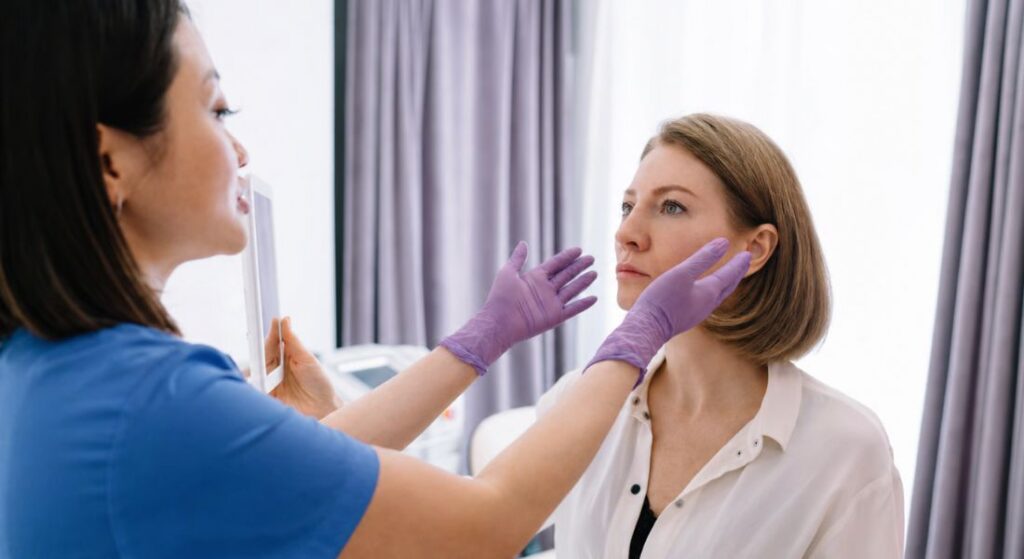
A professional assessment can help you understand whether your main concern is thinning, dryness, sun damage, laxity, pigmentation or volume loss. Depending on the main concern, a clinician may discuss prescription skincare or procedures intended to address photoageing, texture, pigmentation, laxity or volume loss. Microneedling, laser and energy-based procedures do not treat every cause of fragile skin, while injectable treatments primarily address volume or contour rather than restoring every skin layer. Suitability depends on your skin condition, healing ability, medicines, previous treatments, skin tone and the risks of the proposed procedure.
Myth vs Fact
| Myth | Fact |
| Dry skin and thin skin are the same condition. | Dryness involves reduced moisture and barrier function, while thinning refers to structural changes in the skin. They can occur together but require different approaches. |
| Moisturiser rebuilds collagen and makes the dermis thicker. | Moisturiser improves hydration, flexibility and barrier comfort but does not replace lost collagen or subcutaneous fat. |
| Every bruise in an older person is caused by ageing skin. | Ageing can increase bruising, but new, frequent or unexplained bruising may also be related to medicines or an underlying medical condition. |
| Sun-damaged skin always looks thin. | Photoaged skin may appear rough or leathery at the surface while the deeper supporting structures have been damaged. |
| A collagen-stimulating procedure is suitable for anyone with fragile skin. | Suitability depends on the cause of fragility, healing ability, skin condition, medicines and the risks of the specific procedure. |
| Injectable treatment replaces lost skin thickness. | Some injectables restore volume or improve contour, but this is different from reversing structural thinning in every skin layer. |
| Natural skincare products cannot irritate fragile skin. | Fragrances, essential oils, acids and plant extracts can still cause irritation or allergic reactions. |
Key Takeaways
1. Ageing affects several skin layers, not collagen alone.
2. Thin skin, dry skin, laxity and volume loss are different concerns.
3. Cumulative sun exposure can accelerate structural ageing and fragility.
4. Moisturisers support hydration and barrier function but do not replace lost collagen or fat.
5. Long-term corticosteroid exposure can contribute to skin thinning.
6. Blood-thinning medicines may increase bruising without directly thinning the skin.
7. Frequent unexplained bruising or a non-healing wound requires medical assessment.
8. Cosmetic procedures may address texture, pigmentation, laxity or volume, but they do not reverse every cause of thin or fragile skin and are not suitable for everyone.
9. A clinical assessment should identify the main problem before treatment is recommended.
Frequently Asked Questions
1. Why does your skin become thinner as you age?
Ageing changes the epidermis and dermis through alterations in collagen, elastin and cell renewal. Loss or redistribution of fat beneath the skin can add to fragility and visible ageing, but it is separate from structural skin thinning.
2. Is thinning skin a normal part of ageing?
Yes, thinner and more fragile skin is a common part of the natural ageing process. However, you should seek medical advice if you notice sudden thinning, unexplained bruising, bleeding or wounds that do not heal properly.
3. Can sun exposure make your skin thinner?
Long-term sun exposure can accelerate skin ageing by damaging collagen and elastin within the deeper layers of your skin. Using sunscreen, wearing protective clothing and limiting excessive UV exposure can help reduce further damage.
4. Why does ageing skin bruise more easily?
As you age, the skin becomes thinner and the blood vessels beneath it receive less support and protection. This means even minor knocks or pressure can cause small blood vessels to break and create visible bruises.
5. Can you prevent your skin from becoming thinner?
You cannot prevent all age-related structural changes. Sun protection and avoiding smoking may reduce additional damage, while moisturising can improve dryness, flexibility and comfort. These measures do not replace lost collagen or subcutaneousfat.
6. Does collagen loss cause your skin to become thinner?
Collagen loss, fragmentation and altered remodelling can contribute to reduced dermal support, but ageing skin is also affected by changes in elastin, blood vessels, cellular renewal, the dermal–epidermal junction and subcutaneous fat. Collagen loss happens gradually and is influenced by factors such as ageing, genetics, sun exposure and lifestyle.
7. What skincare products can help with thinning skin?
Gentle, fragrance-free moisturisers can improve hydration and support the skin barrier. Prescription topical retinoids may improve some signs of photoageing in selected patients but can cause irritation and are not suitable for everyone. Neither approach restores lost dermal or subcutaneous tissue.
8. Can medical treatments improve thinning skin?
Some professional treatments may improve particular concerns such as photoaged texture, pigmentation, laxity or volume loss. Results, risks and suitability vary, and improvement in appearance is not the same as fully reversing structural skin thinning. A qualified clinician can assess whether options such as microneedling, laser treatments, injectable treatments or prescription skincare are suitable for your skin.
9. When should you speak to a doctor about thin skin?
Seek medical advice if skin fragility develops suddenly, affects one area only or occurs with unexplained bruising, recurrent bleeding, significant pain or a slow-healing wound. A growing, changing, crusting or bleeding patch that has not healed after four weeks should also be checked. These changes may sometimes indicate an underlying health condition or medication-related effect.
10. Does moisturising make your skin thicker?
Moisturising does not rebuild lost collagen or physically thicken your skin, but it can improve hydration, flexibility and comfort. Keeping your skin well moisturised can also help reduce dryness, cracking and irritation.
Final Thoughts: Supporting Your Skin as It Changes with Age
Thinner, more fragile skin is common with ageing. Sun protection may reduce further UV-related damage, while regular moisturising and gentle skincare can improve dryness, flexibility and comfort, although they do not restore lost collagen, elastic tissue or subcutaneous volume. If you are concerned about skin fragility or visible ageing changes, you can arrange an assessment with the London Medical and Aesthetic Clinic to discuss possible causes and suitable skincare, medical advice or aesthetic treatment.
References:
1. Uitto, J. (2008) ‘The role of elastin and collagen in cutaneous aging: Intrinsic aging versus photoexposure’, Journal of Drugs in Dermatology. Available at: https://pubmed.ncbi.nlm.nih.gov/18404866/
2. Waller, J.M. and Maibach, H.I. (2006) ‘Age and skin structure and function, a quantitative approach II: Protein, glycosaminoglycan, water and lipid content and structure’, Skin Research and Technology. Available at: https://pubmed.ncbi.nlm.nih.gov/16827688/
3. Kamp, E. et al. (2022) ‘Menopause, skin and common dermatoses: Part 2’, Clinical and Experimental Dermatology. Available at: https://academic.oup.com/ced/article/47/12/2117/6966236
4. Shin, J.W. et al. (2019) ‘Molecular mechanisms of dermal aging and antiaging approaches’, International Journal of Molecular Sciences. Available at: https://www.mdpi.com/1422-0067/20/9/2126
5. Quan, T. (2023) ‘Human skin aging and the anti-aging properties of retinol’, Biomolecules. Available at: https://www.mdpi.com/2218-273X/13/11/1614
6. Baumann, L. et al. (2021) ‘Clinical relevance of elastin in the structure and function of skin’, Aesthetic Surgery Journal Open Forum. Available at: https://pmc.ncbi.nlm.nih.gov/articles/PMC8239663/