

Skin ageing happens naturally, but it is influenced by both internal and external factors. Some changes occur as part of your body’s normal ageing process, while others are accelerated by sun exposure, smoking, pollution, and lifestyle habits. Understanding the difference can help you make informed choices about skincare and treatment.
Intrinsic ageing is the natural ageing process that happens over time. It is influenced by genetics, hormonal changes, and the gradual slowing of your skin’s repair processes, leading to reduced firmness, elasticity, and hydration.
Extrinsic ageing refers to skin changes that are accelerated by external exposures, particularly ultraviolet radiation, smoking and air pollution. These influences act alongside natural ageing rather than occurring as a completely separate process.
What Is Intrinsic Skin Ageing?
Intrinsic skin ageing is the natural ageing process that happens within your skin over time. It is sometimes called chronological ageing because it is closely linked to getting older and occurs even if you take good care of your skin.
This process is influenced by factors such as genetics, hormones, cellular ageing, metabolism, and the gradual slowing of your skin’s natural repair mechanisms. While a good skincare routine can help keep your skin healthy, it cannot completely prevent intrinsic ageing.
As intrinsic ageing progresses, you may notice fine lines, drier skin, reduced elasticity, and gradual thinning of the skin. These changes usually develop slowly and are often more subtle than the damage caused by long-term sun exposure.
What Is Extrinsic Skin Ageing?
Extrinsic skin ageing is caused by factors outside your body that affect your skin over time. The most established causes include repeated ultraviolet exposure and smoking. Air pollution may also contribute, while factors such as poor sleep, ongoing stress, alcohol intake and irritating skincare habits may influence skin health, although the strength of evidence varies between these factors.
Unlike intrinsic ageing, many of the causes of extrinsic ageing are partly preventable. While you cannot avoid every environmental exposure, you can reduce many of the factors that speed up visible skin ageing.
Extrinsic ageing often causes deeper wrinkles, uneven pigmentation, rough skin texture, loss of firmness, and an uneven skin tone. These changes can make your skin look older than would be expected for your age alone.
Intrinsic vs Extrinsic Skin Ageing at a Glance
| Feature | Intrinsic Ageing | Extrinsic Ageing |
| Main driver | Natural biological ageing over time | Cumulative environmental and lifestyle exposure |
| Important influences | Genetics, cellular ageing and hormonal changes | Ultraviolet radiation, smoking and air pollution |
| Preventable? | Cannot be prevented | Some contributing exposures can be reduced |
| Typical appearance | Fine lines, dryness, thinning and gradual loss of elasticity | Coarser wrinkles, mottled pigmentation, rough texture and more noticeable loss of elasticity |
| Collagen changes | Gradual reduction in production and increasing fragmentation | Accelerated breakdown and disruption of collagen organisation |
| Elastin changes | Gradual changes in elastic-fibre organisation and function | UV-related elastic tissue damage and solar elastosis |
| Distribution | Occurs across the skin | Often more noticeable on exposed areas such as the face, neck, upper chest and hands |
| Main preventive focus | Supporting skin health and managing dryness | Photoprotection, avoiding smoking and reducing avoidable environmental damage |
| Treatment approach | Hydration, barrier support and treatment of individual ageing concerns | Photoprotection plus treatment of pigmentation, texture, wrinkles or other specific damage |
Most people have a combination of both processes. The visible balance between them varies according to age, genetics, skin characteristics and cumulative exposure.
How Intrinsic Ageing Affects Collagen
Collagen is one of the main proteins that gives your skin its strength, structure, and firmness. It acts as a natural support framework, helping your skin stay smooth and resilient.
As part of the natural ageing process, collagen production gradually declines, while existing collagen fibres become more fragmented and less organised over time. This weakens your skin’s internal support structure and reduces its ability to stay firm.
As collagen levels decline, your skin may become thinner, softer, and less elastic. This is one of the reasons you may notice fine lines, mild skin laxity, and a gradual loss of firmness as you get older.
Why the Difference Matters
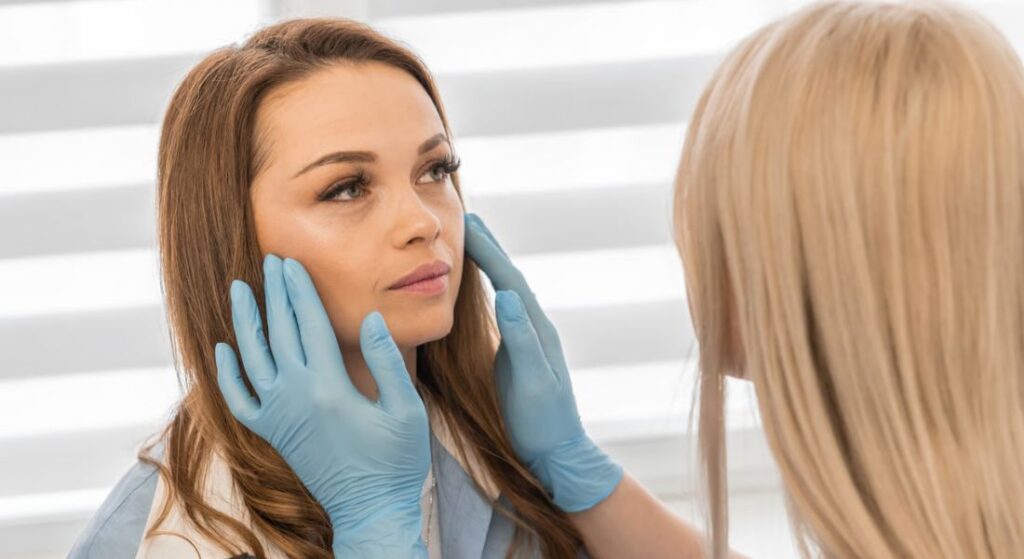
Understanding the difference between intrinsic and extrinsic ageing can help you set realistic expectations about your skin. While you cannot stop your skin from ageing naturally, you can reduce many of the external factors that make visible ageing happen more quickly.
For example, a moisturiser can improve dryness caused by natural ageing, but it cannot reverse years of sun damage. Likewise, treatments such as lasers may improve sun-related skin changes, but they cannot alter your genetics or stop the natural ageing process.
Knowing what is causing your skin changes also helps your practitioner recommend the most suitable treatment. Depending on your skin’s needs, you may benefit from collagen-stimulating treatments, pigmentation management, skin resurfacing, hydration, skin tightening, or a combination of approaches.
How Extrinsic Ageing Damages Collagen Faster
Extrinsic ageing can speed up the breakdown of your skin’s collagen. Factors such as ultraviolet exposure and smoking can increase oxidative stress and activate enzymes involved in the breakdown of the skin’s supporting matrix, including collagen. Air pollution has also been associated with pigmentation changes and premature skin ageing, although the strength of evidence varies between pollutants and populations.
As this damage builds up, your skin may lose firmness and elasticity more quickly, making wrinkles, dryness, and sagging more noticeable. Because several external exposures are modifiable, measures such as sun protection and stopping smoking may help limit further avoidable damage.
This is why two people of the same age can have very different-looking skin. If you have had more sun exposure or smoked over many years, you may notice more visible collagen damage than someone who has consistently protected their skin.
The Role of Elastin in Ageing Skin
Elastin is the protein that helps your skin stretch and return to its original shape. It gives your skin its natural bounce, flexibility, and resilience, allowing it to recover after facial movements and everyday stretching.
During intrinsic ageing, the network of elastic fibres gradually becomes less organised and less effective. This can reduce the skin’s ability to return to its previous position after movement or stretching.
As elastin becomes less efficient and collagen levels also decline, your skin can gradually lose firmness and elasticity. Over time, this contributes to sagging, fine creases, and the visible signs of skin ageing.
UV Exposure and Elastin Damage
Sun exposure is one of the most important causes of extrinsic skin ageing. Repeated ultraviolet exposure can break down collagen and disrupt the normal structure of elastic fibres, reducing the skin’s strength, flexibility and ability to recover after movement.
In chronically sun-exposed skin, damaged and poorly organised elastic material may accumulate. This change, known as solar elastosis, can contribute to a leathery texture, deep wrinkles, yellowish discolouration and reduced elasticity over time.
The areas most commonly affected are those that receive the most sunlight, including your face, neck, chest, and hands. Protecting your skin with daily sunscreen and other sun-safe measures can help reduce further UV-related damage.
Photoageing Is a Major Form of Extrinsic Ageing
Photoageing is the term used to describe skin ageing caused by repeated exposure to ultraviolet (UV) radiation. It is one of the most common and important forms of extrinsic skin ageing and develops gradually over many years.
If your skin has been exposed to the sun regularly without adequate protection, you may notice rough texture, uneven pigmentation, deeper wrinkles, visible blood vessels, sun spots, and reduced elasticity. These changes can make your skin appear older than its natural age.
The good news is that photoageing is partly preventable. Wearing a broad-spectrum sunscreen every day, choosing protective clothing, and limiting unnecessary sun exposure can all help slow further UV-related skin damage.
Evidence Note
A systematic review and meta-analysis of skin-ageing risk factors identified age, sex, ethnicity, sun exposure, smoking, air pollution and nutrition among the factors associated with visible skin-ageing features. The authors also noted that studies used different methods to define and assess ageing, which limits direct comparisons between populations.
Current reviews identify chronic ultraviolet exposure as the main established external contributor to photoageing. However, the appearance of an individual person’s skin cannot be predicted from one exposure alone because intrinsic ageing, skin characteristics and several environmental influences interact over time.
Why Intrinsic Ageing Often Looks More Subtle
Intrinsic ageing usually causes slower and more subtle changes to your skin. As you get older, your skin may become thinner, drier, and less elastic, but if you have limited sun damage, your skin tone often remains relatively even.
You may first notice fine lines around your eyes or mouth, along with skin that feels less plump as natural hydration and repair processes gradually slow down. These changes develop over many years as part of the normal ageing process.
In skin that has been relatively protected from environmental damage, intrinsic ageing is more commonly associated with fine wrinkles, dryness, thinning and reduced elasticity. Pronounced mottled pigmentation, coarse texture and deep wrinkles are generally more characteristic of cumulative photoageing.
Smoking and Premature Skin Ageing
Smoking is strongly associated with premature skin ageing. Tobacco smoke can impair the skin’s microcirculation, increase oxidative stress, reduce normal collagen production and increase the activity of enzymes that break down collagen and other structural proteins.
Over time, these changes can make your skin look duller, less resilient, and more prone to deeper wrinkles and sagging. Smoking can also slow your skin’s natural healing process, making recovery after skin treatments more difficult.
Stopping smoking cannot reverse all existing skin damage, but it may help reduce further ageing, support circulation and improve skin healing. However, it cannot guarantee a particular aesthetic-treatment result.
Pollution and Oxidative Stress
Long-term exposure to certain air pollutants has been associated with features of premature skin ageing, particularly pigmentation changes. However, research findings vary according to the pollutant studied, exposure measurement and population. Airborne particles and environmental pollutants can increase oxidative stress, which gradually damages your skin over time.
Oxidative stress happens when unstable molecules damage healthy skin cells, proteins, and fats. As this damage builds up, it can weaken your skin barrier, reduce collagen support, and increase inflammation, making your skin less resilient.
You cannot completely avoid air pollution, and no skincare product can remove every effect of environmental exposure. Gentle cleansing, moisturising and appropriate sun protection can support your skin barrier, but claims that a cosmetic product can “detoxify” the skin or prevent pollution-related ageing should be treated cautiously.
Research Insight: Pollution and Skin Ageing
Research into air pollution and skin ageing is developing. Studies have linked exposure to particulate matter, soot and nitrogen dioxide with visible features such as facial pigment spots and premature ageing.
However, pollution is difficult to study because exposure varies by location, occupation, lifestyle and ultraviolet exposure. Current evidence supports an association, but it does not allow a clinician to calculate exactly how much an individual person’s skin has aged because of pollution or to guarantee that a particular skincare product will prevent the effects.
Why Extrinsic Ageing Can Look More Uneven
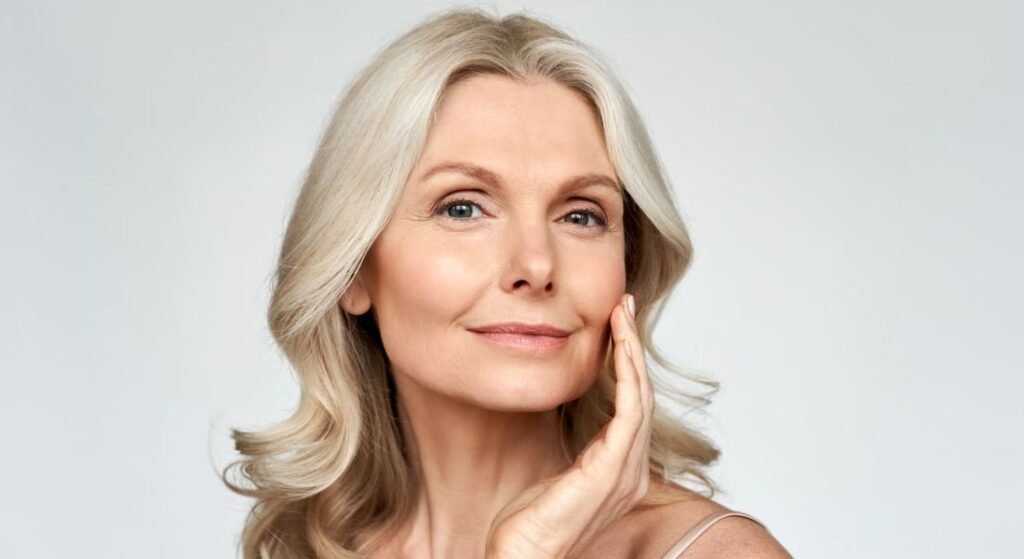
Extrinsic ageing often causes your skin to age unevenly because environmental damage does not affect every area in the same way. Parts of your body that are exposed to more sunlight, pollution, or cigarette smoke usually show signs of ageing sooner.
You may notice these changes most on your face, neck, chest, and hands, as these areas are exposed to the environment every day. They are often the first places to develop visible signs of long-term skin damage.
As a result, you may see patchy pigmentation, rough skin texture, deeper wrinkles, and uneven skin tone in specific areas. These changes can make your skin look older than would be expected from natural ageing alone.
The Skin Barrier Changes with Age
Your skin barrier acts as a protective shield, helping to prevent water loss and defend your skin against irritation and environmental damage. As you get older, this barrier naturally becomes drier and more fragile.
Intrinsic ageing can reduce your skin’s natural moisturising factors and slow its ability to repair itself. As a result, your skin may feel tighter, rougher, or more sensitive than it did when you were younger.
Extrinsic ageing can weaken your skin barrier even further through repeated exposure to sunlight, pollution, cigarette smoke, and harsh skincare products. When your skin barrier is compromised, your skin is more likely to become irritated, dehydrated, and uncomfortable.
Inflammation and Skin Ageing
Ageing skin is also influenced by gradual changes in inflammatory activity. Researchers sometimes describe this process as “inflammageing”, referring to low-level chronic inflammation that may contribute to changes in the skin environment over time.
This process may affect collagen breakdown, barrier function, and the ability of skin cells to repair damage. Environmental factors such as ultraviolet exposure, pollution and smoking can increase inflammatory stress within the skin.
Although inflammation is only one part of ageing, understanding its role helps explain why protecting your skin from avoidable damage is important for maintaining skin health over time.
Hormones and Intrinsic Ageing
Hormonal changes are an important part of intrinsic skin ageing, particularly during perimenopause and menopause. Oestrogen helps support your skin’s collagen production, hydration, and thickness, so changes in hormone levels can affect how your skin looks and feels.
As hormone levels decline, you may notice increased dryness, reduced firmness, and a faster appearance of fine lines or skin laxity, especially on your face and neck. These changes are a normal part of ageing but can vary from person to person.
Aesthetic treatments may help improve your skin’s quality and appearance, but they do not address the underlying hormonal changes. If you have significant menopausal or hormonal symptoms, it is important to discuss them with your healthcare professional as part of your overall health.
Menopausal hormone therapy should not be started solely to improve skin ageing. Decisions about hormone treatment should be based on your wider symptoms, medical history, risks and benefits after discussion with an appropriate healthcare professional.
Genetics Influence How Your Skin Ages
Your genes play an important role in how your skin ages over time. They influence factors such as your skin’s thickness, pigmentation, collagen production, oil levels, and how quickly you develop fine lines or lose firmness.
Some people naturally maintain firmer, more resilient skin for longer, while others may notice dryness, wrinkles, or skin laxity at an earlier age, even if they have similar skincare and lifestyle habits.
Although genetics influence your skin’s natural ageing process, they are only part of the picture. Daily sun protection, healthy lifestyle choices, and a good skincare routine can still make a noticeable difference to how your skin ages over time.
Ethnicity and Skin Ageing Differences
Skin ageing can appear differently across ethnic groups because factors such as melanin content, collagen structure, skin thickness and susceptibility to pigmentation changes vary between individuals.
For example, some people with darker skin tones may develop visible wrinkles later because of differences in collagen breakdown and photoageing patterns, while pigmentation changes may be a more noticeable concern after inflammation or environmental damage.
However, skin ageing varies widely between individuals, and factors such as genetics, sun exposure, lifestyle habits and skincare practices remain important influences for everyone.
Lifestyle Habits Influence Overall Skin Health and Extrinsic Ageing
Lifestyle habits can influence your skin’s overall health and the way environmental ageing appears. Avoiding smoking, eating a balanced diet, getting adequate sleep, limiting excess alcohol and managing long-term stress may support normal skin function and general wellbeing.
These measures cannot stop chronological ageing or guarantee firmer or younger-looking skin. Their main value is supporting your overall health and reducing avoidable influences that may worsen dryness, inflammation, healing or visible environmental damage.
Your general health can also affect preparation for and recovery from aesthetic procedures. However, treatment results remain dependent on the procedure, your skin, medical history, practitioner technique and individual healing response.
Prevention Is Mainly About Extrinsic Ageing
While you cannot prevent intrinsic ageing, you can reduce many of the factors that contribute to extrinsic ageing. This is where your everyday habits can make the biggest difference to your skin’s long-term health.
Protecting your skin from ultraviolet radiation is one of the most effective preventive measures. When the UV index is 3 or above, use shade and protective clothing and apply a sunscreen with at least SPF 30 and strong UVA protection to exposed skin. Reapply it according to the product instructions, particularly after sweating, swimming or rubbing the skin.
It is never too early or too late to look after your skin. Starting healthy habits earlier may provide greater long-term benefit, but reducing further damage at any age can still help maintain skin health. Avoid sunbeds and deliberate tanning. A tan is a sign that the skin has responded to ultraviolet exposure rather than evidence that it is protected or healthier.
UK Guidance Note
NHS sun-safety advice recommends considering protection when the UV index is 3 or above. Use shade and protective clothing and choose a sunscreen with at least SPF 30 and good UVA protection. Sunscreen should be applied generously, reapplied regularly and should not be used as a reason to remain in the sun for longer.
Sunbeds should be avoided because concentrated ultraviolet exposure contributes to premature skin ageing and increases the risk of skin cancer.
Topical retinoids should not be used during pregnancy or when planning pregnancy. If you are considering prescription-strength skincare or an aesthetic procedure, tell your clinician about pregnancy, breastfeeding, medical conditions, previous pigmentation problems and all medicines or supplements you use. Remember that sunscreen reduces UV-related damage but does not provide complete protection, so combining sunscreen with shade and protective clothing remains important.
Skincare for Intrinsic and Extrinsic Ageing
Your skincare routine should be tailored to your skin’s individual needs. If intrinsic ageing is your main concern, products that support hydration, strengthen the skin barrier, and encourage healthy skin renewal may be beneficial.
If extrinsic ageing is more noticeable, consistent sun protection and carefully selected skincare may help improve texture, pigmentation and fine lines. Topical retinoids have stronger evidence for photoageing than many cosmetic ingredients, but they can cause redness, dryness, peeling and sensitivity and should be introduced cautiously.
Topical retinoids should not be used during pregnancy or when planning pregnancy. Ask a doctor, pharmacist or suitably qualified clinician for advice if you are pregnant, breastfeeding, using prescription skin treatment or unsure whether an active ingredient is suitable for you.
Evidence for antioxidant and “anti-pollution” cosmetics varies significantly between products. A product’s ingredient list or marketing description does not guarantee that it has been clinically shown to prevent ageing.
Skincare can improve your skin’s texture, hydration, and overall quality, but it cannot correct deeper structural changes. If you have significant skin laxity, volume loss, or more advanced signs of ageing, professional treatments may be needed alongside a good skincare routine.
Clinical Tip: Introduce Active Skincare Gradually
Introduce one active product at a time so that you can recognise irritation and understand which product is helping. Begin with a lower frequency if an ingredient is known to cause dryness, peeling or sensitivity, and avoid starting several strong exfoliating or retinoid products together.
Stop using a new product and seek advice if you develop significant swelling, blistering, pain, persistent inflammation or a spreading rash. Do not apply prescription treatments belonging to someone else, and check whether an ingredient is suitable during pregnancy or breastfeeding.
Why Prevention Has Greater Impact Earlier in Life
Skin ageing develops gradually over many years, which means preventive measures often have the greatest effect when started early.
Protecting your skin from ultraviolet exposure, avoiding smoking, and maintaining a consistent skincare routine can help reduce avoidable environmental damage. These steps cannot stop natural ageing, but they may help preserve skin quality and reduce the severity of some visible changes.
Treatments May Need to Address Several Layers
Because intrinsic and extrinsic ageing often occur at the same time, a single treatment may not address every concern. You may benefit from a personalised plan that considers your skin quality, collagen levels, pigmentation, texture, and facial structure together.
Different treatments address different concerns. For example, resurfacing procedures may improve certain texture and pigmentation changes, while selected injectable treatments may address specific concerns such as facial volume loss, dynamic lines or skin quality changes, depending on the product used.
Treatment suitability depends on factors including your skin type and tone, medical history, medications, tendency to scar or develop pigmentation, previous procedures and the type of ageing change being treated. Potential risks may include irritation, infection, burns, prolonged redness, pigment changes, scarring or an unsatisfactory cosmetic result, depending on the procedure.
A consultation should include realistic expected benefits, alternatives, recovery requirements, possible complications and the practitioner’s qualifications. Combining procedures is not automatically better and should only be recommended when each treatment has a clear purpose.
Choosing the Right Approach for Your Skin
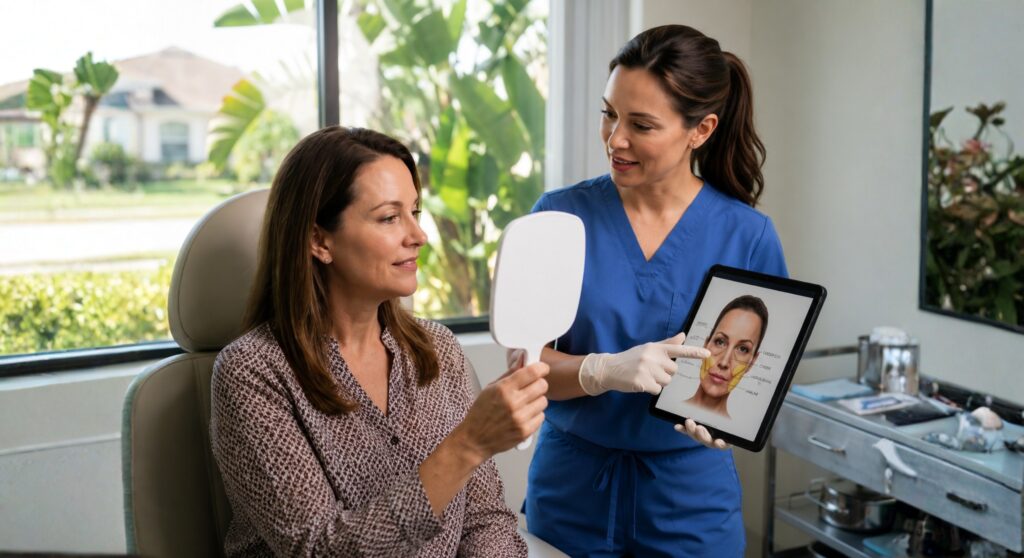
Intrinsic and extrinsic ageing are different processes, but they often affect your skin at the same time. While natural ageing gradually changes collagen, elastin, hydration, and your skin’s ability to repair itself, external factors such as UV exposure, smoking, pollution, and oxidative stress can speed up visible ageing.
An appropriate treatment plan begins with understanding which changes are linked mainly to skin quality, pigmentation, volume, movement or laxity. Whether your main issue is dryness, skin laxity, pigmentation, texture changes, volume loss, or a combination of these, a personalised assessment helps identify the most appropriate approach.
Myth vs Fact
| Myth | Fact |
| Skin ageing is caused only by genetics. | Genetics influence intrinsic ageing, but ultraviolet exposure, smoking and other environmental factors also affect visible ageing. |
| Intrinsic and extrinsic ageing occur separately. | Most people experience both processes at the same time, and they interact throughout life. |
| Expensive skincare can stop intrinsic ageing. | Skincare may support hydration, barrier function and some visible concerns, but it cannot stop chronological ageing. |
| A tan makes the skin look healthier. | A tan is a response to ultraviolet exposure and does not protect the skin from further damage. |
| Sunscreen is only necessary on hot days. | Ultraviolet exposure is not determined by temperature. Check the UV index and protect exposed skin when appropriate. |
| All wrinkles are caused by collagen loss. | Wrinkles can also be influenced by elastic-fibre changes, facial movement, volume loss, bone changes and cumulative environmental damage. |
| More treatments produce better rejuvenation. | Combining treatments is only appropriate when each procedure addresses a clearly identified concern. |
| Pollution-protection skincare prevents environmental ageing. | Some products may support the skin barrier, but cosmetic claims do not prove that a product prevents pollution-related ageing. |
| Retinoids are suitable for everyone. | Retinoids may cause irritation and should not be used during pregnancy or when planning pregnancy. |
| Aesthetic treatment can reverse the ageing process. | Treatments may improve selected visible features, but they cannot stop biological ageing or guarantee permanent results. |
Key Takeaways
1. Intrinsic ageing is the natural biological ageing process and cannot be stopped.
2. Extrinsic ageing is influenced by external exposures, particularly ultraviolet radiation and smoking.
3. Most visible skin ageing results from a combination of intrinsic and extrinsic processes.
4. Intrinsic ageing commonly causes gradual dryness, fine lines, thinning and reduced elasticity.
5. Photoageing is more commonly associated with coarse wrinkles, uneven pigmentation, roughness and abnormal elastic-tissue changes.
6. Ultraviolet exposure affects collagen and the structure and function of elastic fibres.
7. Air pollution has been associated with skin ageing, although the evidence varies between studies.
8. Sun protection should include shade and clothing as well as adequate UVA and UVB sunscreen.
9. Skincare may improve hydration, texture and selected visible changes but cannot stop biological ageing.
10. Retinoids may help photoaged skin but can cause irritation and are not suitable during pregnancy or when planning pregnancy.
11. Aesthetic procedures have different purposes, benefits, limitations and risks.
12. Treatment should be based on your skin, medical history and specific concerns rather than a standard “anti-ageing” package.
Frequently Asked Questions
1. What is the difference between intrinsic and extrinsic skin ageing?
Intrinsic ageing is the natural ageing process driven by genetics, hormones, and the gradual slowing of the skin’s repair mechanisms. Extrinsic ageing is caused by external factors such as UV exposure, smoking, pollution, and lifestyle habits, many of which can be reduced through preventive measures.
2. Can intrinsic skin ageing be prevented?
No. Intrinsic ageing is a normal biological process that cannot be stopped. However, healthy lifestyle habits, appropriate skincare and protection from environmental damage can help support skin health as it ages.
3. What causes extrinsic skin ageing?
The most established causes of extrinsic ageing are repeated ultraviolet exposure and smoking. Air pollution has also been associated with premature ageing, while sleep, stress, alcohol, nutrition and skincare habits may influence skin health, although they are not considered equivalent to established causes such as UV exposure and smoking.
4. Which type of skin ageing causes wrinkles?
Both intrinsic and extrinsic ageing contribute to wrinkle formation. Intrinsic ageing typically causes gradual fine lines, while extrinsic ageing is more likely to result in deeper wrinkles, uneven skin tone, rough texture, and more pronounced skin damage.
5. Does sunscreen help prevent extrinsic ageing?
Yes. Appropriate sun protection is one of the most effective ways to reduce further photoageing. When the UV index is 3 or above, use shade and protective clothing and apply sunscreen with at least SPF 30 and strong UVA protection to exposed skin. Sunscreen cannot reverse all existing damage and should not be used to extend the time you spend in direct sun.
6. Can smoking make skin age faster?
Yes. Smoking accelerates extrinsic skin ageing by reducing blood flow to the skin, increasing oxidative stress, and damaging collagen and elastin. It is associated with premature wrinkles, dull skin, reduced elasticity, and slower skin healing.
7. How do hormones affect intrinsic skin ageing?
Hormonal changes, particularly during perimenopause and menopause, can reduce collagen production, skin thickness, hydration, and elasticity. These natural changes often make fine lines, dryness, and skin laxity more noticeable over time.
8. Can skincare reverse intrinsic and extrinsic ageing?
Skincare can improve hydration, support the skin barrier and reduce some visible features of photoageing. Certain retinoids can also stimulate skin remodelling. However, skincare cannot stop biological ageing or completely restore volume loss, advanced laxity or all cumulative environmental damage.
9. Why do people of the same age have different-looking skin?
The appearance of skin ageing varies because of differences in genetics, sun exposure, smoking history, pollution, hormonal changes, skincare habits, and overall health. While intrinsic ageing affects everyone, extrinsic factors can significantly influence how quickly visible ageing develops.
10. How can visible skin ageing be slowed?
Natural ageing cannot be prevented, but further avoidable damage may be reduced through appropriate sun protection, avoiding smoking and sunbeds, using gentle skincare, eating a balanced diet and looking after your general health. These measures support skin health but cannot guarantee that wrinkles, pigmentation or laxity will not develop.
Final Thoughts: Understanding the Causes of Skin Ageing and Your Options
Intrinsic and extrinsic ageing work together to influence how your skin changes over time. Natural ageing gradually affects collagen, elastic fibres, hydration and repair, while ultraviolet exposure, smoking and other environmental factors can make some visible changes develop more quickly.
Although you cannot stop intrinsic ageing, sensible sun protection, avoiding smoking and using appropriate skincare may help protect your skin and reduce further avoidable damage. Treatments may improve selected concerns, but no product or procedure can stop ageing or guarantee permanent results.
If you are concerned about sun-related texture, pigmentation or other visible skin changes and are considering CO₂ laser treatment in London, you can contact London Medical and Aesthetic Clinic for a personalised consultation. Your clinician can assess your skin, explain whether this treatment is appropriate and discuss its expected benefits, limitations, recovery and possible risks.
References:
1. Ganceviciene, R., Liakou, A.I., Theodoridis, A., Makrantonaki, E. and Zouboulis, C.C. (2012) ‘Skin anti-aging strategies’, Dermato-Endocrinology, 4(3), pp. 308–319. Available at: https://pubmed.ncbi.nlm.nih.gov/23467476/
2. Rittié, L. and Fisher, G.J. (2015) ‘Natural and sun-induced aging of human skin’, Cold Spring Harbor Perspectives in Medicine, 5(1), a015370. Available at: https://pubmed.ncbi.nlm.nih.gov/25561721/
3. Rinnerthaler, M., Bischof, J., Streubel, M.K., Trost, A. and Richter, K. (2015) ‘Oxidative stress in aging human skin’, Biomolecules, 5(2), pp. 545–589. Available at: https://pmc.ncbi.nlm.nih.gov/articles/PMC4496675/
4. Scharffetter-Kochanek, K., Brenneisen, P., Wenk, J., Herrmann, G., Ma, W., Kuhr, L., Meewes, C. and Wlaschek, M. (2000) ‘Photoaging of the skin from phenotype to mechanisms’, Experimental Gerontology, 35(3), pp. 307–316. Available at: https://www.sciencedirect.com/science/article/pii/S0531556500000068
5. Lee, H.J. and Kim, M. (2021) ‘Skin Barrier Function and the Aging Process’, International Journal of Molecular Sciences, 22(24), article 12965. Available at: https://www.mdpi.com/1422-0067/22/24/12965