

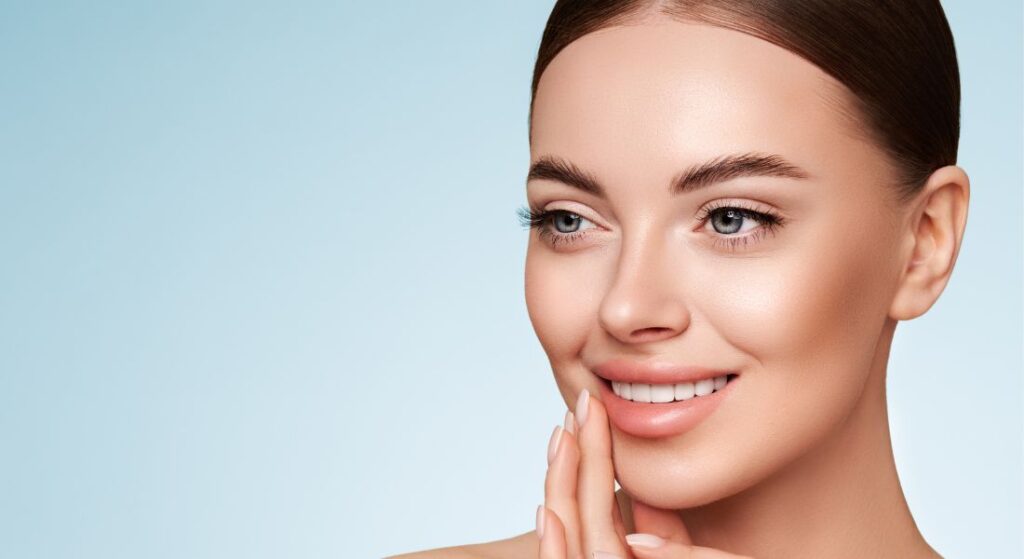
Upper lip lines are some of the most common and frustrating signs of ageing. These vertical creases, often called “smoker’s lines” or “barcode lines,” form even in people who have never smoked. They can make lipstick bleed, make the mouth look older, and create a tired appearance even when the rest of your face looks fresh. Many people try creams, serums, or home treatments, but these rarely make any meaningful difference because the lines form deep in the skin’s structure.
This is where CO₂ laser resurfacing comes in. It is one of the most powerful treatments for upper lip lines because it doesn’t just treat the surface it rebuilds the collagen matrix underneath. If you’re considering CO₂ laser for vertical lip wrinkles, you may have questions such as: How effective is it? Can it remove the lines completely? Is it safe? How many sessions do I need? Will it look natural?
In this guide, I’ll walk you through exactly how CO₂ laser works on this delicate area, why this part of the face responds so well, what results you can expect, and whether it might be the right choice for you.
Why Upper Lip Lines Form Even If You’ve Never Smoked
The upper lip ages faster than many other areas because of a combination of structural, lifestyle, and genetic factors. Before looking at how CO₂ laser works, it helps to understand why these lines appear.
1. Repeated Lip Movements: You use your lips constantly for eating, speaking, and expressing emotion. These repetitive movements fold the skin again and again, which eventually creates vertical creases.
2. Thinning Skin: With age, the upper lip loses collagen, elastin, and fat. The skin becomes thin, making lines appear deeper.
3. Sun Damage: UV exposure speeds up collagen breakdown. Even indirect sunlight contributes to this over the years.
4. Loss of Lip Volume: As the lips lose volume with age, the skin collapses slightly, exaggerating the appearance of vertical lines.
5. Genetics: Some people are simply more prone to fine lines around the mouth.
6. Smoking: While not the only cause, smoking accelerates wrinkles because of repeated puckering and reduced blood flow.
Understanding these factors helps explain why upper lip lines can be stubborn and why resurfacing is often the most effective solution.
Why CO₂ Laser Works So Well for Smoker’s Lines
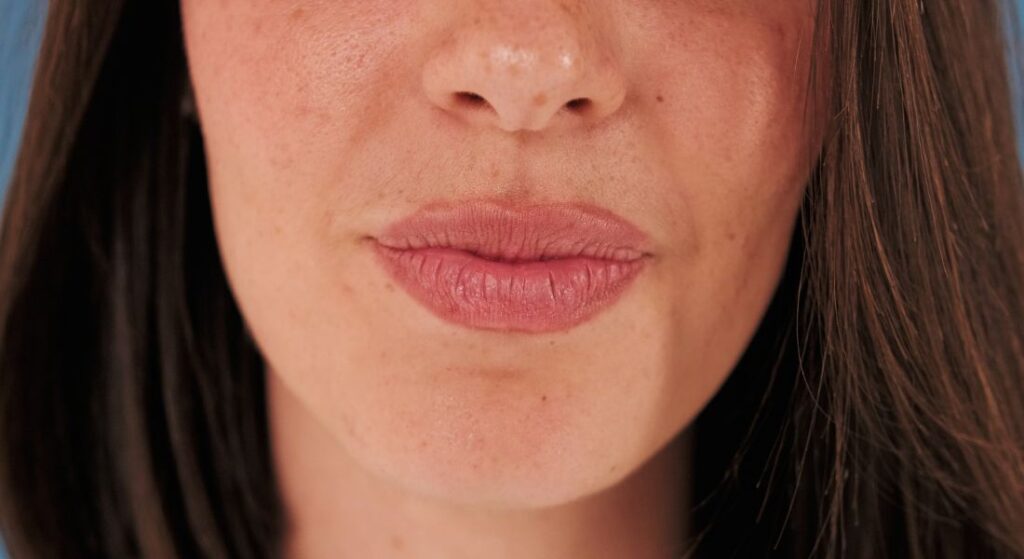
Smoker’s lines those fine vertical wrinkles that form around the upper lip develop deep within the dermis and can be challenging to treat with creams or non-ablative treatments. These lines often appear early in smokers or with repeated lip movements and can make the upper lip look aged or crepey. CO₂ laser resurfacing is an ablative fractional laser that removes damaged surface skin while stimulating deep collagen remodelling, making it particularly effective for these stubborn lines. The treatment not only smooths existing wrinkles but also strengthens the skin to help prevent new lines from forming.
Key benefits include:
– Smoothing fine lines and crepey skin – The laser resurfaces the upper lip, softening superficial lines and improving the delicate, thin skin in this area.
– Reducing the depth of deeper vertical wrinkles – By stimulating collagen in the dermis, CO₂ laser helps fill and flatten deeper, etched-in lines.
– Tightening and firming the upper lip area – Thermal energy contracts existing collagen and encourages new fibre formation, giving the lip area a firmer, lifted appearance.
– Stimulating long-term collagen production – Collagen and elastin regeneration continues for months after treatment, improving skin quality over time.
– Improving pigmentation and texture – The laser evens out tone and smooths rough or dull skin, giving the upper lip a healthier, refreshed look.
– Creating a smoother, more youthful lip border – Fine resurfacing enhances the lip contour, restoring definition and softening the appearance of smoker’s lines.
Because the upper lip is a small but collagen-rich area, CO₂ laser often delivers dramatic, noticeable results with minimal downtime.
How CO₂ Laser Works on the Upper Lip
CO₂ laser resurfacing works by creating controlled microscopic injuries in the skin, leaving surrounding tissue untouched. These tiny “microthermal zones” stimulate the body’s natural healing processes, leading to both surface renewal and deeper structural improvement. Because the upper lip is a delicate area with fine skin and abundant collagen, this dual approach is particularly effective for reducing smoker’s lines and restoring a youthful lip contour.
The treatment improves the upper lip in two key ways:
Immediate Surface Renewal: The laser carefully removes the outermost layer of damaged skin, smoothing fine lines and crepey texture. This resurfacing also evens out pigmentation, improves skin tone, and gives the lip area a refreshed, smoother appearance almost immediately.
Deep Collagen Remodelling: Heat energy penetrates the deeper dermal layers, stimulating collagen and elastin production. Over the following weeks, the skin rebuilds itself stronger, thicker, and more resilient, reducing the depth of deeper vertical wrinkles and helping to prevent new lines from forming.
This dual effect surface resurfacing plus deep tissue remodelling makes CO₂ laser one of the few treatments capable of significantly improving even long-standing smoker’s lines, creating a firmer, smoother, and more youthful upper lip area.
How Effective Is CO₂ Laser for Upper Lip Lines?
CO₂ laser is considered one of the most effective treatments for upper lip lines, especially vertical wrinkles, because it works by stimulating collagen remodelling deep within the skin. This process helps to restore the skin’s natural elasticity and firmness, making it smoother and more youthful in appearance. Most patients notice a significant reduction in fine lines and a softening of deeper smoker’s lines, while the lip border becomes more defined. In addition, the treatment improves overall skin texture and brightness, providing a refreshed and rejuvenated look that can last for a long time. Many individuals experience substantial improvement after just a single session, making it a popular choice for those seeking quick yet effective results.
The degree of improvement, however, depends on the severity of the lines. Fine lines are often fully removed, moderate lines are significantly softened, and even deep etched lines show noticeable improvement, although they may not disappear completely. For lines that remain more pronounced, additional treatments such as dermal fillers, microneedling, or repeat CO₂ laser sessions can further enhance the outcome. Overall, CO₂ laser offers a versatile and highly effective solution for improving upper lip wrinkles, providing both immediate surface renewal and long-term skin rejuvenation.
How Many CO₂ Laser Sessions Are Needed for Upper Lip Lines?
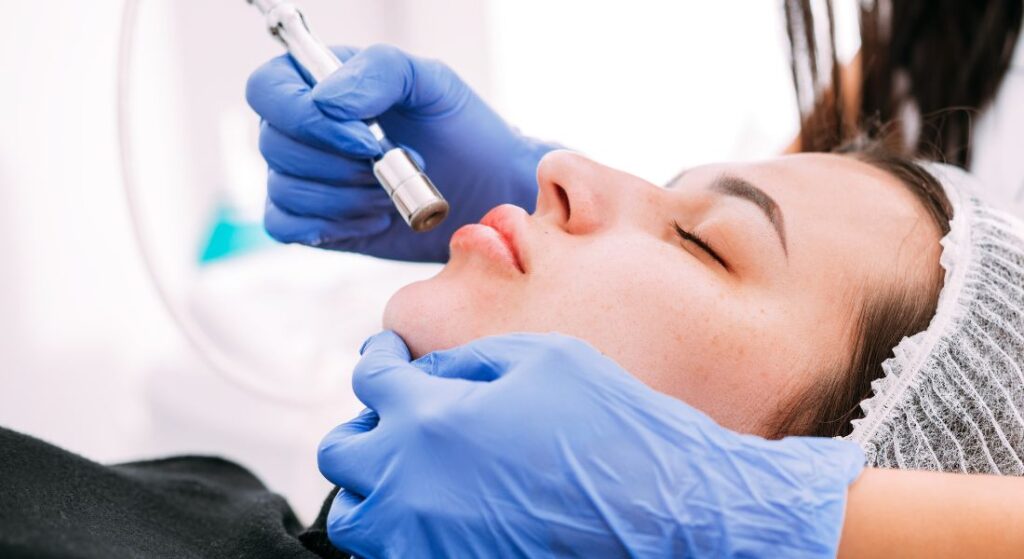
The number of CO₂ laser sessions required to treat upper lip lines largely depends on the depth of the wrinkles and the results you hope to achieve. In general, most patients need between one and three sessions to see noticeable improvement. For mild lines, a single session is often sufficient to achieve a smoother, more youthful appearance. Moderate lines typically require one to two sessions, while deeper, more pronounced lines usually need two to three sessions and may benefit from additional combination treatments such as dermal fillers or microneedling to enhance the results. Sessions are usually scheduled 6 to 8 weeks apart, giving the skin enough time to heal, regenerate collagen, and show progressive improvement. Following this schedule ensures the best possible outcome while minimising the risk of side effects.
What Is the Downtime After CO₂ Laser on the Upper Lip?
Recovery after CO₂ laser on the upper lip varies depending on the intensity of treatment and your individual healing response. Because the upper lip skin is thin and sensitive, some redness, swelling, and mild discomfort are normal in the first few days.
Typical downtime: 5–7 days
During this period, you may notice:
– Redness: The skin often appears pink or red, similar to a mild sunburn, as it begins the healing process.
– Flaking: Tiny bits of the treated outer skin may peel away naturally, revealing fresh, smoother skin underneath.
– Tightness: The treated area can feel stretched or firm, especially when moving your lips for talking, smiling, or eating.
– Dryness: Temporary dryness or a slightly rough texture is common as new skin forms.
– A sunburn-like feeling: Mild warmth, sensitivity, or tingling may be experienced during the first 24–48 hours.
Lip movements may feel slightly tight for several days, but this gradually improves as the skin heals. Most people feel comfortable being in public after about a week, though a mild pink tone can persist for a short time in some cases.
What Results Look Like Over Time
One of the benefits of CO₂ laser is that improvements continue gradually as your skin heals and collagen rebuilds itself. Because the results come from your body’s natural regeneration, they look soft, natural, and long-lasting.
Timeline of results:
1 week: Smoother surface, initial tightening – The treated area feels firmer, and fine lines start to appear less noticeable as damaged skin is shed.
1 month: Visible reduction in fine lines – Early collagen production helps soften superficial wrinkles, and the upper lip begins to look smoother and more even.
3 months: Continued collagen remodelling – Deeper vertical lines start to diminish as new collagen strengthens the dermal layers, improving texture and elasticity.
6 months: Peak improvement – Maximum results are usually seen around six months after treatment, with a firmer, plumper, and more youthful upper lip.
Because CO₂ laser stimulates your own collagen rather than relying on fillers or artificial products, the results appear natural and harmonious, enhancing the upper lip subtly while restoring definition and smoothness.
How Long Do the Results Last?
CO₂ laser treatment for upper lip lines provides long-lasting results because it not only smooths the surface of the skin but also stimulates deep collagen production. This collagen remodelling strengthens the skin, improves elasticity, and promotes long-term rejuvenation, which helps maintain a firmer, smoother, and more youthful-looking upper lip. In many cases, the effects of the procedure can last for several years, making it a highly effective option for those looking for a durable solution to vertical wrinkles and smoker’s lines.
However, the longevity of these results can vary depending on individual factors. Sun exposure, daily skincare habits, smoking, genetics, and the natural hydration and volume of the lips all play a role in how long the improvement lasts. To preserve and even enhance the effects, many people opt for an annual lighter resurfacing treatment, which helps refresh the skin, maintain collagen levels, and prolong the overall benefits of the original CO₂ laser procedure. Regular maintenance, combined with good skincare and sun protection, ensures that the upper lip remains smooth and youthful for years to come.
Can CO₂ Laser Be Combined With Other Treatments?
Yes combining CO₂ laser with other complementary treatments often produces more natural, long-lasting, and dramatic results, especially for stubborn or deep smoker’s lines. Combination therapy allows both the surface skin and underlying structure to be addressed simultaneously. Many patients find that layering treatments not only enhances collagen production but also speeds up overall recovery. Additionally, a customised plan ensures that each area of concern receives the most effective approach for optimal results.
Common combinations include:
Dermal fillers: For deeper etched lines – Fillers restore lost volume in the upper lip and soften deep vertical wrinkles that laser alone may not fully correct.
Botox: To relax excessive lip movement – Botox reduces repetitive muscle contractions around the mouth, helping prevent new smoker’s lines from forming and prolonging laser results.
Microneedling: To boost collagen further – Microneedling after healing can stimulate additional collagen production, enhancing firmness and skin quality.
PRP (platelet-rich plasma): To improve healing and brightness – PRP promotes faster recovery, reduces inflammation, and gives the skin a healthier, more radiant appearance.
Skin boosters: For hydration and elasticity – Lightweight hyaluronic acid injections deeply hydrate the lip area, improving smoothness and supporting the laser’s resurfacing effects.
A combination of CO₂ laser and fillers is particularly effective for deep, long-standing smoker’s lines, as it addresses both the surface texture and underlying volume loss, creating a smoother, more youthful upper lip.
What Aftercare Is Required?
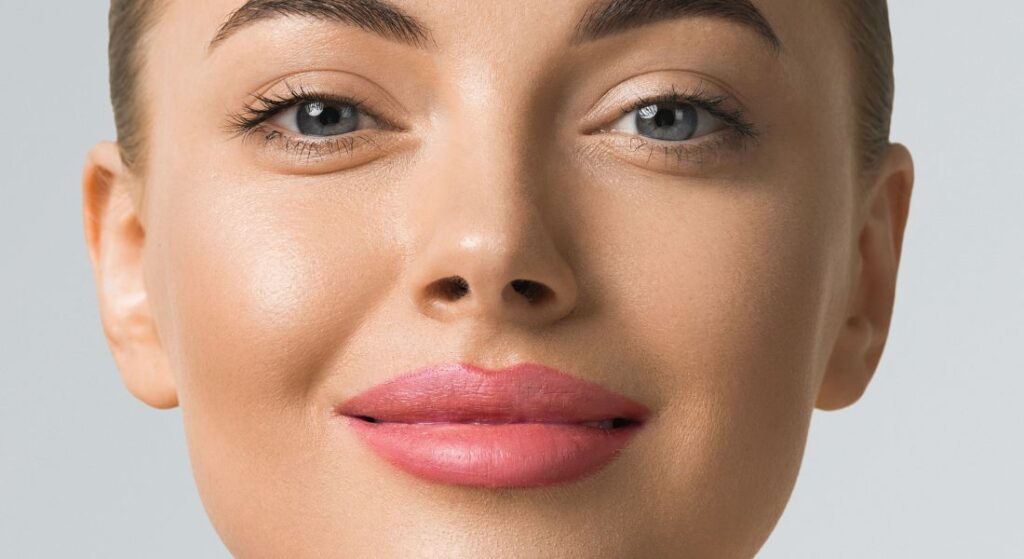
Following proper aftercare after CO₂ laser on the upper lip is essential to ensure fast healing, reduce complications, and maintain long-lasting results. Taking care of your skin in the weeks after treatment helps prevent pigmentation changes, irritation, or infection.
Common aftercare steps:
Keep the area moisturised: Use a gentle, recommended ointment or cream to keep the skin hydrated and support the healing process.
Avoid sun exposure: Direct sunlight can cause pigmentation and delay recovery, so stay out of the sun until the skin has fully healed.
Apply sunscreen after healing: Once the skin has resurfaced, use a broad-spectrum SPF to protect your renewed skin and prolong results.
Use gentle skincare: Avoid harsh exfoliants, acids, or strong active ingredients until your skin fully recovers.
Avoid picking or rubbing: Let any peeling or crusting naturally shed to prevent scarring or uneven healing.
Follow instructions closely: Your practitioner’s personalised guidance on cleansing, moisturising, and activity restrictions is crucial for optimal outcomes.
Proper aftercare reduces the risk of pigmentation, speeds up recovery, and ensures the best long-term results from your CO₂ laser treatment.
FAQs:
1. How does CO₂ laser differ from other treatments for upper lip lines?
CO₂ laser is an ablative fractional laser, which means it removes the damaged top layer of skin while also stimulating deep collagen remodelling in the dermis. Unlike topical creams or non-ablative treatments that only affect the surface, CO₂ laser works on multiple levels to smooth fine lines, improve skin thickness, and restore elasticity, providing long-lasting results that appear natural.
2. Is CO₂ laser painful when performed on the upper lip?
Most patients experience mild discomfort during the procedure rather than significant pain. A topical numbing cream or local anaesthetic is typically applied before treatment to minimise sensation. Some heat or tingling may be felt during the procedure, but it is generally well-tolerated and brief, and post-treatment soreness can be managed with soothing ointments or cold compresses.
3. How quickly will I see results after CO₂ laser?
Initial improvements in skin smoothness and surface texture are often visible within the first week as the outer layer of damaged skin sheds. However, the most significant changes, such as reduction of deeper lines and increased firmness, gradually appear over three to six months as collagen and elastin continue to regenerate beneath the surface. The peak effect is typically observed around six months post-treatment.
4. Can CO₂ laser completely remove deep smoker’s lines?
While CO₂ laser is highly effective at softening deep vertical lines, complete removal is not always possible for long-standing or very pronounced wrinkles. Many patients notice substantial improvement, with lines appearing shallower and the skin firmer, but some residual depth may remain. In such cases, combination treatments, such as dermal fillers, Botox, or microneedling, can enhance results and target volume loss or muscle movement that contributes to the lines.
5. How many sessions of CO₂ laser are usually required?
The number of sessions depends on the depth of the lines and the desired level of improvement. Mild upper lip lines often respond well to a single session, moderate lines may require one to two treatments, and deeper wrinkles generally need two to three sessions. Treatments are spaced six to eight weeks apart to allow the skin to heal, regenerate collagen, and achieve optimal results.
6. What is the recovery period like after CO₂ laser on the upper lip?
Recovery typically lasts five to seven days, during which the skin may be red, swollen, tight, or dry. Some flaking or peeling is normal as the outer layer sheds and new skin forms. A sunburn-like sensation can occur in the first couple of days, and lip movements may feel slightly tight. Most people feel comfortable returning to social activities after about a week, although mild redness can persist for a short time in some cases.
7. Are the results of CO₂ laser permanent?
CO₂ laser stimulates deep collagen production, which strengthens the skin and provides long-lasting results. While the natural ageing process continues, the improvement can last several years. The longevity of results can be influenced by factors such as sun exposure, skincare routine, smoking habits, genetics, and the overall health of the lips. Many patients choose annual or biannual lighter resurfacing treatments to maintain and prolong the effects.
8. Can CO₂ laser be combined with other cosmetic treatments?
Yes, CO₂ laser works well alongside other treatments to achieve more comprehensive results. Dermal fillers can address volume loss and soften deeper lines, Botox reduces repetitive lip movements, microneedling stimulates additional collagen, PRP enhances healing and radiance, and skin boosters improve hydration and elasticity. A combination approach allows both the surface skin and underlying structure to be optimally treated for smoother, younger-looking lips.
9. Is CO₂ laser safe for all skin types?
CO₂ laser is generally safe when performed by an experienced practitioner, but certain skin types, particularly very dark or highly pigmented skin, may be at higher risk of temporary pigmentation changes. Pre-treatment evaluation is crucial to determine suitability. Patients with certain medical conditions, such as uncontrolled diabetes or severe eyelid or lip disorders, may need alternative treatments or additional precautions to ensure safety and effectiveness.
10. What aftercare is necessary to maximise results?
Aftercare is essential to support healing and maintain long-term outcomes. Patients should keep the treated area moisturised, avoid direct sun exposure, and apply broad-spectrum sunscreen once the skin has healed. Gentle skincare should be used, avoiding harsh acids or exfoliants, and picking or rubbing the area should be strictly avoided. Following the practitioner’s instructions for cleansing, moisturising, and activity restrictions helps reduce the risk of complications and ensures that results are smooth, even, and long-lasting.
Final Thought: Treating Smoker’s Lines
CO₂ laser is one of the most effective solutions for reducing upper lip lines and smoker’s lines because it not only smooths the surface but also rebuilds collagen deep within the skin. Its ability to target both fine and deeper wrinkles makes it a versatile option, whether used alone or in combination with other treatments like fillers, Botox, or microneedling. With proper aftercare and occasional maintenance sessions, the results can be long-lasting and look entirely natural. If you’re thinking about CO2 laser treatment for wrinkles in London and want professional guidance, you can contact us at the London Medical & Aesthetic Clinic to schedule a consultation.
References:
1. Fitzpatrick, R. E., Goldman, M. and Satur, N. (1996) ‘Pulsed Carbon Dioxide Laser Resurfacing of Photoaged Facial Skin’, JAMA Dermatology, 132(9), pp. 1177–1184. https://jamanetwork.com/journals/jamadermatology/article-abstract/557647
2. Khouri, G. E. et al. (2010) ‘Outcomes of fractional CO₂ laser application in aesthetic surgery: a retrospective review’, Aesthetic Surgery Journal, 30(6), pp. 845–852. https://academic.oup.com/asj/article-abstract/30/6/845/194824
3. Pan, Z., Tang, Y., Hua, H., Hou, Z. & Zhou, B. (2023) ‘“Multiple Mode Procedures” of Ultra‑Pulse Fractional CO₂ Laser: A Novel Treatment Modality of Facial Atrophic Acne Scars’, Journal of Clinical Medicine, 12(13), 4388. https://www.mdpi.com/2077-0383/12/13/4388
4. Yan, C., Phinyo, P., Yogya, Y., Chuamanochan, M. & Wanitphakdeedecha, R. (2025) ‘Comparative Effectiveness and Safety of Fractional Laser and Fractional Radiofrequency for Atrophic Acne Scars: A Retrospective Propensity Score Analysis’, Life, 15(9), 1379. https://www.mdpi.com/2075-1729/15/9/1379
5. Alster, T. S. & Williams, C. M. (1995) ‘Long‑term results of facial rejuvenation by carbon dioxide laser resurfacing using a quantitative method of assessment’, Plastic and Reconstructive Surgery, 95(6), pp. 1015–1023. https://pubmed.ncbi.nlm.nih.gov/25652114/