

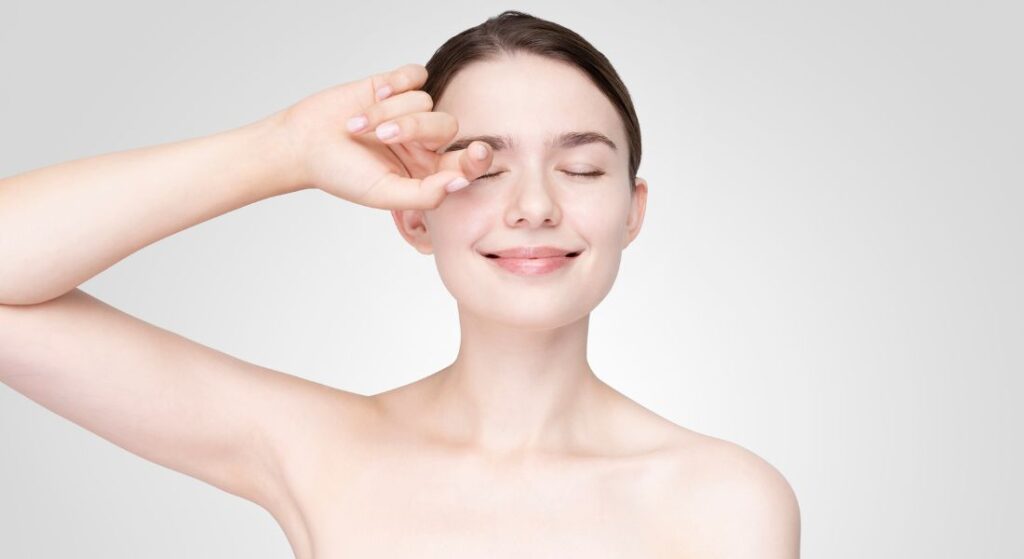
If you’re starting to notice fine lines around the eyes, deeper creases at the outer corners, or under-eye wrinkles that make you look tired even when you feel rested, you’re not alone. The skin around your eyes is the thinnest and most delicate skin on your face, which means signs of ageing appear here earlier than anywhere else. Sun damage repeated facial expressions, dehydration, genetics, and the natural decline of collagen all play a role. For many people, these changes can start in their mid-20s and become more noticeable every year.
CO₂ laser resurfacing has become one of the most powerful treatments for rejuvenating the eye area. It works deeper than many other treatments and can significantly improve crow’s feet, crepey under-eye skin, fine lines, and even deeper wrinkles. But because the eye area is so sensitive, it’s natural to have questions. You might be wondering: Is it safe? How effective is it? How much downtime will I need? How many sessions are required? Will the results look natural?
In this guide, I’ll walk you through everything you need to know about CO₂ laser around the eyes so you can make an informed, confident decision.
Why the Eye Area Ages Faster Than the Rest of the Face
Before understanding why CO₂ laser is so effective, it helps to know why this area is one of the first to show signs of ageing.
1. The Skin Is Extremely Thin: The dermis around the eyes is much thinner than other areas. With less collagen and elastin supporting it, wrinkles form more quickly.
2. Frequent Muscle Movement: Smiling, squinting, frowning, laughing these repeated expressions create fine lines over time. Crow’s feet are some of the most dynamic wrinkles on the face.
3. UV Damage: The eye area receives a lot of indirect UV exposure. Sun damage breaks down collagen, making wrinkles deeper and more visible.
4. Dehydration: Because the skin here is delicate, dehydration quickly makes it look crepey or lined.
5. Collagen Loss with Age: From your mid-20s onwards, your collagen production starts to drop. This causes laxity, fine lines, and thinner skin.
Because this delicate area ages in multiple ways at once, you often need a treatment that can target the deeper structures which is where CO₂ laser excels.
How CO₂ Laser Works Around the Eyes
The skin around the eyes is the thinnest and most delicate on the face, which makes it one of the first areas to show fine lines, sagging, and texture changes. A CO₂ laser is specifically effective here because it delivers precise, controlled resurfacing while stimulating deep collagen renewal. This combination makes it one of the most powerful treatments for rejuvenating and tightening the eye area.
CO₂ laser is an ablative fractional laser, meaning it creates thousands of tiny, microscopic channels (microthermal zones) in the skin while keeping the surrounding tissue intact. This triggers rapid healing and significant collagen remodelling leading to smoother, tighter, and brighter skin over time.
Around the eyes, CO₂ laser helps:
Smooth fine lines: CO₂ laser removes damaged surface skin and stimulates fresh collagen, helping fine lines fade and giving the skin a smoother appearance.
Firm crepey or loose skin: The heat from the laser tightens collagen fibres and triggers new collagen production, which helps thin, crepey skin become firmer over time.
Improve crow’s feet: By resurfacing the outer eye area and encouraging deeper collagen remodelling, the laser softens crow’s feet and reduces their visibility.
Reduce deeper under-eye wrinkles: The laser targets deeper lines by tightening the underlying tissue and improving skin elasticity, leading to a more refreshed under-eye look.
Tighten the lower eyelid skin: Controlled thermal energy contracts the skin while also strengthening it from within, helping the lower eyelid appear smoother and lifted.
Improve overall texture and brightness: CO₂ laser removes rough, dull skin and promotes healthy new cell turnover, giving the eye area a more even tone and natural radiance.
The laser removes damaged skin cells and stimulates the production of new collagen and elastin. Over the following weeks and months, the treated area becomes firmer, smoother, and more youthful looking. This is one of the reasons CO₂ laser is considered a gold-standard treatment for eye-area rejuvenation.
What Types of Eye Wrinkles Can CO₂ Laser Treat?

The CO₂ laser is effective for several types of wrinkles and texture issues around the eyes.
1. Fine Lines: These small, superficial lines respond extremely well to CO₂ laser often with visible improvement after just one session.
2. Crow’s Feet: Crow’s feet form from smiling and squinting. CO₂ laser can significantly soften these lines by rebuilding the skin’s structure.
3. Under-Eye Crepiness: Crepey, thin skin is one of the hardest concerns to treat with skincare alone. CO₂ laser thickens and smooths the skin.
4. Deeper Under-Eye Wrinkles: Although deep wrinkles may need more than one session, CO₂ laser can reduce their depth and improve overall appearance.
5. Skin Laxity Around the Eyes: The tightening effect of CO₂ laser can lift and firm the lower eyelids, improving the contour of the entire under-eye area.
If your main goals are smoother skin, fewer fine lines, and improved firmness, CO₂ laser may be one of the best options available.
How Many CO₂ Laser Sessions Are Needed Around the Eyes?
The number of CO₂ laser sessions required varies depending on the type of wrinkles, the level of skin laxity, your skin type, and how dramatic you want your results to be. Some people see noticeable improvement after just one treatment, while others need a series of sessions for deeper rejuvenation.
Typical number of sessions: 1 to 3
Fine lines: Often 1 session: Fine, superficial lines usually respond quickly because the laser can smooth the surface and boost early collagen changes in just one treatment.
Crow’s feet: Usually 1 to 2 sessions: These lines form from repeated expressions, so softening them often requires resurfacing plus a second session to strengthen the underlying collagen.
Crepey under-eye skin: 2 to 3 sessions: Crepey skin is thinner and more fragile, so multiple sessions help gradually build collagen and improve firmness without over-treating the area.
Deeper wrinkles: 2 to 3 sessions: Set-in lines and folds need repeated collagen remodelling, which is why a series of treatments provides better tightening and smoothing.
Most treatments are spaced 6 to 8 weeks apart. This gap gives your skin enough time to heal, rebuild collagen, and respond fully before the next session.
What Results Can You Expect?
CO₂ laser delivers some of the most visible and long-lasting improvements in the eye area. Because it resurfaces the skin while rebuilding collagen at a deeper level, the results look natural, smooth, and gradually better over time.
Patients often notice:
Smoother skin texture: The laser removes rough, damaged surface cells and promotes healthy new skin, giving the eye area a softer, more even texture.
Reduced fine lines: Fine creases fade as fresh collagen fills in the upper layers of the skin, making the eyes look smoother and more youthful.
Softer crow’s feet: Resurfacing and collagen remodelling soften the etched lines around the outer corners of the eyes, reducing how visible they appear.
Firmer lower eyelids: The laser tightens the skin and strengthens the supportive fibres underneath, helping the lower eyelids look more lifted and less lax.
Brighter, more refreshed under-eye appearance: By improving skin tone, clarity, and smoothness, the treatment helps the under-eye area look more awake and rejuvenated.
Thicker, healthier-looking skin: Increased collagen and elastin production makes the thin eye-area skin stronger, plumper, and more resilient.
Results continue to improve gradually for 3 to 6 months as collagen remodelling and skin healing continue beneath the surface.
Is CO₂ Laser Safe Around the Eyes?
The eye area is one of the most delicate parts of the face, so any laser treatment performed here requires extra precision and care. CO₂ laser can be safe and highly effective when carried out by a qualified and experienced practitioner who understands how to work around the thin eyelid skin. With the right technique, the treatment can help smooth fine lines, tighten the skin, and improve overall texture without harming the eyes themselves.
Several strict safety measures are followed to protect your vision and ensure a controlled treatment. These include placing protective metal eye shields underneath the eyelids, using customised laser settings designed specifically for thin, sensitive skin, and avoiding excessive heat to prevent overheating or irritation. Proper cooling, soothing aftercare, and choosing a reputable clinic with proven experience in eye-area laser treatments are all essential steps for a safe and successful outcome.
What Does the Procedure Feel Like?
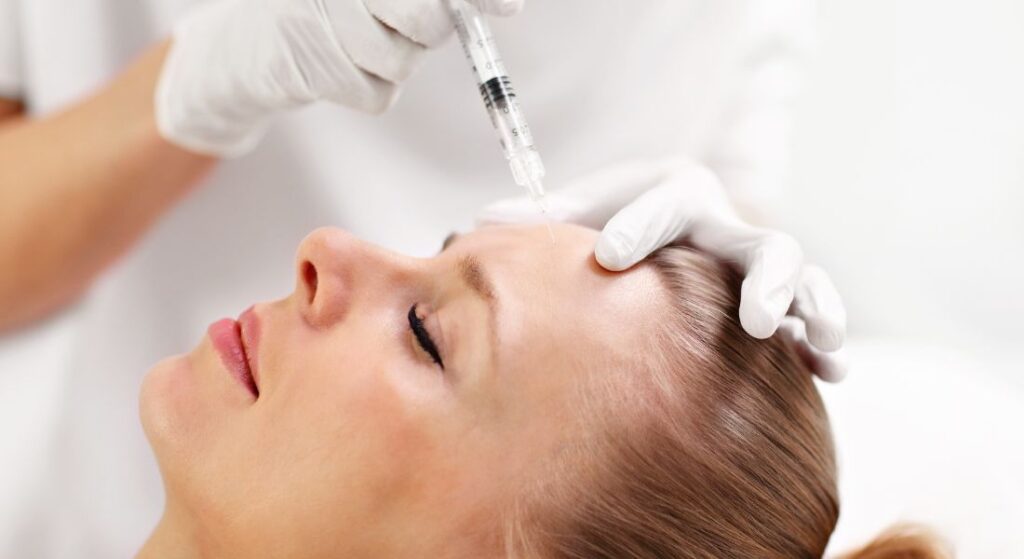
Most people describe the sensation during CO₂ laser treatment as a mix of warmth, light prickling, or a faint stinging feeling. Before the session begins, a numbing cream is applied to ensure the area is as comfortable as possible, and this significantly reduces any discomfort. As the laser targets the deeper layers of the skin, you may notice a gentle build-up of heat, but it typically feels more like a warm tingling rather than anything painful.
Overall, the treatment is very manageable, even in the sensitive eye area. Your practitioner will check in with you throughout the session to make sure you’re comfortable and adjust settings if needed. The entire process is relatively quick, with most full eye-area treatments completed within 20–30 minutes. After the session, you might feel a mild sunburn-like warmth, which usually settles within a few hours.
What Is the Downtime Like?
Downtime after CO₂ laser around the eyes depends on how aggressive the treatment is and how quickly your skin heals. Most people experience a short recovery period during which the skin renews itself and the results gradually become visible. You can expect some redness, mild swelling, and flaking for a few days, and the area may feel slightly warm or sensitive as it heals. These effects are temporary and usually settle as new, smoother skin begins to appear.
Typical downtime: 5–7 days
During this time, you can expect:
– Redness: The skin may look pink or red as it begins healing, similar to a strong sunburn.
– Swelling: Mild to moderate puffiness around the eyes is common for the first few days as the skin responds to the treatment.
– Dryness or flaking: As the outer layer of skin sheds, you may notice dryness or light peeling this is a normal part of resurfacing.
– Tightness: The skin can feel slightly tight or stretched due to initial inflammation and collagen contraction.
– A sunburn-like sensation: Warmth, sensitivity, or mild discomfort may occur in the first 24–48 hours.
These symptoms gradually improve as the skin begins to peel, repair, and regenerate. Most people feel comfortable returning to work after about a week, although a mild pink tone can last for a few weeks in some individuals, especially with fair or sensitive skin.
Can CO₂ Laser Be Combined With Other Eye Rejuvenation Treatments?
Yes CO₂ laser is often paired with complementary treatments to enhance results and address concerns that laser alone cannot fully treat. Combination therapy helps improve both surface wrinkles and deeper structural issues like volume loss or skin thinning.
Common combinations include:
Botox for crow’s feet: Botox relaxes the muscles that create expression lines, helping prevent crow’s feet from reforming after the laser smooths the skin.
Microneedling for additional collagen support: After the skin heals, microneedling can further stimulate collagen production and maintain firmness around the eyes.
PRP (platelet-rich plasma) for healing and brightness: PRP speeds up recovery, reduces inflammation, and boosts under-eye radiance by supplying growth factors to the treated area.
Dermal fillers for under-eye hollowing: Fillers replenish lost volume in the tear trough, improving shadows and hollowness that CO₂ laser alone cannot correct.
Skin boosters for hydration: These lightweight hyaluronic acid injections deeply hydrate the skin, enhancing smoothness and supporting the laser’s resurfacing results.
When combined strategically, these treatments can work alongside CO₂ laser to deliver more comprehensive, long-lasting rejuvenation of the entire eye area.
Who Is a Good Candidate for CO₂ Laser Around the Eyes?
You may be a suitable candidate for CO₂ laser treatment around the eyes if you’re dealing with concerns such as fine lines, crow’s feet, crepey skin, or mild to moderate under-eye wrinkles. It’s also a helpful option for those noticing early signs of skin laxity or a dark, dull under-eye appearance. People with generally good skin health and realistic expectations tend to achieve the best results from this procedure.
However, CO₂ laser may not be ideal for everyone. Certain medical conditions, very dark skin types, or a history of severe dry eyes can increase the risk of side effects and may make the treatment unsuitable. In such cases, a qualified practitioner will recommend safer alternatives or a more tailored treatment plan after assessing your skin and medical background.
What Aftercare Is Needed?

Proper aftercare is essential for ensuring smooth healing and achieving long-lasting results after CO₂ laser around the eyes. The treated area needs to stay well-moisturised, as this helps the skin repair itself and reduces dryness or tightness. Once the skin begins to heal, protecting it from the sun becomes crucial. Avoiding direct sun exposure and applying sunscreen daily (after the initial healing period) can significantly reduce the risk of pigmentation or uneven skin tone.
It’s equally important not to pick, rub, or scratch the area while it is recovering, as this can interfere with healing and may cause scarring or pigmentation. Your practitioner will provide personalised aftercare instructions such as when to cleanse, which products to avoid, and how often to moisturise and following these closely will help you achieve the best possible outcome. Good aftercare not only supports proper healing but also helps maintain the quality of your results over time.
Frequently Asked Questions:
1. How soon will I see results after CO₂ laser around the eyes?
Results from CO₂ laser are gradual because the treatment works by stimulating collagen remodelling beneath the skin. Most patients notice some immediate improvement in skin texture and brightness, but the full effect typically develops over several weeks as the skin heals and new collagen forms. By three to six months post-treatment, the eye area generally appears smoother, firmer, and more youthful.
2. Is CO₂ laser painful around the eyes?
The procedure is generally well-tolerated. Before the session, a numbing cream is applied to minimize discomfort, so most people only feel a warm, tingling, or mild prickling sensation during treatment. The sensation can increase slightly when the laser targets deeper layers, but it is typically manageable and much less intense than it sounds. Experienced practitioners continuously monitor comfort levels throughout the session and adjust the settings as needed.
3. Can anyone get CO₂ laser around the eyes?
While many people are suitable candidates, CO₂ laser may not be recommended for individuals with certain medical conditions, very dark skin types, or those with severe dry eyes. People with good overall skin health, mild to moderate fine lines, early under-eye wrinkles, or crepey skin tend to achieve the best outcomes. A thorough consultation is essential to ensure the treatment is safe and appropriate for your specific skin type and needs.
4. How long does each CO₂ laser session take?
A typical session treating the entire eye area usually lasts between 20 and 30 minutes. This includes preparation time, numbing application, and the controlled laser treatment itself. The duration may vary slightly depending on the extent of the area being treated and the aggressiveness of the settings used by the practitioner.
5. What kind of downtime should I expect?
Downtime varies based on the intensity of the treatment and individual healing rates. Most people experience redness, mild swelling, and flaking for five to seven days, with the area feeling warm or slightly tight as it heals. Some residual pinkness may linger for a few weeks, particularly for those with fair or sensitive skin, but these effects gradually resolve as the skin regenerates and new collagen strengthens the area.
6. How many sessions are typically needed for optimal results?
The number of sessions depends on the severity of fine lines, crow’s feet, crepiness, or deeper wrinkles. Many people see noticeable improvement after a single session, while others require a series of one to three treatments spaced six to eight weeks apart to achieve deeper rejuvenation. Multiple sessions allow collagen to build gradually, reducing the risk of over-treating delicate under-eye skin.
7. Will CO₂ laser make my eyes look unnatural?
When performed by an experienced practitioner, CO₂ laser delivers natural-looking results. The laser targets only the surface and deeper layers of the skin, encouraging collagen production and improving texture without over-tightening or altering the natural contours of the eyes. The gradual improvement over weeks to months ensures the results blend seamlessly with the surrounding facial skin.
8. Can CO₂ laser be combined with other treatments?
Yes, CO₂ laser can be safely combined with complementary treatments to enhance overall results. Many patients pair it with Botox to prevent the recurrence of dynamic lines, microneedling to further stimulate collagen, PRP to improve healing and radiance, dermal fillers to address under-eye hollows, or skin boosters to hydrate and smooth the area. A personalised treatment plan can help achieve more comprehensive rejuvenation of the eye area.
9. What aftercare is necessary following CO₂ laser?
Aftercare is critical to ensure proper healing and maintain results. The treated area should be kept well-moisturised, and direct sun exposure should be avoided until the skin has fully healed. Sunscreen should be applied once the skin has recovered to prevent pigmentation issues. It is important not to pick or rub the skin, and following the practitioner’s instructions regarding cleansing, moisturising, and avoiding certain products will optimise healing and prolong the benefits of the treatment.
10. How long do the results last, and can they be maintained?
CO₂ laser results are long-lasting due to the deep collagen remodelling it stimulates. Visible improvements typically last several years, though lifestyle factors such as sun exposure, smoking, hydration, genetics, and overall skincare can affect longevity. Many patients choose to maintain results with lighter treatments, such as non-ablative lasers or microneedling every 12 to 18 months, which help preserve firmness, smoothness, and brightness over time.
Final Thought: Rejuvenate Your Eye Area with CO₂ Laser
CO₂ laser is a highly effective option for treating crow’s feet, under-eye wrinkles, and crepey skin, offering long-lasting, natural-looking results when performed by an experienced practitioner. With proper aftercare, careful session planning, and adherence to safety measures, this treatment can rejuvenate the delicate eye area and restore a smoother, firmer, and brighter appearance.
If you’re considering CO2 laser treatment for wrinkles and would like expert guidance, you can contact us at the London Medical & Aesthetic Clinic to schedule a consultation. Our clinic’s experienced team can guide you on the most suitable approach for your skin and help you achieve safe, effective results.
References:
1. Shankar, D.S.K., et al. (2009) “Carbon Dioxide Laser Guidelines.” Journal of Cutaneous and Aesthetic Surgery. https://pmc.ncbi.nlm.nih.gov/articles/PMC2918344/
2. Ramsdell, W.M., et al. (2012) “Fractional Carbon Dioxide Laser Resurfacing.” Journal of Cutaneous and Aesthetic Surgery. https://pmc.ncbi.nlm.nih.gov/articles/PMC3580980/
3. Belletti, S., Madeddu, F., Brando, A., et al. (2023) “Laser Impacts on Skin Rejuvenation: The Use of a Synergistic Emission of CO₂ and 1540 nm Wavelengths. https://www.mdpi.com/1648-9144/59/10/1857
4. Shin, J.W., et al. (2019) “Molecular Mechanisms of Dermal Aging and Anti‑Aging Approaches.” International Journal of Molecular Sciences, 20(9), 2126. https://www.mdpi.com/1422-0067/20/9/2126
5. Alster, T.S. & Tanzi, E.L., 2010. Outcomes of Fractional CO₂ Laser Application in Aesthetic Surgery: A Retrospective Review. Aesthetic Surgery Journal, 30(6), 845–850. https://academic.oup.com/asj/article-abstract/30/6/845/194824